


Humanitarian needs soar as resources shrink after three years of conflict in Sudan
“Time is running out for the international community to respond and prevent this spiralling into an even greater humanitarian catastrophe.”
Sudan is the world's largest humanitarian crisis. 34 million people – 72% of the population – need humanitarian assistance. This includes 29 million people who are acutely food insecure.
"As the conflict in Sudan approaches its third anniversary, at no point during the last three years has the humanitarian need been so great, and the means to address them so limited," warned Concern’s Country Director, John Kilkenny.
Currently, over 9.1 million people have been forced from their homes and are internally displaced. A third of these households reported that at least one member went an entire day and night without eating within the past month due to insufficient food.
The number of people in need has increased since last year, driven largely by the unabated continuation of violence and brutal conflict, with needs rising in almost every state in the Darfur and Kordofan regions where Concern is responding.
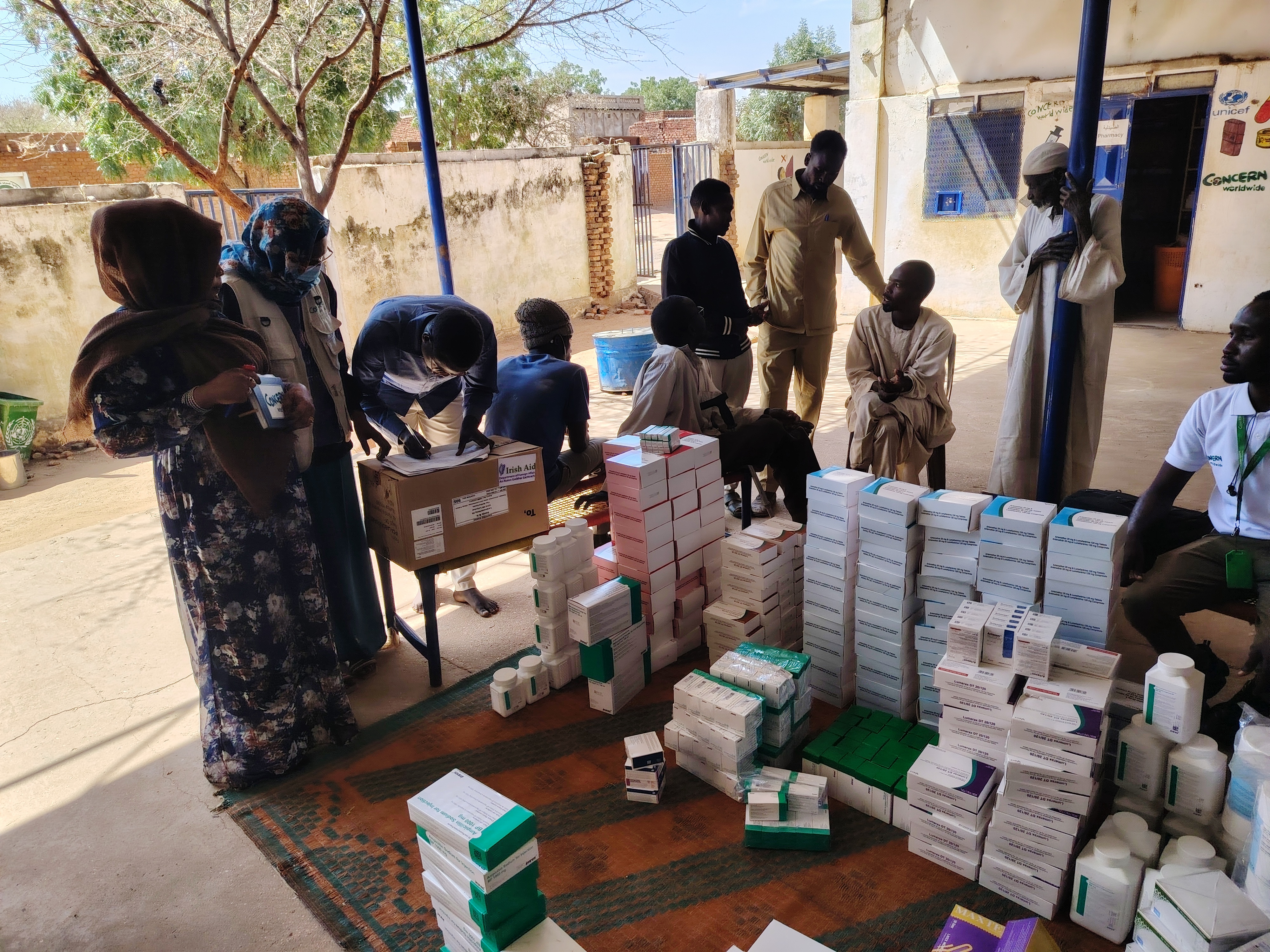
The health infrastructure is crumbling with less than 30% of health facilities functioning and medical supplies in short supply. Water and sanitation are also crucial issues with more than half of people across Sudan reporting difficulties in accessing safe water. Multiple epidemics – including cholera, malaria, and dengue – are spreading as the country's health care, water, and sanitation systems crumble.
"The crisis has been exacerbated by drastic cuts to international funding. Time is running out for the international community to respond and prevent spiraling into an even greater humanitarian catastrophe," warned Mr. Kilkenny.
A survey by members of the Sudan INGO Forum predicts that the wind-down of international funding in the coming months will lead to widespread hardship. Over 20 million people risk losing access to vital services, with more than 240 health facilities facing closure and the withdrawal of nutrition support to acutely malnourished children under the age of five.
"More funding now could still reverse the worst impacts of these cuts," Mr. Kilkenny said. "The lifeline provided by local health facilities and community outreach, supported by Concern, could be kept open and the worst impacts averted. But this window of opportunity is closing fast. Once the support to health workers stops and facilities close, they cannot instantly be reopened."
Concern's response
Concern is continuing to respond to the growing humanitarian crisis. Last year Concern's team reached over 375,000 people in Sudan, providing life-saving and essential services. These included providing cash assistance for basic needs, such as food, soap and hygiene items, medical expenses, and clothing.
Concern supported 62 health and nutrition facilities and eight mobile health clinics. It provided therapeutic supplementary feeding to malnourished children aged under-five in 55 health centers. Without sustained funding now, these numbers are set to dwindled by around two-thirds.
Zarifa's story
"The resilience of people is remarkable," Mr. Kilkenny said: "Hunger is on the rise, yet even surrounded by danger and facing huge risks, farmers given the necessary tools and seeds are still planting in expectation of the rain due in May. With funds provided by the European Union, we are supporting 3,000 farmers and their families."
In Elwehida Village, West Kordofan State, 35-year-old Zarifa once faced a cycle of low agricultural productivity and household food shortages. Before last summer, her lack of technical training, coupled with poor irrigation and inadequate fencing, contributed to low agricultural productivity and recurring food shortages in her household.
Following an agricultural intervention in July, Zarifa received essential inputs, tools, and technical training. The results were immediate: her daily income tripled from approximately $8 to $25. By selling her surplus produce, Zarifa now earns approximately $750 monthly, allowing her to diversify her family’s diet and cover critical healthcare costs, including for specialized eye treatments.
*Name changed for safety reasons
For media inquiries or to speak to a member of our team about this response, please connect with Candance Patel-Taylor at [email protected].
