10 Facts about Concern Worldwide
Jan 6, 2026
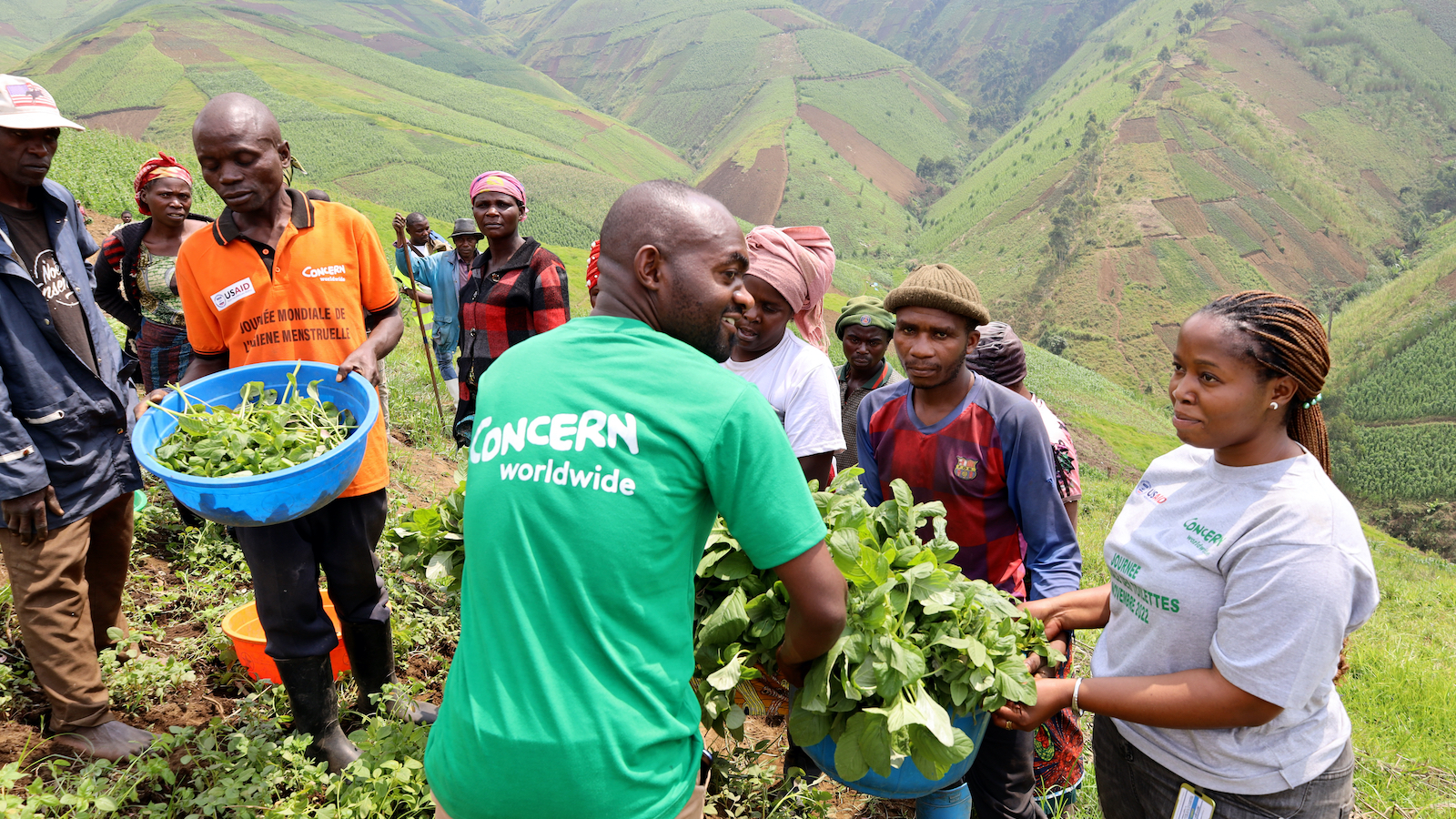
Concern Worldwide is an international humanitarian organization that strives for a world free from extreme poverty, fear, and oppression.
You may know that already. You may also know that, since 1968, Concern has been working with the people furthest behind, in the hardest-to-reach areas to reduce poverty and its root causes.
But here are 10 things you may not know about us, and they’re all pretty core to our mission — past, present, and future.
1. We started in a living room in Dublin
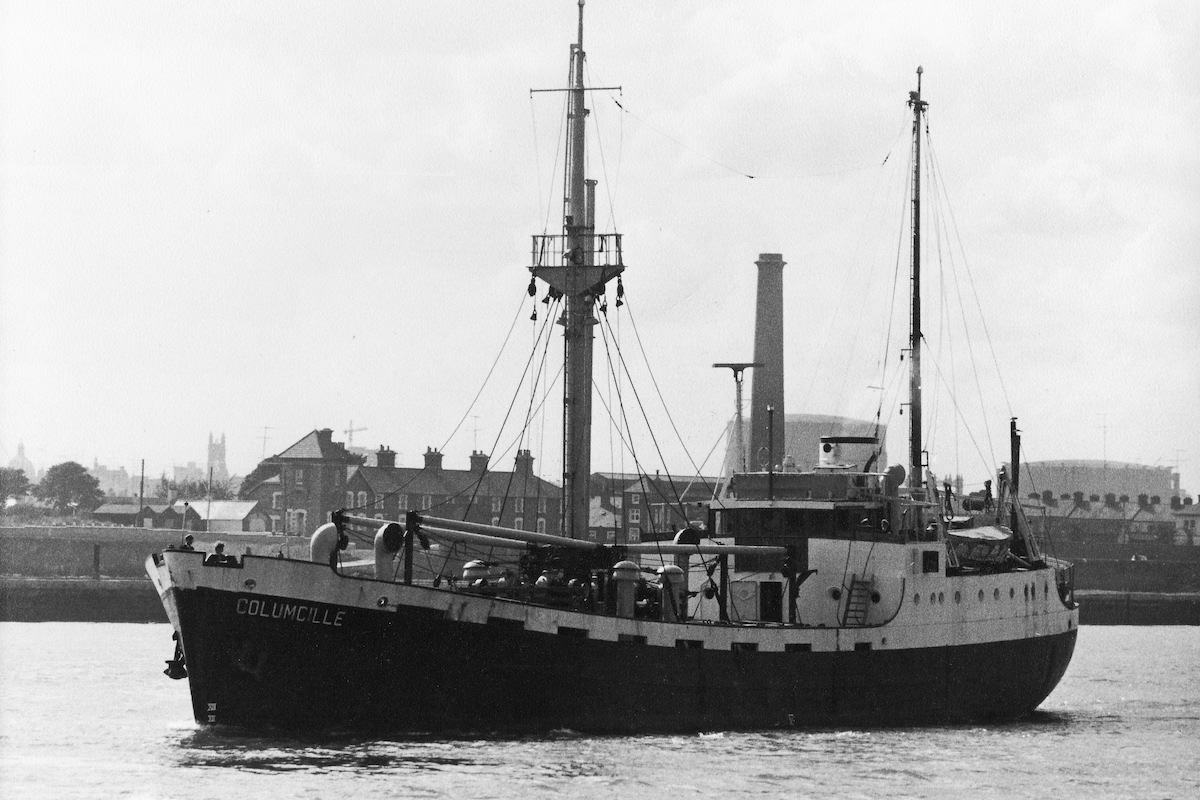
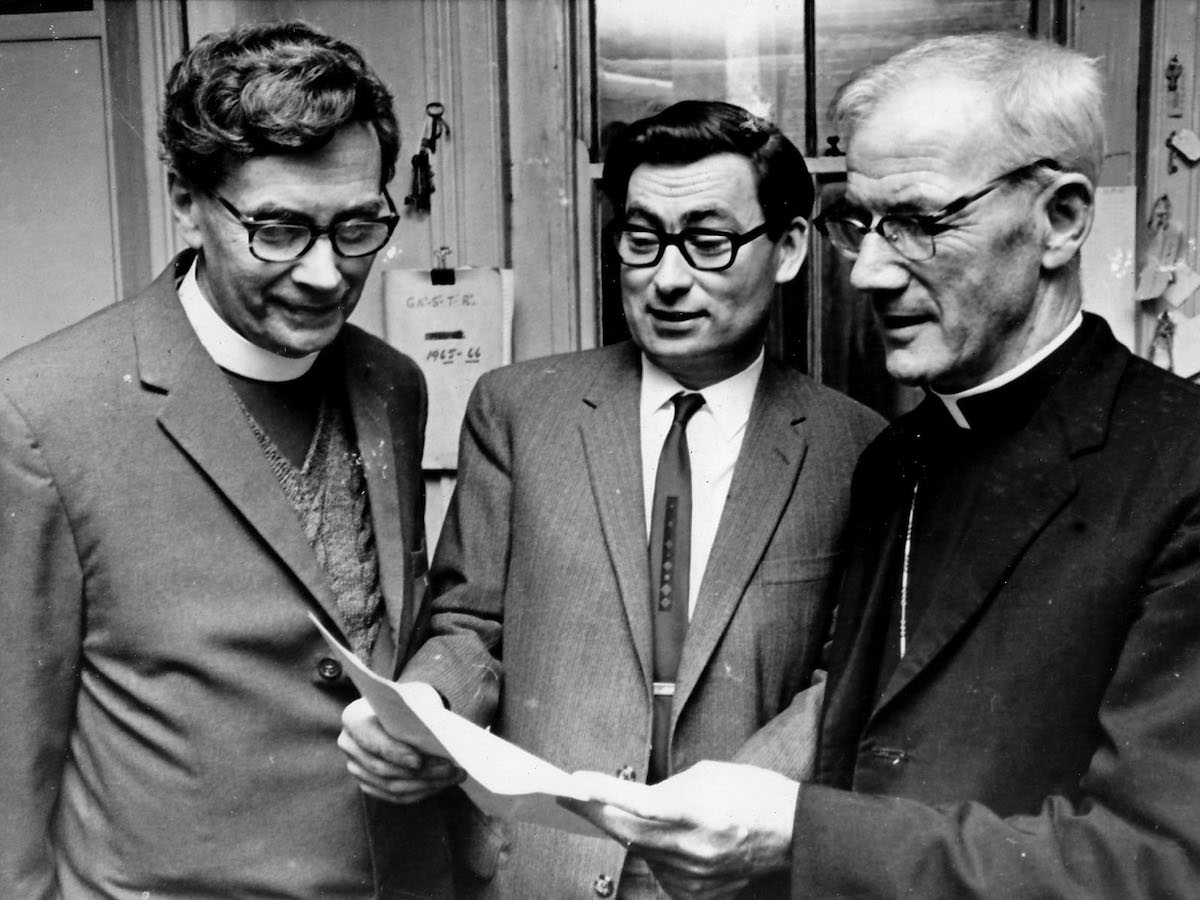
Concern began in the Dublin living room of John and Kay O’Loughlin-Kennedy in December, 1967. They were an ordinary couple who watched the horrors of conflict in Nigeria’s breakaway province of Biafra play out on the news each night. When John’s brother, Father Raymond Kennedy, returned to Ireland from Biafra with news of a developing famine amid displacement and supply blockades, they knew they had to act.
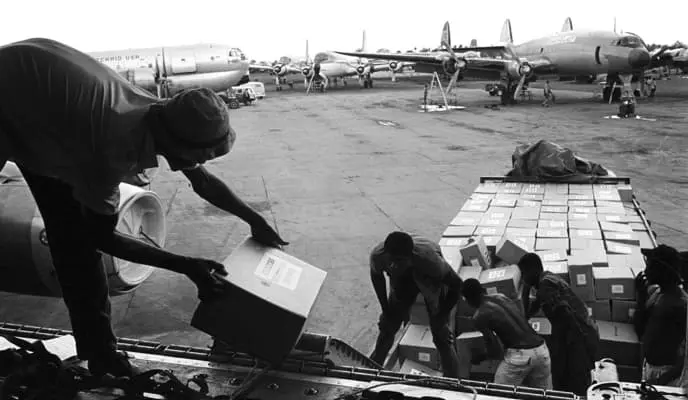
At the time, hunger and hardship were recent (and in some cases ongoing) memories for the Irish. Biafra also came at a time in Ireland where only the church or government could respond to a crisis at this scale. John and Kay had no experience, but they also had no patience to wait for the world to act. They raised the equivalent of over $86 million today. The organization that would eventually become Concern Worldwide soon began sending daily flights over a period of 11 months.
The aid was vital, but it wasn’t the whole story. It was the team of volunteers — responding quickly, pragmatically, and effectively — that signaled a new people-to-people model of emergency response.
2. We’ve worked in 48 countries over 57 years
What began as a response in Nigeria in 1968 soon became a model for humanitarian aid that has been put to work in 48 countries over nearly six decades. Our early years set the tone:
- In 1970, we responded to a devastating cyclone in East Pakistan, and stayed there amid conflict as it became the republic of Bangladesh.
- In 1973 we began working in Ethiopia, beginning a long-term commitment to the Horn of Africa that continues to this day.
- Through the ’70s and ’80s, we supported Cambodian civilians during the Khmer Rouge genocide, and stayed with them through repatriation and reconstruction.
- In 1984 we entered Mozambique at the height of its 15-year civil war.
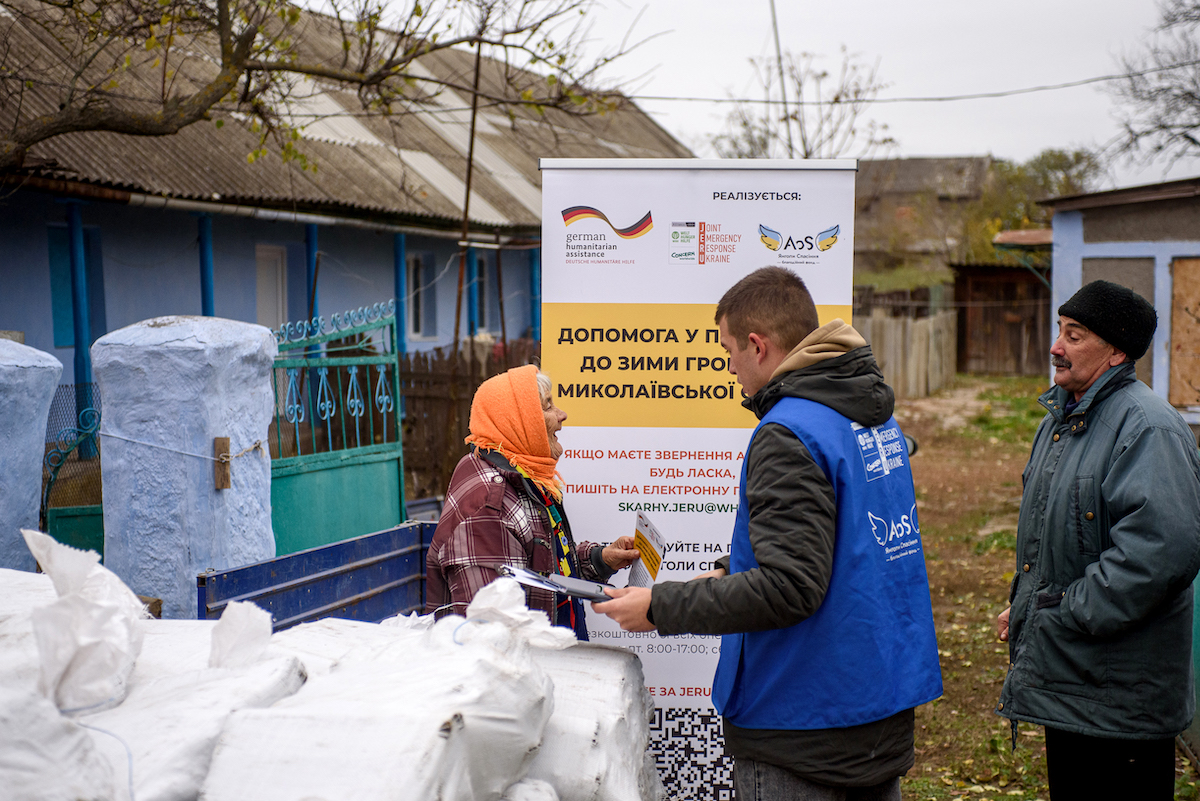
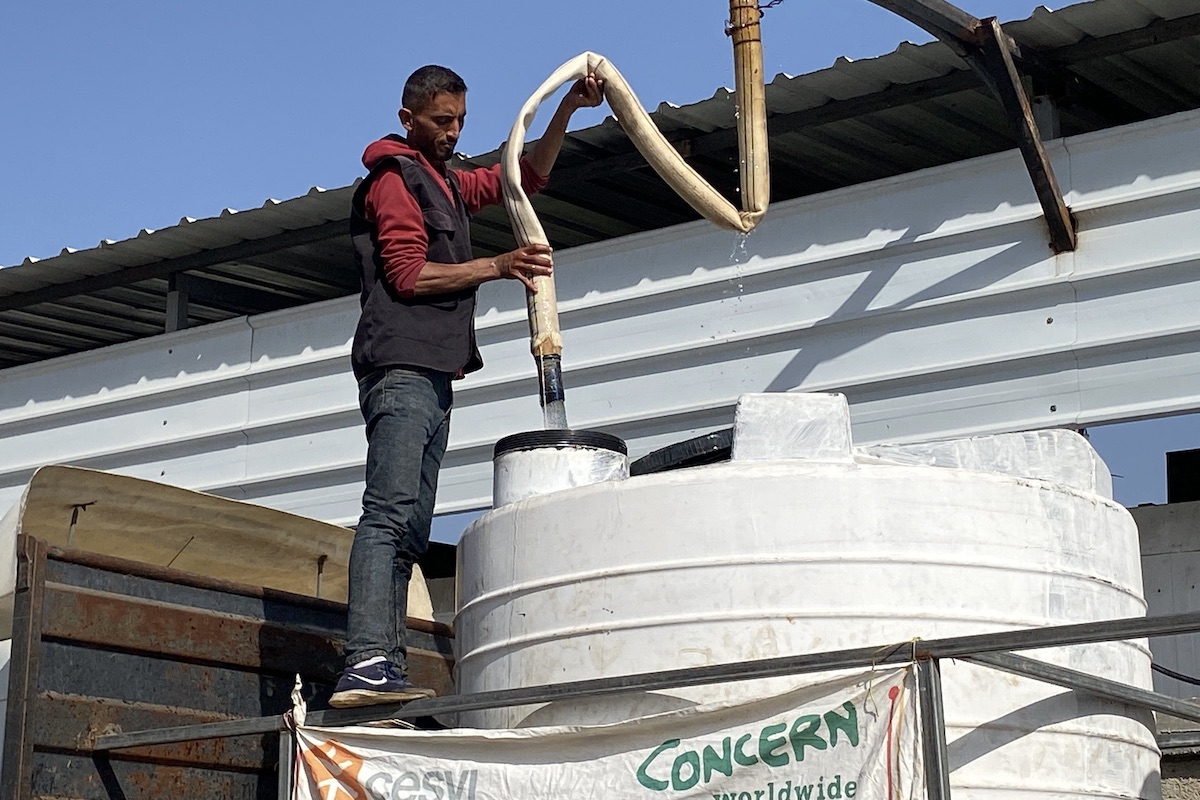
By the 1990s, we were responding to the Rwandan genocide, the Kosovo War, and civil wars in Angola, Sierra Leone, and Liberia (among others). More recently, we have launched a program in Ukraine, supported our Alliance2015 partner in Gaza, and expanded operations amid the current conflict in Sudan. We’ve also been there for some of the worst natural disasters of the last 60 years.
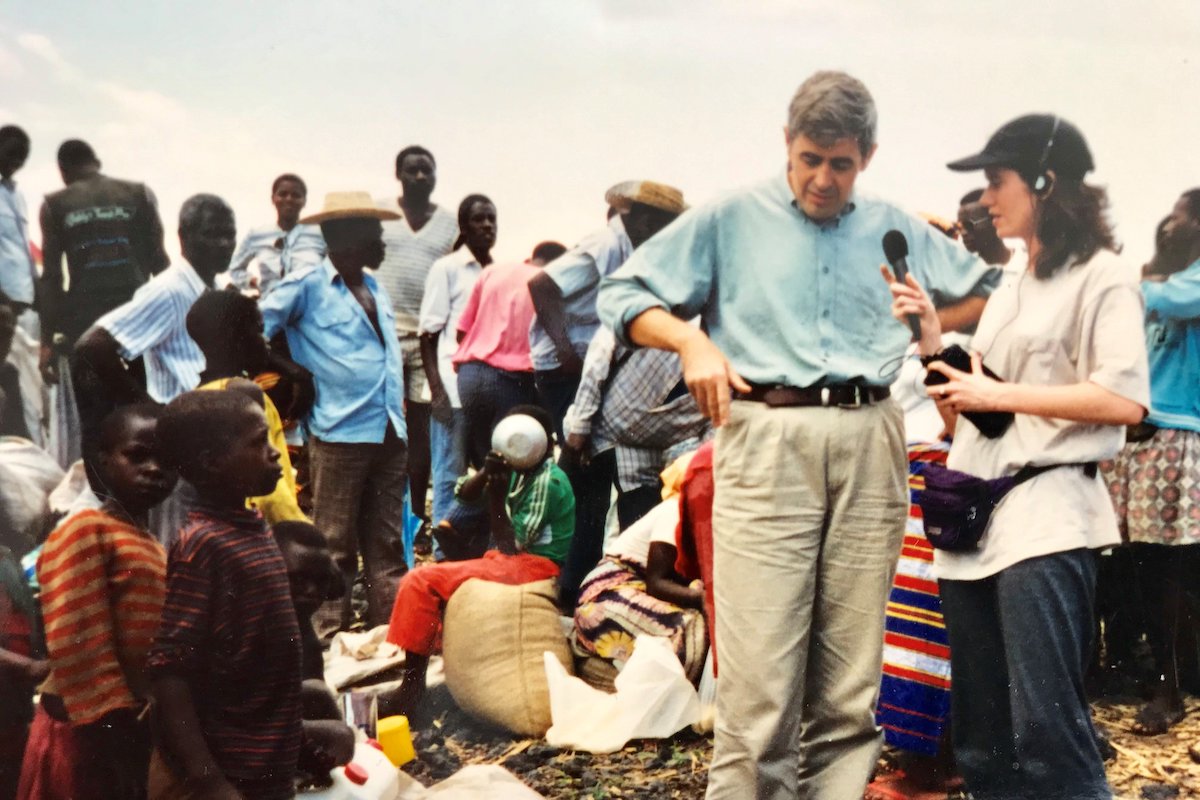
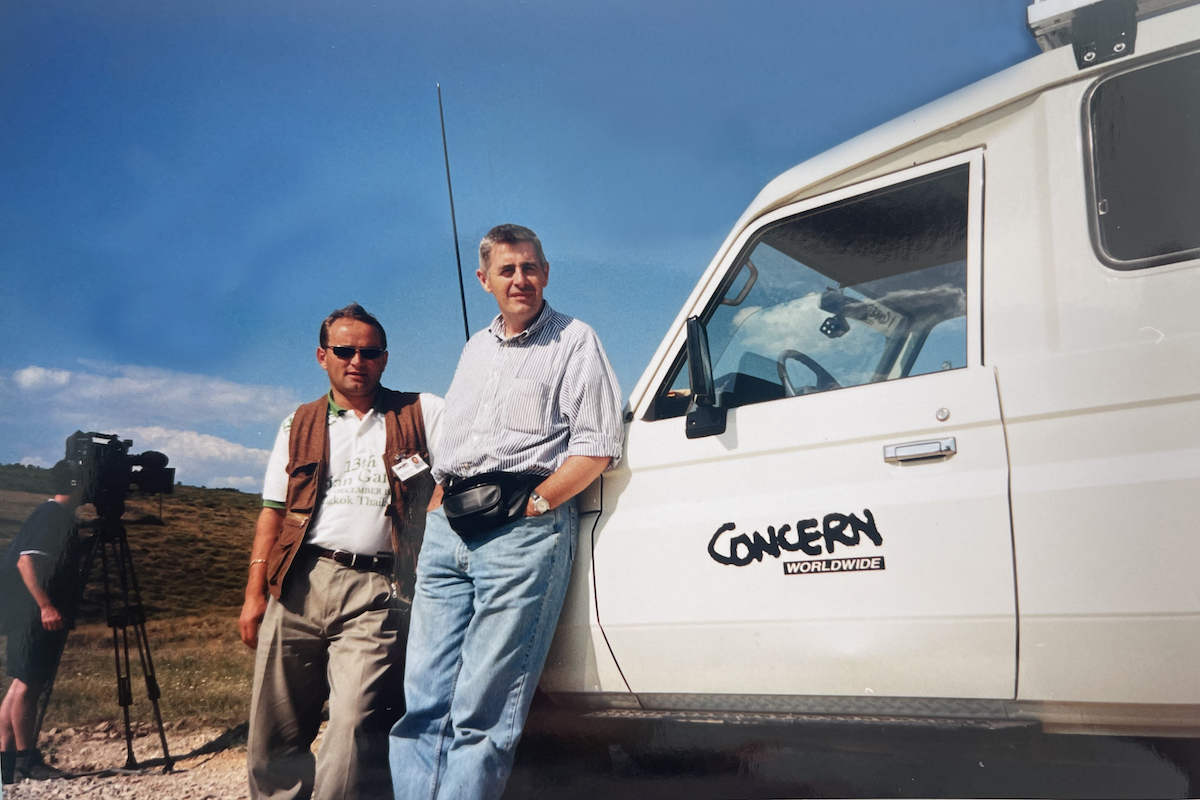
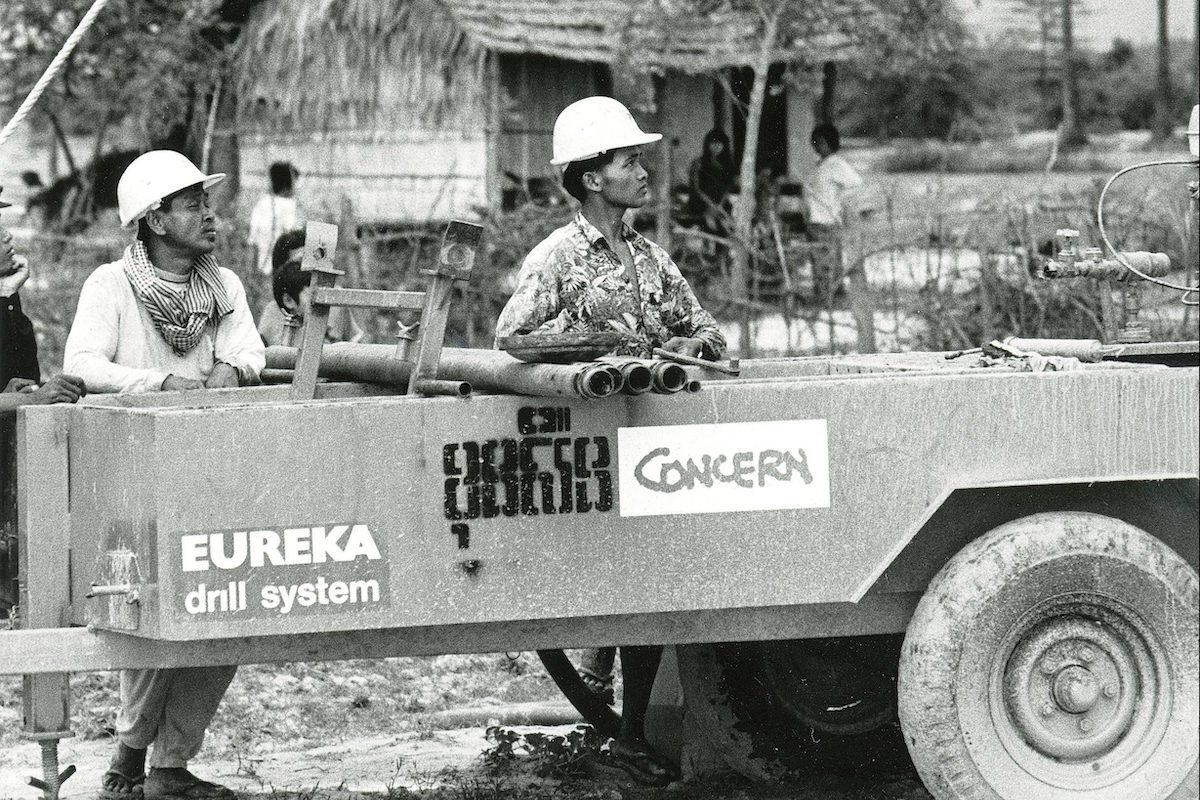
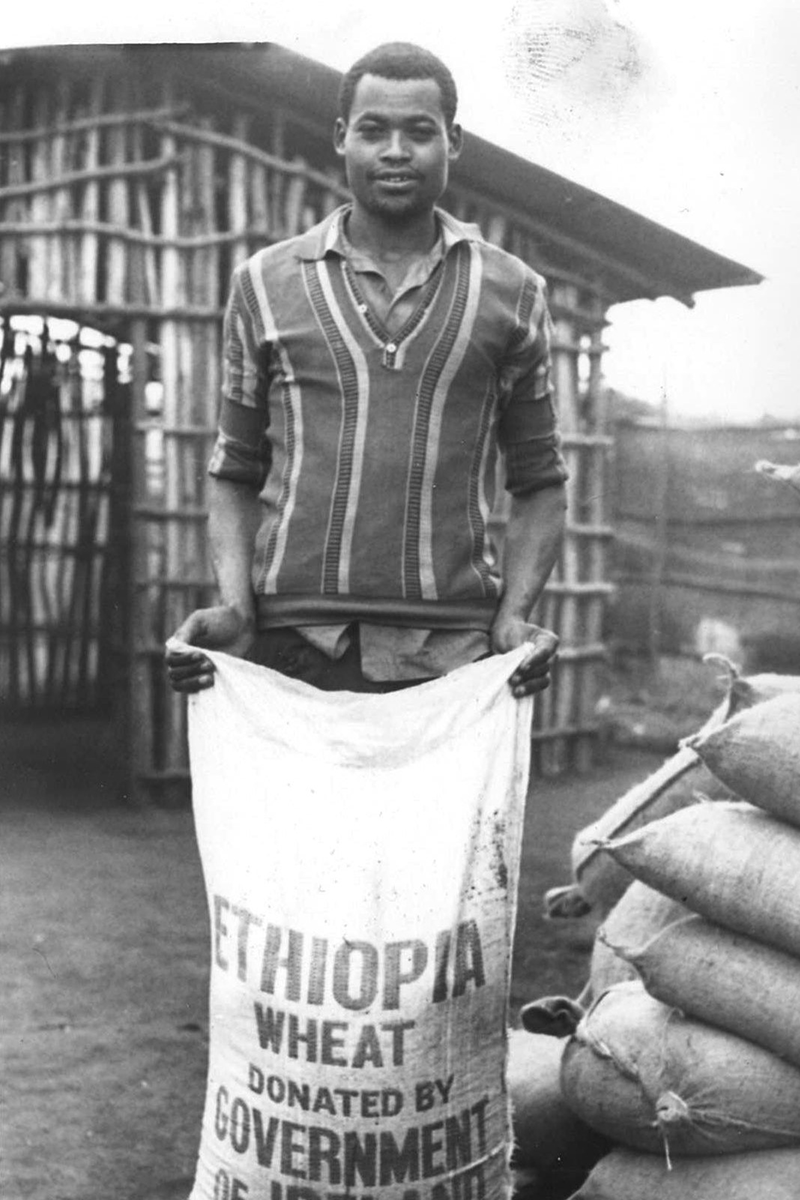
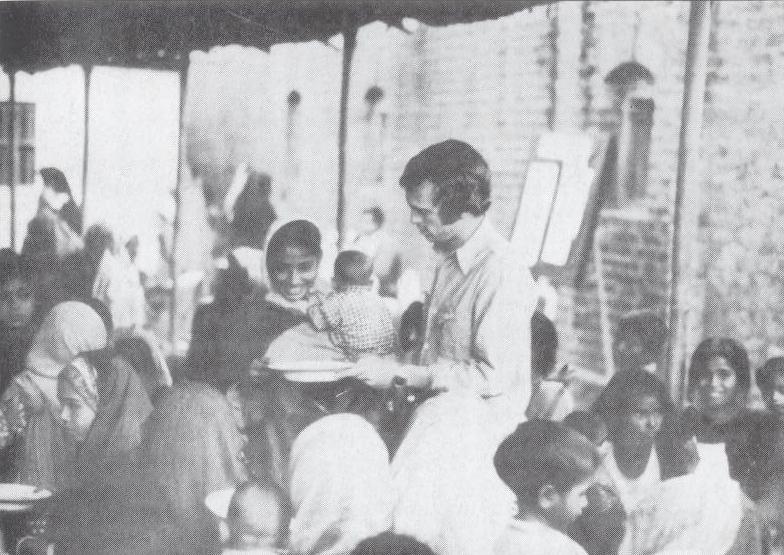
The communities we work with are in some of the hardest-to-reach and most fragile places; places prone to conflict, natural disasters, climate change, inequality, and hunger. Across all of these crises, our work has evolved, but the mission has stayed constant: to reach the people furthest behind first.
3. We’re a dual-mandate NGO
Many organizations focus strictly on emergency aid or development. Concern does both, responding to immediate crises while working towards longer-term development.
The reason for this is simple: When communities have more resources, they limit their risk in the face of future emergencies. They’re able to better protect the assets they have against the known-unknowns (natural disasters, conflict) and they have a stronger financial and social safety net should they lose work or resources as a result of a crisis.
This combination of emergency response and long-term development is what breaks the cycle of poverty, rather than simply treating its symptoms.
4. We wear a lot of hats
Sometimes it can be difficult to explain exactly what we do. That’s by design. Poverty is multidimensional, and most situations are caused by multiple factors working together to keep the furthest behind locked in a cycle.
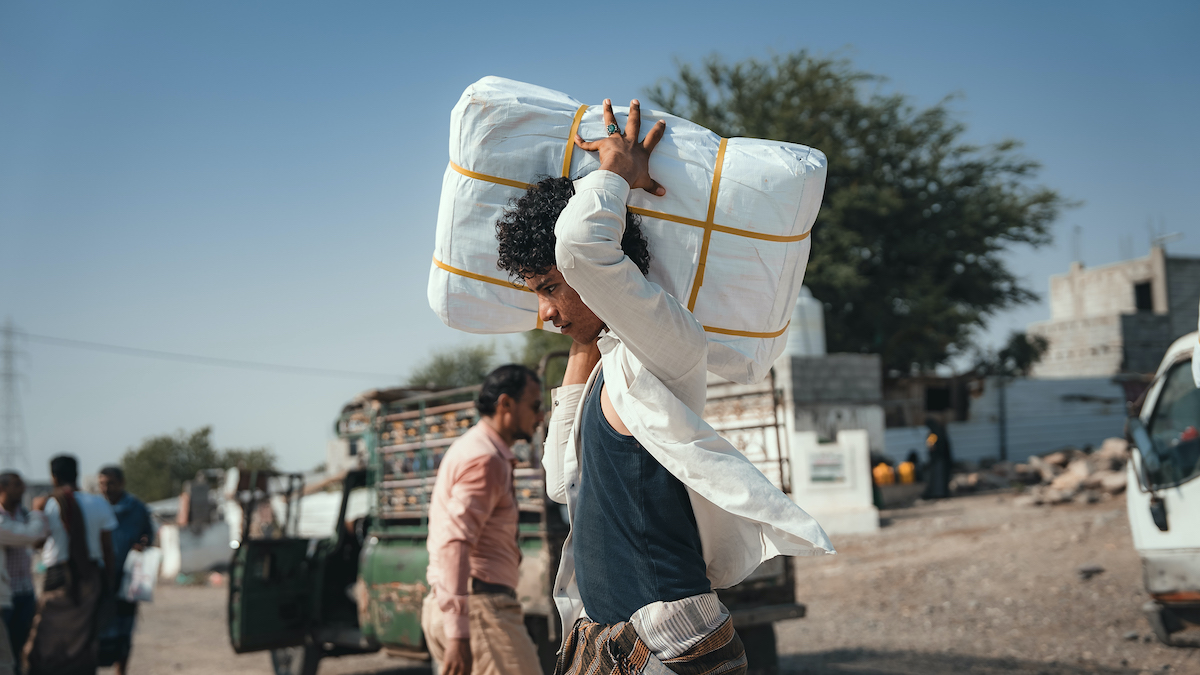
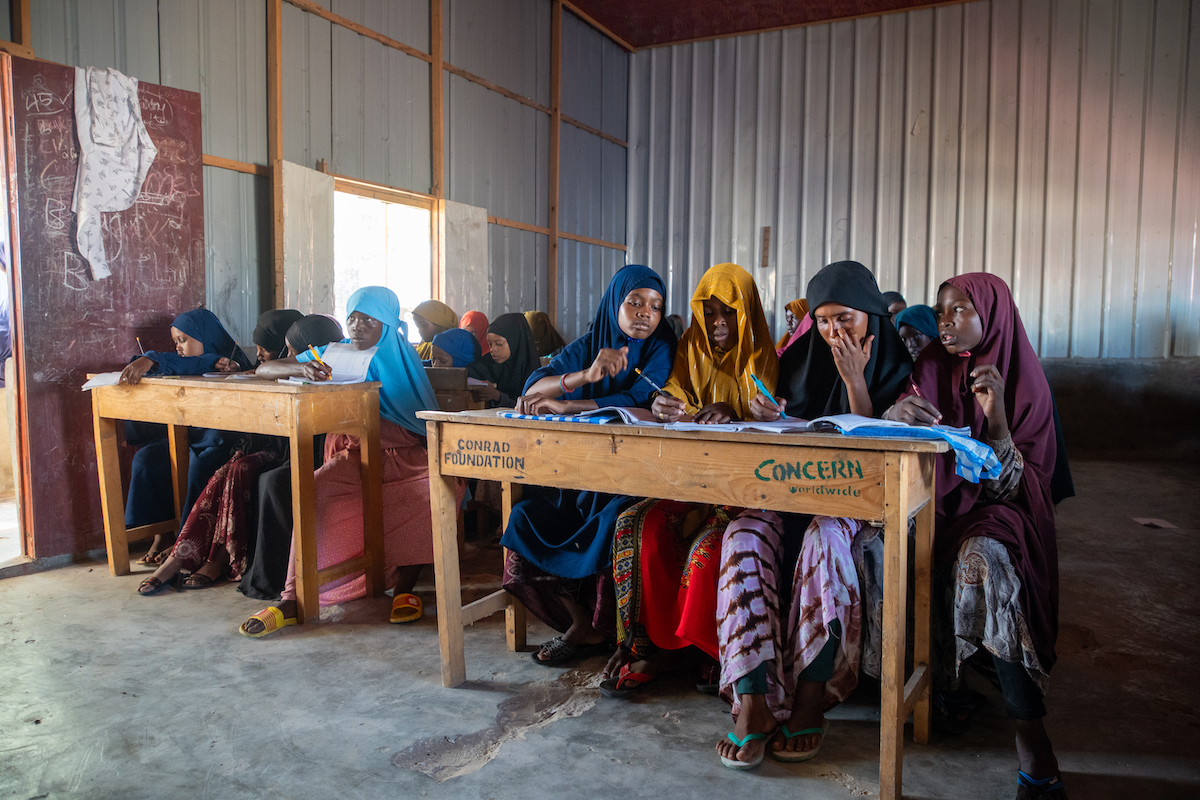
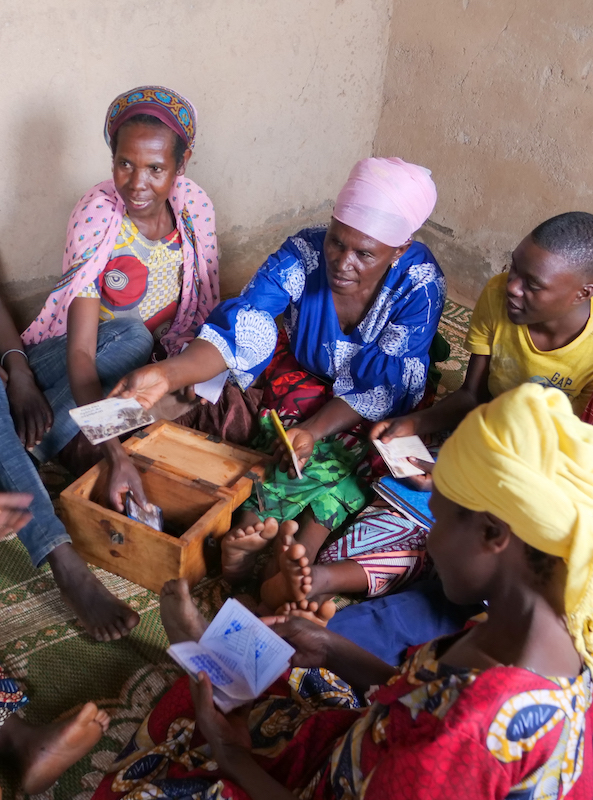
In response to that, we’ve developed an approach to our work that doesn’t limit us to one or two areas. Over time, we’ve crystallized this approach to four key areas of focus: emergency response, health, nutrition, and WASH, education, and livelihoods. Even then, however, we often develop integrated programs that work with two or more of these areas.
5. We’re led by community and local knowledge
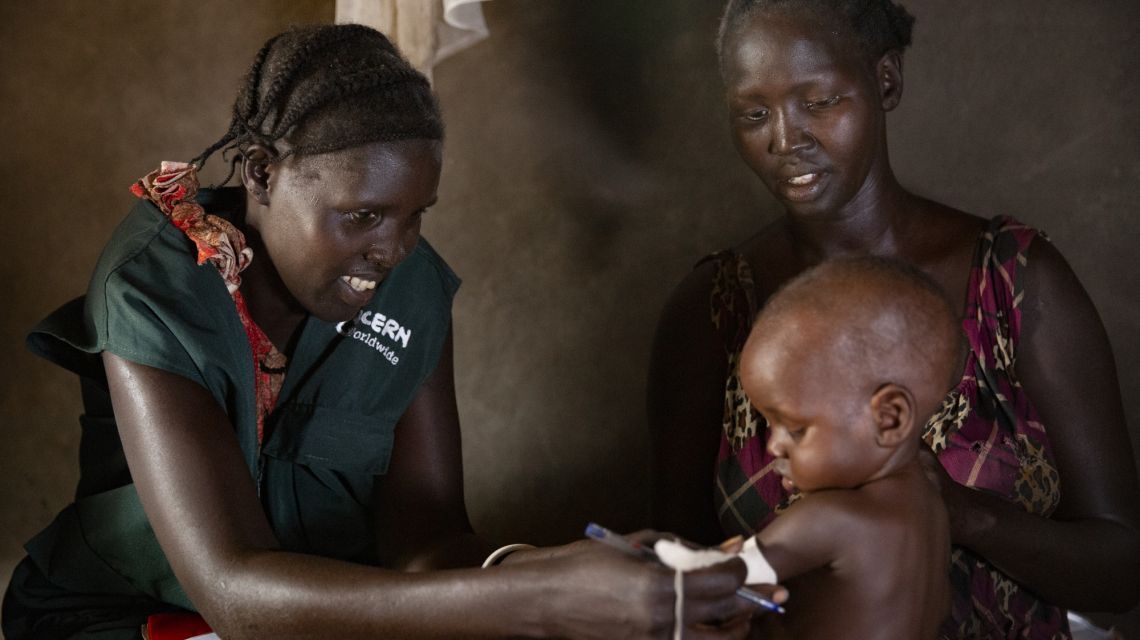
One of our core values is to work with communities, not for them. The people we partner with often know exactly what is needed to improve their lives — our role is to support them with the right resources, expertise, and systems.
We work closely with stakeholders, local leaders, and community groups to ensure our responses are appropriate for the specific context. We also organize forums for community members to discuss local development challenges through dialogue, decision, and action. These Community Conversations galvanize people to address the underlying causes of poverty through collective engagement and participation.
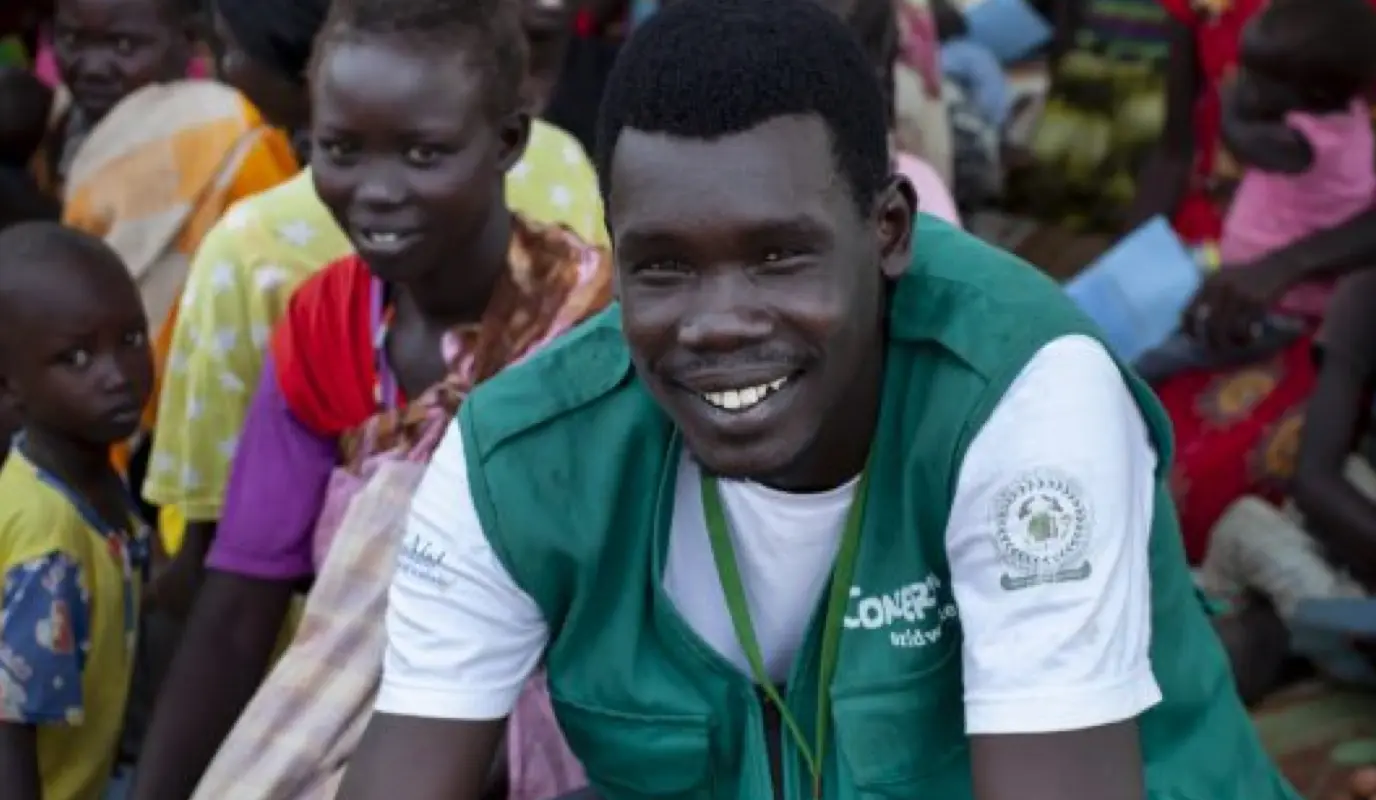
Since the 1970s in Bangladesh, we have also prioritized hiring national staff where possible. Many grew up in the communities where we work and bring a deep, lived understanding of local needs and strengths. In many cases, people who first “met” Concern as children in programs have later joined our teams as humanitarian and development professionals.
6. We don’t work alone
Partnerships are also a core component of our work at Concern. We’re a trusted partner for larger organizations like UNICEF and the United Nations High Commissioner on Refugees. We are also one of seven members of Alliance2015, a strategic network of mid-sized NGOs working in humanitarian aid and development. Many of our greatest successes as an organization have been accomplished with our Alliance2015 partners.
Much in the same way that we prioritize local knowledge, we also often work with national and community NGOs. In a crisis, we often help existing local organizations scale-up responses both logistically and financially. In our development work, national partners are often key in managing services when it’s time for us to move on.

7. Some of our best solutions are low-tech and high-impact
Concern was founded at a time when there were far fewer aid organizations — and by people with little formal humanitarian experience. In some ways, that was an advantage. From the earliest days in Biafra, we were driven by practicality, adaptability, and a determination to make limited resources stretch as far as possible.
That mindset still guides us. Many of our innovations come from pragmatism, partnership, and close engagement with communities. We develop solutions by spending enough time in a place to understand what’s really blocking progress, and by listening to people — local leaders, technical specialists, and program participants — who know the context best.
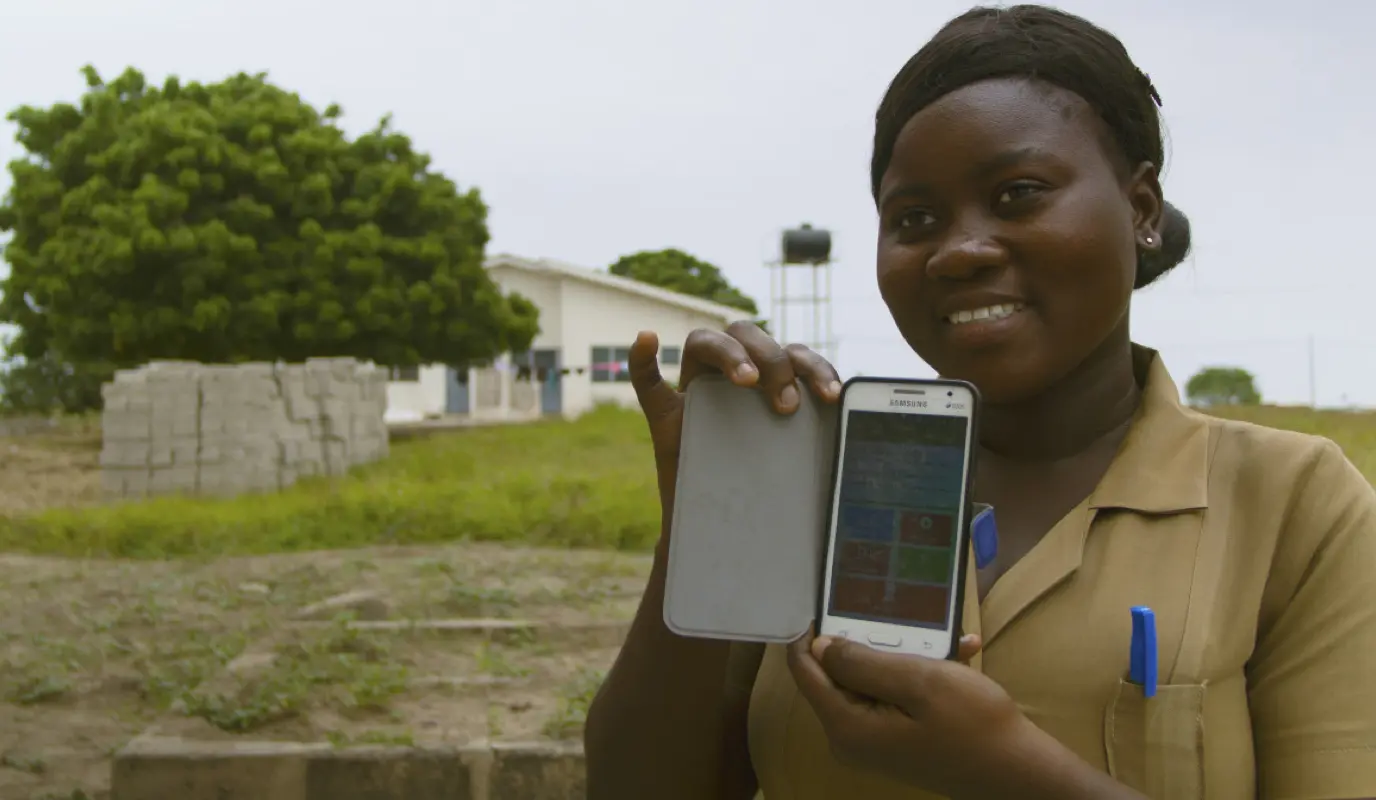
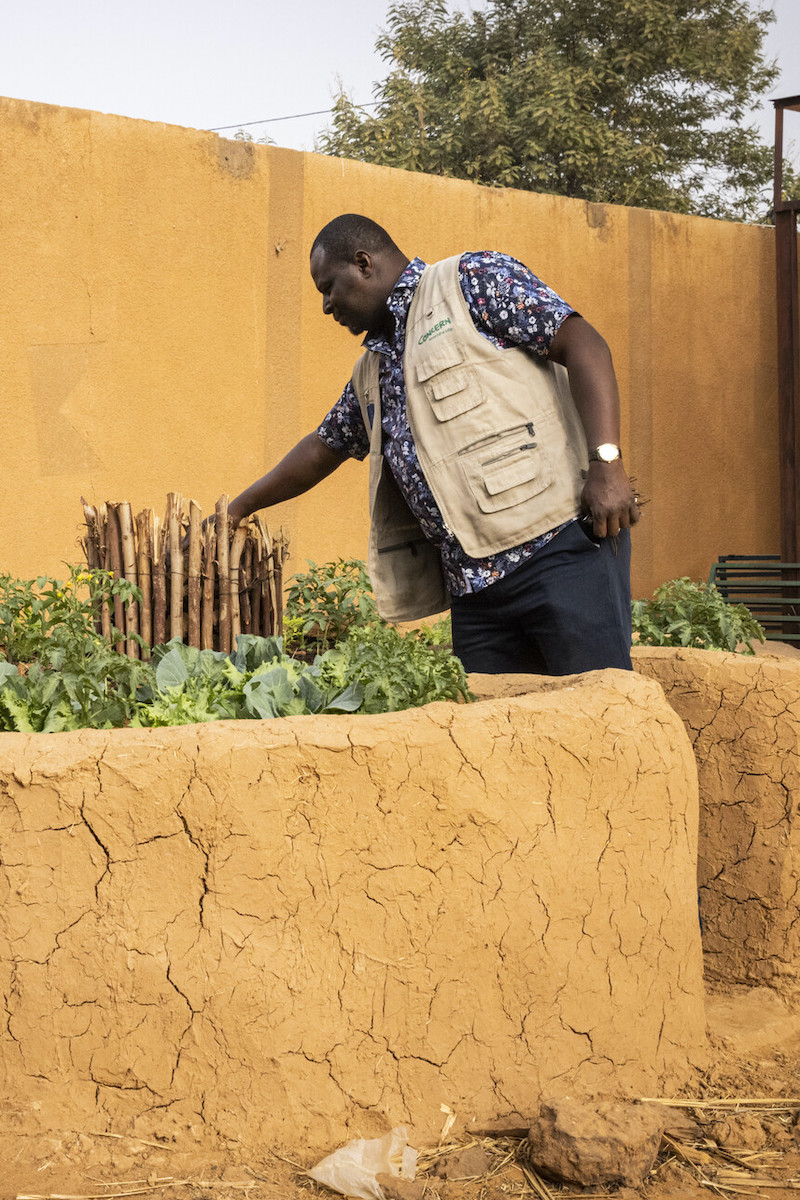
The result is often simple approaches that work, scale easily, and deliver outsized impact. Sometimes they make use of growing technology — like mobile cash transfers or an app that connects nurses working in remote Ghanaian villages. Other times, they use technologies that have been around for millennia, like climate-resilient keyhole and sack gardens and gabion walls.
8. We’ve helped change the way that humanitarian aid works
Some of Concern’s innovations have gone on to reshape global humanitarian practice. In 2000, Concern and partner organization Valid International began testing a new approach to treating childhood malnutrition. At the time, children were treated in inpatient feeding centers that required therapeutic milk, clean water, electricity, and round-the-clock staffing. These centers were often too far for families to stay through a full course of treatment, and in conflict zones they were sometimes targeted.
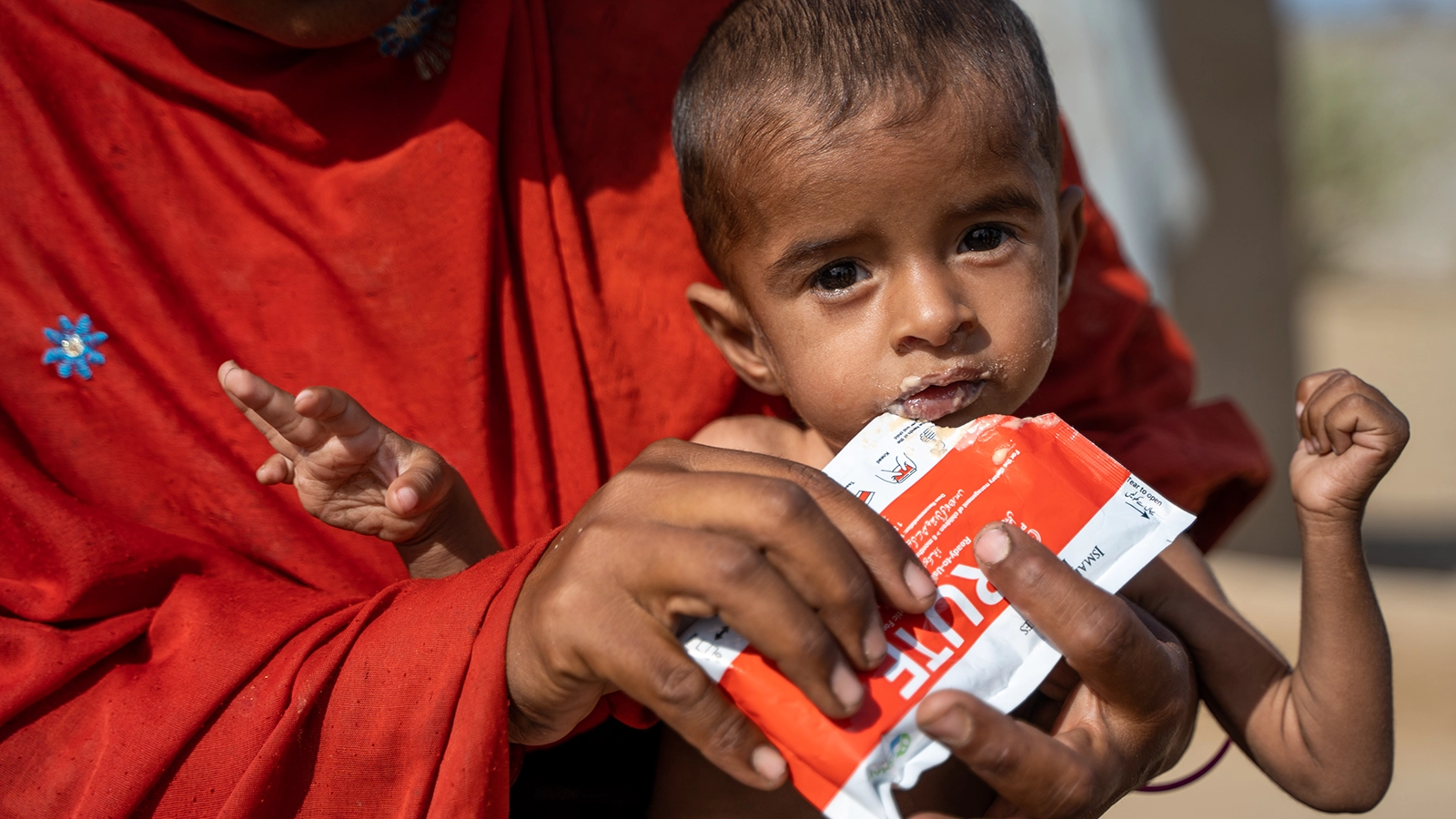
A new fortified peanut paste, Plumpy’Nut, offered a breakthrough: it’s shelf-stable, nutrient-dense, and safe to use at home. Concern and Valid helped turn this into a new model of care: Community Management of Acute Malnutrition (CMAM). Instead of hospital-based treatment, CMAM brought malnutrition screening and care into communities through trained health volunteers, with parents able to treat children at home and access clinical care when needed.
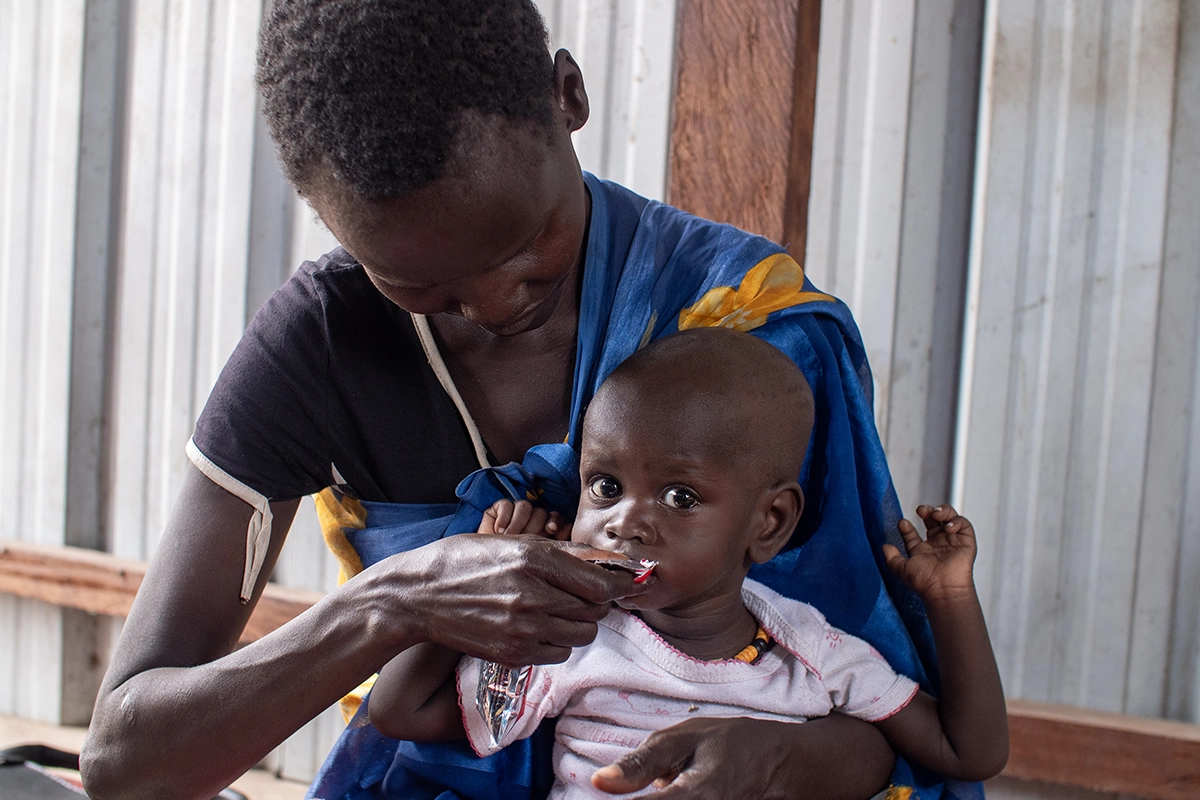
The impact was immediate. CMAM was piloted during a 2000 famine response in Ethiopia. At the time, child mortality targets in a famine were 10%, and the norm was 20–30%. In the areas where CMAM was first piloted, the rate was just 4.5%. In 2007, the World Health Organization, UNICEF, and the World Food Program endorsed CMAM as a global best practice, establishing it as the new international standard for treating severe acute malnutrition.
» Learn more about the story of Plumpy’Nut and CMAM
» Learn how we’re building on the success of CMAM with Surge
9. More than $0.90 of every dollar donated goes directly into our programs
In 2024, $0.94 of every $1 donated to Concern US went directly into our programs. This level of efficiency is the result of a long-standing organizational commitment to transparency and accountability. We work to ensure that every dollar is used wisely — investing where it has the greatest impact while keeping administrative and fundraising costs lean and responsible.
Concern has received the highest possible rating from Charity Navigator and is a Better Business Bureau-accredited charity. Our colleagues in Ireland likewise hold high distinctions for ethical governance, fundraising, and reporting.
» Learn more about our transparency and accountability
10. Our goal is to work ourselves out of a job
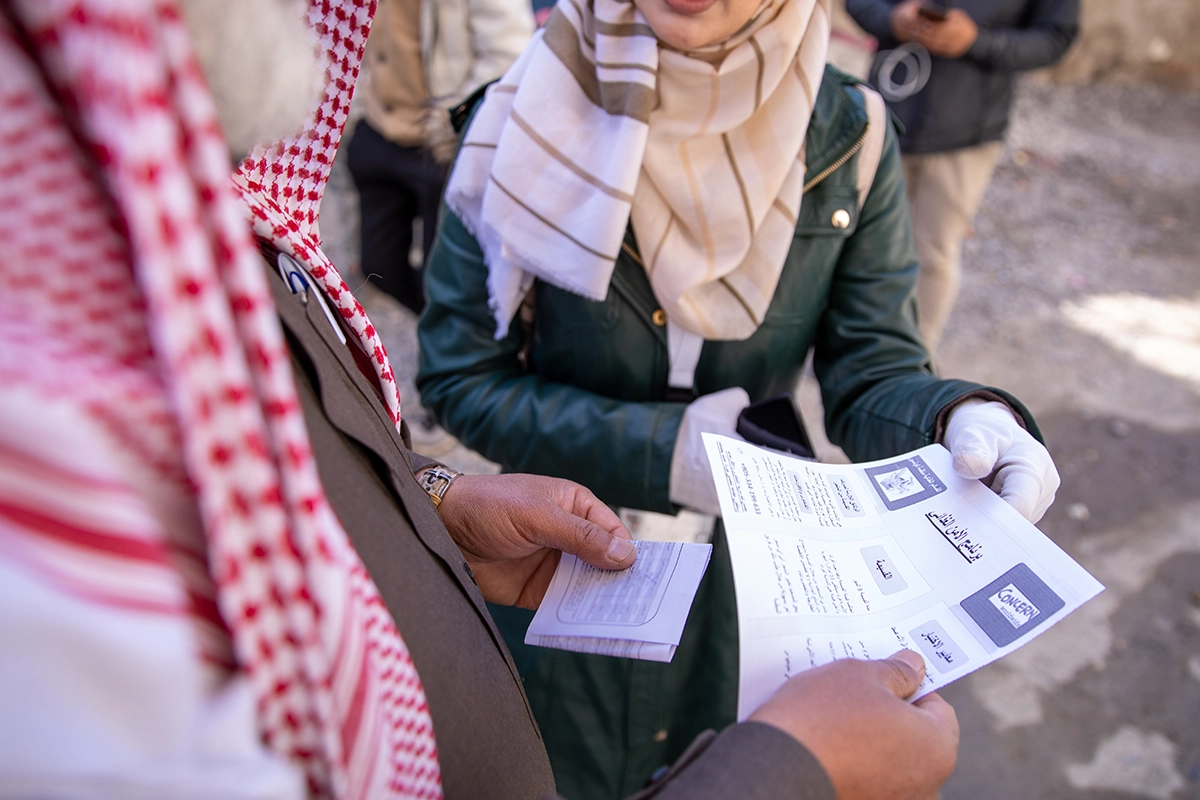
The nature of humanitarian crises is changing as conflicts become protracted, natural disasters more frequent and impactful, and funding sources diminish. However, our goal is always to work ourselves out of a job in the countries and communities where we operate. Humanitarian aid shouldn’t create dependencies.
And despite the challenges of the last two decades, we’ve been proud to hand over operations to national partners in many countries where we’ve operated, including the Philippines, Nepal, and Cambodia.
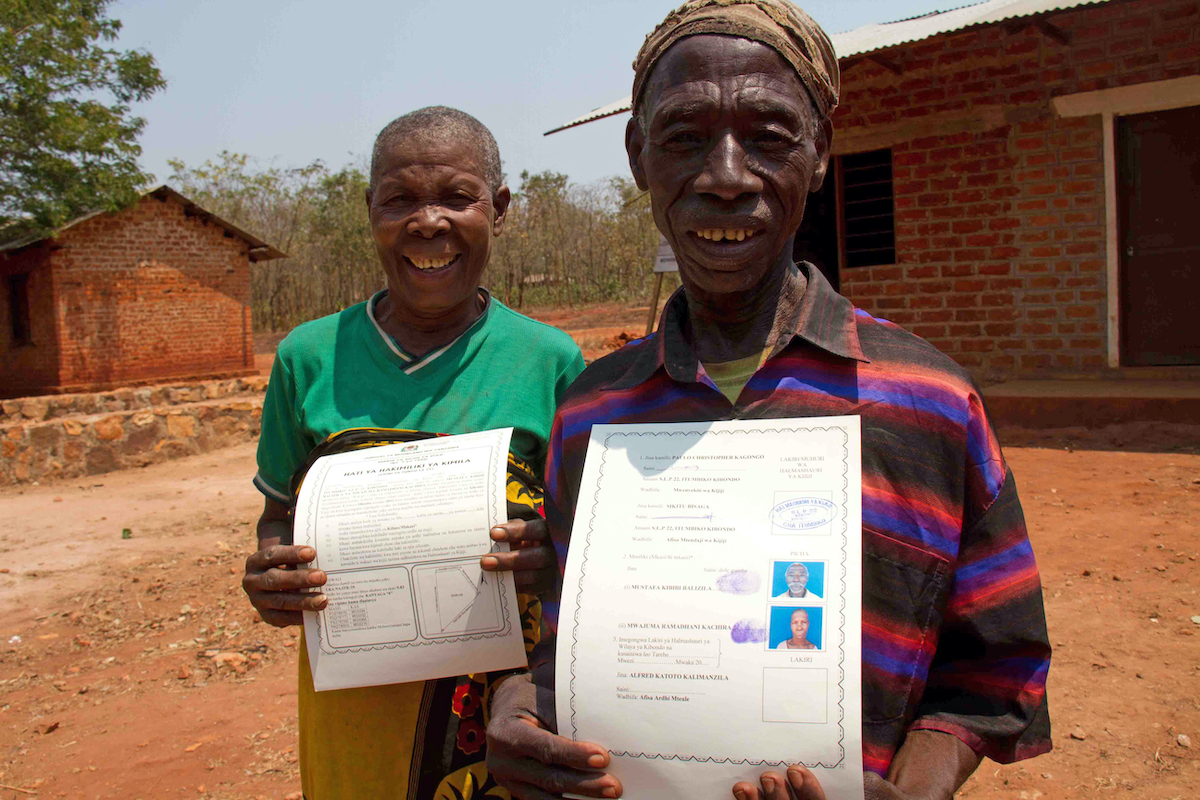
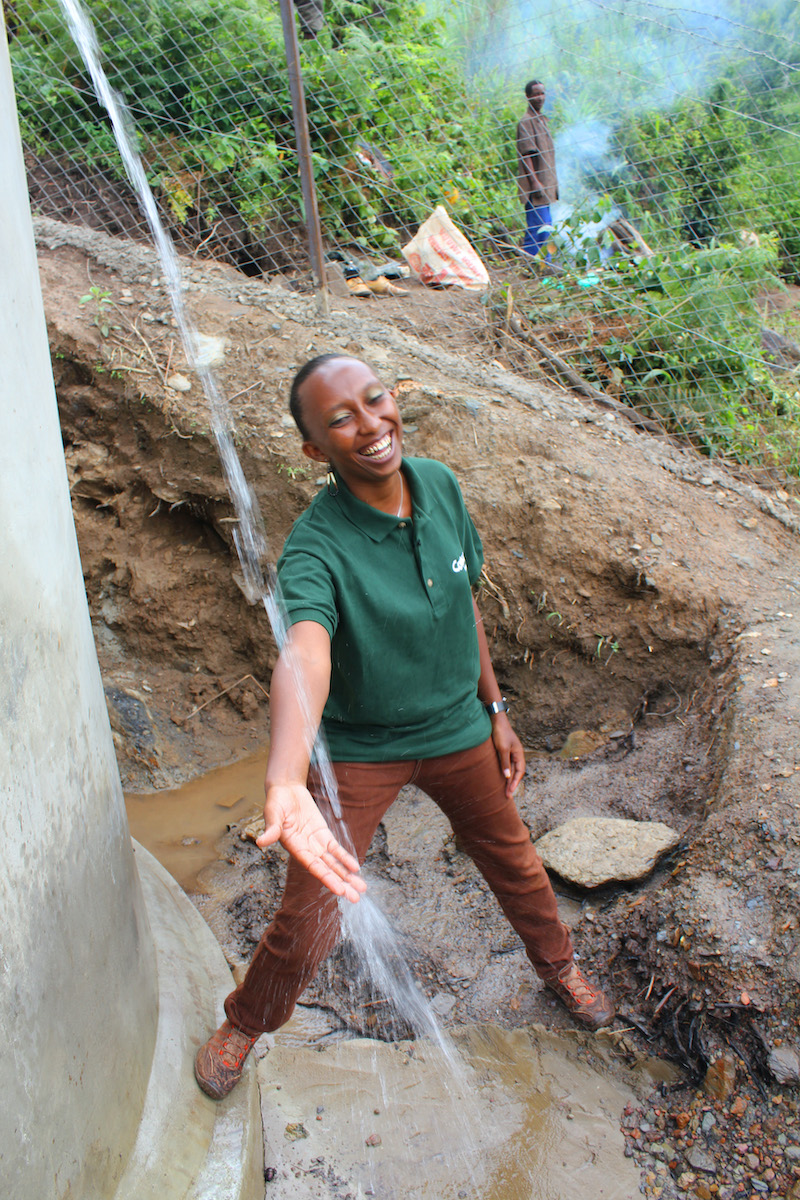
One of our favorite recent success stories is Tanzania. In 2015, after 37 years in the country, we handed operations over to community-based organizations. Our work in that time led to improved land rights for rural farmers, clean water supplies and highly-effective women’s collectives.
Get involved
Your tax-deductible donation to Concern helps us to reach tens of millions of people each year with lifesaving programs.