Everything you need to know about World Water Day 2026
Mar 18, 2026
First celebrated in 1993 and established by the United Nations, World Water Day takes place annually on March 22 and promotes the importance of freshwater.
It’s also designed to raise awareness for the 2.1 billion people living without access to clean, safe water.
Here’s what you need to know about the holiday’s significance and history, the theme for World Water Day 2026, Concern’s work to provide safe water access around the world, and how you can get involved.
What is the theme for World Water Day 2026?
This year’s World Water Day theme is “Where water flows, equality grows.”
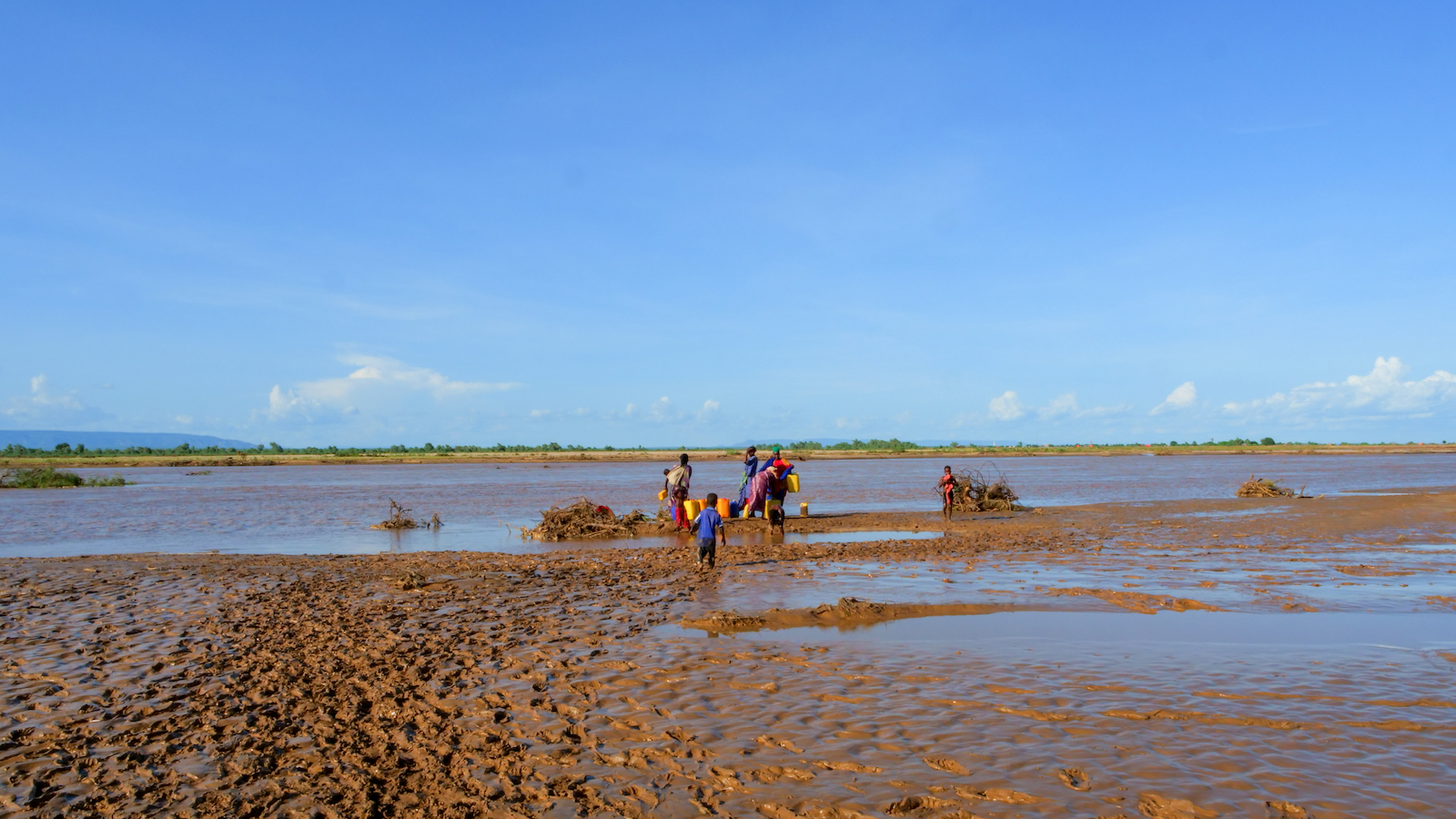
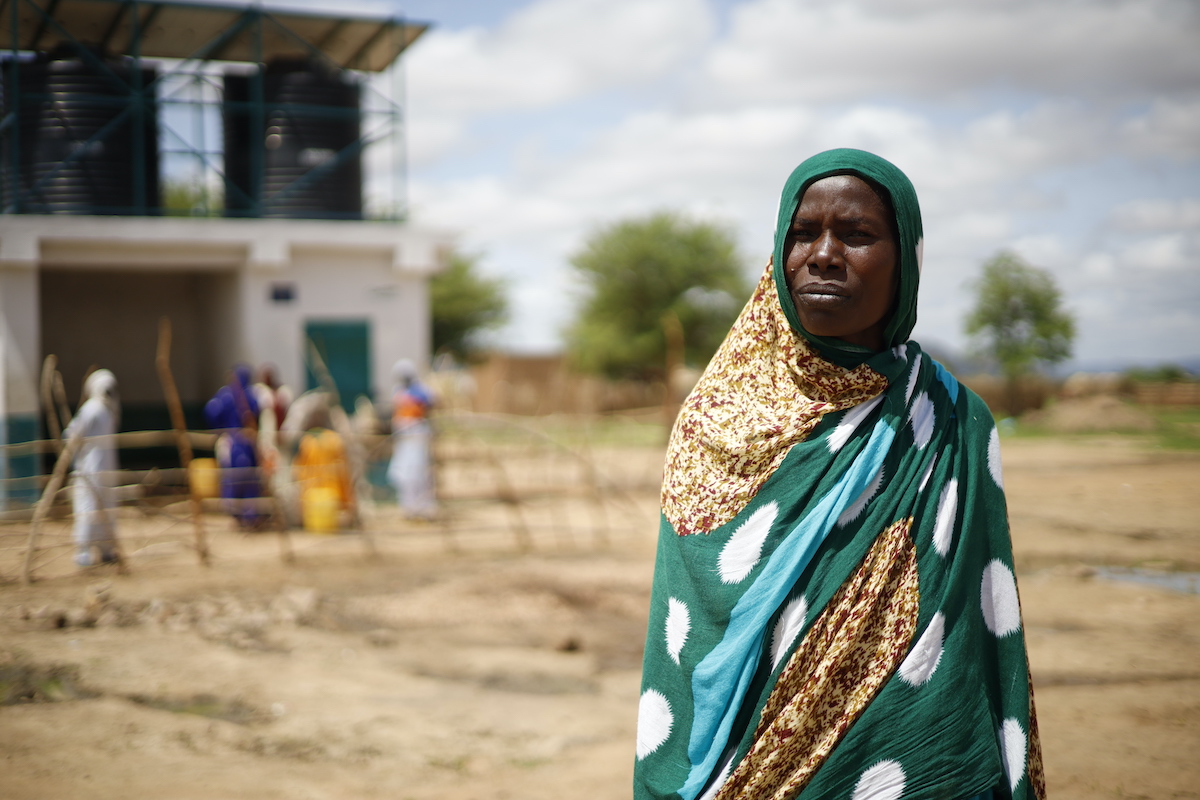
The global water crisis affects everyone—but not equally. Women and girls often bear the brunt of water scarcity, and 380 million of them (9.5% of the world’s female population) live in areas with high or critical water stress. By 2050, that number is expected to reach 674 million across 33 countries.
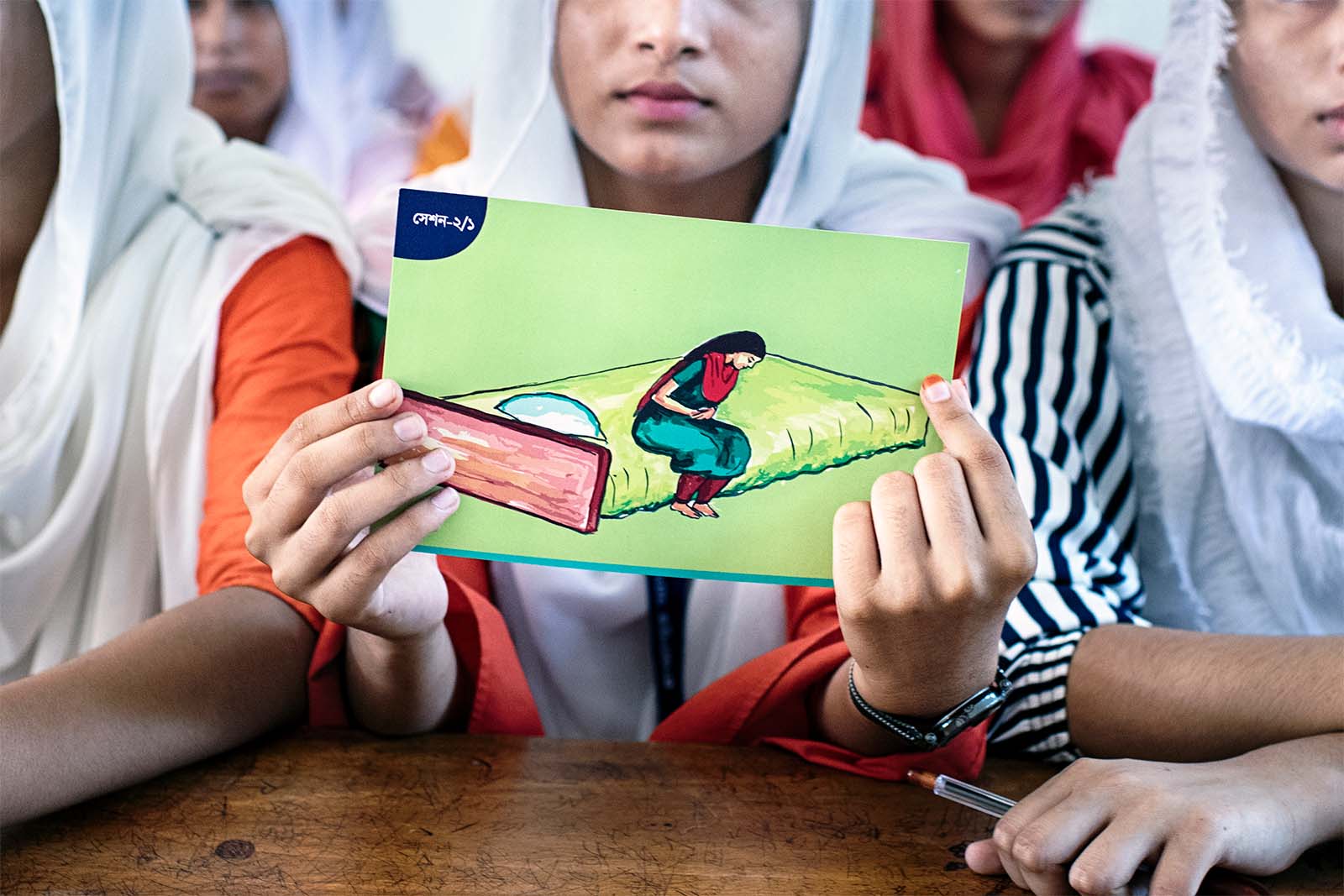
On average, women and girls spend 250 million hours per day collecting water—three times the amount of time that men and boys spend on the same task. And a lack of hygiene facilities can have knock-on effects, particularly when girls reach puberty.
Why is World Water Day important?
It’s easy to take water for granted until we don’t have enough of it on hand to live our daily lives. Yet what should be a basic human right has increasingly become a prized commodity for billions of people around the world, with many unable to afford or access it at all.
Water infrastructure is often destroyed during conflict, which can also hinder humanitarian access that would otherwise truck in water supplies to civilians. Reports from Gaza have suggested that the cost of potable water has increased between double and quadruple the normal amount. In some cases, people have reported paying these prices for saltwater. Displacement camps for refugees and internally-displaced persons are often also underserviced in terms of water availability.
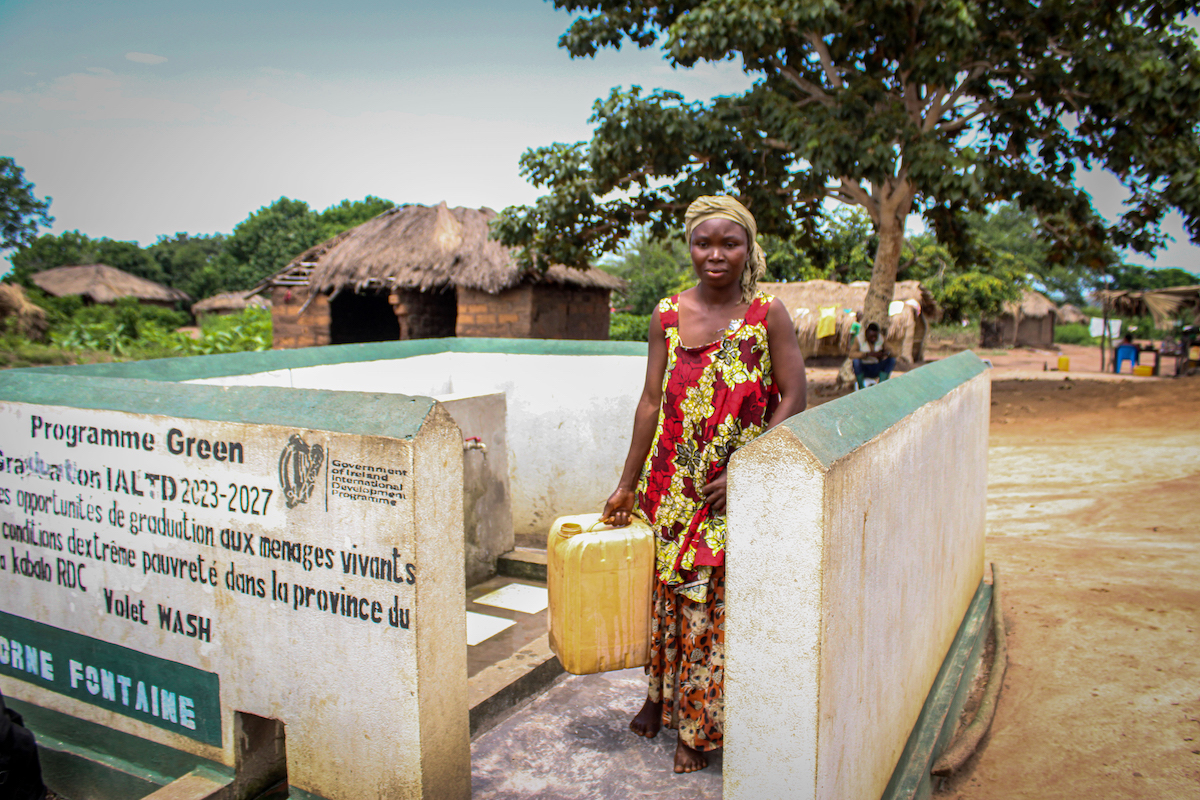
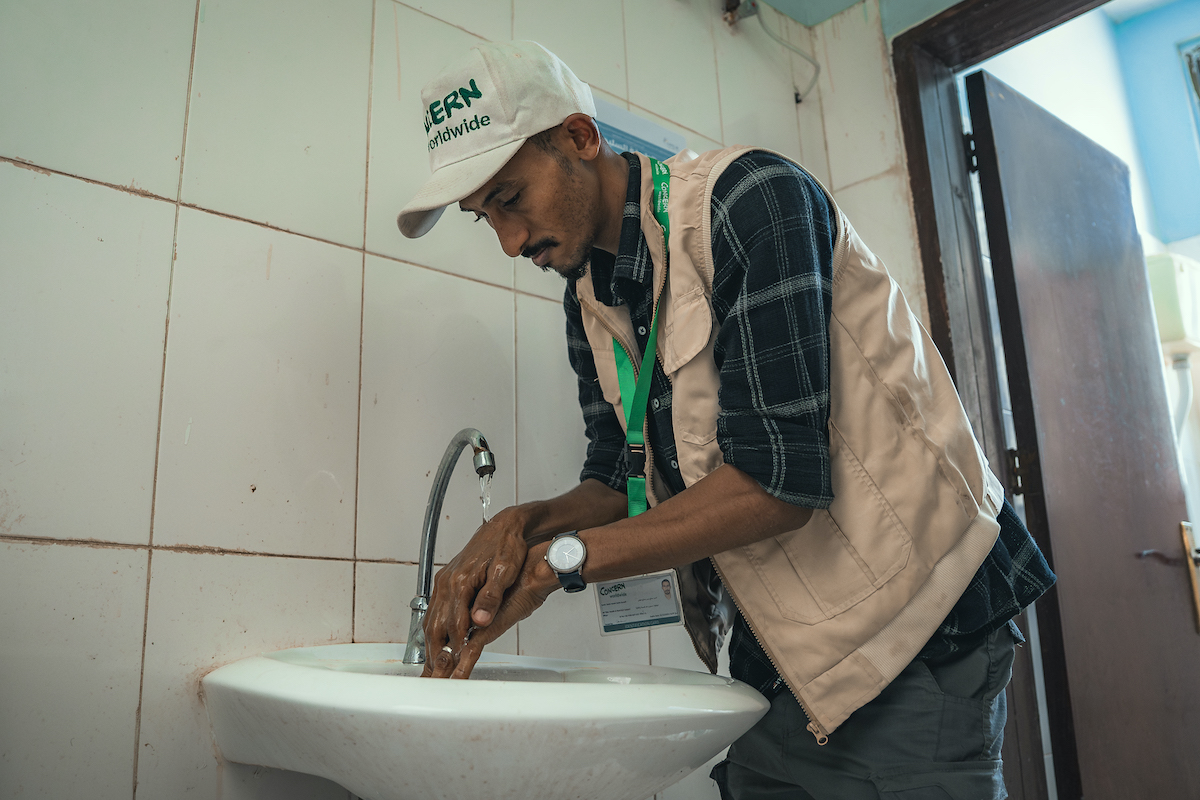
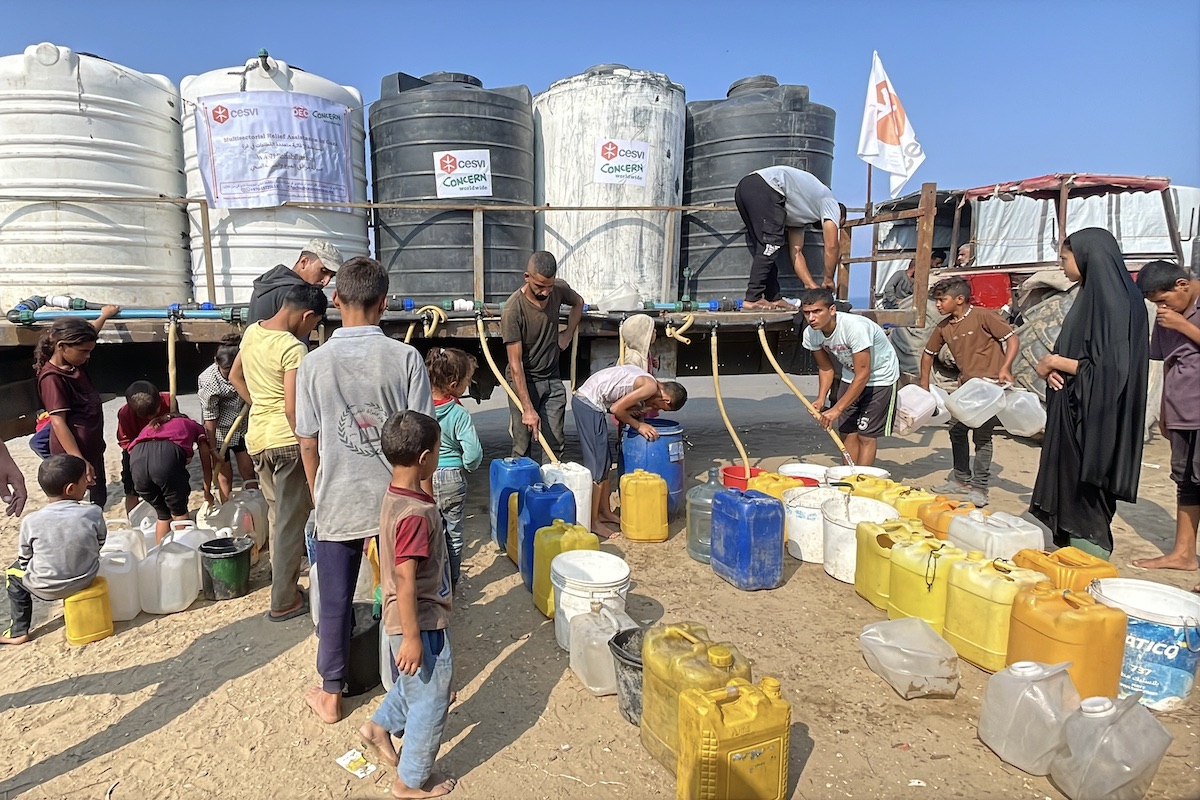
Drinking water is obviously a key factor here, but clean and safe water in connection with hygiene and sanitation systems is also essential for people to live long, healthy lives. Period poverty has been described as “the health crisis that no one wants to talk about,” yet a lack of adequate hygiene resources and private facilities for girls often means they’re forced to skip one week of school every month once they reach puberty.
Areas without adequate water, sanitation, and hygiene (WASH) infrastructure—especially in local clinics or hospitals—also often see higher maternal mortality rates and other health risks that leave pregnant and breastfeeding women and children under the age of 5 especially vulnerable.
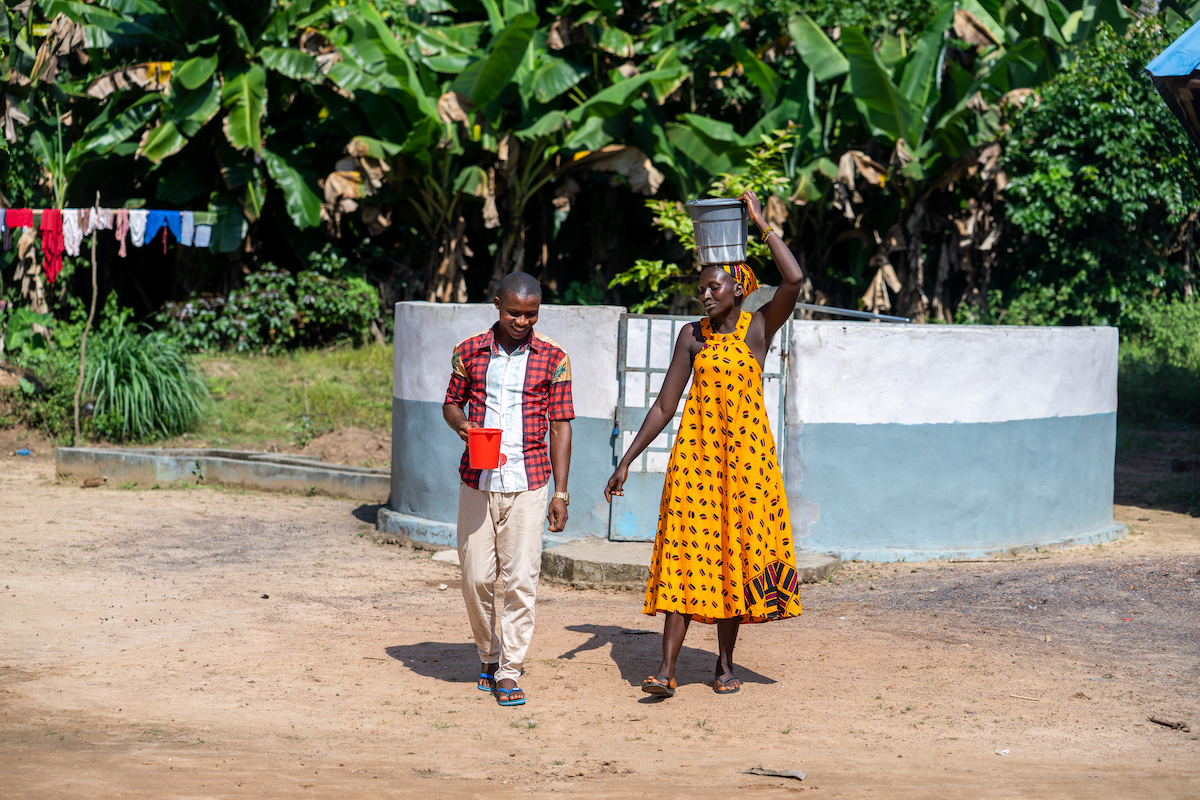
World Water Day at Concern
When women and girls have a seat at the table, water systems are better for everyone. They’re more sustainable and effectively managed. That’s why we invest in women’s leadership and prioritize their experiences when we work on projects that include a focus on water.
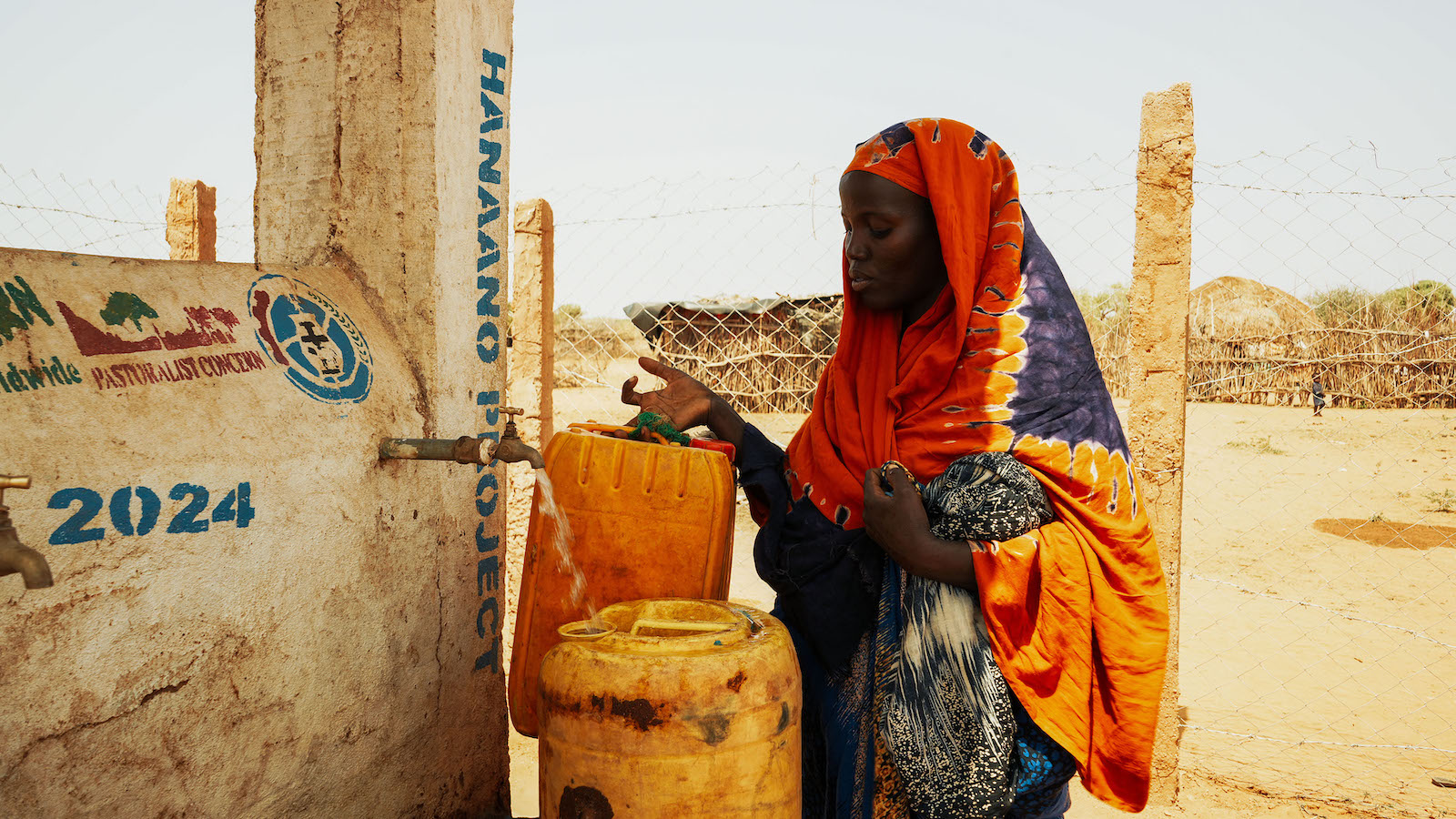
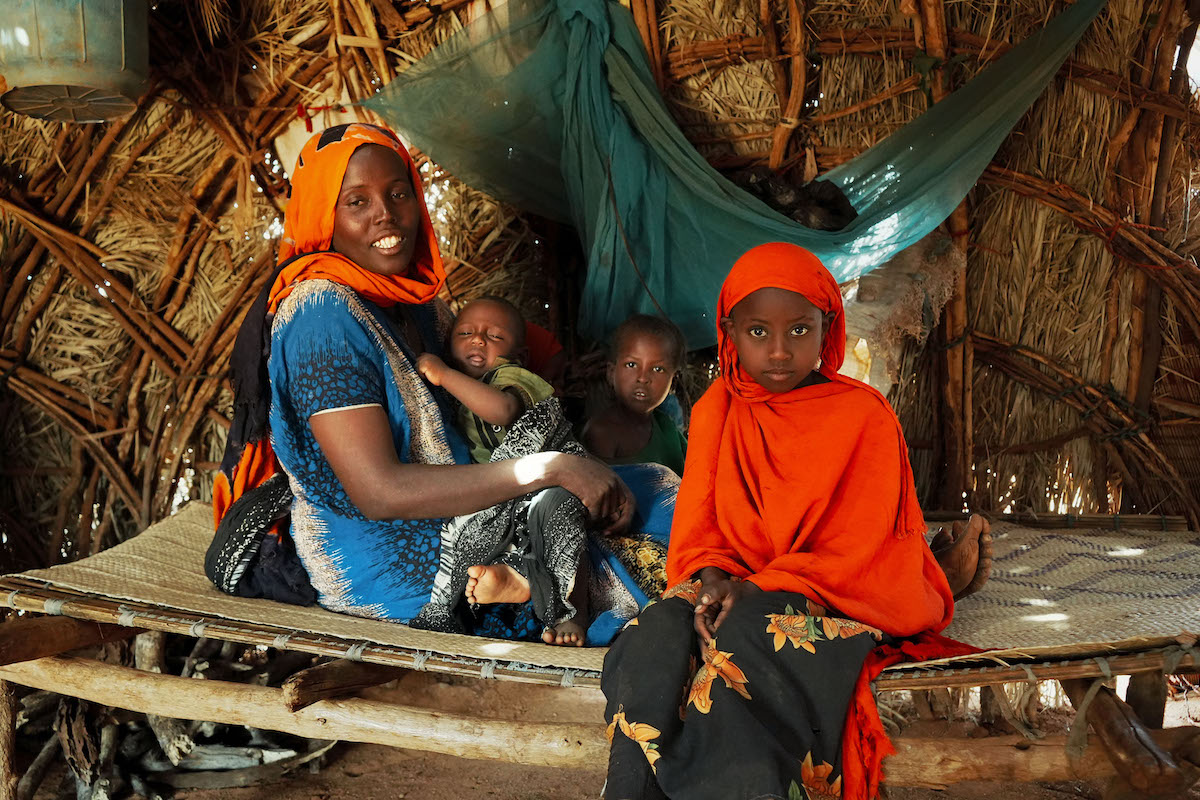
“We used to carry children on our backs while pregnant, walking all that way. Some mothers even lost pregnancies because of the heavy loads. We lost children to crocodiles. The water was dirty and made our children sick with diarrhea and vomiting” says Binta Feriahmed, a 35-year-old mother of eight from the Dollo Bay Woreda in Ethiopia’s Somali region.
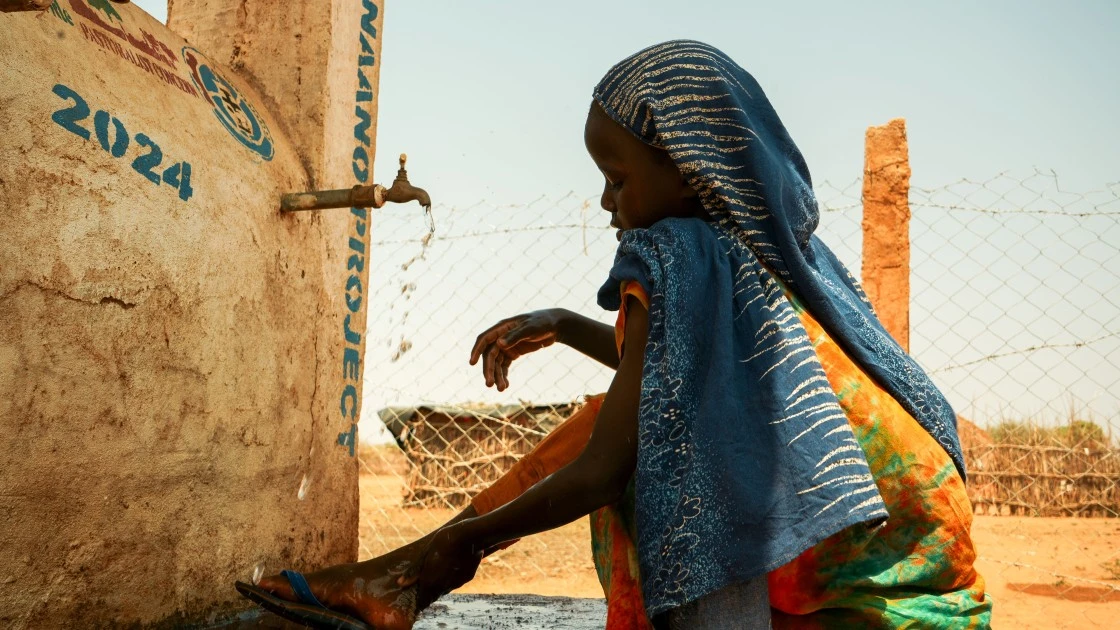
Prior to Concern’s launch of the Irish Aid-funded Hanaano program in the area (covering a point where Ethiopia, Kenya, and Somalia intersect known as the Madera Triangle), gathering water from a river 2 miles away from Binta’s village was a life-threatening task. She would be able to carry one 5 gallon jerrycan home from the river each morning, but have to go again in the afternoon to get more.
“I used to stand at home, confused, thinking: How much should I use to wash clothes? How much for cooking or bathing? How much for drinking? It was never enough.”
Through Hanaano, a program designed to reduce child malnutrition in Madera, Concern and local partners took a community-led approach to understand the challenges families faced. Binta and many of her fellow mothers brought up the issue of water. Installing a tap in the village brought more than convenience, it brought health and peace of mind.
“We fetch water without limits. If my husband is home, he goes. If I’m free, I go,” says Binta. “My children are clean, healthy, and happy. They are no longer getting sick from diarrhea. I’m no longer too tired from walking hours to fetch water. I have the energy to cook properly, keep the house clean, and take care of my family.”
More on World Water Day
Knowledge is power: One of the easiest ways to celebrate World Water Day is to take some time to better understand the challenges that billions of people face when it comes to getting clean water.
You can learn more about the causes of the global water crisis, the countries hit hardest by water stress and scarcity, and some of the ways that the crisis can be solved in our resources below.
The global water crisis: Concern’s response
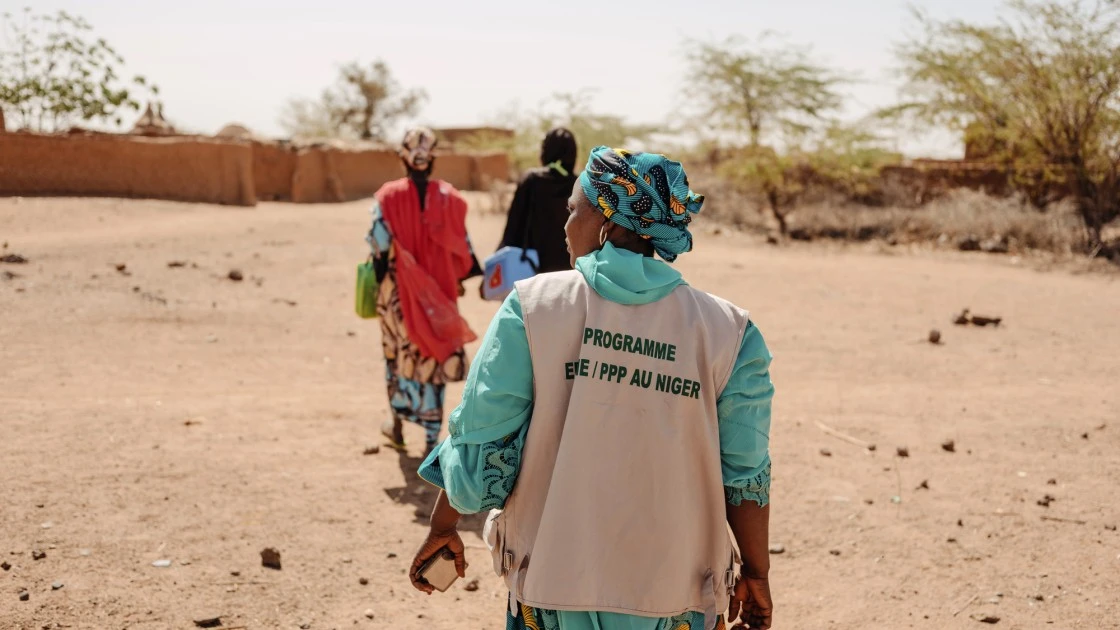
Ensuring access to clean water and sanitation and providing hygiene information and training are key aspects of Concern’s work, with active water, sanitation, and hygiene (WASH) programs in 18 countries.
Over nearly 60 years, we have dug, drilled, and bored thousands of wells in remote and vulnerable communities across dozens of countries, and built countless latrines in their schools and health centres. The hours saved and the illnesses prevented make it one of the most effective things we do.
We work hand-in-hand with communities to help them assess the longstanding challenges they face, change behaviors, and ensure water and sanitation infrastructure will be maintained for the long term. And we foster a sense of ownership, build sustainable maintenance practices, and create transparent financial management systems that benefit the community.