“The joy of saving one life”: Supporting moms and newborns in Sierra Leone
Apr 30, 2026
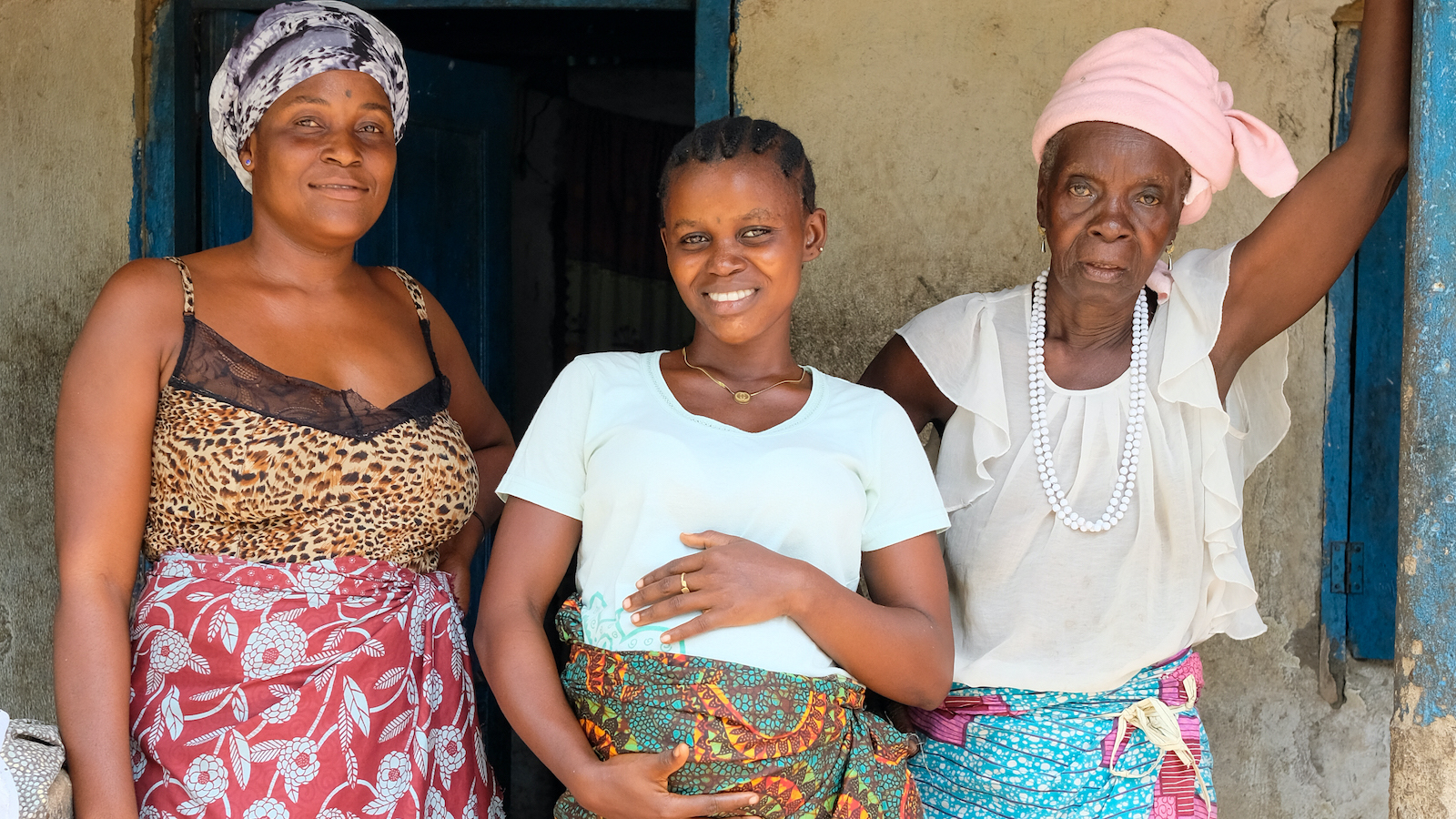
Sierra Leone has been working to lower one of the highest maternal mortality rates in the world. Here’s how the Saving Lives in Sierra Leone project is working to help.
Ten years ago, Sierra Leone hit a milestone in public health: It reached 42 days with no new or ongoing cases of ebola, meaning that the world’s largest outbreak of the virus was finally over for one of the countries hardest-hit by the epidemic.
The relief felt by healthcare workers was immense, but it wasn’t the only issue they were facing. In 2016, Sierra Leone had the highest maternal mortality rate in the world, with the World Health Organization estimating that one out of every 17 mothers would die due to childbirth-related complications.
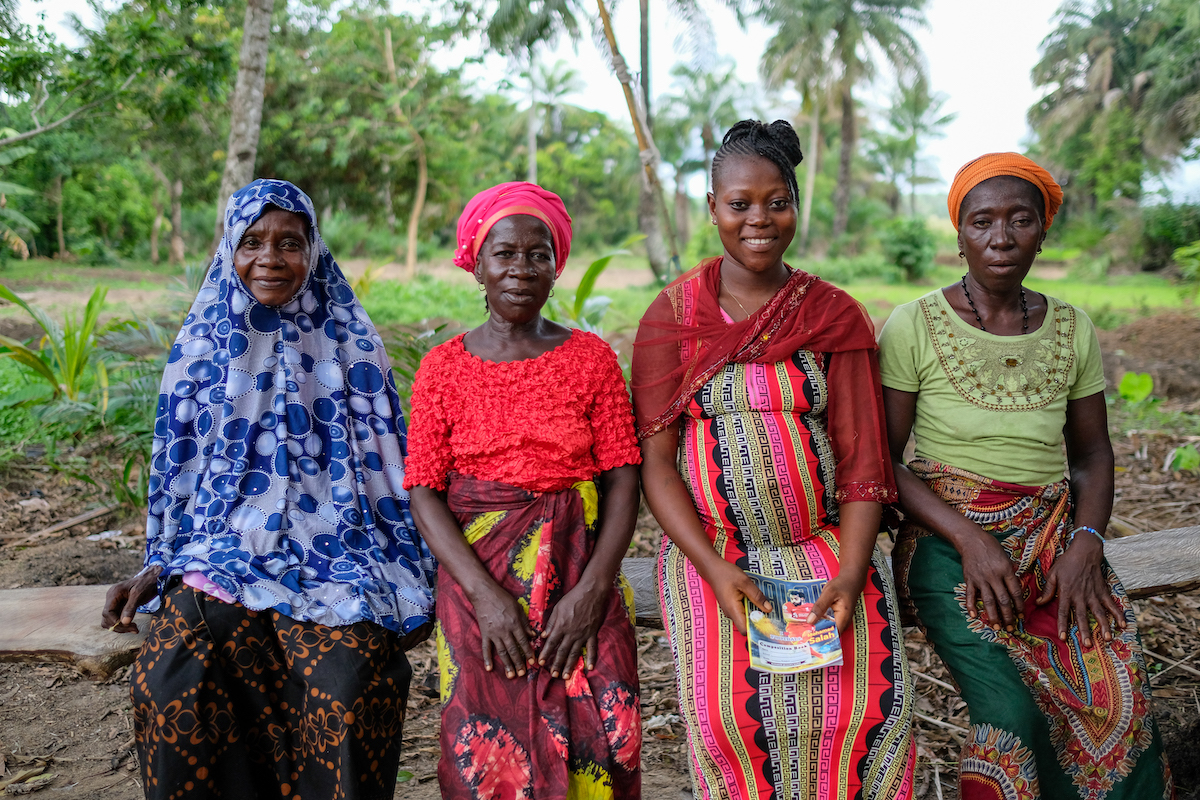
The country has made significant progress in addressing the issue: In 2000, it recorded 1,682 deaths for every 100,000 live births. In 2020, the rate had dropped by nearly 74%, with 443 deaths per 100,000 live births. Over the years, access to healthcare has also increased, leaving 85% of the country’s population within three miles of a health facility, and over 90% of births attended by a skilled professional.
The latest data from 2023 show even more advances—354 deaths per 100,000 live births—but this is still well above the global average (193) and far from the Sustainable Development Goal of 70.
Racing against the clock
Dr. Alpha Karim Sheriff, Medical Superintendent of Freetown’s Rokupa Hospital, links many of these cases to prepartum and postpartum hemorrhaging. While Rokupa was built fairly recently, opening its doors in September 2019, it didn’t have any storage facilities for blood transfusions. “These conditions caused many women to lose their lives,” says Dr. Sheriff.
“It was very stressful, we didn't have a blood bank,” adds David Tolli, Rokupa’s Laboratory Lead. Often they would refer patients to other hospitals or contact those hospitals for blood donations. Traffic in the capital, however, could make things even worse. “By the time we returned with the blood, sometimes the patient would have passed away,” adds Tolli.
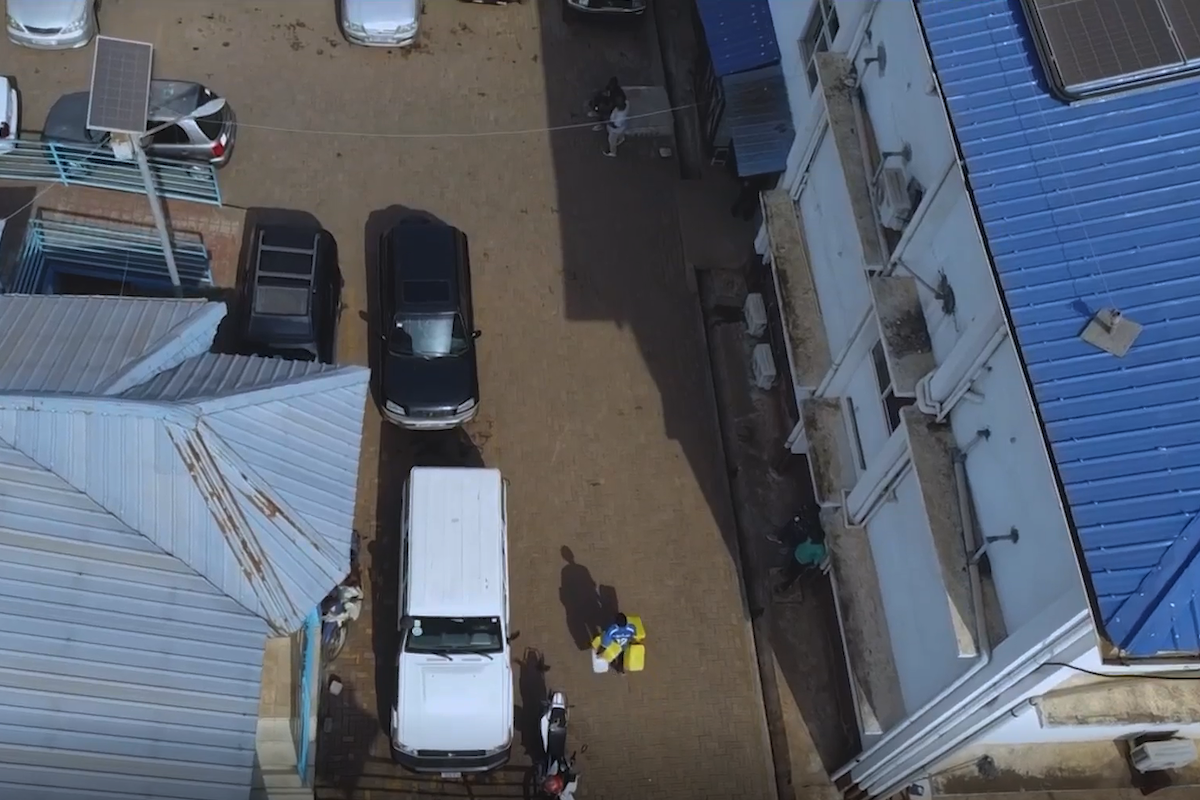
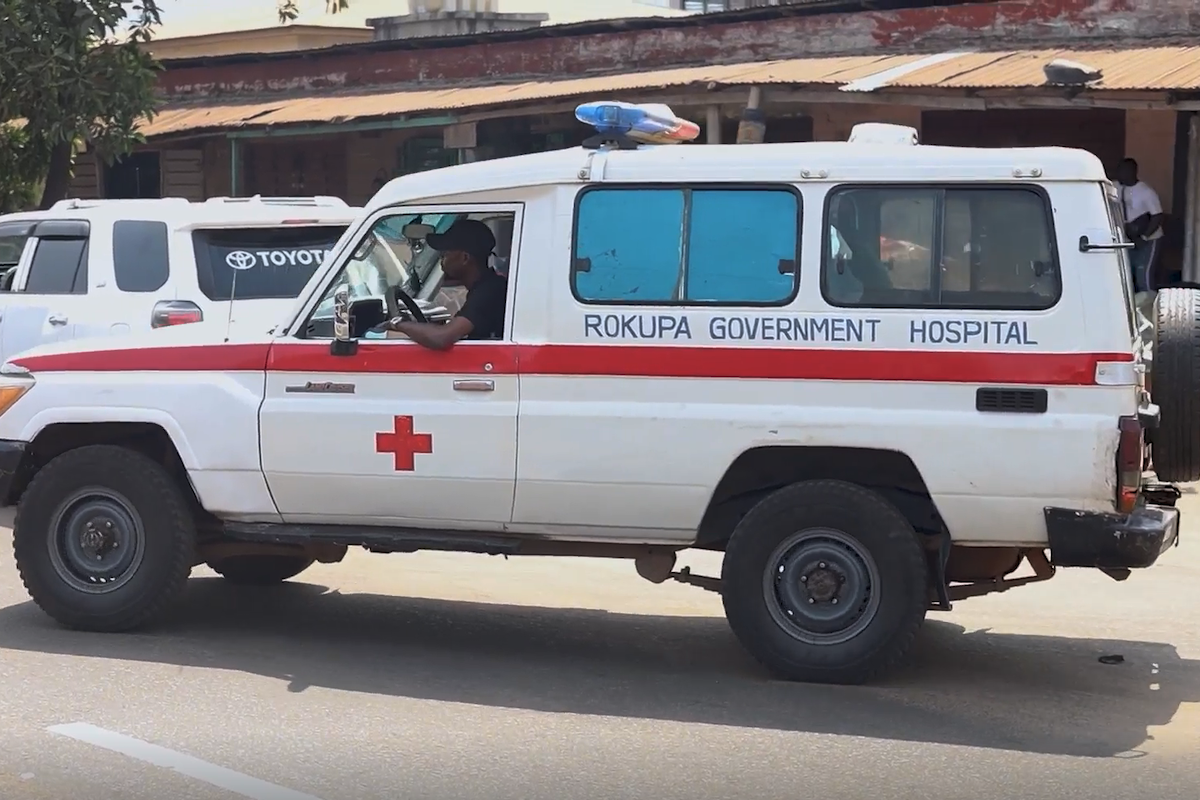
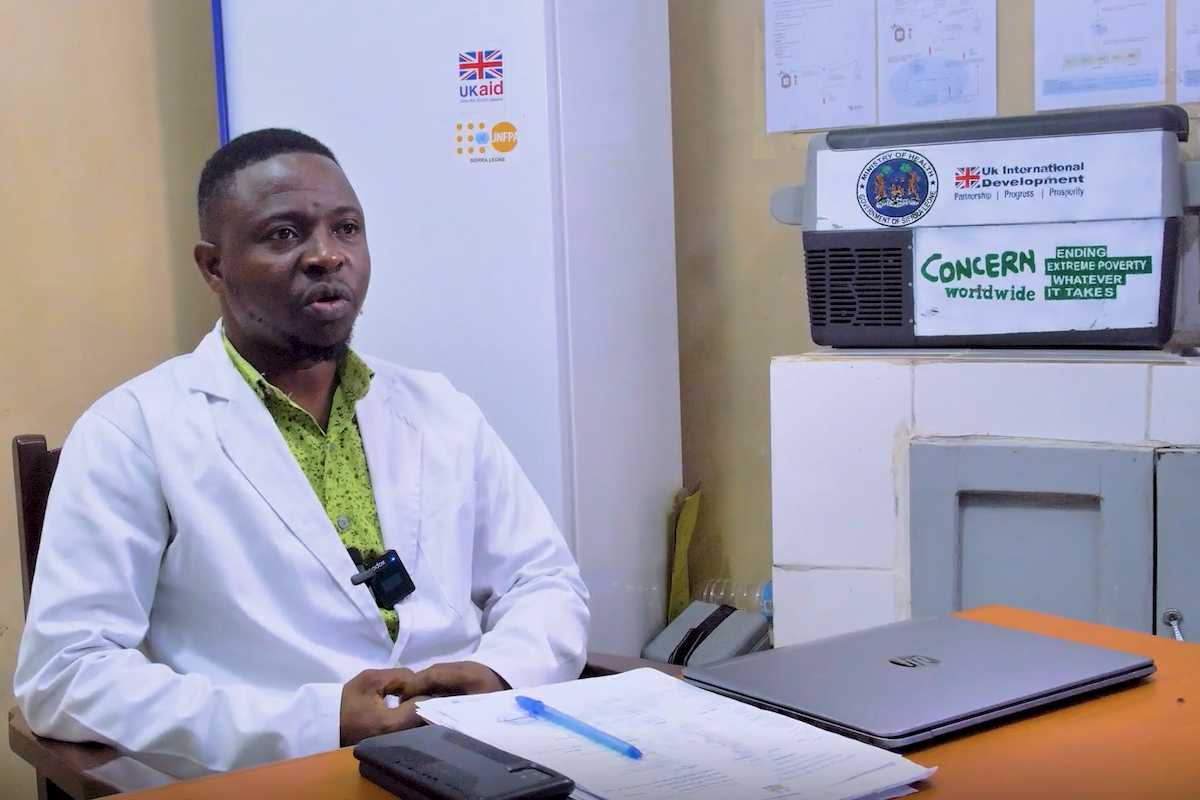
As part of Saving Lives in Sierra Leone, a multi-phased health-systems strengthening program, Concern Worldwide opened a blood bank in Rokupa in 2021. Doctors were now able to have the right type of blood at the right moment. Solar panels added to the hospital’s roof provide a reliable source of energy to ensure that the freezers can run 24/7.
“It is no longer a challenge where we have to ask relatives to go out and find donors elsewhere,” says Tolli.
A safer place
“Mothers and pregnant women who were at risk of dying are now in a safer place,” adds Dr. Sheriff, who notes that other facilities now come to his hospital for blood donations when needed. “I cannot remember the last time that we recorded a death because of unavailability of blood in the blood bank.”
Rokupa is one of many hospitals and clinics that have participated in Saving Lives in Sierra Leone, whose third phase launched in 2023 with funding from the Foreign, Commonwealth and Development Office (FCDO). This phase of the program will continue through 2028, run via a consortium of six NGOs led by Concern, in six districts: Bombali, Kambia, Kenema, Kono, Moyamba, and Western Area Urban.
Altogether, Saving Lives will reach 937,000 women of reproductive age, over 739,000 adolescent girls (10-19), and more than 552,000 children under the age of 5 with lifesaving care.
“Now the light is there”
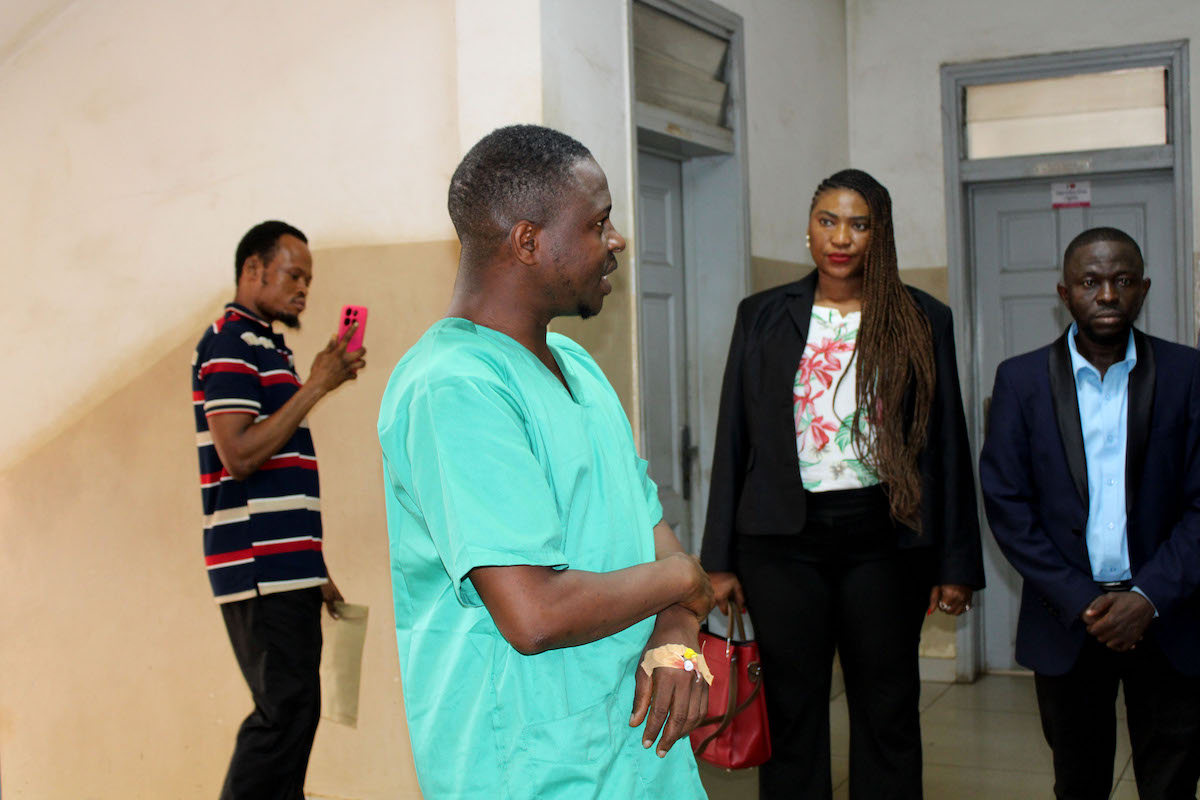
“The maternal death reduction has dropped drastically because of the availability of blood,” says Sai Sama Conteh, the matron at Kambia Government Hospital, roughly 125 miles northeast of Freetown. It, too, received a blood bank as part of Saving Lives. “Before we had to go up and down in search of donors to come and donate blood. Now, it’s easy.”
Conteh mentions the installation of solar panelling has also been a lifesafer—literally: “Imagine if there isn’t 24-hour electricity and the patient is on oxygen.”
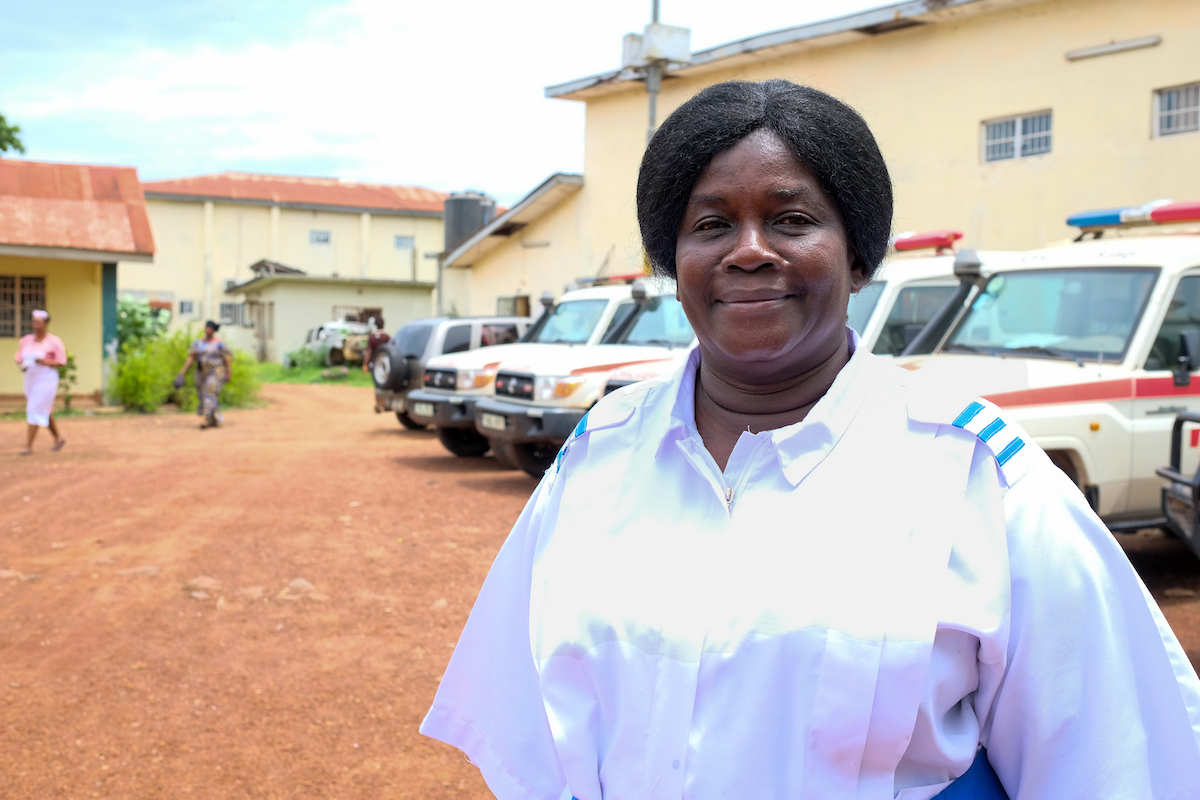
“It has made the job easier,” adds Mary Kadie Soloku, a nurse under Conteh’s leadership at Kambia Government Hospital. “Before the solar panel, when we were giving medication, especially we who were on the late shift…it would be very strenuous. You had to use your phone to point. But now, the light is there.”
The hand that rocks the CRADLE
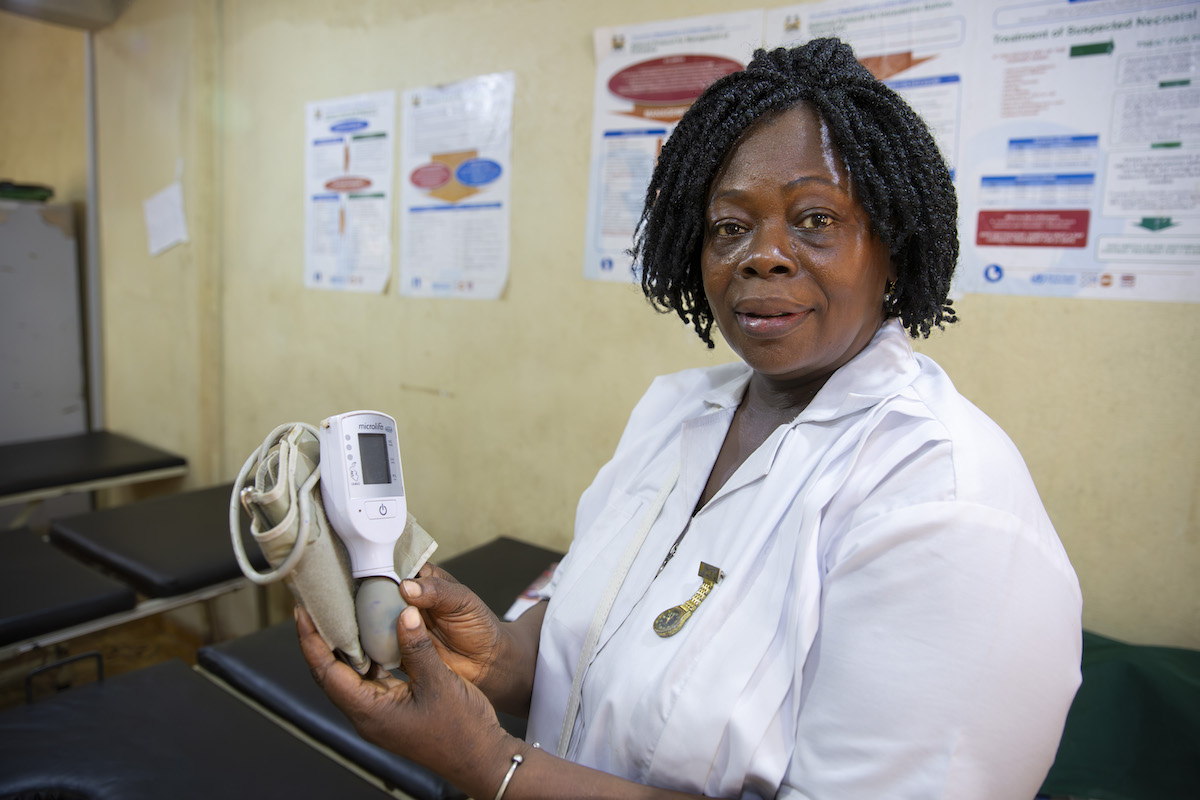
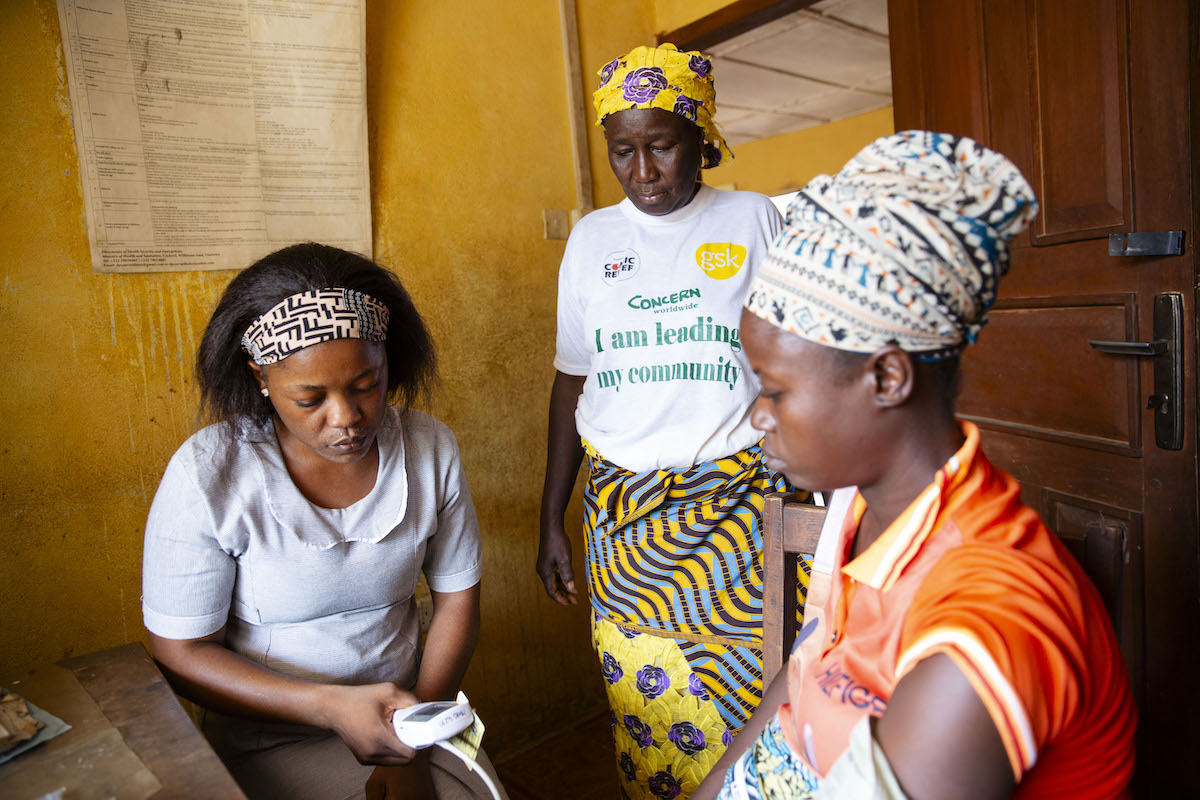
Another key component of Saving Lives has been the CRADLE Initiative. Piloted by consortium member Welbodi Partnership, the early-warning device is a simple blood pressure monitor that uses a traffic-light system (green, yellow, and red) to help healthcare workers detect early signs of some of the most common—and preventable—causes of maternal mortality, including preeclampsia, pre- and postpartum hemorrhage, and sepsis.
As Welbodi notes, the CRADLE Vital Signs Alert (VSA) is accurate, durable, and designed to be used in clinics and hospitals that may otherwise be under-resourced. It was developed in an earlier phase of Saving Lives and gradually brought to scale with the launch of this latest phase.
Through a cascaded system of training, Concern reached over 2,100 healthcare workers across 581 facilities participating in Saving Lives, with 70% of staff demonstrating full proficiency afterwards.
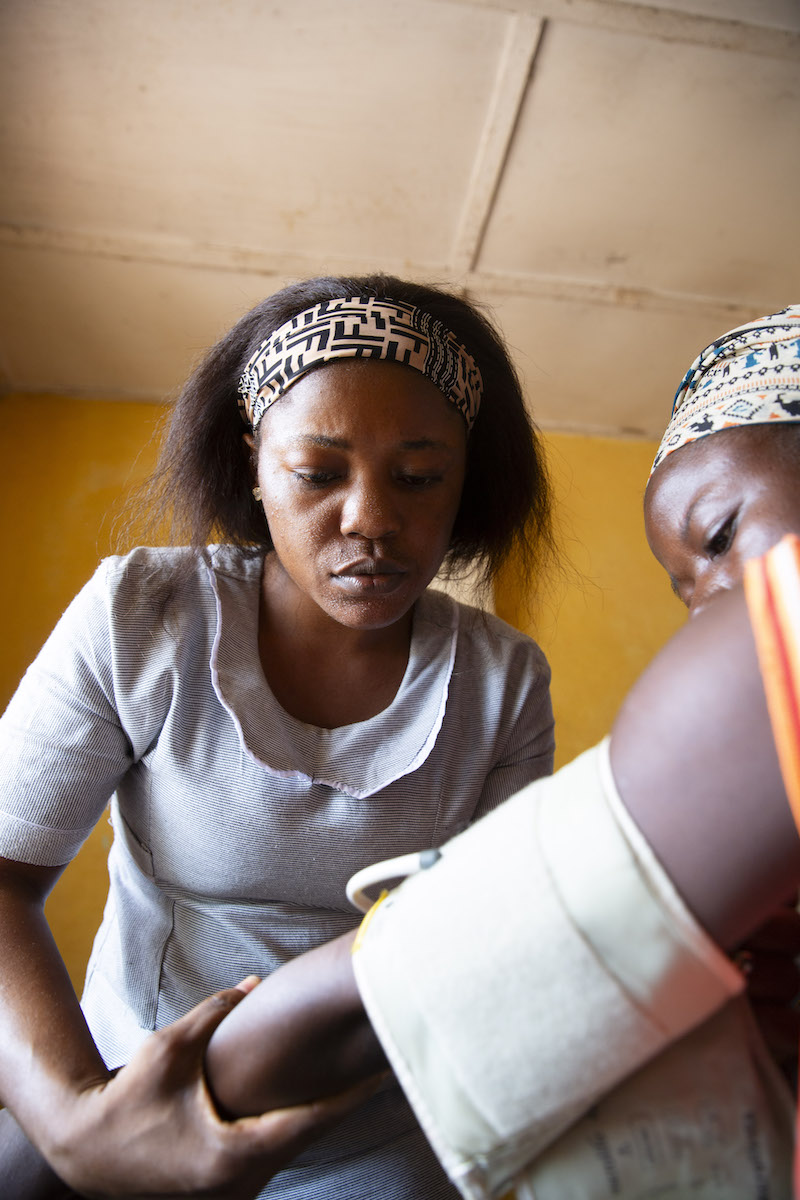
The results are already promising: Last year alone over 2,300 referrals were made by health centers participating in Saving Lives to hospitals for further care. Of these, 978 were prompted by CRADLE, which caught early warning signs of hypertensive disorders, anemia, and hemorrhage.
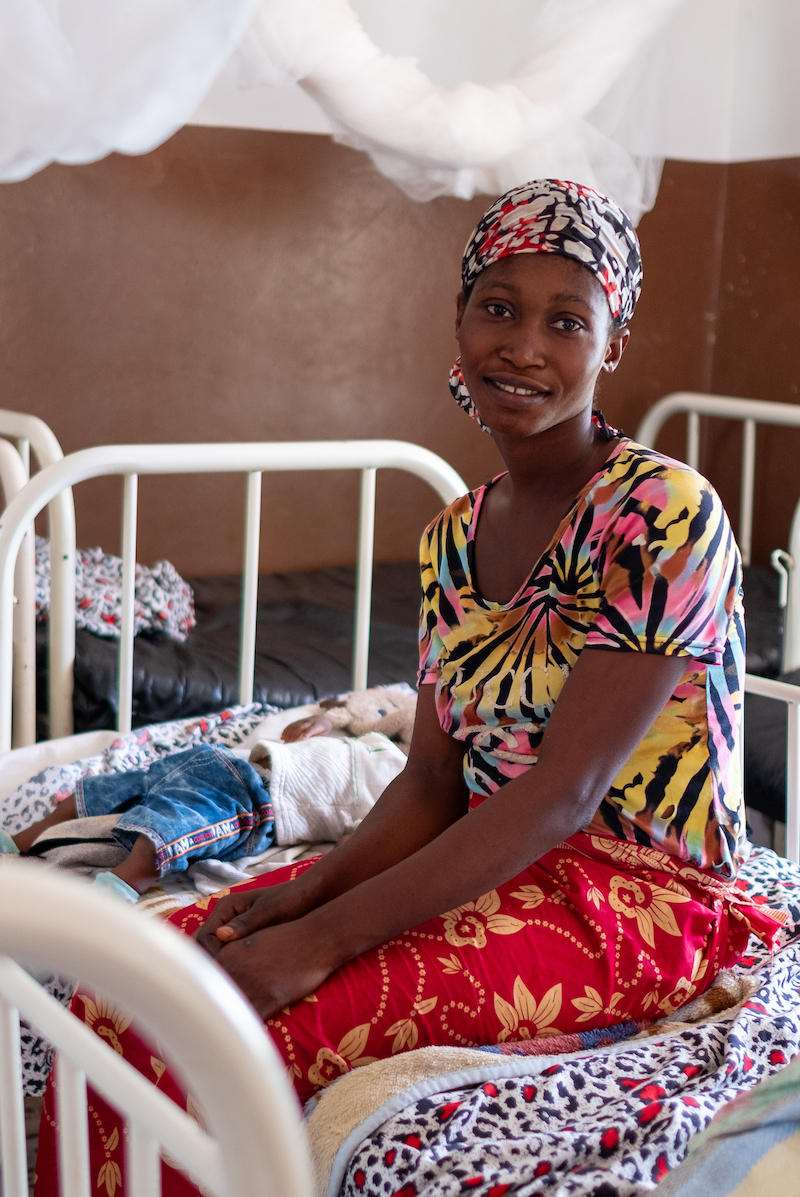
Nearly 90% of these cases resulted in a safe discharge from the hospital and/or a successful delivery, including Elizabeth, a patient at Moyamba Government Hospital, who was 37 weeks pregnant when she tested positive for preeclampsia.
“The nurses used their CRADLE device to monitor my blood pressure and heart rate before I suddenly went into labor,” says Elizabeth. “I am so grateful for the swift intervention of the staff. Thank you for saving my life and my baby's life.”
Family dynamics
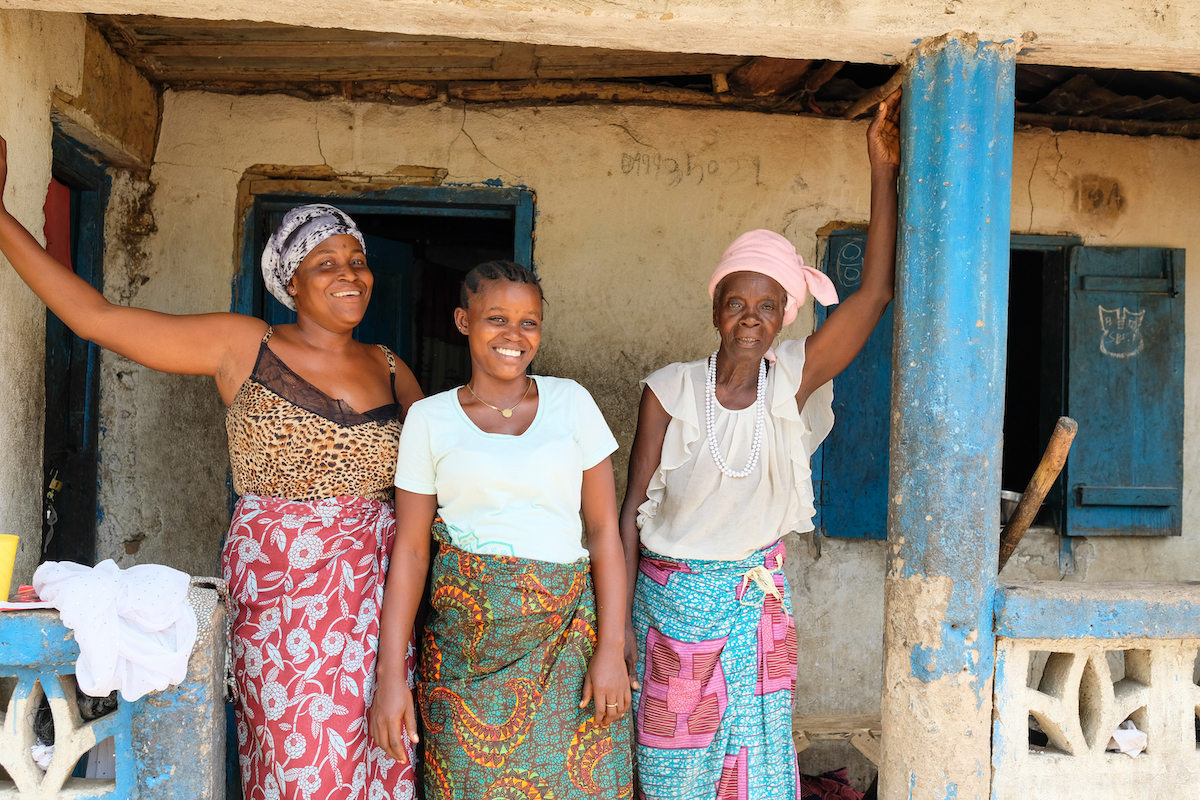
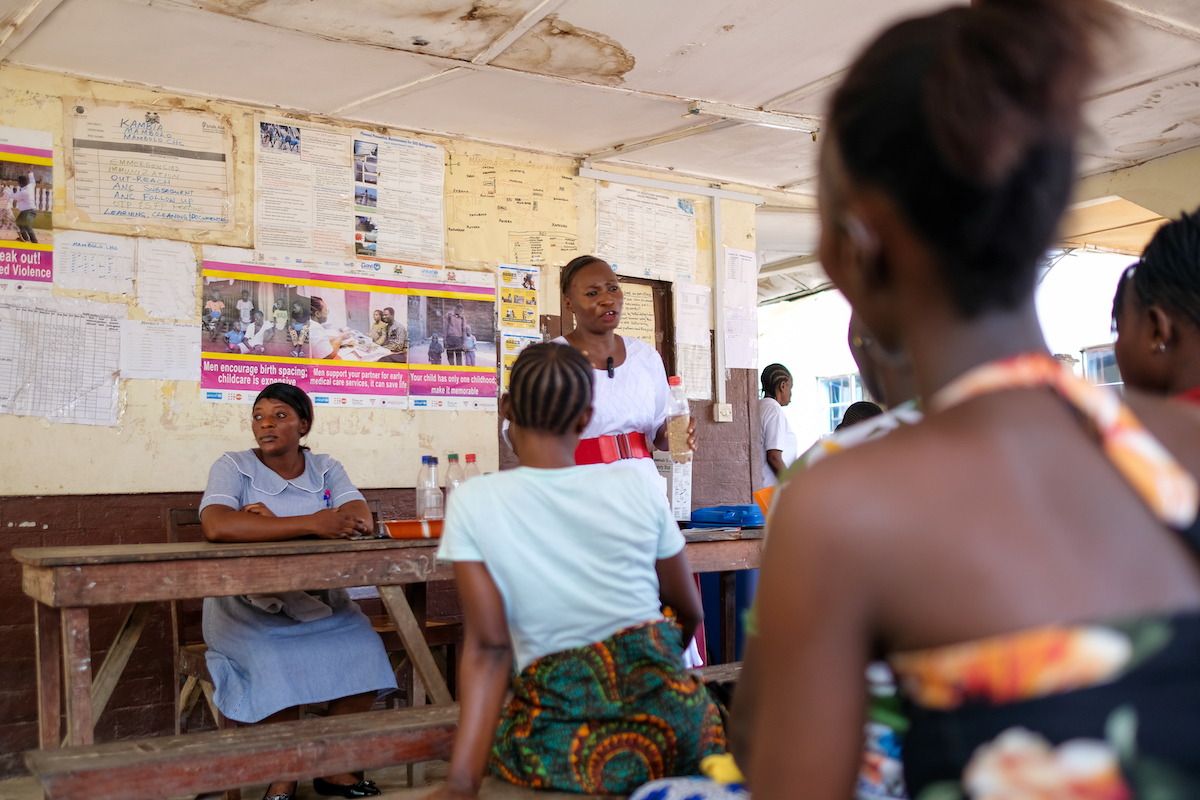
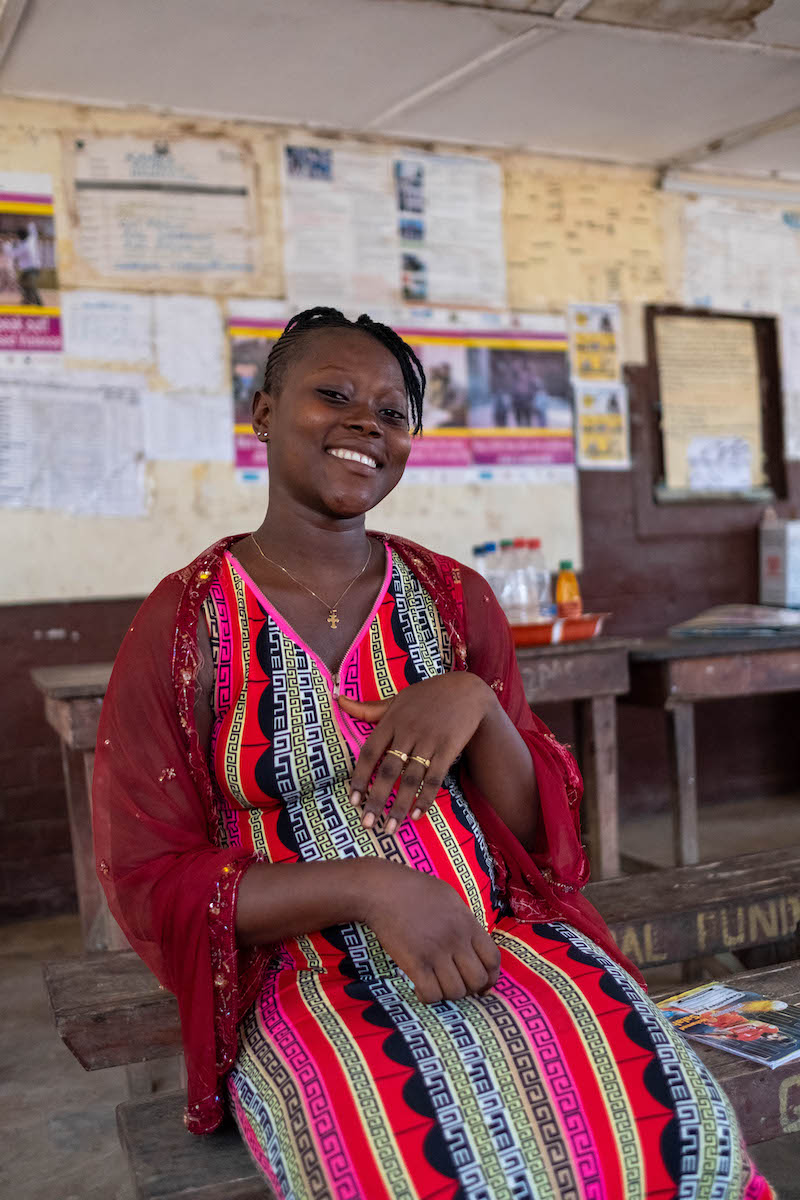
“In the past, children used to die within two or three days,” says Alice Aruna, a mother from Motema in Kono District. “But since the advent of Saving Lives it’s no longer happening. Pregnant women and children can now survive.”
Aruna attributes part of the success of Saving Lives to the strengthened ties between Motema’s hospital staff and the community: “Nurses are always available and attend to everyone very well.”
This wasn’t always the case, and has been another key initiative within the Saving Lives project. As Samuel Ibrahim Koroma, a District Delivery Manager with Concern, explains, “there was a gap between community members and the health facility.” Many community members would avoid the hospital if they were sick, and hospital staff hadn’t been trained on patient-centered care.
“Through several interventions,” Koroma says, “we now see a connection between the health facility and the community.” These interventions included community awareness and engagement, building bridges of trust between the health center and the people it serves. These efforts ensured that local voices were heard, and that the public better understood the way clinics and hospitals functioned and their rights as patients.
A joy for everyone involved
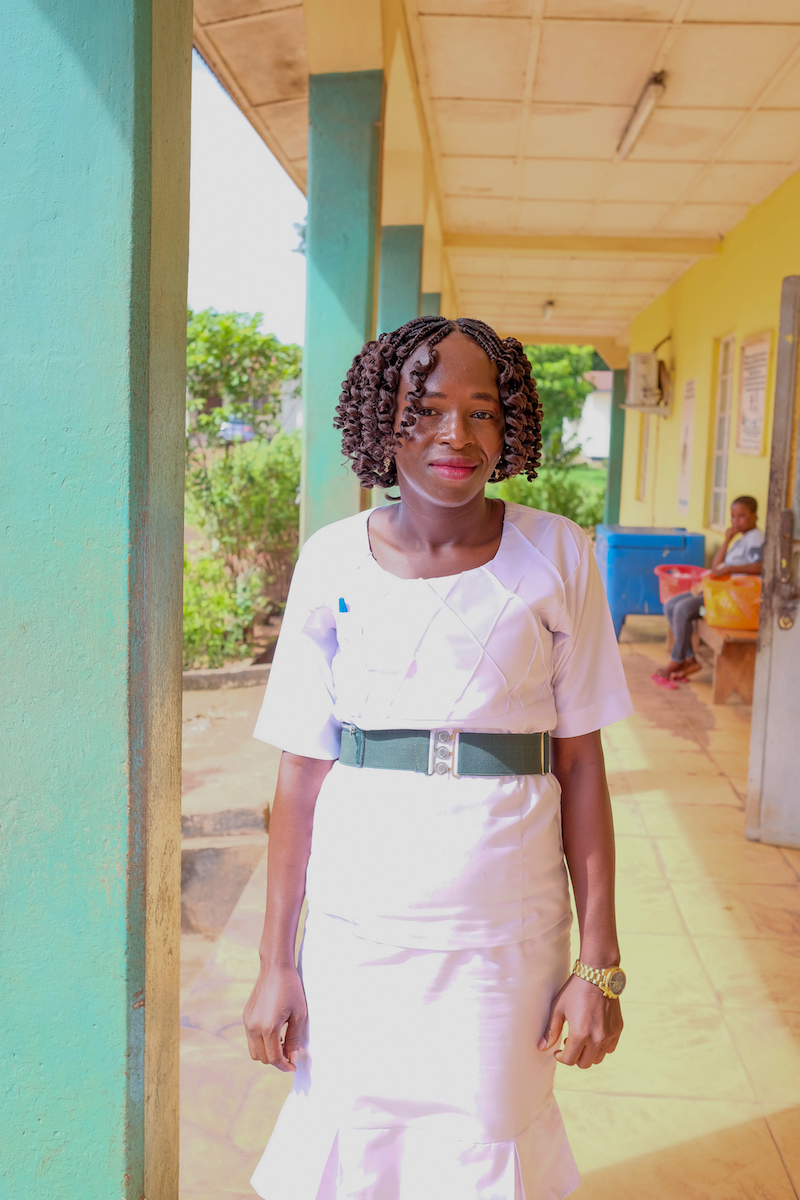
“It has helped us a lot and created a lot of impact for our patients,” says Marie Veronica Kahu, a Nurse Education Coordinator with Saving Lives.
“Previously as nurses, we were trained to take vital signs, which is the first thing we do as patients arrive. But we didn't always do proper documentation. Because of this training, we can now detect which patients need additional support early on. It has helped us to be able to alert the doctors quickly that a patient's condition is changing or that they need attention.”
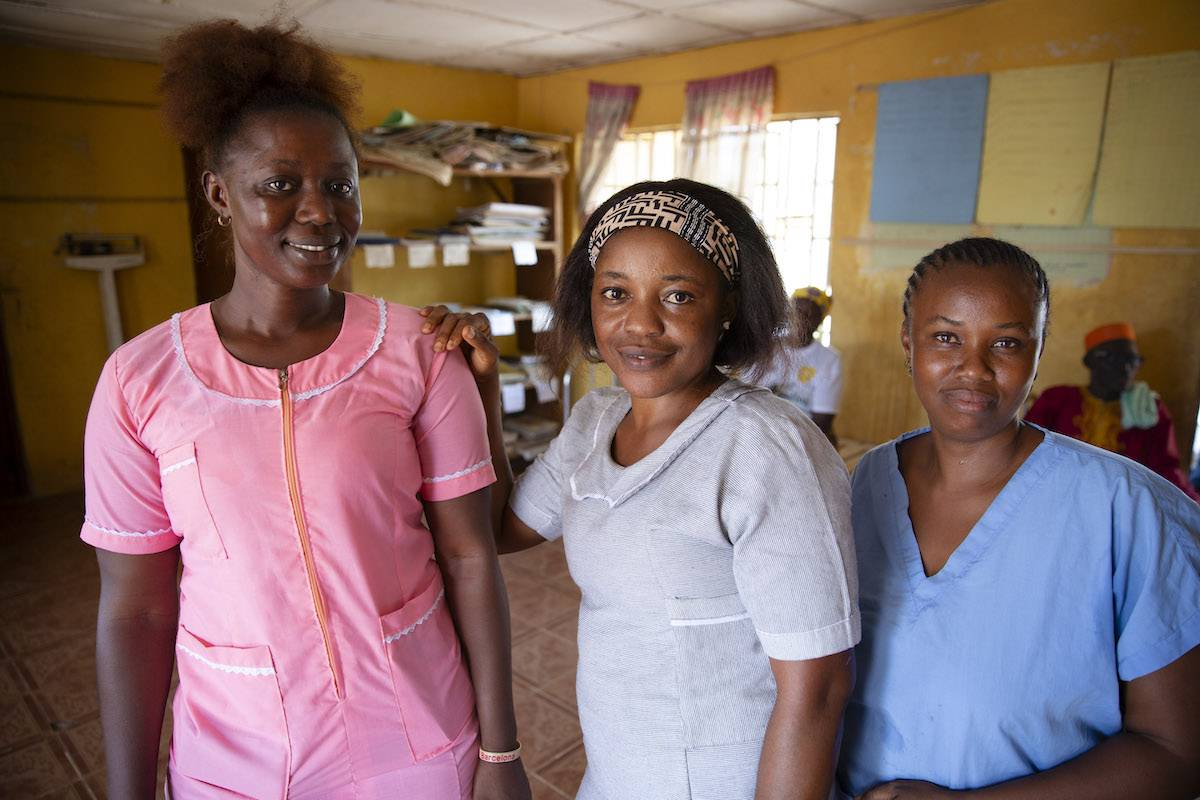
This has saved lives—including the lives of many mothers and children—in the moment as well as in the long run, as more trust is built between communities and their clinics and hospitals. Every life saved carries a ripple effect from the delivery room out into the world.
“When a child is born, everyone is happy for the newborn,” says Dr. Sheriff of Freetown’s Rokupa Hospital. “There is a joy from the relatives, the mother, everyone involved in that family. When a child is born, they are all happy to receive the baby. So the joy of saving one life means a lot to us.”
Be a lifesaver
$0.93 of every dollar Concern receives goes directly into our lifesaving programming in 24 countries around the world. Through this work, we reach millions of mothers and children each year. Be a part of that change with a tax-deductible donation.