10 Solutions to the water crisis — and why they work
Mar 26, 2026
From the work we’re delivering in some of the world’s most water-stressed countries to steps you can take at home, these solutions are helping to tackle the global water crisis.
The global water crisis is already here, and it’s affecting more of us than we might think.
At least 50% of the world’s population experiences high water stress for at least one month out of the year. 26% lack safely-managed drinking water and, a full 41% lack adequate sanitation services. By 2050, drought could impact up to 75% of people around the world.
The figures are stark, and the challenge is enormous. But the solutions are there—and proven to work. Around the world, practical, effective approaches are delivering clean water to millions and building resilience to many of the knock-on effects that come with a lack of clean water. Here are ten solutions to the water crisis that work.
1. Water trucking
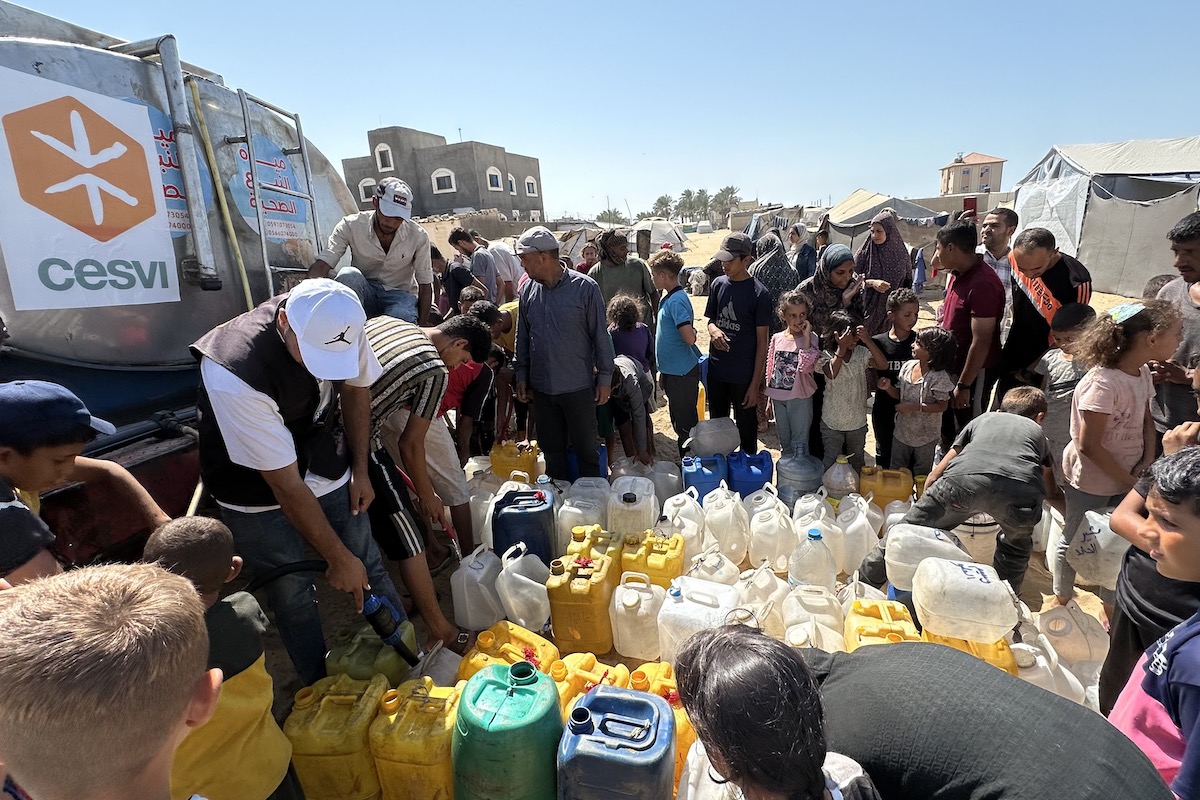
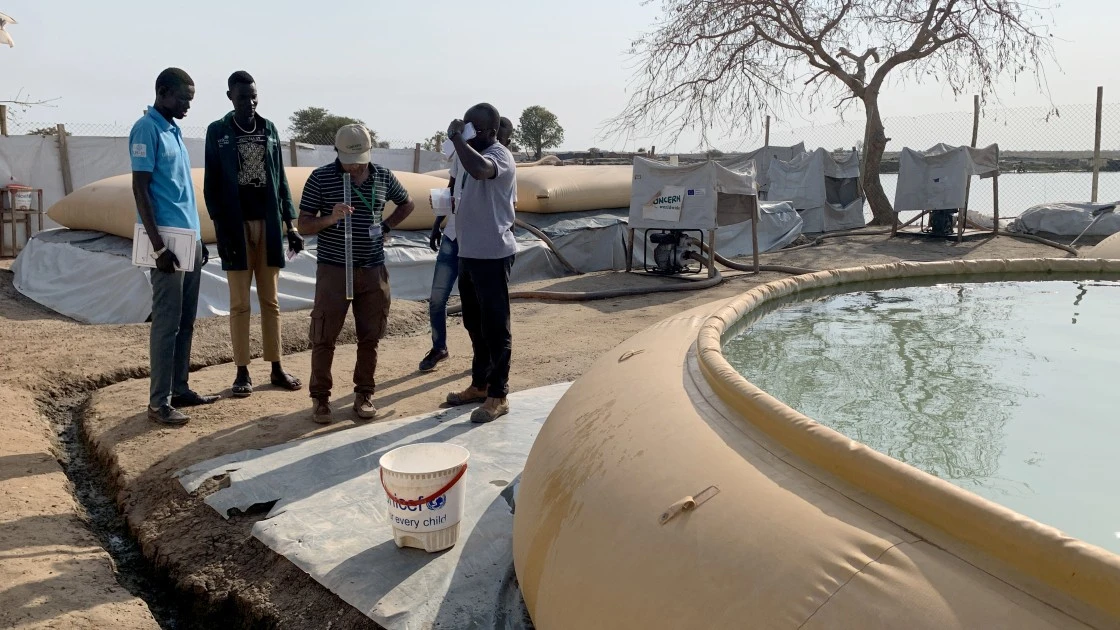
The simplest solution to the water crisis: Give people water. Water trucking is one of the quickest short-term solutions to scarcity, and does exactly what it says on the tin. Trucks are chartered into areas like refugee camps or drought-stricken communities where residents can fill up. This is an expensive solution and not a long-term fix for a crisis, but it can be a life-saving stop-gap in dire situations.
2. Desalinators and water purification tablets
Areas without access to safe, potable water often have access to some form of non-potable water. There are options to work with what’s available. For seawater, we can use individual, portable desalination devices (or desalinating at a mass-scale). Water purification tablets are also handy for freshwater sources, killing microorganisms and pathogens that cause typhoid, cholera, and other waterborne illnesses.
3. Protect existing freshwater sources
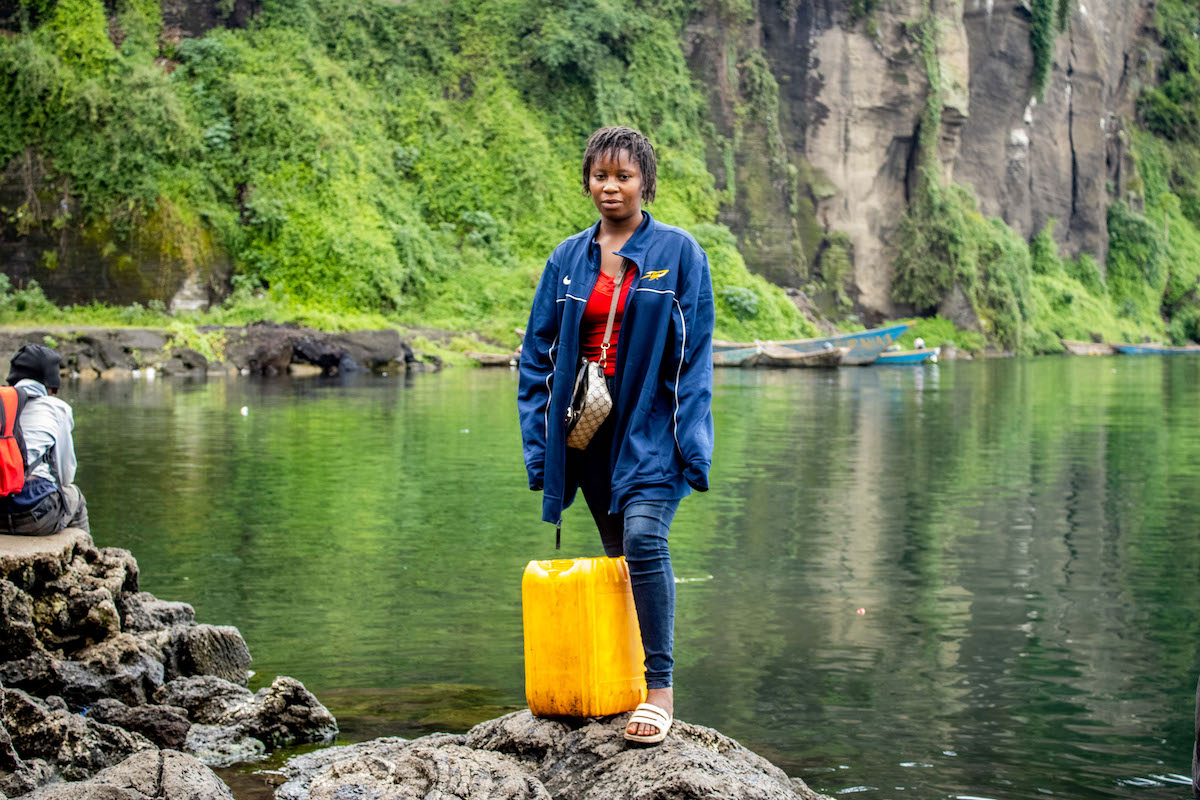
Sometimes, the solution isn’t creating a new water source, it’s protecting the one a community already has. In many communities where Concern works, there is already a natural spring, but it’s vulnerable to contamination. Simple protective structures can safeguard these resources by keeping the surrounding area free from human and animal interference, helping ensure long-term access to clean water.
4. Tackle leaks and other sources of water waste
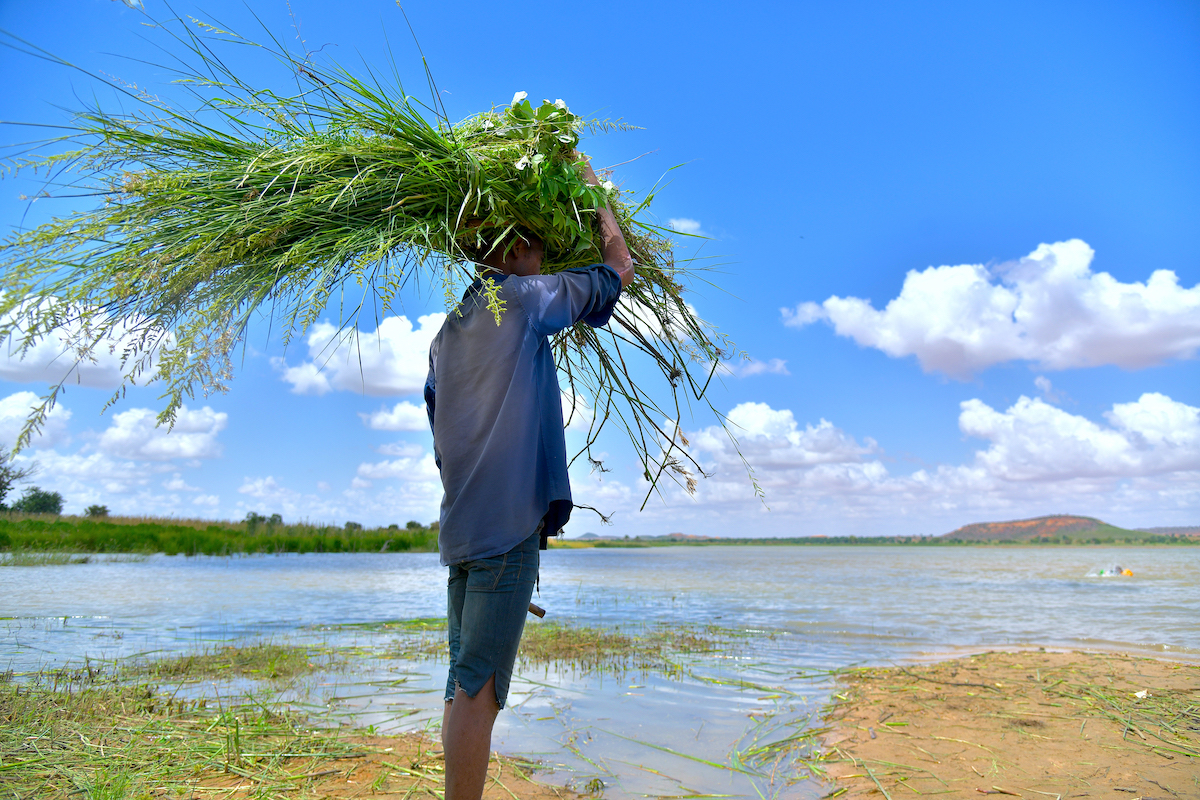
In the US alone, household leaks account for nearly 1 trillion gallons of water loss per year. Plugging these holes in both individual homes and within larger infrastructure and pipes will help conserve what’s already on hand.
This is an issue even in areas where water resources are tight, and one that demonstrates why community partnerships are critical to solving local water crises. Community members usually know where things need to be repaired, and are ready to take on those improvements with the right technical and financial support.
5. Rainwater harvesting
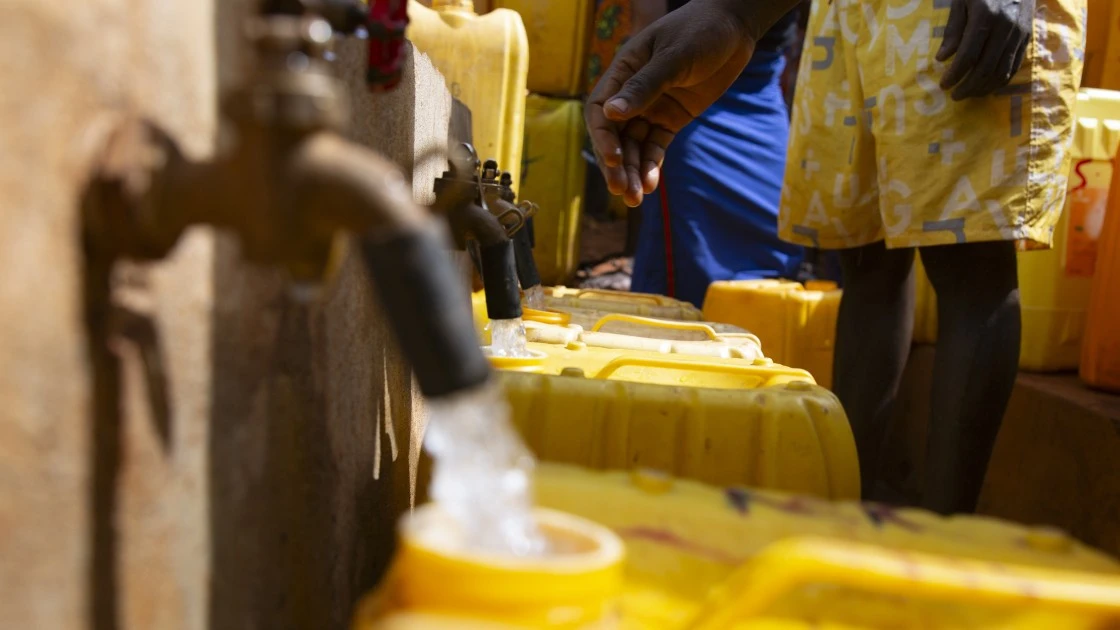
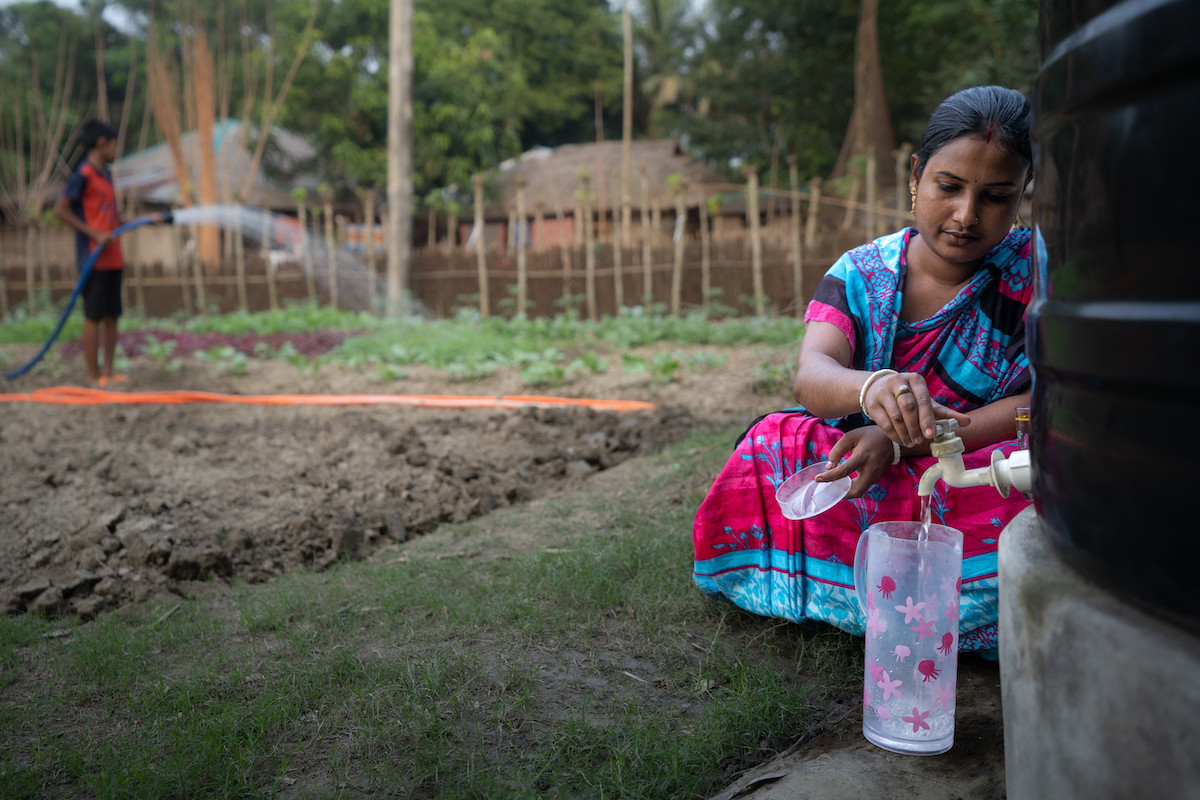
A solution that’s both low-tech and low-cost in areas that get enough rainfall: Collect and store that rainwater. Rainwater harvesting systems build on a collection surface like a roof and create a pathway for the water to run into a storage tank. It can be rendered potable with some processing, and is also useful for agriculture (which takes up a lot of water in stressed countries), livestock, schools, and hospitals. The systems are also easy for communities to manage.
6. Rehabilitating and building water points
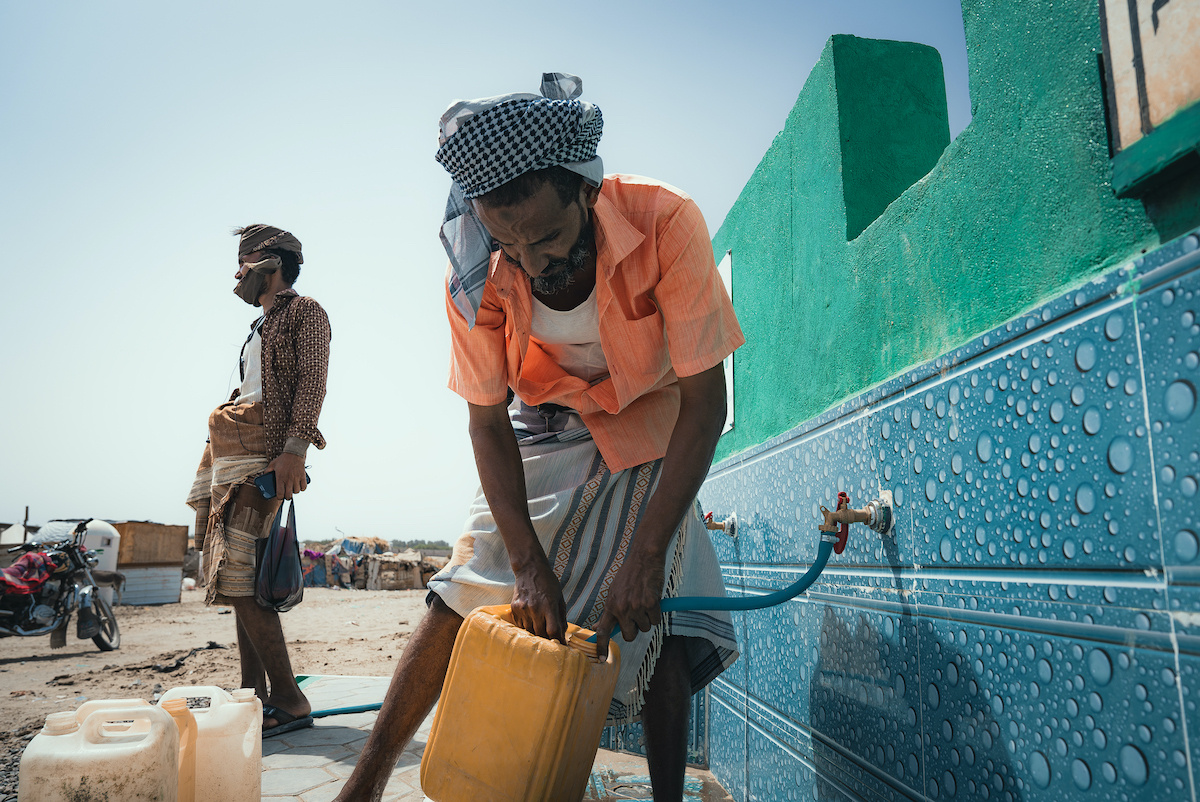
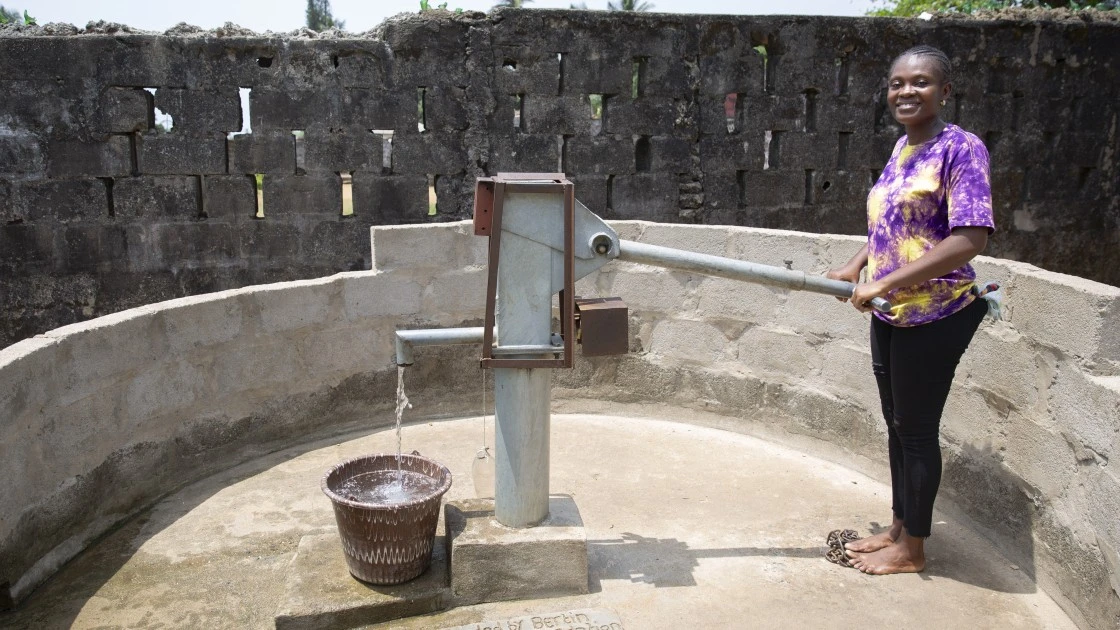
As we mentioned above, water trucking is a short-term solution. The more sustainable solution in the long run is to build a water point (or repair one that is already there but damaged). Sometimes this means drilling for a new well, which requires a number of steps (including analyzing groundwater distribution, soil, and rock structure). In other cases, there are already wells that have been dug and we just need to fit in hand pumps that seal and protect the water source.
In areas where grid power is unreliable (or nonexistent), solutions like solar water pumps are an economically- and ecologically-friendly solution that makes use of the most reliable resource: sunlight.
7. Water management committees
Going back to community-centered fixes: When community members take ownership of their local water systems, water is more available to those who need it most. Water management committees are made up of locally-elected members who oversee and manage local resources. We provide the training to ensure they have all the knowledge and resources they need to do so. This combination of skills and trust helps keep projects running smoothly for generations without needing our support in the long term.
8. Eliminate water dumping and other pollutive activities
Approximately 1 million people die each year due to water contamination. We can’t solve this issue on our own as individuals, but we can work together to push for actions that ban and enforce restrictions on wastewater dumping. The NRDC estimates that 80% of such wastewater is dumped back into the ecosystem, untreated. Governments and corporations must therefore work together to end water dumping and other pollutive activities that contaminate our drinking water.
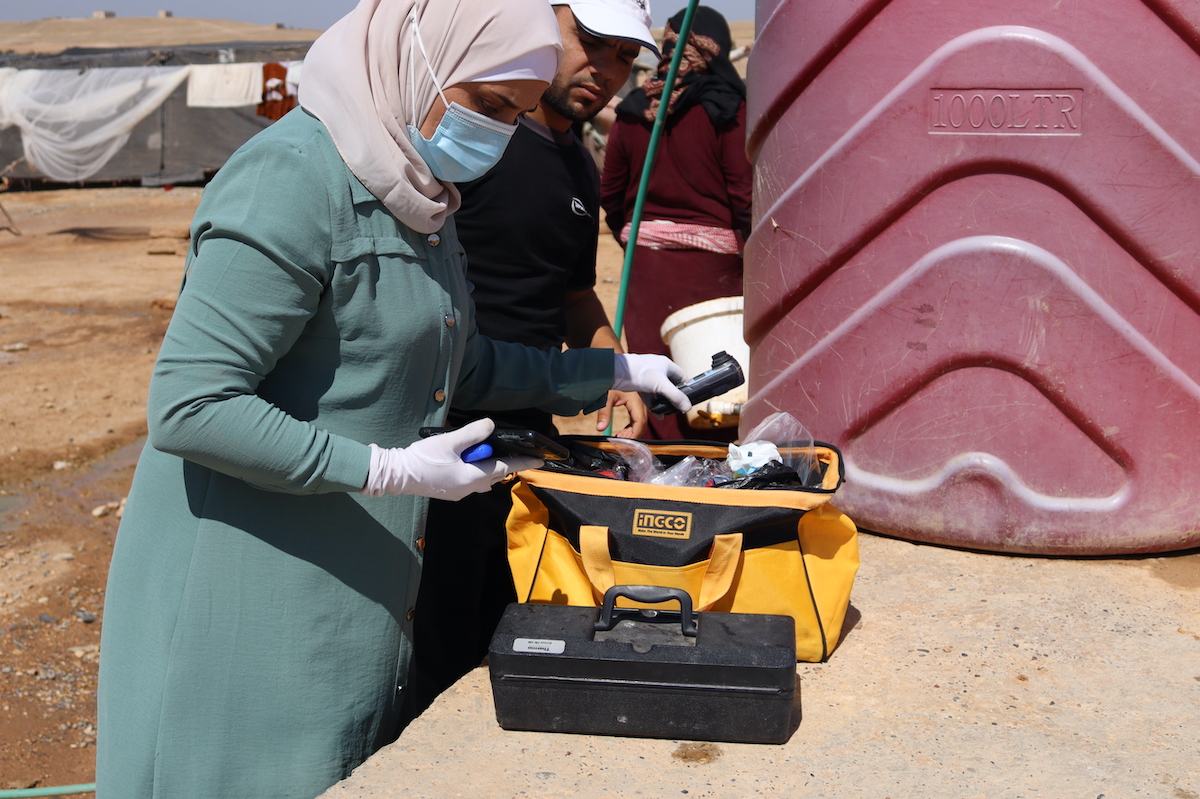
9. Improve water infrastructure at the national level…
In fragile states, it’s often the case that there isn’t enough government infrastructure or capacity to deliver water, sanitation, and hygiene (WASH) services. This is an explanation, but it isn’t an excuse. At Concern, we work with local authorities and national governments to strengthen the capacity they have to ensure their citizens have clean water and access to other hygiene and sanitation necessities.
10. …and at the international level
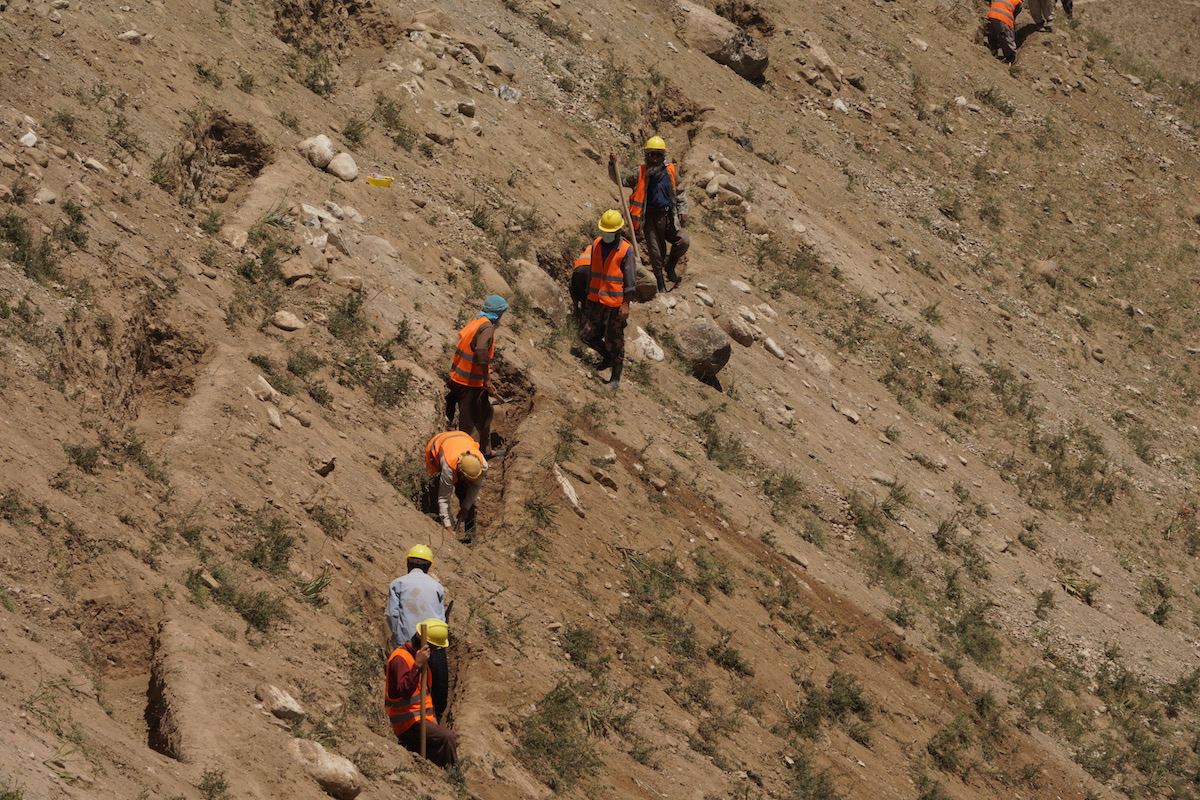
Water is an interdependent issue. Many corporations based in high-income countries outsource production to lower-income countries, meaning that they are often contributing to the water contamination in those lower-income countries.
Many rivers, lakes, and aquifers also cross international borders and are shared between nations. In a 2021 UN Water report, only 24 countries reported that all such sources shared with neighboring countries were covered by operational arrangements for cooperation.
Can we solve the global water crisis?
Yes—but not at the pace we’re going.
Progress is already happening: Since 2015, more than 961 million people have gained access to safely-managed drinking water. In that same timeframe, 1.2 billion now have access to safely managed sanitation, and 1.6 billion to basic hygiene services.
But billions are still being left behind. That’s where collective action matters. At home, you can reduce your own water use, stay informed about the challenges facing your own community, and learn more about the challenges faced around the world. We have more resources linked below. You can also support organizations like Concern, which work to deliver clean water, sanitation, and hygiene services to the communities that need them most.
No single action will solve the crisis, but together they add up to lasting change.
The global water crisis: Concern’s response
Ensuring access to clean water and sanitation and providing hygiene information and training are key aspects of Concern’s work, with active water, sanitation, and hygiene (WASH) programs in the majority of countries where we work.
Over nearly 60 years, we have dug, drilled, and bored thousands of wells in remote and vulnerable communities across dozens of countries, and built countless latrines in their schools and health centers. The hours saved and the illnesses prevented make it one of the most effective things we do. When drought or displacement prevent access to clean water supplies, we do what it takes to connect communities, including trucking water to temporary tanks and installing pumps in camps.
We work hand-in-hand with communities to help them assess the longstanding challenges they face, implement sustainable solutions, and ensure water and sanitation infrastructure will be maintained for the long term. We also foster a sense of ownership, build sustainable maintenance practices, and create transparent financial management systems that benefit the community.