What is a humanitarian crisis?
Jan 27, 2026
In 2026, over 241 million people will urgently require humanitarian aid due to escalating emergencies and crises around the globe. But what does the idea of a humanitarian crisis actually mean? Who determines when a situation is a crisis? And where are many of those 241 million people living?
From conflict and natural disasters to hunger and displacement, we’re at a critical point for humanitarian crises. Here’s what that phrase means, how these crises develop, how organizations like Concern respond, and how you can help.
Humanitarian crises, defined
A humanitarian crisis is an event (or series of events) that poses a critical threat to the health, safety, security, and/or well-being of a large group of people.
There’s no universal definition of a humanitarian crisis, and the term is often used interchangeably with “humanitarian emergency” or “humanitarian situation.”
Types of humanitarian crises
We usually break down crises into one of three categories: natural disasters, man-made emergencies, and complex emergencies.
Natural disasters
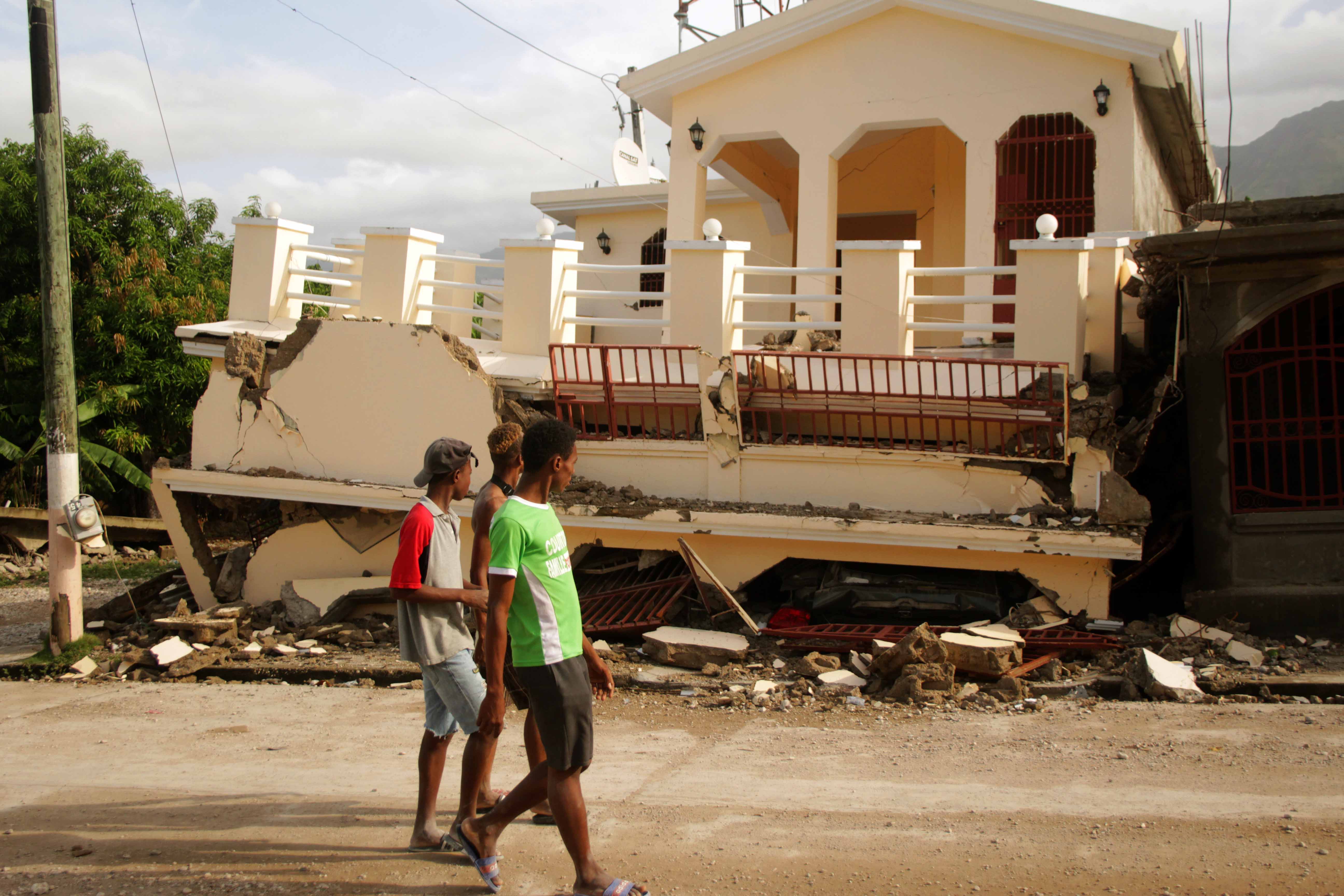
Natural disasters are events caused by natural processes within the Earth and its ecosystems. These can look like:
- Earthquakes, tsunamis, and volcanic eruptions (geophysical disasters)
- Floods and avalanches (hydrological disasters)
- Storms, hurricanes, and cyclones (meteorological disasters)
- Droughts (climatological disasters)
- Epidemics, infestations, and pandemics (biological disasters)
While these events can’t be prevented from happening, their impacts on people and communities can often be reduced. In some cases, these events can be tracked in advance or occur seasonally (such as droughts, which develop over years, or hurricanes and cyclones). Other times, as with earthquakes, they happen with little to no warning.
» Learn more about some of the most common natural disasters facing the world today
Man-made emergencies
These are events that we have more control over and are prompted by human activity. Often when we think of man-made emergencies, we immediately think of war or conflict. This is a key example, but not the only one. Others include:
- Civil unrest and armed violence from non-state groups
- Pollution, environmental degradation, and man-made fires
- Infrastructure and industrial accidents, including plane and train crashes
For example, the 2020 explosion in Beirut was a man-made crisis — and one of the largest non-nuclear explosions in history. The industrial accident began with a fire that led to the explosion of tons of combustible chemicals that had been improperly stored in a warehouse.
Complex emergencies
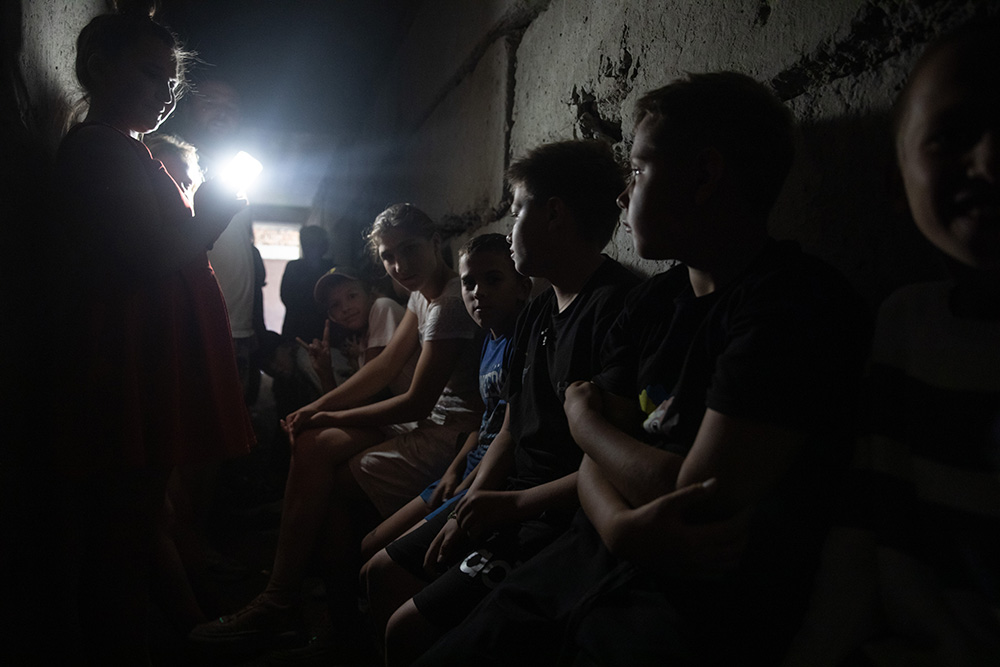
Complex emergencies are the result of multiple disasters or emergencies occurring in an area where there is, as the UN puts it, “a total or considerable breakdown of authority.” These emergencies often lead to:
- Extensive violence and loss of life
- Displacement of populations
- Widespread damage to societies and economies
- The need for large-scale humanitarian assistance
- The hindrance or prevention of humanitarian assistance by political and military constraints
- Significant security risks for humanitarian relief workers in some areas
The number and scale of these complex emergencies has surged in the past two decades with the rise and intensification of conflicts. As Kirk Prichard, Vice President of Programs for Concern Worldwide US, notes, they are also impossible for NGOs to solve on their own: “We can only tackle the immediate humanitarian needs. In complex emergencies, NGOs are unfortunately more of a band-aid than they are a suture.”
» Learn more about complex humanitarian crises
Who are the most affected people in a crisis?
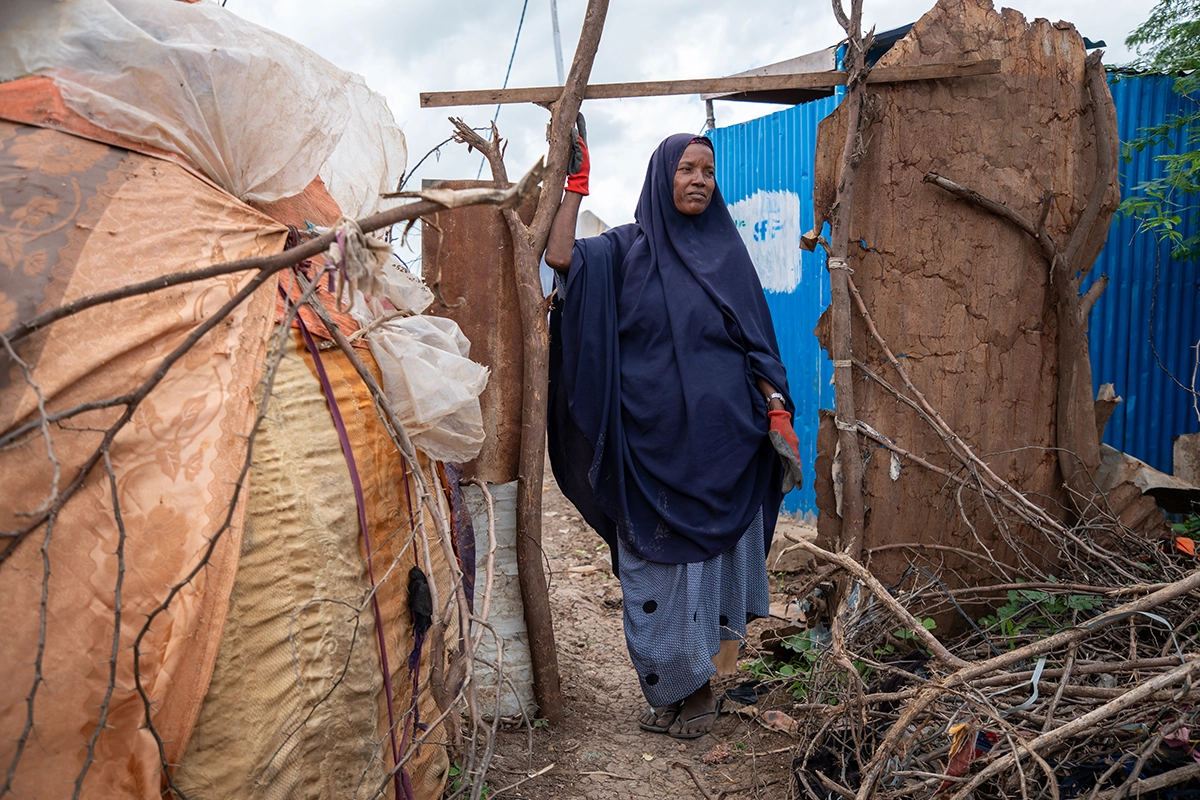
Globally, humanitarian crises affect more people today than at any other point in recorded history, with hundreds of millions facing emergencies each year.
The largest impacts are faced by those with the fewest resources and coping mechanisms, or those who are “furthest behind” (either in terms of resources or literally in terms of people living in rural or hard-to-reach areas).
This is especially true for people living below the poverty line, both in their communities and in low-income countries. However, children, women, the elderly, and disabled are all examples of groups who often face higher risks in an emergency. Ultimately, however, the people most affected are those who need the most support in the aftermath or ongoing progression of a crisis.
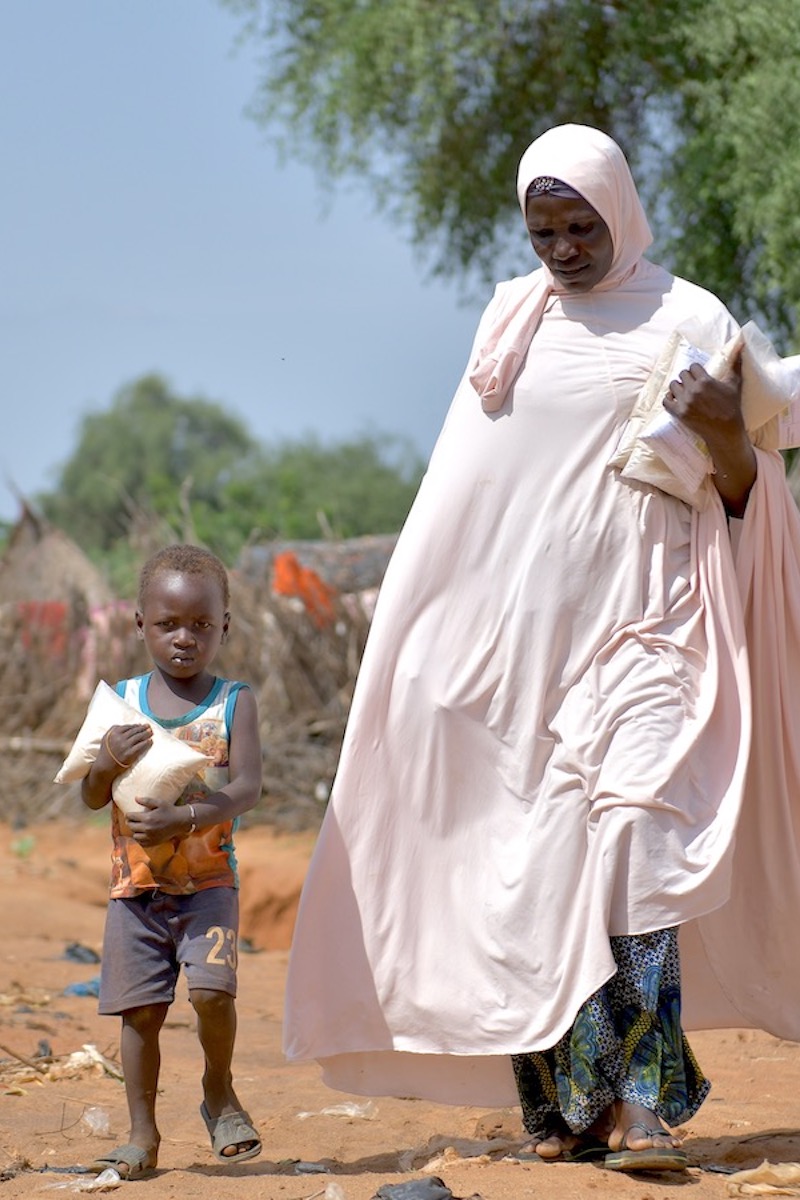
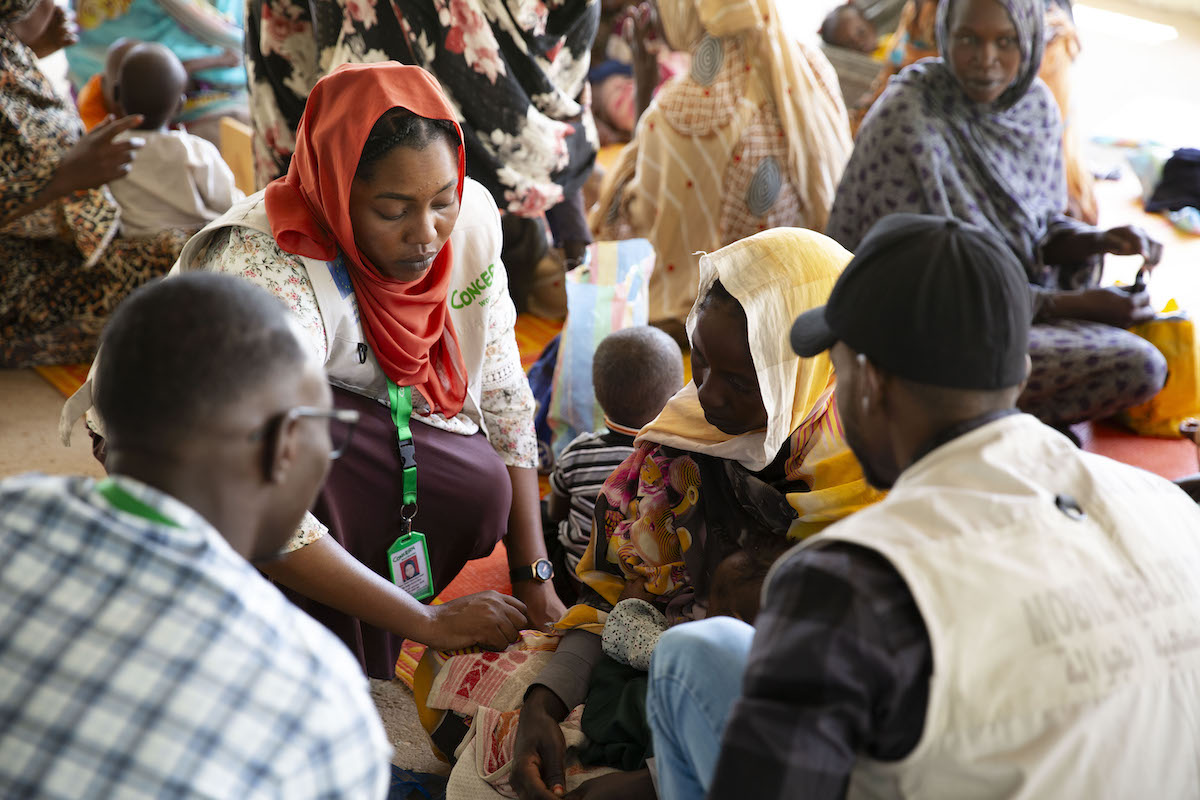
What humanitarian crises are happening right now?
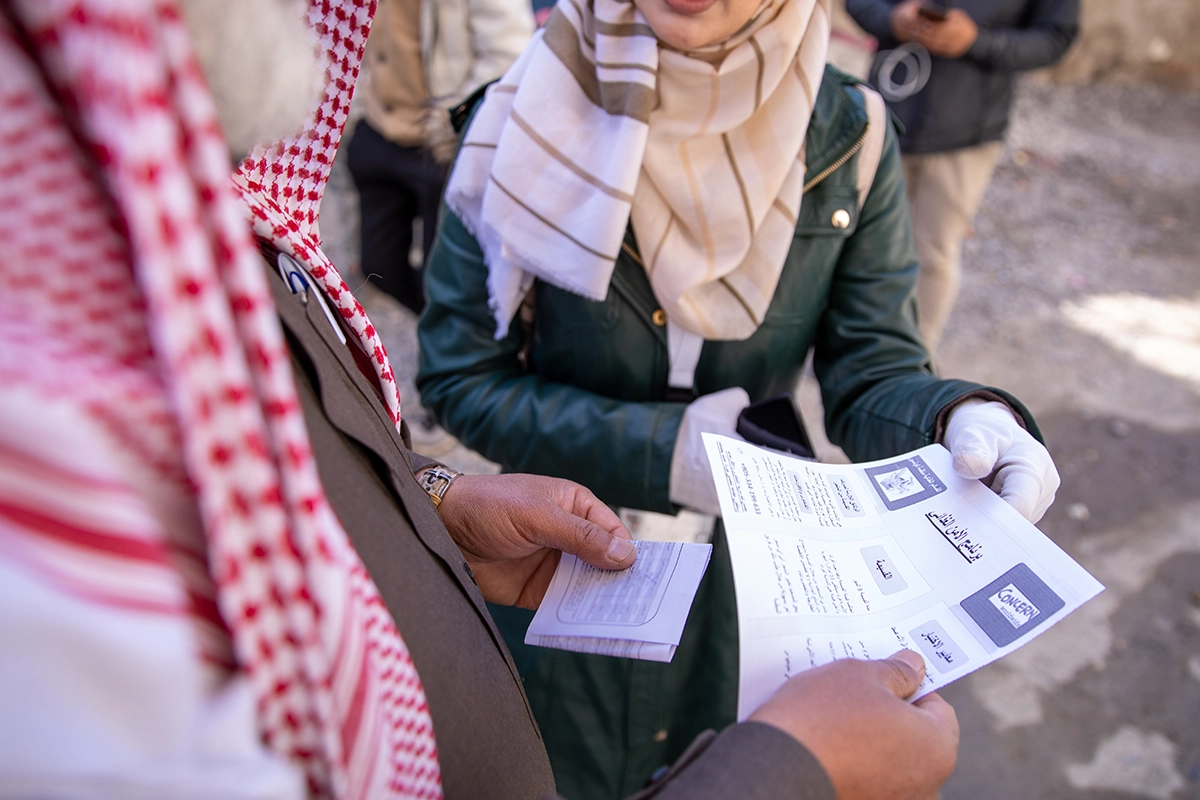
More than half of the 241.2 million people who will require at least one form of humanitarian assistance in 2026 live in just seven countries: Sudan, Yemen, Afghanistan, Syria, Ukraine, and South Sudan.
But that’s not the whole story. Many of the worst humanitarian crises in the world in 2026 have even fewer people in need, but those numbers constitute the overwhelming majority of a country. These also only account for the highest levels of need, meaning that there are thousands (if not millions) more who will not qualify for emergency assistance but still struggle to survive.
» Learn about the 10 largest crises in 2026
Additionally, we’re now at a point in humanitarian response where need has risen but funding has dropped. That has led to more situations becoming “forgotten” humanitarian crises (which really means underfunded and under-covered in international news). Out of the spotlight, these crises can continue for decades without a clear resolution in sight.
» Learn more about the “forgotten” crises that we cannot ignore in 2026
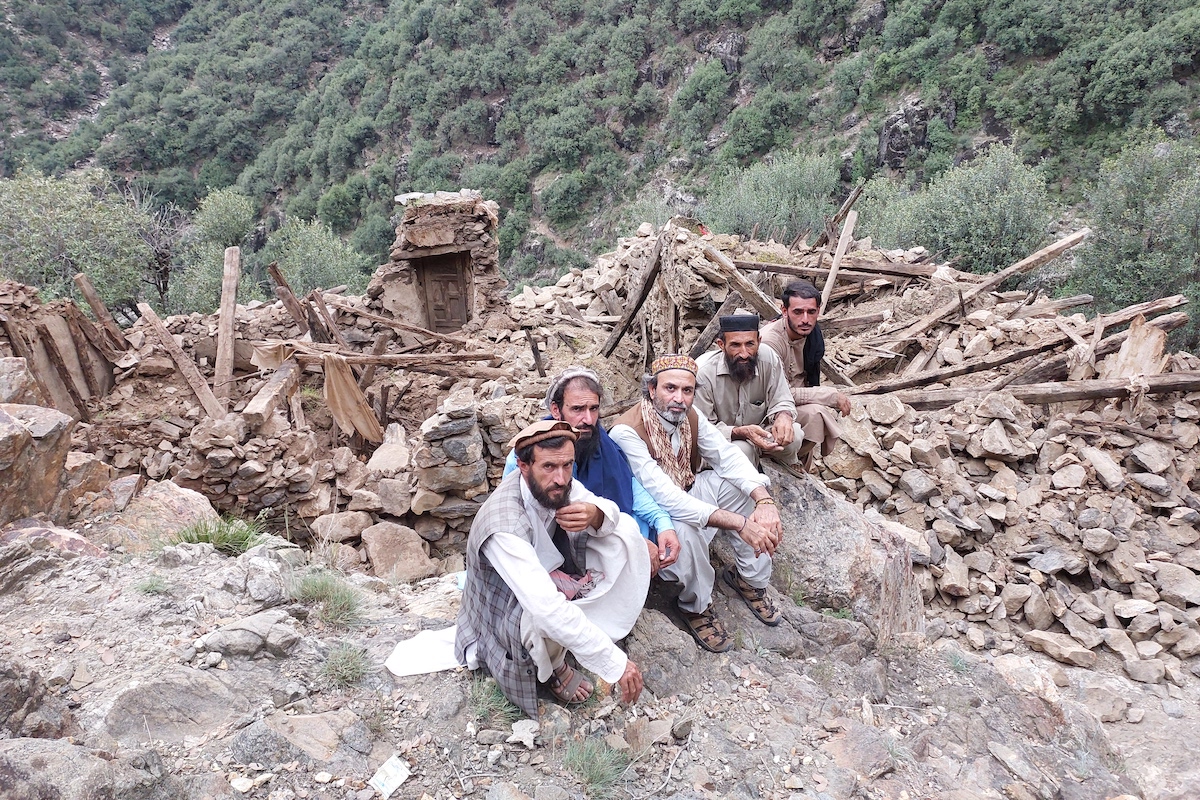
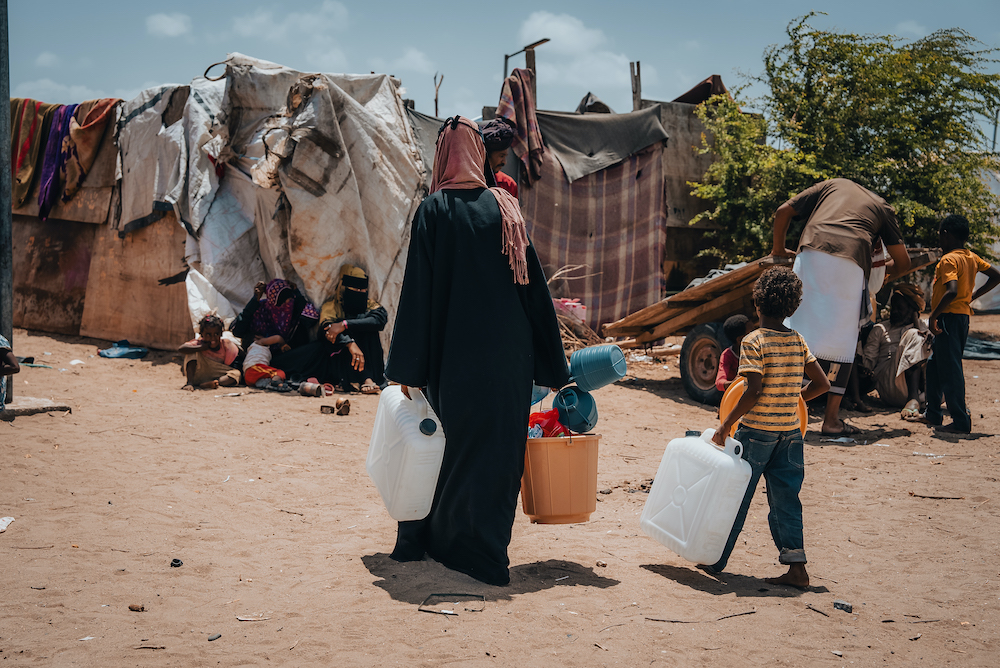
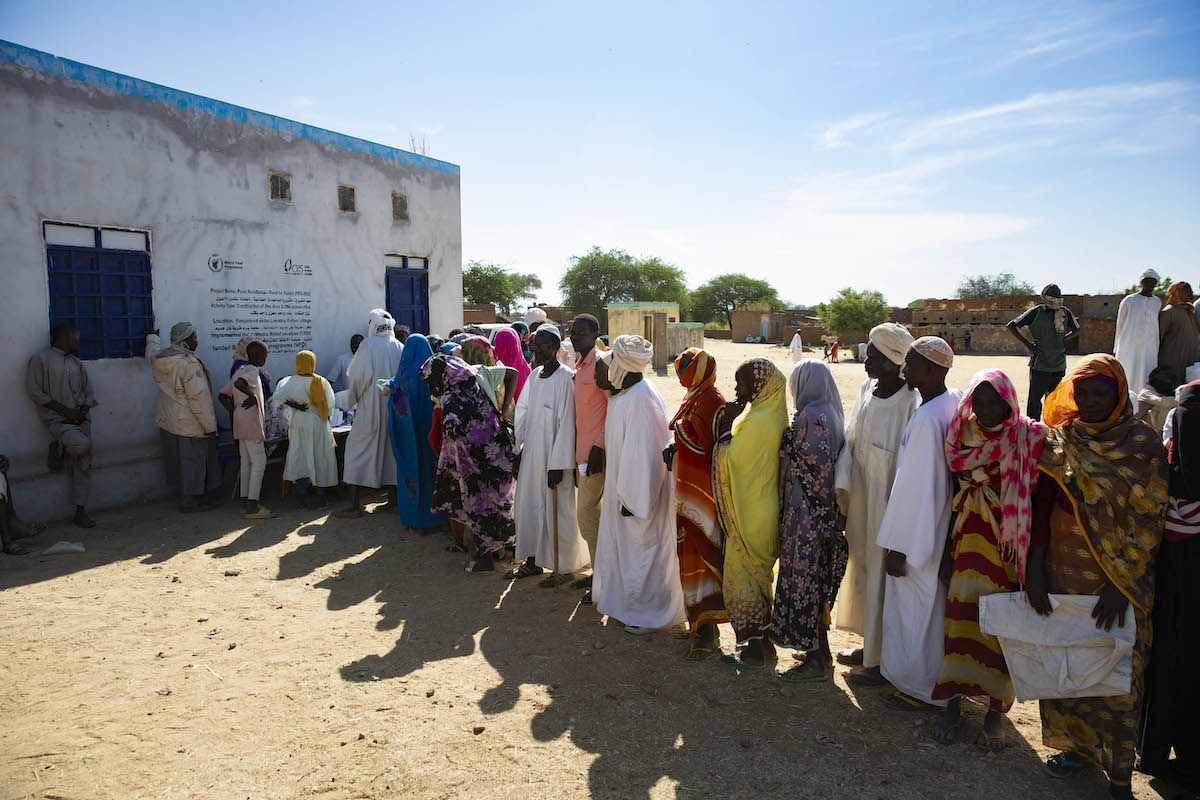
What does Concern’s humanitarian response look like?
Concern is a dual-mandate organization, meaning that we respond to both emergency situations and long-term development needs. Often we cover both areas at the same time to ensure that communities can continue without our support.
» Read our play-by-play of how Concern responds to an emergency
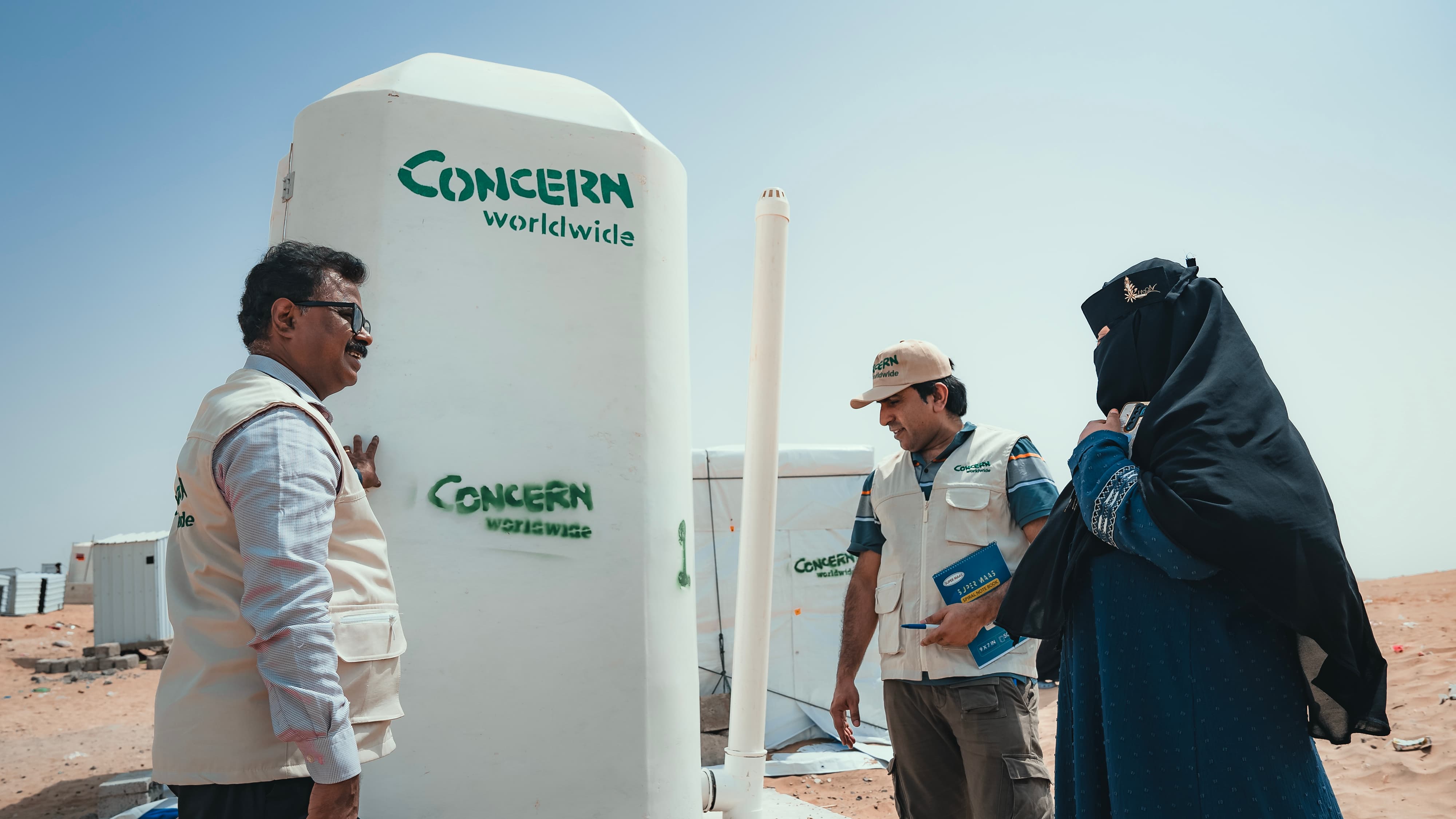
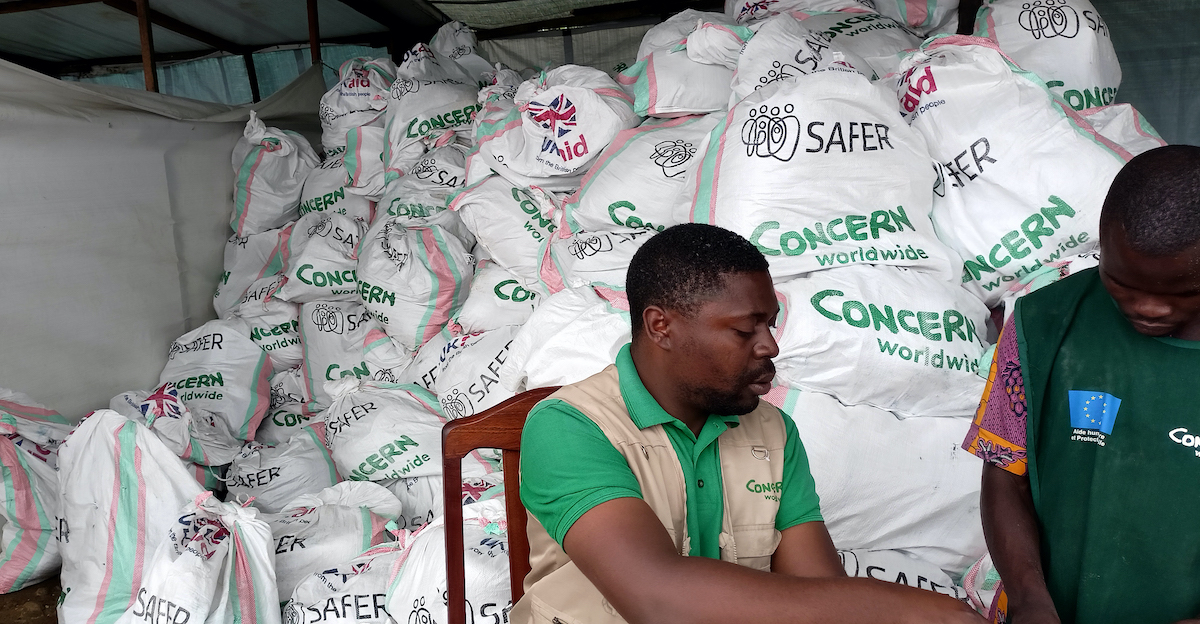
When an emergency strikes, we seek out the most vulnerable and hardest-to-reach communities to meet their immediate needs, and work with them to design innovative, fast, and effective responses. We stay with them to help rebuild their lives and to ensure that they are more able to cope with future crises.
How you can help
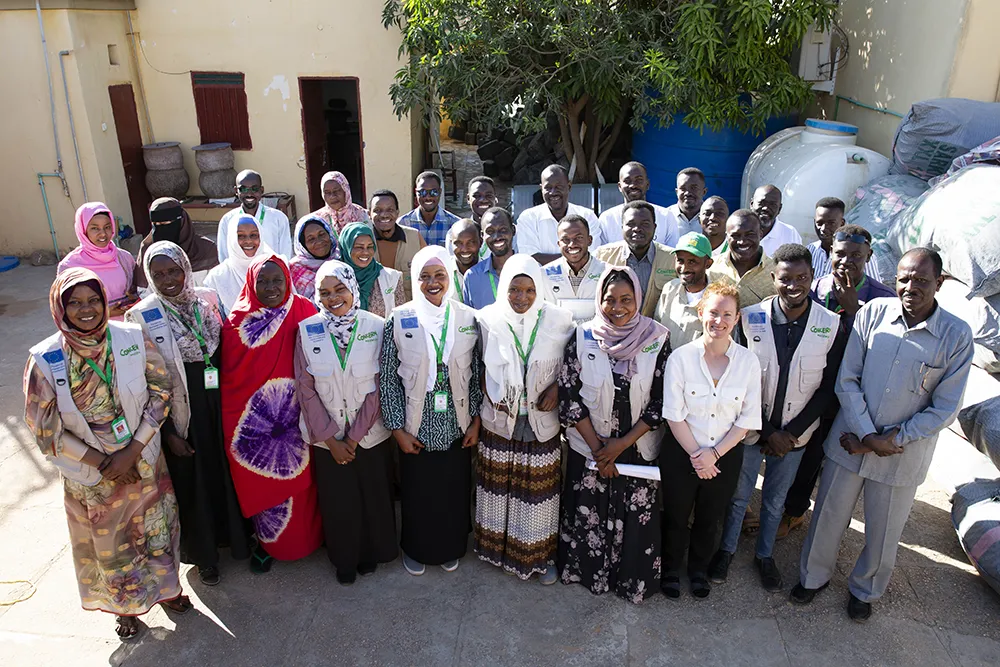
Last year alone, Concern responded to 66 emergencies in 20 countries, reaching 15.5 million people.
Individual supporters form the backbone of our humanitarian aid, particularly with contributions to our Emergency Fund. This fund allows us to respond quickly and appropriately when an emergency breaks out, putting pre-established plans into action and ensuring that we’re going where the need is greatest, and doing as much as we can for as many as we can.
You can help us reach even more people in 2026 with your tax-deductible donation.