Drought Recovery & Resilience through Early Action and Mitigation Measures (DREAM)
Improving food security, and strengthening resilience to extreme climate conditions in the Turkana and Marsabit Counties in northern Kenya.
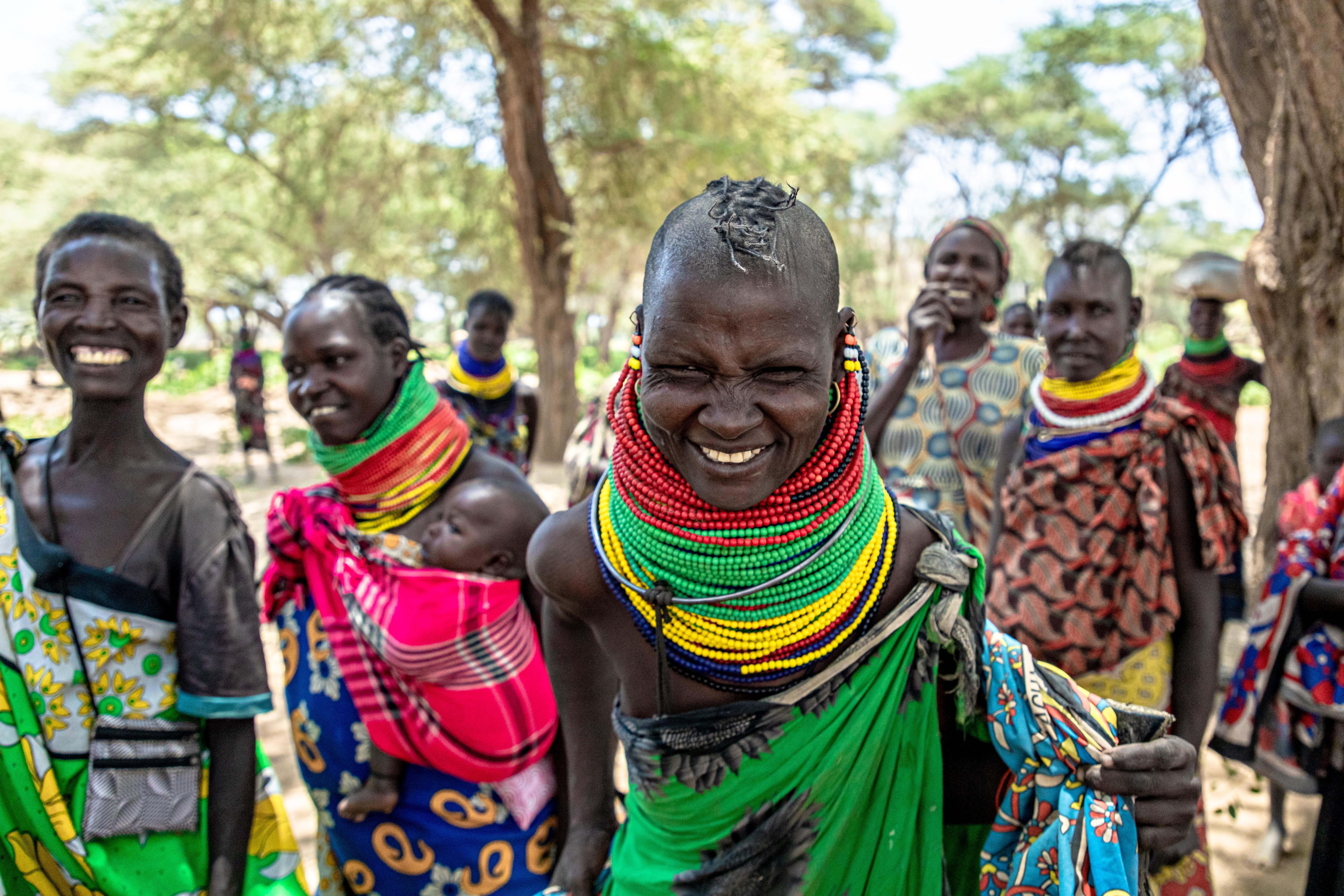
The Challenge
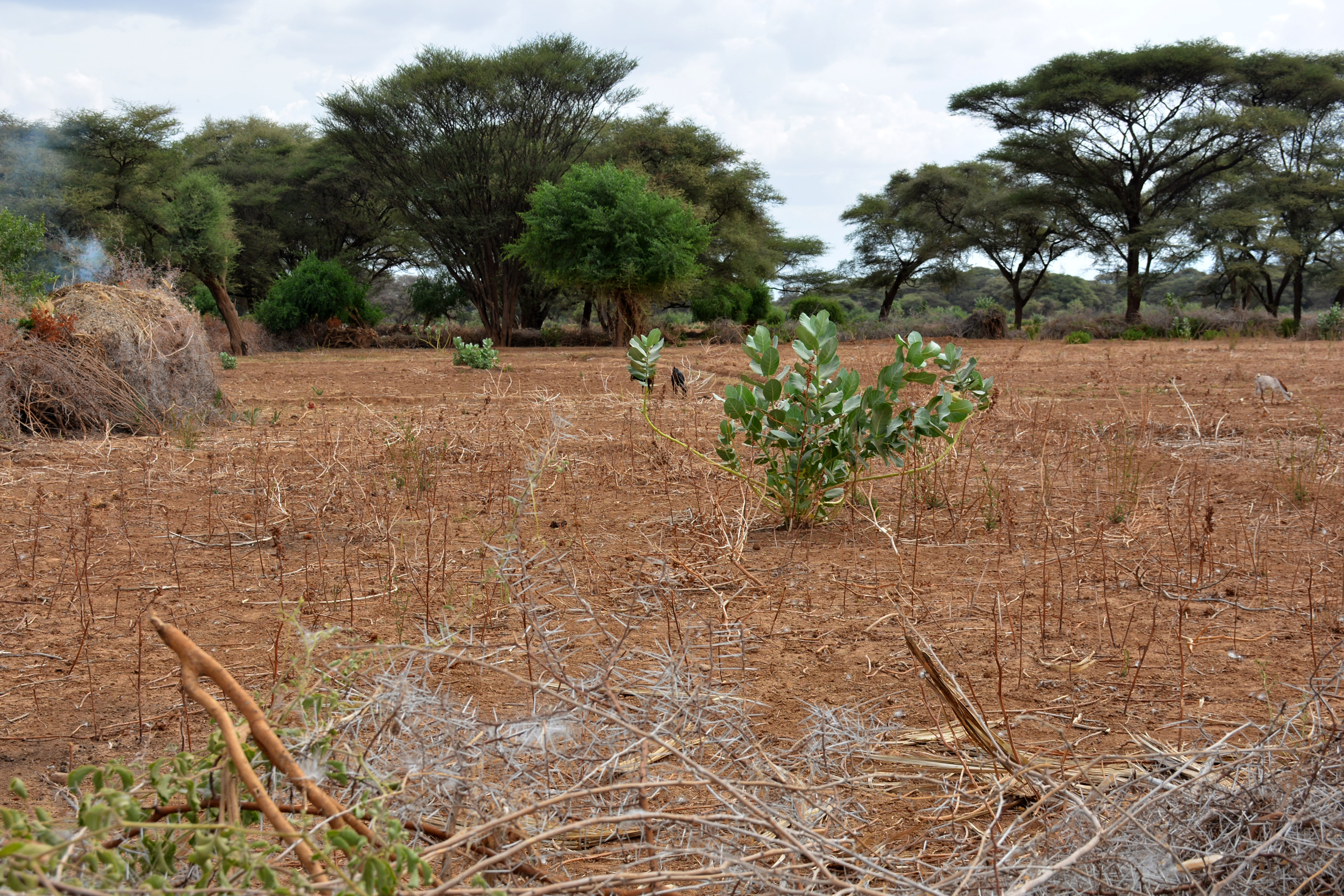
In September 2021, Kenya declared a national drought emergency, with Turkana and Marsabit Counties among the areas hardest hit by the Horn of Africa's severe drought crisis. Three consecutive failed rainy seasons, a devastating locust invasion between 2020 and 2021, and the socioeconomic impacts of the COVID-19 pandemic have combined to severely disrupt local livelihoods and exacerbate an already dire humanitarian situation.
During the time in Turkana County, more than 500,000 people faced food insecurity, while only 48% of households had access to safe drinking water, often requiring individuals to travel nearly seven miles to reach it. The County’s Global Acute Malnutrition (GAM) rate stood at 27%, placing Turkana in the Critical food security phase (IPC Phase 4).
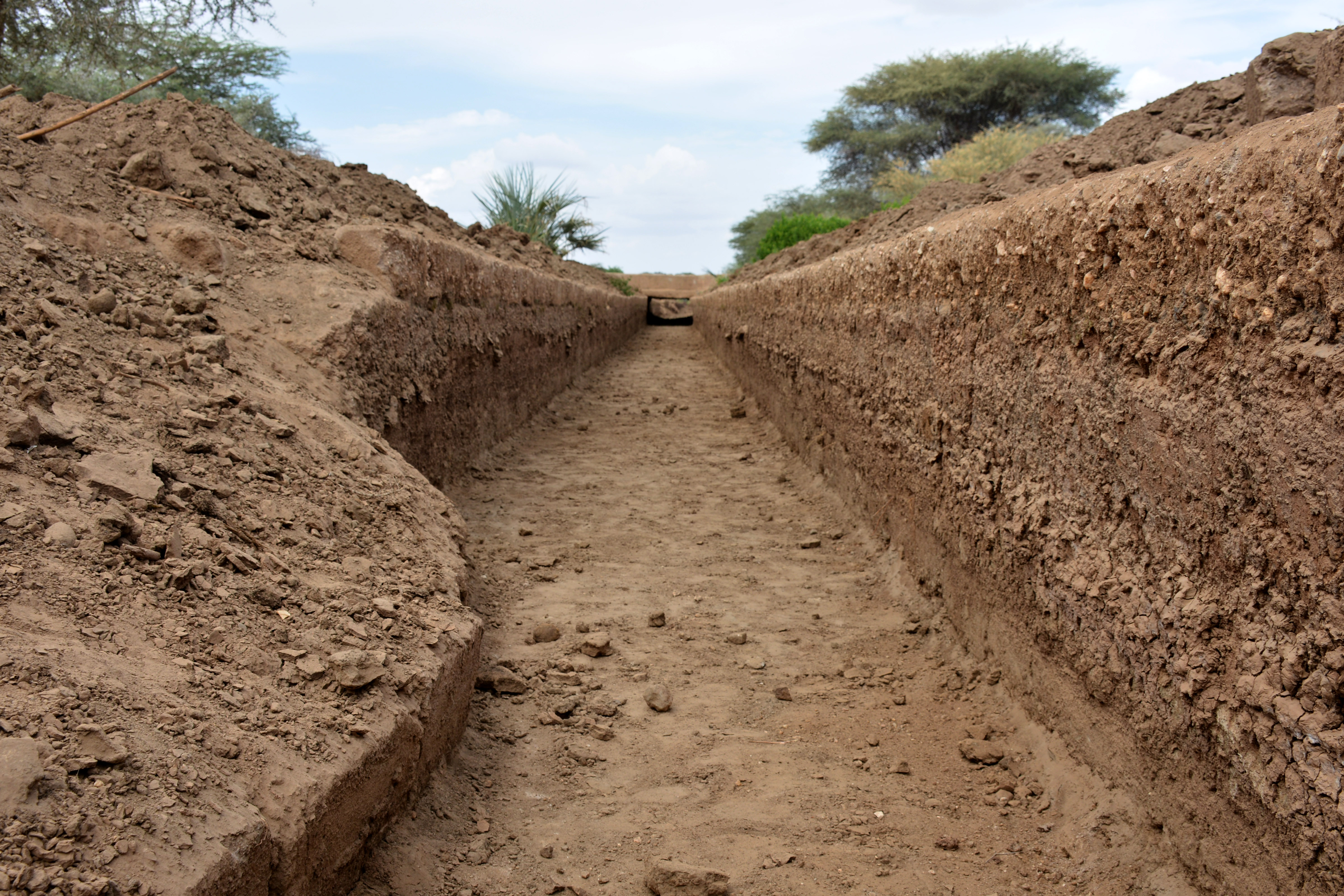
Communities that once depended on pastoralism had been forced to consider different income opportunities such as small-scale farming; however, this transition had been hampered by limited access to water and arable land. In Kang’alita, the river levels were so low, causing silt accumulation to block a 4.35-mile irrigation canal, cutting off water to 1,200 acres of farmland leaving 2,970 households unable to plant crops for nearly nine months. The water shortage also contributed to widespread livestock deaths, further undermining household livelihoods and food security.
The immediate need was to clear the canal to restore the vital connection between Kang'alita's agricultural lands and their nearest water source.
Our Vision
The Center for Disaster Philanthropy (CDP) awarded grants to Concern Worldwide in 2022 and 2023 for the DREAM Project to restore livelihoods, improve food security, and strengthen resilience to current and future extreme climate conditions for vulnerable pastoralists and agro-pastoral households in Turkana and Marsabit counties, Kenya.
The project follows a two track approach:
- Immediate relief: addressing immediate financial needs and rehabilitating water infrastructure while setting the foundation for long term recovery.
- Long-term recovery: strengthening community resilience and adaptability to future climate challenges, so that affected areas can sustain progress even after our programs conclude.
The Implementation
With support from the Center for Disaster Philanthropy (CDP) Concern implemented activities across four key areas:
- Cash-for-Work (CFW): Provided cash to meet basic needs while building productive community assets and capacities, including desilting canals to improve water access. While contributing to long-term goals, they were able to support their households with food and nutrition.
- Water Access: Rehabilitated and equipped strategic water points with solar-powered systems, improving access to safe and reliable water.
- Climate-Smart Agriculture (CSA): Restored and protected key livelihood assets while promoting climate-smart agricultural practices to strengthen community resilience, including distribution of certified drought-tolerant, fast-maturing seeds to farmers.
- Village Savings and Loan Associations (VSLAs): Established groups to promote community-based savings and lending, enhancing financial inclusion and supporting local economic sustainability.
The Impact
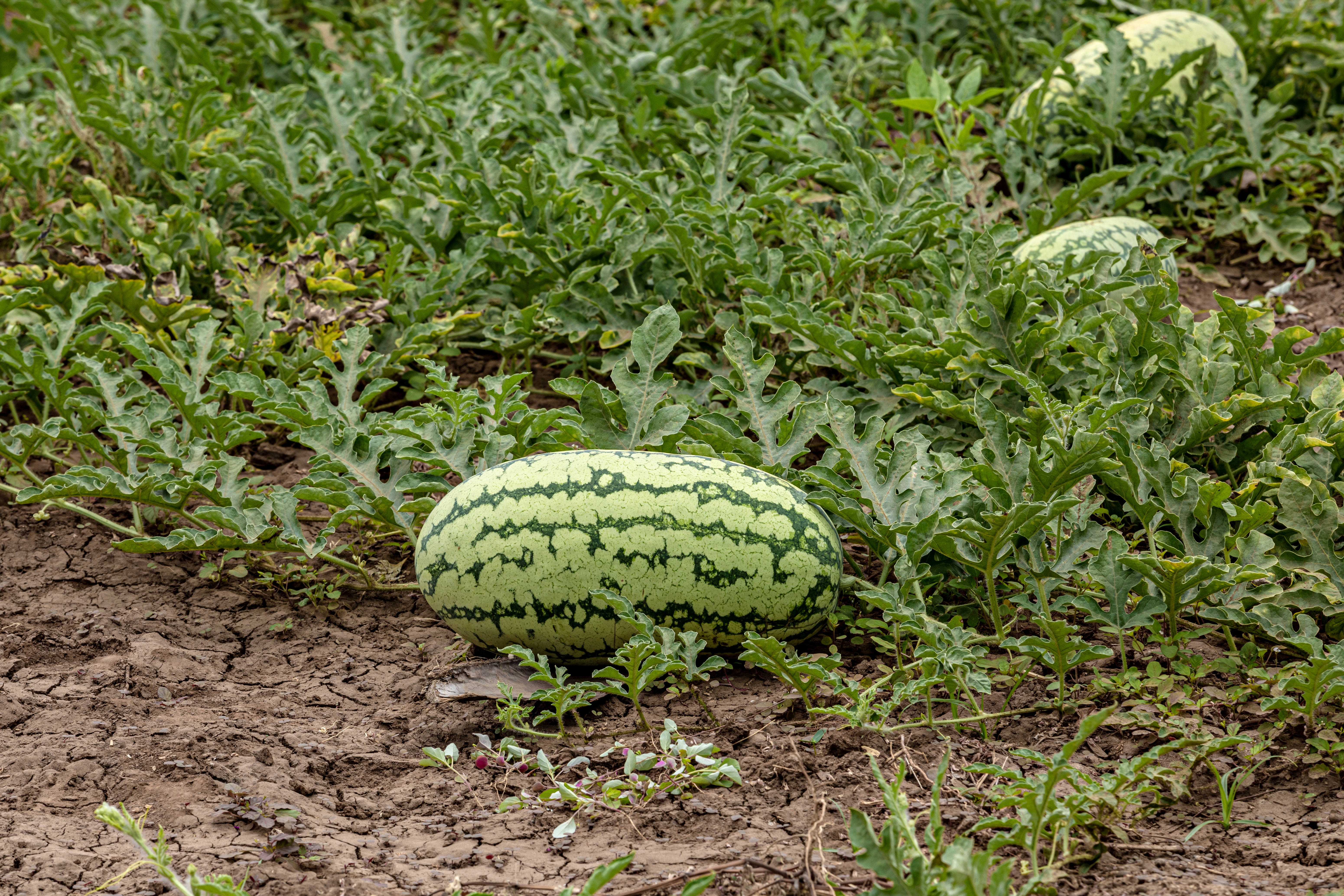
Through the cash-for-work initiative, water systems and land were restored, allowing water to flow continuously and enabling 1,880 households (11,280 people) to cultivate an additional 1,500 acres of farmland. Not only did this benefit farmers, but with rehabilitated key water points, there was a drastic reduction in the average walking distance and waiting time of women collecting water, increasing the average amount of water available to 800 households.
Equipped with tools and drought-tolerant, fast-maturing and nutritious seeds, close to 27,000 farmers were trained in climate-smart agriculture. To ensure that knowledge stayed within the community, the training of Local Community-Owner Resource Persons (CoRPs) and lead farmers to ensure that this essential knowledge remained within the community. In the first season, farmers harvested 609 tons of crops, including sorghum, maize, vegetables, and legumes, valued at $469,647, even under drought conditions. The harvest not only met households’ immediate food and nutrition needs but also provided surplus to cover other essential expenses such as healthcare and education.
In an effort to sustain this impact, a community seed bank was formed to allow farmers to harvest, store and replant without reliance on aid. Families saved seeds for at least two additional planting seasons, ensuring continued production and demonstrating the effectiveness of the project in creating impact even during a food crisis.
“The success of this project shows that recovery and resilience can begin even during emergencies." - Concern Worldwide Kenya Representative
Village Savings and Loans Associations (VSLAs) keep economic power local and community-based offering a sustainable means of building financial security. To create accessibility to cash to purchase farm inputs, 200 VSLAs were formed which included financial literacy and business development training.
Fatuma Halkano, a participant from the Gadamoji VSLA in Wayegodha village, shared her experience:
“I first borrowed KES 6,800 (USD $52) from my VSLA group and started a vegetable kiosk. I repaid the loan within two months and then borrowed an additional KES 4,500 (USD $34) to expand the business. My business is now doing well, and I plan to expand further in the coming months.”
As a result of these combined efforts, communities in Marsabit and Turkana counties have cultivated 3,108 acres of land, yielding an estimated 3800 tons of farm produce valued at close to $3,500,000 since the beginning of the project, demonstrating both the sustainability of the initiative and strong local ownership. As a result, households met their food needs, earning income for healthcare and education, and building self-reliance.
Contact Us
To learn more about the DREAM program in Kenya and how your organization can support Concern’s work in building resilient communities, please contact Katie Waller, Director of Strategic Partnerships at [email protected].