Afghanistan
Country stats
- Capital: Kabul
- Population: 48.6 million
- People in need of humanitarian assistance: 21.9 million
Concern’s response
- Afghanistan program launched: 1998
- Program areas: Livelihoods, Health & nutrition, Emergency response
Why are we in Afghanistan?
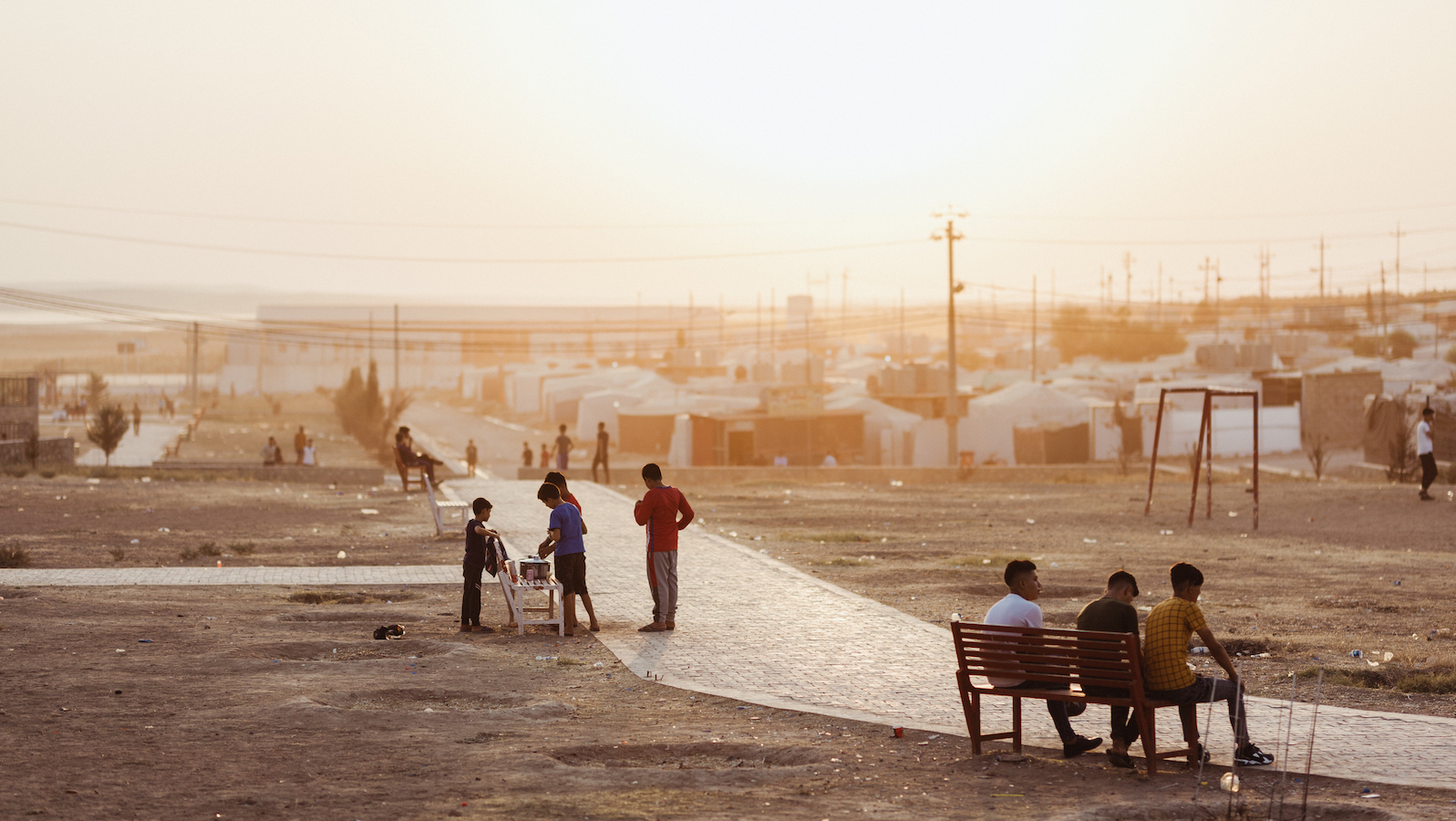
Afghanistan remains one of the world’s most complex humanitarian emergencies, furthered by recent political, social, and economic shocks. Concern has worked in Afghanistan since 1998.
45% of Afghans will require humanitarian assistance in 2026
After decades of conflict, displacement, and natural disasters, Afghans are especially vulnerable to social and economic upheaval. Overlapping crises have created a tremendous amount of humanitarian need: The UN estimates that 21.9 million people — 45% of Afghanistan's population — will require humanitarian assistance in 2026.
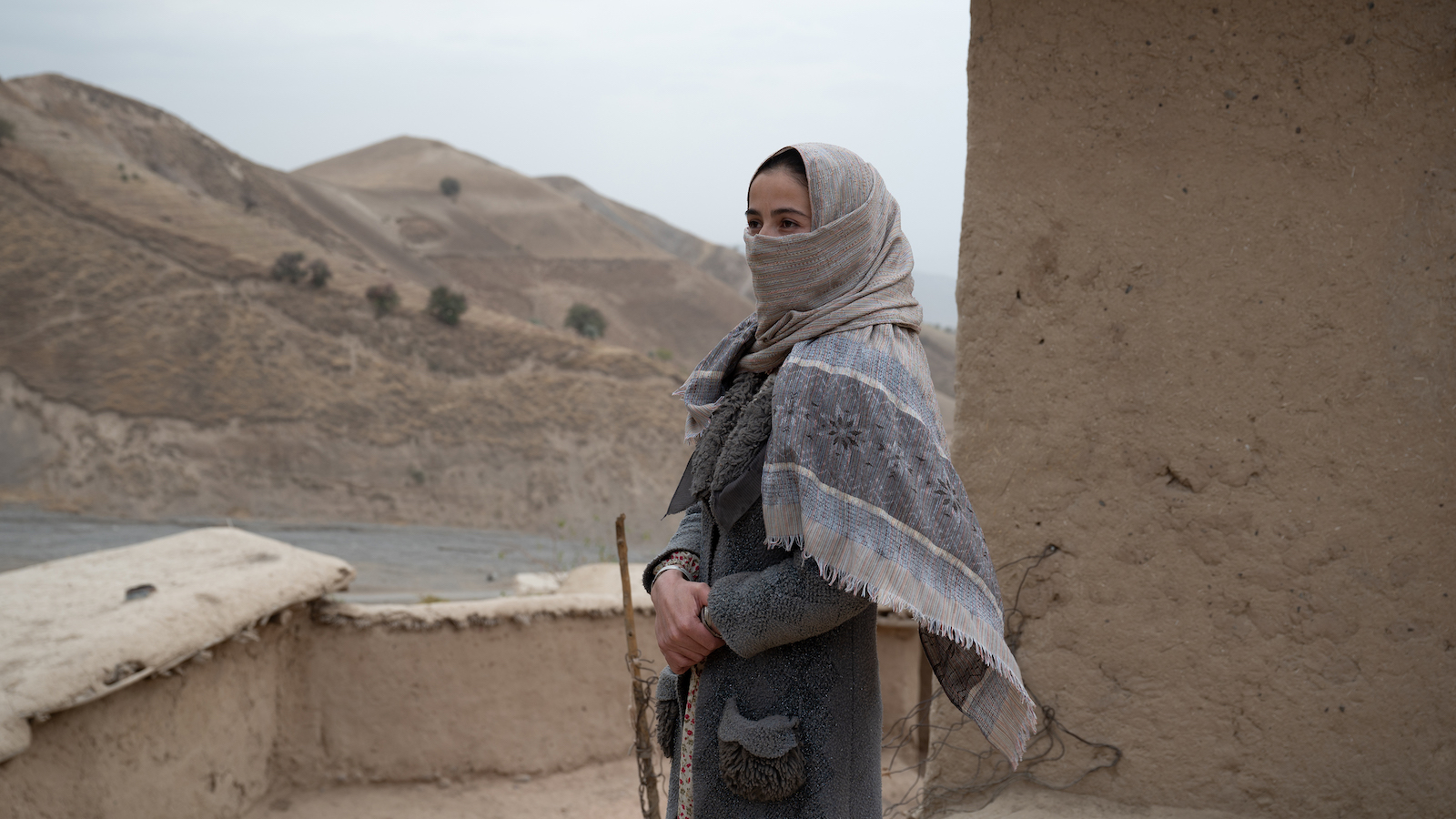
Hunger is a major concern, with 17.4 million people projected to face acute food insecurity in 2026, driven by several issues. Afghanistan is among the most vulnerable countries in the world when it comes to environmental risks and climate events, with widespread droughts affecting harvests and incomes. Women and children are especially at risk in these situations, with an estimated 25% increase in malnutrition rates in 2026 compared to 2025 among these groups. Afghanistan has one of the highest maternal and infant death rates in the world, with one woman dying every two hours.
Latest achievements
Emergency response
Following a major earthquake in eastern Afghanistan in August 2025, Concern conducted a rapid emergency response, providing essential supplies from our prepositioned emergency stock. It was one of several emergency responses we led that reached a combined total of 39,000 in 2025.
Health & nutrition
Concern expanded its health and nutrition work in 2025, establishing eight Family Health House clinics. These centers have increased access to quality healthcare in some of Afghanistan's most remote areas, and helped our overall health programs reach nearly 47,00 people.
Livelihoods & food security
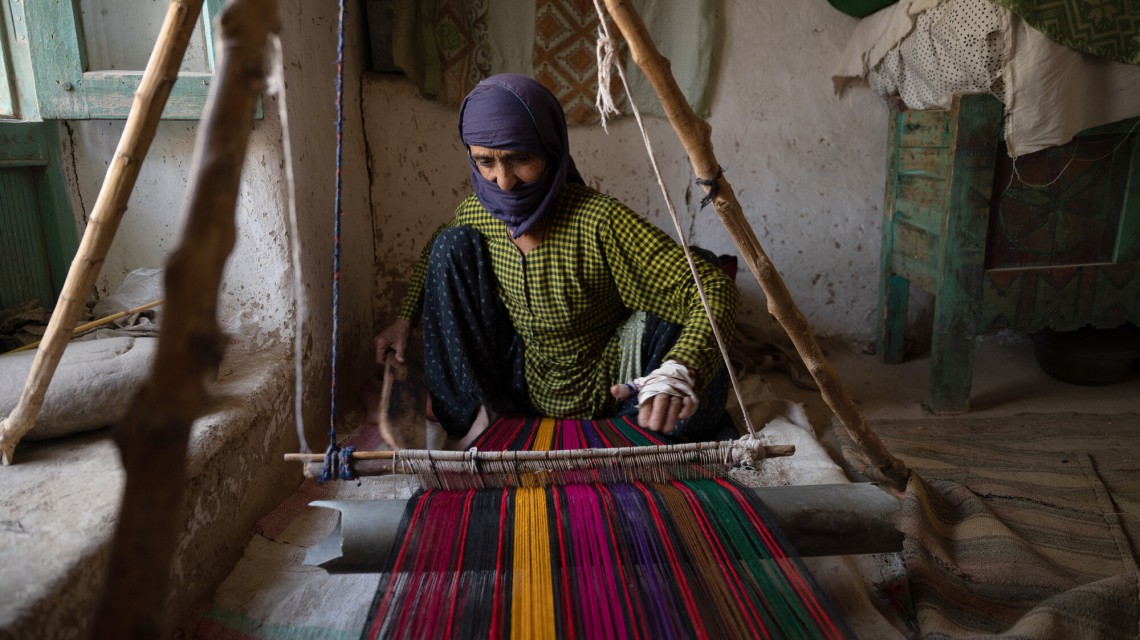
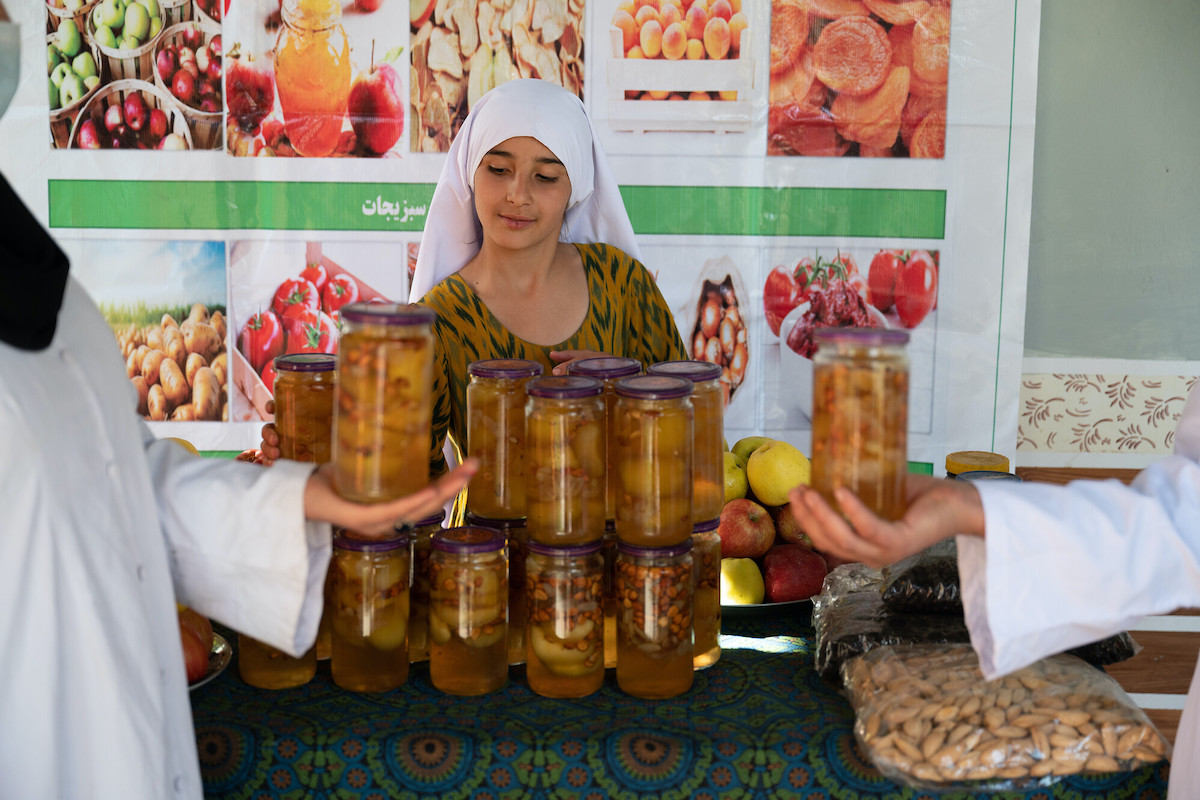
Concern continued to work for the economic inclusion of women by supporting women-led businesses. Our flagship program, Inclusive Livelihoods Recovery and Community Resilience (Faragir) reached over 17,000 direct participants in 2025.
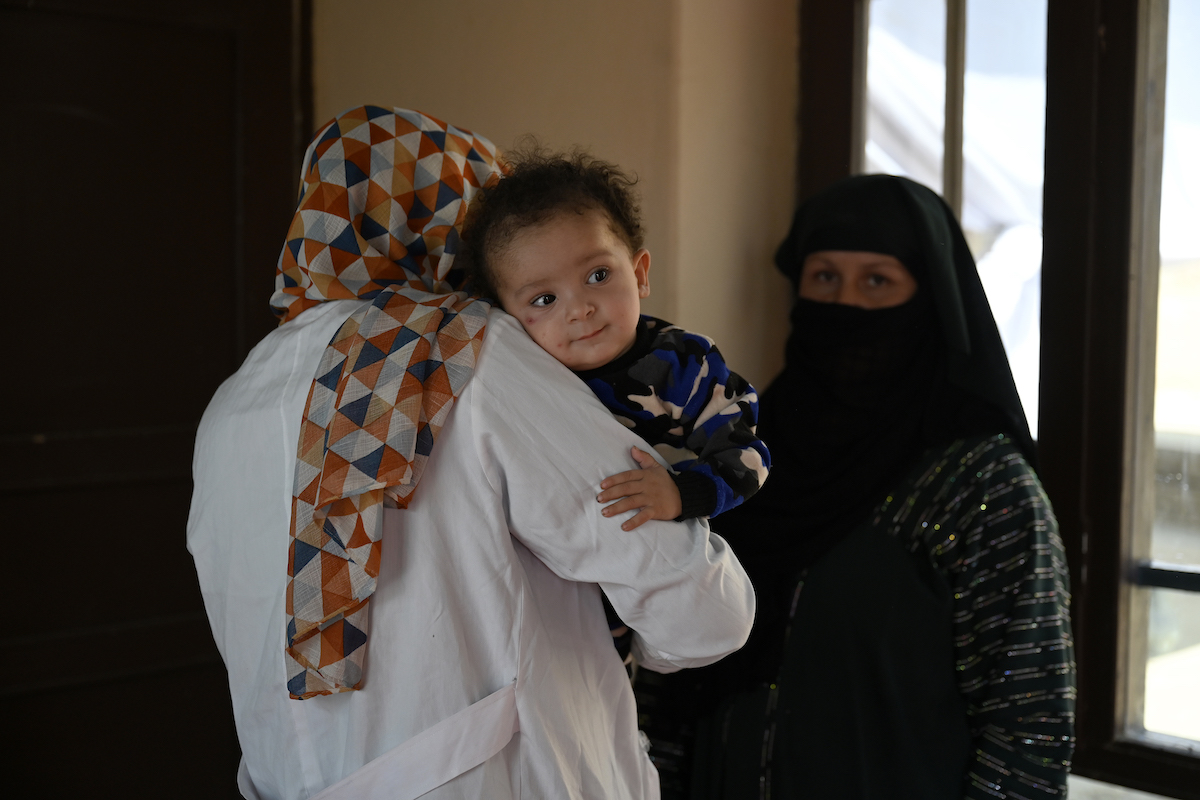
Our work in Afghanistan
We respond rapidly to emergencies, but we also build resilience so that communities are better prepared to withstand the shocks caused by climate change and on-going conflict.