


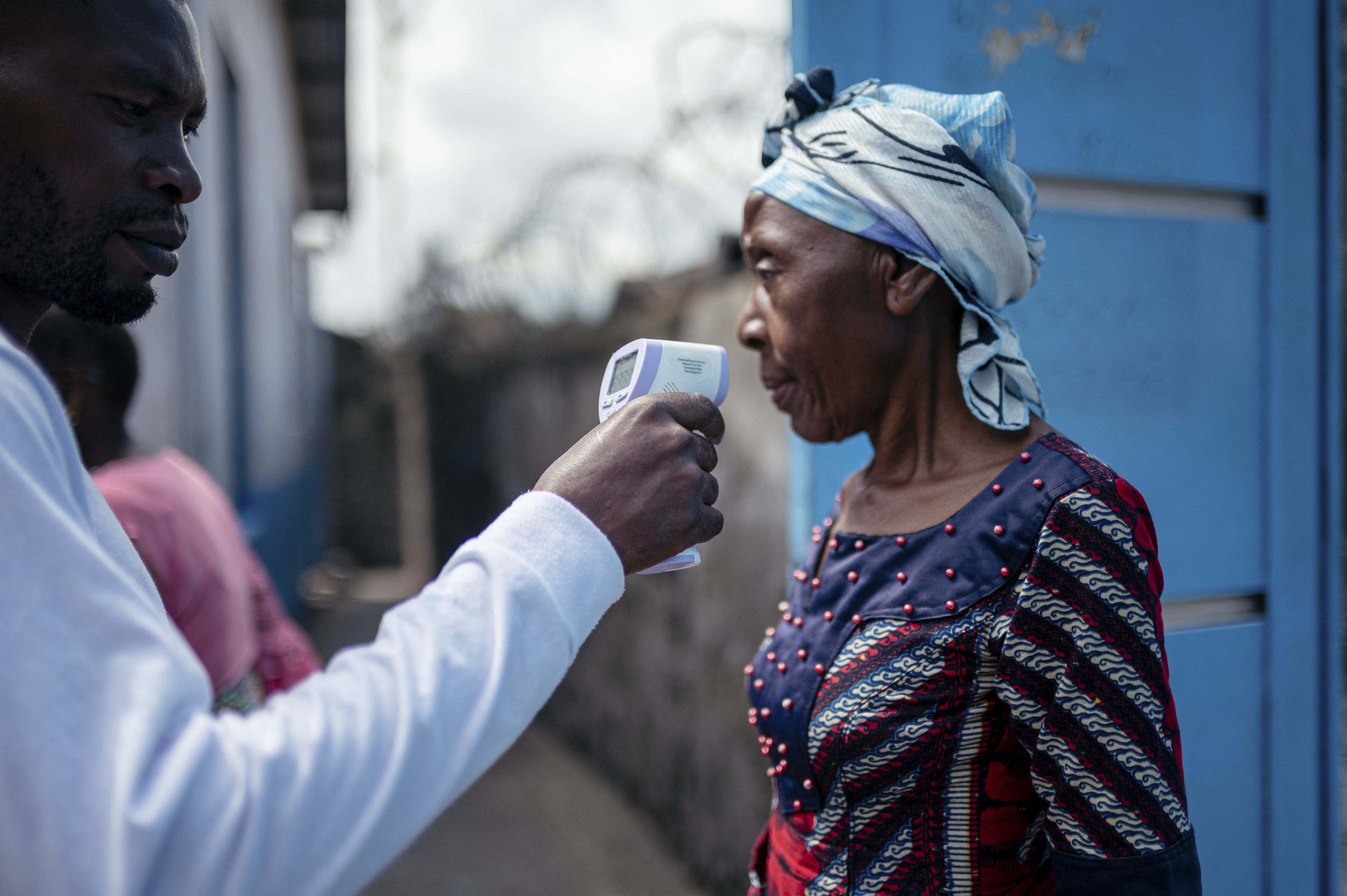
Concern responds to Ebola outbreak in Democratic Republic of the Congo
Concern Worldwide is responding to help protect communities and prevent the current outbreak of Ebola in Democratic Republic of the Congo (DRC) from spreading.
The Ebola outbreak, confirmed on May 15, is estimated to have already resulted in 129 deaths, 101 confirmed cases and 904 suspected cases in DRC up to yesterday (May 24). In addition, there has been one death, five confirmed cases and three suspected cases in neighboring Uganda, and fears it is already widespread regionally. The World Health Organization has determined the outbreak to be a public health emergency of international concern and upgraded the risk in DRC to “very high.”
The epicenter of the outbreak is Ituri province, in the northeast of the country. Concern Worldwide has 100 staff in neighboring North Kivu where cases have also been confirmed.
“In North Kivu, people are scared but deeply resilient. They have seen what this disease is capable of before and are calling for an immediate response to protect them and their families,” Concern’s Country Director in DRC, David Jones, said. “We are mobilizing our emergency response capabilities, using the expertise taken from responding to previous outbreaks - whether Ebola, cholera, or COVID-19 - and will work tirelessly to ensure that people are informed, protected, and prepared.”
The challenges are considerable. Ituri and North Kivu are part of a major cross-border commercial corridor, with many people moving through the region. The region has also been impacted by multiple ongoing conflicts, such as that between the government and the M23 armed group, which seized control of the major eastern cities, Goma and Bukavu, in January 2025, and has since governed them and surrounding areas.
Fighting has damaged local services and driven people from their homes, sometimes forcing them to move hundreds of kilometres to find somewhere safe to rebuild their lives. Most of those who have been displaced are being hosted by other families or housed in camps in areas where resources, such as access to clean water and basic health services, were already scarce.
Local health facilities are under-resourced and under-equipped to respond to such a crisis, especially as there is no approved drug or vaccine for this strain of Ebola.
“The lack of clean water to maintain basic hygiene and sanitation in densely populated urban areas adds to the challenge of responding to a crisis of this sort, and limiting the spread of the disease,” Mr Jones said. “Ebola can be transmitted through physical contact with someone who is already infected. Goma is a city of two million people – bigger than Dublin – and is extremely crowded, making it very difficult to avoid physical contact with other people.”
Concern is responding by supporting 70,000 recently-displaced people based outside Goma. “We know from past experience that we can help prevent the spread of Ebola by informing people about the disease, the importance of hand washing and good hygiene practices, and providing them with access to clean water, soap, and the means to keep latrines clean,” he said.
Concern is increasing access to clean water through rehabilitating and constructing water points, and delivering safer sanitation through new latrines. Local health centers will also be supported to respond through staff training, the provision of essential equipment, and minor refurbishment works based on identified needs.
Cuts in international aid have heavily impacted NGOs in the region, and while humanitarian donors are mobilizing to support the emergency response, the needs are huge, diverse, and require massive and prolonged support.
“We will face multiple challenges in the weeks and months ahead. We are starting to see the numbers of confirmed and suspected cases increase, and we expect to see more of them. Having sufficient supplies and access to areas will become increasingly difficult as the situation deteriorates.”
“Currently, we have access and we have relatively free movement, but the worse the situation gets, the more severe the needs will become, and the harder it will be to serve them. It’s only going to become more difficult to respond. We must act now, and we must act strongly to avoid the unnecessary loss of life.”
🗣️ For media inquires or to speak to a member of our team about this response, please connect with Candance Patel-Taylor at [email protected].
