Timeline: Democratic Republic of the Congo's crisis at a glance
Jun 26, 2024
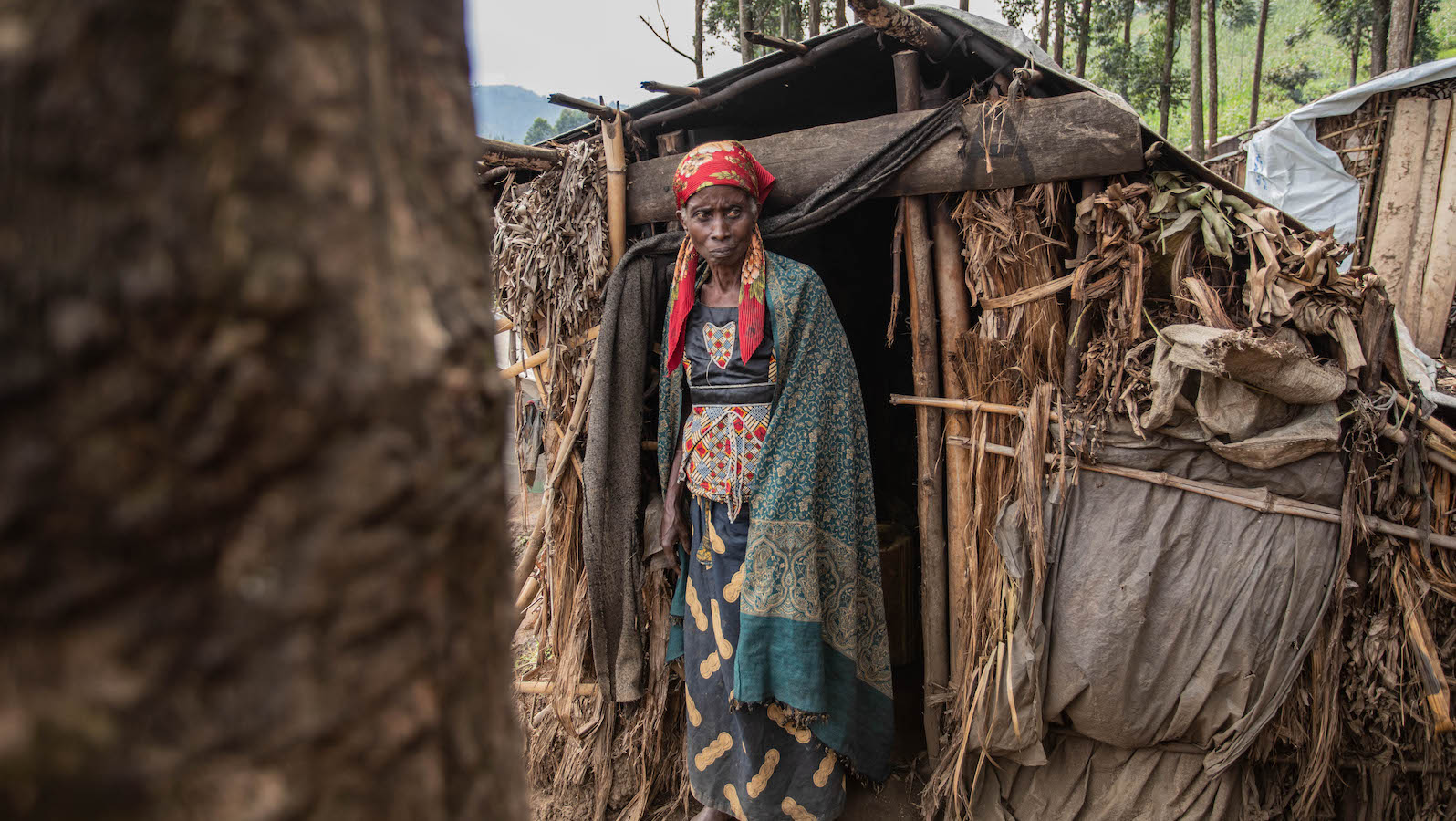
The sheer human toll of violence, displacement, disease, and seemingly endless extreme poverty seen over the decades-long Democratic Republic of the Congo crisis is as shocking as anything we have seen in recent times. But to truly understand how the DRC has gotten to this point, you have to understand a bit of its history. Here’s our at-a-glance guide to nearly 150 years of DRC history and conflict.
1885-1908: The Congo Free State
Belgium’s King Leopold II launches a 75-year period of rule marked by forced labor, exploitation of natural resources, disease outbreaks, and mass killings. The Congo Free State, established by a land grab in 1885, becomes an official colony of Belgium in 1908. Later academic research suggests that, during Leopold II’s rule and its immediate aftermath, Congo’s population may have been reduced by as many as 10 million people.
1960: Independence
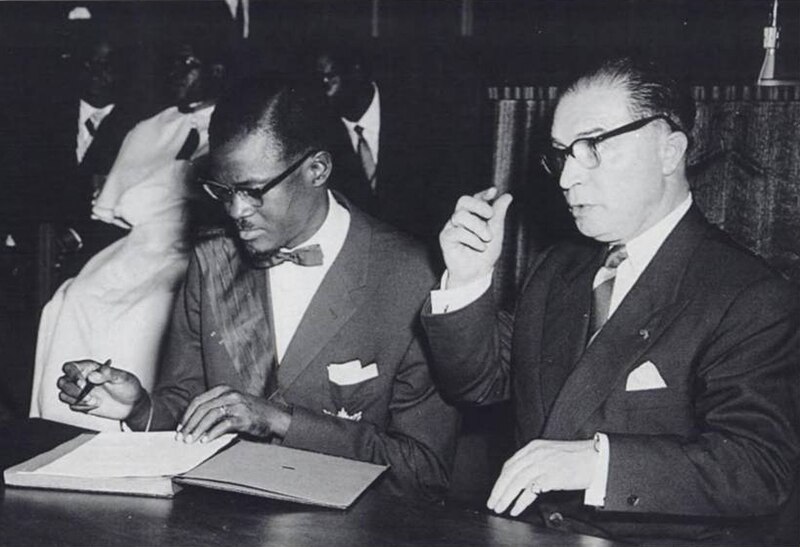
In May 1960 Patrice Lumumba is elected the Democratic Republic of Congo’s first Prime Minister. Four months later in September 1960, he is overthrown in a military coup led by Col. Joseph-Désiré Mobutu, beginning a 36-year dictatorship. Lumumba is executed in early 1961.
1971: From Congo to Zaire
Mobutu renames himself Mobutu Sese Seko, and the country of Congo is renamed Zaire.
1994: An influx of refugees and a cholera outbreak
Genocide in neighboring Rwanda claims more than 800,000 lives. The country’s Hutu regime is removed by military force and hundreds of thousands flee into eastern Zaire. Some 50,000 will die in a cholera outbreak that sweeps through the overcrowded refugee camps around the city of Goma.
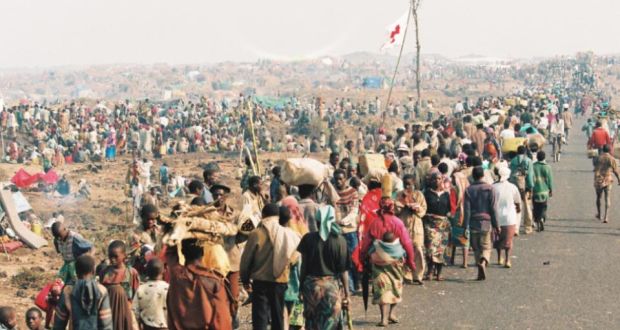
1996: The First Congo War
Rwanda invades Zaire, in an effort to root out rebel groups taking refuge there, sparking the First Congo War. This draws in neighboring Uganda, Angola, Zambia, and other armed groups.
1997: Zaire becomes the Democratic Republic of Congo
The First Congo War comes to a gradual end as Mobutu is deposed by rebel leader Laurent Kabila, who declares himself president and reorganizes Zaire as the Democratic Republic of the Congo. The human toll of the First Congo War isn’t fully known, but is estimated to be in the hundreds of thousands.
1998-2003: The Second Congo War
The Second Congo War begins with a rebellion led by ethnic Tutsi minority forces in the eastern DRC. Rwandan support fuels a march westward, while Zimbabwe, Namibia, Angola and others support Kabila’s forces. Peace is achieved in 2003, but the war’s deadly legacy continues to be felt in continuing ethnic violence, instability, authoritarian leadership, and extreme poverty — all of which define Congo history to this day. Estimates for the number of dead during the war and aftermath range between 1 and 5 million people.
2012-16: The Kasai Conflict
On top of continuing violence and instability driven by armed groups in DRC’s east, a conflict has been exploding in the Kasai region, to the south of the country since August, 2016. The result is DRC’s latest large-scale humanitarian crisis.
In 2012, Jean-Pierre Pandi became chief of the Dibaya territory in Kasai — a stronghold of the main political opposition party. In DRC, chiefs hold a large amount of power and administrative control. While they aren’t political positions, they are recognized by the government.
But President Joseph Kabila never officially recognized Pandi, escalating tension between the region and the central government. When Pandi was killed during clashes between his fighters and government forces, a full scale-conflict erupted. Since then, more than 1.4 million people in Kasai have been forced to flee their homes.
2016-19: Political instability and a new leader
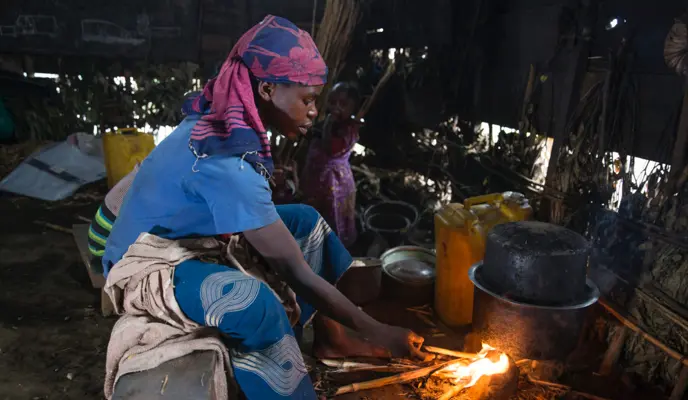
Political tensions have escalated since President Joseph Kabila’s 11-year term ended in 2016. The son of the former president Laurent Kabila, he was the first to be democratically elected since 1960. Amid mounting pressure, growing opposition, and increasingly violent protests, Kabila stepped down in January 2019 and was succeeded by Félix Tshisekedi (the son of three-time Prime Minister of Zaire leader Étienne Tshisekedi).
2021: Mount Nyiragongo erupts
The DRC, which relies heavily on international trade, is affected economically by the COVID-19 pandemic. Incidents of domestic violence also escalate due to lockdowns. In the wake of this, Mount Nyiragongo erupts on May 22, 2021, forcing more than 364,000 people to flee their homes in Goma and the surrounding area. Many return home within a few months, however nearly 30,000 people already living in poverty are pushed further back, losing their homes, land, and livelihoods. The same year, the country is named the world’s worst food crisis by the United Nations.
2022-Present: An escalation of violence
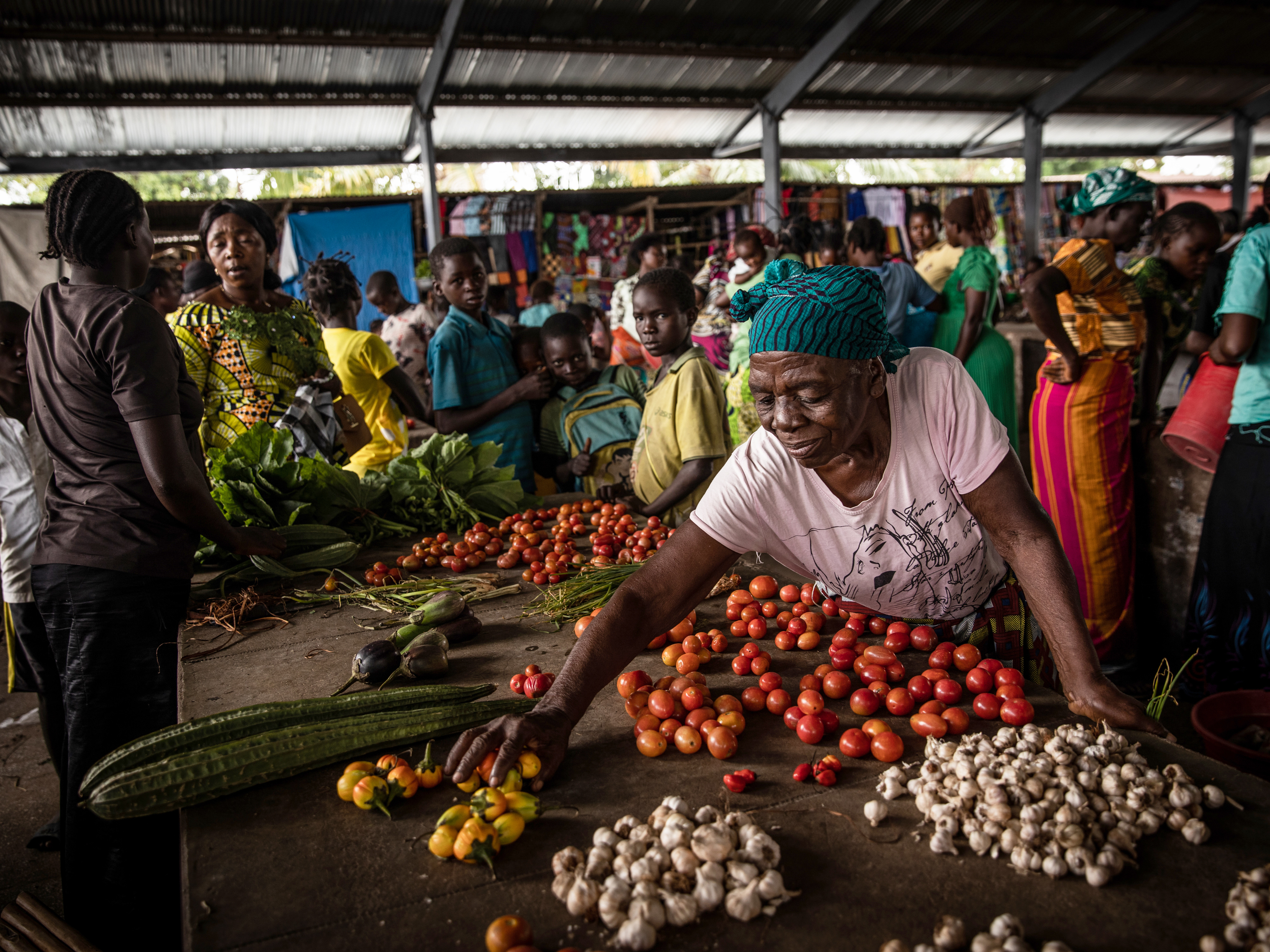
Violence continues to escalate, especially in the eastern provinces of North and South Kivu. Despite an inter-agency scale-up in humanitarian response in the summer of 2023, conditions worsen in the early months of 2024.
Concern in the Democratic Republic of the Congo
Concern has been working in DRC since 1994. Part of our work has been to address the country’s ongoing humanitarian crisis (particularly in the east) by providing support for livelihoods, health and nutrition, and water, sanitation, and hygiene (WASH) services.
» Learn more about how you can help DRC
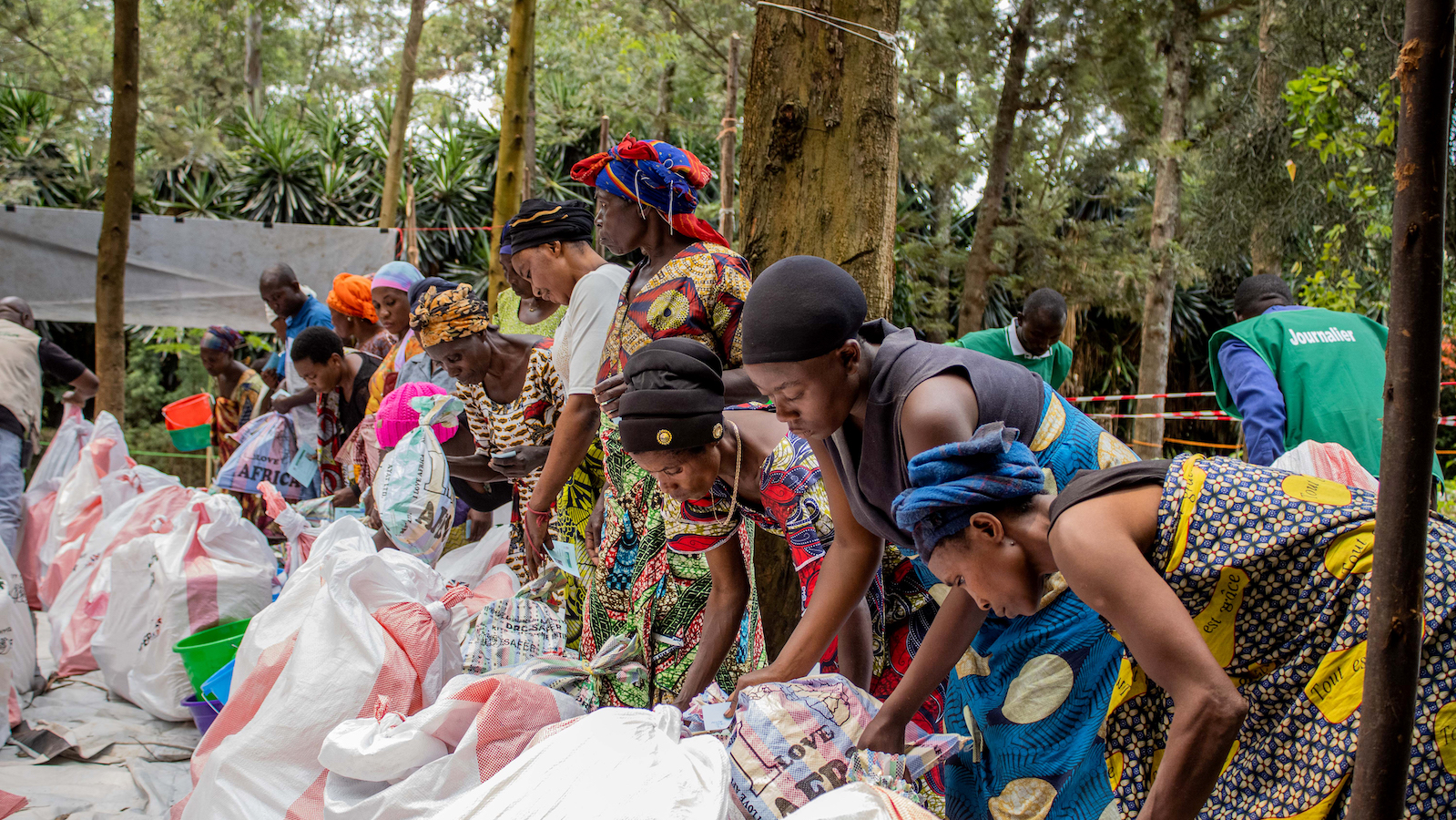
In response to the current escalation of violence in the country, we work with three active consortiums of local and international NGOs to share resources and expertise while supporting increasing needs. As part of the SAFER (Strategic Assistance for Emergency Response) Consortium, we reached over 369,000 people last year, surpassing the annual goal of 300,000, with a focus on WASH and healthcare support. Our work in the EAST (Enabling Affected Communities to Survive and Thrive ) Consortium has provided an integrated response to the complex crisis, combining cash support with skills and livelihoods development and community infrastructure rehabilitation for over 31,000 people.
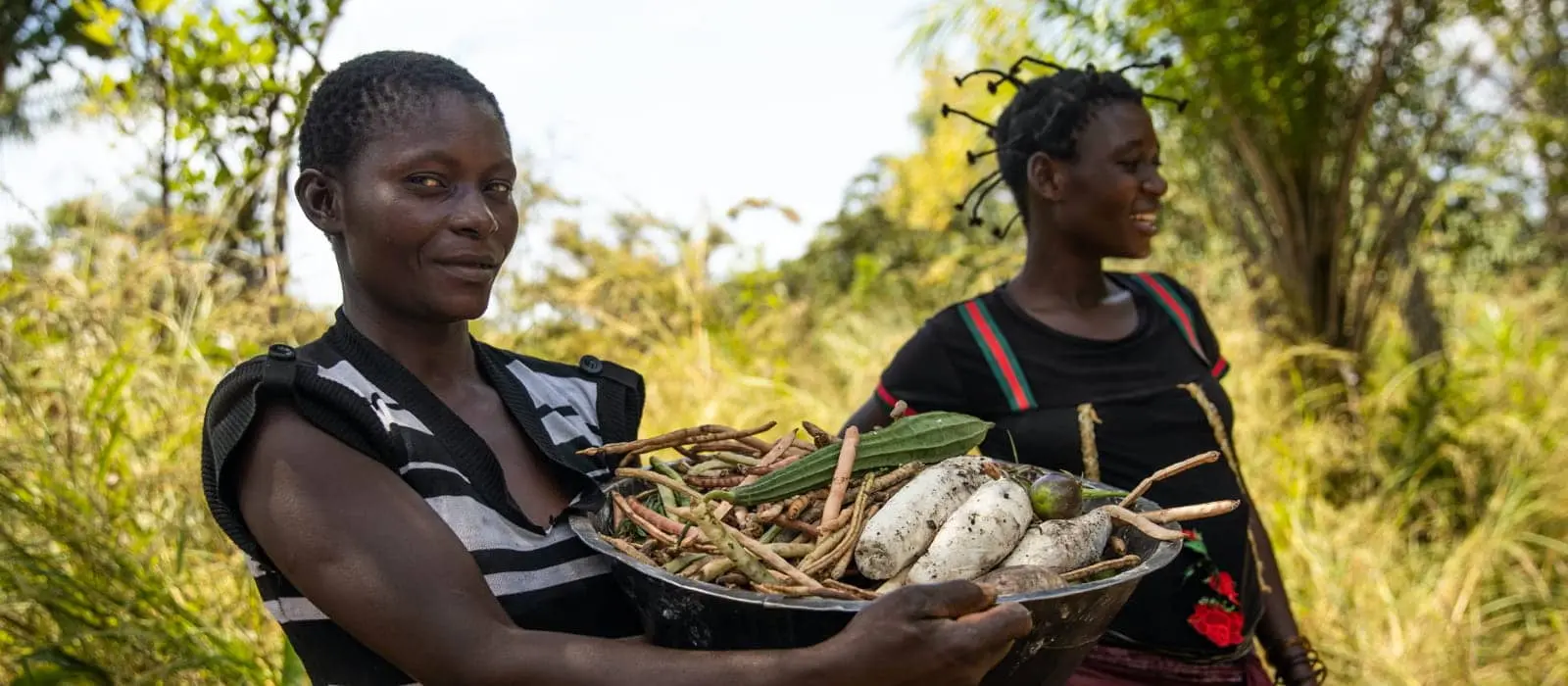
We continue to support other parts of the country as well with emergency response and development initiatives. Our Green Graduation program trained over 12,000 participants last year in Kabalo and Manono territories and reached even more with a component designed to rehabilitate local water systems. Despite the challenges, we remain committed to the communities we work with. In some areas, we remain the only organization providing key support, continuing to fulfil our mandate despite ongoing conflict.