The Democratic Republic of the Congo crisis, explained
Jan 6, 2026
For decades, the DRC has faced a complex crisis that worsened in the last year. Here are five things you need to know in 2026.
For decades, one of the world’s deadliest and most complex humanitarian crises has been unfolding in the Democratic Republic of the Congo.
In the wake of one of the worst wars in African history (the Second Congo War, 1998-2003), tens of millions of Congolese have struggled to recover, and even survive, amid an unprecedented number of challenges. Armed conflict persists in parts of the country, amid ongoing displacement, natural disasters, disease outbreaks, and rising hunger rates.
Still, when fighting last year reached Goma — the capital of the eastern province of North Kivu — the UN’s High Commissioner for Human Rights warned that “the worst may be yet to come.” Here’s what you need to know about the Democratic Republic of the Congo crisis in 2026.
1. The humanitarian situation deteriorated significantly in 2025
The DRC’s history is marked by decades (if not centuries) of overlapping crises. Since the end of the Second Congo War, regional violence between armed groups and government forces has been a consistent threat to millions of Congolese in different provinces. In the last decade, a full-scale conflict in Kasaï — a central region roughly the size of Germany — displaced more than 1.4 million people in the late 2010s.
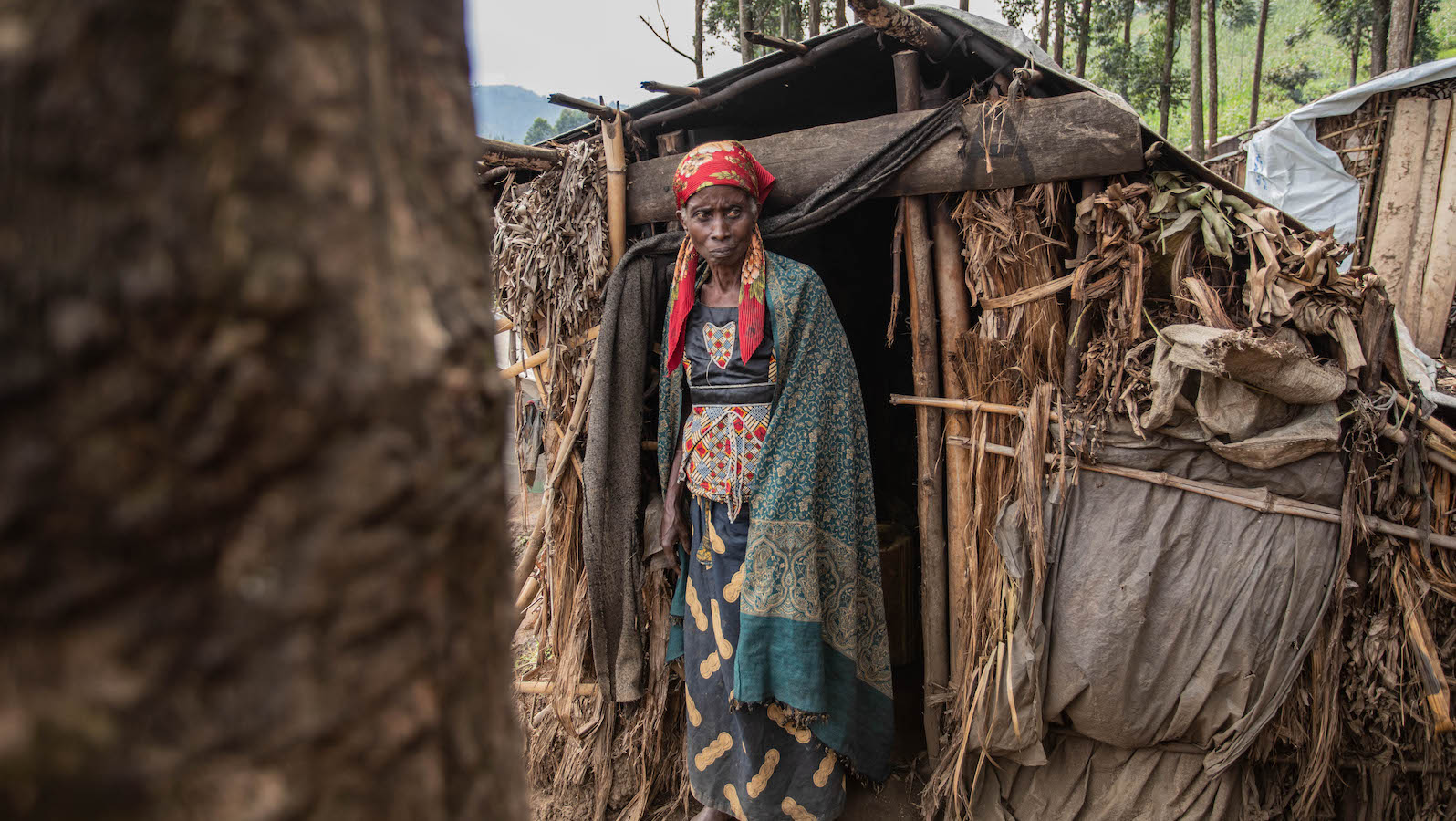
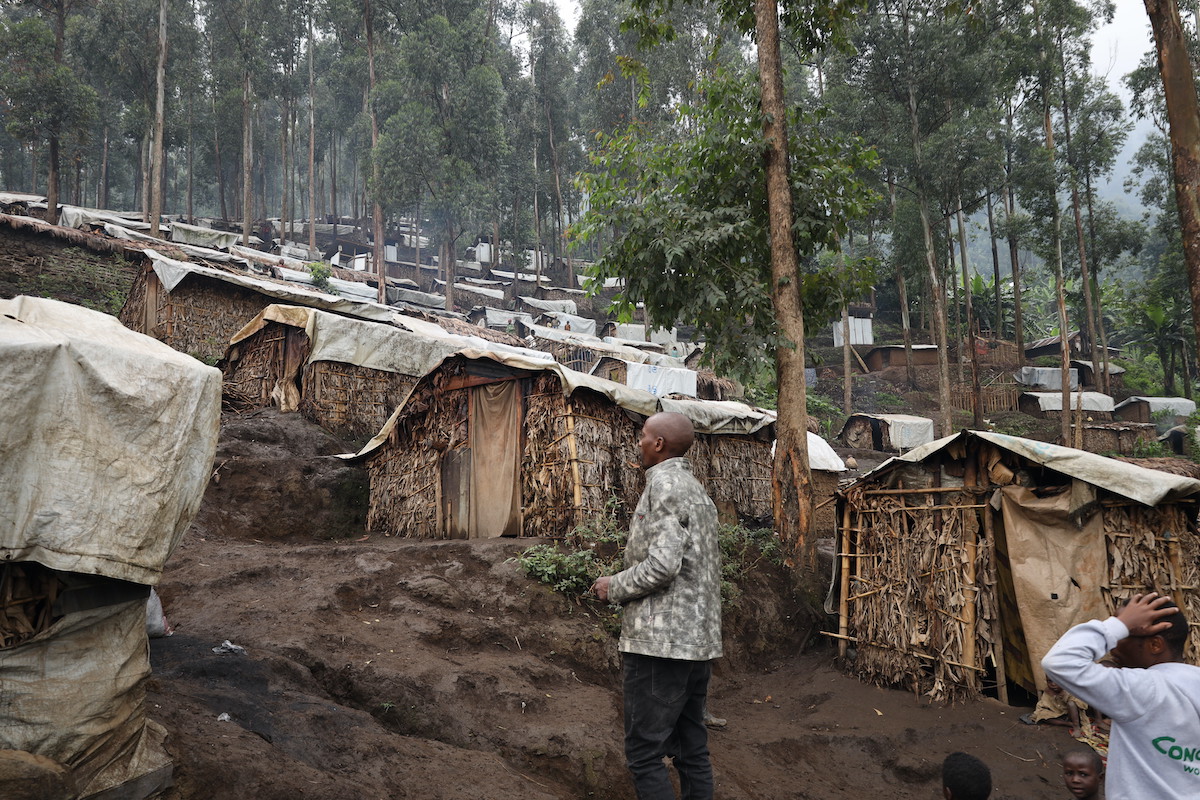
More recently, violence began to escalate in the eastern provinces of North and South Kivu in 2022. Some of the heaviest fighting took place last year around the cities of Goma, Masisi, and Bukavu. This led to further displacement, in many cases multiple times over, and the closure of several key centers for IDPs.
The fighting also interrupted humanitarian response and deepened levels of need. Amid the violence, shops, public markets, and warehouses (including Concern’s) were looted. Markets were temporarily closed, and Goma Airport, a major hub for humanitarian aid in the area, has remained out of service for over a year. Local banks also remain closed, leaving many civilians without cash in a deepening economic crisis (including steep price increases and rising inflation).
2. Approximately 14.9 million people need assistance in 2026 amid rising conflict and funding cuts
The UN’s Office for the Coordination of Humanitarian Affairs (OCHA) estimates that 14.9 million people will require humanitarian aid in 2026. This includes 513,000 Congolese refugees living in other countries. This figure is lower than 2025’s estimate of 21.2 million people. As OCHA stresses, however, it does not mean that the situation has improved.
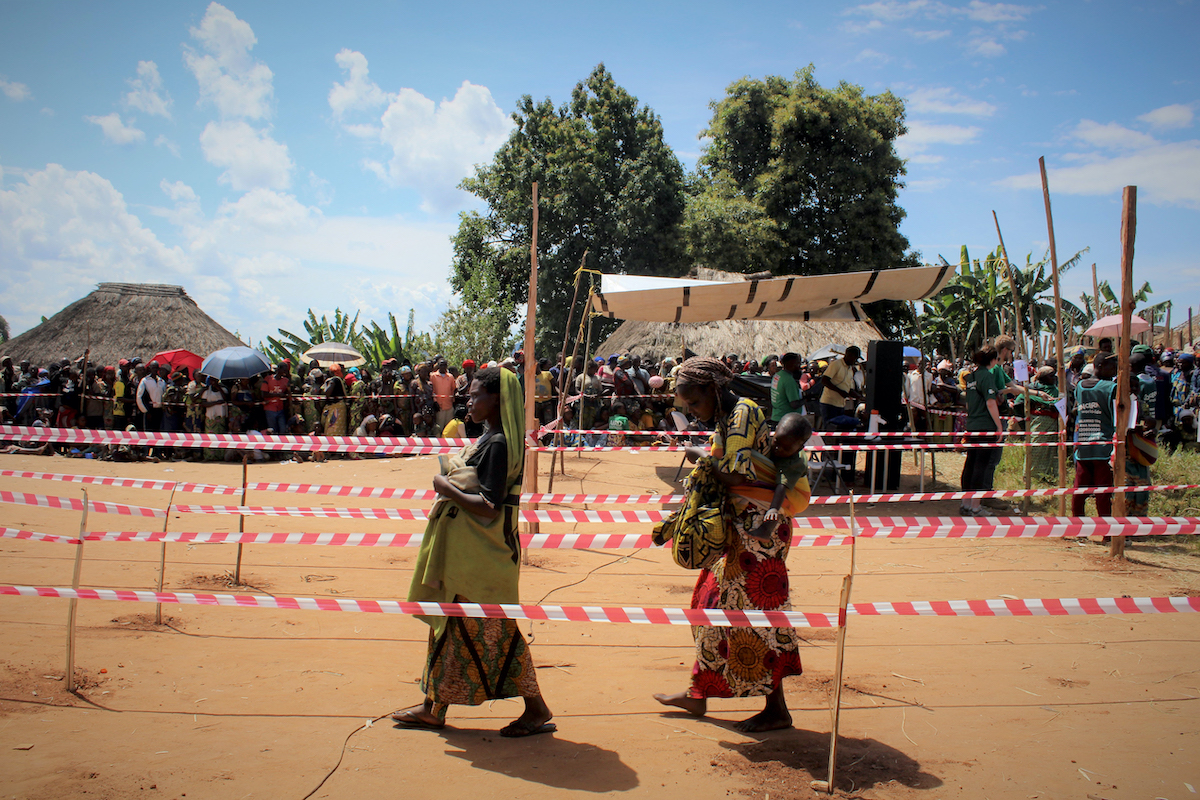
As noted above, the situation has actually worsened. This is due to a rise in conflict as well as a rise in funding cuts to emergency programs. In the DRC, these shortfalls shut down essential services for millions in 2025, with only 20% of the UN’s Humanitarian Response Plan budget met.
With this in mind, NGOs have been forced to focus on a narrower scope of risk factors and a narrower area of the country where the severity levels are at their highest. In other areas of the DRC, however, needs are still significant, with other organizations trying to meet them through other, non-emergency initiatives.
3. Between now and June, 26.6 million people will face hunger
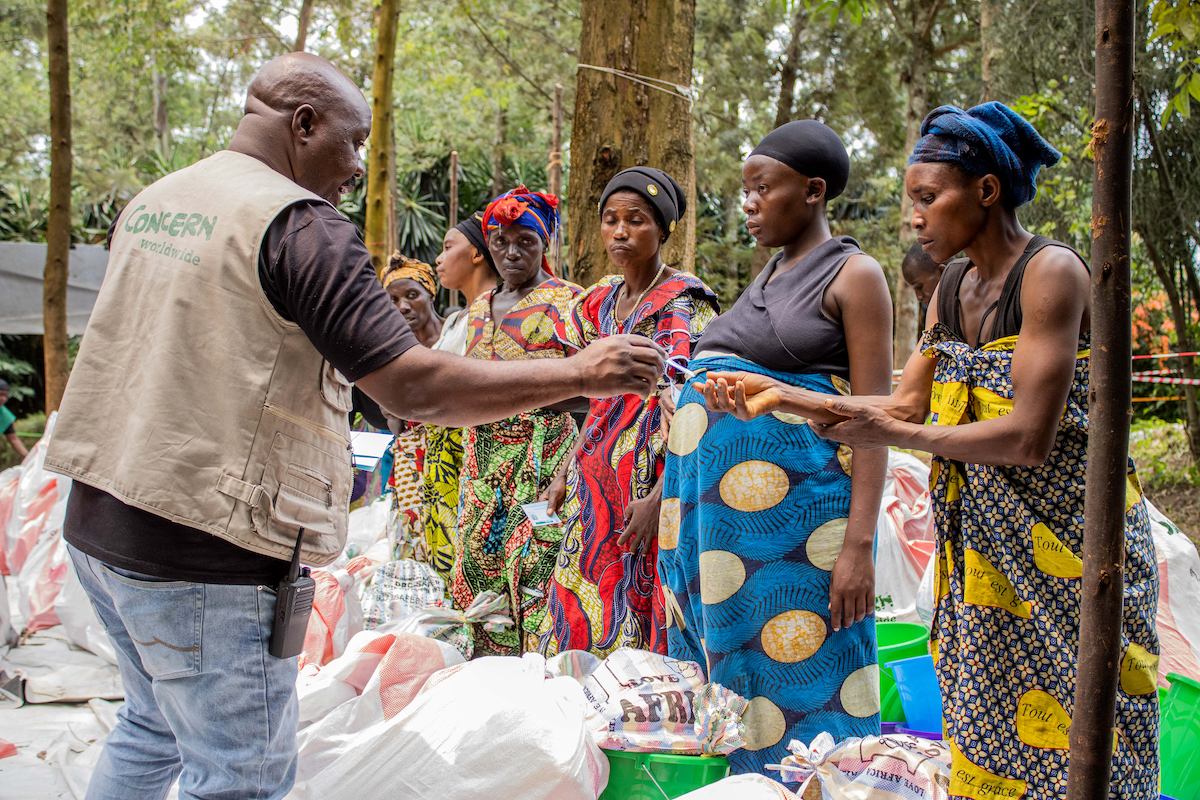
Right now in the DRC, needs relating to food security have eclipsed those relating to humanitarian aid. The Integrated Food Security Phase Classification (IPC) estimates that 26.6 million people will face crisis levels of hunger (or higher) between now and June, a figure that represents 22% of the country. Of this 26.6 million, nearly 4 million will be pushed to emergency levels of hunger — one step above crisis and one step below famine.
The youngest Congolese will be hit especially hard by this hunger crisis. Roughly 4.18 million children under the age of 5 are either at risk for (or currently suffering from) acute malnutrition. For nearly one-third of these children, their malnutrition levels are considered severe — an especially life-threatening condition amid a context of ongoing funding shortfalls. Last year, OCHA estimated that nearly 1.4 million children with malnutrition did not receive the necessary treatment due to budget cuts.
4. Healthcare, clean water, and sanitation are also under threat
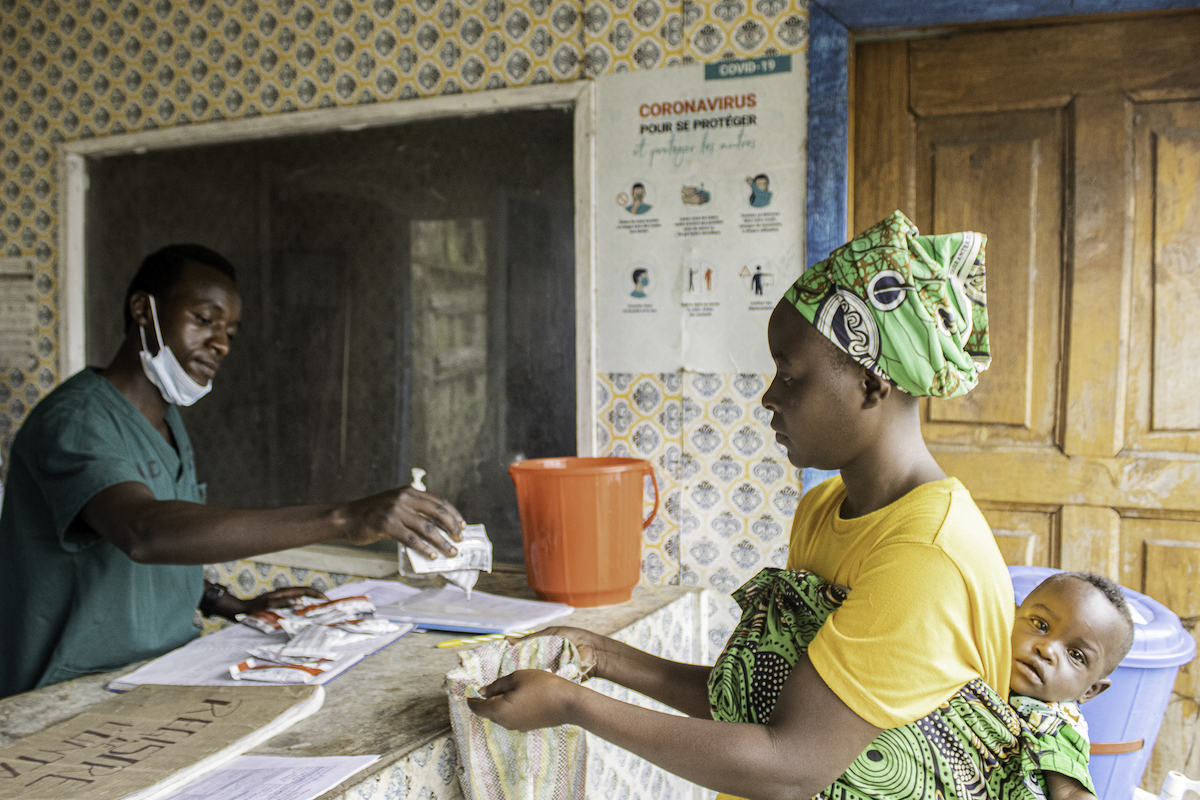
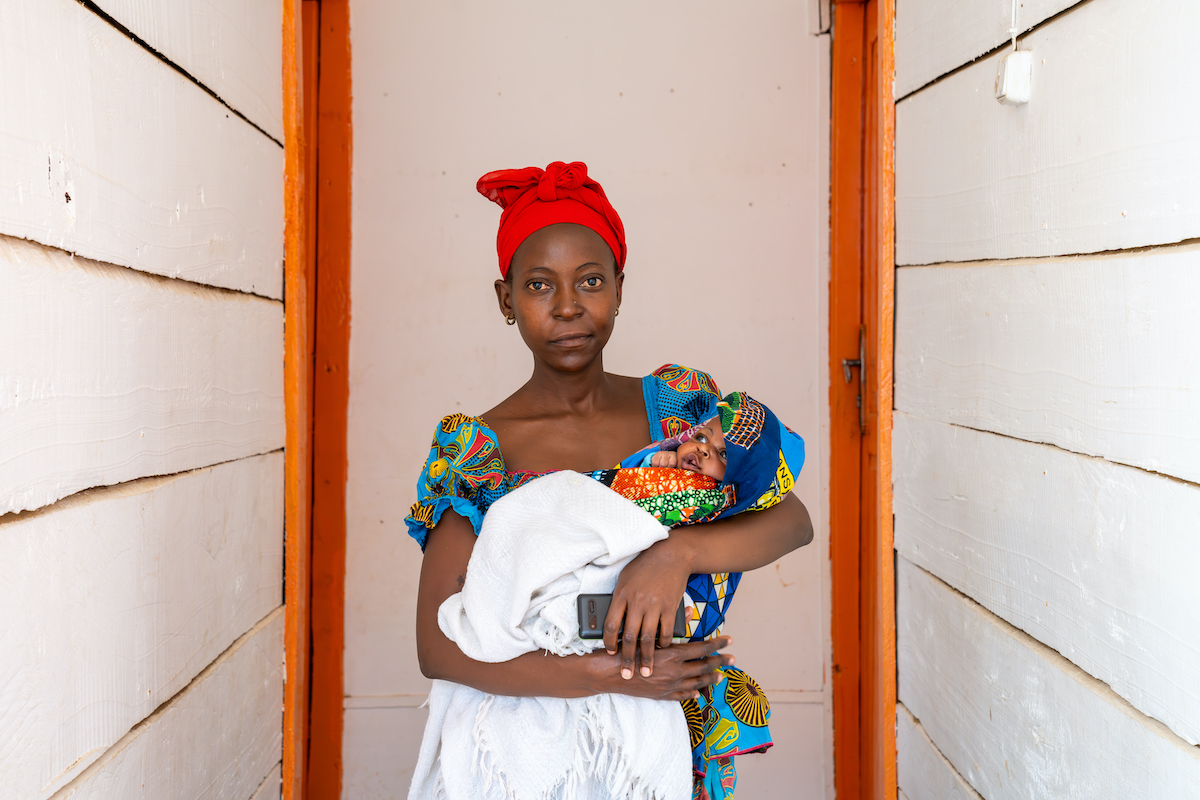
Beyond nutrition, families in the DRC are struggling to access even the most basic healthcare. Clinics are increasingly underfunded, underresourced, understaffed, and overwhelmed when trying to meet local needs.
Conflict and displacement — along with natural disasters — are furthering recurring outbreaks of preventable and treatable diseases. Measles, cholera, malaria, Ebola, and mpox continue to spread, especially in areas where vaccinations and medicines are in short supply. For children, pregnant women, the elderly, and people already weakened by malnutrition, these illnesses can quickly become life-threatening.
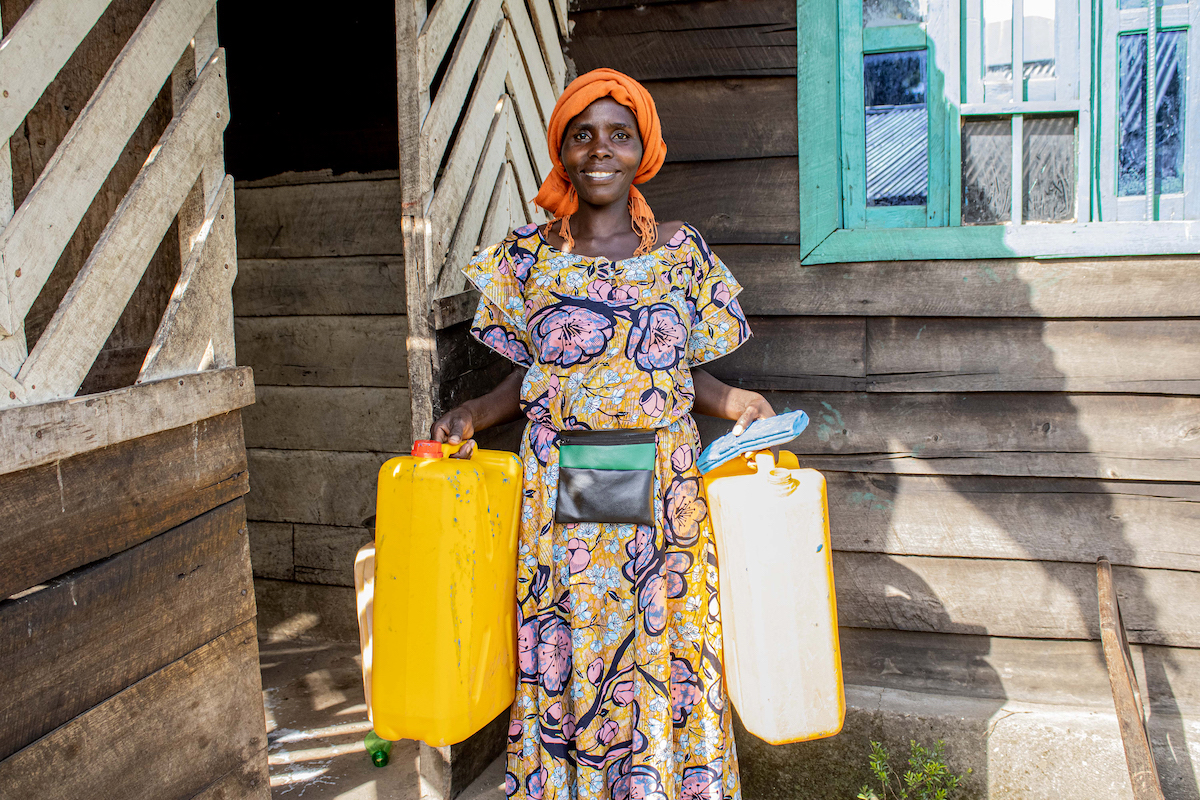
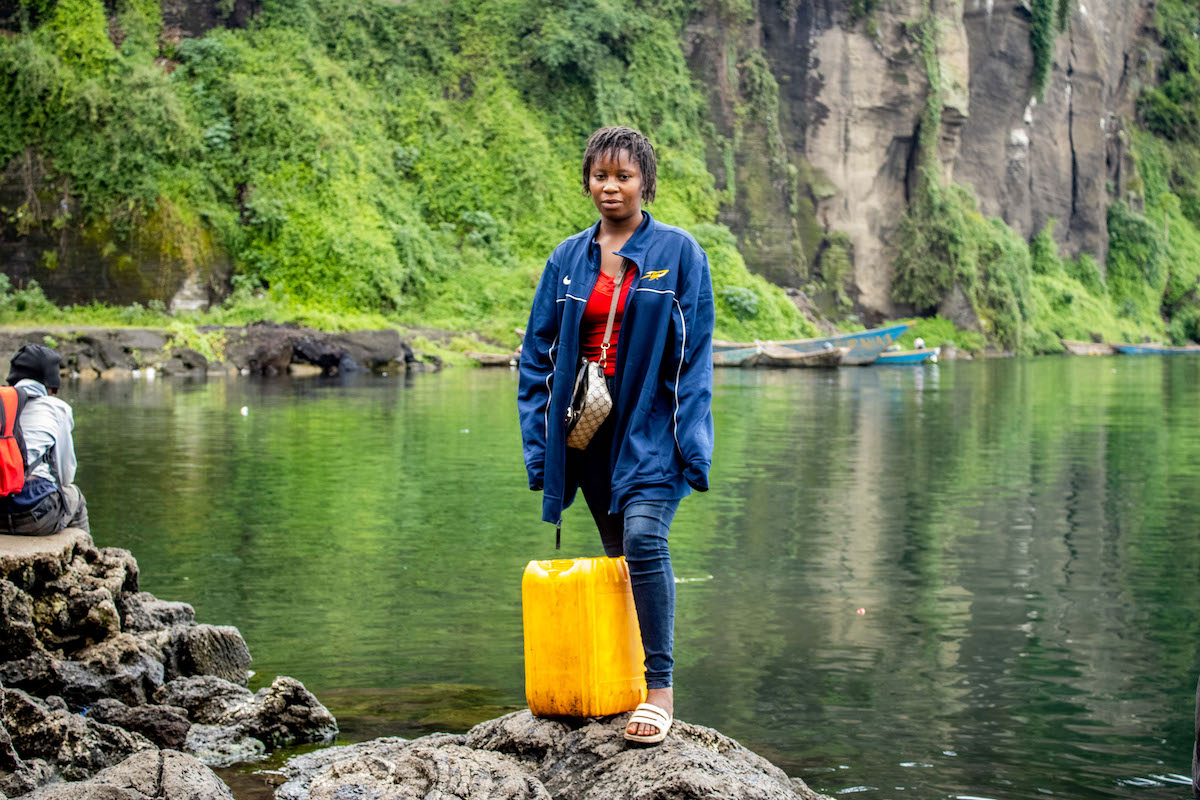
The increase in outbreaks is closely linked to another key challenge in the DRC: a lack of clean water and sanitation. While the DRC is the most water-rich country in Africa, it is also one of the most water-scarce countries in the world. Conflict has destroyed sanitation infrastructure and systems designed to provide clean water. Displacement sites often lack basic facilities and, in recent years, are struggling to keep up with demand as people flee home. Flooding in recent years has made the situation worse, contaminating water sources and accelerating the spread of waterborne diseases.
5. The DRC helps power the world — but its people are left behind
The Democratic Republic of the Congo’s crisis is often framed as distant or inevitable. It consistently ranks among the world’s “poorest” countries, with approximately 75% of Congolese living below the poverty line.
However, the DRC also has one of the largest reserves of potential wealth — wealth that helps to power modern life around the world (including the United States). Among its natural resources are 200 million acres of cultivable land and large reserves of gold, diamonds, copper, zinc, coltan, and cobalt.
If you’ve heard anything about the DRC’s crisis in the last few years, those last two resources may sound familiar: Coltan and cobalt are essential to the manufacture of smartphones (and, to a lesser extent, computers), keeping rechargeable batteries powered. The DRC literally powers our phones, producing 67% of the world’s coltan and over 70% of the world’s cobalt. While these minerals generate enormous global wealth, the people who mine them often remain trapped in a cycle of poverty.
What we know from more than 30 years in DRC is that the crisis is not inevitable — and continuing to build a better future is imperative.
Concern in the Democratic Republic of the Congo
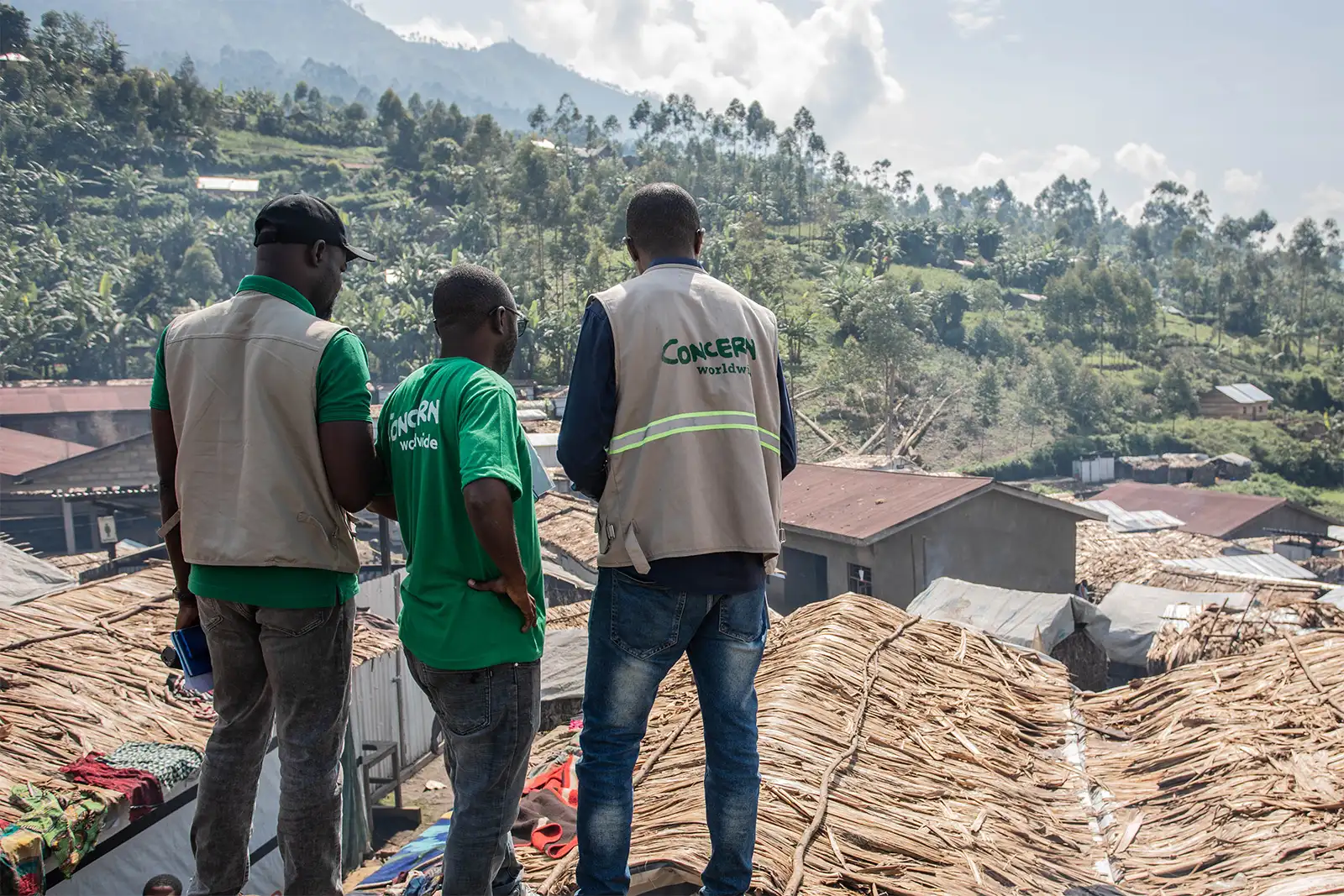
Concern has been working in DRC since 1994. Part of our work has been to address the country’s ongoing humanitarian crisis (particularly in the east) by providing support for livelihoods, health and nutrition, and water, sanitation, and hygiene (WASH) services.
» Learn more about how you can help DRC
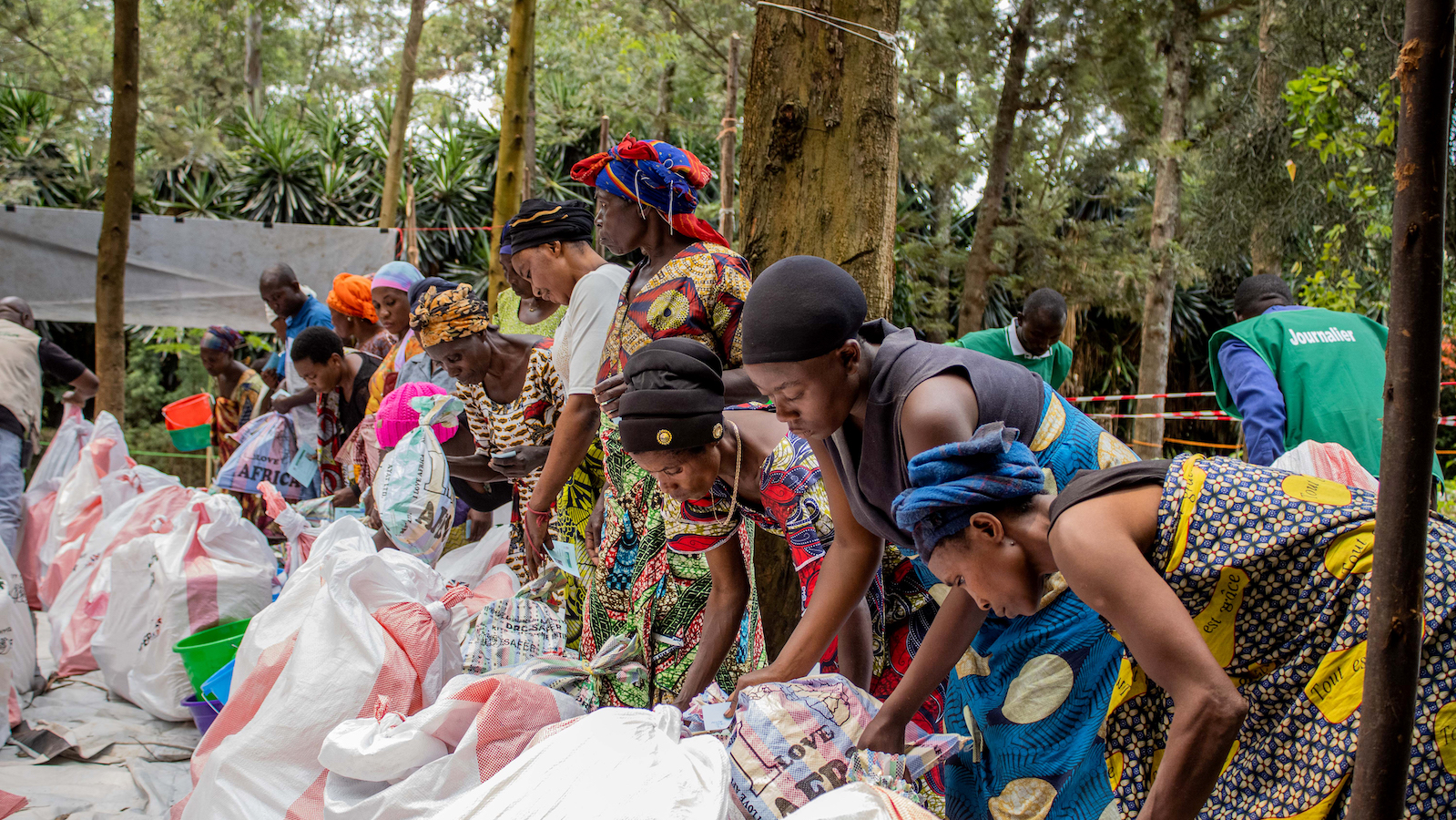
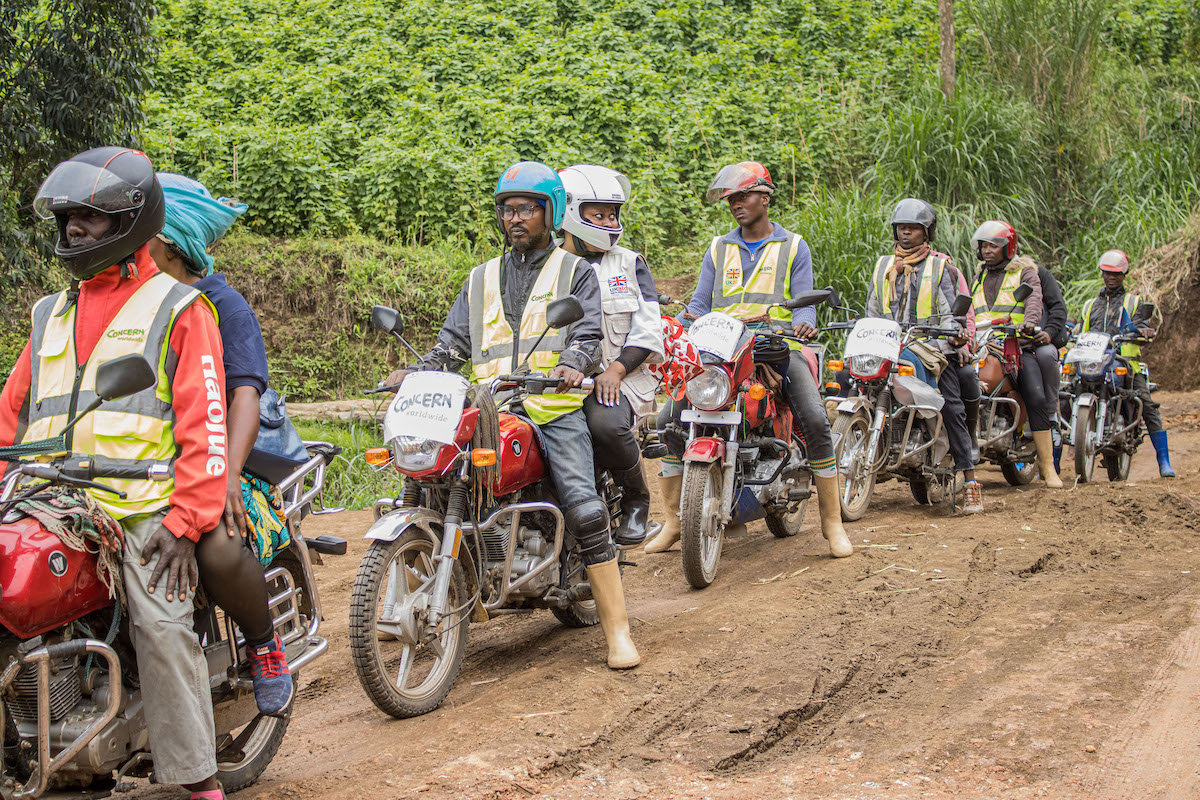
In response to the current escalation of violence in the country, we work with three active consortiums of local and international NGOs to share resources and expertise while supporting increasing needs. As part of the SAFER (Strategic Assistance for Emergency Response) Consortium, we reached over 369,000 people last year, surpassing the annual goal of 300,000, with a focus on WASH and healthcare support. Our work in the EAST (Enabling Affected Communities to Survive and Thrive ) Consortium has provided an integrated response to the complex crisis, combining cash support with skills and livelihoods development and community infrastructure rehabilitation for over 31,000 people.
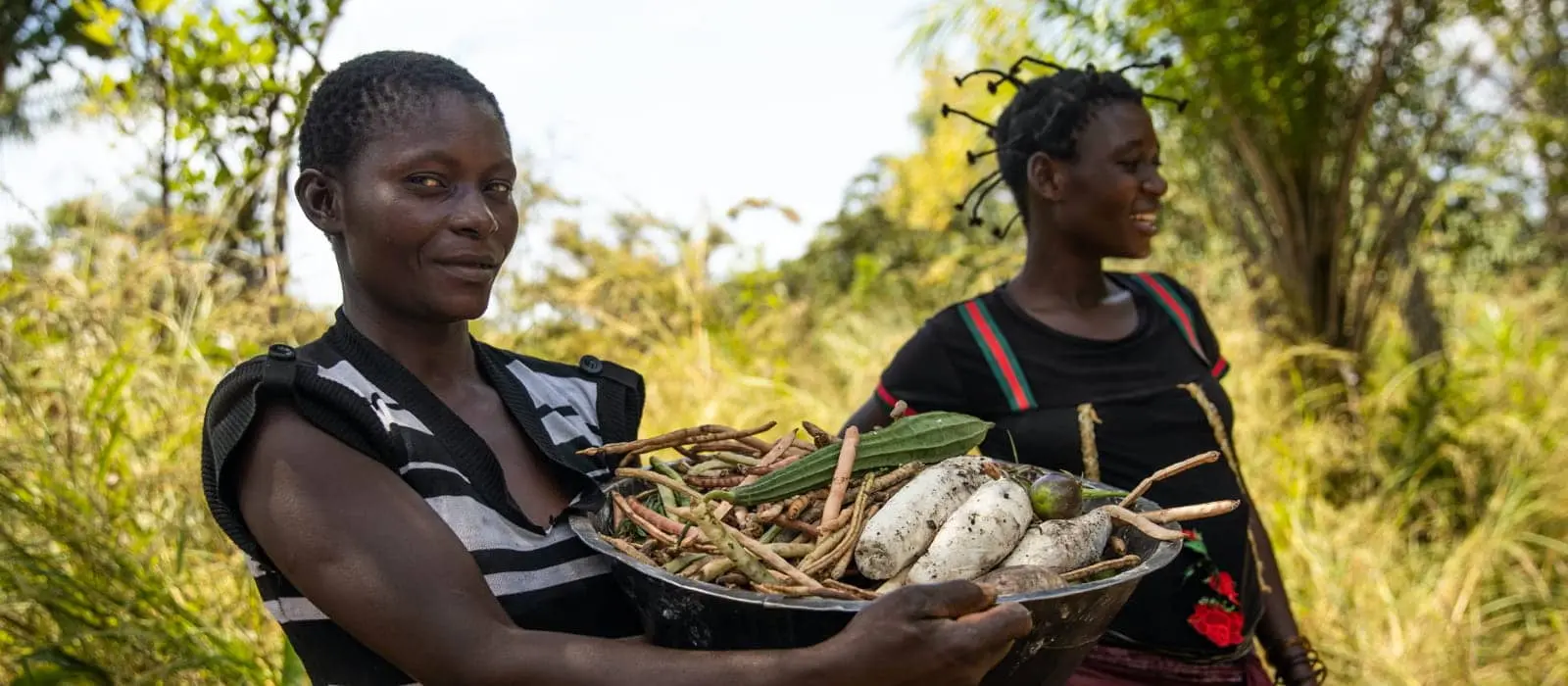
We continue to support other parts of the country as well with emergency response and development initiatives. Our Green Graduation program trained over 12,000 participants last year in Kabalo and Manono territories and reached even more with a component designed to rehabilitate local water systems. Despite the challenges, we remain committed to the communities we work with. In some areas, we remain the only organization providing key support, continuing to fulfil our mandate despite ongoing conflict.