The crisis in Somalia, explained
Jun 17, 2026 | By: Clare Ahern
A decades-long crisis in Somalia has reached a breaking point in 2026. Here’s what you need to know — and how you can help.
For decades, Somalia has faced a protracted humanitarian crisis driven by recurring conflict, displacement, drought, and economic instability — factors that have, in turn, increased hunger levels and forced millions of people to rely on humanitarian aid.
Today, that cycle has reached a breaking point. As humanitarian funding drops to historic lows, a deadly combination of shifting frontlines, extreme climate events, and skyrocketing global food and fuel prices has left 4.8 million Somalis in critical need of assistance. Here are the five things you need to know about the crisis in Somalia in 2026.
1. Somalia has faced decades of conflict, which continues to drive displacement
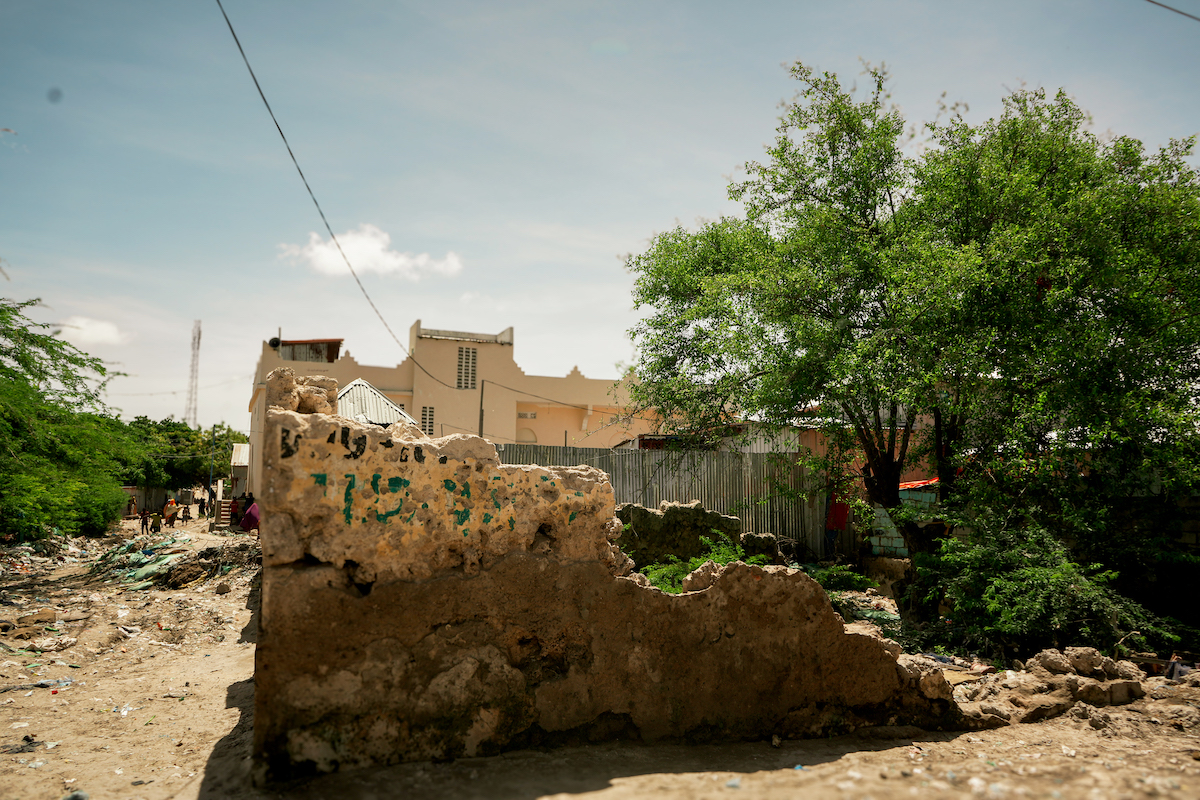
Conflict arches over all of the other crises in Somalia. Over the last four decades, armed conflict and intercommunal violence have weakened health systems and economies. Meanwhile, they continue to displace families and restrict movement for millions, and have had a disproportionate effect on women, children, and other vulnerable people.
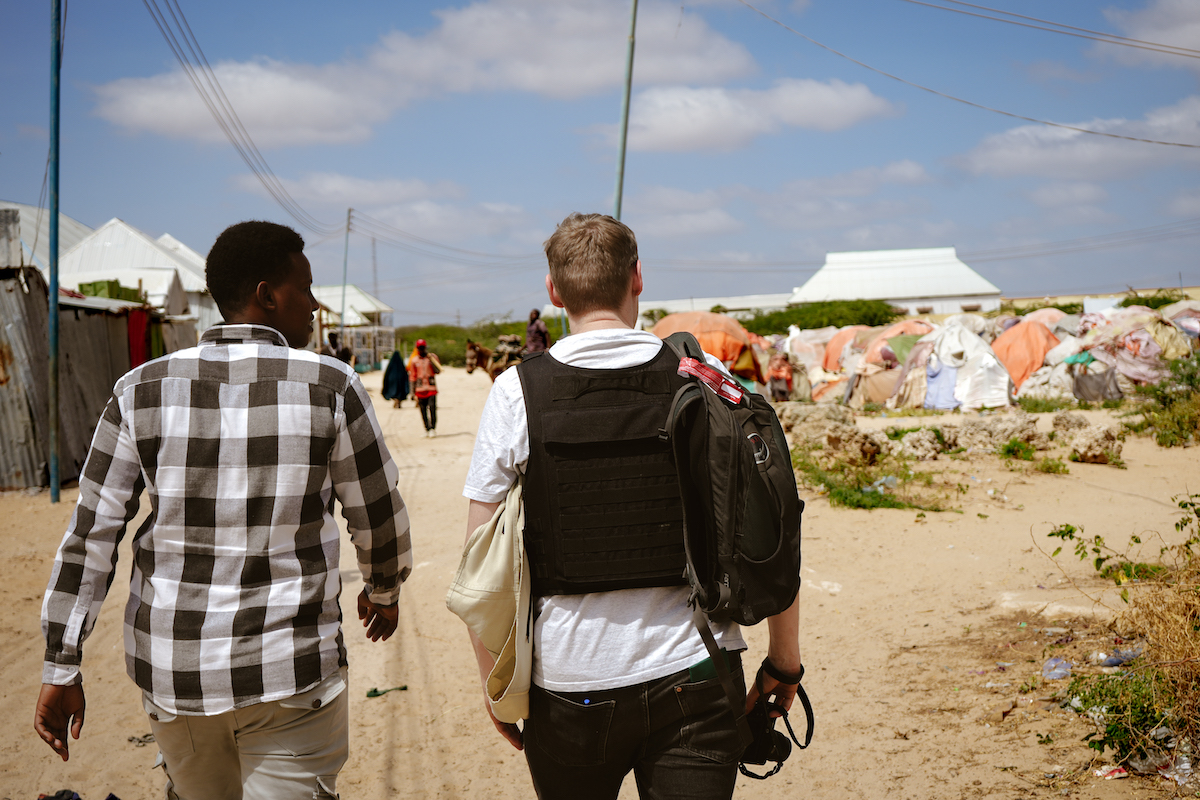
Access restrictions make it difficult for humanitarian organizations to reach communities in the most dire conditions. In the meantime, those who are lucky enough to make it to displacement sites are finding themselves in increasingly crowded conditions, where resources are also often hard to come by.
As other emergencies have hit Somalia — including severe floods, drought, locust invasions, and the COVID-19 pandemic — they’ve also increased tensions over dwindling resources. Conflict complicates our efforts to adequately respond to each of these emergencies, leaving hard-hit areas without support. Those resource shortages, in turn, often exacerbate further violence as people struggle to survive.
2. Drought and floods form a “climate whiplash”
Somalia forms part of the Horn of Africa, the region centered around the continent’s easternmost peninsula that’s primarily made up of arid and semi-arid land, and is highly vulnerable to extreme weather patterns.
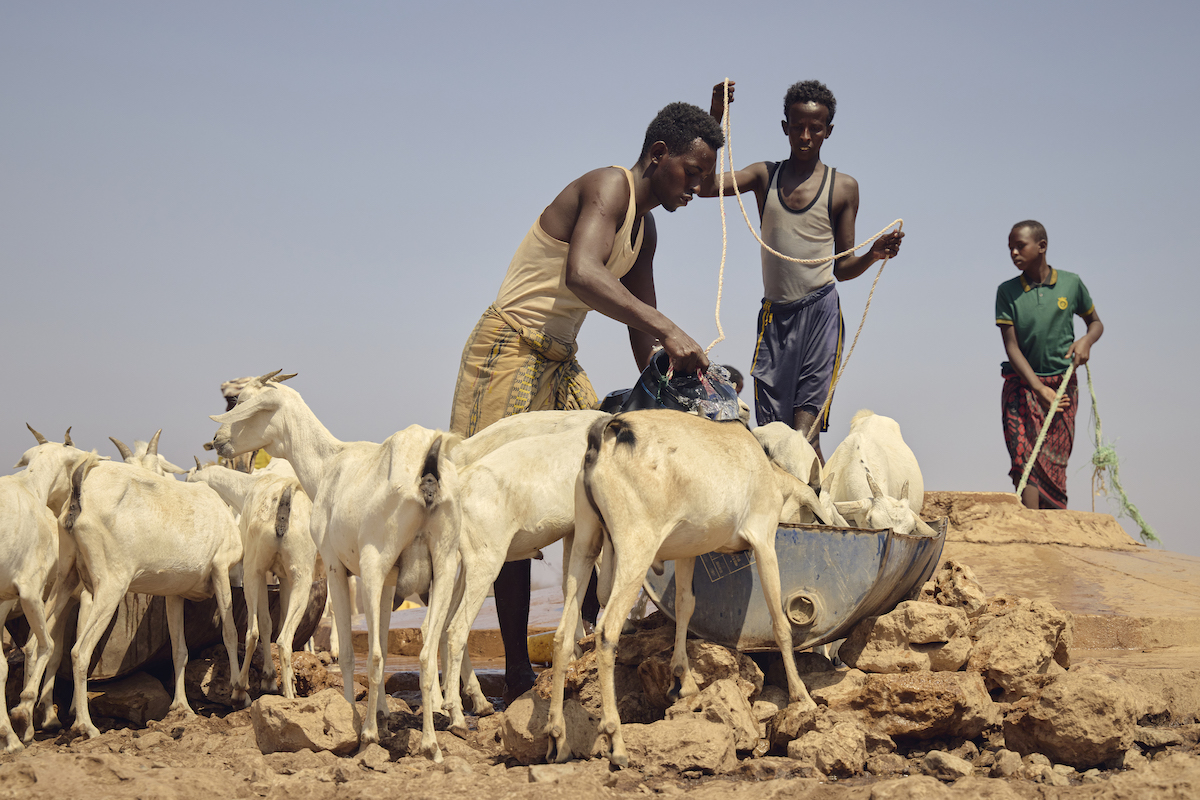
In recent years, the region has suffered what many have called a “climate whiplash.” Successive failed rainy seasons decimated crops, killed millions of livestock, and pushed Somalia to the brink of famine. While the country saw some reprieve in 2023, severe drought conditions have returned. Last year, northern Somalia saw rainfall levels 60% below average — the driest conditions recorded since 1981.
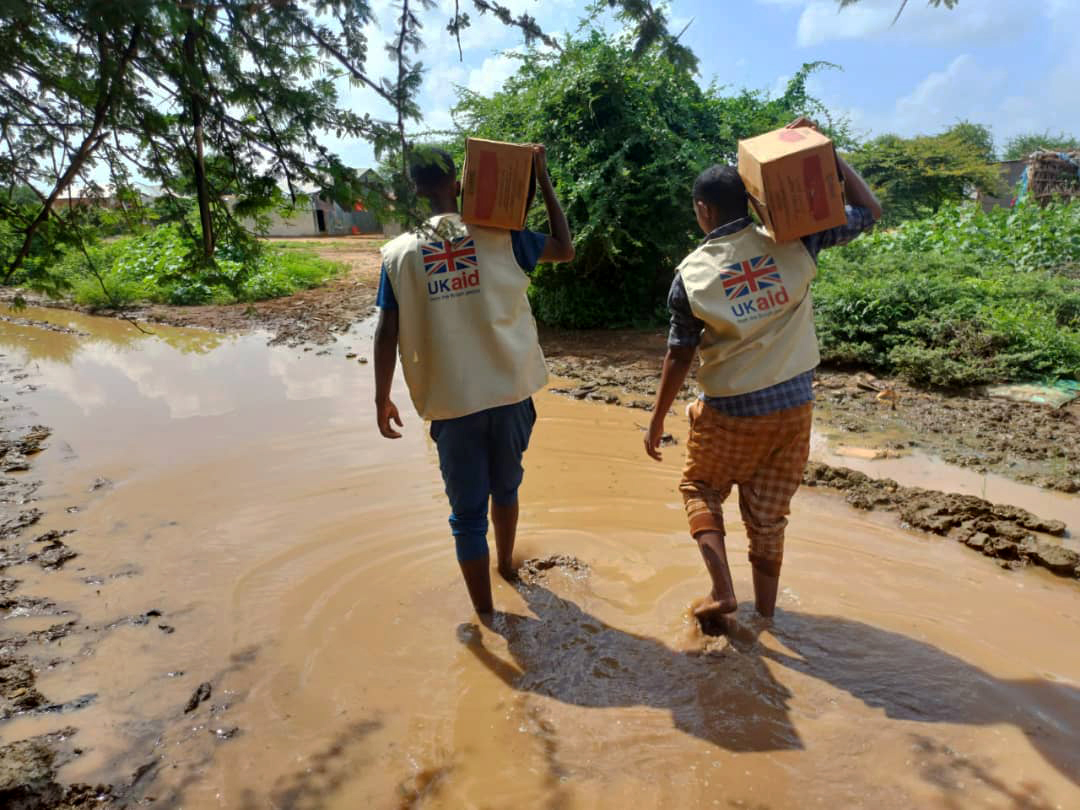
At the same time, drought leaves soil unable to properly absorb excess water, making the land highly susceptible to catastrophic flooding. The phenomenon is so common that it has its own entry on Wikipedia.
Earlier this month, the Food and Agriculture Organization warned that the autumn Deyr rains are likely to also bring extreme devastation. These floods not only wipe away harvests and homes; they also increase the risk of vector- and waterborne diseases, including malaria, cholera, and diarrhea.
3. Somalia consistently ranks as the hungriest country in the world
Over the last three years of the Global Hunger Index (GHI), Somalia has ranked as the world’s “hungriest” country, with high rates of undernutrition, child stunting, child wasting, and child mortality.
Malnutrition rates in the country have risen over the last two years, and are projected to increase again in 2026. The Integrated Food Security Phase Classification (IPC) estimates that nearly 6.5 million people in Somalia would face crisis levels of hunger — or higher — in the first half of the year.
The IPC also estimates that conditions will worsen in the coming months, and warns of a risk of famine for parts of the country. “The alarm bells are ringing in Somalia,” says Richard Nunn, Concern’s Country Director in Somalia. “An urgent response is required if lives are to be saved.”
Learn more about how you can help Somalia
4. Children in Somalia are paying the highest price
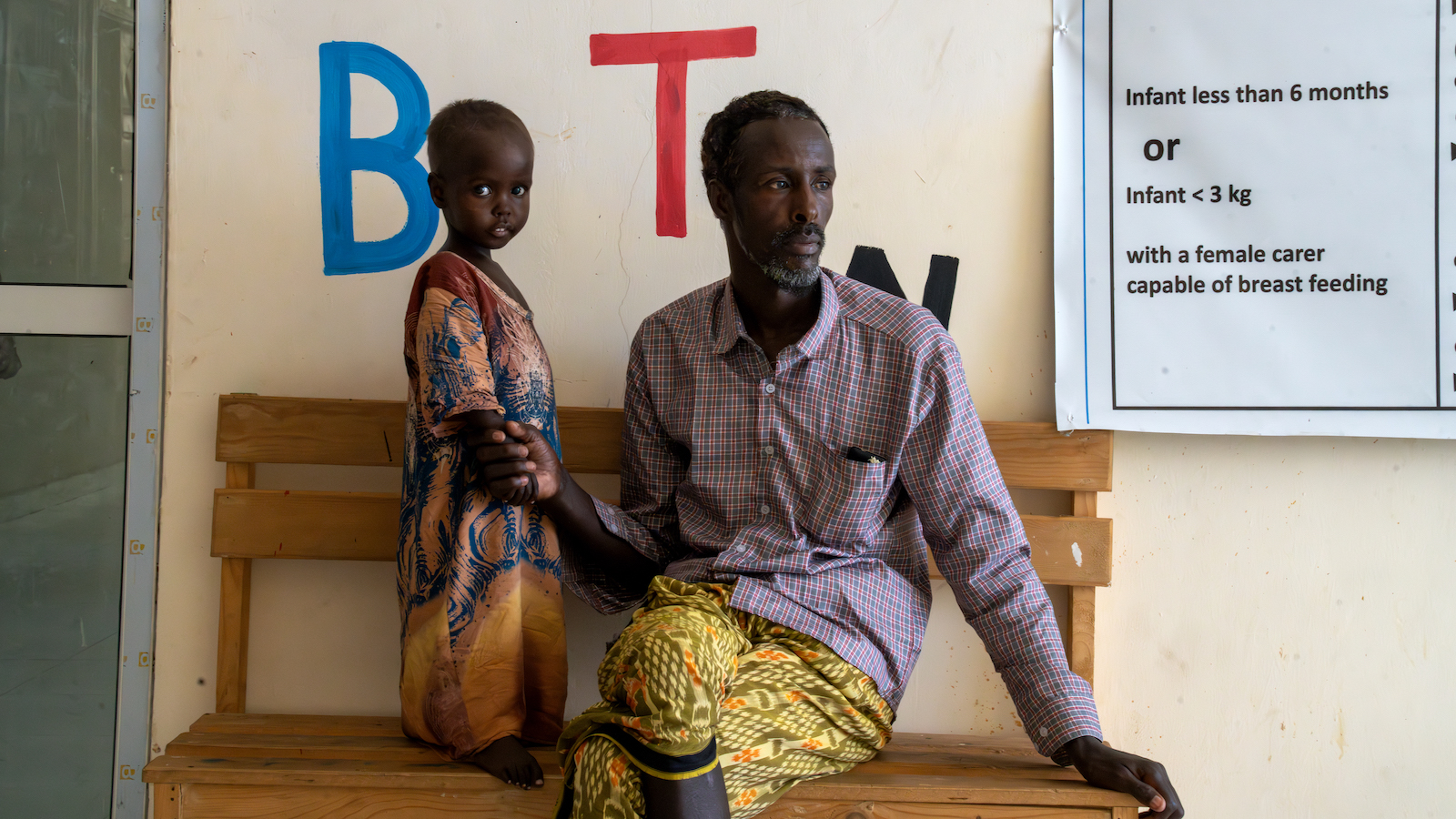
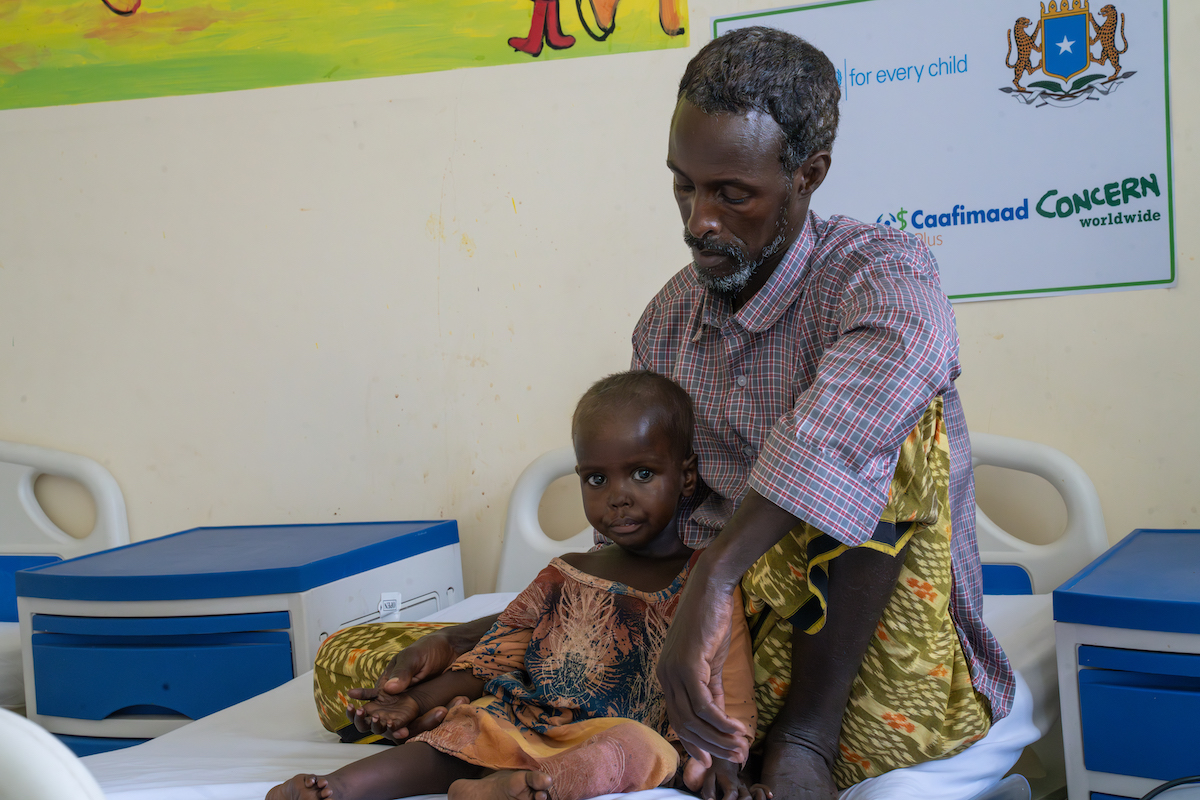
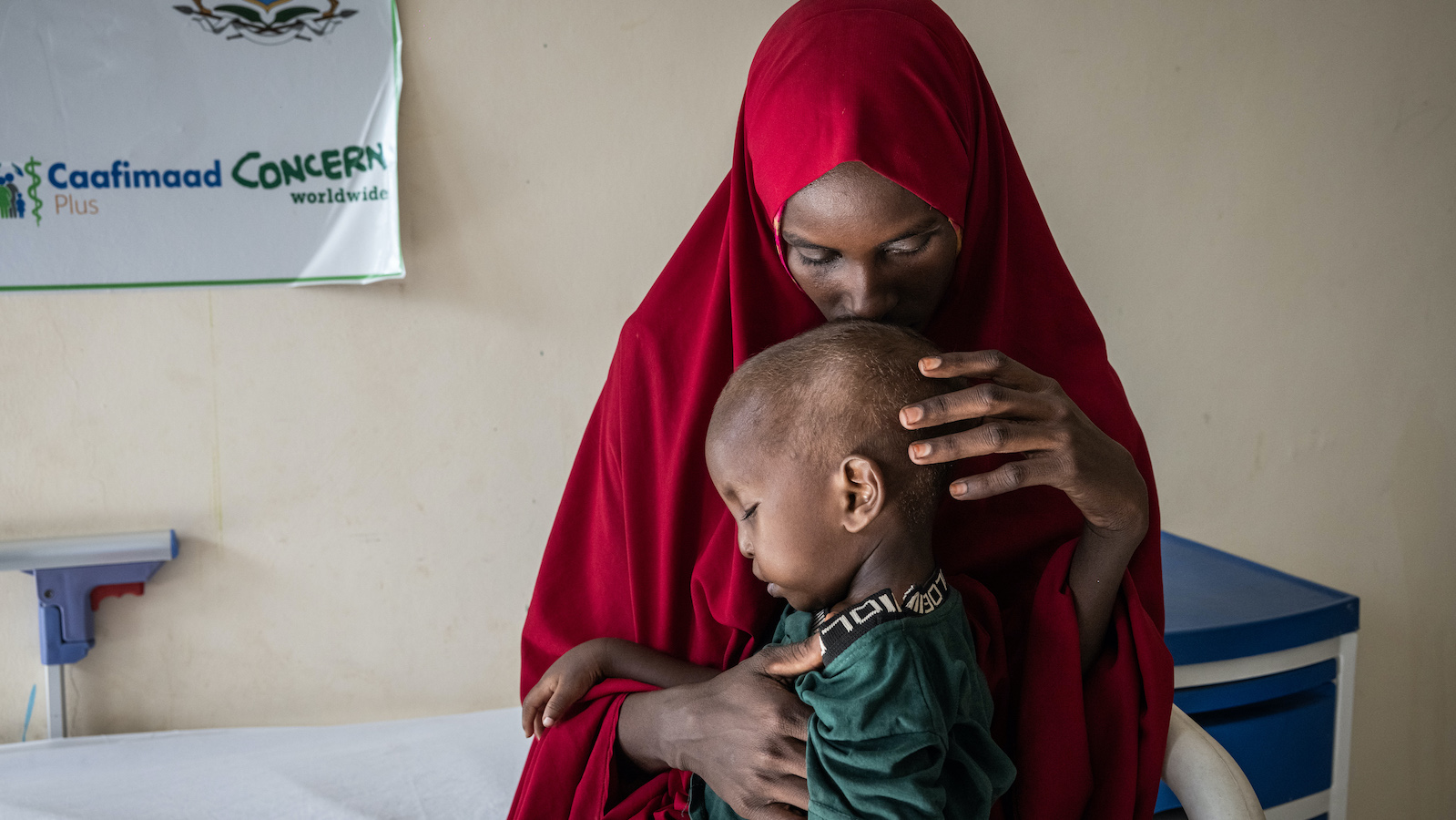
Crises hit vulnerable groups disproportionately harder. This is especially true for children, whom UNICEF estimates make up roughly 44% of all internally displaced Somalis. Many struggle to get basic health needs met, including routine vaccinations and nutritional screenings. The IPC estimates that 1.88 million children under the age of 5 will suffer from acute malnutrition in 2026, an estimated increase compared to recent years.
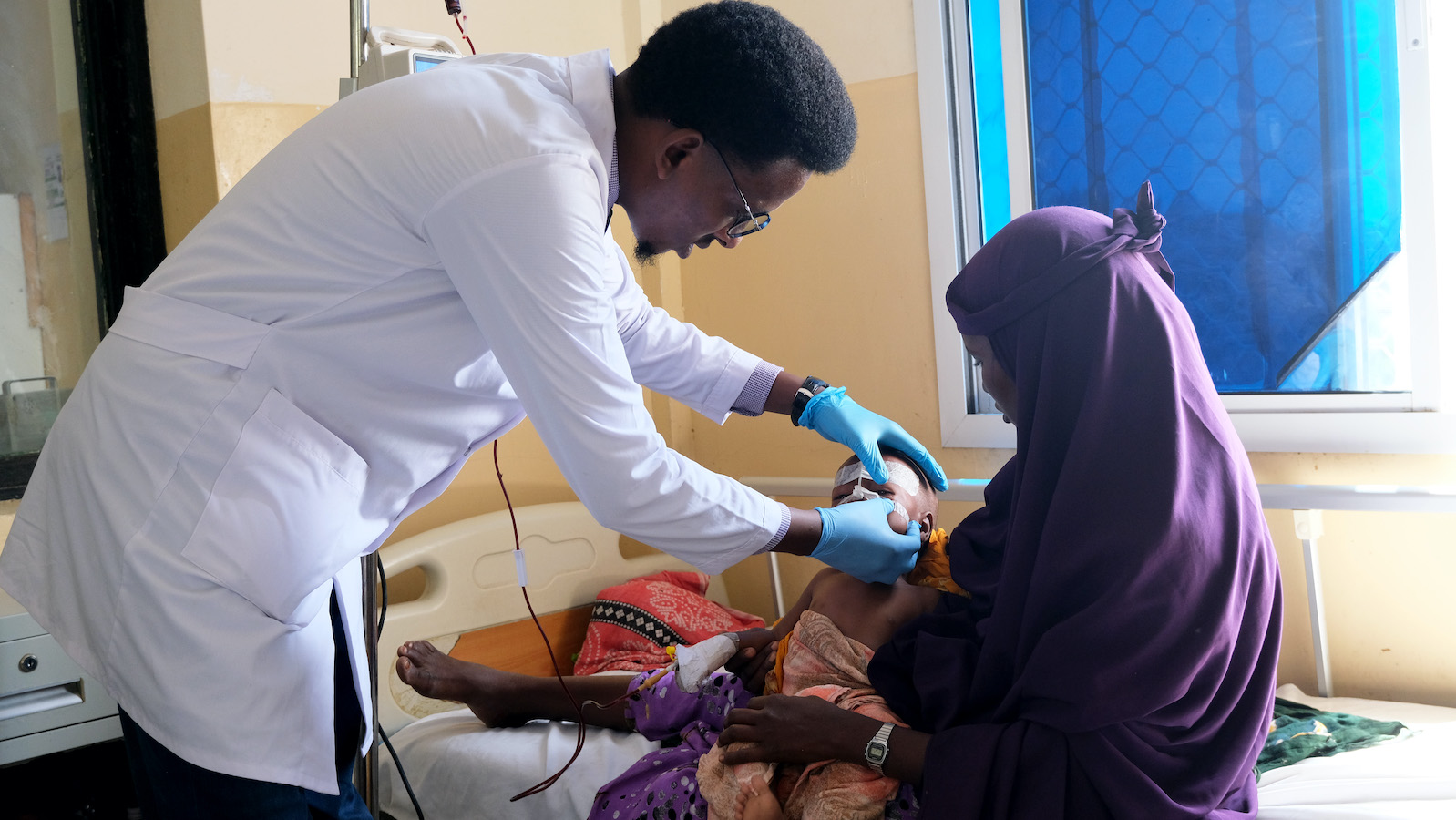
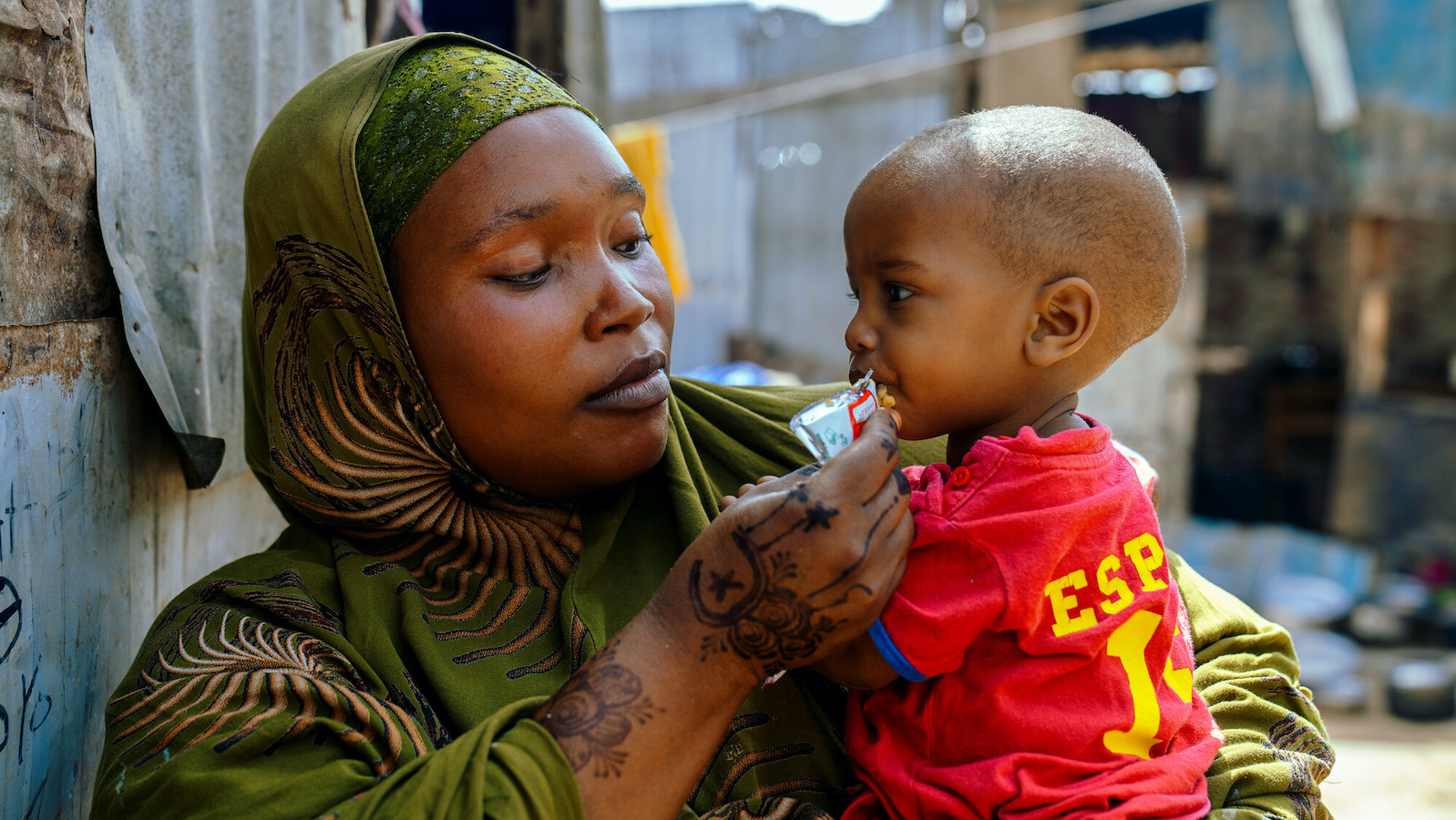
Concern’s Somalia staff are already seeing the predictions of an escalating malnutrition crisis bear out in real-time. “The number of severely ill children being treated at stabilization centers has increased by 60% so far this year compared to the same period last year,” Nunn warned earlier this month. In just the first five months of 2026, Concern has treated over 27,600 cases of child malnutrition (and screened over 227,000 children).
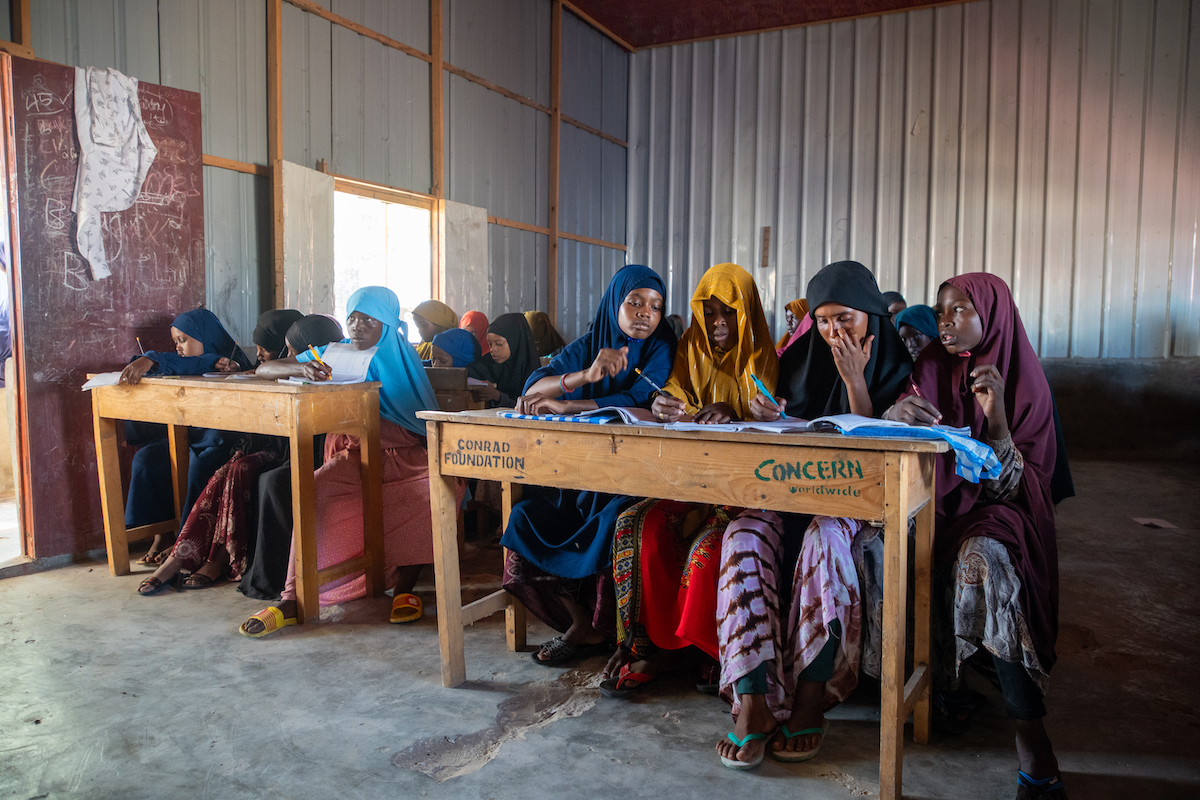
The crisis has also stripped millions of children of their right to an education. In 2025, an estimated 3.4 million Somalis were out of school — roughly 58% of the country’s school-aged children. For many children living in conflict zones, school is often the only place they get to experience a “normal” childhood and receive vital emotional support.
5. Funding cuts are pushing millions of Somalis to the brink in 2026
Despite being among the most complex crises today, the humanitarian response in Somalia suffered a devastating setback when international funding was cut. The country’s inter-agency Humanitarian Country Team was forced to reduce its reach by 72%, shifting focus from 4.6 million people down to just 1.3 million.
The human cost of these cuts is immediate:
- Over 600,000 people lost critical emergency food assistance
- More than 200 health facilities were forced to close (with the UN warning that another 300 may also face closure this year)
- 60,500 children missed treatment for severe acute malnutrition
- 150,000 children with life-threatening severe acute malnutrition are expected to go untreated this year
- 800,000 people are expected to lose access to essential health services this year
Making matters worse, the current conflict in Iran has severely disrupted Red Sea shipping routes. Fuel prices in Somalia have increased by as much as 70% in some areas, trade routes for basic agricultural imports (including wheat and rice) have been interrupted, and food and water prices have further surged.
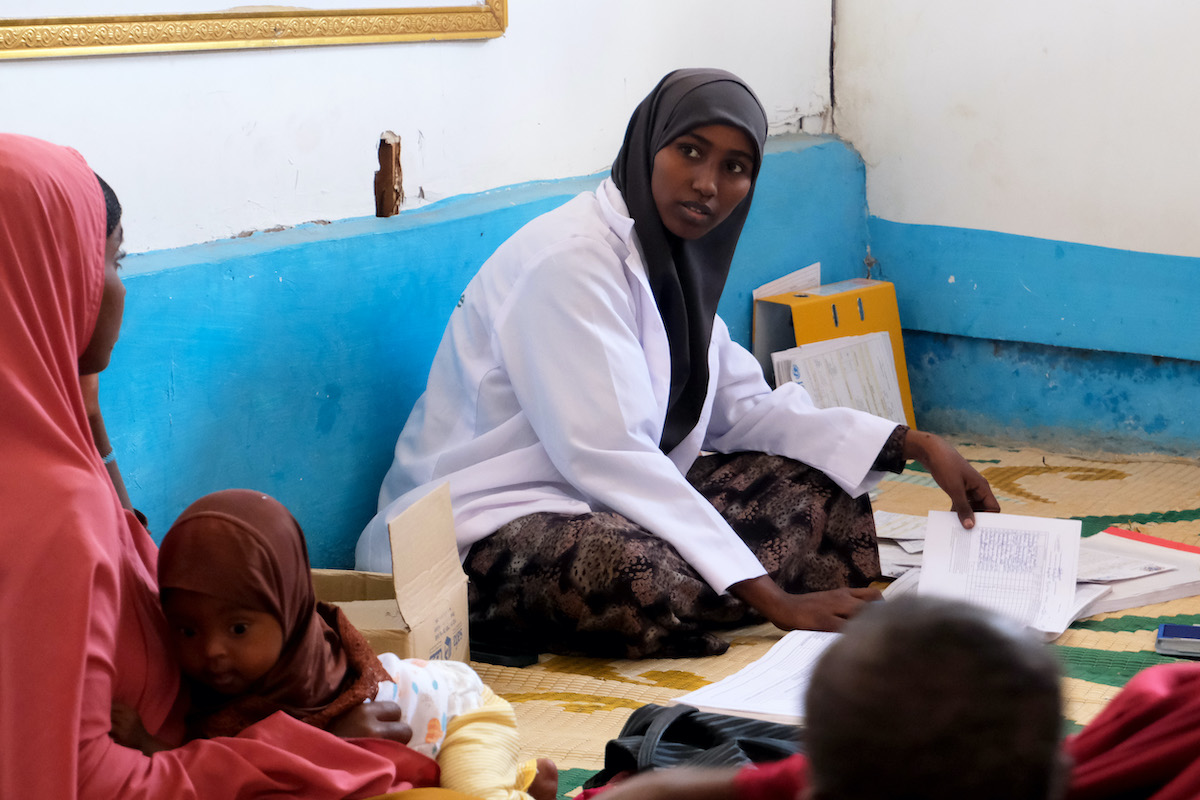
For our part, Concern has been working tirelessly to continue access to our emergency services for as many people as possible. While the UN’s 2026 response plan is only 20% funded halfway through the year, we’re also finding new partners to help fill the gaps. Funding made possible made possible through GiveWell and Coefficient Giving is enabling us to reach 169,000 people with essential health and nutrition services over the next 18 months.
Still, there is far more work to be done, both in terms of frontline emergency response and longer-term resilience work (which is far more cost-effective and can help reduce reliance on humanitarian assistance). We’re at a critical moment where we can — and must — avoid a catastrophe and protect the hard-won gains earned over the last four decades.
Concern in Somalia
2026 marks Concern’s 40th anniversary of working in Somalia. Thanks to the deep trust we’ve built with local communities over four decades, our team has been able to safely navigate complex working environments to deliver essential assistance and support to those who need it most.
Last year, we reached 1.32 million people in Somalia (including over 372,000 direct program participants) with a combination of emergency response and long-term development support. Currently, we’re supporting 22 clinics in the country, and saw over 209,000 patients last year for essential preventative and curative care — including 85,000 cases of malnutrition.
We also provided free education to over 10,000 children in the Banadir and Lower Shabelle areas, many of whom are internally-displaced or from host communities.