


Somalia
Country stats
- Capital: Mogadishu
- Population: 19.7 million
- People requiring humanitarian aid: 4.8 million
Concern’s response
- Somalia program launched: 1986
- Program areas: Education, Emergency Response, Health & Nutrition, Livelihoods
- Other key focuses: Durable Solutions, Social Protection
Why are we in Somalia?
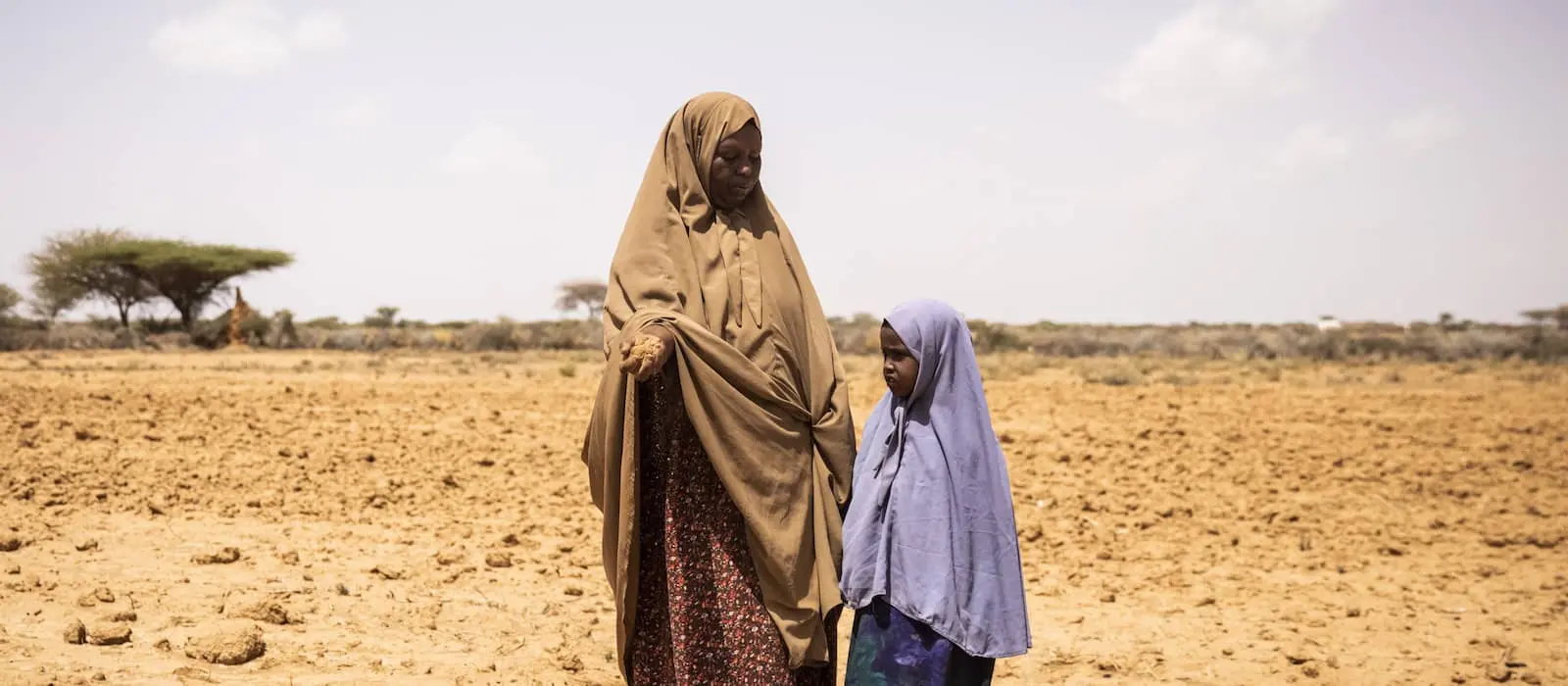
Decades of overlapping crises – including climate disasters and conflict – have left millions of people dealing with extreme hunger and poverty while facing increasing needs due to funding cuts. In 2026, Concern marks its 40th year delivering lifesaving aid in response to these issues.
4.8 million people in Somalia require humanitarian assistance in 2026 — but that’s not the whole story
This year, nearly 25% of Somalia’s population will require some form of humanitarian assistance. Technically this is a 20% decrease from 2025, but this doesn’t mean that the situation has improved. The reduced numbers in need reflect a revised approach led by the United Nations known as “hyperprioritization” (directing shrinking resources where needs are greatest in order to save the lives of those most at risk). Last year, the UN’s humanitarian response plan was less than 25% funded.
In the first half of 2026, the Integrated Food Security Phase Classification (IPC) estimates that nearly 6.5 million people will face crisis levels of hunger — or higher. Malnutrition rates in Somalia have risen for two consecutive years as well, with the IPC estimating that 1.84 million children will suffer acute malnutrition this year (including 483,000 cases of severe acute malnutrition).
In addition to malnutrition, other health issues persist, including outbreaks of measles, cholera, and malaria. Access to education is also declining, with the UN estimating that 62% of school-aged children are out of the classroom (up from 56% in 2024). Displacement rates are also on the rise in light of ongoing conflict, evictions, and natural disasters, leaving hundreds of thousands of families facing protection risks in crowded displacement camps.
Despite these challenges, Concern has worked in Somalia for 40 years delivering both lifesaving emergency assistance and long-term development and resilience-building programs. We continue to do so in 2026 with a focus on local partnerships, supporting Somali-led solutions to Somali challenges.
Latest achievements
Program impact
In 2025, Concern Somalia reached over 372,000 people directly, and over 947,000 indirectly across seven regions – a total of over 1.32 million people – with donor funding at over $21 million by the end of the year.
Health & nutrition
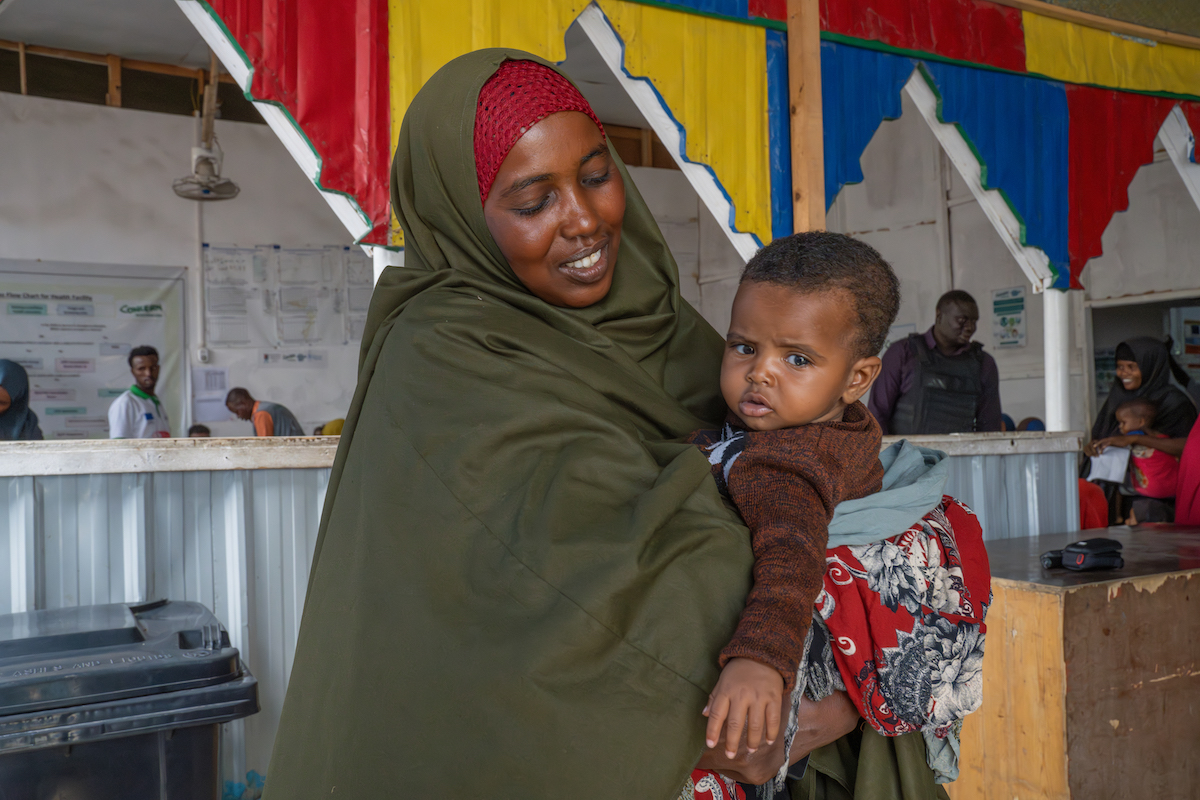
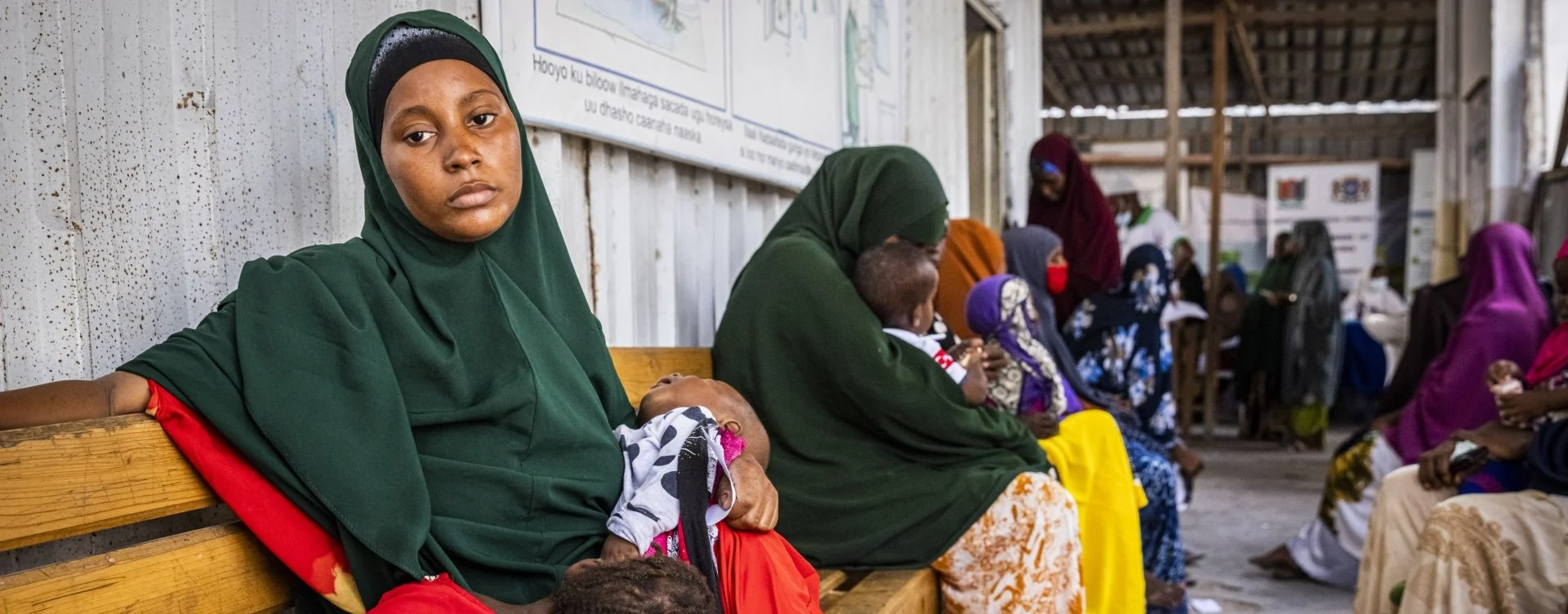
Last year, over 209,000 people attended Concern-supported outpatient clinics in Somalia, receiving both essential preventative and curative care. This included over 85,000 patients treated for acute malnutrition.
Education
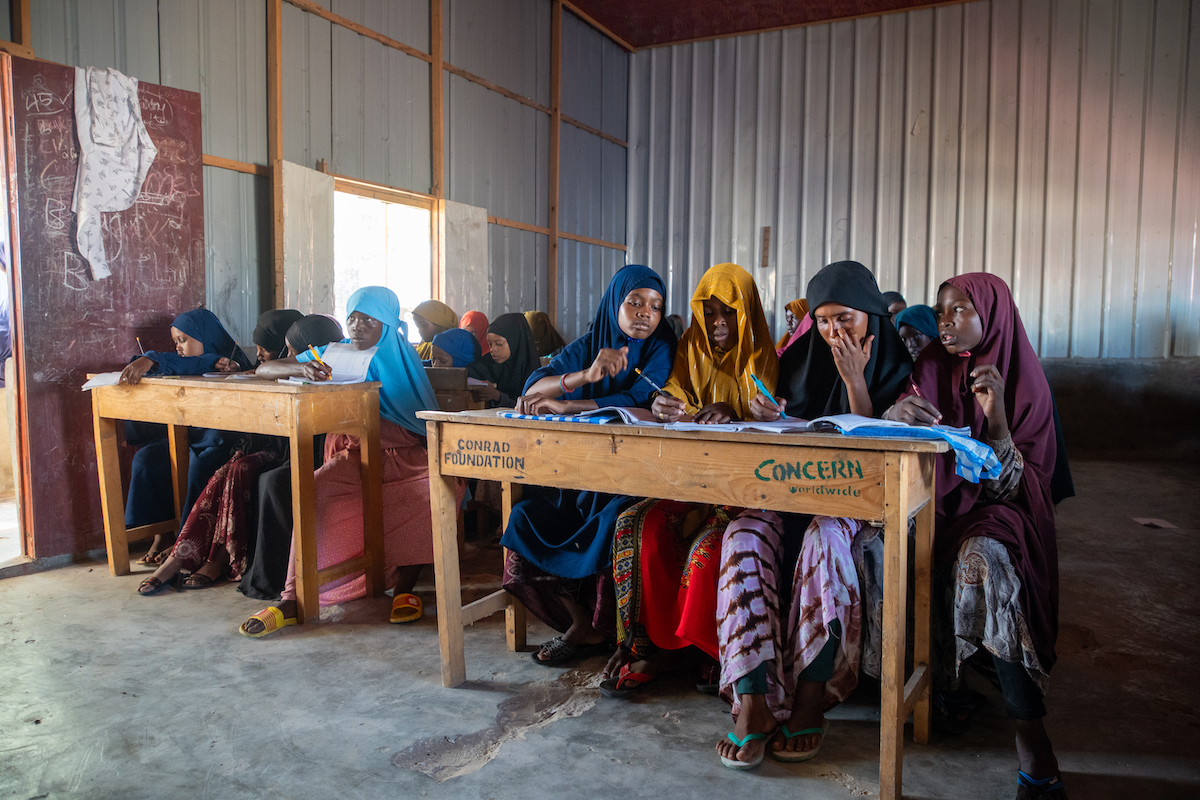
Concern’s education programs in Somalia provided free education to over 10,000 children in the Banadir and Lower Shabelle areas, many of whom are internally-displaced.
Our work in Somalia
We respond to emergencies such as drought, floods and population displacements caused by conflict, climate change and ongoing insecurity, and we build resilience within communities to these shocks.
Organizations who fund us in Somalia




More from Somalia
More Locations
-
Ethiopia
-
Kenya
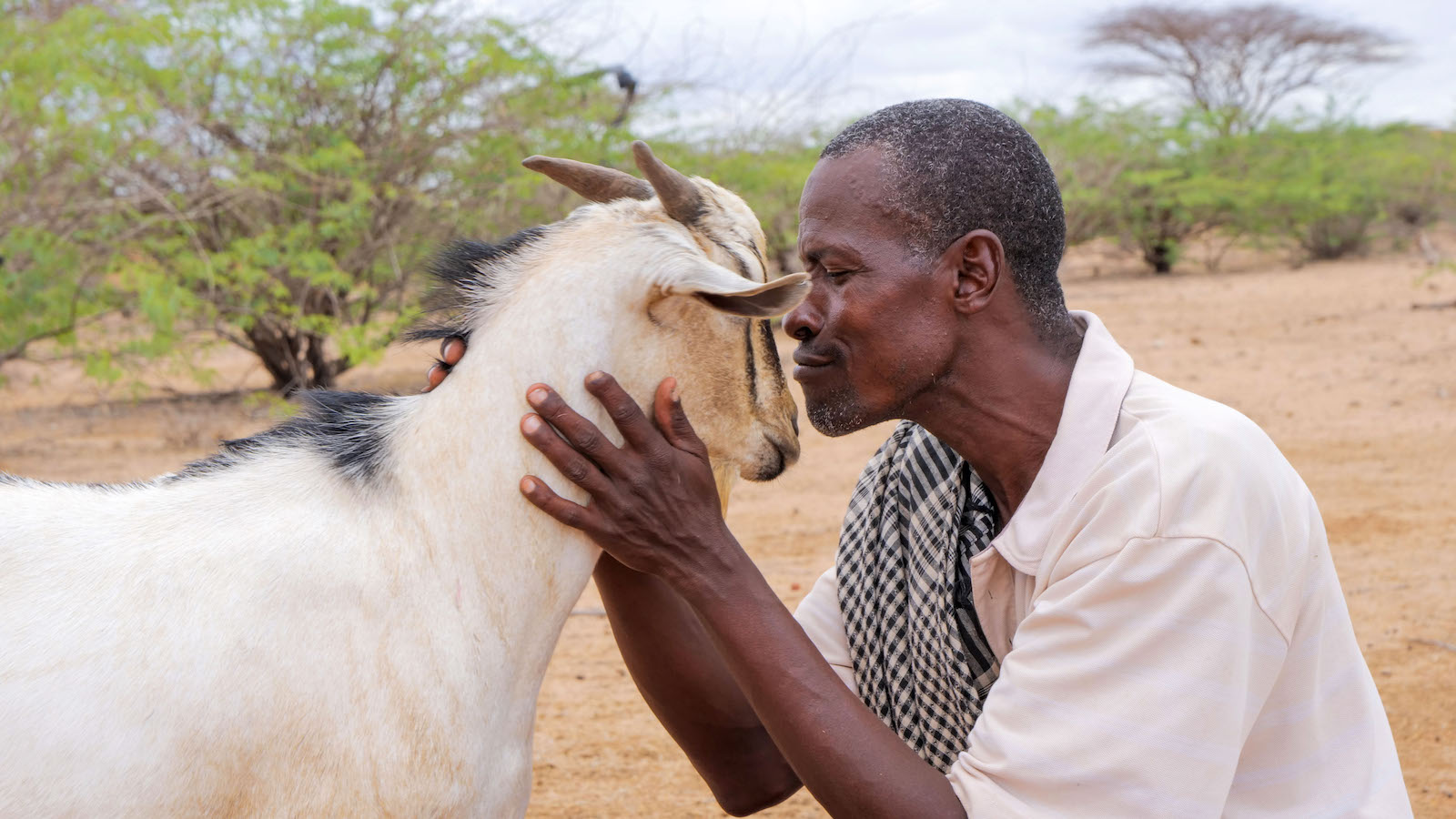
Concern in Kenya puts people at the forefront. Our approach focuses on mobilizing citizen participation, supporting communities as they increasing economic stability, and paving the way for children to access free, quality education.
-
South Sudan

