


Emergency WASH and Cholera Response in Sila Province
The challenge
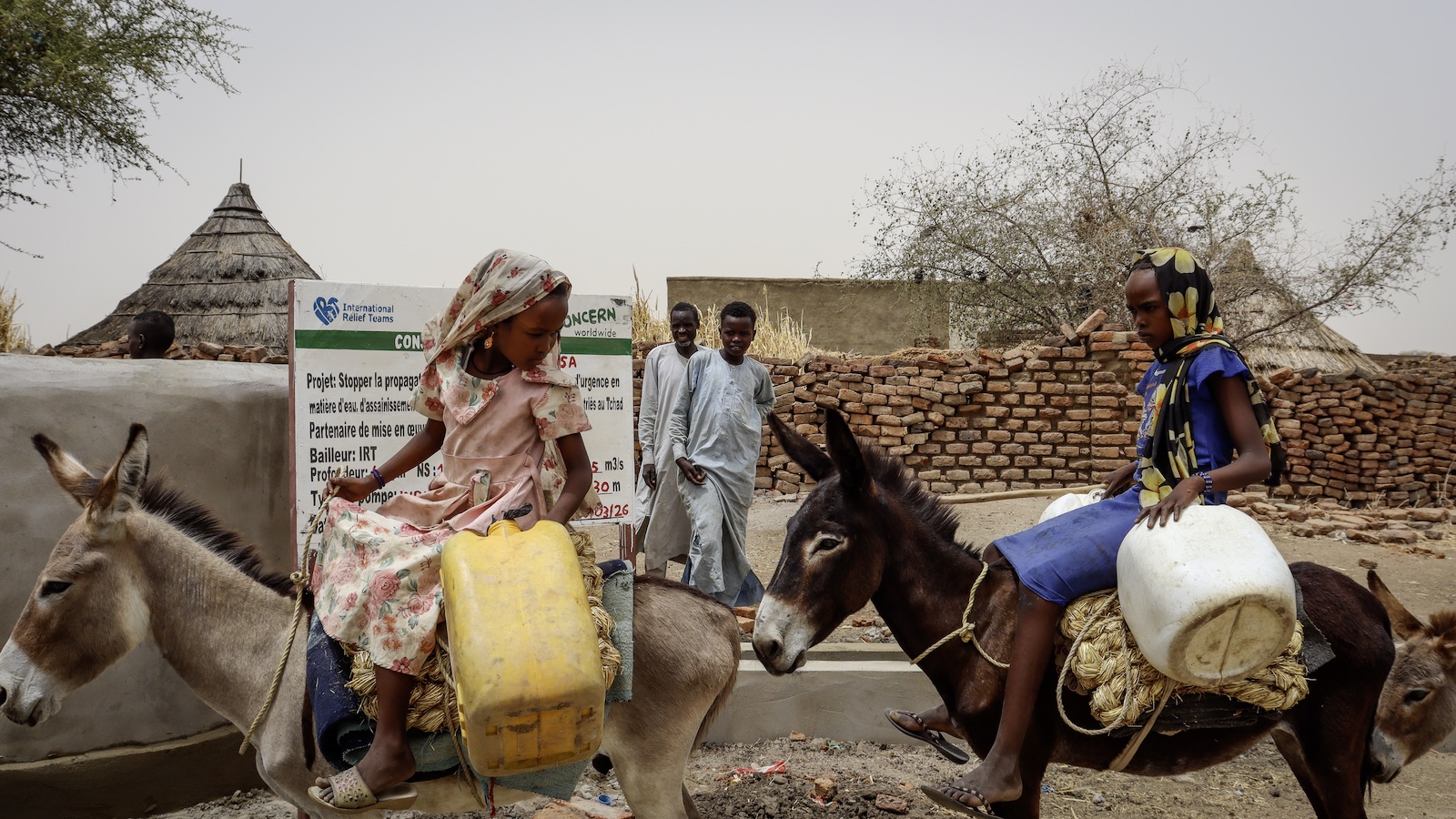
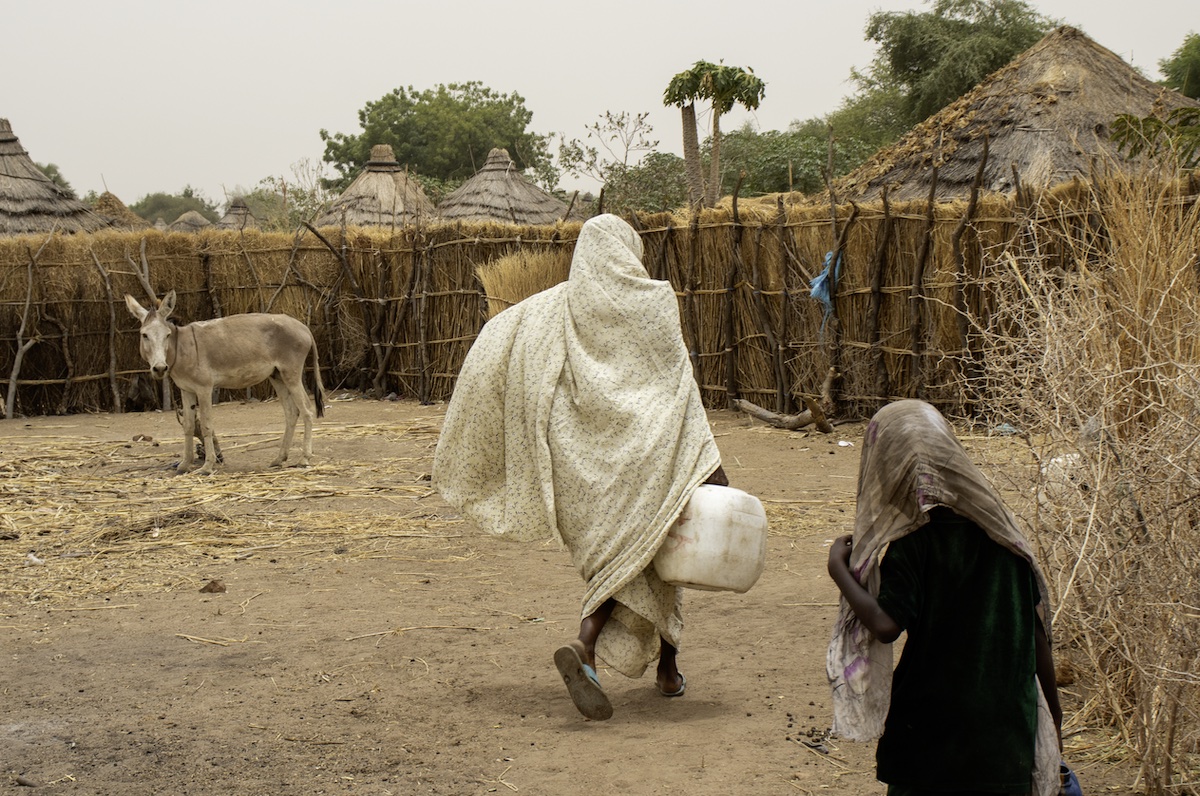
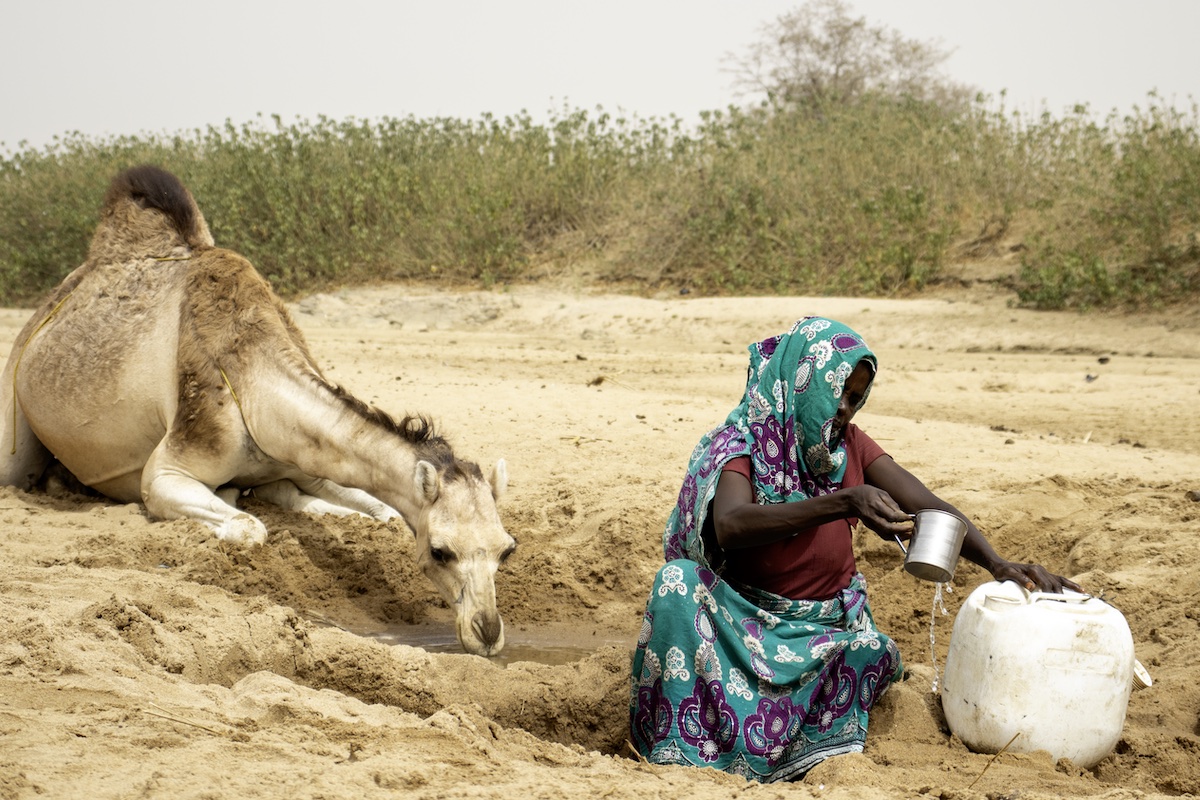
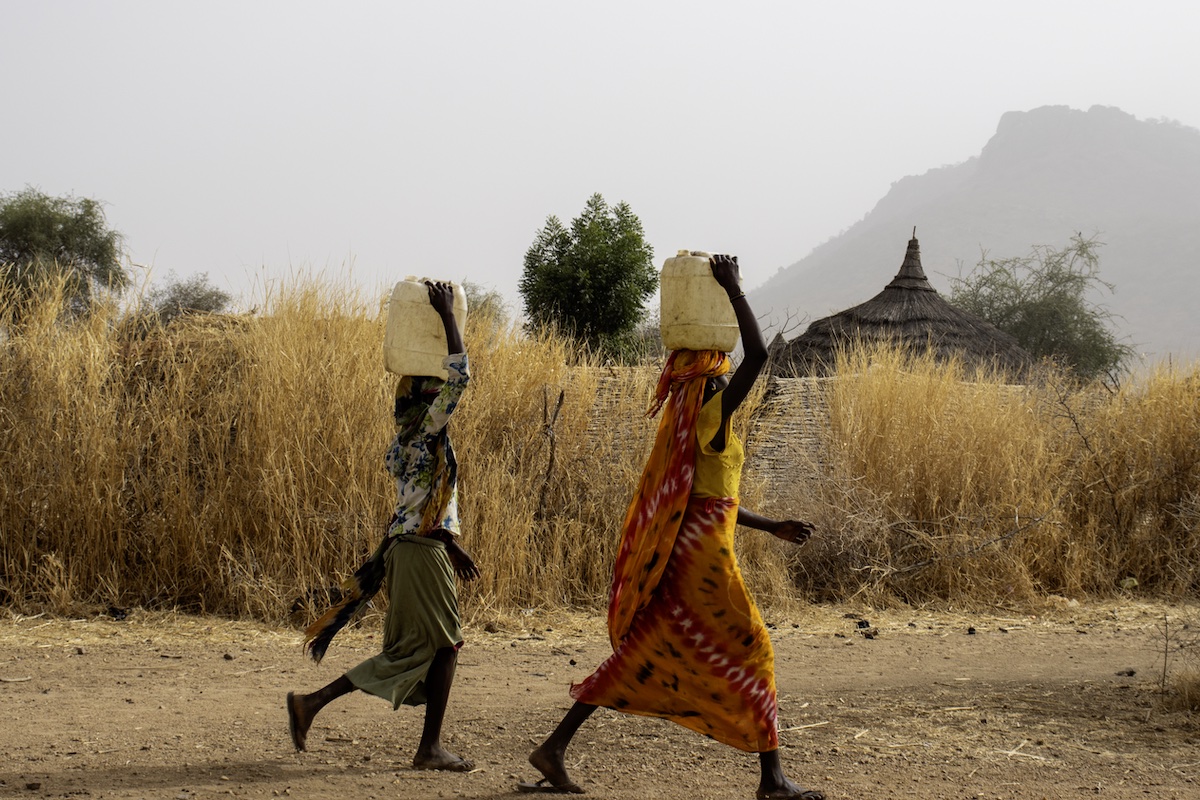
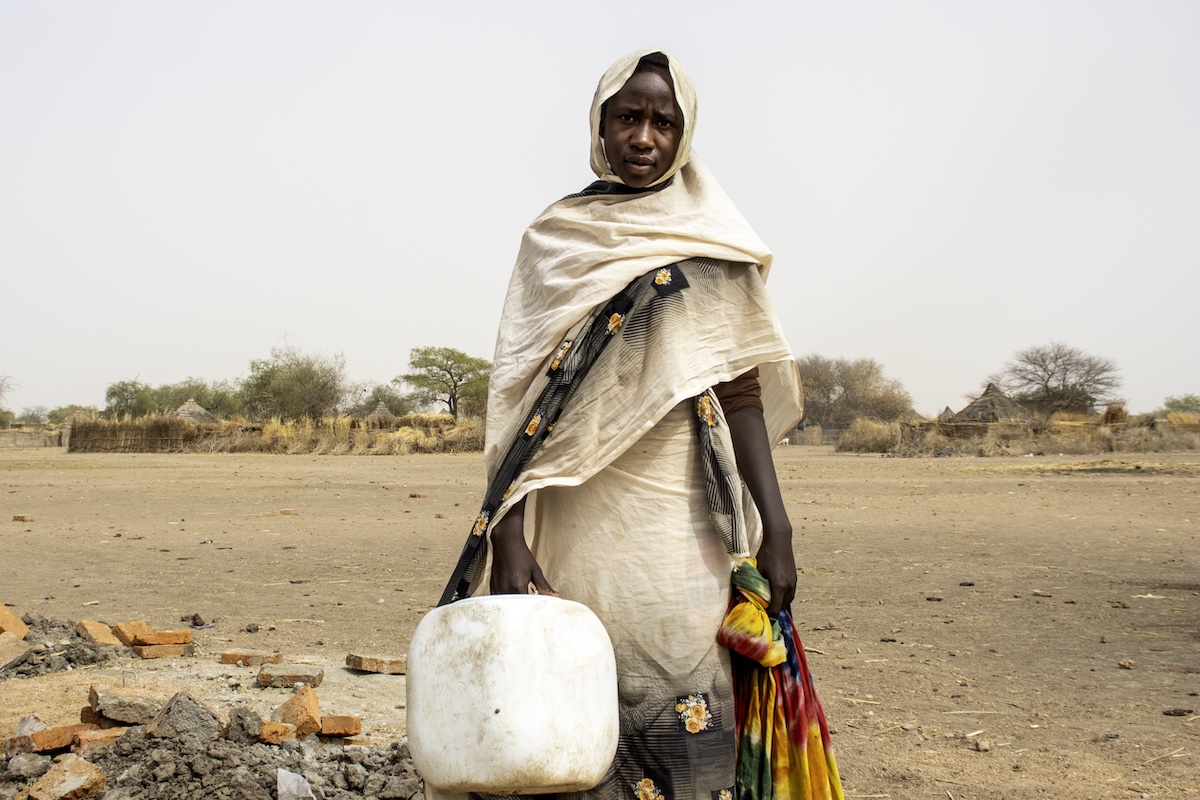
Eastern Chad is at the center of the world’s largest displacement crisis, with more than 930,000 people arriving from Sudan since April 2023, including over 310,000 Chadian nationals who had been living there prior to the conflict. The region is now host to a major network of refugee camps and displacement sites that provide crucial shelter to civilians, but have also placed stress on safe water coverage. In Sila province, just 16% of residents have access to safely-managed water, leaving many communities forced to rely on unprotected, contaminated sources.
In tandem with this, a global cholera outbreak has continued to spread over the last few years. The first cases in Sila province were detected in July 2025. Within a month, the region had nearly 500 suspected cases and 30 recorded deaths (a fatality rate of 6.2%). Health facilities in areas like Sila, Ouaddaï, and Wadi Fira were being pushed to their limits, creating the ideal conditions for further spread of the disease.
Concern in Chad
Concern is one of the few humanitarian organizations that has maintained an uninterrupted presence in eastern Chad for nearly 20 years. We were also among the first organizations to respond to the influx of Sudanese refugees and Chadian returnees in 2023 and lead the triple-nexus response in the area (covering humanitarian aid, development support, and peacebuilding activities).
With funding from the European Union, we had already been delivering water, sanitation, and hygiene (WASH) support in the area. Through this program, we became the only humanitarian organization in Sila province with an in-house drilling capacity.
This unique capacity has allowed us to drill boreholes in even the most complex geological conditions while saving costs and implementation time for emergency WASH responses, since we don’t have to rely on external contractors.
It also fits in with larger WASH responses in Sila: In addition to our EU-funded work supporting the drilling and rehabilitation of boreholes and other aspects of cholera response, we also have funding through the Sahel Regional Fund and UK Government to provide an integrated program in Sila covering health, nutrition, WASH, protection, and social cohesion.
Drilling holes to fill in the missing gaps
Every $1 invested in disaster risk reduction can save $15 in recovery costs, and while many of our current WASH programs in Chad have cholera-focused components, there was still more that could be done in these critical early days of the outbreak. That’s where International Relief Teams came in.
A global humanitarian organization bringing life-saving relief and long-term support to families in crisis or living in poverty, IRT responds to crises with their own long-term programs and by supporting partners that already have the networks, infrastructure, and expertise to deliver aid quickly and effectively.
With our long track record in Chad, Concern was an ideal partner for IRT to respond to the growing emergency WASH needs in Sila, and to help prevent a new outbreak from turning into a catastrophe.
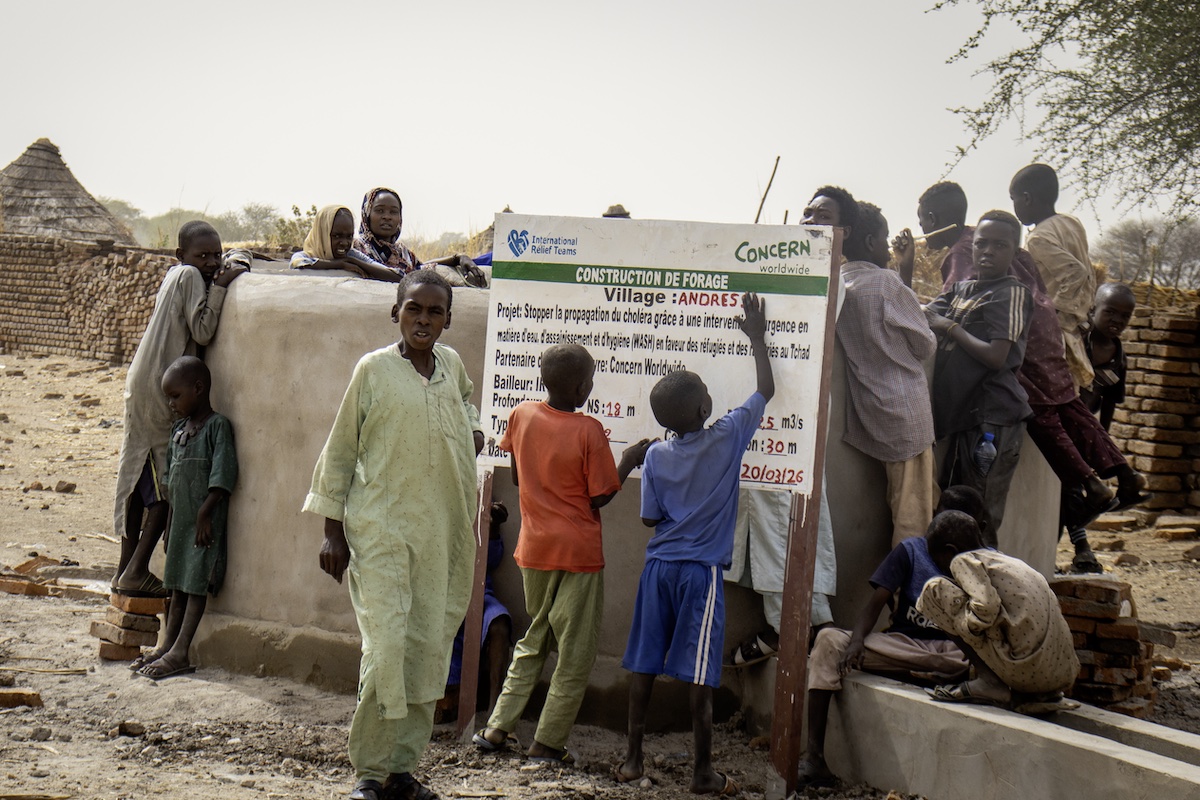
IRT supported a project to drill and operationalize additional boreholes in the region, dramatically enhancing safe water supplies for vulnerable communities.
Six months, seven boreholes
Concern and IRT’s partnership began in October 2025 and continued for six months. Over that time, we focused on three key areas of support:
- Improving access to safe water
- Strengthening hygiene practices
- Implementing chlorination activities to enhance water quality
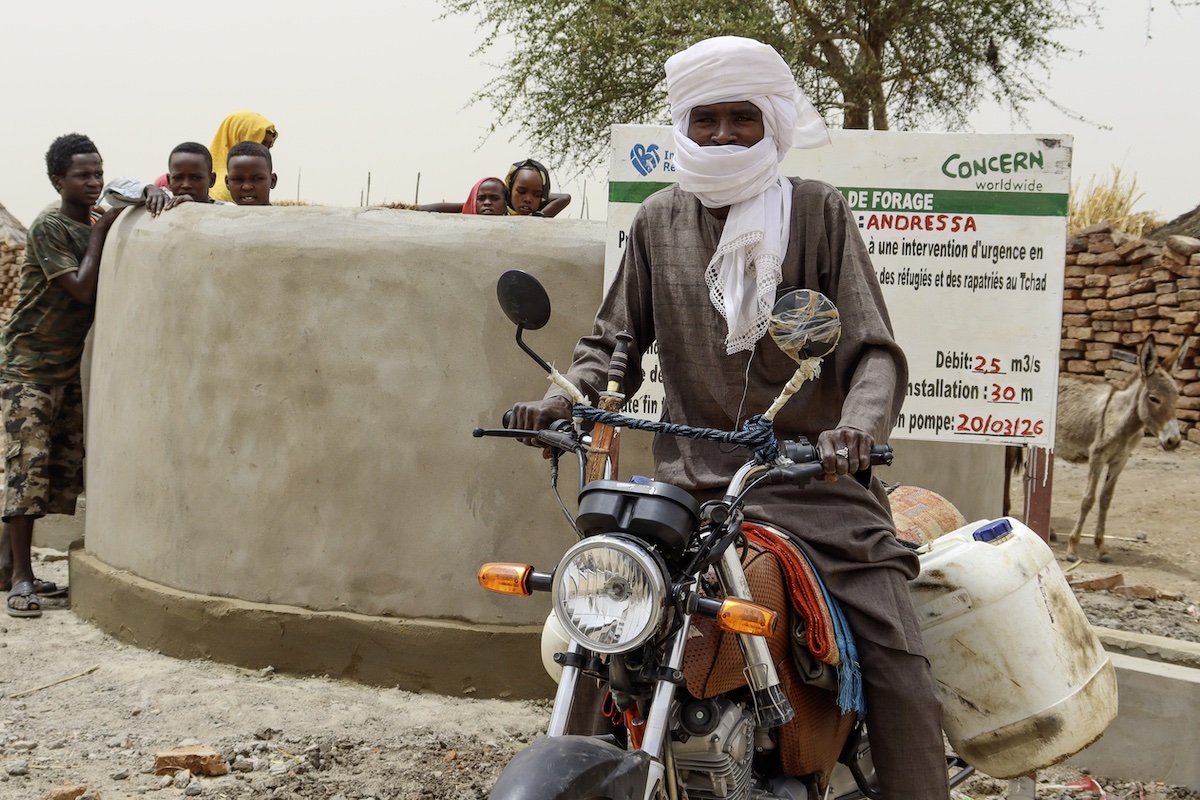
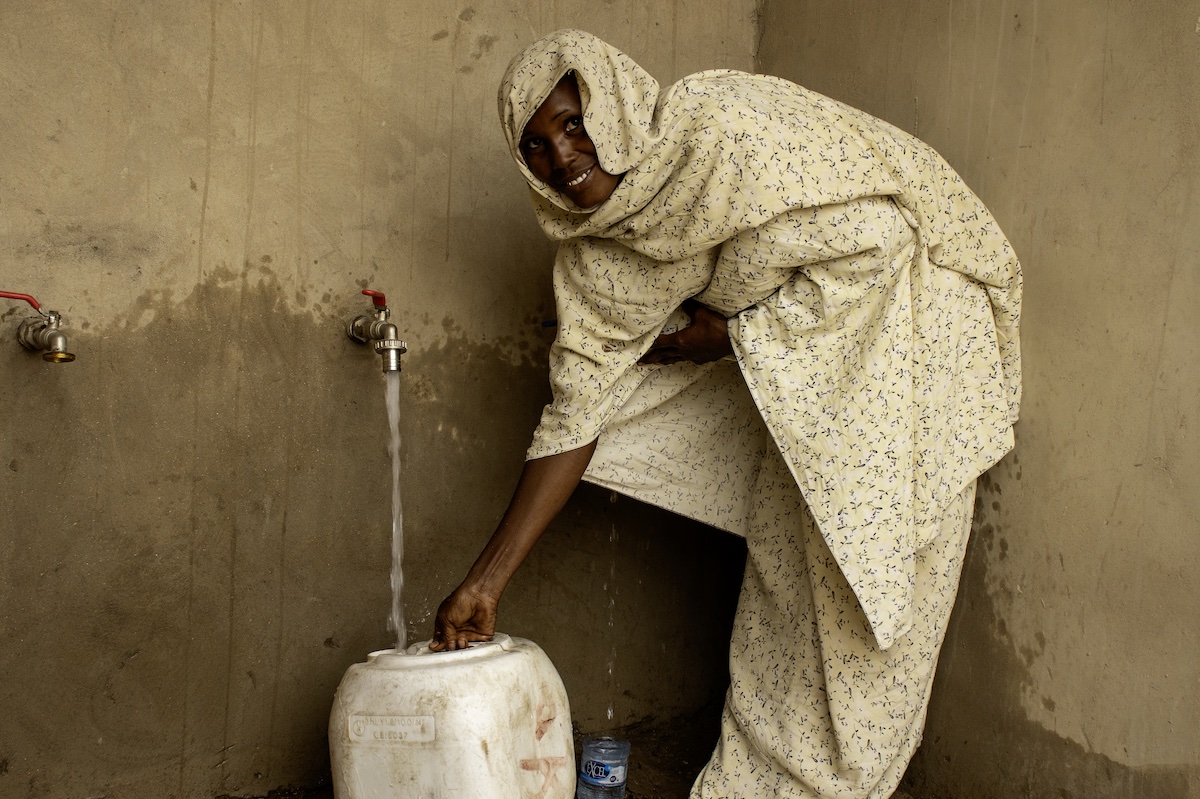
Most crucially, IRT’s investment supported the construction of seven new boreholes in Sila. With these boreholes, Concern installed water taps and hand pumps and provided water treatment kits.
To ensure that these water points could be maintained and sustained without our ongoing support, we also set up and trained volunteer maintenance and water management committees, which community members were eager to join. We also led community awareness campaigns over healthy hygiene habits and cholera prevention and awareness.
Above and beyond
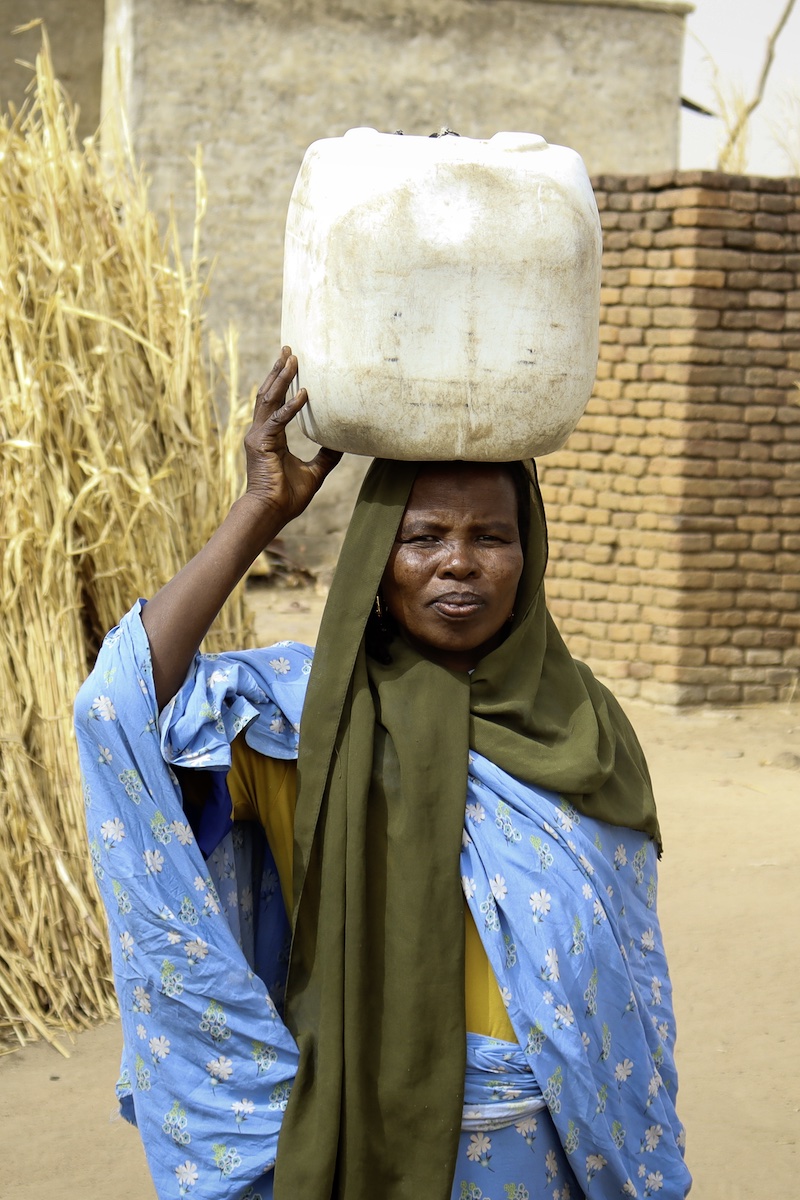
After just six months, the results were striking. The new boreholes have reached over 25,000 community members, not just with clean water, but also a renewed sense of hope and motivation even amid some of the most daunting circumstances.
“It protects us from diarrheal diseases, but it has also greatly improved my family’s life,” says Sila resident Abakar Nour Abdallah. “Today, I feel confident when I bring water home and see my children drinking it.”
“The installation of this well has completely changed our lives,” adds Rahiya Ahmat Issakha, another Sila resident. “Now we get sick less often, and we spend less time searching for water.”
In addition to the boreholes, our hygiene promotion activities exceeded our initial goal of 5,000 participants, reaching nearly 5,800 (including over 3,600 women and 99 people with disabilities). This was thanks in large part to our highly motivated community teams, as well as the increasing population of our areas of work, which enabled outreach to a larger number of participants at a critical time.
The bigger picture
These IRT-funded boreholes have formed part of Concern’s wider EU-supported drilling effort in Chad, which has delivered a total of 50 boreholes across 14 villages in eastern Chad. Our chlorination work, implemented between October and December 2025, covered 21 operational water points (including IRT-supported boreholes) and enabled a rapid improvement of water quality across multiple sources at the peak of the cholera outbreak.
But beyond the immediate access to safe water, this project delivered a multi-year impact, laying important foundations for sustainable water infrastructure in Sila through community management. As Concern continues to work on other projects in the area, we’re also available for follow-up support as needed; our SHL/UK-funded project in the area will provide ongoing technical and material support for maintaining our drilling equipment in the area.
This guarantees not only the high-quality water infrastructure itself, but also its long-term functionality, directly reducing the risk of breakdowns that often undermine the sustainability of emergency WASH responses in the province. It’s this kind of thinking that leads to both frontline emergency response and longer-term resilience.
Funded by

Your support, their world
Programs like our emergency WASH and cholera response in Sila Province are made possible by Concern’s partners as well as our community of changemakers whose tax-deductible gifts help us to reach over 27 million people each year with life-changing and lifesaving work.
To support our work with an individual gift, please use the button below.
To learn more about how your organization can get involved with Concern’s work to make a lasting impact, please contact Katie Waller, Director of Strategic Partnerships, at [email protected].
