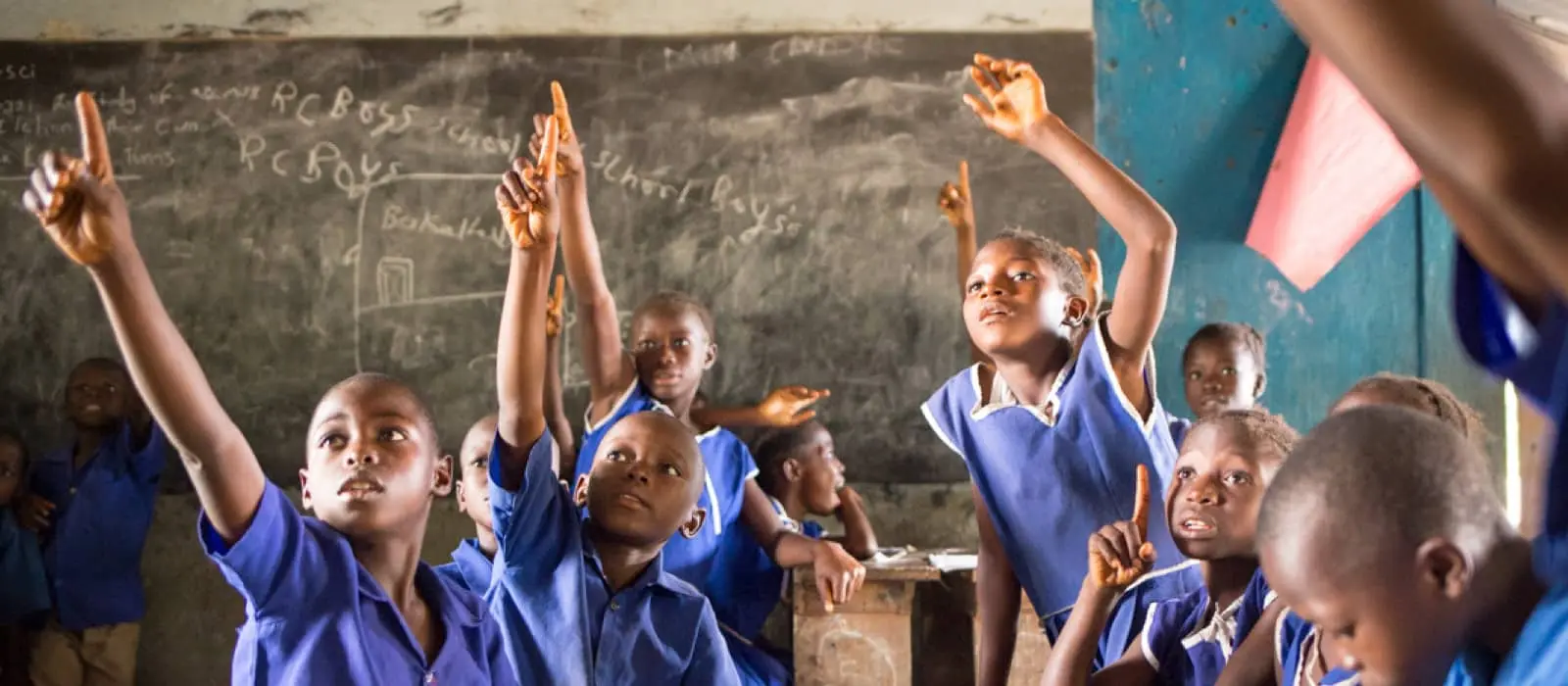
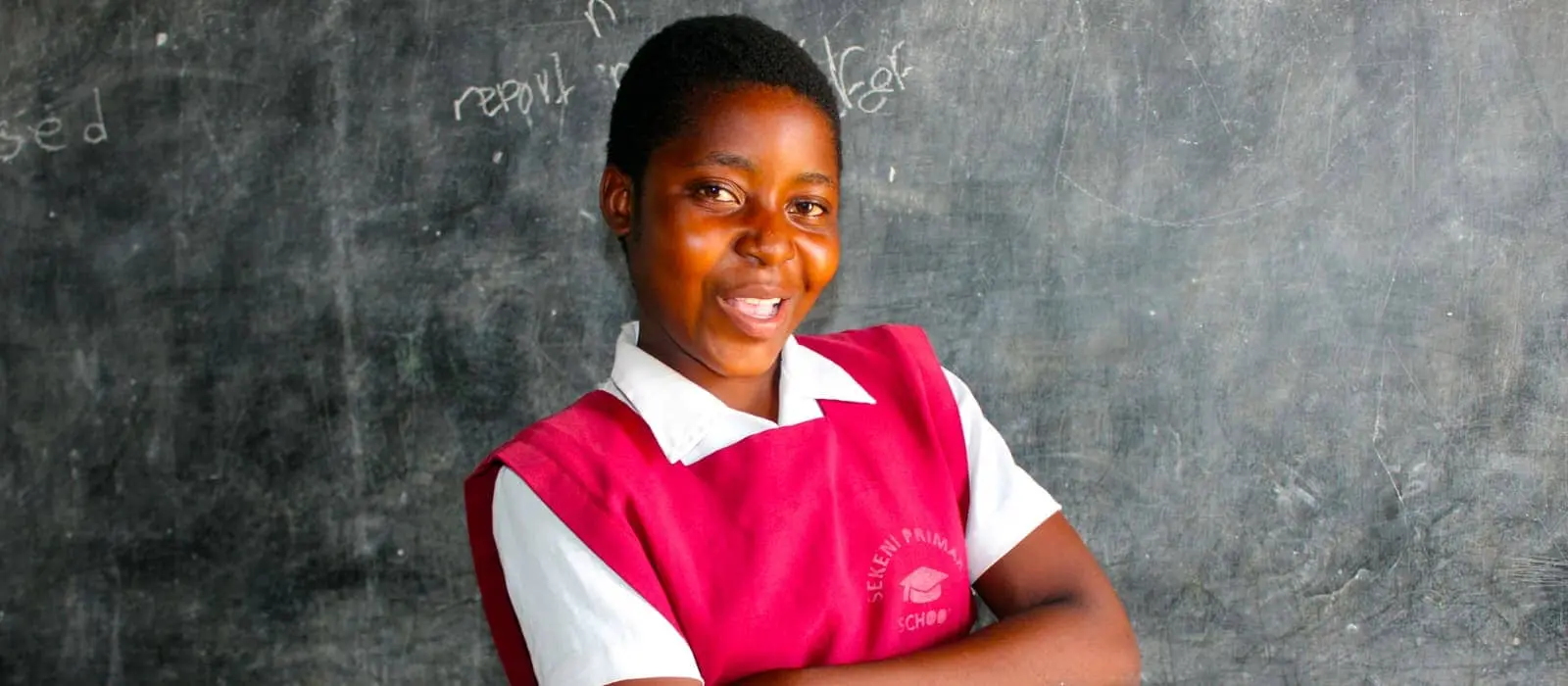
Learning Together
Apprendre Ensemble
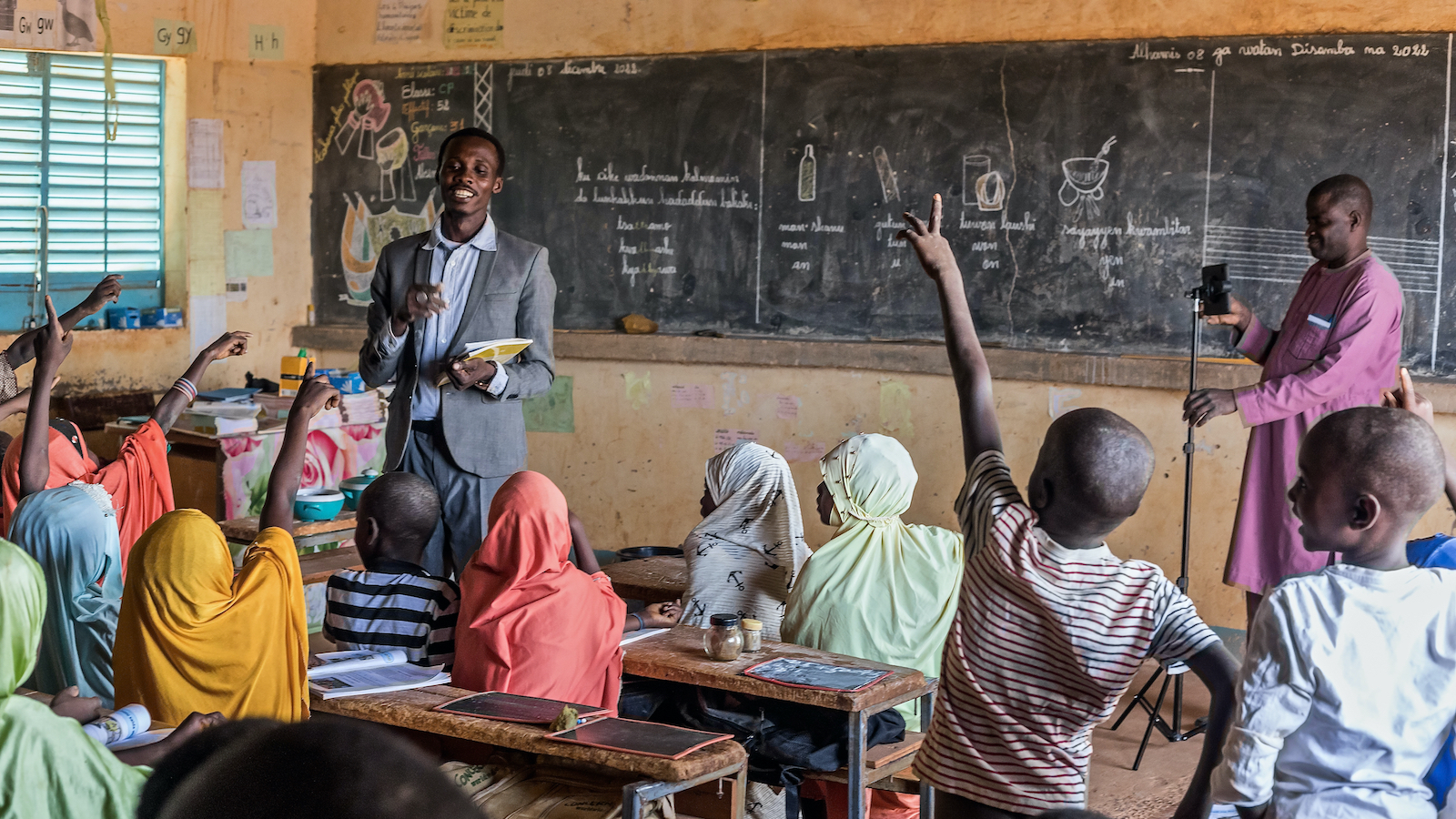
Among the countries where it’s hardest to get an education, Niger is especially challenging. This program, focusing on the regions of Tahoua and Tillabéri, supported 71,000 students over five years.
The challenge
For a while, Niger had been making tremendous strides towards improving its educational enrollment and attainment. Just 50 years ago, only 11% of children in the country were in school. In 2019, enrollment rates were at nearly 78%.
This decade, however, the situation has deteriorated after the COVID-19 pandemic and six years of heightened insecurity in the Sahel. A surge in violence led to mass displacement (with over half a million Nigeriens forced to flee by the end of 2024), and doubled the number of school closures.
Because Niger is a predominantly young country (46% of its population is 14 or younger), closures and forced displacement have a tremendous effect on the classroom. In 2023, school enrollment rates dropped to 58% and, as of early 2024, 940 schools across the country had closed, leaving over 74,000 students missing out on an education.
Maintaining education during emergencies
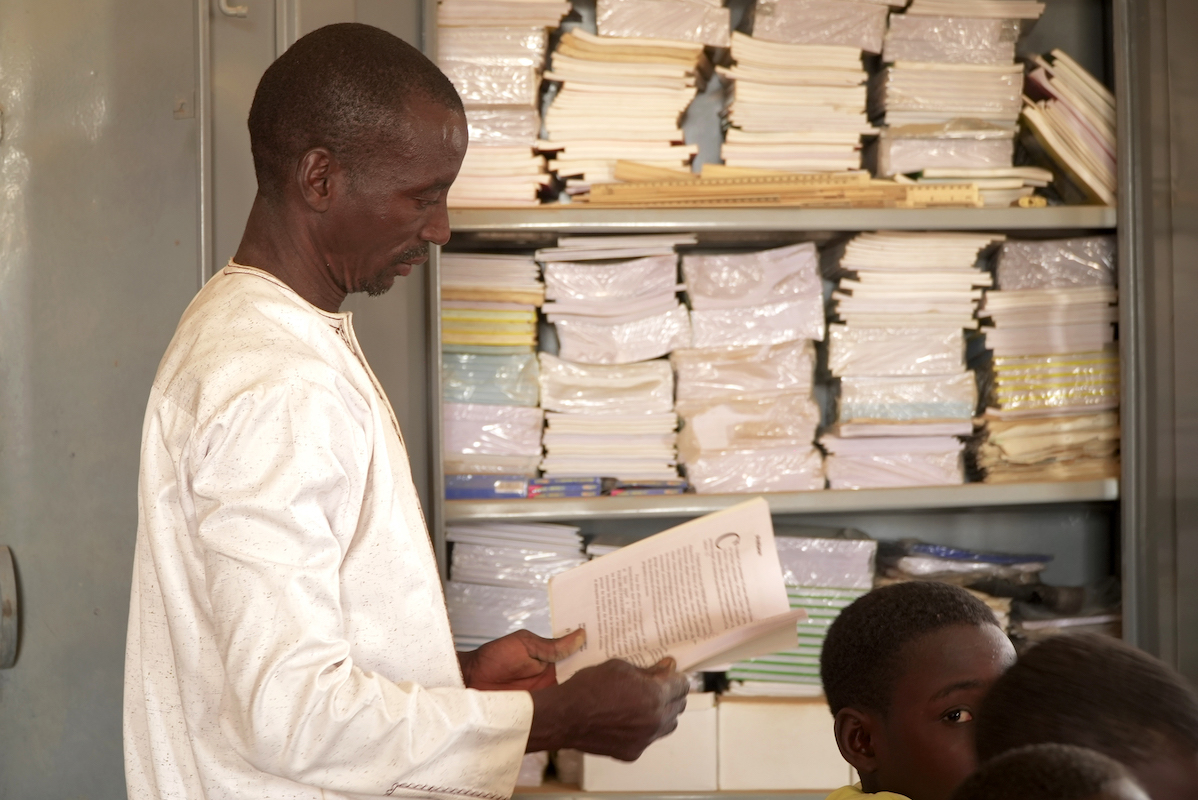
Education in emergencies is a cornerstone of Concern’s work. We’ve kept students in the classroom, literally or virtually, through natural disasters like Typhoon Haiyan, epidemics like the West African Ebola outbreak, and conflicts like the Syrian civil war.
Through increasingly complex challenges, we’ve found ways to still provide children with consistent curriculums as well as the psychosocial support to continue learning even in impossible circumstances. Education is a fundamental right for children, and becomes even more critical during a crisis for the social and emotional growth that are fostered in the classroom.
We’ve also been working in Niger since 2003, and education has been an aspect of our programming in the country for more than a decade. To respond to the increasing conflict and its impact on classrooms, particularly in the Tillabéri and Tahoua regions (which, taken together, account for more than 78% of all internally-displaced children in Niger), we designed a program to meet the overlapping challenges in the country.
Social cohesion through education
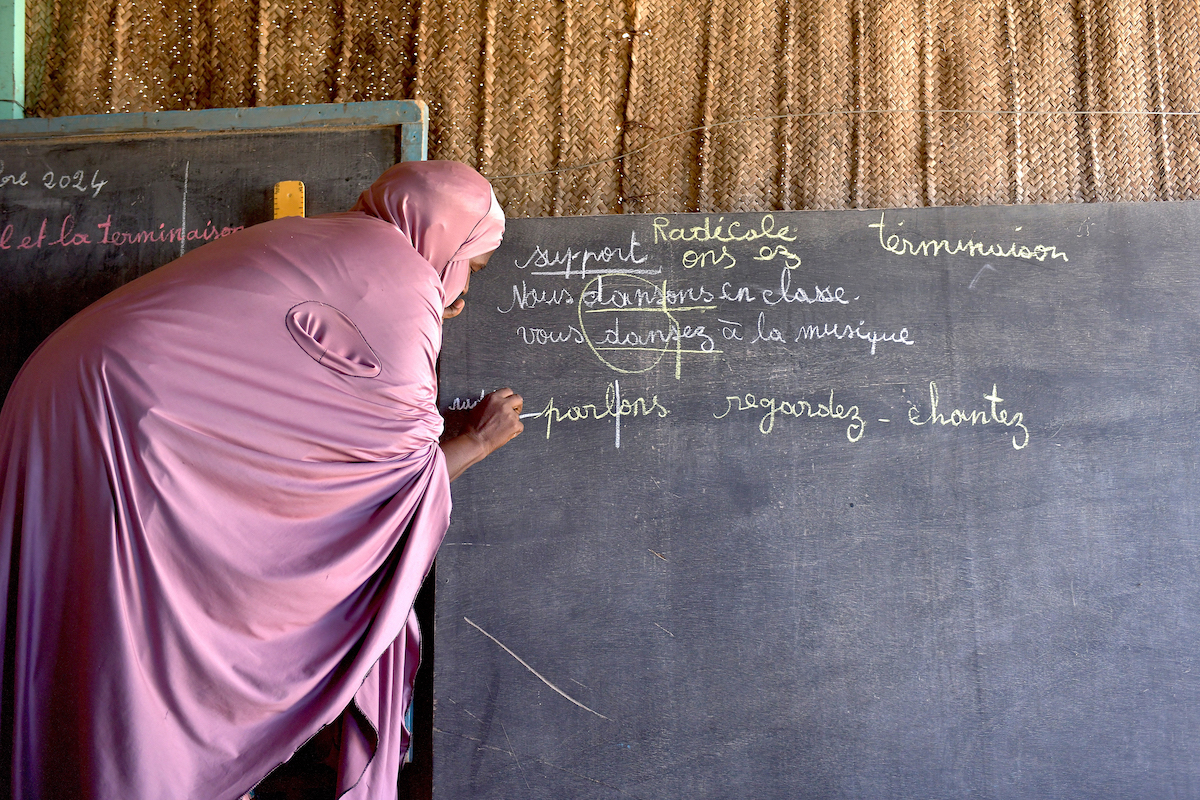
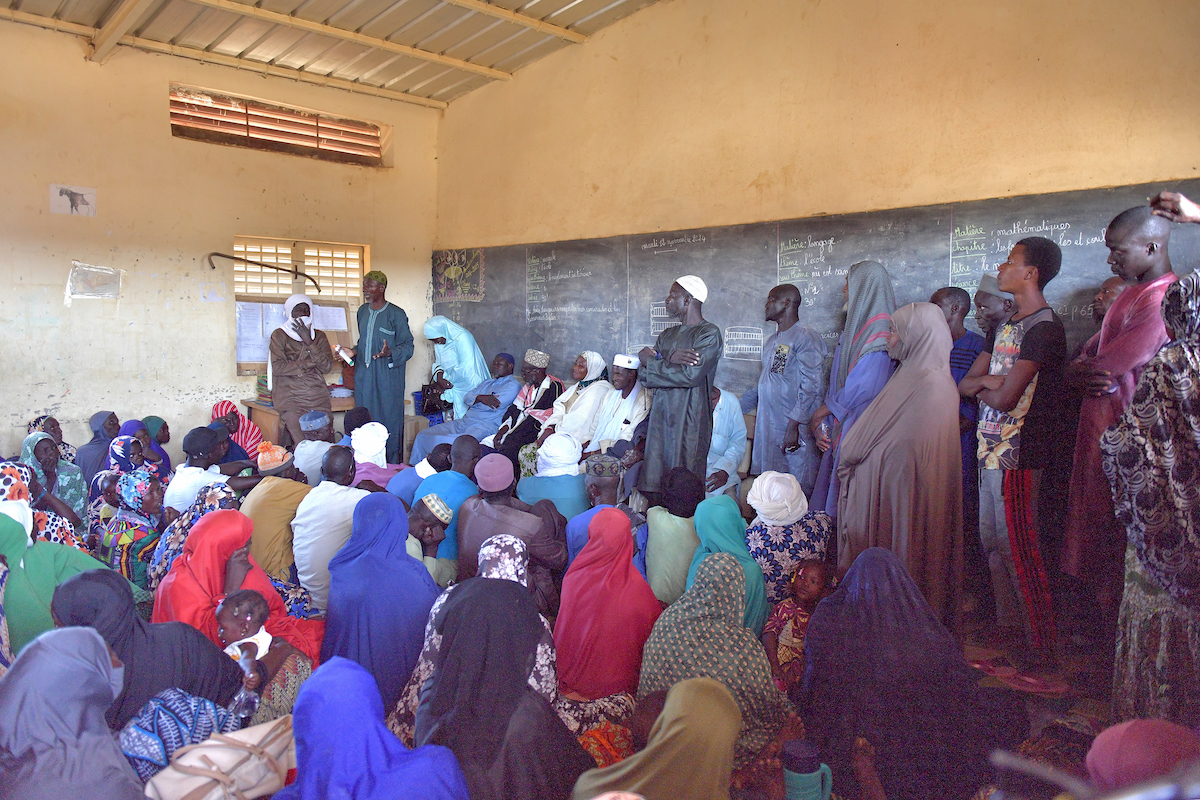
Concern launched Learning Together (also going by the French name Apprendre Ensemble) in October 2020, with funding from the French Development Agency (AFD). The program was designed to support internally displaced children, refugees, and children in host communities — many of whom had been affected by conflict, displacement, and prolonged school closures.
From the outset, the project aimed to ensure uninterrupted access to quality education by maintaining the continuity of education in areas affected by insecurity and strengthening education systems in host communities to manage the increases in enrollment.
To achieve this overarching goal, Learning Together was structured around three key objectives:
- Providing children with safe and protective learning environments that promote both education and social cohesion
- Delivering radio-based learning to children in areas where schools were closed due to security concerns
- Strengthening the capacity of schools and surrounding communities to prepare for, manage, and respond to crises
Concern worked closely with local primary education authorities, as well as municipal and regional stakeholders, ensuring alignment with their mandates and priorities. These stakeholders were actively engaged throughout the program, particularly in community mobilization efforts and capacity-building for local groups.
Access, quality, and wellbeing
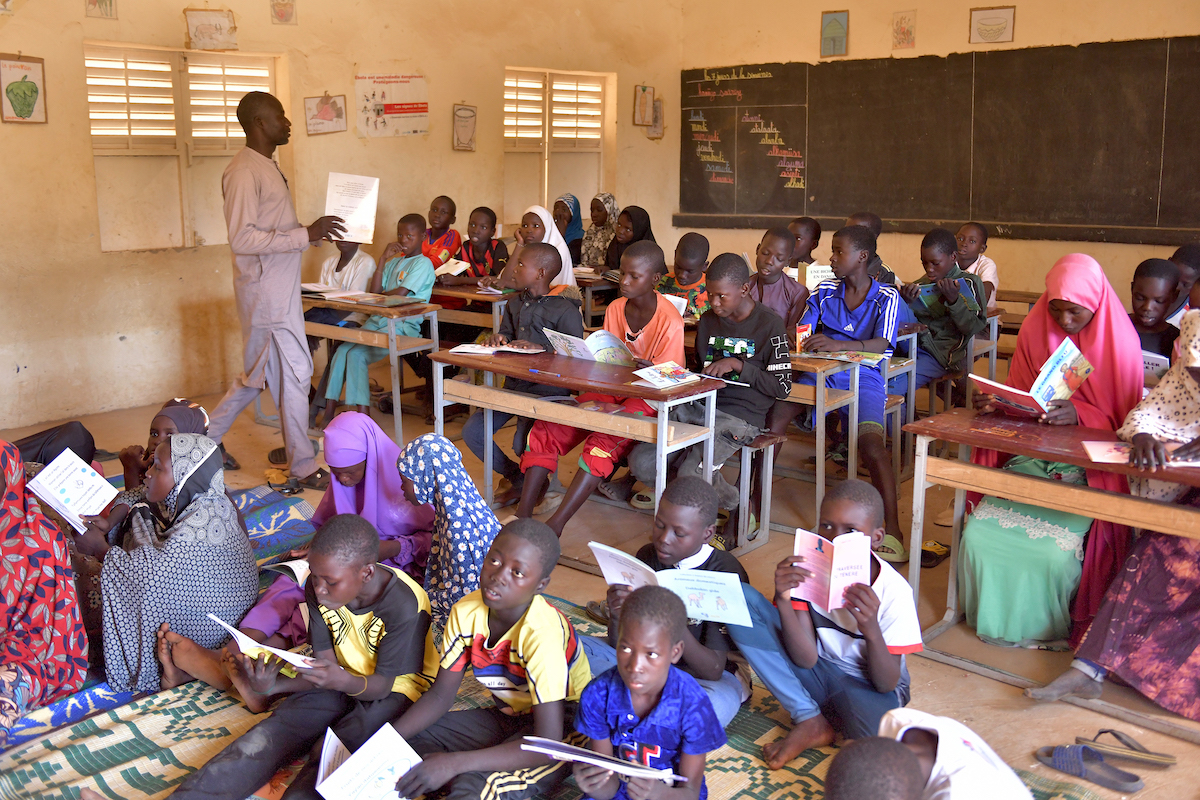
Learning Together’s activities and approaches centered on three pillars: access to education, quality of education, and the wellbeing of students.
Adapting to unexpected challenges
Between 2020 and 2025, the security situation in Tahoua and Tillabéry worsened, leading to further attacks on education and school closures. In early 2025, this included many schools participating in Learning Together, with 37 of the 200 Concern-supported schools in Tillabéry impacted by the conflict by early 2025.
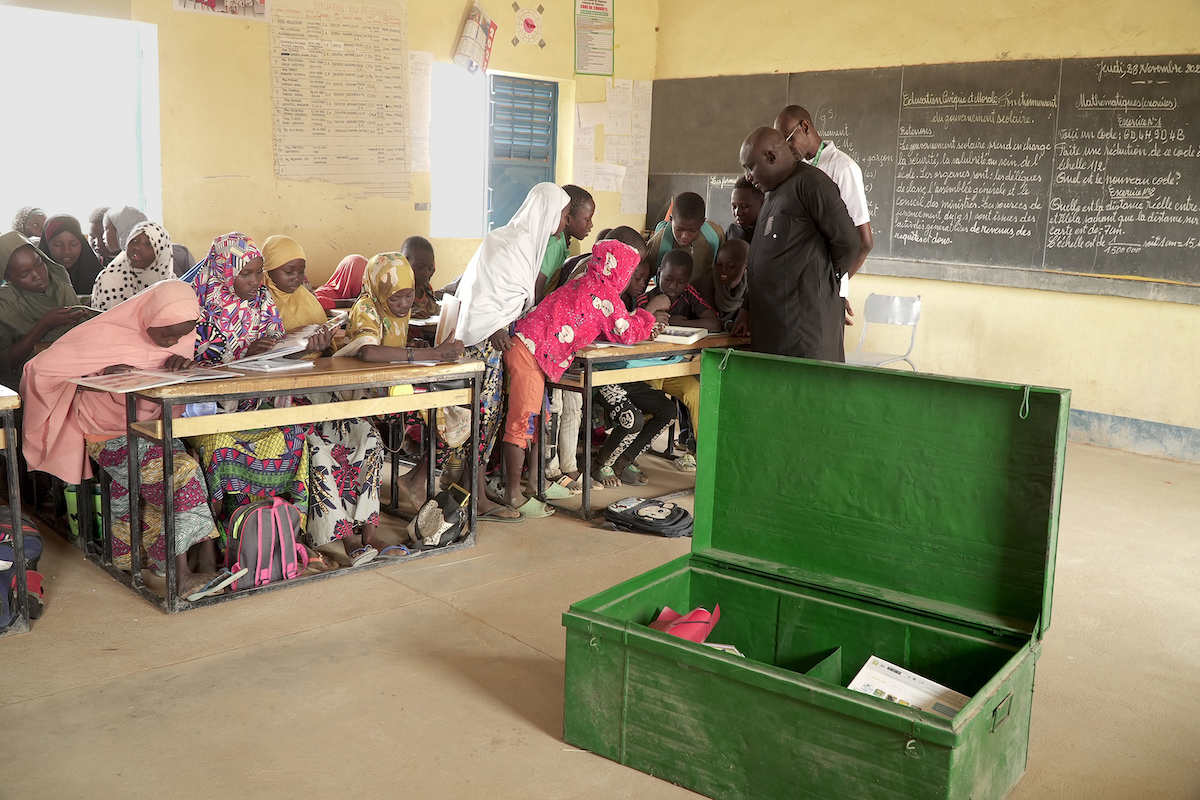
Fortunately, the program was built with flexibility and adaptability in mind and we were able to adjust many approaches to keep students, teachers, and staff safe. Having piloted our new interactive audio lessons in 2022 and 2023, we increased this program in terms of both lessons and reach, going from 16 listening clubs to over 117, which kept 3,000 children studying at pace even with school closures.
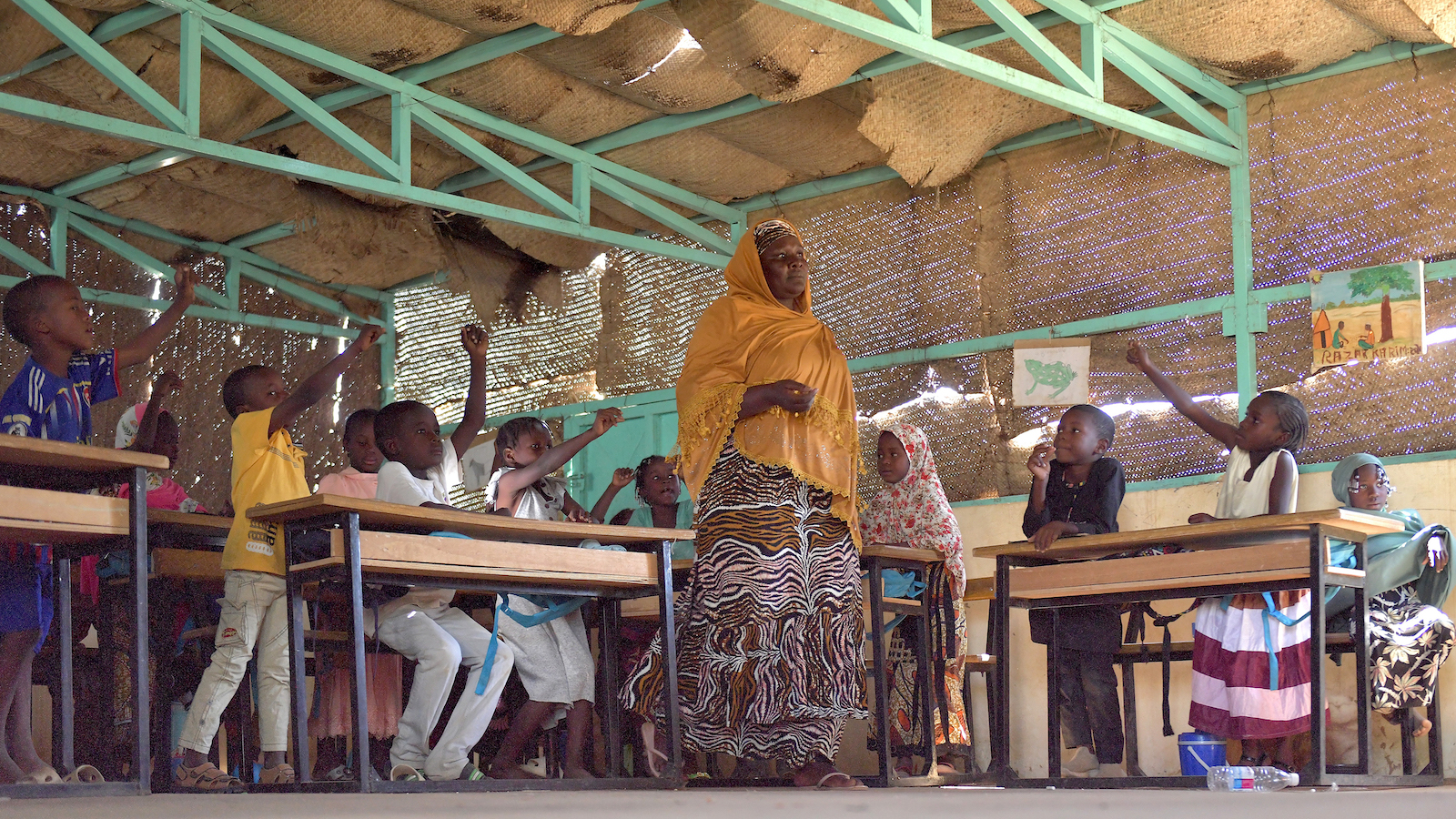
This is also where our distance video coaching for teachers became more popular as well, eventually supporting 164 teachers (and a combined total of 7,110 pupils).
The results
Despite all challenges, Learning Together delivered tremendous results across the program’s five-year run. This included:
- 76,159 students reached
- 250 schools enrolled in the program
Listening clubs and distance video coaching
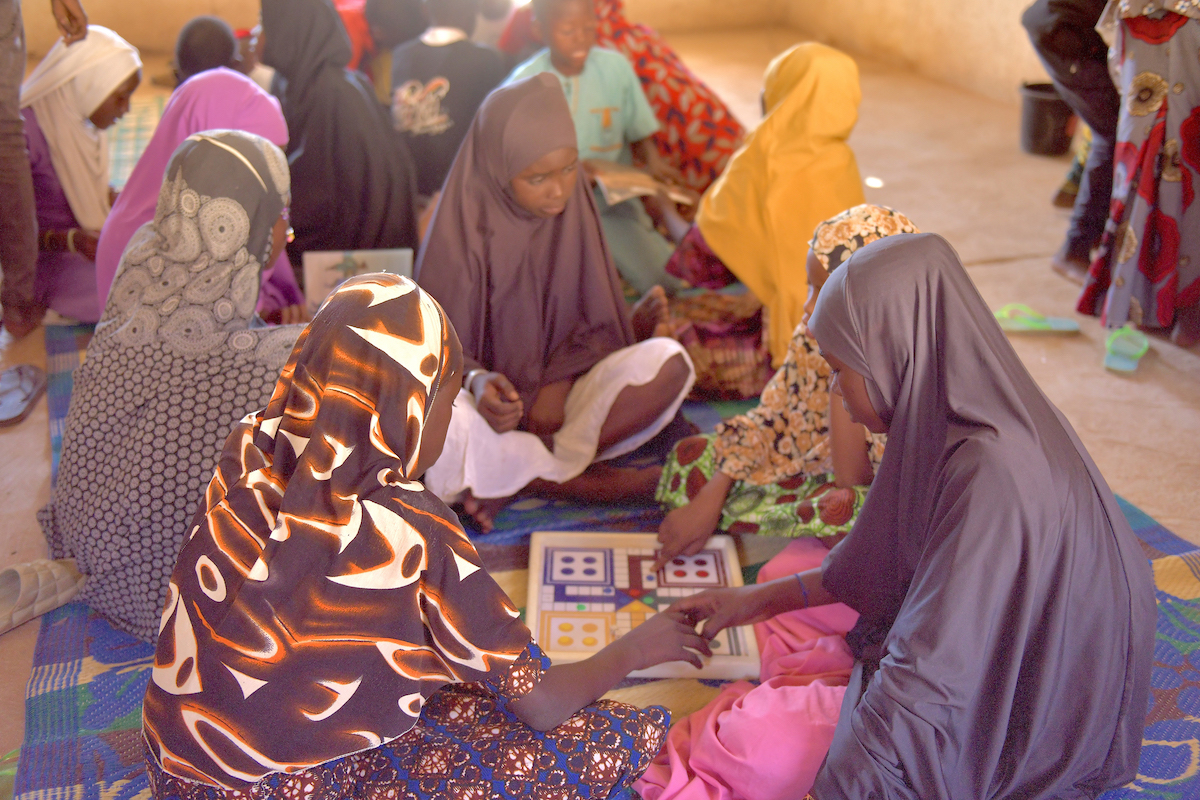
Our interactive listening clubs were a key component of Learning Together and were highly-valued by students. For many, coming together in these small groups was the only chance they had to see their peers and friends. In terms of education, they also made the grade:
- 117 listening clubs established
- Over 3,000 children enrolled
- 91% attendance rates
- 56% improvement in French comprehension
- 72% improvement in math skills
- 164 teachers (representing 7,110 students) supported with distance video coaching
Accelerated learning and bridge classes
Learning together was also impactful in accelerated learning and bridge classes, supporting out-of-school children to catch up on several years of primary education at once and reenter into the formal system. Over three years, we saw the following successes:
- 5,778 out-of-school children enrolled in bridge classes
- 92% completion rate for accelerated learning
- 66% of students who reentered formal schools advanced to the next grade on time, compared to a regional progression rate of 55%
Funded by
Agence Française de Développement (French Development Agency)

Help us make the grade for more children
Programs like Learning Together are made possible by Concern’s partners as well as our community of changemakers whose tax-deductible gifts help us to reach over 27 million people each year with life-changing and lifesaving work.
To learn more about how your organization can get involved in Concern’s work to make a lasting impact, please contact Katie Waller, Director of Strategic Partnerships, at [email protected].
To make an individual gift to Concern, please use the button below.