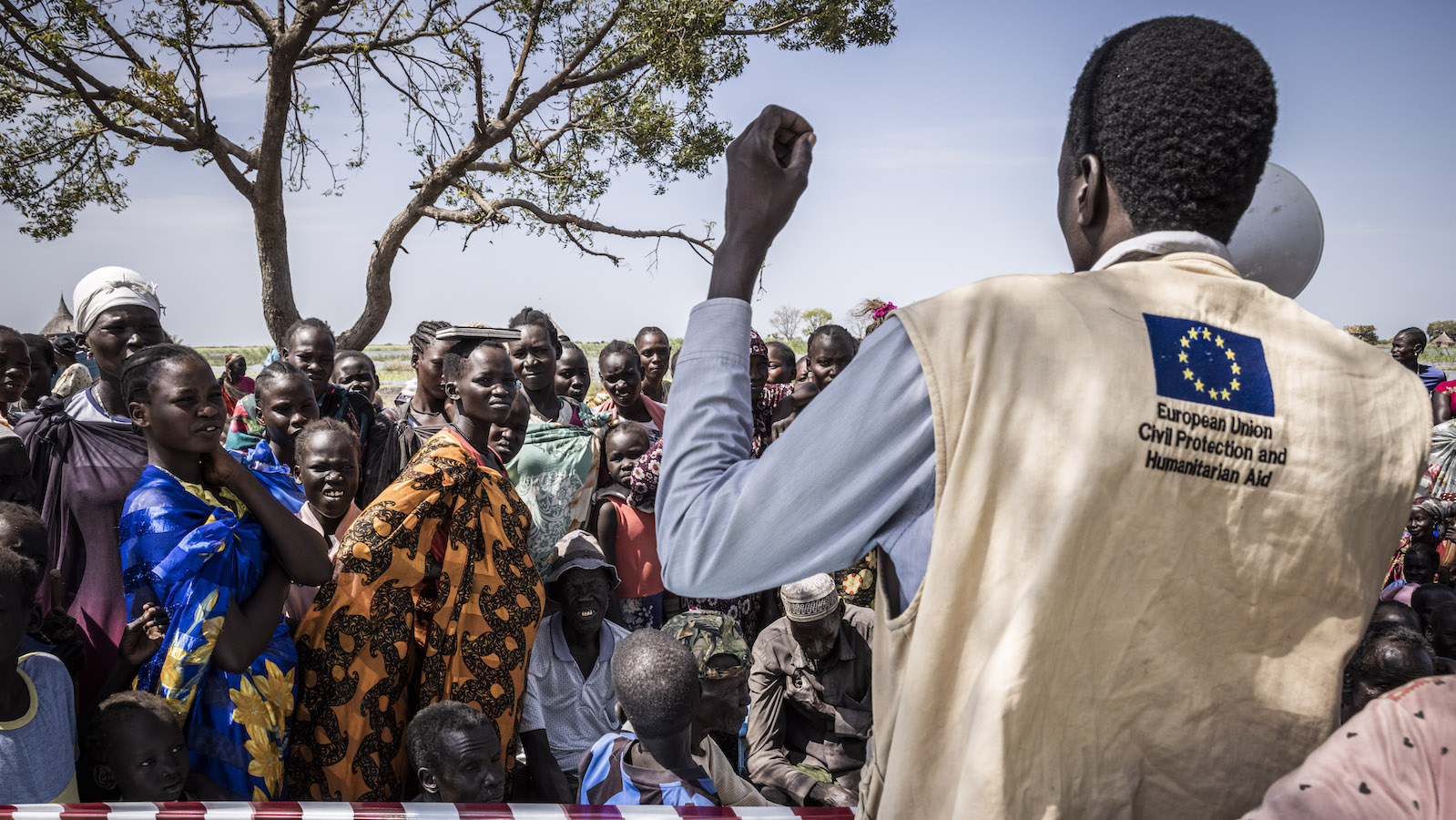
Everything you need to know about Earth Day 2026
Apr 22, 2026
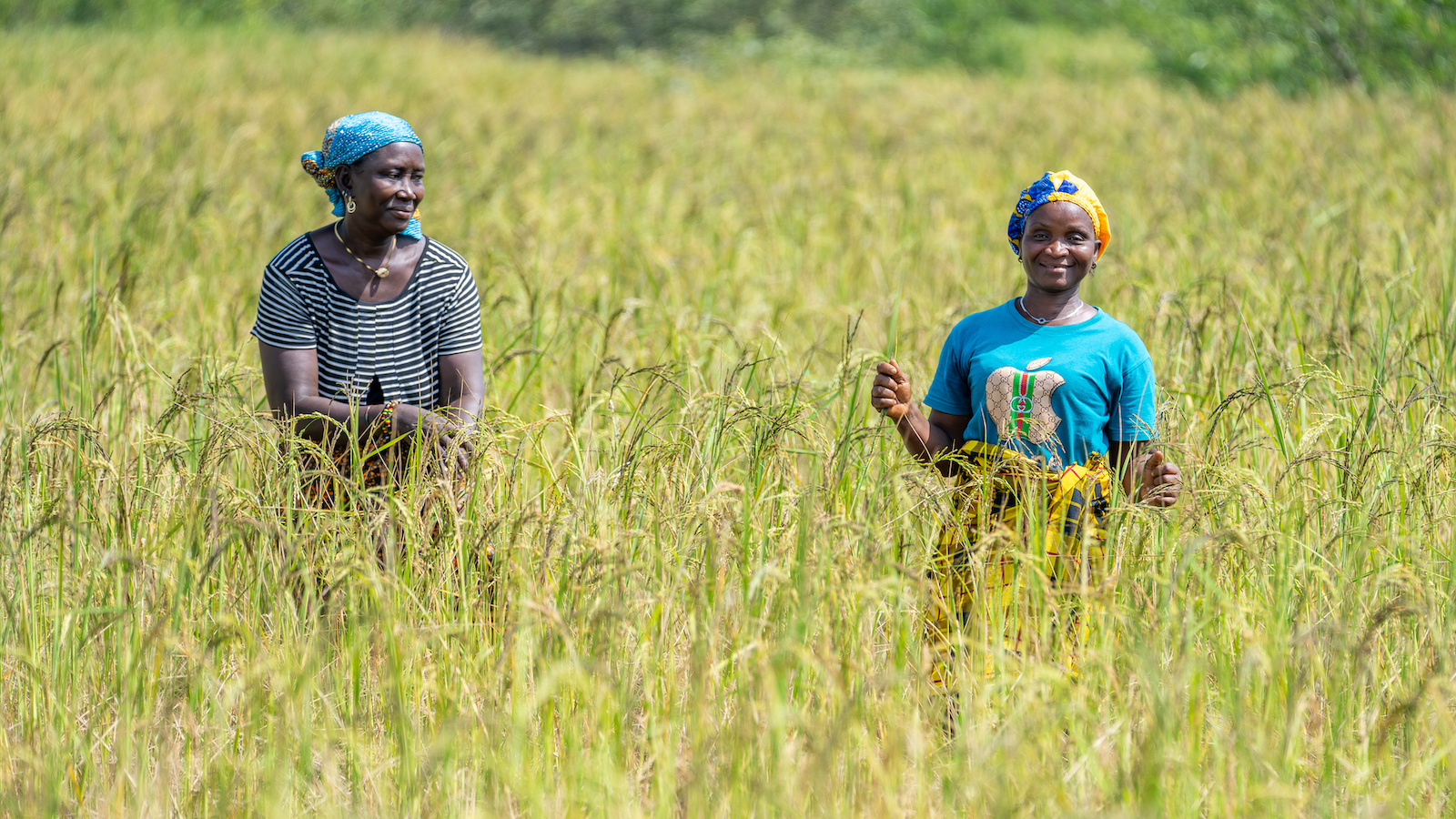
Earth Day takes place annually on April 22 and, in 2026, focuses on community problem-solving. Here’s what you should know.
First celebrated in 1970 and marking the birth of the modern environmental movement, Earth Day takes place annually on April 22 and began in the United States as a bipartisan initiative between Democratic Senator Gaylord Nelson of Wisconsin and Republican Representative Pete McCloskey.
What originally began as a day of campus teach-ins across America has now become a global movement with thousands of official partners. Every April 22, these partners come together to raise awareness for solutions to the most pressing environmental issues and risks of our time.
Here’s everything else you need to know about the holiday’s significance and history, the theme for Earth Day Day 2026, Concern’s work with vulnerable communities fighting environmental risks around the world, and how you can get involved.
What is the theme for Earth Day 2026?
This year’s Earth Day theme is “Our Power, Our Planet.” The Earth Day Network (the organization behind the holiday) explains that this is linked to community-based solutions to environmental risks, noting:
“Environmental progress doesn’t depend on any single administration or election. It’s sustained by daily actions of communities, educators, workers, and families protecting where they live and work.”
Ultimately, community-based solutions are among the most important for climate adaptation and disaster risk reduction. They promote ownership over problems and processes, and tailoring solutions to the people who have to live with (and implement) them every day ensures sustainability over time. They’re also often less expensive and more effective strategies.
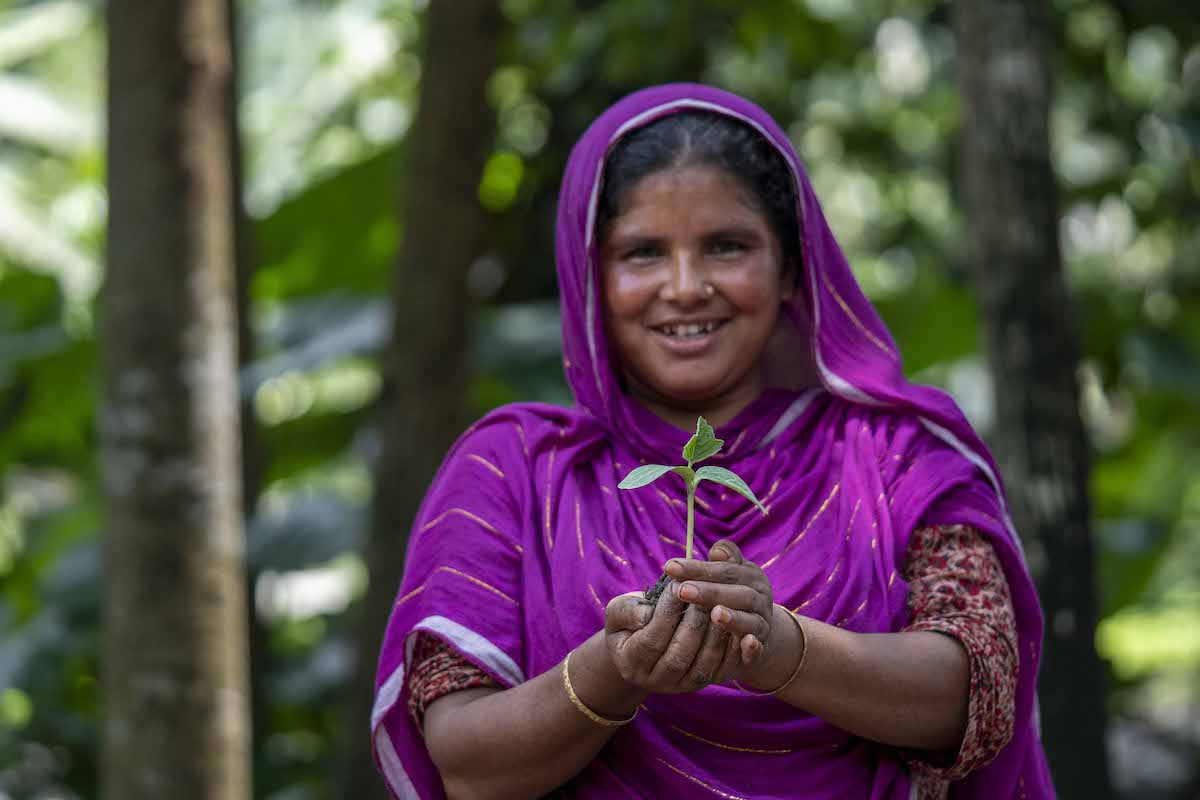
Why is Earth Day important?
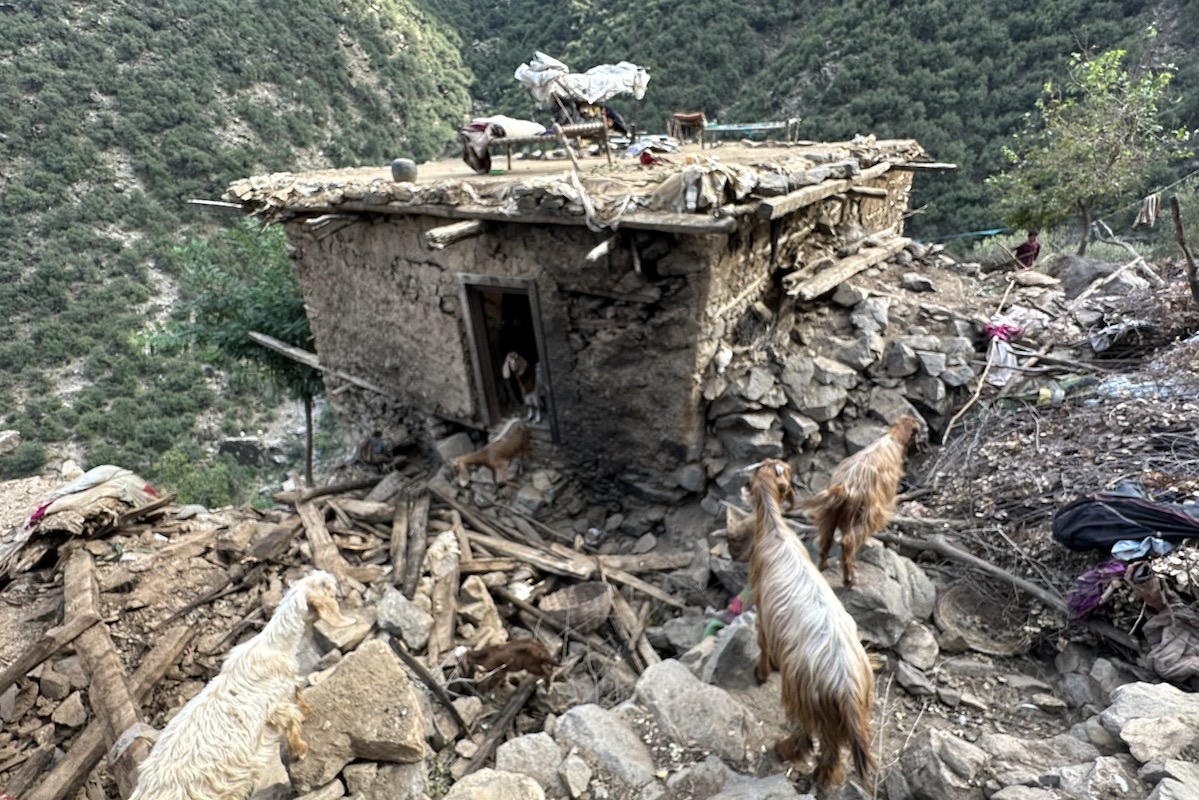
According to the World Economic Fund’s 2026 Global Risks Report, extreme weather events are the third most-pressing issue the world is currently facing, just behind economic hostilities and armed conflict.
In many countries, natural disasters are happening more frequently, and at a greater impact. The WEF also notes that economic losses are on the rise as a result of these disasters, with the average five-year costs of disasters in 2024 roughly double what they were in 2004.
These economic losses hit the most vulnerable countries, communities, and families the hardest. Often, families will lose everything in a flood, or be set far behind by a series of failed rainy seasons. Without any additional resources to fall back on, these events—whether acute or protracted—can leave them trapped in a vicious cycle of poverty.
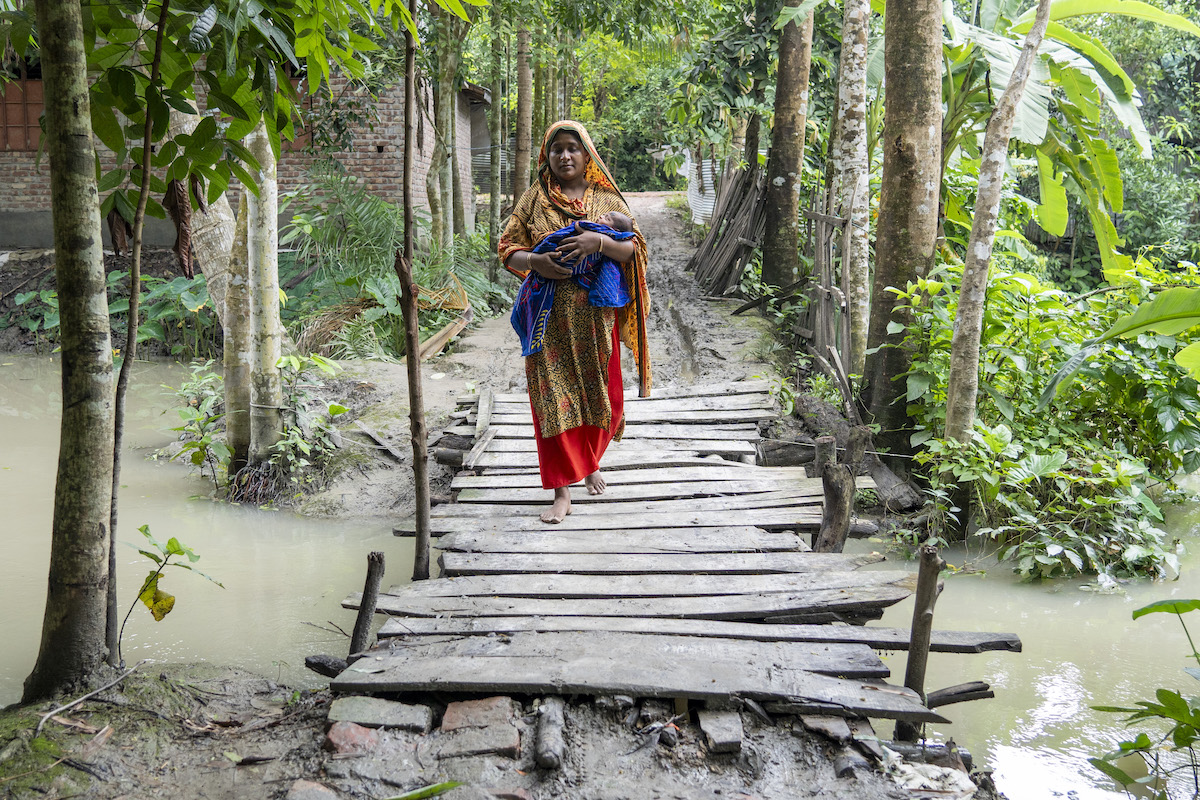
Earth Day at Concern
Community-based solutions to many of the causes of poverty have become more reliable, effective, and efficient. We’ve worked with these solutions at Concern for decades (and, to some degree, since the first years of our work). We often find, when we put community members in charge of designing their own solutions, that they know what needs to be done—they just need the financial, technical, and logistical support to make it happen.
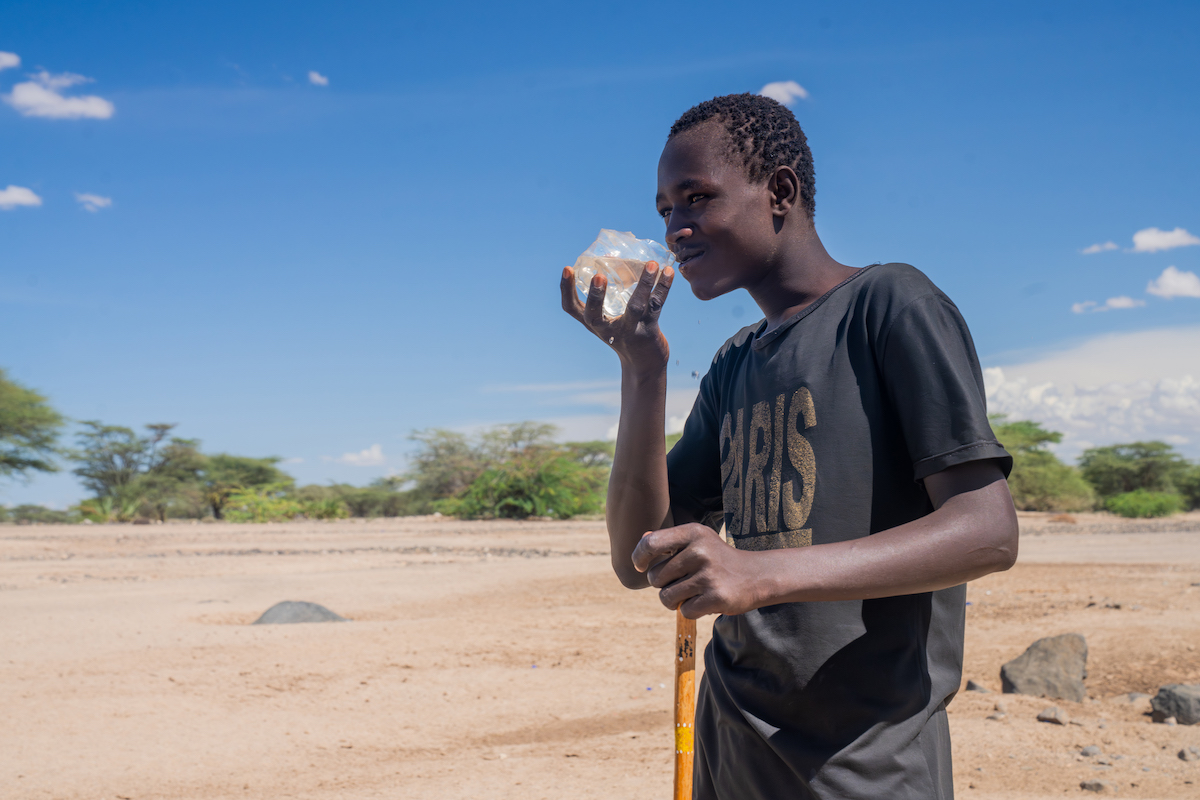
The Irish Aid-funded Hanaano program is one current example of what happens when we work locally. Hanaano (meaning “to nurture” in the Somali language) works with communities in an area known as the Mandera Triangle, which is formed where Ethiopia, Kenya, and Somalia intersect. The Horn of Africa has been suffering decades of drought, and Mandera is one of the hardest-hit areas in this crisis, creating a domino effect of needs with each failed rainy season.
While Hanaano is primarily designed to reduce child wasting (a form of chronic malnutrition) in Mandera, it does so holistically, looking at both the causes and the symptoms. Working with communities, we identify the unique challenges that program participants experience. Access to water was one challenge in Ethiopia’s Somali region, and so we installed a village tap that provides clean water close to home.
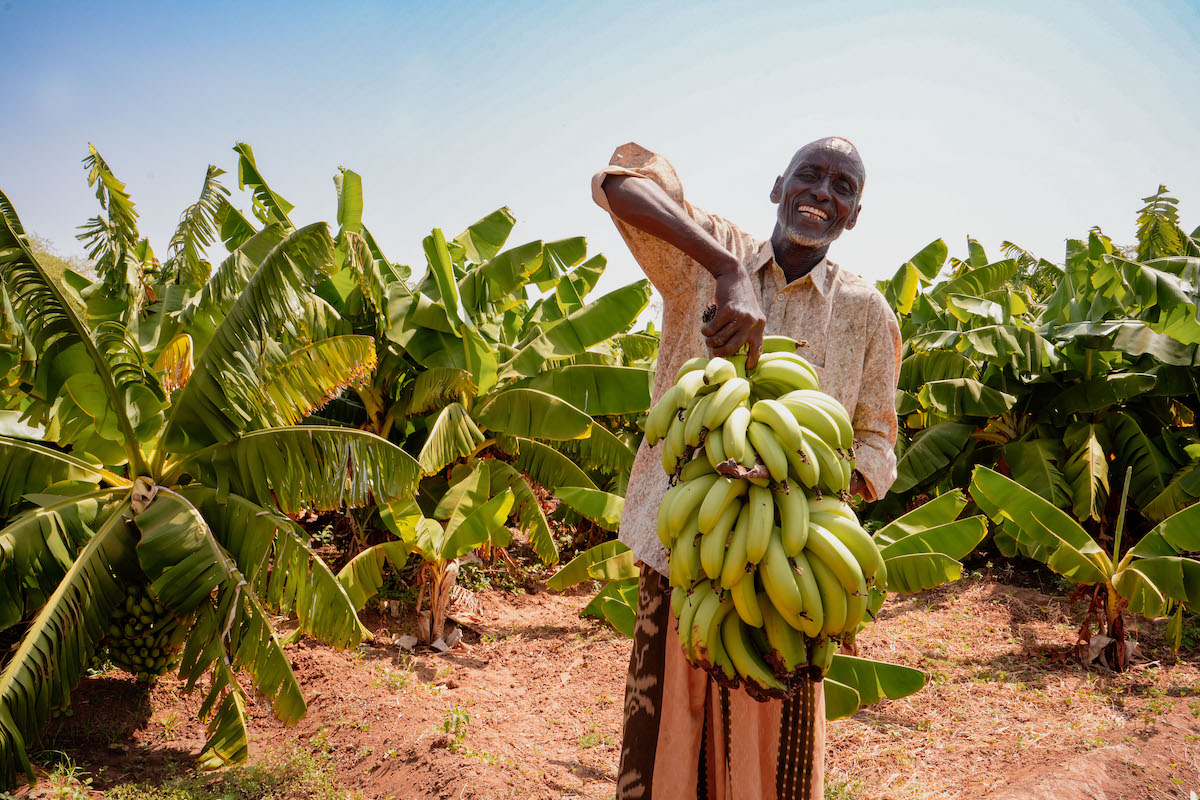
Hanaano also incorporates some of our other community-driven solutions to environmental challenges, including Natural Resource Management committees and Farmer Field Schools. With Farmer Field Schools, we train what are known as “lead” farmers in Climate Smart Agriculture techniques. These lead farmers then share that knowledge with “follower” farmers, creating an each-one-teach-one approach that can cascade through communities and regions, while also preserving knowledge and building greater cohesion.
More on Earth Day
Knowledge is power: One of the easiest ways to celebrate Earth Day is to take some time to better understand the challenges that millions of the people we work with at Concern are facing when it comes to the environment—and how we're helping to meet those challenges head-on. Read three of our top pieces below.