10 New Year’s resolutions that give back
Dec 16, 2025
Research shows that a resolution that gives back may leave you more likely to feel happy and fulfilled. Here are 10 ideas.
Most New Year’s resolutions don’t make it past the end of January. But that doesn’t mean that we’re incapable of real change. Concern works with tens of millions of people each year to transform their lives and circumstances — often through projects that shift habits, attitudes, and traditions for the better.
So what holds us back from sticking to our goals? Sometimes, it’s the kind of resolution we choose. Goals like cutting down on screen use or increasing your gym time are worthwhile, but they begin and end with you. Resolutions that give back go further; you can see your own progress while also seeing the impact it has on others around the world.
Research suggests that these sorts of actions are more likely to leave you with greater meaning and happiness — and isn’t that what we want with every resolution? Here are ten ideas for resolutions that give back to take you into 2026.
1. “It’s not waste until you waste it”
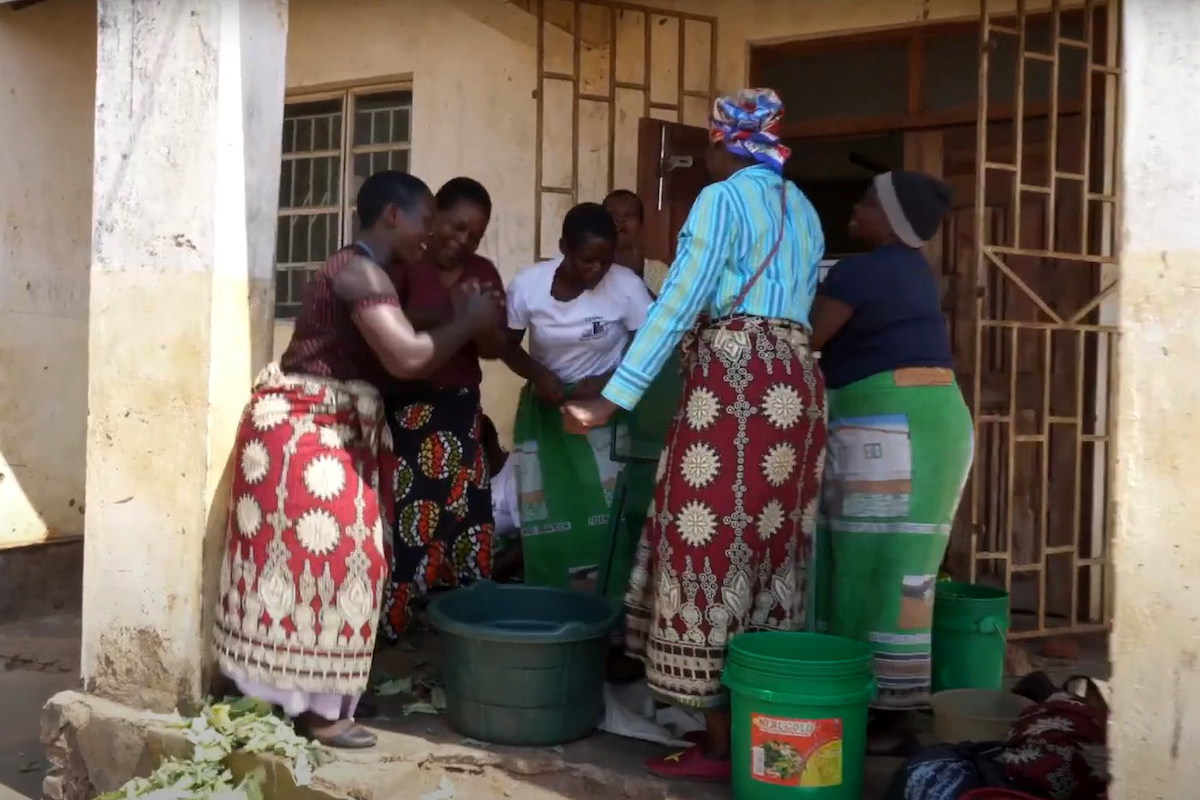
This quote comes from one of our climate resilience programs in Malawi, a country where 80% of residents are employed in the agriculture industry, and one that is vulnerable to climate shocks. Instead of waiting for things to get worse, many Malawians have begun to take steps to improve resilience and sustainability within the country.
This includes a switch to biogas — an energy source made from composted organic matter that turns what would otherwise be considered waste into cooking gas and fertilizer. As one council member John Mchawa told us: “It’s not waste until you waste it.”
You can take that same principle to heart in the new year, cutting down on food waste, switching to a reusable water bottle or tote bag (like the one we have for monthly donors), and giving up single-use products.
2. Commit to learning rather than just reacting
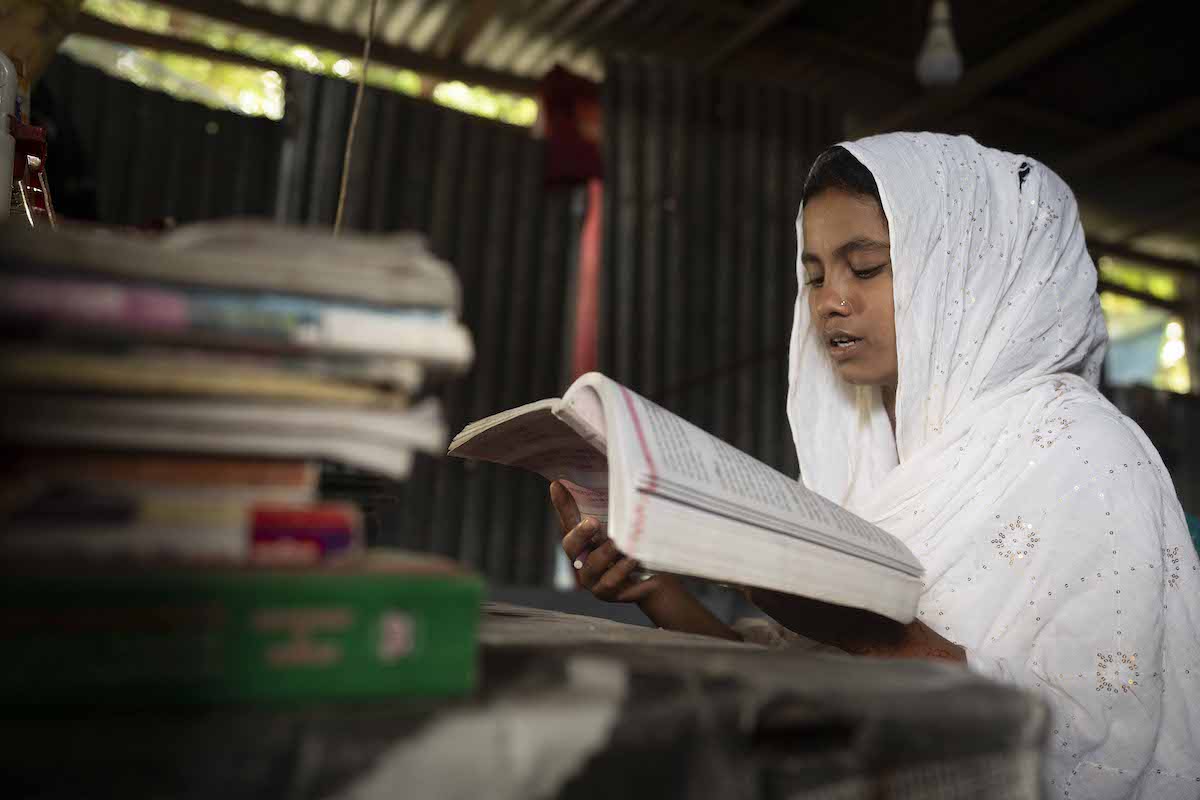
Trying to understand every issue in the world today is an impossibly tall order. Many of the humanitarian crises we’re responding to are connected to centuries of history and interdependent factors.
Instead of trying to be an expert in everything, pick one issue that you want to learn more about and focus on that. It could be something that affects multiple countries — like the causes of hunger or who’s facing the highest climate risks. Or you can focus on multiple issues in one country, like the cycle of conflict and hunger in Somalia or the ongoing crisis in the Democratic Republic of the Congo.
We have hundreds of resources to help you learn more about what we do and where we work, plus stories from our program participants and staff. You can also follow Concern on Facebook, LinkedIn, and Instagram. And by signing up for our newsletter, you’ll get the headlines that matter delivered straight to your inbox.
3. Dip your toe into water conservation
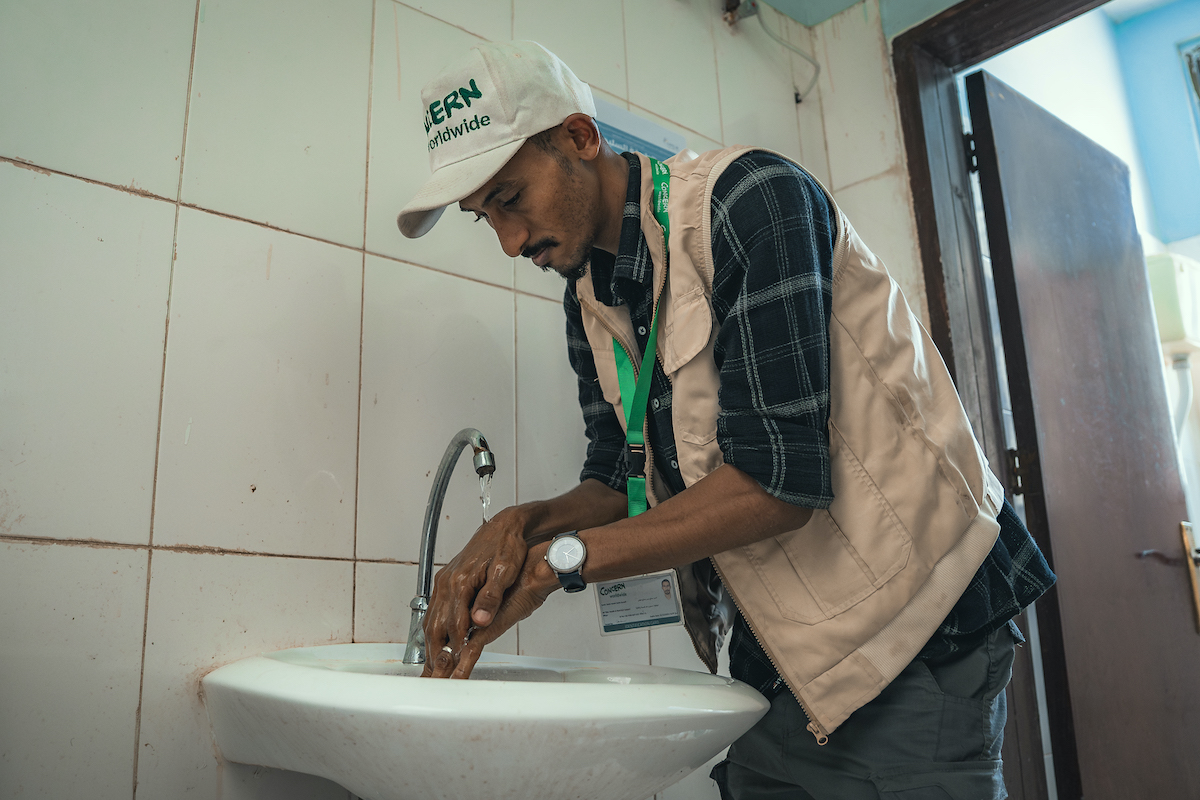
We often overlook the role that water plays in our lives. Less than 1% of the global water supply is usable (the rest being saltwater, ice, or kept underground). And we have to make that <1% last for 8 billion people.
The global water crisis is proof that we’ve come up dry with reports from UNICEF and the World Health Organization showing that hundreds of millions of people are affected by a lack of water for drinking and cleaning. Our own water waste can add up: The average family can waste 180 gallons of water per week simply from household leaks. That adds up to 9,400 gallons per year — and 900 billion gallons globally.
Fixing your own water leaks and conserving more at home is an easy start for a resolution. You can also learn more about what’s causing the global water crisis, who’s hit hardest, and some of the most effective solutions to water scarcity.
4. Shop women-owned and social-impact businesses
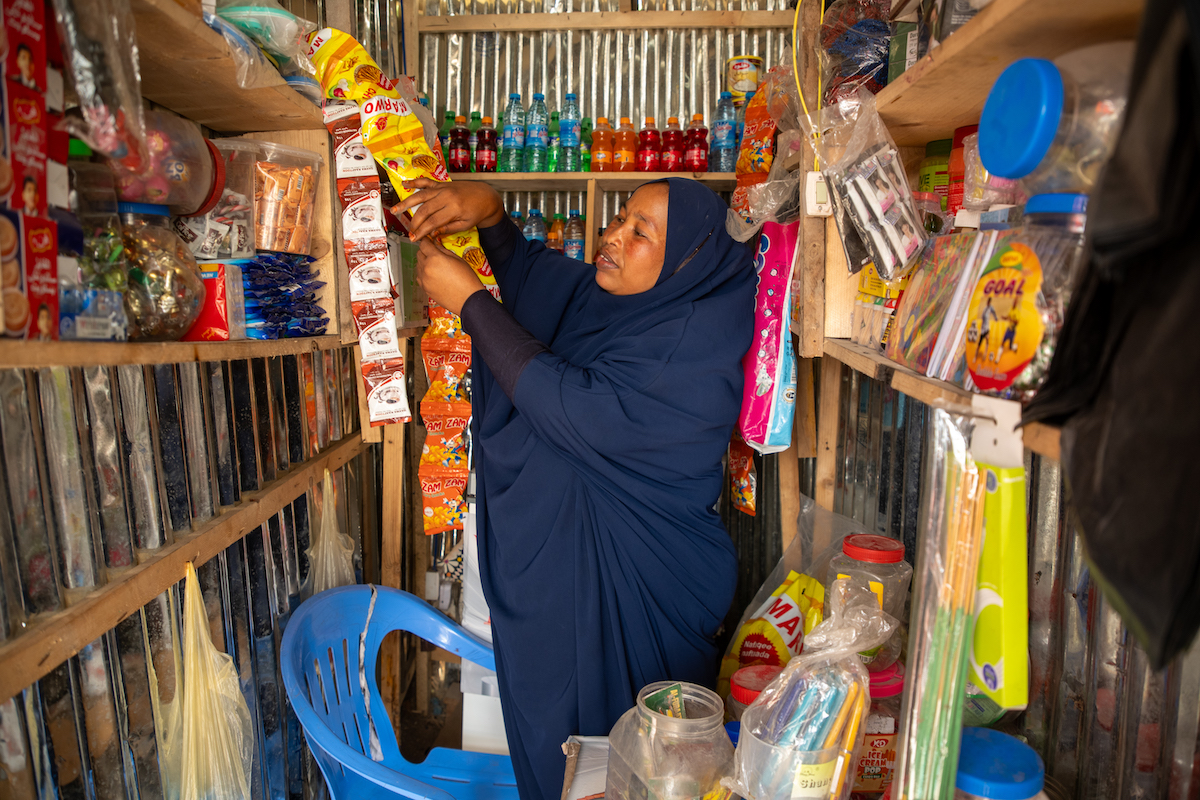
Economically empowering women is a smart investment — for everyone: A 2023 Moody’s study estimates that greater gender equity could add as much as $7 trillion to the global economy.
Women-owned businesses are one important part of the picture, but they’re not the only way to give back through everyday purchases. Supporting family-owned businesses, small local shops, and businesses run by immigrants or refugees also helps strengthen household incomes and community stability. These enterprises often reinvest earnings locally, create jobs, and preserve skills and traditions that might otherwise be lost.
Tools like Women Owned can help you find businesses aligned with your values. You can also look beyond local businesses while still making a difference: Mission Market, Concern’s retail concept shop, sources crafts and home goods from the communities we work with around the world, with 100% of proceeds going back into our work.
5. Plan for your future — and help others plan for theirs
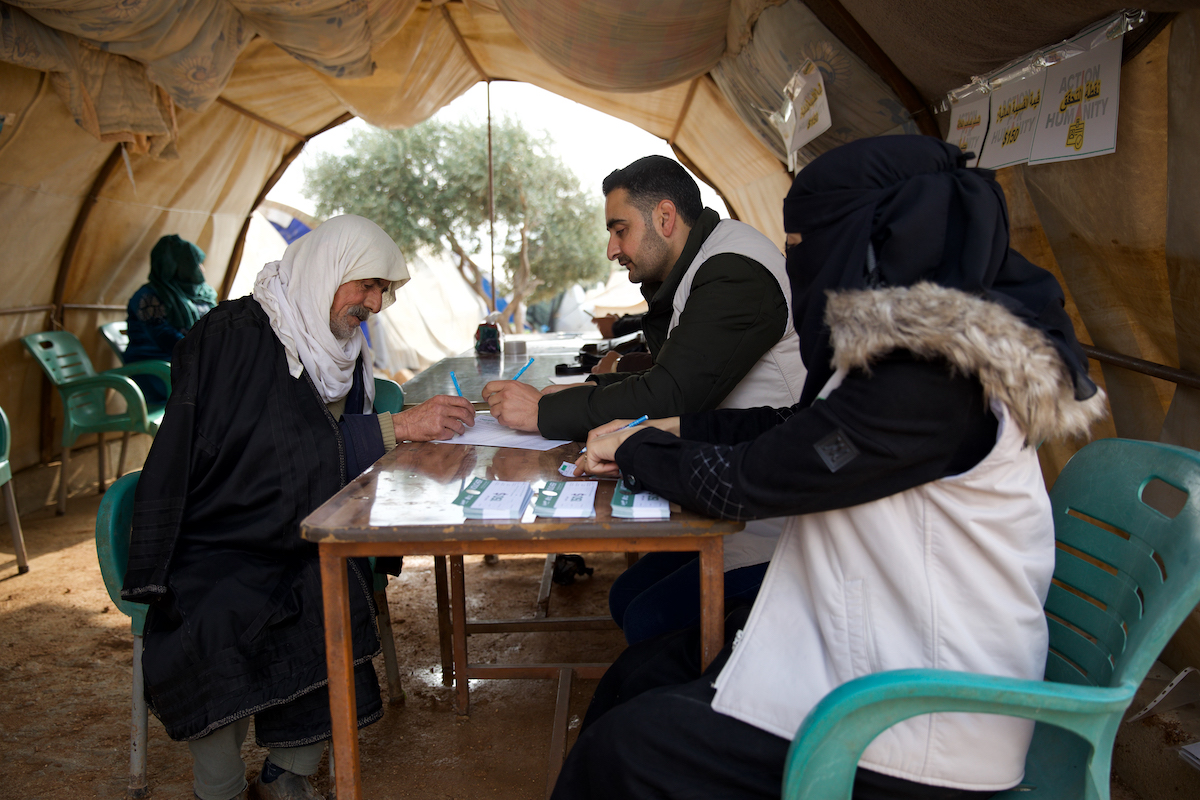
It may not be the first resolution that comes to mind, but taking time to write or update your will can be a meaningful act of care. It helps ensure your wishes are known and that the people you love are provided for, bringing clarity and peace of mind for the future. For some, it can also be a way to think about the kind of impact you want to leave behind. Including a gift in your will offers the opportunity to create a lasting legacy—one that can help support families and communities for generations to come.
If you’ve been meaning to get started on your own will but don’t know where to start, Concern has partnered with FreeWill to offer you a free online will-writing service. With easy to follow steps, you can create a legacy in less than half an hour. It’s a simple way to protect the people and causes you care about most.
6. Build your local community
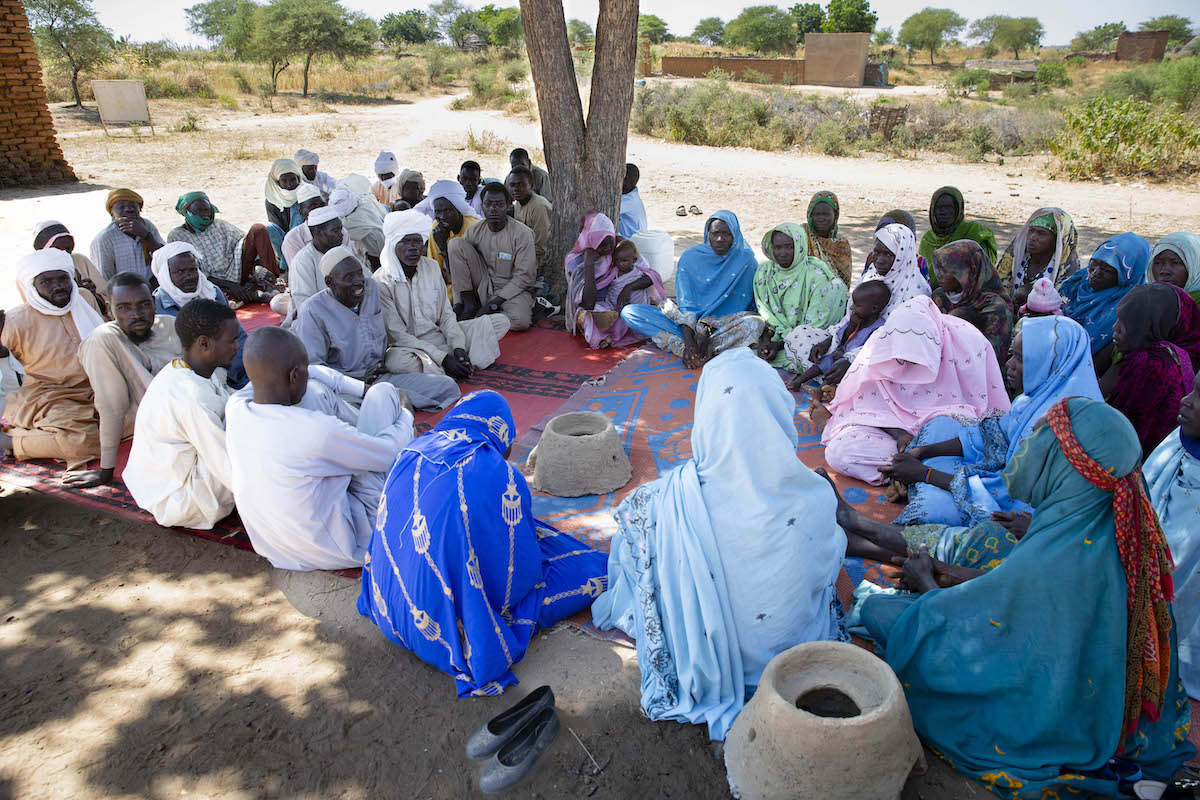
One of the foundations of Concern’s work is community. It’s at the heart of initiatives like Community Management of Acute Malnutrition and village savings and loans associations, and it shapes how we work at every level. Community partnership helps us understand the challenges people face, decide on the most effective solutions, and ensure that those solutions can continue long after our direct support ends.
You can bring that same spirit of community to your backyard. Check in on your neighbors — especially during a heat wave, storm, or power outage. Attend community board, city council, or PTA meetings. Shop locally where you can and get to know the people who run those businesses. Start a home garden and, if you have a green thumb, share the benefits with your friends and neighbors.
7. Help shape our global community
Donating to Concern means that over 90% of your contribution will go wherever it is needed most, to the people who need it most. Our life-saving work tackles the root causes of poverty in 26 countries and territories around the world, and even the smallest of donations can transform lives.
You can make a one-time gift to Concern, or you can become a monthly donor through Concern(ed) Citizens, our community of changemakers whose sustained support gives hope for millions of people living in fear, poverty, and oppression — sparking change that lasts a lifetime. Consider switching one of your monthly streaming or game subscriptions over to a “subscription” to ending poverty.
8. Get your employer involved

There are other ways to support Concern as well, including some that can double or triple your impact at no cost to you. Check our employee giving portal to see if your employer will match donations made from your paycheck.
We also partner with businesses big and small to create unique programs and initiatives. This might mean developing a project in one of the countries where we work, or collaborating on a product in the U.S. that raises funds for Concern—like our partnership with Luna Coffee. Learn more about ways your business can partner with Concern to deliver maximum impact.
9. Set up a donor-advised fund or DAF
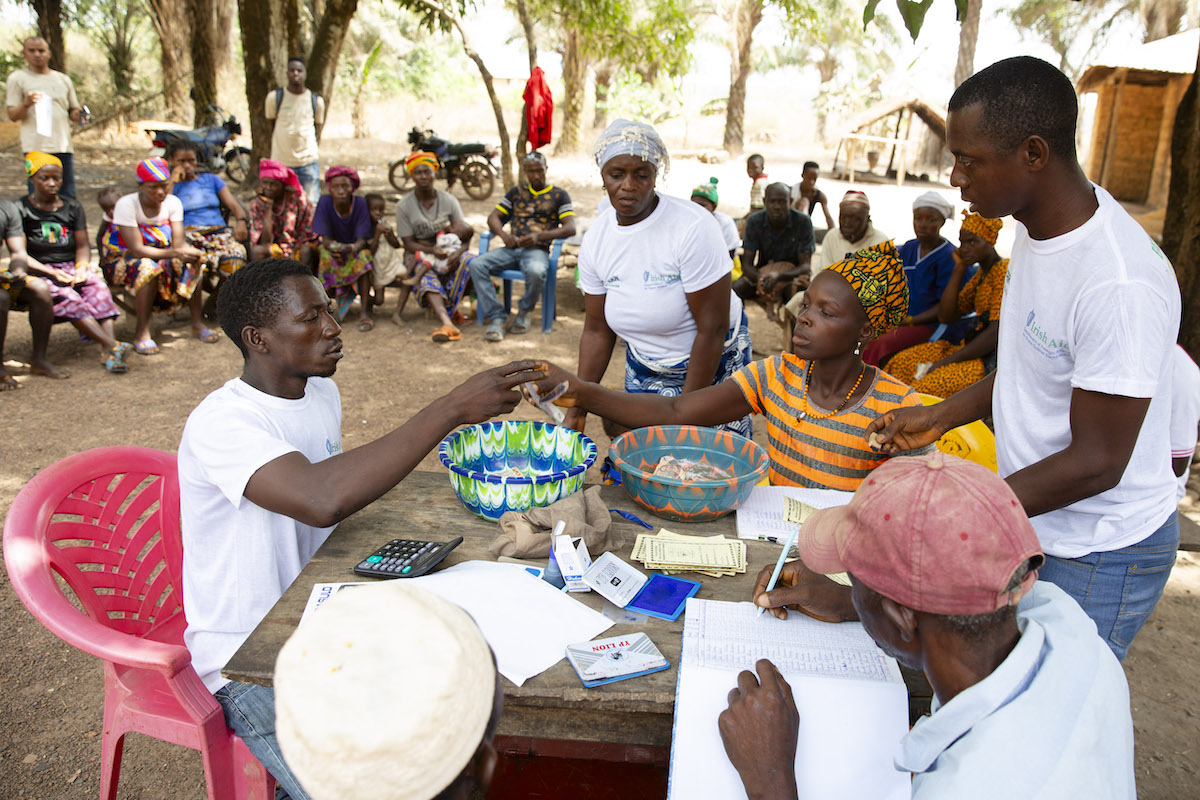
Donor-advised funds allow donors to make a charitable contribution (including cash and stocks), receive an immediate tax deduction, and then recommend grants from the fund over time to the organizations they wish to support.
The benefit of this model is that donors immediately receive the maximum tax deduction as allowed by the IRS. And once a donation is made to the fund, its value can increase tax-free. DAFs also offer low overheads, maximum-available deductions, and flexibility with grants.
You can easily set up a DAF through your local community foundation, financial institution, or the National Philanthropic Trust.
Learn more about starting a DAF
10. Monetize your hobby — for good

We should all do things that we love without turning them into a side hustle. But what if that hobby could also give back? Concern offers annual golf outings in New York and Chicago, and each year Team Concern runs the New York Marathon. Find out more on our Events page, or — if you wish to join Team Concern for the 2026 New York Marathon — write to [email protected].
You can also design your own fundraiser for Concern, whether that’s hosting a bake sale, craft fair, quiz night, or anything else you have in mind. If you’re a high school student or a parent of one, you can also get involved by hosting a car wash with Concern 812.