How to build your own home kitchen garden
From the frontlines of fighting hunger to your backyard
Oct 12, 2022

Kitchen gardens (also known as home gardens, potagers, and victory gardens) are more than a great hobby. They’re also changing lives around the world as a key ingredient in fighting hunger. Learn more about how — as well as how to set up your own kitchen garden — below.
What is a kitchen garden?
Kitchen gardens are small plots of land (or even window boxes) that are used for growing fruits, vegetables, and herbs for use at home. They’re usually separate from the rest of a home garden.
While you might picture gardens as large-scale, labor-intensive projects, these plots are more manageable. Their goal is to produce as much food as you need for yourself and your family. However, surplus produce is often shared or sold.
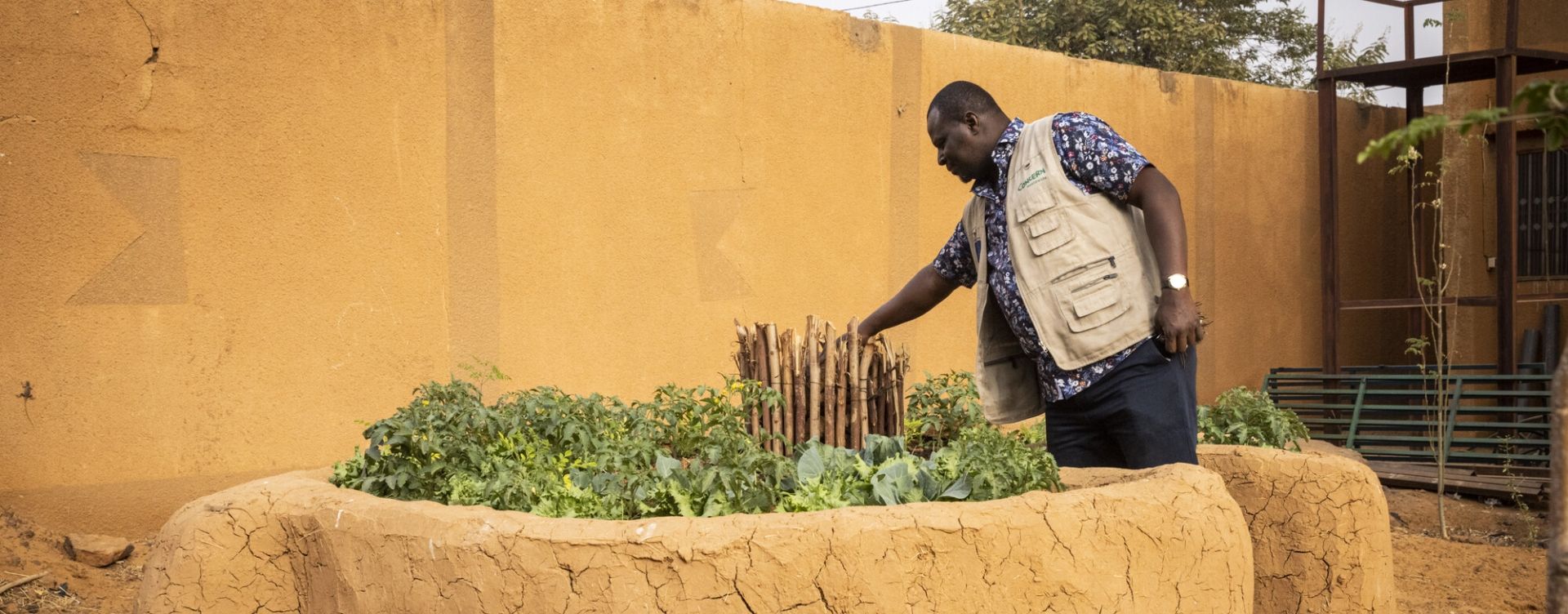
Beyond giving us fresh basil and tomatoes, home gardens are saving lives on the frontlines of the fight against hunger, one family at a time.

How these simple home gardens are fighting world hunger
In many of the communities where Concern works, one of the biggest challenges faced by the people we work with is food security. One solution to this is to simply ensure that people have access to nutrient-rich food year-round. Enter the home garden.
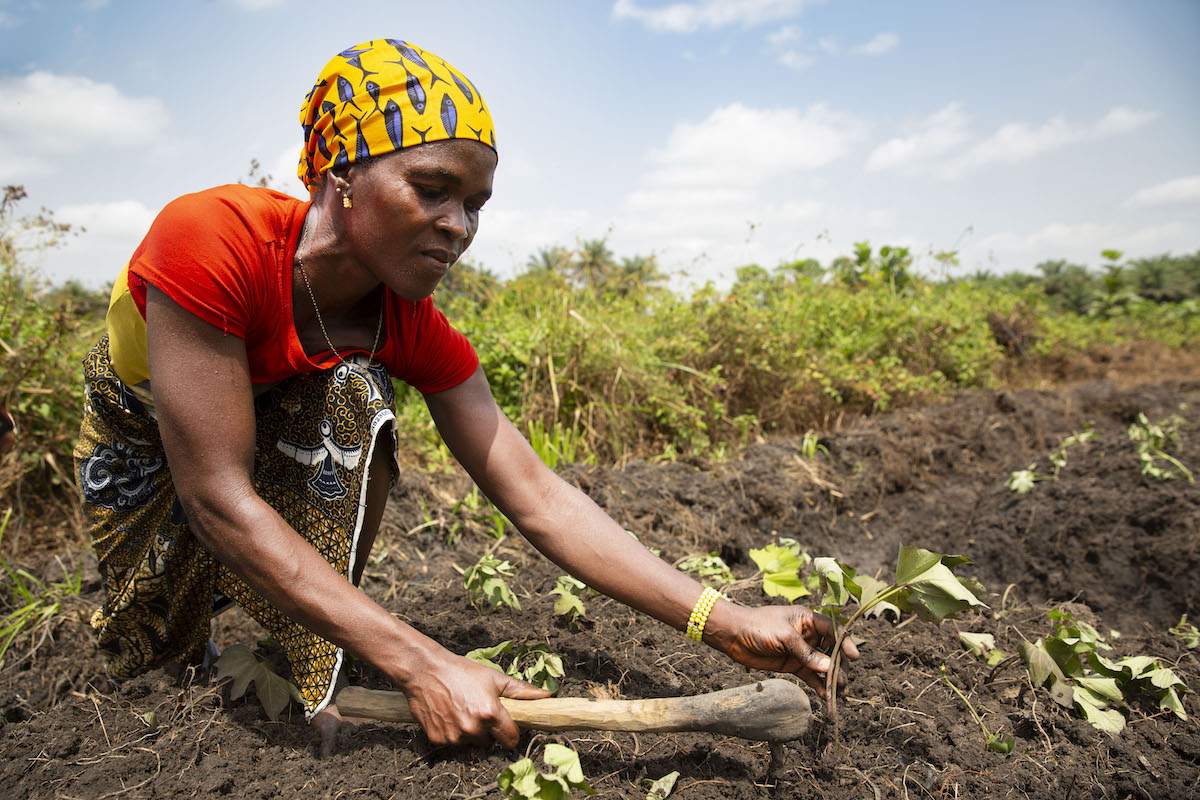
In countries like the Democratic Republic of the Congo, Rwanda, and Liberia — where rainfall is fairly reliable year-round — home gardens work with local weather systems and require very little land. With the right seeds, tree saplings, tools, and methods, families can have a source of food literally in their own backyard. And, while it’s not as simple as “set and forget,” this is a solution that doesn’t require high technology or a specialist’s expertise, meaning that families can continue their gardens without Concern’s support.
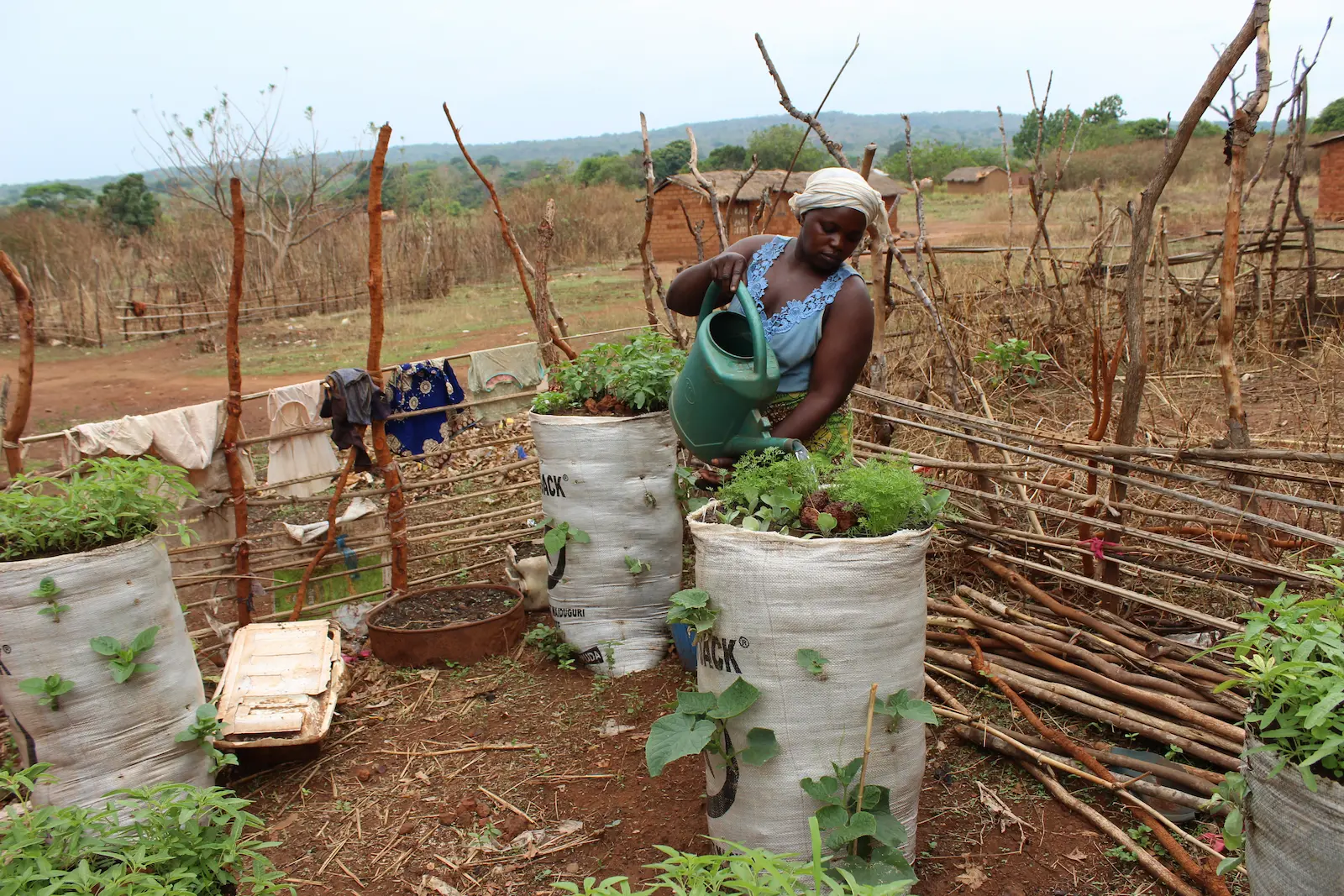
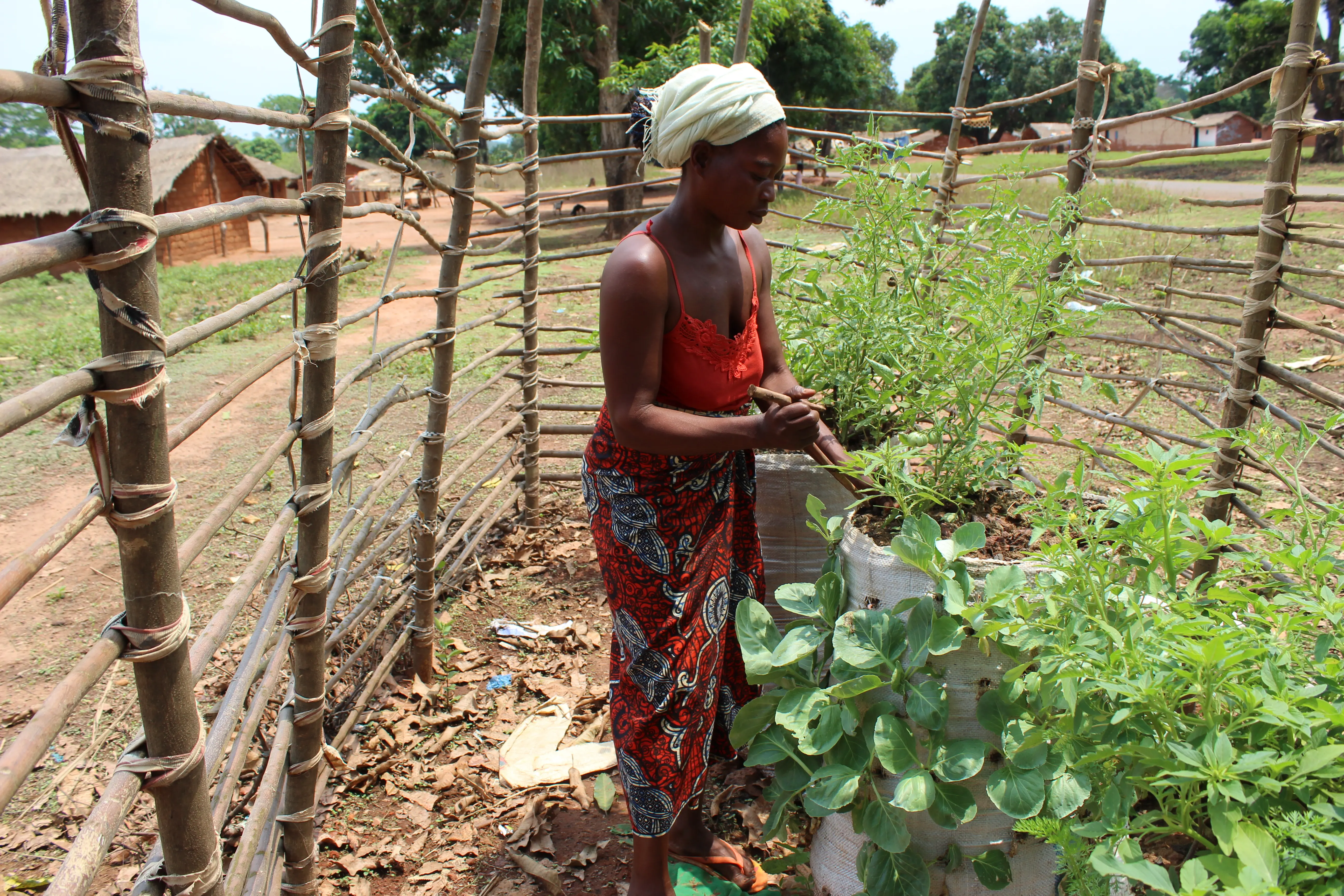
Smaller-scale home gardens can also thrive with the right methods of shade and moisture convention, and even without much space: Sack planters help to grow nutrient-rich staples like tomatoes, spinach, and kale in even the smallest corner of land.
How to make a kitchen garden
Around the world, kitchen gardens are an essential tool for fighting hunger. At home, they’re also something you can plan in your own yard. Here’s how to get started.
1. Planning your garden
Before you start digging, you’ll want to plan out your garden, considering size and purpose. The University of Nebraska-Lincoln’s Institute of Agriculture and Natural Resources recommends starting small and working your way up.
If you have a smaller space, about 10 square feet will work. Otherwise, UN-L says that “a good starting size for a garden would be between 75 and 100 square feet.” When planning space, you’ll also want to take into consideration what you’d like to grow, as some crops require more land than others — as well as more space between other plants. A 75-square foot plot could comfortably accommodate:
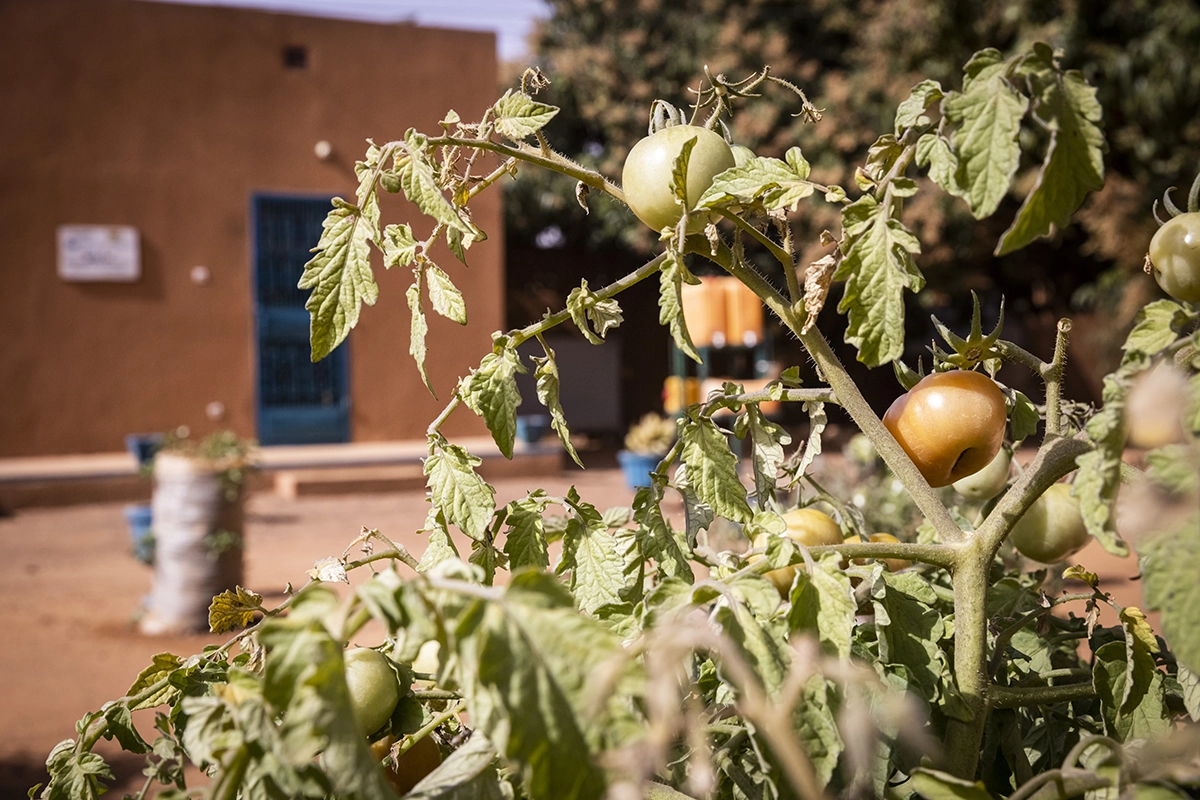
- Three tomatoes on a trellis (or two tomatoes and one cucumber)
- Four eggplants
- Five pepper plants
- Twelve green bean plants
A few more questions to ask yourself in planning your planting:
- How much time do I have to devote to tending my garden each week? (Some plants are more hands-on than others.)
- Are the plants I want to grow conducive to the climate and environment in my neighborhood?
- What do I want to do with my produce once it matures? If you only want to eat fresh salads, this could make a difference in what and how much you plant — versus if you’re happy to pickle your leftover veg.
2. Gathering your supplies
As of this writing, we’re at the beginning of October which is not ideal weather for planting in the United States. However, depending on your plants, you can begin to nurture your seeds indoors during the colder months and ready them for planting in the spring. (Check your seed packets for the producer’s recommendations)
Indoor supplies for starting your seeds (autumn/winter)
- Seeds
- Seed starter mix
- Small planting containers (you can recycle clean paper cups)
- Either a large plant tray or baking sheet to hold your planting containers and serve as drainage
- Plant markers (or some masking tape and a sharpie to differentiate between seedlings)
- Potting mix
Outdoor supplies for setting up your kitchen garden
There are many different ways of setting up a home garden, and no dearth of supplies and tools you can buy. For this, however, we’ll focus on the essentials — again, start small and scale up.
- Garden trowel
- Pruning shears
- Garden hose and/or watering can
- Garden rake
- Angled shovel
- Weed trimmer
- Soil pH testing kit (more on this below)
- Large plastic sheeting
- Special soil depending on your soil’s pH level (if necessary)
- Trellis (optional, but plants like tomatoes and cucumbers grow best on these, and they can save space)
3. Starting your seeds indoors
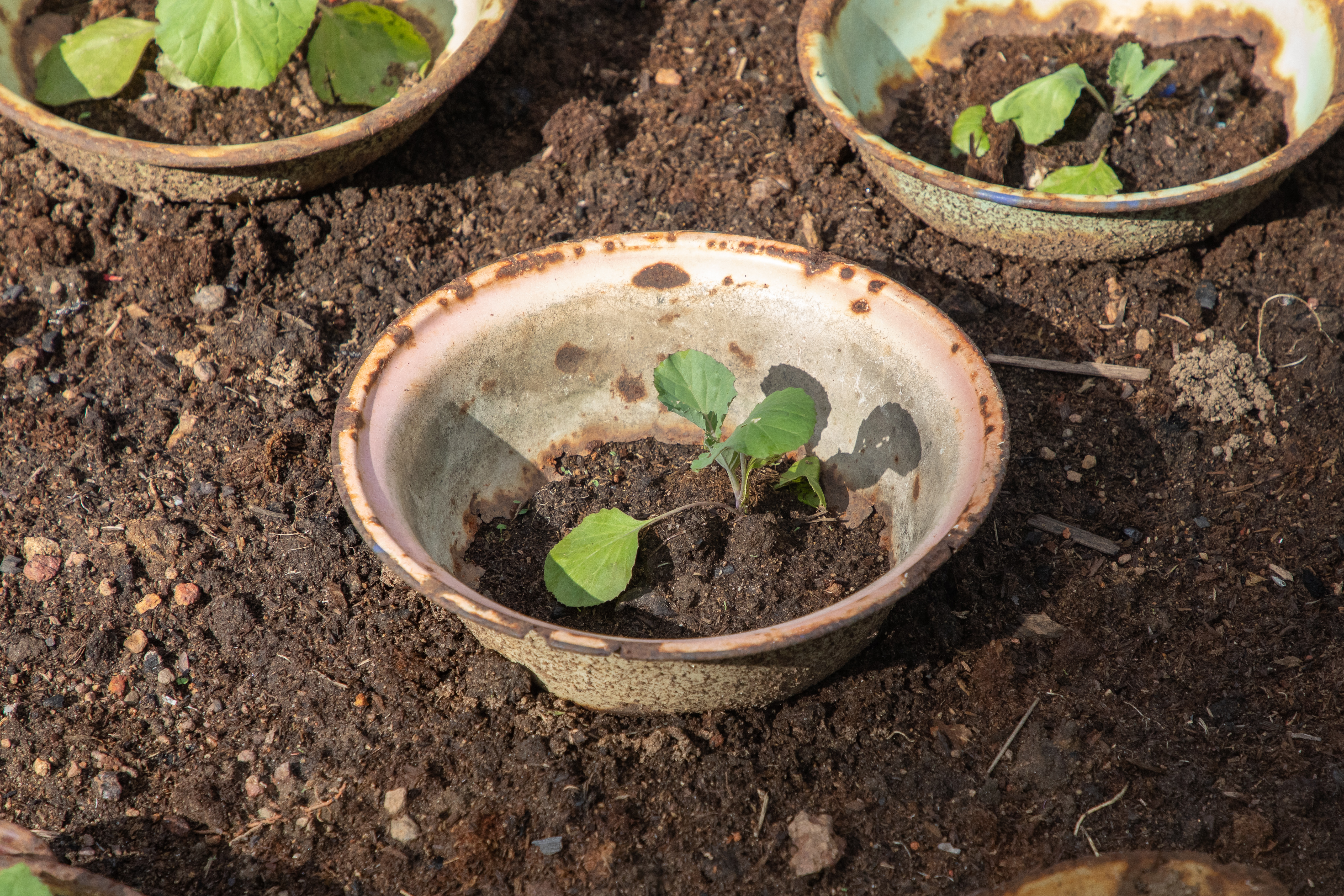
Certain plants grow quickly and should therefore begin directly in the ground when the weather is warm enough to avoid frost (usually late March/early April). However, other seeds (like kale) can be started now, cultivated indoors, and transitioned outdoors when spring arrives.
- Mix your seed starter (also known as a planting medium) according to instructions. Some planting mediums are sold as pellets, others as loose mix. Place in a small glass or dish (egg cartons can also be recycled), portioning out in keeping with instructions.
- Sow two seeds per pellet or portion about ¼ of an inch deep. Cover lightly and tap down gently.
- Cover the starter loosely with plastic wrap to keep it moist, and place in a warm spot away from direct sunlight. This will help to create a warm and humid environment for the seed to germinate. Seeds will not need light until they start to grow, but do make sure that there is good air circulation.
- When the first seed sprouts, remove the plastic wrap and place in a sunny spot. Add water when the starter mix starts to turn light brown, taking care not to over-water.
- If both seeds sprout, pinch out the weaker plant when the stronger plant develops its second set of leaves.
- When your seedling is four to six weeks old, you can transplant it directly into your garden or into a small planter (with potting mix) and continue to grow it on your windowsill.
4. Starting your seeds outdoors
It’s best to follow the instructions provided on the seed packet in terms of how many seeds to sow, as well as the depth you should plant them and the spacing between other plants. Most plants will do best when planted from early spring to approximately three months before the first fall frost.
Before all of this, however, you’ll want to prepare your soil for planting. Begin by testing the pH levels of your soil, as this will also determine what is best suited to the soil that you have. You can also buy testing kits or monitors at a garden center or hardware store. Depending on the results, you may need to add lime if your soil is too acidic, or an acidifying agent like sulphur or iron sulphate if your soil is too alkaline.
Next, you’ll want to measure out the plot you’d like to use, using string and some stakes as a means of sectioning off the land for your garden. Clear the area of grass, weeds, or other plants with an angled shovel. Dig as deep as the height of your shovel’s head, and turn the soil over.
Cover this with clear plastic sheeting to allow the soil time to dry out (approximately two weeks). If any weeds or other plants emerge, remove them. If your soil’s pH is too high or too low, now is the time to add in materials to either lower or raise it, along with composting materials either from your own kitchen or your local garden center. Then, mark out your rows for seeds and begin planting.
If your soil quality won’t sustain a garden, you can look into raised beds filled with loam.
Kitchen garden maintenance
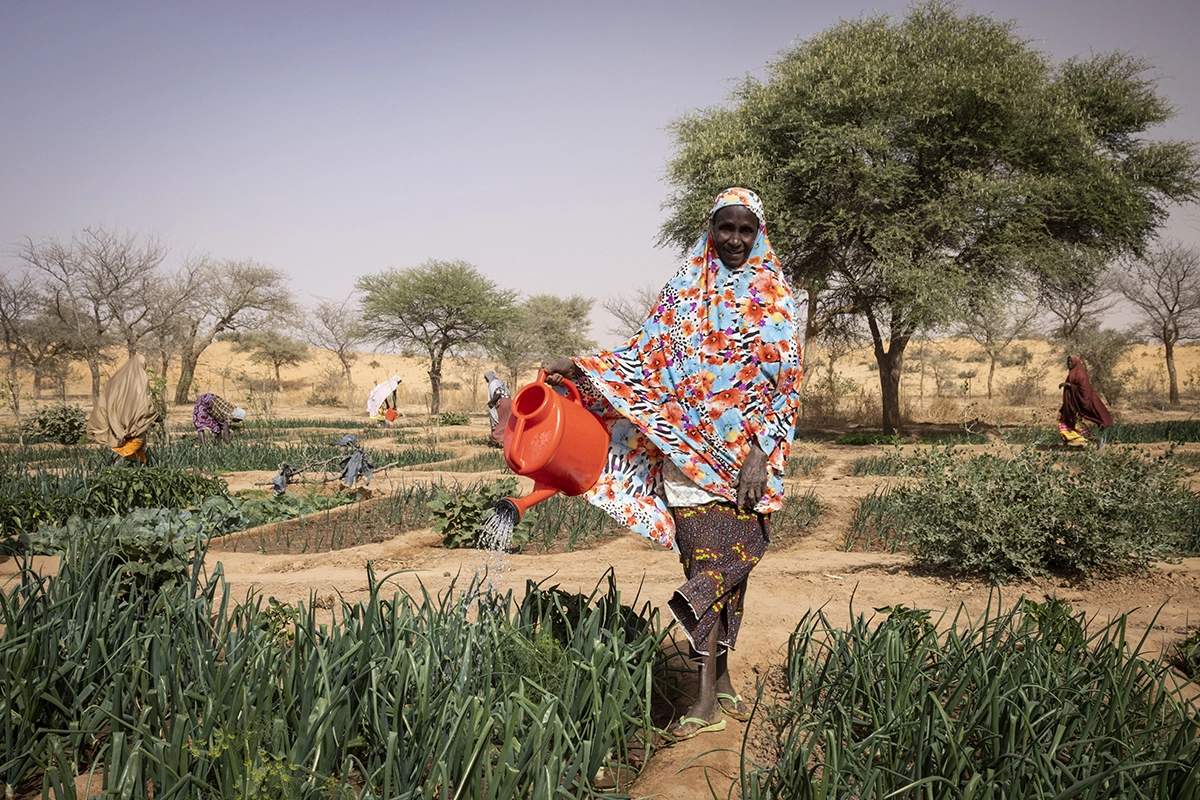
Most victory garden crops do best with one long weekly watering versus a daily splash-up. Composting and mulch can help with water retention.
As the months get warmer, you’ll want to keep an eye out for garden pests. A natural or organic insecticide spray from Amazon or your local garden shop will help with this. Plan to weed your garden weekly as well, and trim back crops as they grow in (either enjoying the fruits of your labour after picking them, or preserving them for later).
Again, your seed packets will be the best guide for when to harvest.
Home gardening in an apartment
Concern Worldwide U.S.’s offices are headquartered in New York — we get it. If you have rooftop access, you may be able to set up a garden there using planter boxes (check with your landlord if you rent).
Alternatively, if you have window sills, you can use window boxes. The biggest challenges here are water and sunlight, so you’ll want to choose your seeds based on how much sun you get (full-sun plants require about six hours). Herbs thrive in window-box gardens, but you can also grow lettuce, spinach, radishes, carrots, and chives in a small amount of space.
Just make sure you’re watering more often (since they’ll be able to hold less water than a plot of land and are likely to dry out quicker), and that you secure your window boxes to the sill.
Home garden success stories from our work
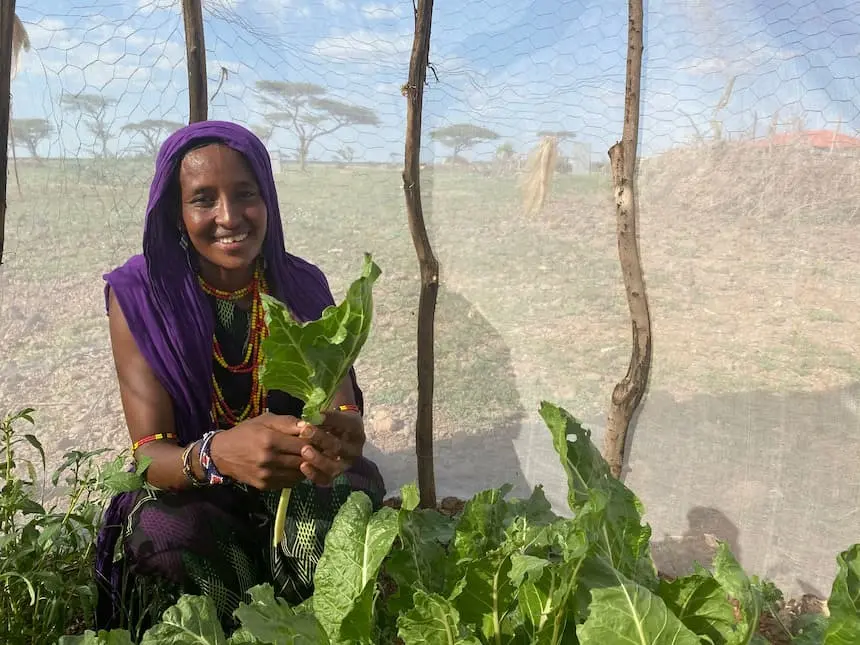
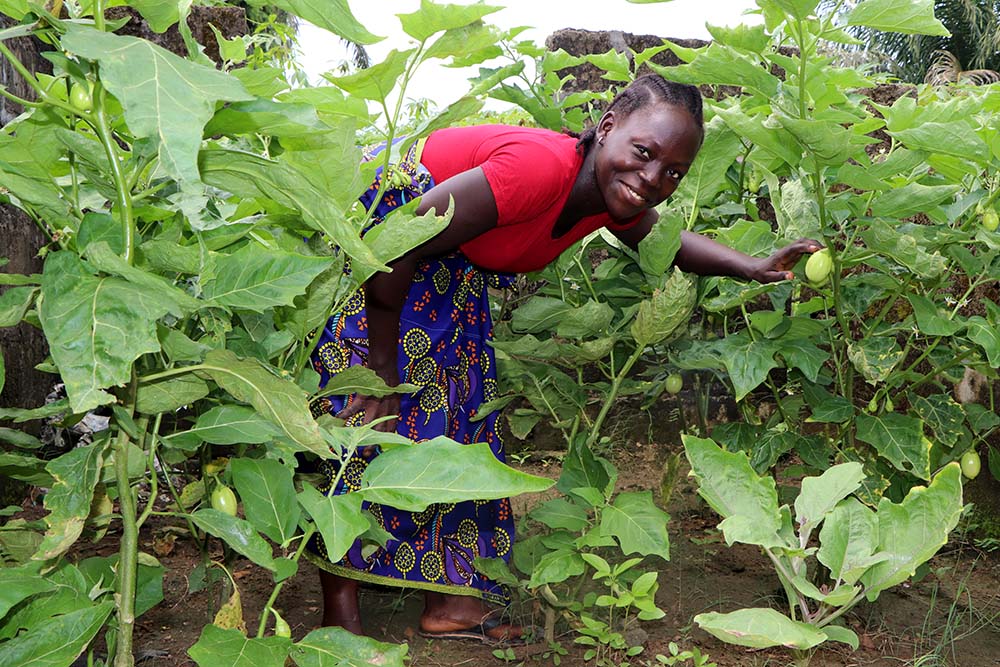
Home gardens have thrived in Concern programs everywhere from Afghanistan to Zambia. In Kenya, Kalle Malmalo counts off the new skills she’s developed along with her garden: “I’ve learned to prepare land, establish a nursery, transplant, mulch, use minimum tillage, correct spacing, and pest and disease control.” Marsabit local and mother-of-three Sori Gollo developed similar skills, with a thriving harvest despite the harsh landscape of the Chalbi Desert. This season, she will be able to earn some added income by selling her extra squash, watermelon, and spinach at the local market.
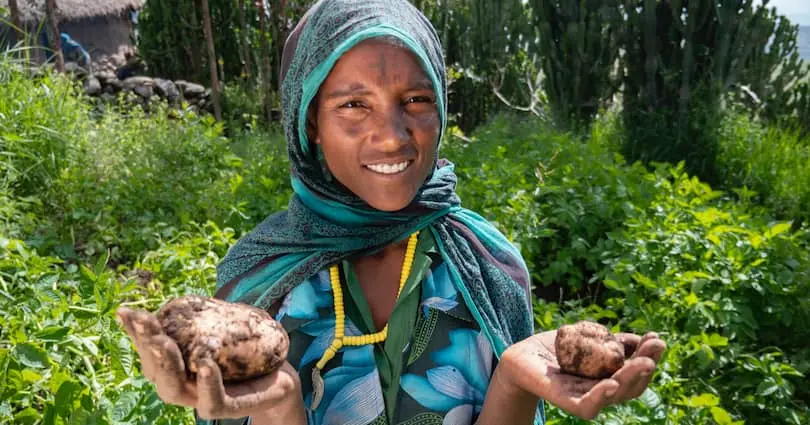
This is the other success of home gardens in Concern’s work. Not only do they help families keep food on the table, but they can be a helpful tool in breaking the cycle of poverty. Merema Yimer, who recently took part in Concern’s ReGRADE program in Ethiopia, is particularly proud of her home garden as a symbol of what she hopes to achieve with the right resources. “I want to build a new house closer to the town, and open a shop or maybe a restaurant. I want us to dress differently and I want us to think differently. I don’t want to be poor anymore.”
A home garden won’t make all of that happen, but it’s a step in the right direction.
Plant the seeds and watch them grow
Even if you aren’t keen to start digging yourself, you can make a difference in the lives of families like Merema’s, Sori’s, and Kalle’s. A donation of just $100 can build a home garden, which will in turn feed and sustain a family for years to come. This extremely generous gift will provide growing children the nutritious and diversified diet they need to thrive. It will also help their parents build a healthier and more fruitful future.