How women farmers are growing the future
Apr 24, 2026
While women fuel agriculture and food production around the world, their work is often unrecognized and under-supported. Here’s what you need to know in the International Year of the Woman Farmer.
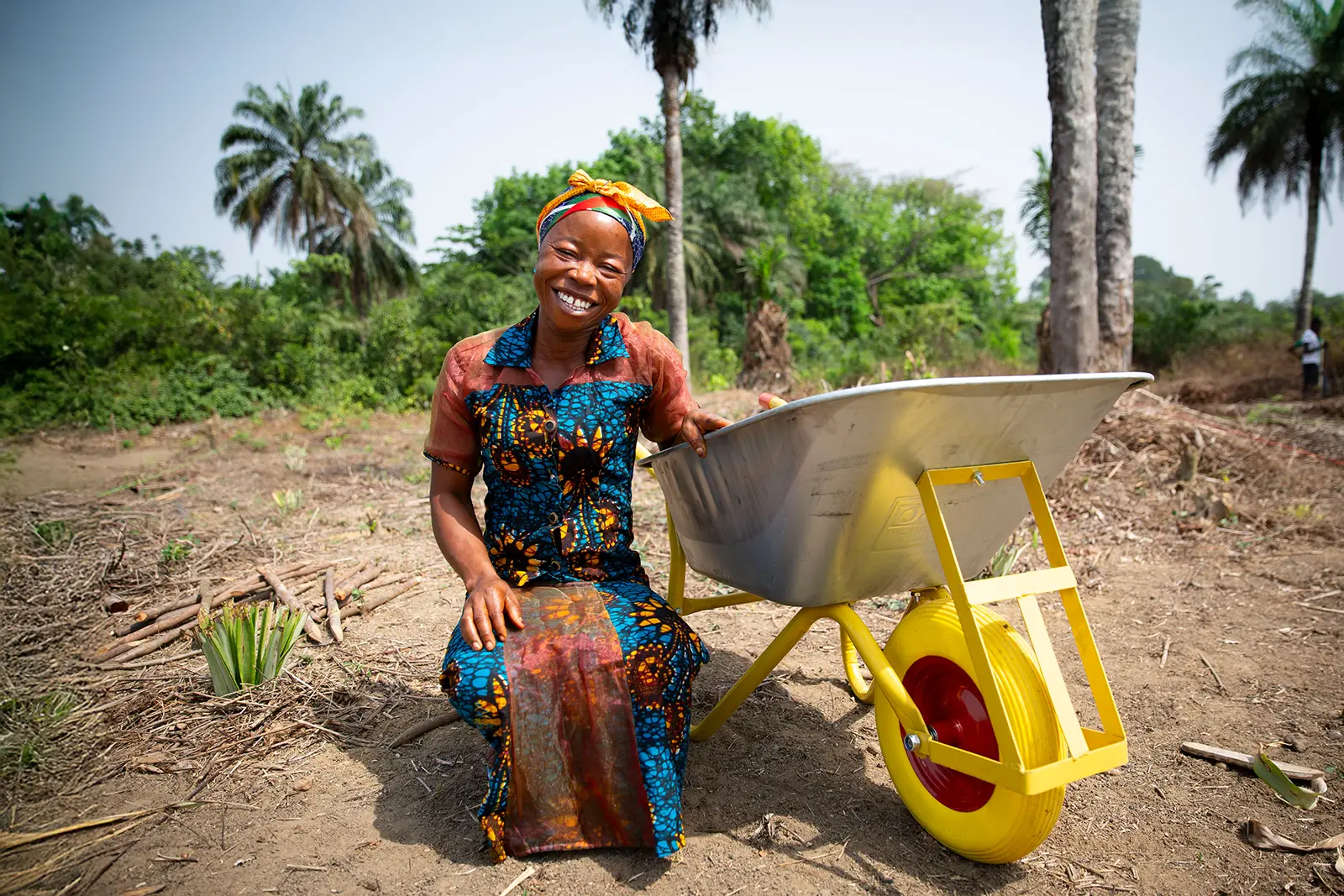
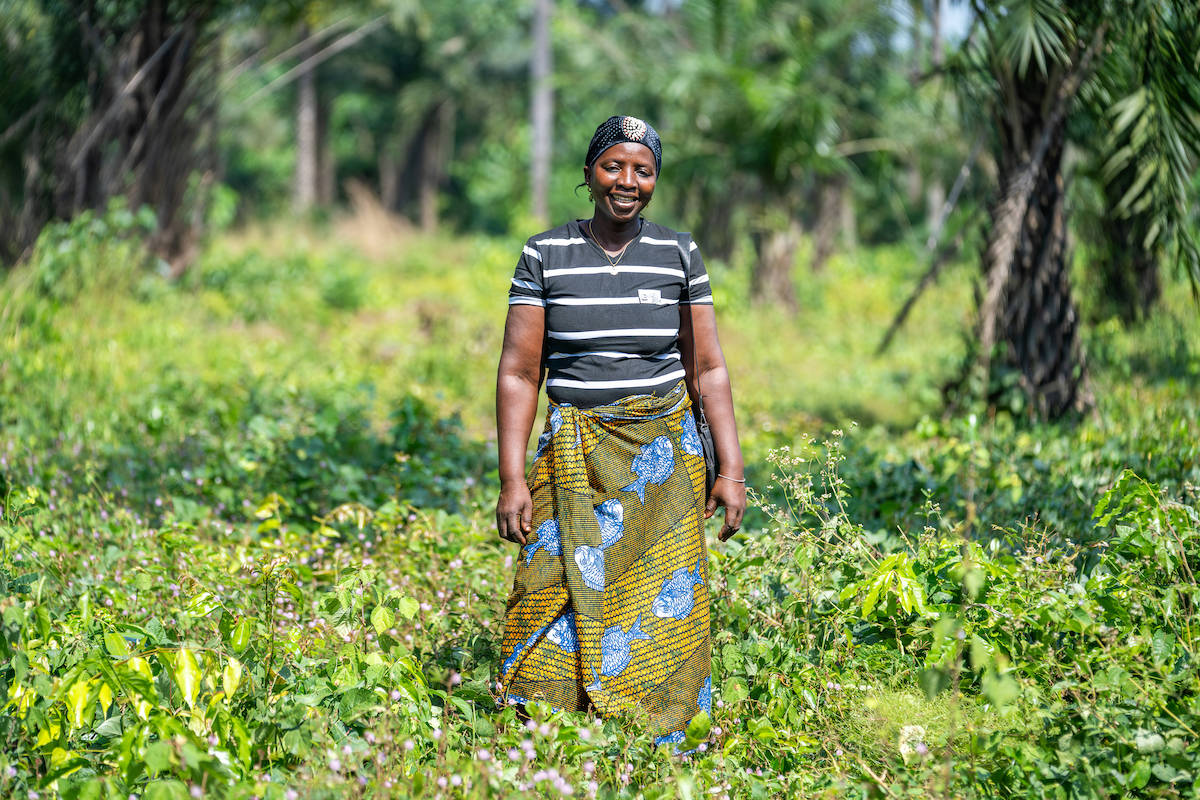
Rugiatu Kamara moved to Sierra Leone’s Rogbesse community in 1992. For the newlywed, she enjoyed her new home, especially her neighbors. But, she says, “the main challenge I encountered in staying in this village was the suffering from doing farm work.”
Like many in this rural area of the country, Rugiatu earned her living through farming. It wasn’t lucrative, she adds: “We planted a lot of things, but we had nothing in the harvest.” Unable to afford her own land, she would work on other people’s plots, although the income she earned from this wasn’t enough. She and her husband took out high-interest loans to bridge gaps, and at times she would send her two daughters to school without the money to cover their fees. The girls would come home and say they had been flogged and refuse to go back.
“We would sit at home and cry,” Rugiatu recalls. “The next day, if the only money we had at home was to feed ourselves, we would instead give the money to our children to pay to go to school, and we would have to sit at home with no food.”
Plowing the lonely furrow
Rugiatu’s story is a familiar one to many women around the world. In 2021, the Food and Agriculture Organization reports that women made up 41% of the global agricultural workforce—an almost even playing field with men. In some regions, women are even more likely than men to work in agriculture.
Yet women farmers (and rural women in general) are far more likely to face poor working conditions and limited rights. Their work is also more likely to be informal, irregular, and/or part-time, and they earn an average of $0.78 for every $1 earned by a man. This hurts everyone: As the FAO notes, closing the gender gaps in farm productivity and payments could raise the global GDP by $1 trillion and reduce food insecurity for 45 million people.
Despite their significant representation (at times overrepresentation) in the industry, women in farming face many other barriers in addition to compensation, job security, and the environmental challenges that all farmers face today, including:
Land ownership
One of the biggest challenges is land rights for women. As Concern ambassador Bono once put it at an event: “Women can work the land, but they can’t own the land.” (He said it a bit more colorfully at the event itself.) In many of the countries where Concern works, land rights pass from fathers to sons, leaving wives and daughters out of the picture, even if they are widows, unmarried, or single mothers.
Unpaid domestic and care work
Typically, women also put more of their time into running their homes and raising their families. On average, women perform 2.6 times as much unpaid domestic work than men, including cooking, cleaning, and taking care of children and elder family members. This means they have less time to work—and it’s one of the reasons that part of Concern’s work to support women in all sectors of livelihoods includes support for a more even division of labor at home.
Limited access to credit
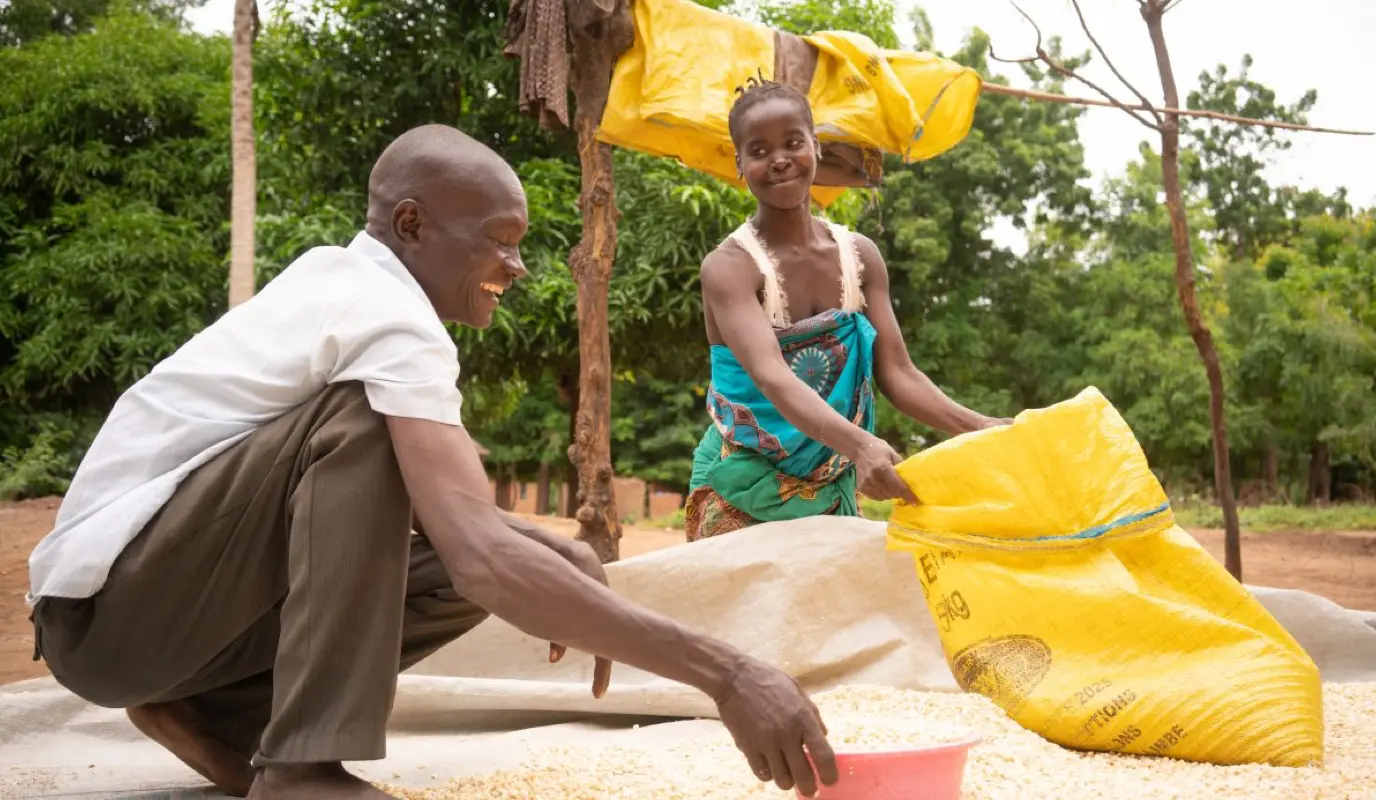
Like land, women are also limited when it comes to the financial resources available to them in many countries. This is what leads many to take out high-interest loans with tight repayment schedules for essential resources like fertilizer and seeds. It also leaves them in greater debt, creating a cycle that’s hard to break.
Access to markets
Even if women are able to grow enough to sell at market, they may not have the same access as men, either selling locally or to a larger distributor. In some cases, selling at a public market is outright impossible for women.
“I was the happiest person in that moment”
Fortunately, Rugiatu is one of the women who has worked to close that gap. Her farm in Rogbesse is now thriving after she participated in Yoti Yoti, a Concern-led program designed to strengthen food systems in 108 communities across Sierra Leone’s Tonkolili and Port Loki districts. To improve their harvests in terms of both quantity and quality, participants received essential tools and seeds, as well as training in skills like Climate Smart Agriculture—a form of farming that adapts to less-predictable weather patterns and extremes.
“When we were growing food before, we would have nothing when we harvested it. They taught us how to grow our crops,” Rugiatu recalls. When she and her neighbors previously used fertilizer, they would have to take out high-interest loans to buy it. As part of Yoti Yoti, Concern taught farmers like Rugiatu how to make their own fertilizer with compost.
“We started to see a great difference in our harvest when we were using those fertilizers that we prepared ourselves. The seeds grew and matured,” adds Rugiatu. “When I first saw how much corn we cultivated, I was the happiest person in that moment.”
Women farmers leading the way
Like millions of her fellow female farmers, Rugiatu not only sustains her family through farming. She is now selling her produce, supporting local markets which in turn helps to strengthen the entire community. Women are at the center of food production, yet these contributions often go unrecognized and under-supported. For this reason, the UN has designated 2026 as the International Year of the Woman Farmer.
“When a woman farmer succeeds, the benefits extend far beyond her farm,” says Lilian Amondi Abuoro, Concern Kenya’s Senior Program Officer. In Bura, a town in Kenya’s Tana River County, Abuoro notes that women farmers use their earnings to pay school fees, build homes, and meet their family’s healthcare needs. “This spending supports local businesses and services, creating a ripple effect that strengthens the wider community economy.”
Farming has been the main way of life in Bura since 1977, when the Kenyan government established irrigation systems to promote agricultural development in an otherwise arid region.
Seeds of change
Despite these efforts, farmers arriving in Bura struggled to afford the supplies they would need to work the land, including tractors, fertilizers, insecticides, and labor to help with large-scale crop production. In a community governed by harmful patriarchal norms, women were often left the furthest behind.
Things began to change in 2019, when Concern began working with farmers in the area to invest in large-scale farming for high returns. Mary Oringa, a farmer in the community, took a leadership role within this project as a Community-Owned Resource Person, liaising with both her community and support systems like Concern, local agricultural partners, and government officials.
As part of her work, Oringa helped to establish groups of women farmers, serving as a source of mutual support and encouragement. They began to take farming more seriously, not just as a means of survival, but as a means of building a sustainable future. She herself joined the Fanaka Women Self-Help Group, made up of widows and single mothers.
Stronger together
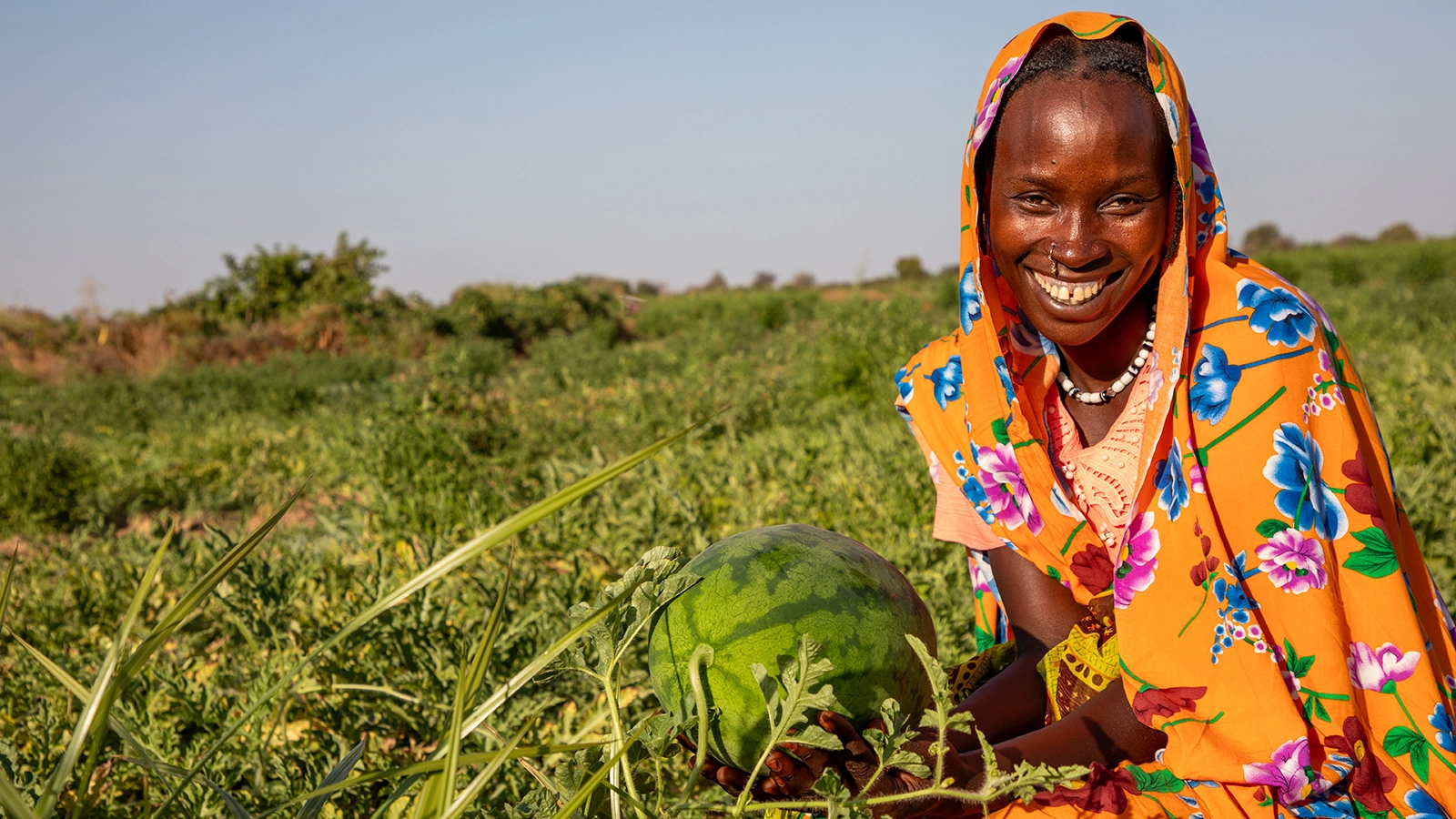
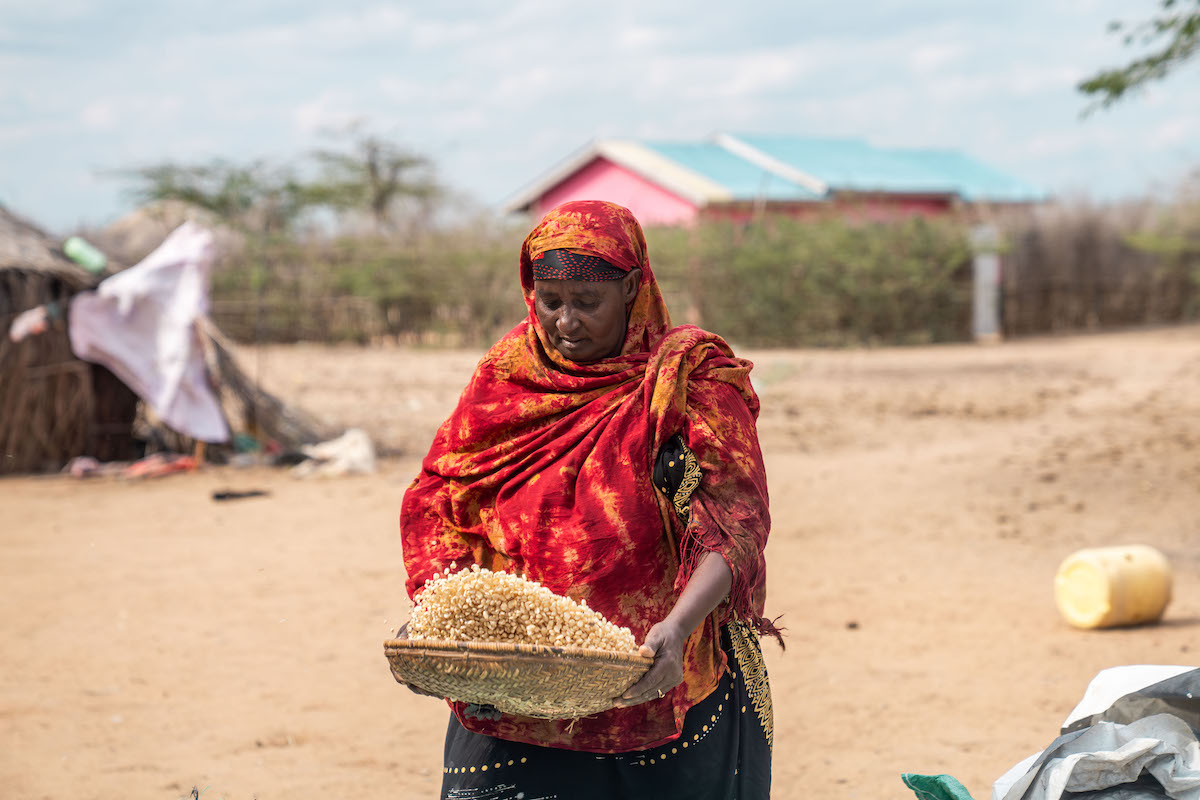
Members of the Fanaka Women’s group began to get access to what they had previously lacked. Meeting regularly with Concern Worldwide, they discussed what they needed in order to become more productive on their farms, receiving seeds for rice, mung beans, watermelon, and corn, as well as tractor services, irrigation support, and regular guidance from agricultural specialists.
Concern further supported the Fanaka Women’s group by conducting soil testing, which helped to determine crop sustainability and productivity. Meanwhile, the women farmers formed a close-knit support system; planting together, sharing the knowledge they were gaining, and tending their crops throughout the season. No competition, just community.
The results took even the most optimistic participants by surprise. Their families had steady access to food, and for the first time there was enough left over from their harvests to sell at market. Concern linked the Fanaka Women’s group to a market in Bura, Nutrinuts Company, which gave them a way to sell bulk produce at better prices, ensuring a fair return for their hard work.
Bura is proof-positive that working intentionally and strategically with rural women, supporting their livelihoods (largely in food production), has a tangible impact. The FAO estimates that doing this work at scale would raise incomes for 58 million people and boost resilience for 235 million—meaning that they would have more resources when it comes to dealing with droughts, floods, and other challenges facing millions of women farmers today.
For all seasons
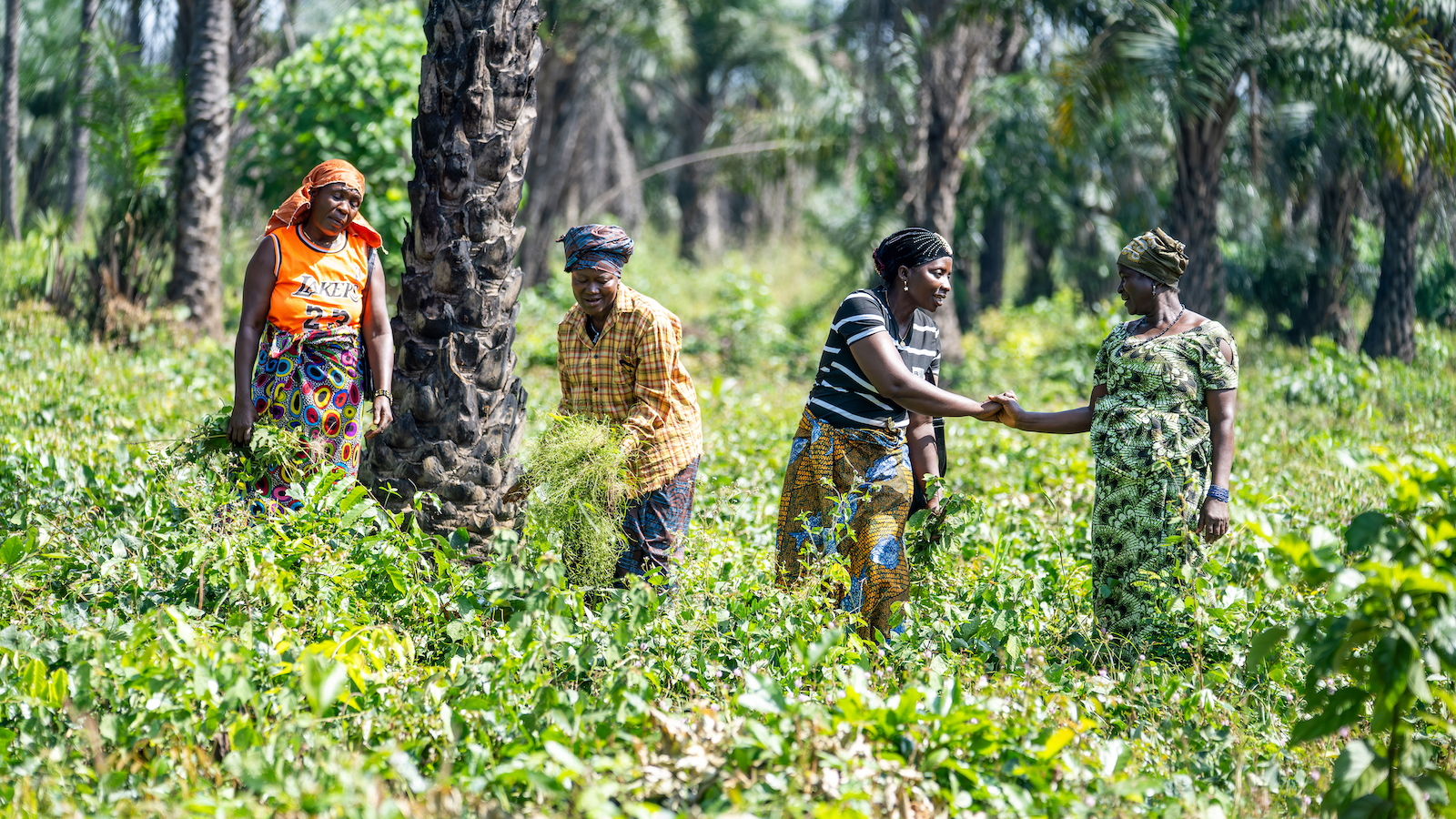
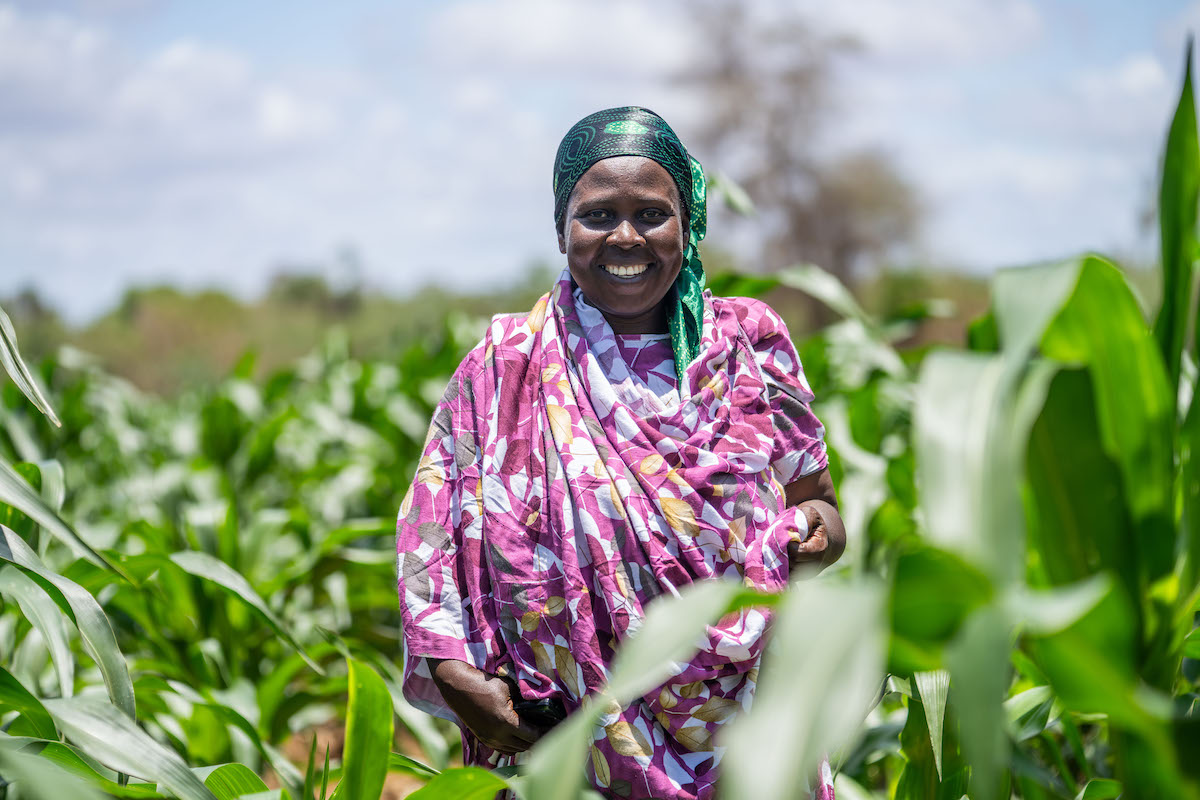
Investing in women farmers means investing in the future. “I want all the children—not only my kids, but all the kids in the community—to be good,” says Marie Mansaray, who serves as the chairwoman of her local women’s farming group in Freetown, Sierra Leone’s Tree Planting Community.
Her focus, along with that of many of her fellow groupmates, is on supporting not just the next season, but generations of seasons—nurturing the longer-term seeds of community and sustainability. Concern Kenya’s Amondi Abuoro describes it as “no longer just for subsistence,” but “a dependable source of income that households can plan around, season after season.”
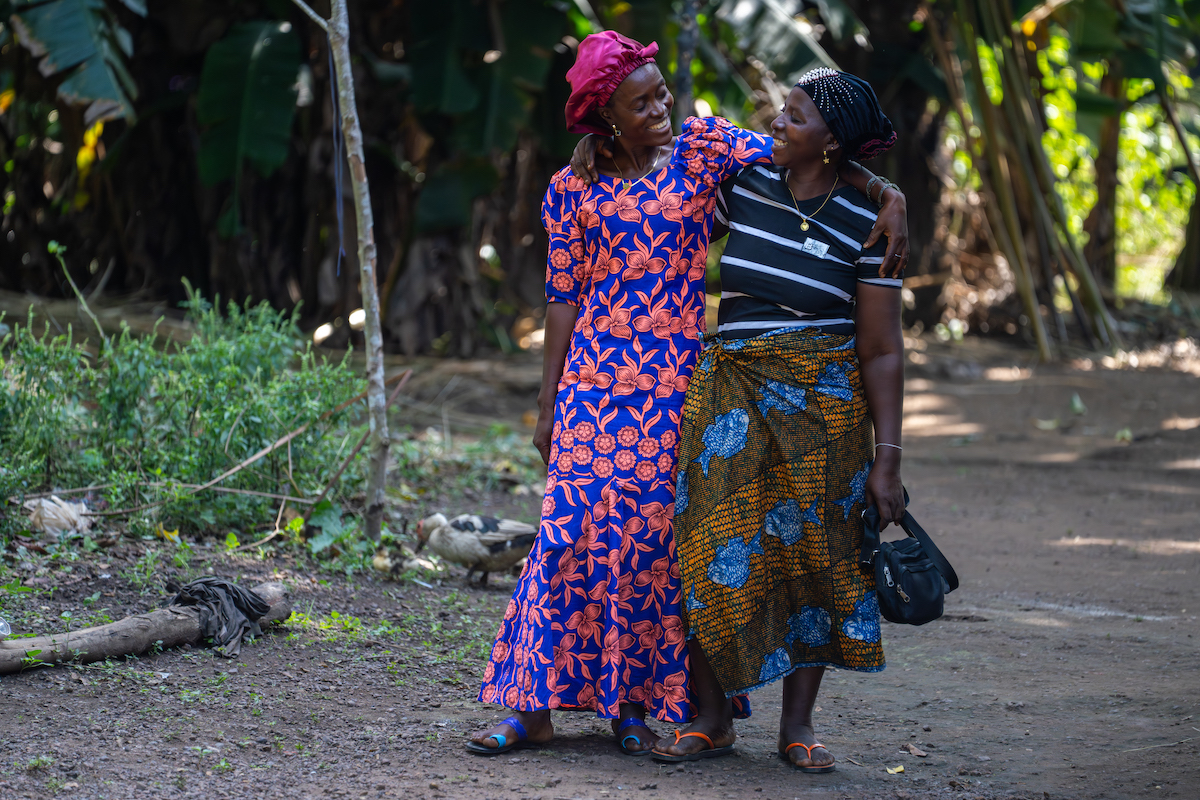
The community aspect of the women farmer groups supports this as well. “They are my elders,” says Mansaray of her group in Freetown. “Some of them are my aunties, some of them are my elder sisters. We usually have fun, laugh, and joke.”
How Concern is supporting women farmers
Concern’s work with women in farming focuses on holistic support that goes beyond a one-time intervention.
Environmental resilience
We work with all farmers to build resilience against the known-unknowns of climate extremes and environmental risks, using methods like Climate Smart Agriculture and disaster risk reduction (a series of initiatives that help mitigate against the possibility of natural disasters). These systems help to improve the quality and quantity of harvests, even in areas where farming has become less reliable.
Access to resources, capital, and decision-making
With female farmers, we also help to strengthen their access to resources, capital, and decision-making—at the family, community, and (where possible) national levels. This is one of the reasons we ensure that women have leadership roles in their communities, like Mary Oringa in Kenya and Marie Mansaray in Sierra Leone. Self-help groups and Village Savings and Loans Associations (VSLAs) are ways that we make credit more accessible, offering low-interest loans and creating community-based investment groups.
Community-led solutions
Community in general is also at the heart of our work in agriculture. We’ve increasingly turned to community-led solutions to the challenges that farmers and women face, supporting with resources or connections in different sectors. We further support women participating in agriculture through solidarity groups (including self-help groups and VSLAs).
Market and food system links for women
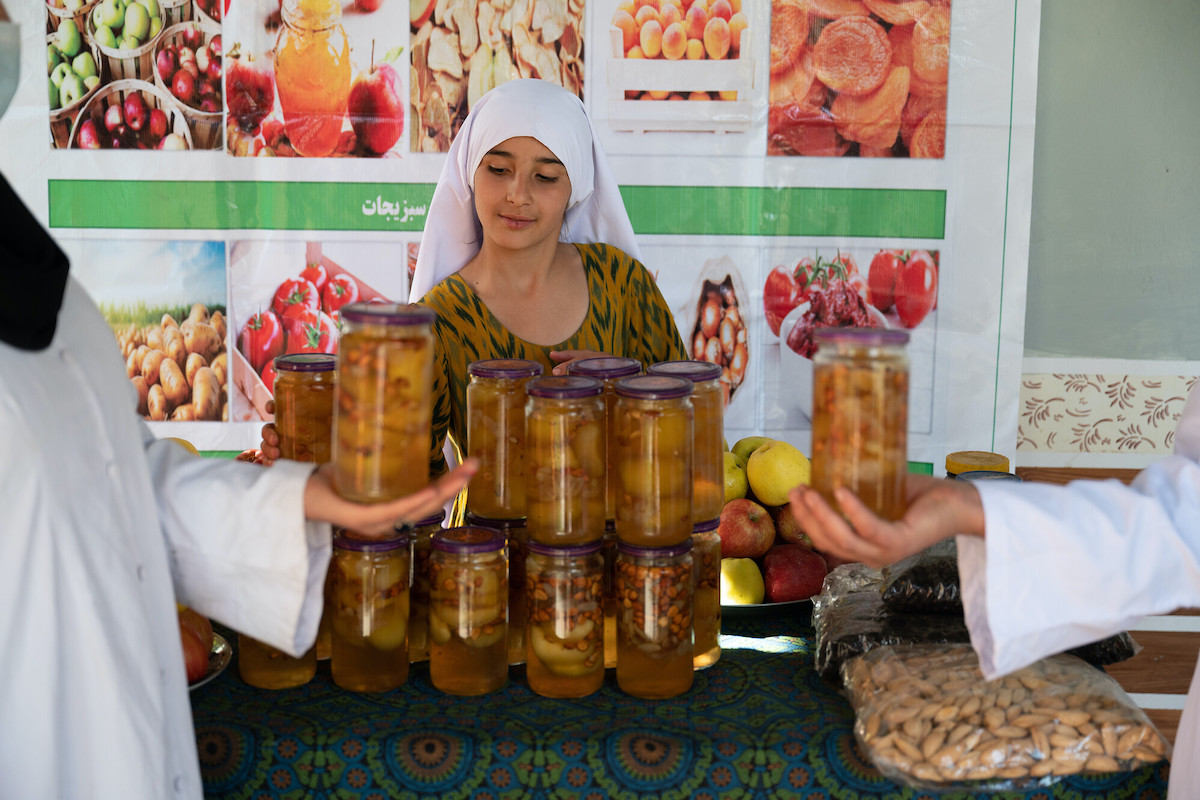
Likewise, we look for market links that will benefit women and their place in the broader food system. We support women working in food production to sell their products at a fair price. In Pakistan, as part of our BRAVE (Building Resilience and Addressing Vulnerability to Emergencies) program, we built links between program participants and the private sector via the BRAVE Women brand. This enabled over 1,800 women artisans to lead climate-resilient value chains through products including honey production, pickling, and dry-fruit processing.
All of these areas work together to build a better future for millions of women each year. While 2026 may be the International Year of the Woman Farmer, our work doesn’t stop at midnight on December 31. It’s a mission we have pursued and will continue to pursue until that future is a reality.