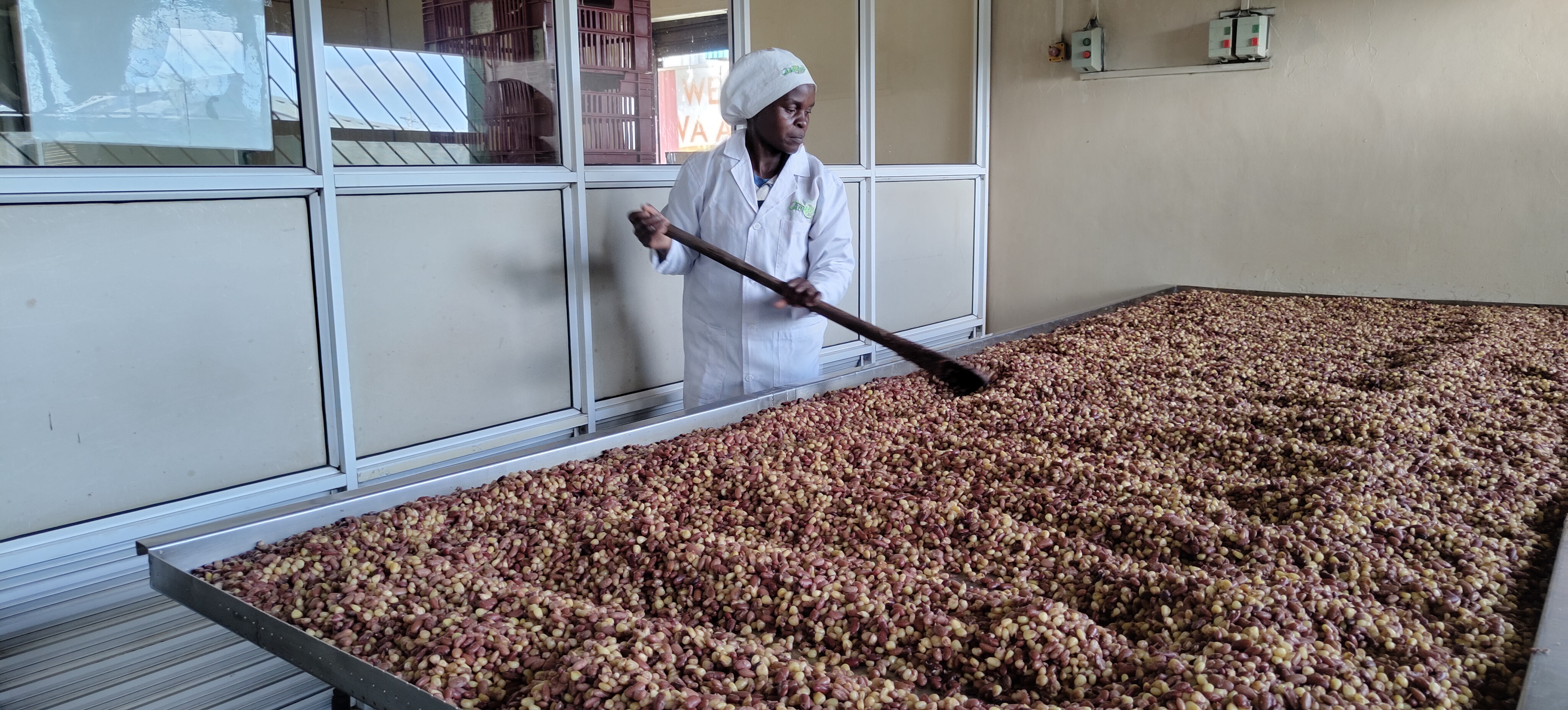
Manje Pi Byen & Manje Byen Lespri ak Ko Djanm
Two dynamic programs have helped nearly 1 million Haitians transform their lives for the better amid a worsening humanitarian crisis.
The challenge
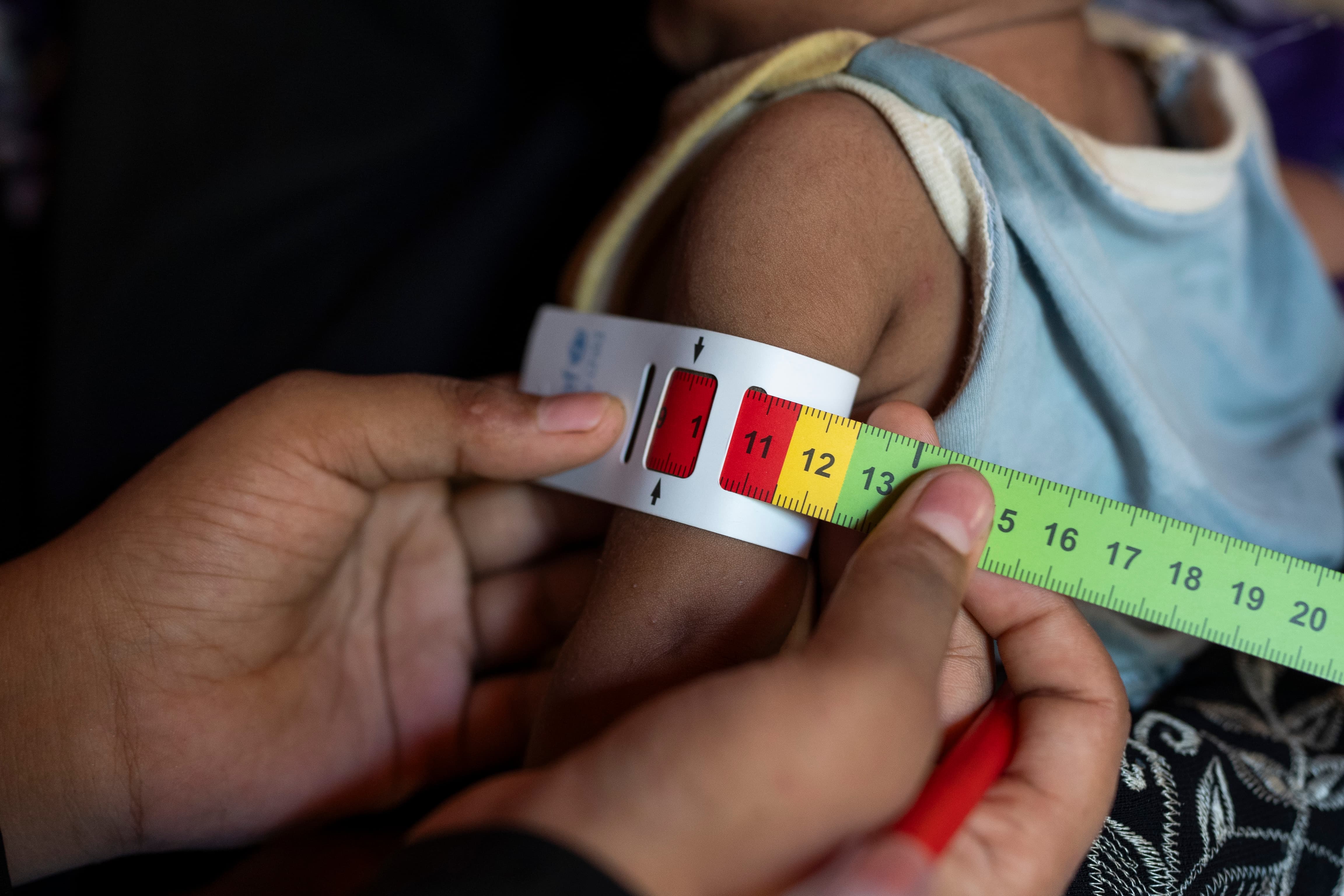
Hunger is one of the most devastating consequences of Haiti’s ongoing humanitarian crisis. In 2021, amid political instability, a 7.2-magnitude earthquake, and Tropical Storm Grace, the situation began to worsen, with the Integrated Food Security Phase Classification (IPC) warning that nearly half of the country was facing crisis levels of hunger or higher. The following year, the IPC recorded a first for the country: 19,000 people were facing catastrophic levels of hunger (the most severe level, suggesting famine-like conditions), with fatality rates rising due to a major cholera outbreak.
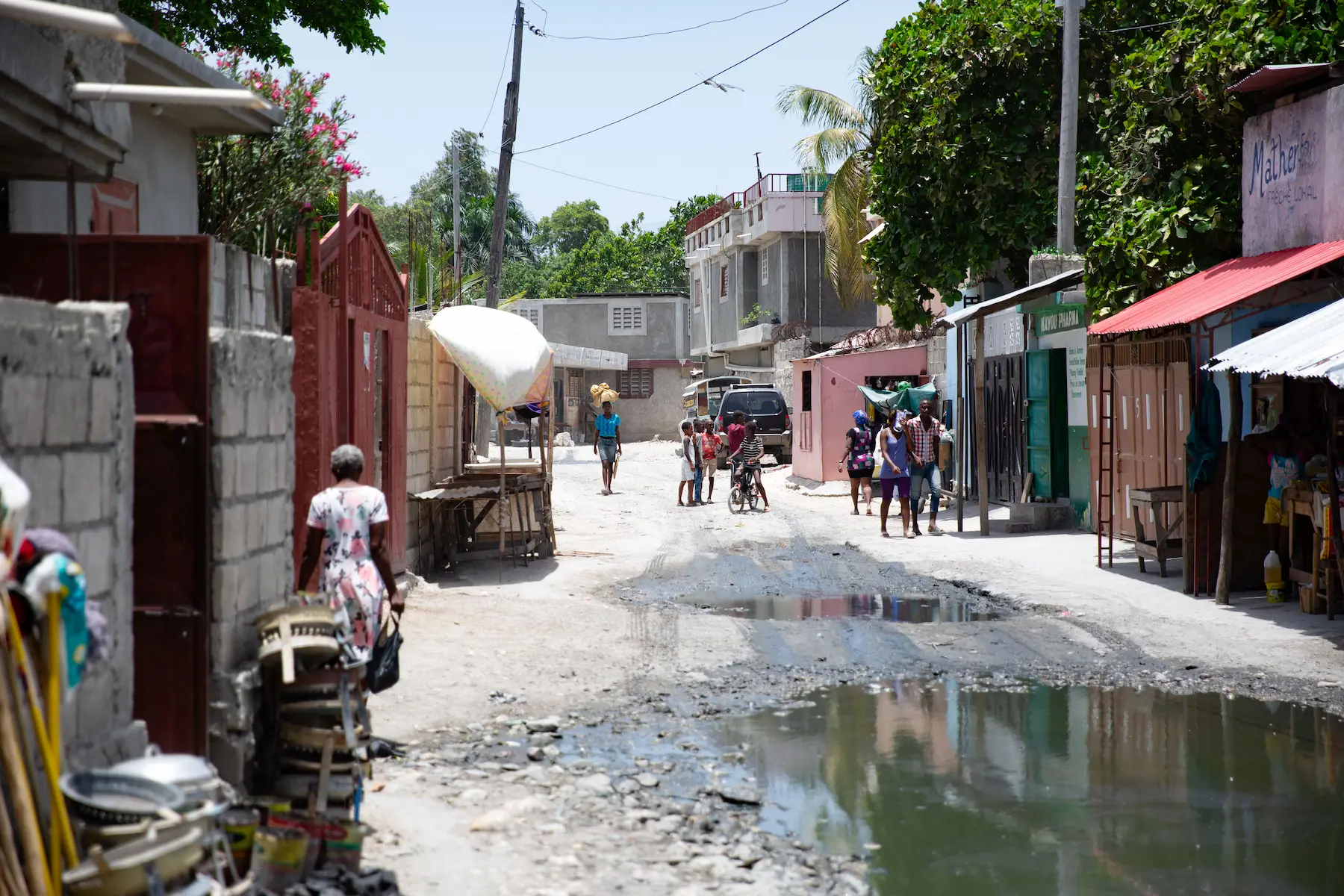
As the country’s humanitarian situation continued to deteriorate, so too did the food security for millions of Haitians, particularly in Cité Soleil—one of the densest and most impoverished neighborhoods of Port-au-Prince.
A comprehensive solution to a complex problem
Because the country faces a complex humanitarian crisis, addressing hunger in Haiti doesn’t come down to a single solution. Having spent a quarter of a century in the country, however, Concern Worldwide understood the different aspects of the country’s hunger crisis and how they fit together.
In 2020 and with support from the United States government, Concern developed Manje Pi Byen (“Eat Better” in Haitian Creole) as a comprehensive solution to a complex problem. The initial goals of the project were threefold:
- Improve the food and nutrition security of 3,000 families across 14 neighborhoods in Cité Soleil
- Increase the capacity of 50 local vendors to help ensure continual availability of high-quality, nutritious foods in local markets
- Promote key health and nutrition practices to advance nutrition security
These three objectives all pointed to the same result: Improving food security and overall resilience for vulnerable families by addressing the biggest contributing factors to hunger and malnutrition in the community.
Strengthening both inputs and outcomes
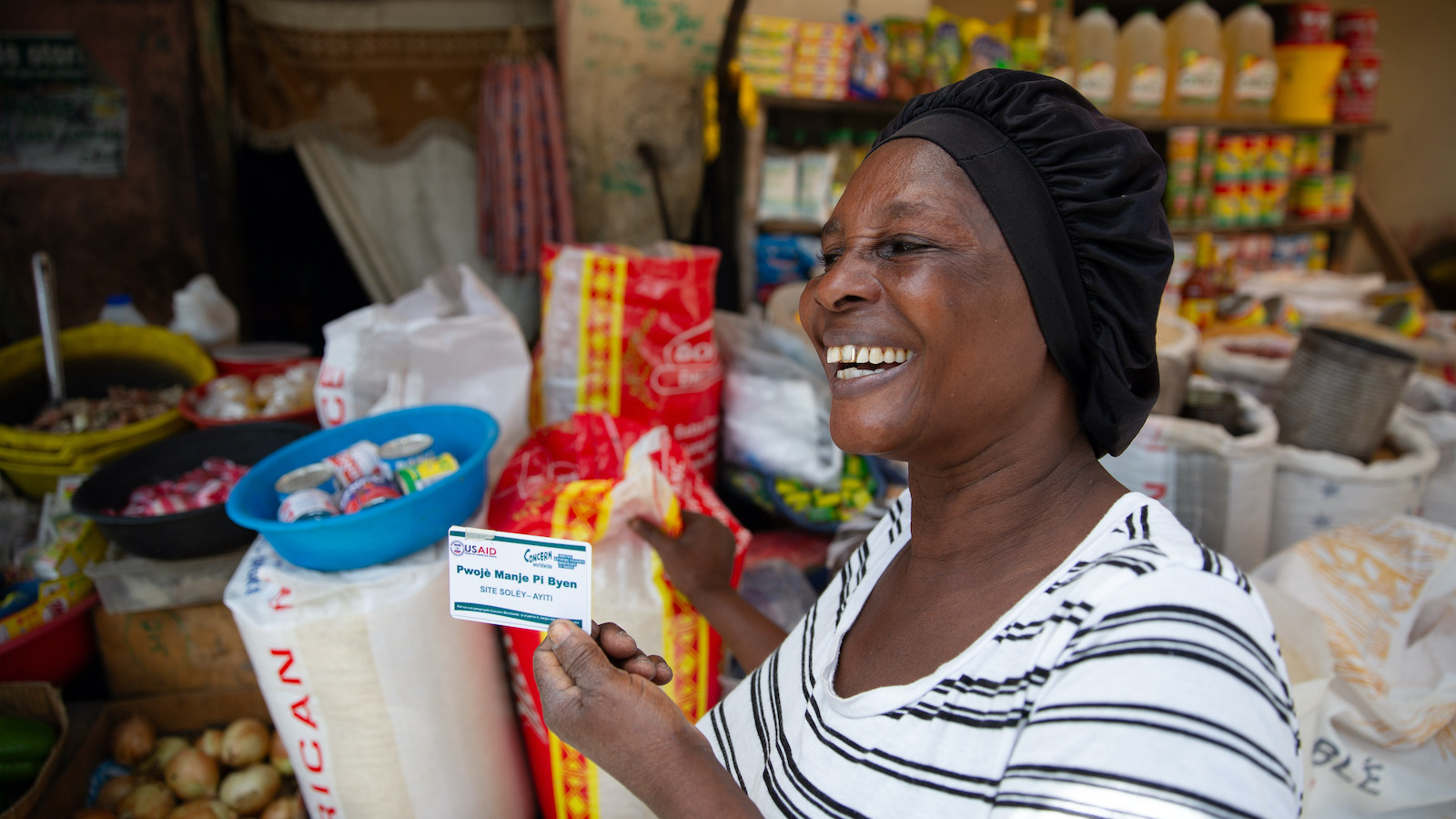
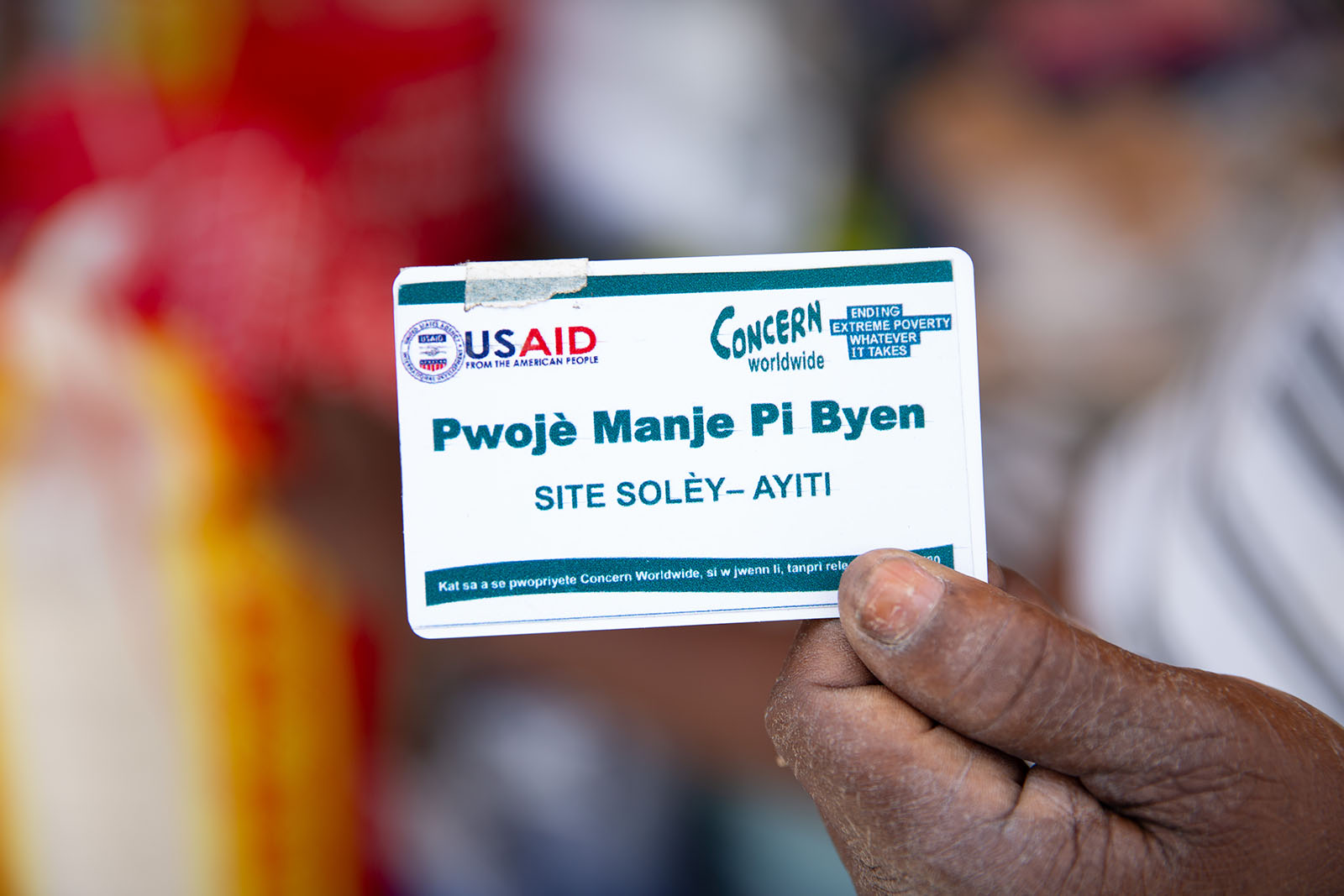
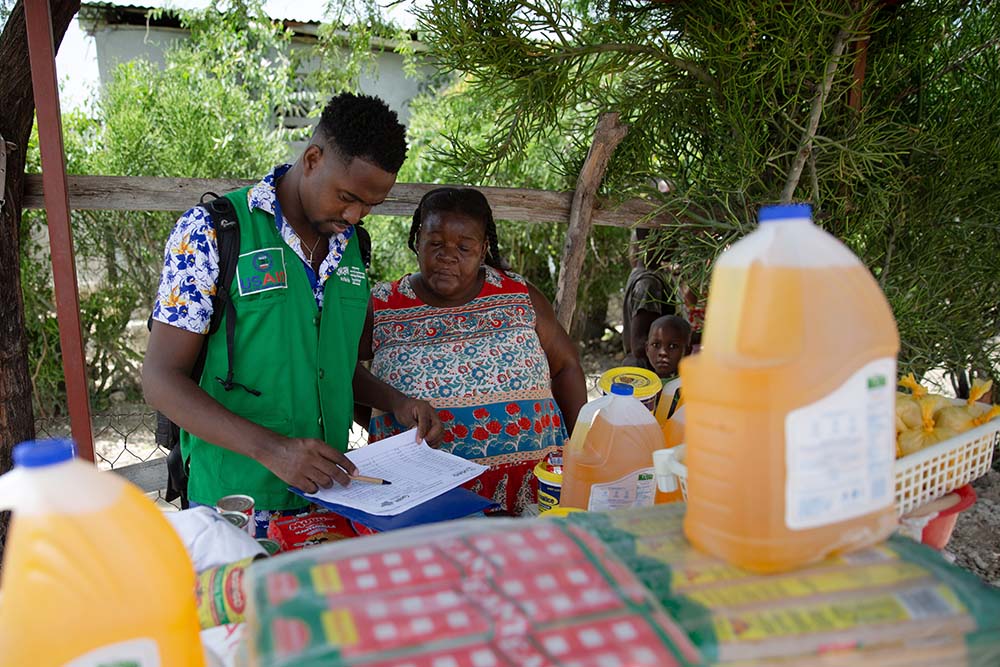
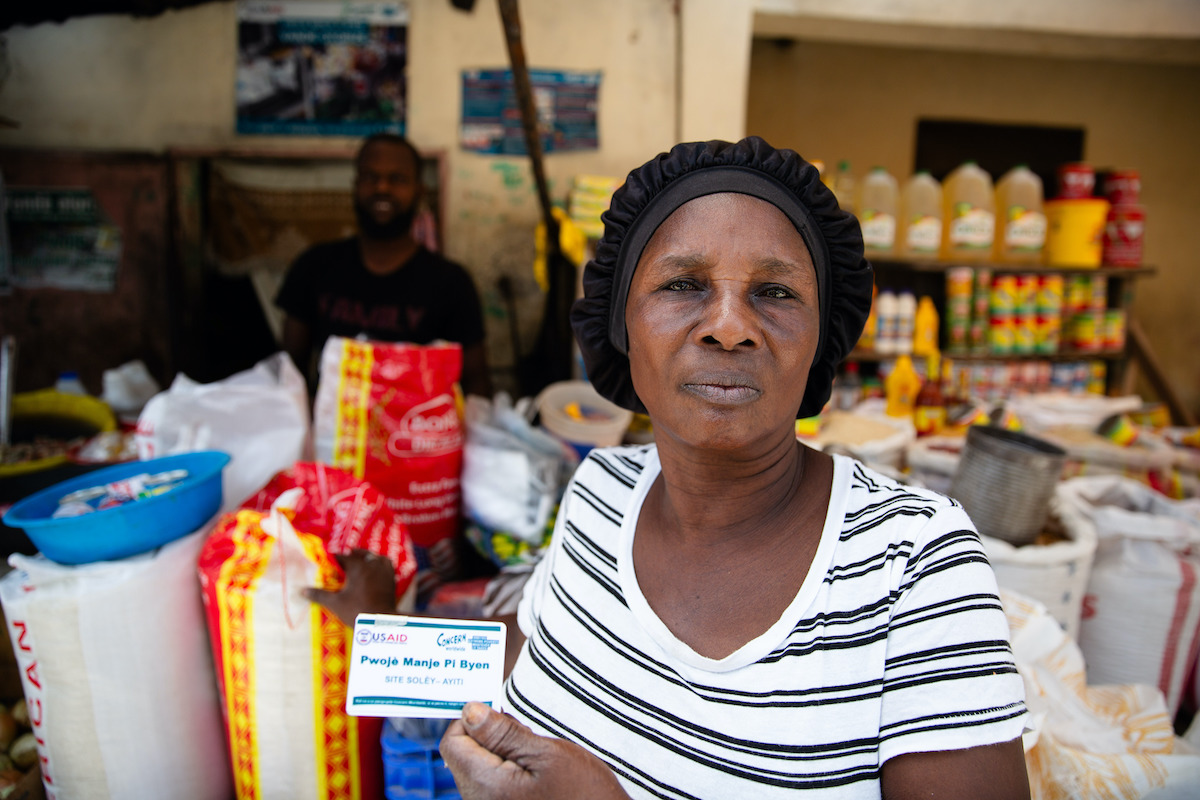
The initial success of Manje Pi Byen was in working with both sides of the equation: In our pilot of the program, we were able to cover 3,063 families—over 15,300 people—and 51 vendors. Families received monthly vouchers equivalent to $80 USD that they could use with participating vendors to buy nutritious food for their families.
The vendors who participated in the program received an initial kickstarting grant of $250 USD to invest in high-quality foods. They also received training sessions on entrepreneurship, investment, and business plan development. By working with participants as both decision-makers and economic actors, we were able to strengthen both inputs and outcomes, as well as local markets and food systems.
A lifeline in Cité Soleil
The proof was in the post-distribution monitoring. At the beginning of Manje Pi Byen, 81% of voucher participants reported that at least one member of their family had gone a day without eating due to a lack of available food. By the end of the program, that number had dropped by more than 45 percentage points with just 35% of participating families reporting the same after five months of e-vouchers.
Likewise, at the beginning of the project, 95% of families reported that at least one member had gone to bed hungry due to a lack of food, a number that also dropped by 43 percentage points during the course of the program.
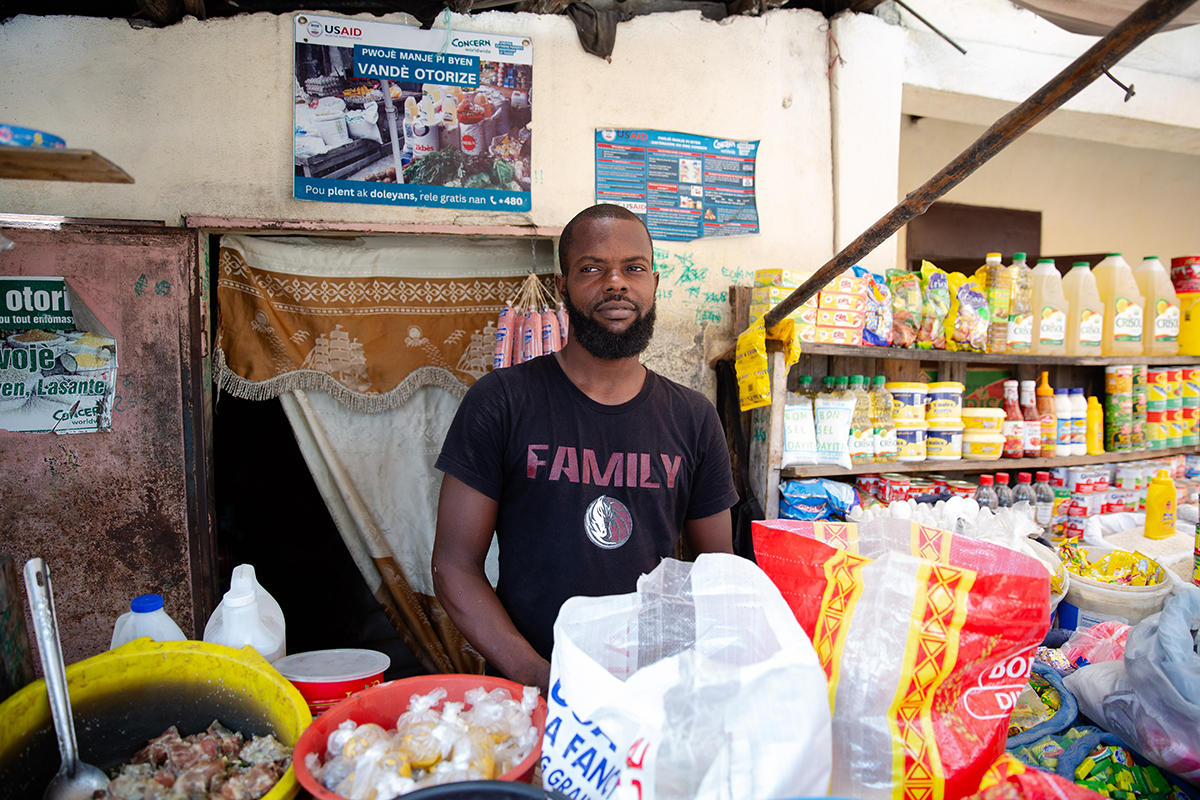
Vendors saw similar success, with 98% of participants reporting increased profits by the end of the project.
“Before participating in the Mange Pi Byen program, there wasn’t enough food for the community here. There wasn’t enough money for supplies. Before the project I was selling to about 10 people, but now I sell to over 50, maybe 60 people, in the community.” — Josef Quetal, Food vendor and Manje Pi Byen participant
Building on success in the face of a crisis
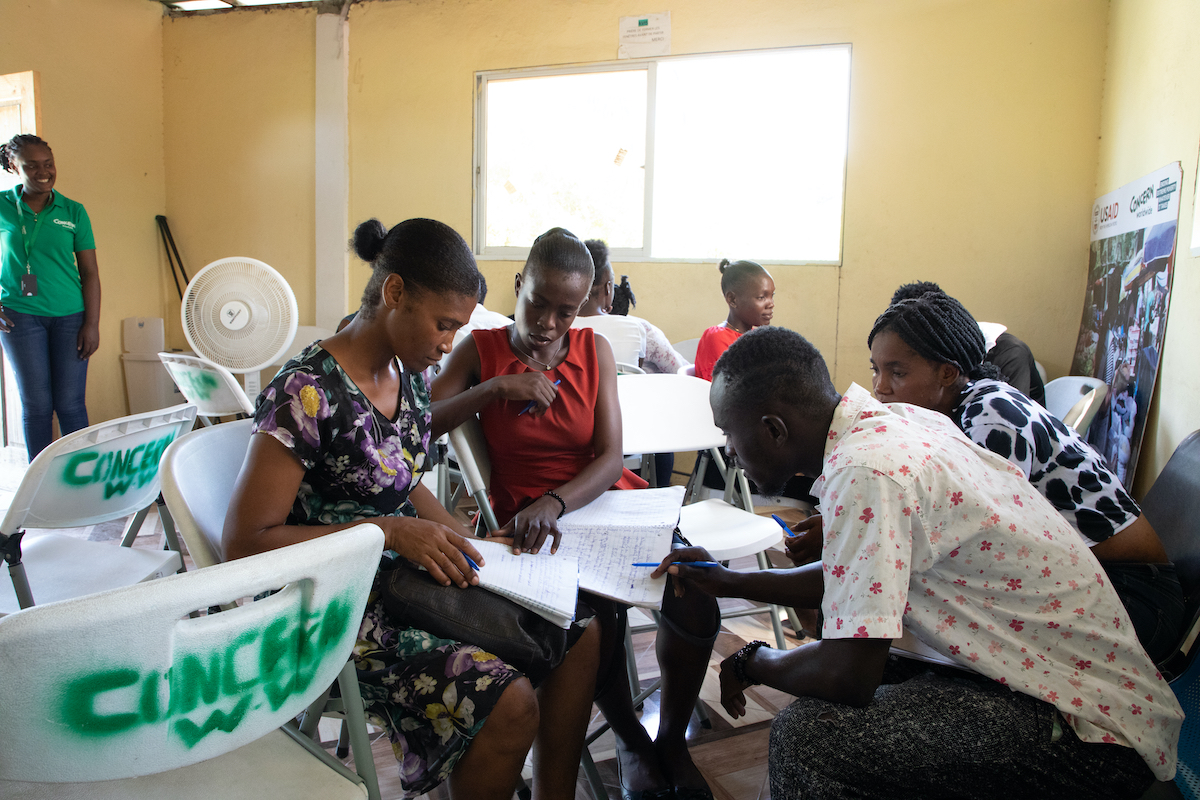
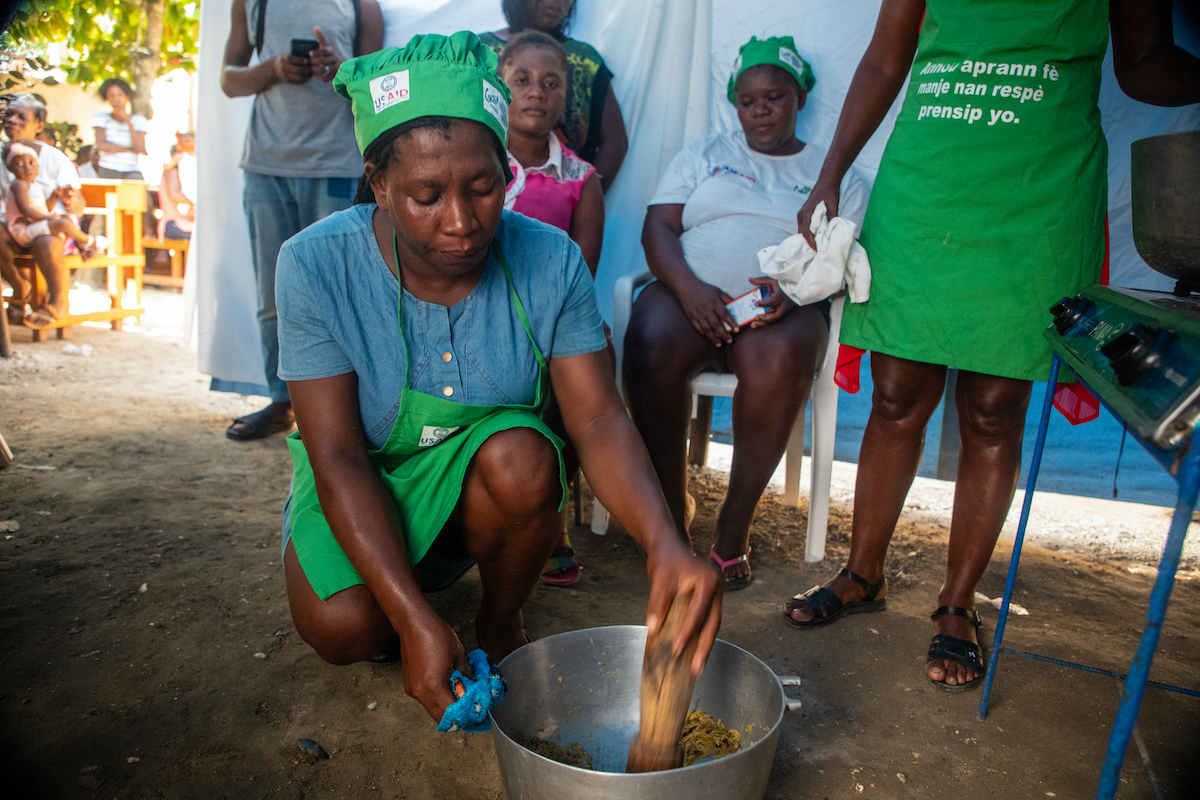
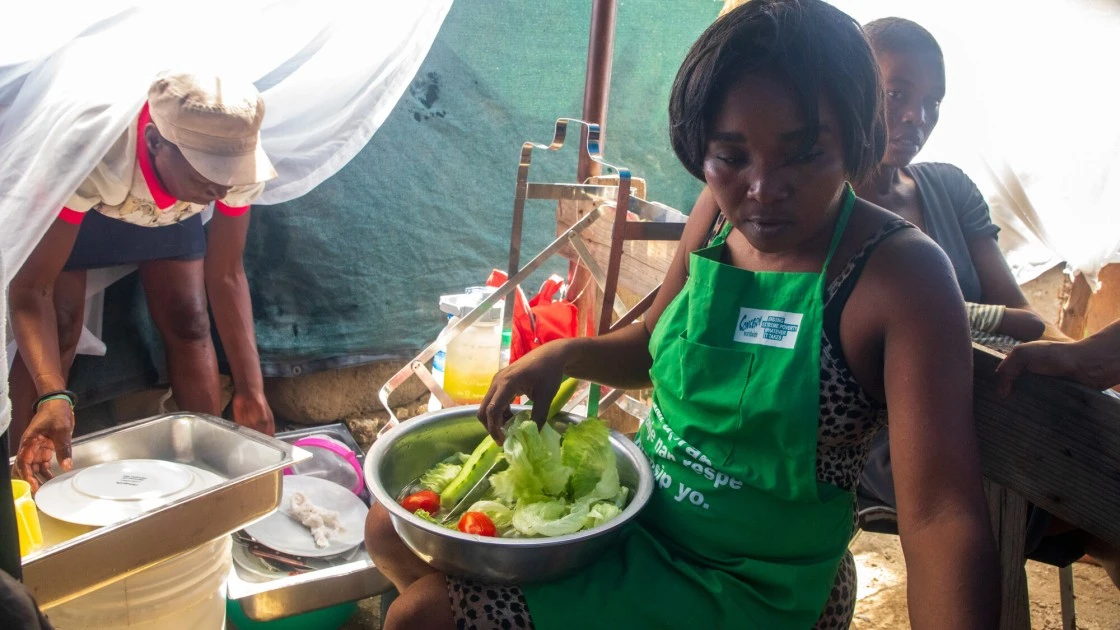
As the humanitarian situation worsened in Haiti through 2021 into 2022, Concern continued to work with Manje Pi Byen participants, supporting more vendors in 2022 and extending the project’s reach in other areas contributing to hunger and malnutrition. This included training sessions for program participants on best practices for nutrition and hygiene, with a special focus on care for pregnant and new mothers.
We also trained 12 community health agents, 38 young actors of change, and 30 protection points for women to help these practices spread within the community. In 2022, Concern also began to integrate protection activities that focused on both preventing and responding to violence against women and girls — a contributing factor to overall health and wellness within the community.
In 2023, as a major cholera outbreak also began to spread through Haiti, Manje Pi Byen also incorporated more water, sanitation, and hygiene initiatives to help curb the spread of cholera and other water-borne diseases (which often act as comorbidities with malnutrition, especially for children).
A community effort
Our reach expanded in 2023 for food security as well, reaching over 22,000 direct program participants and 80 vendors. We also established three Village Savings and Loans Associations among the vendors and expanded on community-based care models, working with 12 community healthcare workers, 50 local and religious leaders, 28 community focal points, and 77 mother and father group leaders to support nutritional best practices within Cité Soleil.
This spirit of stronger together was felt by participants as well: “Things we used to only see at other people’s houses, like nine-pound bags of rice, now we too can have these in our home,” said widowed mother-of-four Marie, who added that her family didn’t take their success in the program for granted: “We never eat alone…I feed my family and always remember to invite a hungry neighbor.”
Manje Byen Lespri ak Ko Djanm
By the end of Manje Pi Byen’s program run in 2024, Concern had reached over 737,000 people in the community over the course of four years. However, there was much more to be done, especially as the situation in Haiti became more complex.
Owing to the developing situation and shifting needs we launched a follow-up to our initial project, Manje Byen Lespri ak Ko Djanm (“Eat Well: Healthy Mind and Body,” or MBLK for short). Building on the impact and sustainability of Manje Pi Byen, MBLK combines several strategies that are tailored to the current crisis but remain adaptable to meet future humanitarian needs as the context evolves.
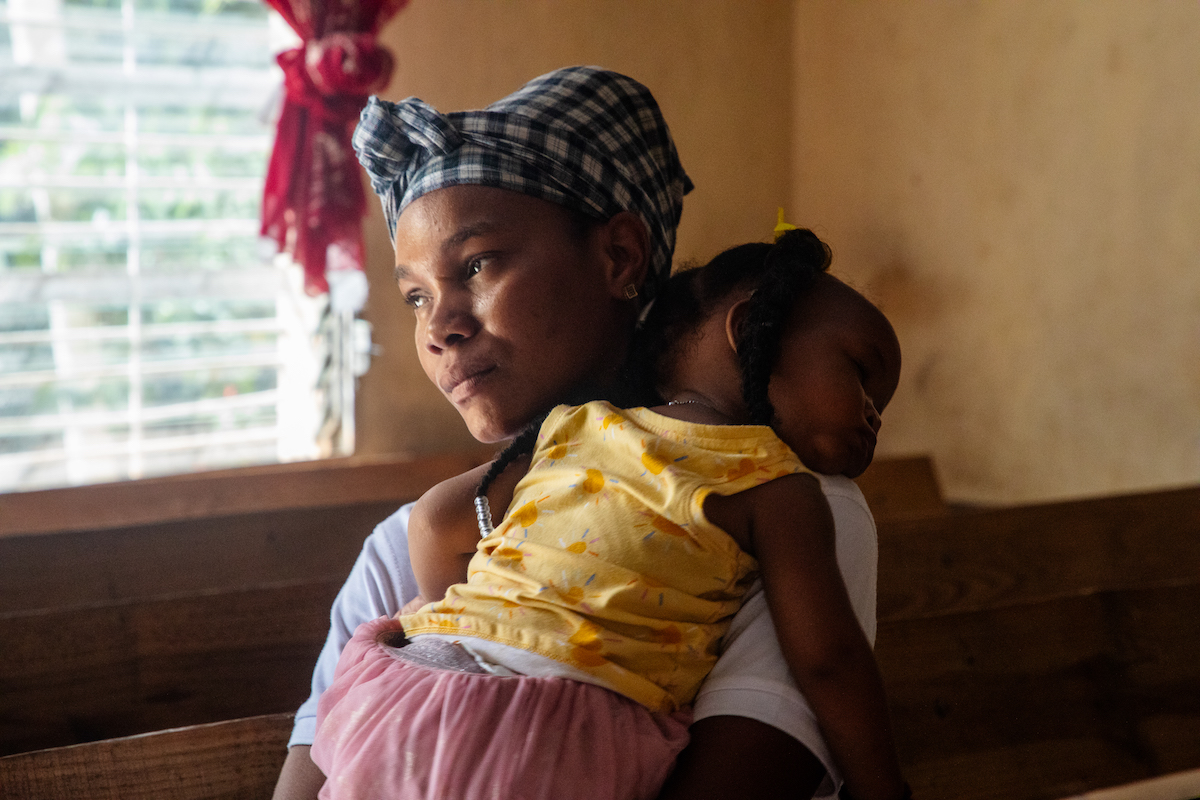
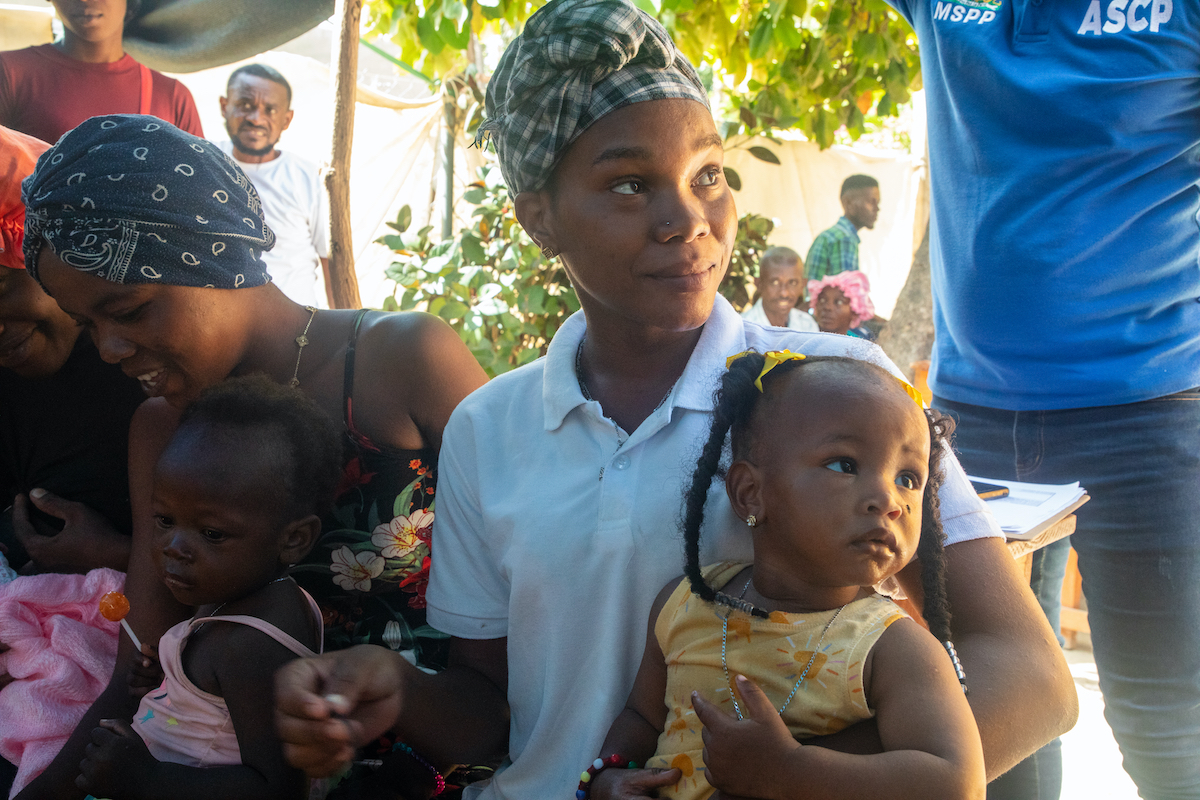
Scheduled to run from 2024 to 2026, MBLK has over 20,000 direct participants enrolled in a series of initiatives that focus on physical and mental health for residents of Cité Soleil as well as Croix-des-Bouquets. With increasing numbers of internally-displaced people in Haiti, we’ve focused in the last year on protection and WASH services in IDP sites, as well as services and resources for women and children (including a summer camp providing psychosocial support and life skills to 100 young Haitians and ongoing psychosocial care for internally-displaced children).
“What I received that day saved my life,” said one participant who, after being attacked, received both psychological and peer support as she navigated post-traumatic stress. “When I was sinking into depression, [my peers in the program] helped me lift my spirits.… I hardly ever cry anymore in these moments of great fear and lack in which I’m living now.”
“What I received that day saved my life.” — Manje Byen Lespri ak Ko Djanm participant
Contact us
To learn more about the Manje Pi Byen and explore how your organization can get involved in Concern’s work to make a lasting impact, please contact Katie Waller, Director of Strategic Partnerships, at [email protected].
Your support
Individual donations have also helped advance the work of Manje Pi Byen and Concern’s overall emergency response in Haiti. Your tax-deductible gift makes you part of a vital community that enables us to reach over 27 million people each year with lifesaving programs and interventions.