After 15 years of conflict, 15.6 million people in Syria require humanitarian assistance. Here’s what we’re doing — and how you can help.
After 15 years of conflict and amid a rapidly-changing context in 2026, Syria remains one of the world's largest humanitarian crises. Even as millions return home, it also remains the largest refugee crisis and internal-displacement crisis, with a long road to recovery ahead.
15.6 m
15.6 million people in need of humanitarian assistance in 2026.
people in need of humanitarian assistance in 2026
5.48 m
5.48 million Syrian refugees remain displaced as of January 2026.
Syrian refugees remain displaced as of January 2026
5.54 m
5.54 million people remain internally-displaced.
people remain internally-displaced
25%
25% of the country is facing hunger.
of the country facing hunger
How to help Syria
Support Concern’s Emergency Fund and help us to reach more people in Syria — and other conflict zones around the world.
The political shifts in Syria that took place over the final weeks of 2024 led to a new reality that continued to develop throughout 2025: More than 3.4 million refugees and IDPs returned home to rebuild their lives after years away, while other parts of the country continue to face sporadic attacks. The need for humanitarian aid in Syria remains close to an all-time high, with 15.6 million people requiring support n 2026. This is 20% higher than needs in 2018.
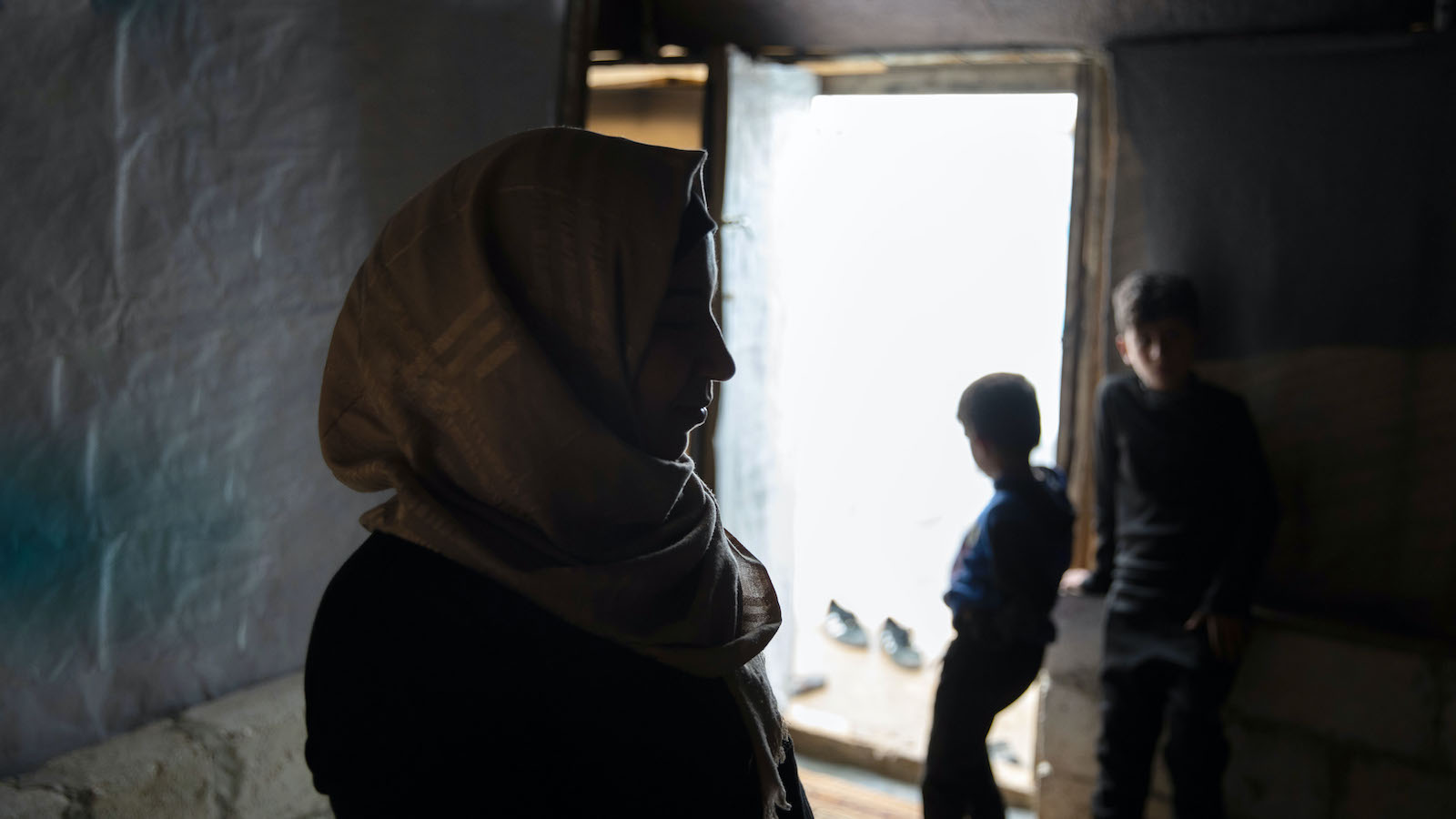
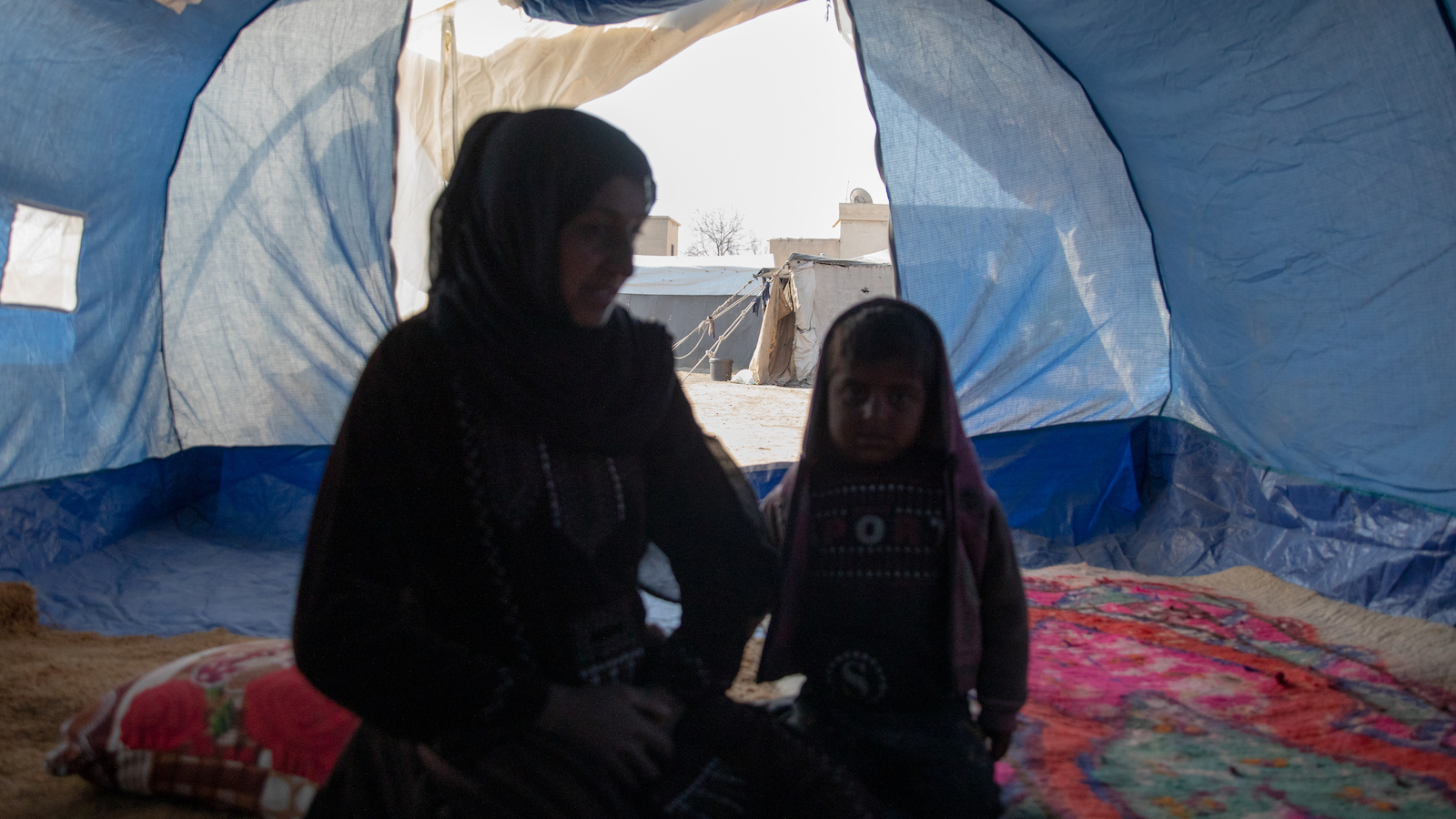
Hundreds of thousands of families have faced conflicting emotions in the last year as they’ve returned home (many after more than a decade away) only to find their hometowns reduced to rubble. Many are still living in tents on top of the rubble that was once their homes.
Local infrastructure is also severely compromised, with many communities going without electricity, sanitation, and water supply networks (fully half of all Syrians lack access to clean and safe water). Schools, hospitals, and markets and bakeries have all been destroyed or partially destroyed, leaving essential services unavailable.
With ongoing violence in certain areas of the country, there were also new displacements in 2025, with approximately 150,000 moving across northeast Syria to flee bouts of conflict in Aleppo.
What’s more, the number of Syrians who have returned home are still only a fraction of the total displacement caused by more than a decade of crisis: As of December 2025, the UNHCR still recorded more than 5.4 million refugees (still leaving Syria the world’s largest refugee crisis as we entered 2026). An additional 5.5 million Syrians remain internally-displaced as of this month. Many are afraid to return home with so much about the future still uncertain.
The whole of the Syria is also facing the worst drought conditions in 36 years, with the Food and Agriculture Organization predicting that wheat harvests will fall 70% short of expectations. This could leave over 16 million people in the country unable to meet their nutritional requirements.
Before 2011, Syria had a sizable middle-class population, with 33% of the country living below the national poverty line and 11% living below the international poverty line. During the conflict, those numbers have surged, with 90% of the country living in poverty and 66% living in extreme poverty.
Syria continues to face a food security emergency, with the Famine Early Warning Systems Network (FEWS NET) estimating that 6.99 million people will be facing crisis levels of hunger through April. These conditions, which affect 25% of the country, have been brought on by conflict-related damage to irrigation systems and infrastructure, shifts in governance, and three years of drought conditions.
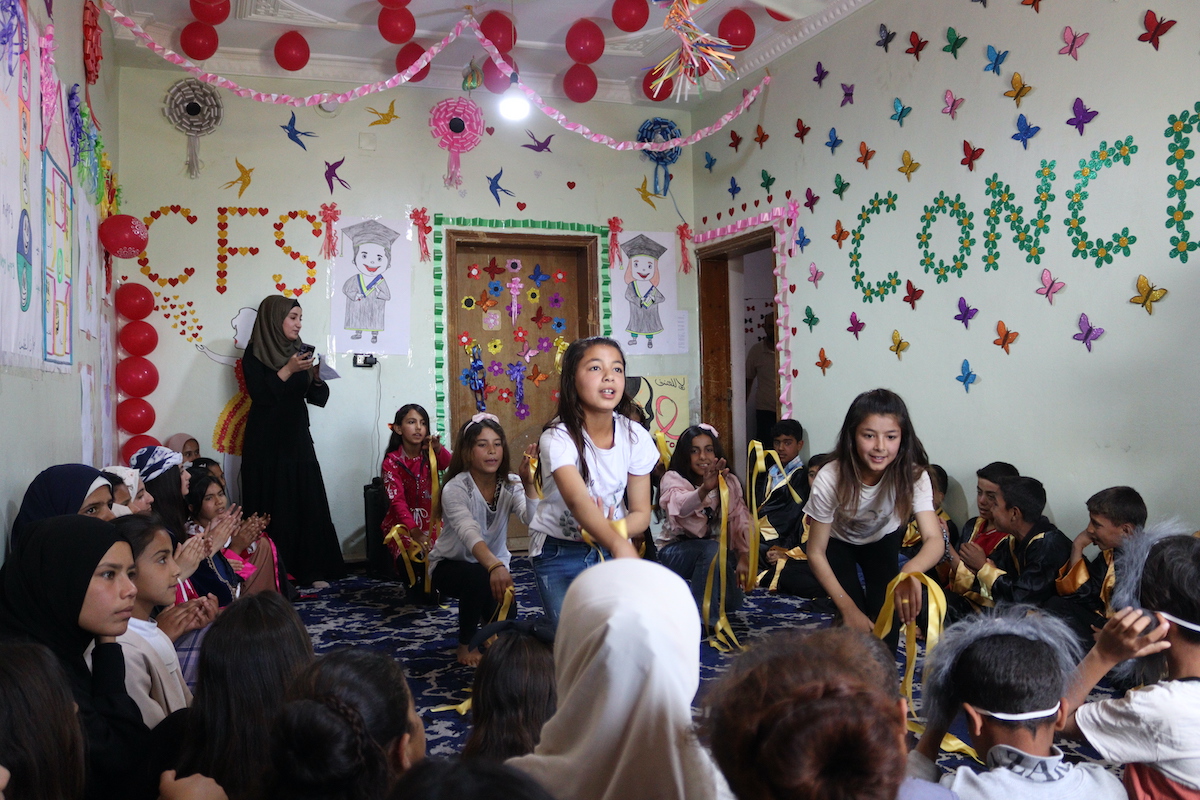
Children graduate from Concern's non-formal education centre in Tabqa, Syria. (Photo: Ahmad Alaboud/Concern Worldwide)
How is Concern helping in Syria?
Concern has been working in Syria since 2013, responding to the crisis within the country as well as neighboring countries that have hosted large communities of Syrian refugees. Last year, our work in Syria reached more than 1.5 million people (directly and indirectly) with lifesaving humanitarian aid, including multipurpose cash assistance, education programming, psychosocial support for adults and children, and the rehabilitation of water, sanitation, and hygiene systems.
1.5 m
1.5 million people reached in Syria in 2025.
people reached with our Syria response in 2025
367,000
367,000 people reached with water, sanitation, and hygiene (WASH) support.
people reached with water, sanitation, and hygiene (WASH) support
90%
90% of children in Concern’s non-formal education programs advanced into further education.
of children in Concern’s non-formal education programs advanced into further education
130,000
130,000 people reached with livelihoods and cash assistance programs.
people reached with livelihoods and cash assistance programs
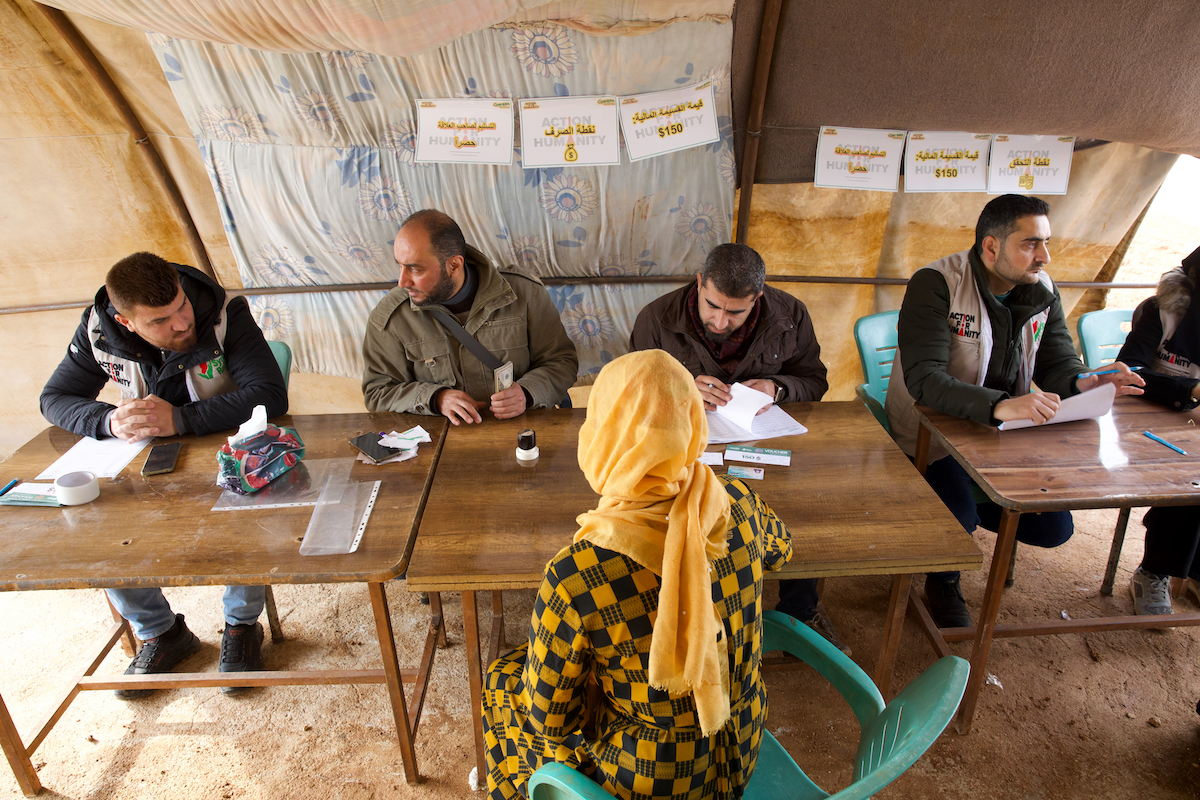
Members of the Concern-led Syria Relief team deliver cash vouchers to program participants. (Photo: Ali Haj Suleiman/DEC/Concern Worldwide)
You can also learn more about what's going on in Syria in the links below, and follow Concern Worldwide US on LinkedIn, Instagram, YouTube, and Facebook for more updates, or sign up for our newsletter below.