Syria
Country stats
- Capital: Damascus
- Population: 24.6 million
- People requiring humanitarian aid: 15.6 million
Concern’s response
- Syria program launched: 2013
- Program areas: Education, Emergency Response, Health & Nutrition, WASH
Why are we in Syria?
After 15 years of conflict and amid a rapidly-changing context in 2026, Syria remains one of the largest humanitarian crises today. Even as millions of refugees and IDPs return, it also remains the world’s largest displacement crisis, with a long road to recovery ahead for those able to go home.
15.6 million Syrians will need humanitarian assistance in 2026
Following the onset of civil war in 2011, Syria became one of the world’s largest displacement and humanitarian crises year after year, with over 60% of the country’s pre-war population uprooted.
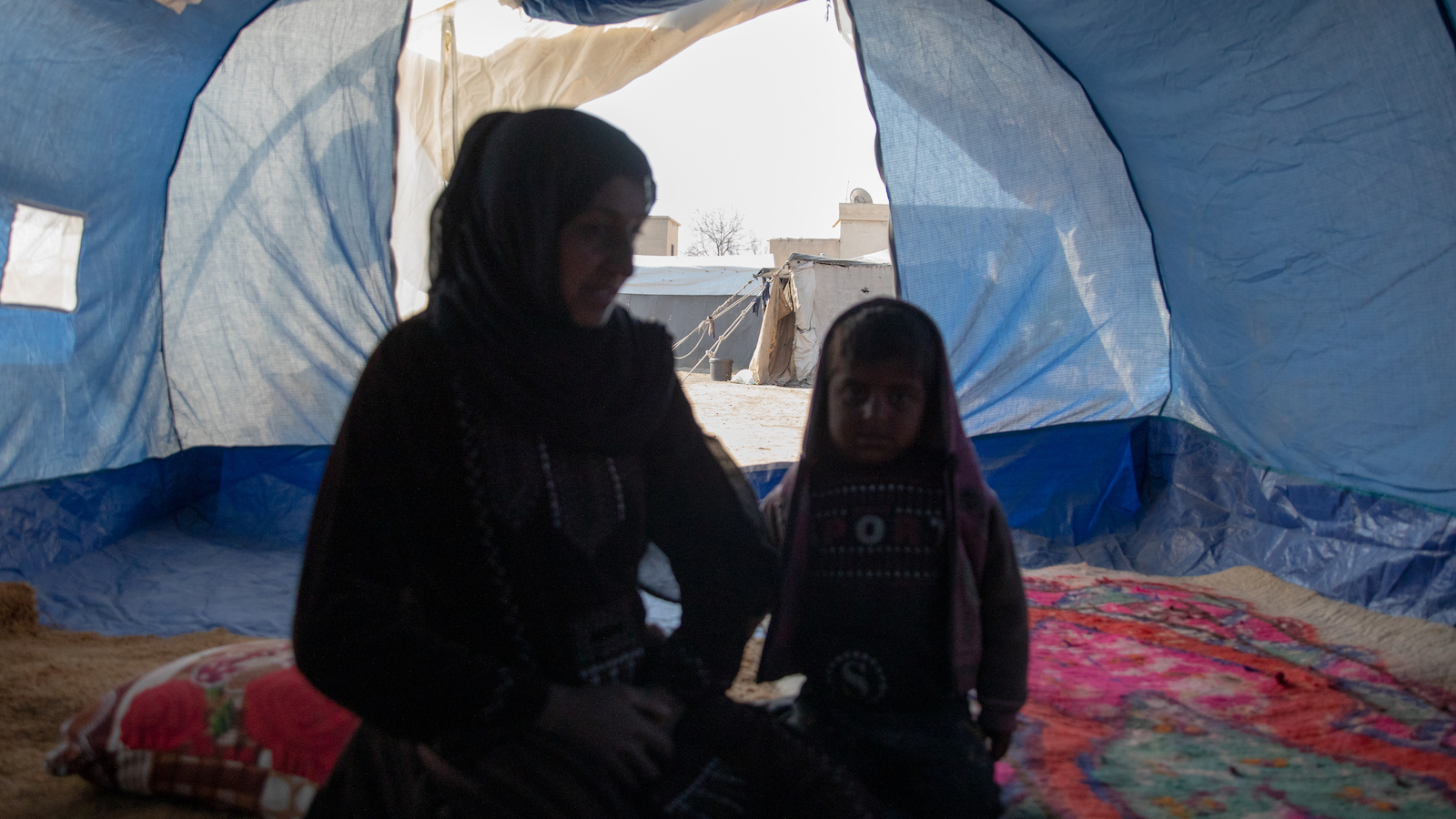
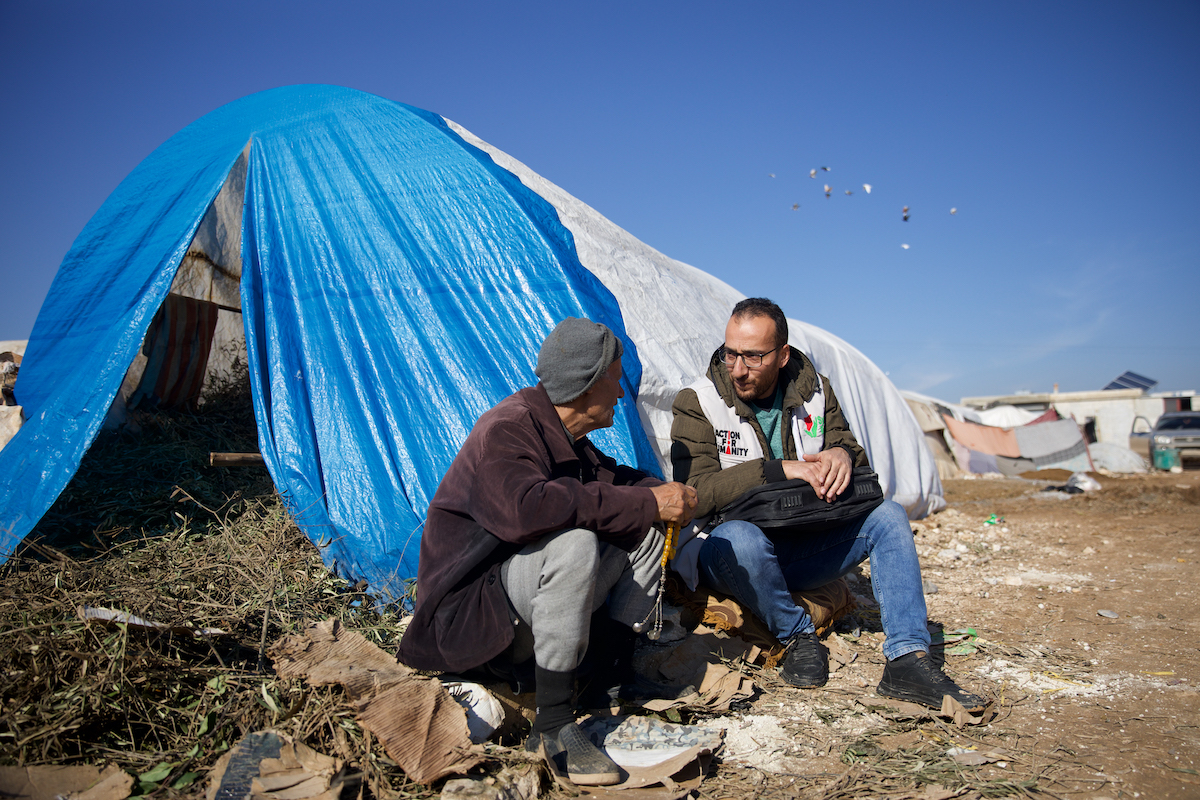
The political shifts that took place over the final weeks of 2024 have led to a new reality that continues to shift in 2026. Over 3.4 million refugees and internally-displaced people (IDPs) have returned home to rebuild their lives after years away, while other parts of the country continue to face sporadic attacks. Hundreds of thousands of families have gone back only to find their hometowns reduced to rubble, with many living in tents on top of the rubble that was once their homes.
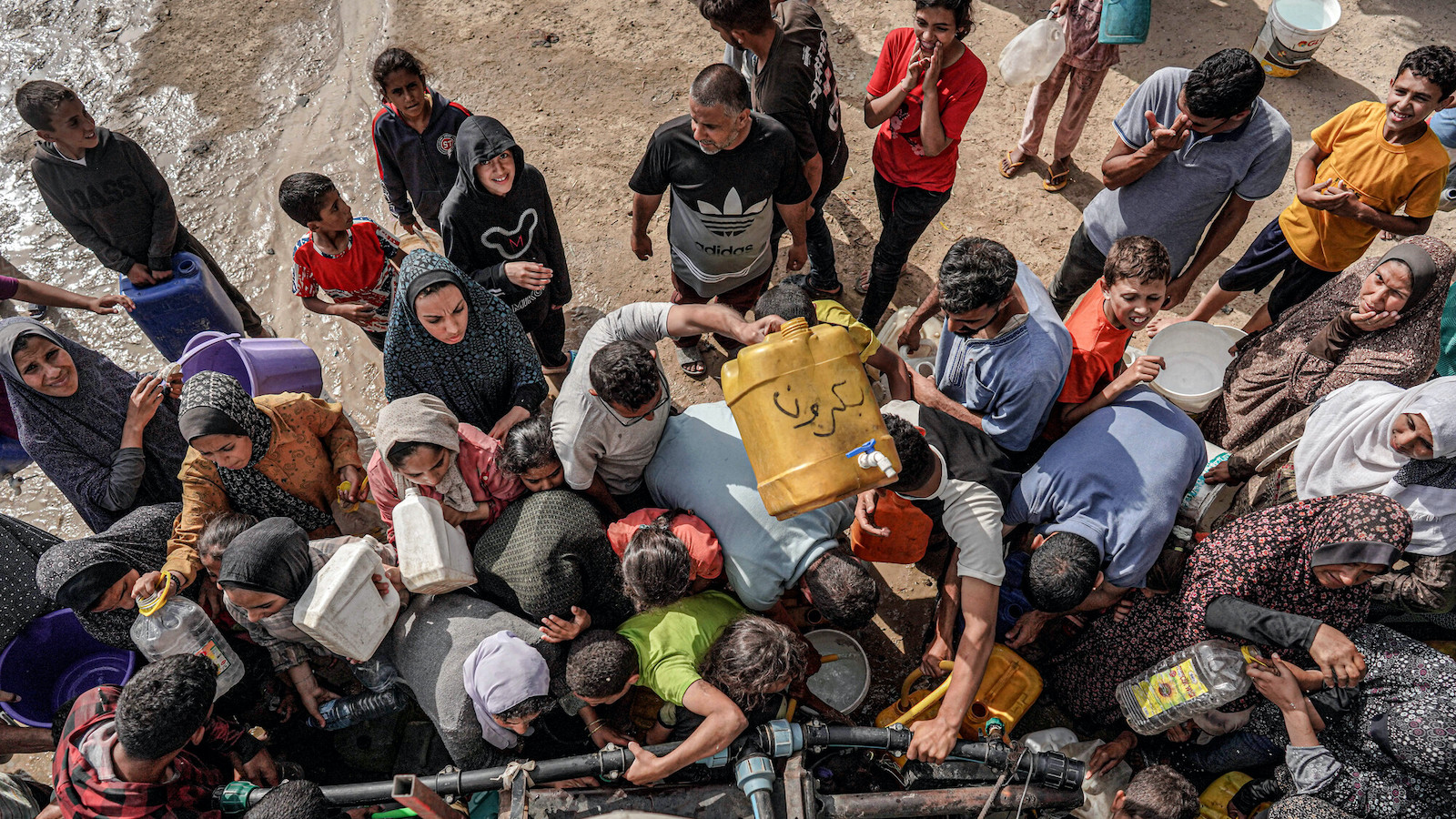
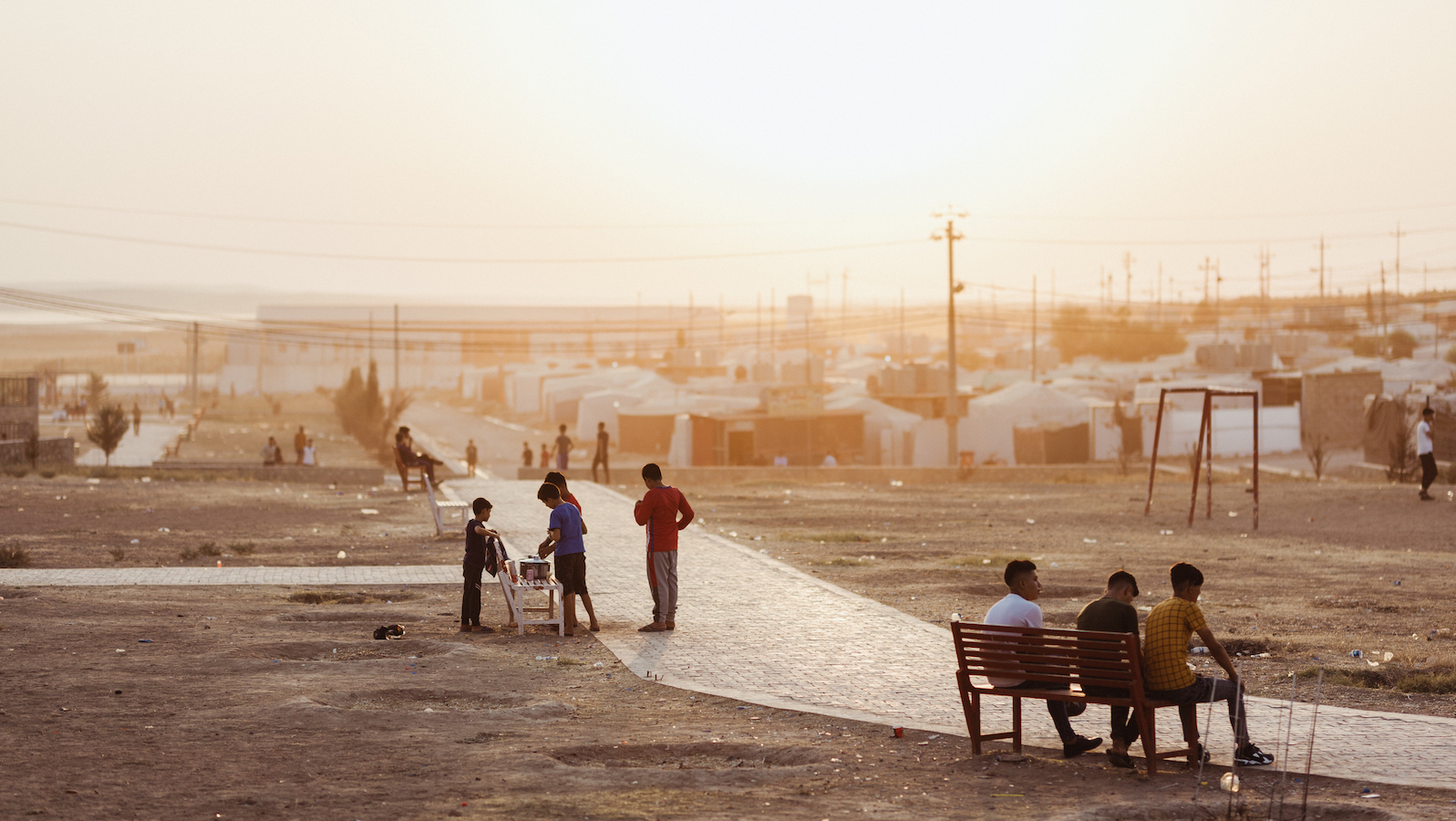
With ongoing violence in certain areas of the country, there are also new displacements. In 2025, approximately 150,000 people moved across northeast Syria to flee conflict and are living in displacement sites, struggling to get the most basic essentials like food, water, and medicine. 90% of the country still lives below the poverty line, and 66% are living in extreme poverty. This has led to an ongoing food security crisis in the country, with the Famine Early Warning Systems Network estimating that 25% of Syrians go to bed hungry each night.
Latest achievements
Program impact
In 2025, Concern reached 1.5 million people in Syria, including over 561,000 people directly enrolled in our programs.
Education
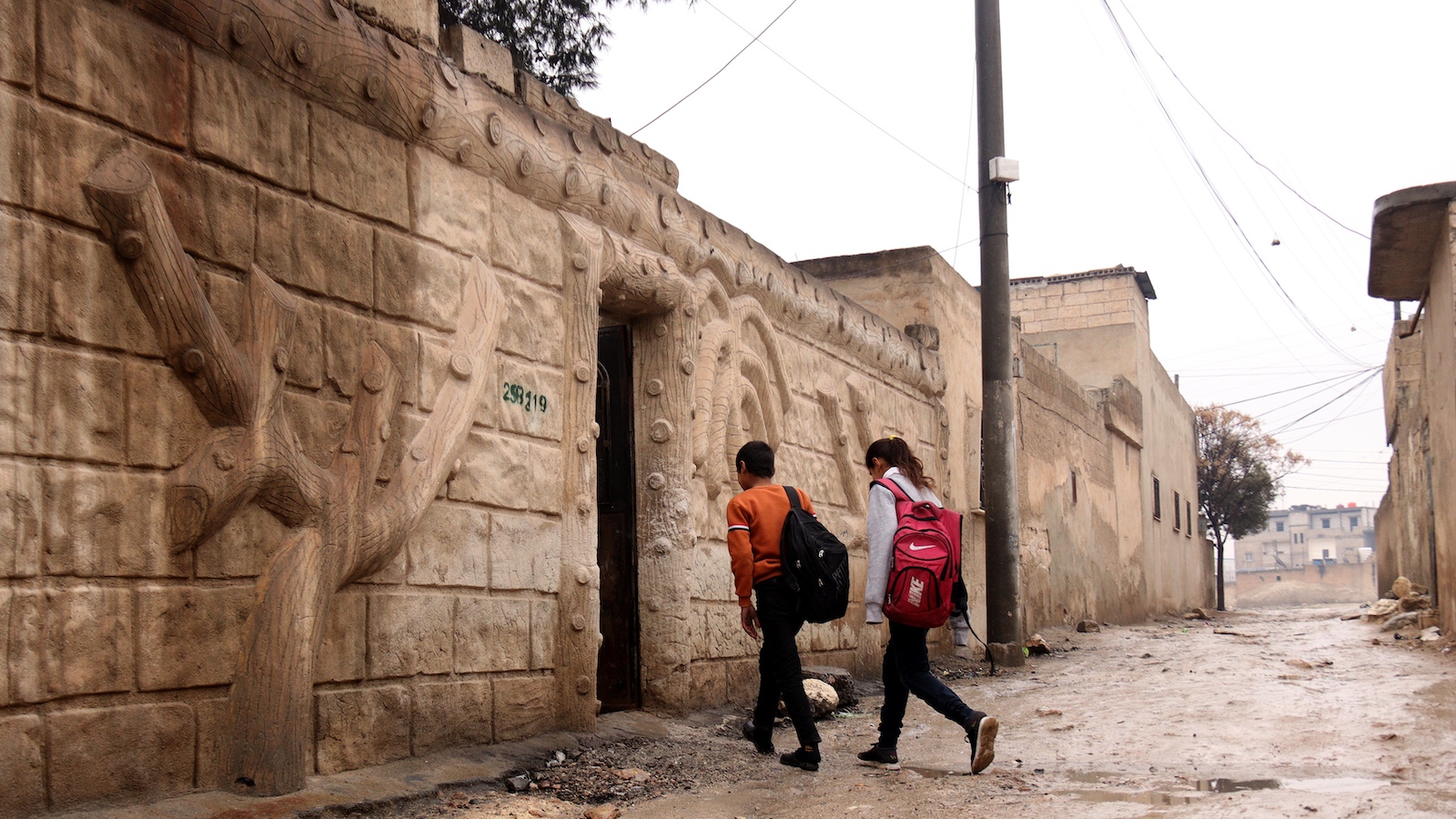
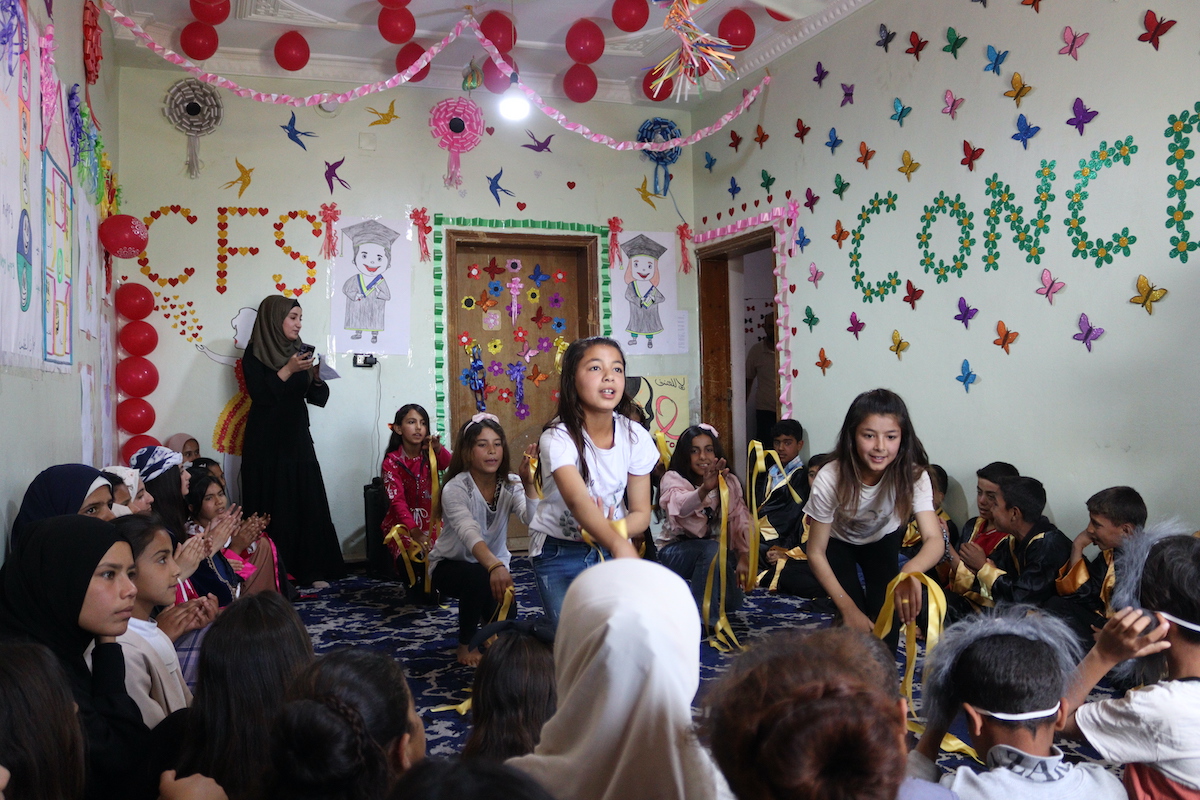
Our commitment to children kept out of the classroom reached over 4,600 students through non-formal education support last year, with more than 90% of participants graduating to further education.
Food security
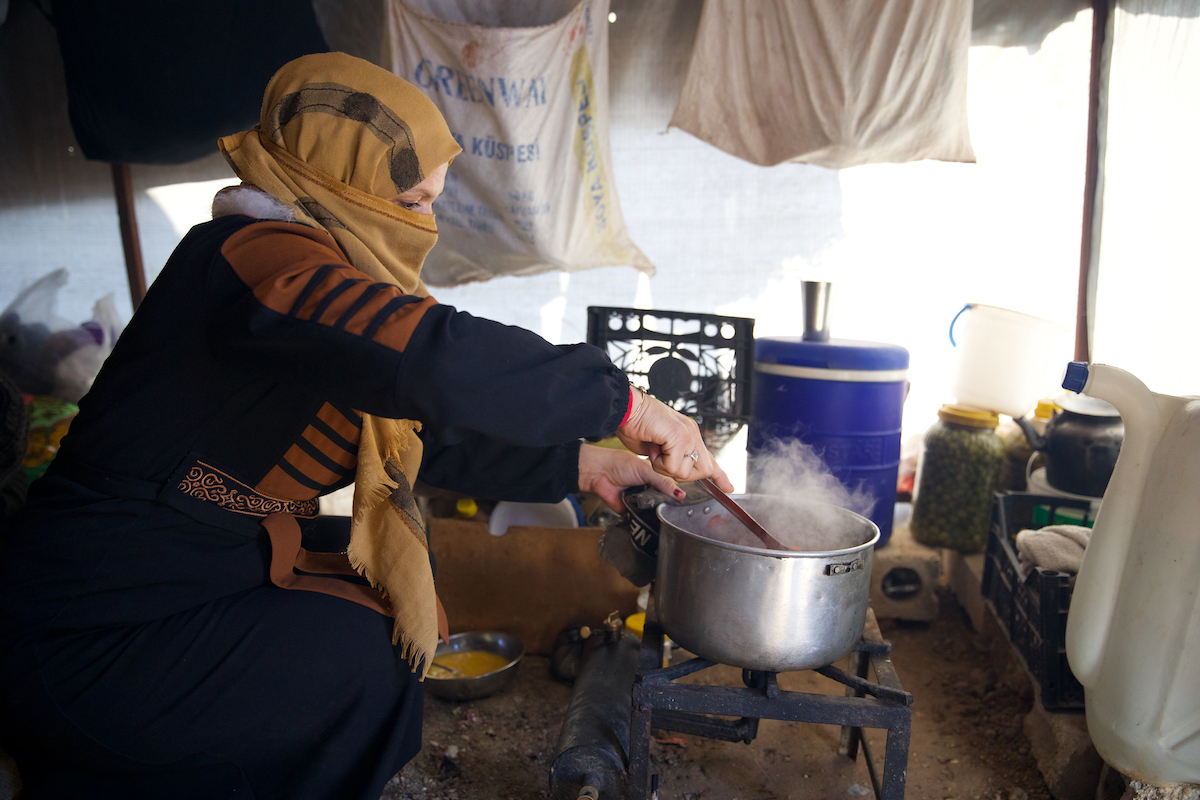
Concern supported over 16,000 families last year (totaling over 101,000 people) with monthly food assistance to meet their basic needs amid an ongoing hunger crisis.
Our work in Syria
Our multi-sector programming in Syria includes emergency response, education support, and water, sanitation, and hygiene (WASH) services.