Greater than the sum: How corporate-NGO partnerships can reshape a crisis
Jul 28, 2026
When NGOs and businesses move beyond funding to share expertise, resources, and trust, they can help communities tackle immediate crises and build lasting change.
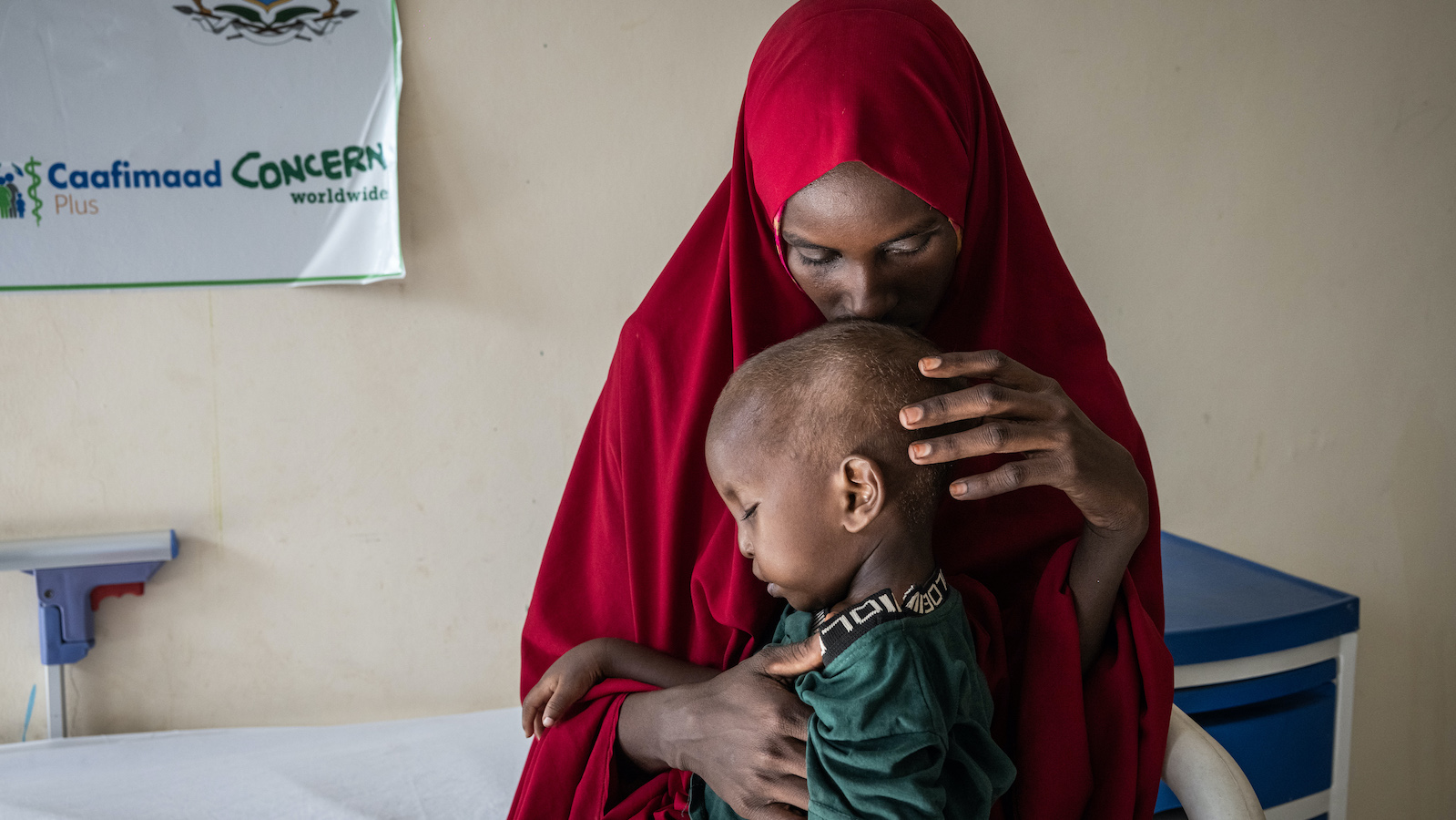
Last year, amid Somalia’s worsening hunger crisis, international humanitarian organizations working in the country were dealt an additional challenge with major funding cuts.
Concern, which has worked in Somalia for 40 years, was affected by these changes, and faced the prospect of reaching only 45% of the people we planned to reach that year via our health and nutrition programs. These programs have been core to our work in Somalia over the last four decades, with proven solutions for pervasive challenges.
Fortunately, other organizations were aware of this work — specifically GiveWell, an independent nonprofit evaluator that works to fund outstanding opportunities in global health and development. Through GiveWell, Concern partnered with Coefficient Giving, a philanthropic funder and advisor dedicated to cost-effective, high-impact giving.
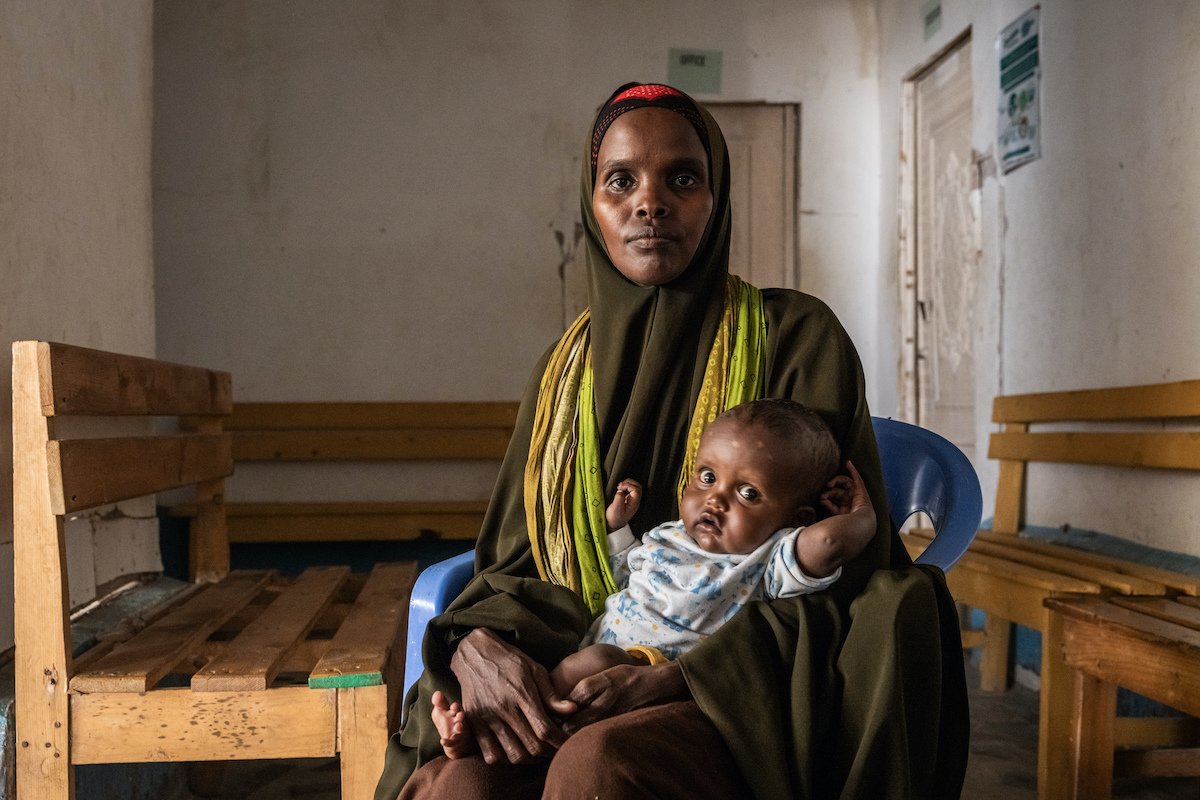
With Coefficient Giving’s investment, Concern launched an 18-month response designed to reach nearly 169,000 people with emergency health and nutrition support across Somalia’s Banadir, Lower Shabelle, and Gedo regions. Despite launching the partnership at the end of 2025, we were still able to reach over 44,000 people in the first few weeks — largely through critical outpatient services.
Partnerships that power change
Nonprofits partnering with corporations and businesses isn’t a new phenomenon. The U.S. Revenue Act of 1935 formally legalized corporate charitable donations, which codified cross-sector giving, and by the 1960s corporate donations were a key source of funding for American nonprofits. By the 1990s, companies began to move towards “strategic philanthropy,” and in this century we now talk about corporate social responsibility (CSR).
CSR has grown exponentially over the last 15 years. As the Harvard Business School reports, an estimated 90% of companies on the S&P 500 index published a CSR report in 2019, compared to just 20% in 2011. What’s more, 77% of consumers and 73% of investors are motivated to support businesses committed to CSR.
All of this has led to a new phase for corporate-NGO partnerships that emphasizes the idea of nonprofits and businesses supporting their work as cross-sector partners working to drive lasting change where our missions align.
“Foundations and corporations are no longer looking to simply give money away,” says Julie Barrot De Brito, Concern’s Senior Business Development Specialist. “There’s a much greater focus on specific priorities and goals that they’re trying to achieve, and they’re looking for like-minded organizations who can advance those goals through the programs that they do.”
Why the private sector matters
Barrot De Brito adds that this relatively new form of partnership brings more than funding to NGOs. For Concern, this kind of collaboration is particularly important because the private sector is already a key part of many of the systems we work to strengthen in our work to end poverty.
In fact, partnering with the private sector is essential to advancing progress in key areas of our work, including strengthening food systems, disaster risk reduction, and supporting livelihoods: We can’t end poverty without addressing hunger, strengthen food systems without engaging the private sector, or build resilient livelihoods and local markets without working alongside the businesses that sustain them.
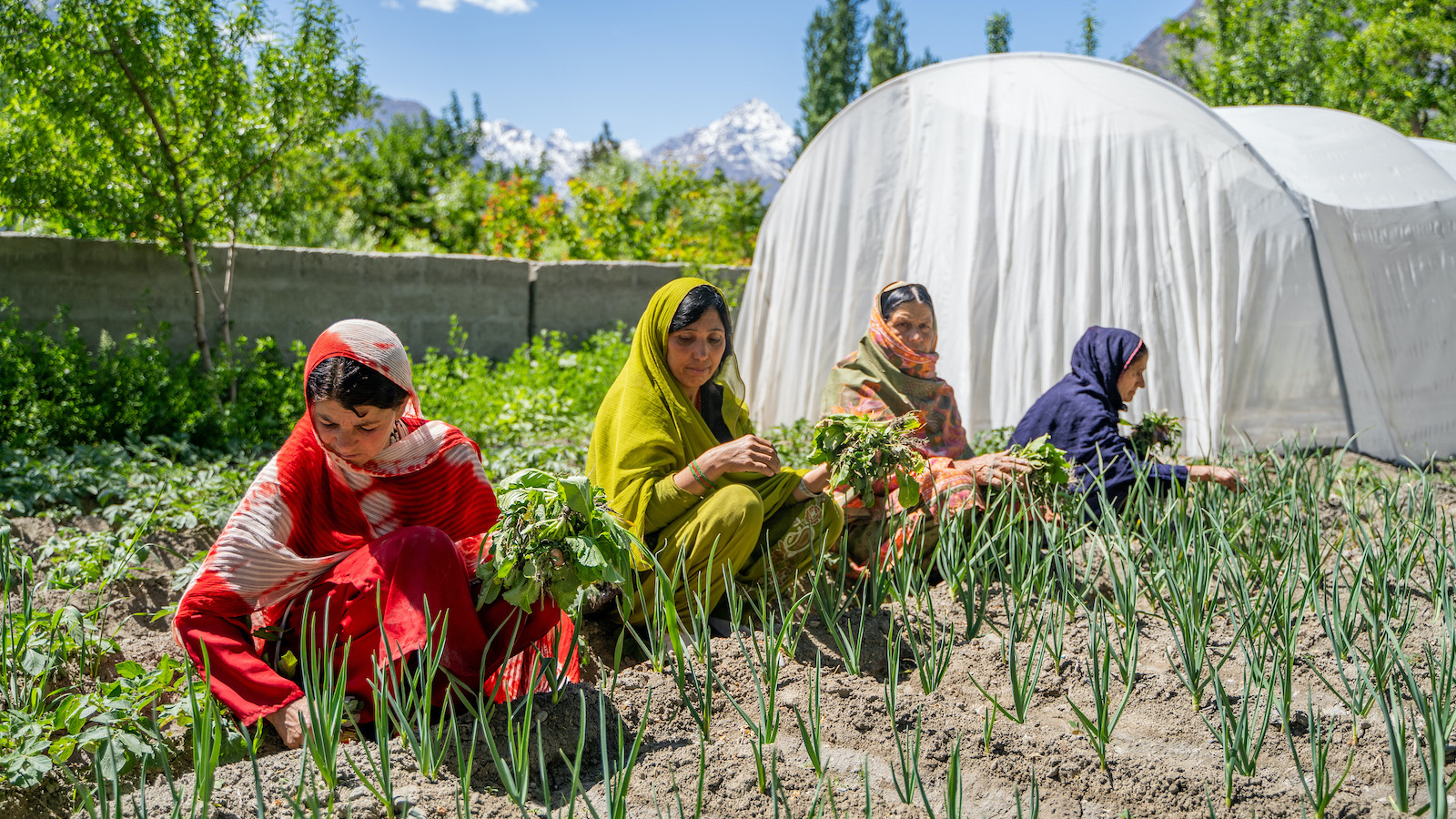
This is especially true in our current landscape, where humanitarian crises are becoming more complex and protracted. In Pakistan, for example, years of extreme floods have eroded the resources and basic coping mechanisms for hundreds of thousands of families. Building Resilience and Addressing Vulnerability to Emergencies (BRAVE) is one of our flagship emergency responses in Pakistan, and while it’s primarily funded by the British Government, it also benefits from engagement with the private sector: As part of this program, Concern launched the BRAVE Women brand which supports women artisans to lead climate-resilient value chains through handicrafts, honey production, pickling, and dry-fruit processing.
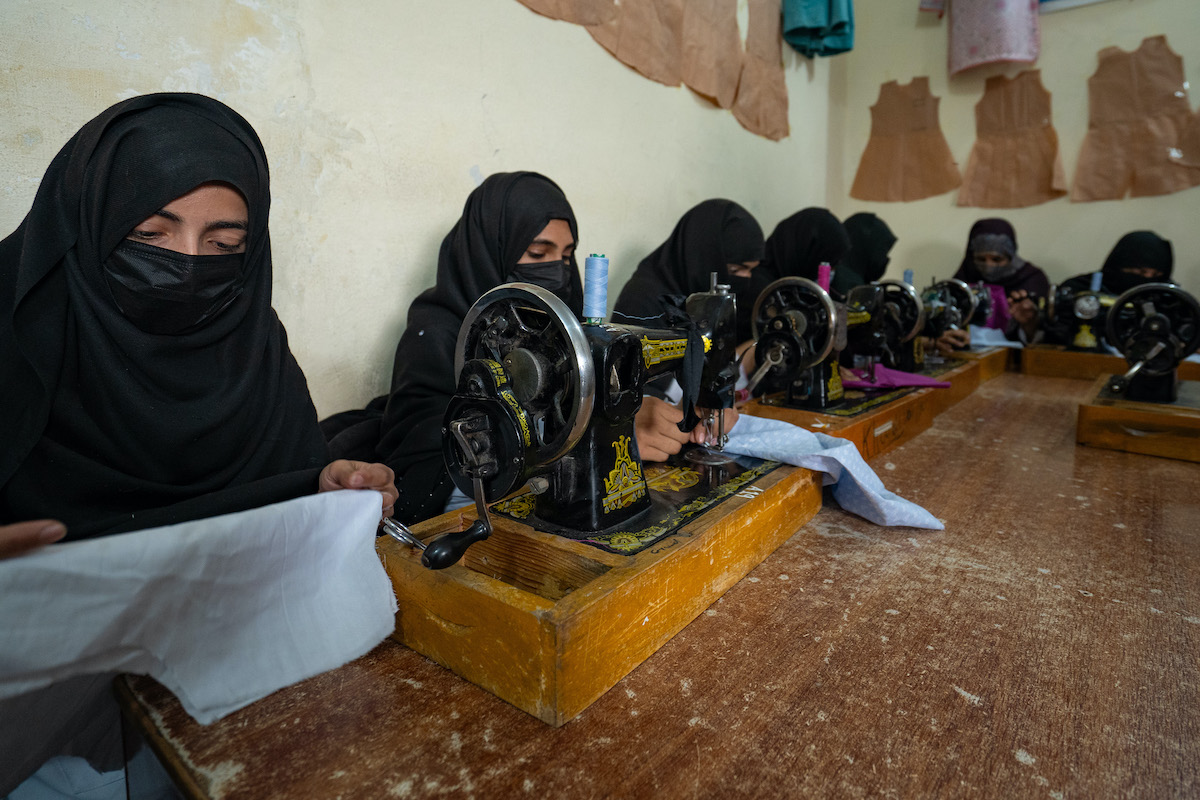
With these products, 1,800 women in Pakistan were linked to national and international markets last year. Another partnership brought over 6,600 pounds of bitter melon to market via BRAVE’s certified farmer clusters. These partnerships increased household incomes for families whose livelihoods are especially vulnerable to natural disasters, while integrating humanitarian aid with sustainable economic development. But they also illustrate how the private sector can benefit from joining the fight against extreme poverty. By strengthening communities, businesses can also contribute to stronger local economies.
For employees in the private sector, this is also critical: According to the Harvard Business Review, “When employees feel their work is having a real and lasting impact on something they care deeply about, they’re more engaged and loyal to the company. This fact translates directly to the organization’s bottom line.” In fact, 90% of employees who work at companies with a strong sense of purpose are more inspired, motivated, and loyal.
Aligning missions and resources
Today, the majority of CEOs see CSR as fundamental to their business’s success, rather than simply brand imaging or reputation management. This often means that NGOs benefit from more than an investment of funds.
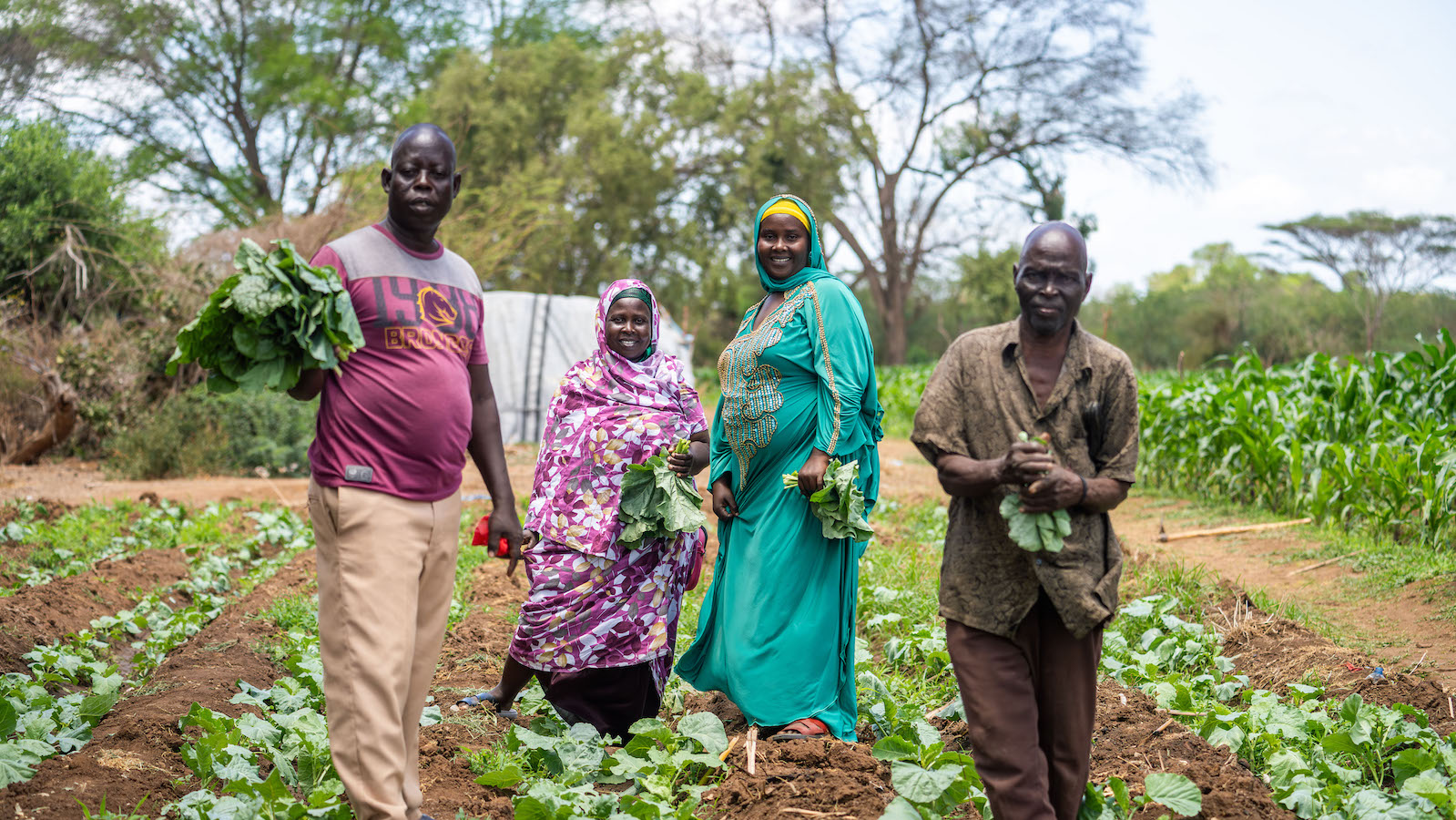
In 2019, for example, Concern launched Lifesaving Education and Assistance to Farmers (LEAF), a program in rural Kenya designed to address hunger through two simultaneous actions: providing frontline treatment to children and mothers suffering from acute malnutrition and preventing future cases of malnutrition through sustainable livelihoods.
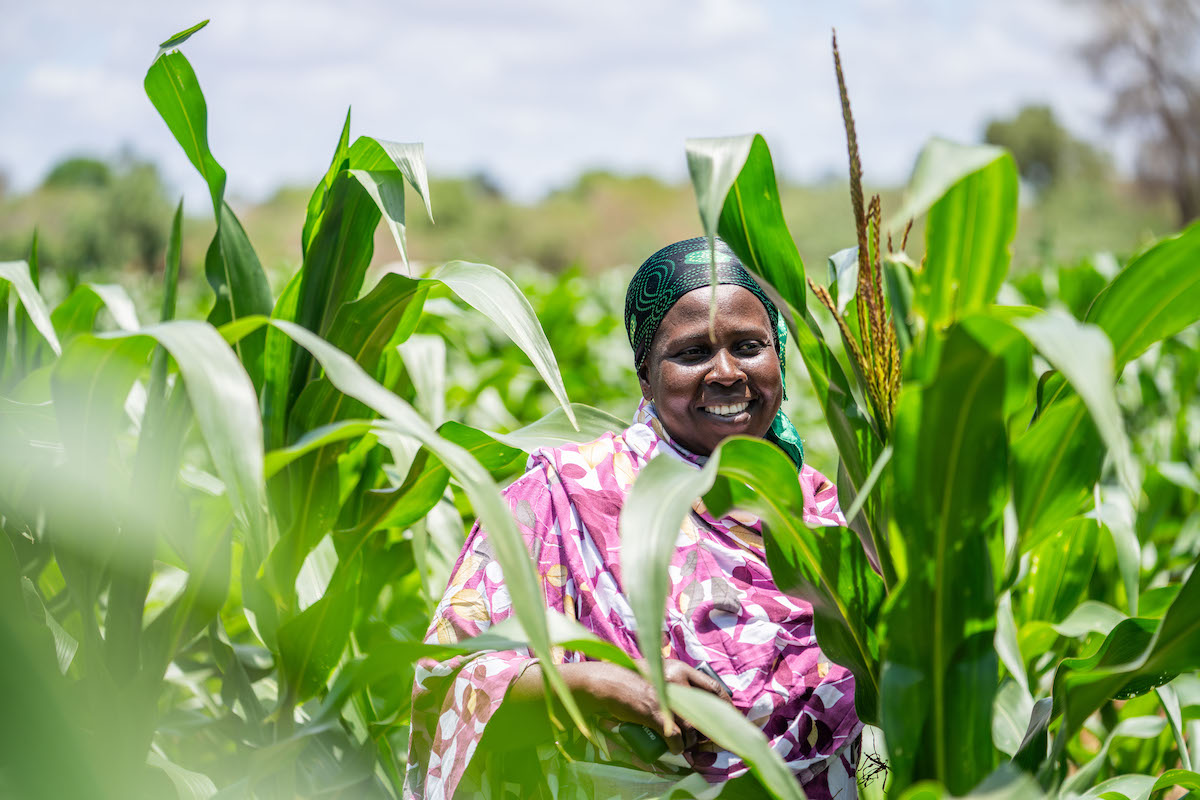
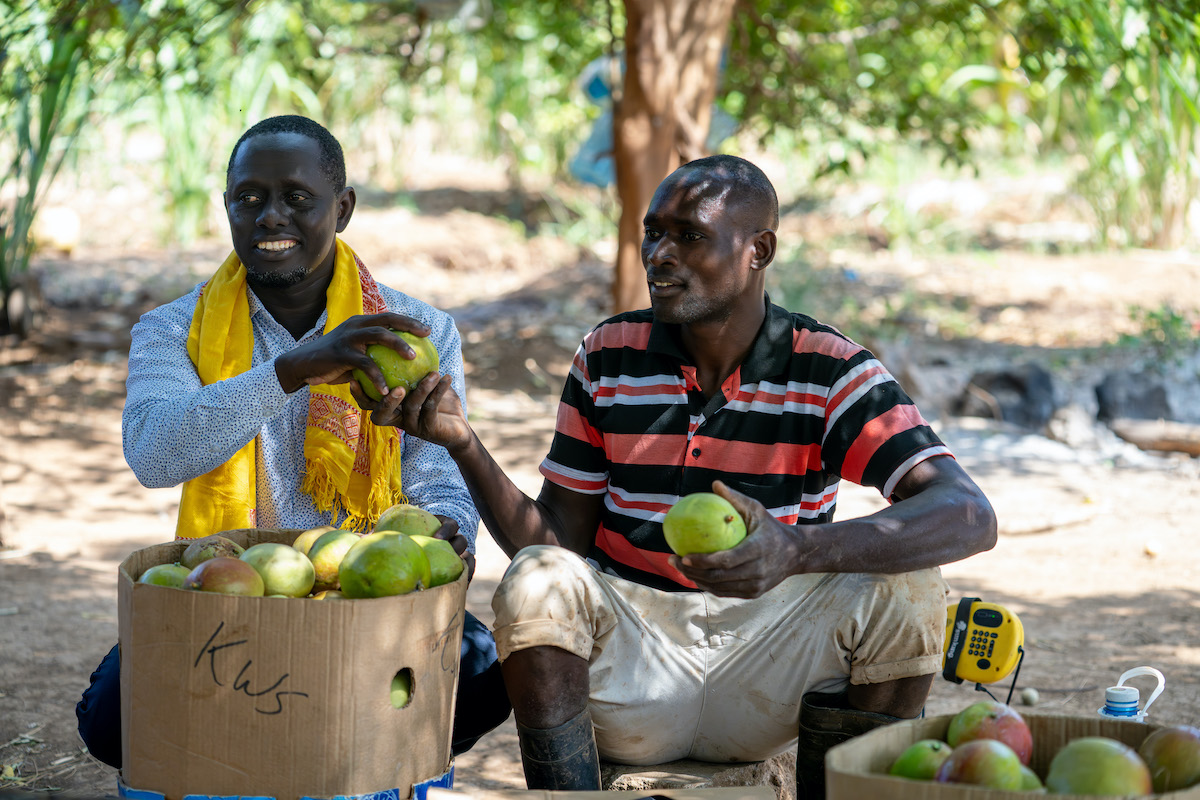
LEAF was launched in partnership with Archer Daniels Midland, a food processing corporation and a leader in regenerative agriculture. ADM’s activity in this area overlapped with Concern’s own passion for Climate Smart Agriculture, and we put our combined experience and expertise to work across 25 villages. The trust we’d built over time in Kenya combined with the inputs from ADM helped residents in Tana River County thrive even when faced with decades of drought, through the provision of trainings, climate-resilient seeds, water pumps, and irrigation canals.
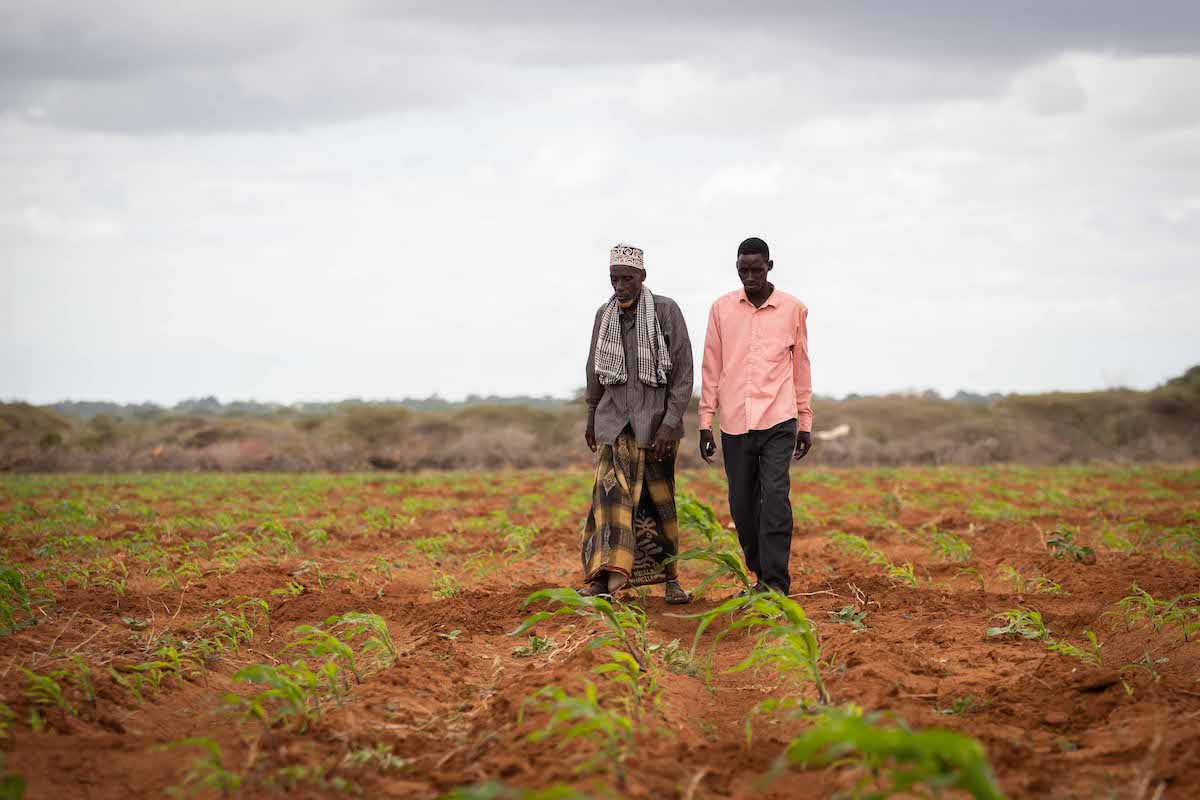

Phase II of LEAF launched in 2020, and coincided with an escalation of failed rains in the Horn of Africa, leading to Kenya’s worst drought emergency in more than 40 years. An estimated 5.6 million people across 23 counties were affected, with Tana River among the hardest-hit. In May of 2023, 35% of the county were facing drought-related hunger and nutritional insecurity amid high rates of inflation.
Despite these challenges, Concern and ADM worked together to support nearly 10,950 farmers in LEAF’s second phase. This led to an acute malnutrition rate in participating communities below 1.5%, at a time when Tana River County’s average rate of acute malnutrition was over 19%. In August of 2022, 40% of LEAF-supported communities were farming self-sufficiently without further inputs required from Concern. What’s more, for the first time in three decades, Tana River communities participating in LEAF did not require emergency food assistance.
Collaboration versus control
A spirit of collaboration versus one of control is key to a successful NGO-business partnership, especially since these relationships also include another key partner: the communities where we work. “We all come with a specific set of skills and knowledge, and we can benefit from the knowledge of many of the corporations we work with,” says Barrot De Brito.
“On the other side, these corporations understand that Concern has an incredible wealth of knowledge in terms of implementing food security-focused projects, and an understanding of what will work or what would make sense or what is needed based on the context and the communities we work with.”
Barrot De Brito notes that trust is another key component in this dynamic. During the course of LEAF, for example, participants experienced several unforeseen complications, including the COVID-19 pandemic and related lockdowns, and the effects of the Horn of Africa drought. This is where trust and collaboration can make or break the success of a project. Concern builds programs with contingencies and known-unknowns in mind, and we monitor for unexpected or unintended outcomes — both positive and negative.
“If we come to the table with transparency and accountability, share some of the challenges that have arisen and present alternative options or solutions, a lot of our partners will be willing to work together because we have that foundation of trust,” adds Barrot De Brito.
The real ingredient for success
That said, one of the most important aspects for a successful partnership is time, and finding the right partners for long-term goals. LEAF Phase I began in 2019 and is entering Phase IV in 2026. There is demonstrable success behind each phase of the project, but none of the issues we’re tackling there can be solved overnight.
LEAF is also the example of an emergency response that balances proactive with reactive methods. While one part of the project treats current cases of malnutrition, we know from our work in healthcare that taking a more Surge-based approach to malnutrition is more cost-effective and sustainable in the end. It’s the proverbial ounce of prevention that’s worth a pound of cure.
This is also where the private sector can bring in expertise, as Barrot De Brito notes. In Concern’s work with some of its corporate partners, she explains, “there is a kind of co-designing where we focus on system-strengthening — having more of a proactive approach to resilience-building as opposed to reactive problem-solving.”
That kind of co-designing takes time. But when NGOs and corporations are willing to invest in a long-term partnership, they can move beyond addressing immediate needs to tackle the systems and root causes that keep communities vulnerable in the first place. Ultimately, that’s also what makes these partnerships a powerful tool for lasting change.
Learn more
To learn more about how your company can get involved in Concern’s work to make a lasting impact, please contact Katie Waller, Director of Strategic Partnerships, at [email protected].