Timeline: Concern’s 50 years in Ethiopia
Nov 28, 2025

Decades of political instability, food shortages, and droughts have left Ethiopia caught in ongoing crises — especially with an upsurge of violence in parts of the country in recent years.
For the last five decades, Concern has been responding to the needs brought about by these challenges. In the process, we’ve reached millions of people, brought international attention to the hardest-hit communities in the country, and contributed to a revolution in treating child malnutrition.
Learn more about our work in Ethiopia over the last 50 years below.
1973-74: The Wollo Famine
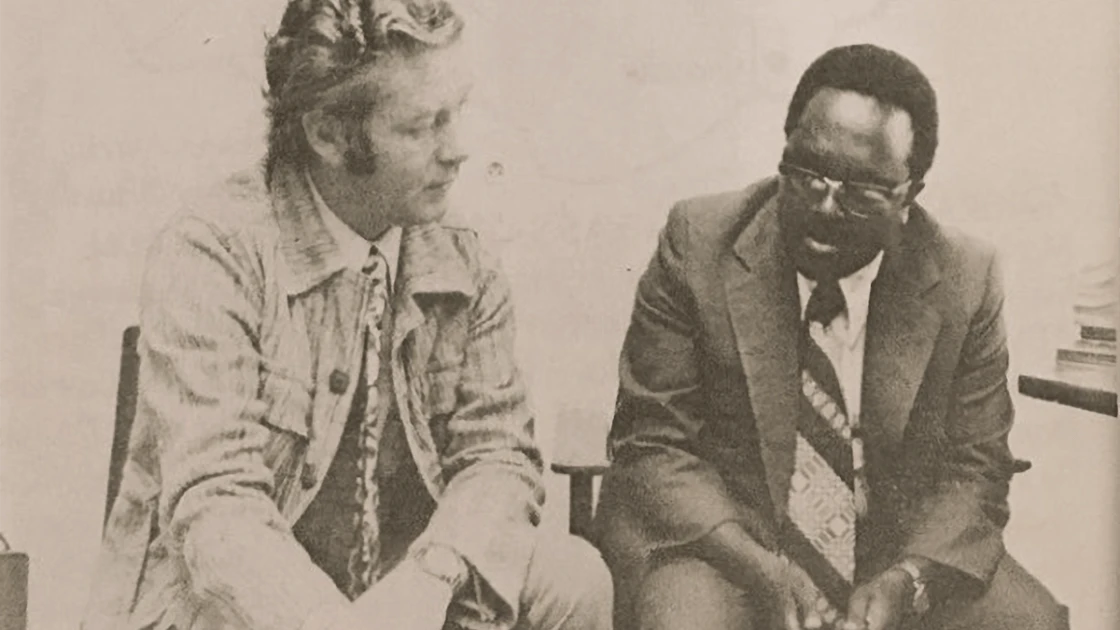
In October 1973, the first Concern Ethiopia volunteer — a nurse and midwife named Dolores Crudge — flies from Yemen to Wollo, just as a United Nations report highlights the growing concerns over food security in the region. The international community mobilizes quickly, but the warning system is too late to prevent a famine and organizations like Concern are faced with triaging a desperate situation that kills an estimated 200,000 people.
1974-82: A temporary setback
Political outcry in the wake of the Wollo Famine leads to a 17-year civil war beginning with conflicts between the provisional military administrative council and civilian opposition groups. Tensions run along both political and ethnic lines, and extend to international conflicts. Concern slows down operations for several years amid ongoing violence and instability.
1982: “An interest in life again”
Conditions improve enough for Concern to resume work in parts of Ethiopia. This includes Korem, a town in Tigray where many people have arrived fleeing both conflict and hunger.
Concern’s Fintan Farrelly visits a refugee camp in the town that hosts 28,000 people:
“One by one the people were gently washed and disinfected and helped to feed themselves. A large hospital tent was set up, and by the following day, the people in the barn at least had started taking an interest in life again and were helping their children to eat.”
Concern works to address ongoing nutrition needs, particularly for the thousands of civilians displaced in Tigray and Amhara, leading to dramatic improvement in the general conditions of these two camps. Concern also constructs feeding stations and clinics for maternal and child health.
1983-85: The first televised famine
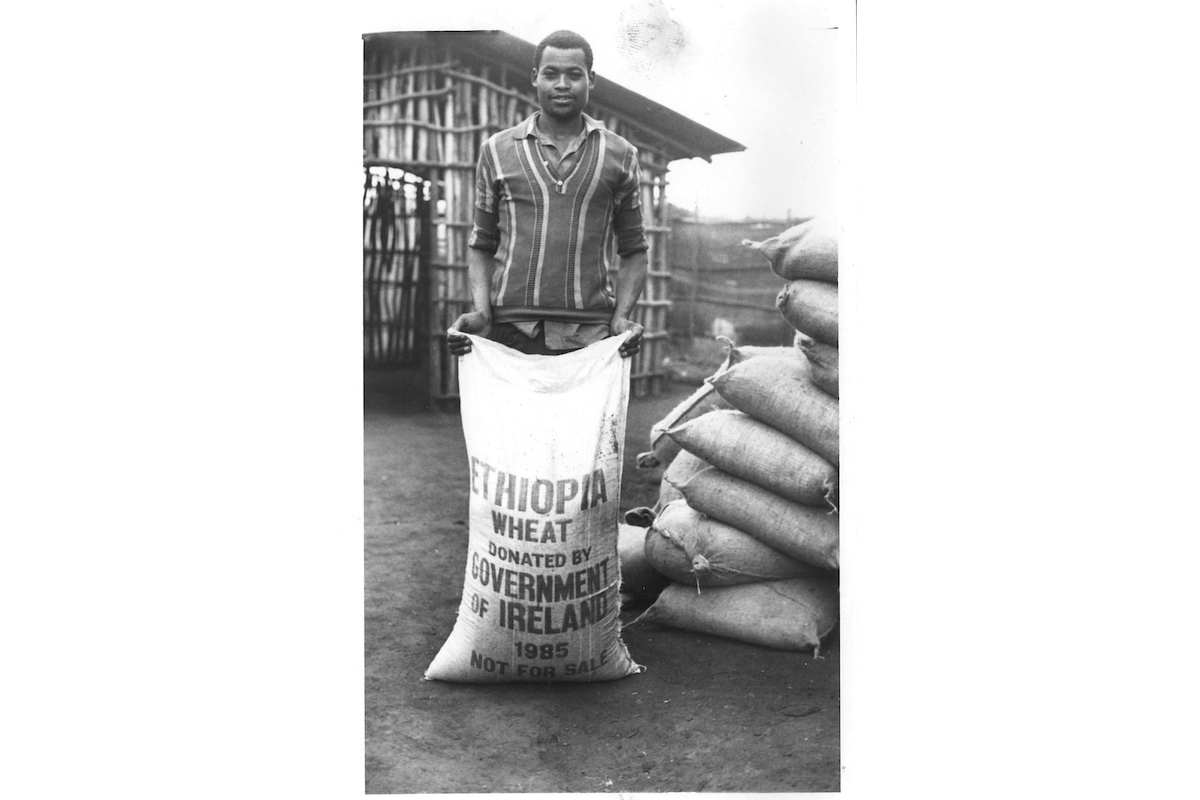
Another famine strikes Tigray and Wollo, driven by drought and conflict. The same camp outside of Korem that had 28,000 residents in 1982 nearly doubles in population by 1984.
The worst famine in over a century is also the first to be seen around the world on television broadcasts. One BBC journalist describes it as “the closest thing to hell on earth.” This coverage launches an unprecedented international response (including the 1984 formation of charity supergroup Band Aid with the single “Do They Know It’s Christmas?”).
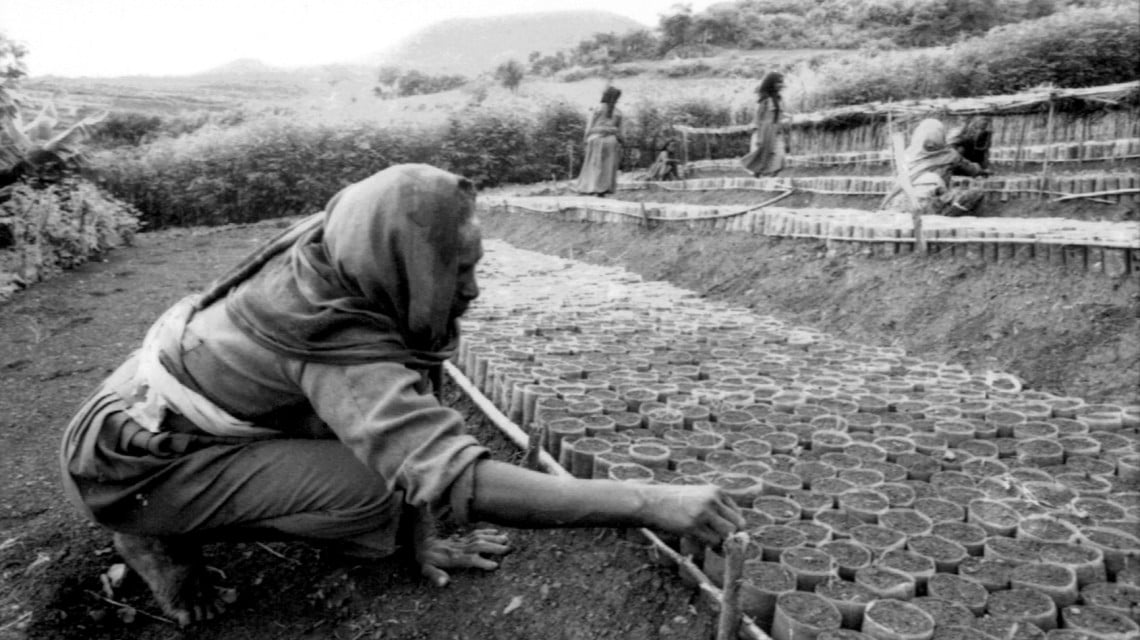
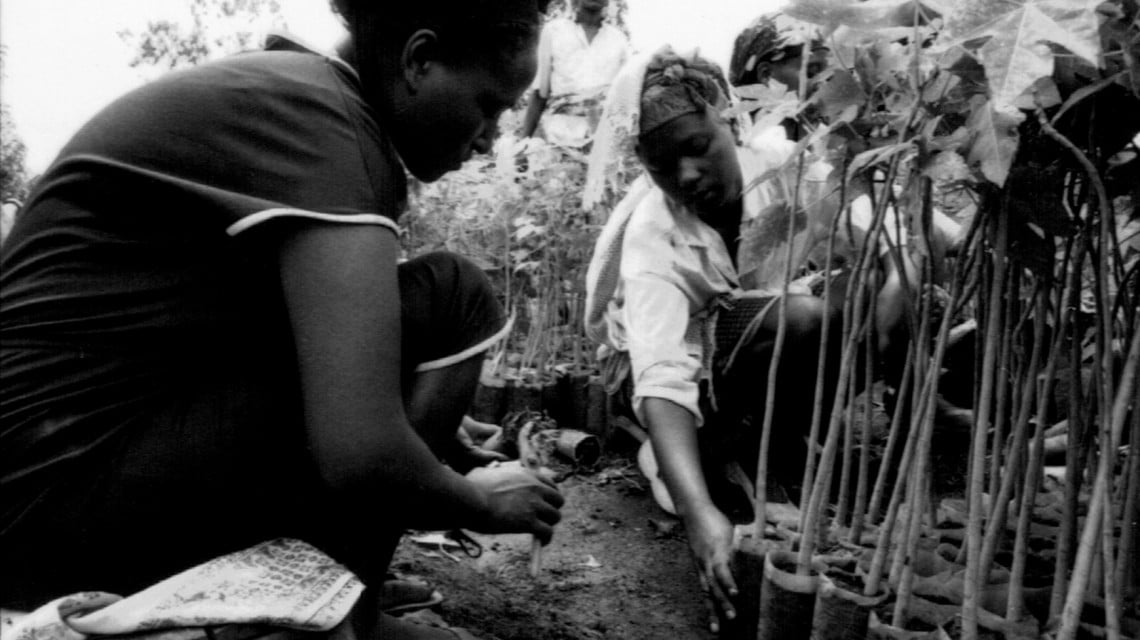
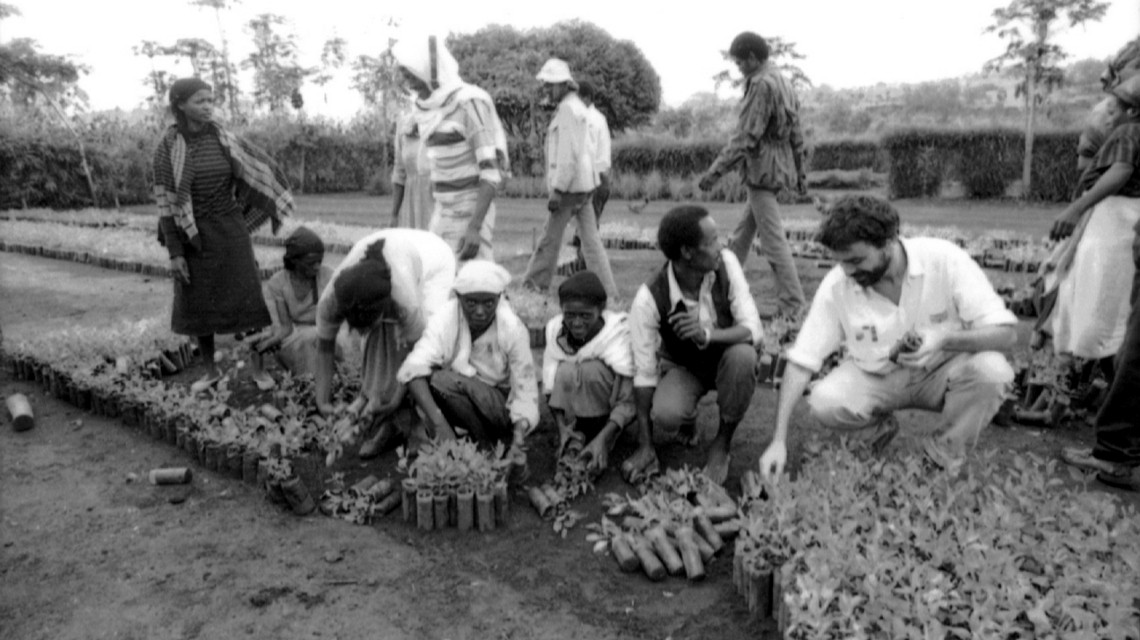
Concern’s Fr. Jack Finucane is a key figure in helping to bring media attention to this famine, including work with Band Aid founder Bob Geldof. He does this while managing a team of nearly 950 on the ground (including 890 Ethiopian nationals) working to provide relief. Part of the $185 million raised by Geldof’s 1985 Live Aid concert is donated to Concern, which uses the funds to support over 52,000 people across 26 resettlement sites.
1984-86: A new epidemic
Ethiopia confirms its first cases of HIV in 1984 and AIDS in 1986. It quickly becomes one of the hardest-hit countries by the epidemic, with one in 13 Ethiopian adults infected with HIV by 1998. Concern responds to this crisis in terms of prevention and awareness, as well as in connection with the virus’s longer-term impacts on nutrition, maternal health, and child survival.
1991-94: A new chapter
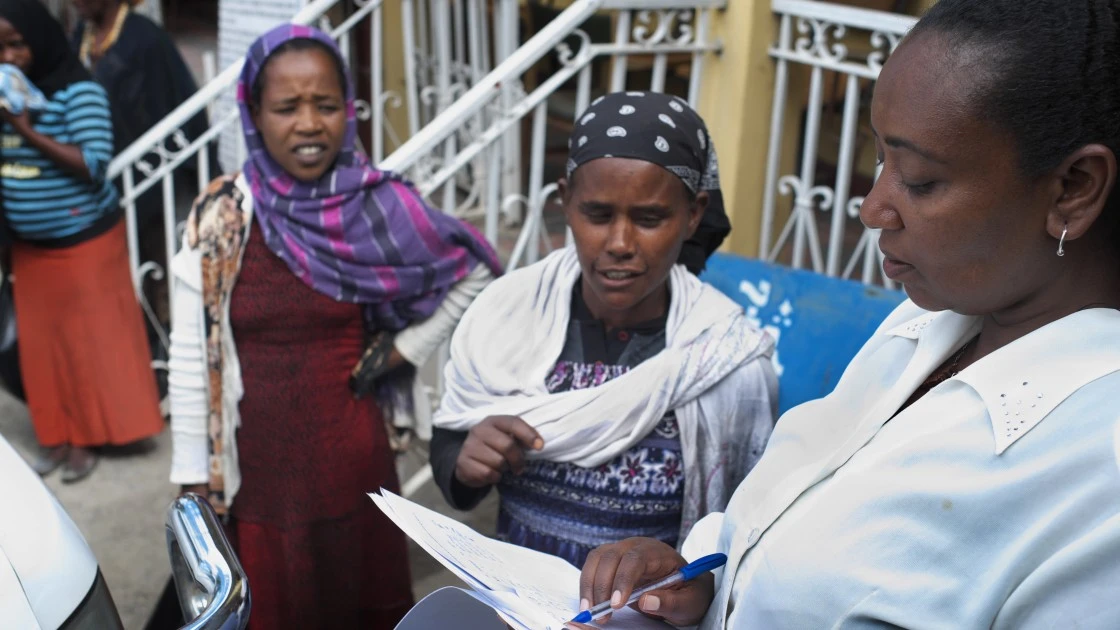
The Ethiopian Civil War comes to an end in 1991 and the country transitions to a federal democracy. A 1994 constitution that divides Ethiopia into ethnically-based regions and the first democratic elections held in 1995.
Concern also transitions its work in Ethiopia, expanding from emergency response driven by humanitarian aid to include longer-term, community-based development initiatives. By the end of the decade, Concern begins implementing programs focusing on education, nutrition, and addressing the ongoing HIV/AIDS crisis.
1998-2000: The Ethiopian-Eritrean border war
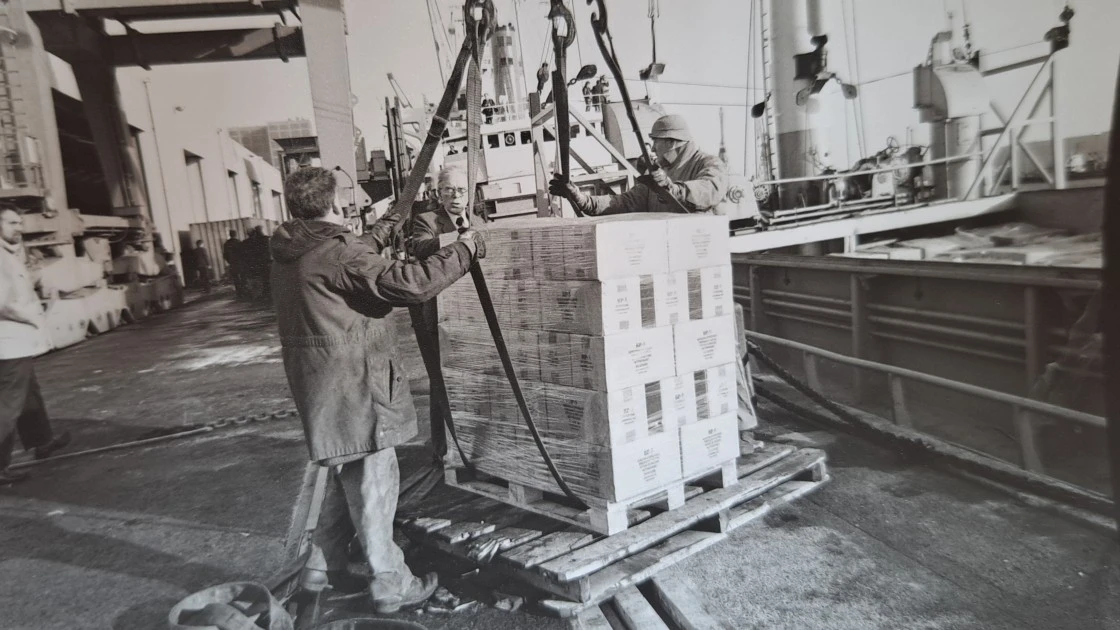
Border disputes between Ethiopia and Eritrea spill over into armed conflict beginning in 1998, with violence affecting the Tigray area on the Ethiopian side. Hostilities end with a peace treaty in 2000, but peace will not be officially declared until 2018.
Concern responds to the conflict in both Ethiopia and Eritrea, working in the latter from 2000 to 2006 around community development, food and nutrition security, and water, sanitation, and hygiene (WASH) support.
2000: A revolution in healthcare
Another famine strikes, leaving as many as 10 million people at risk for starvation. Having banned feeding centers due to their lack of effectiveness, the Ethiopian Ministry of Health allows Concern and partner Valid International to pilot a new model for addressing childhood malnutrition in Hadiya and Wollaita zones.
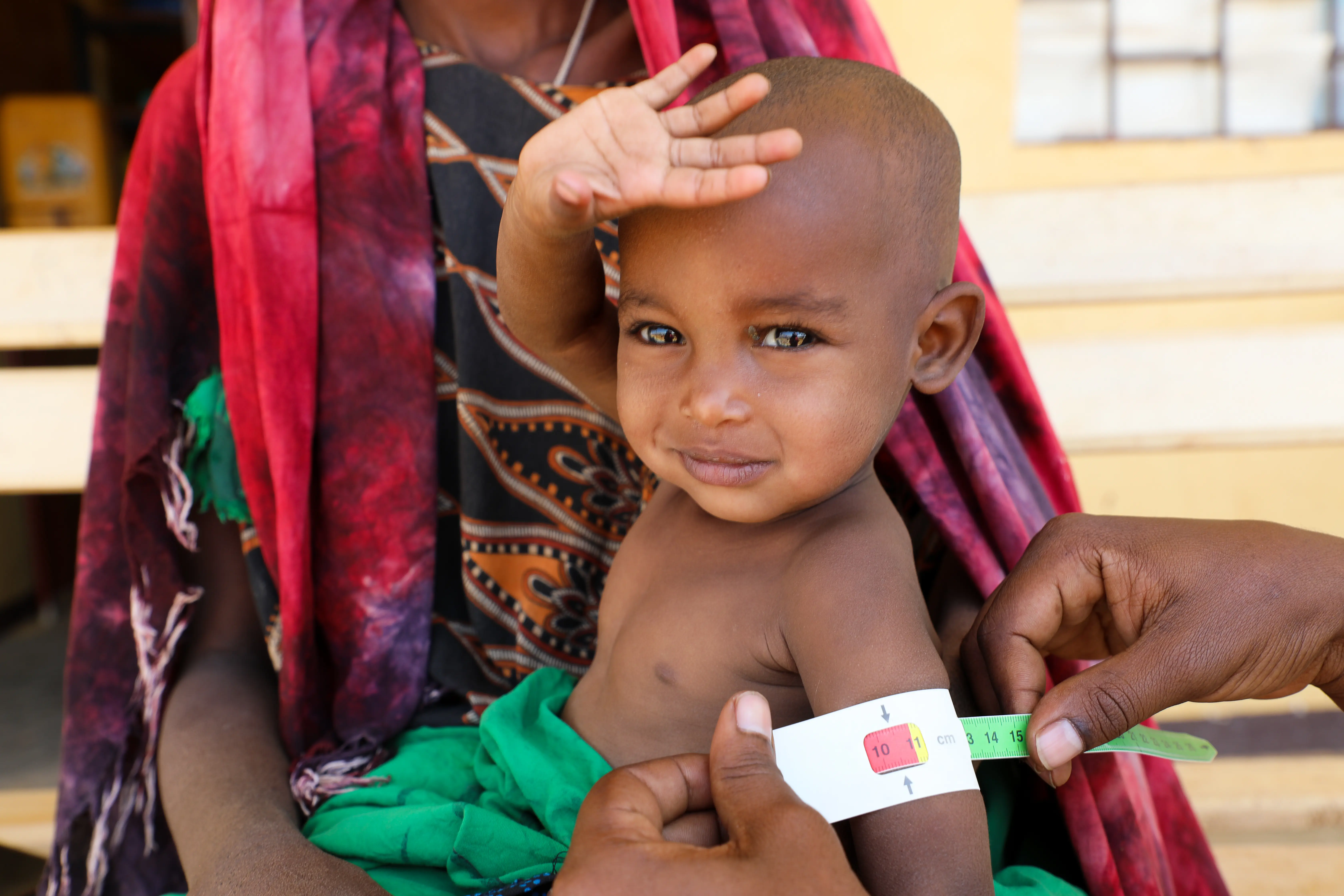
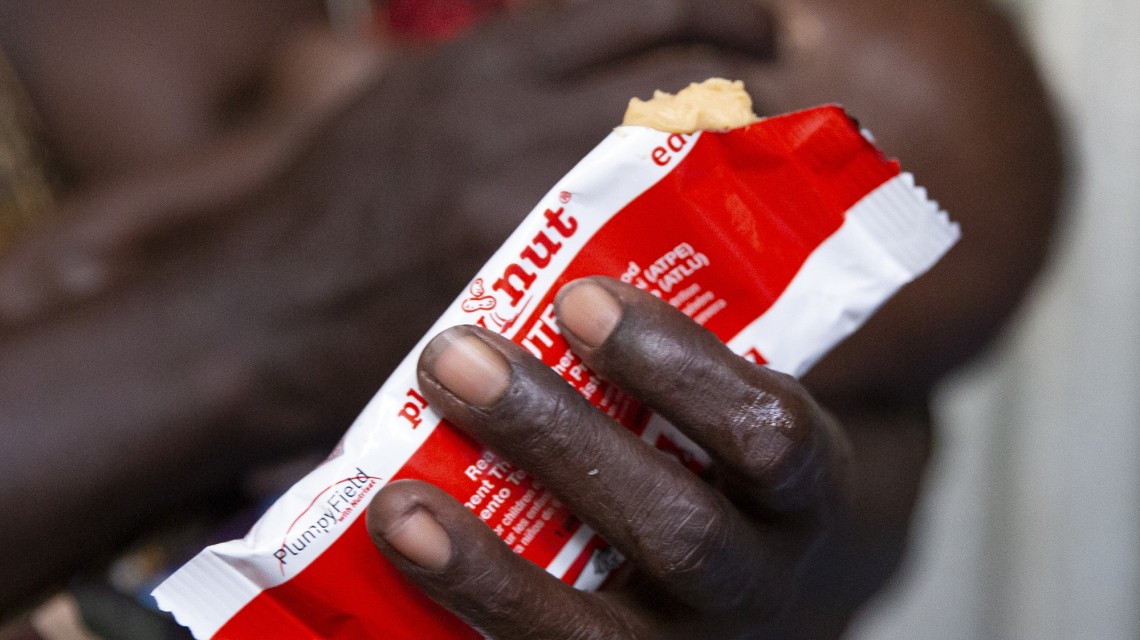
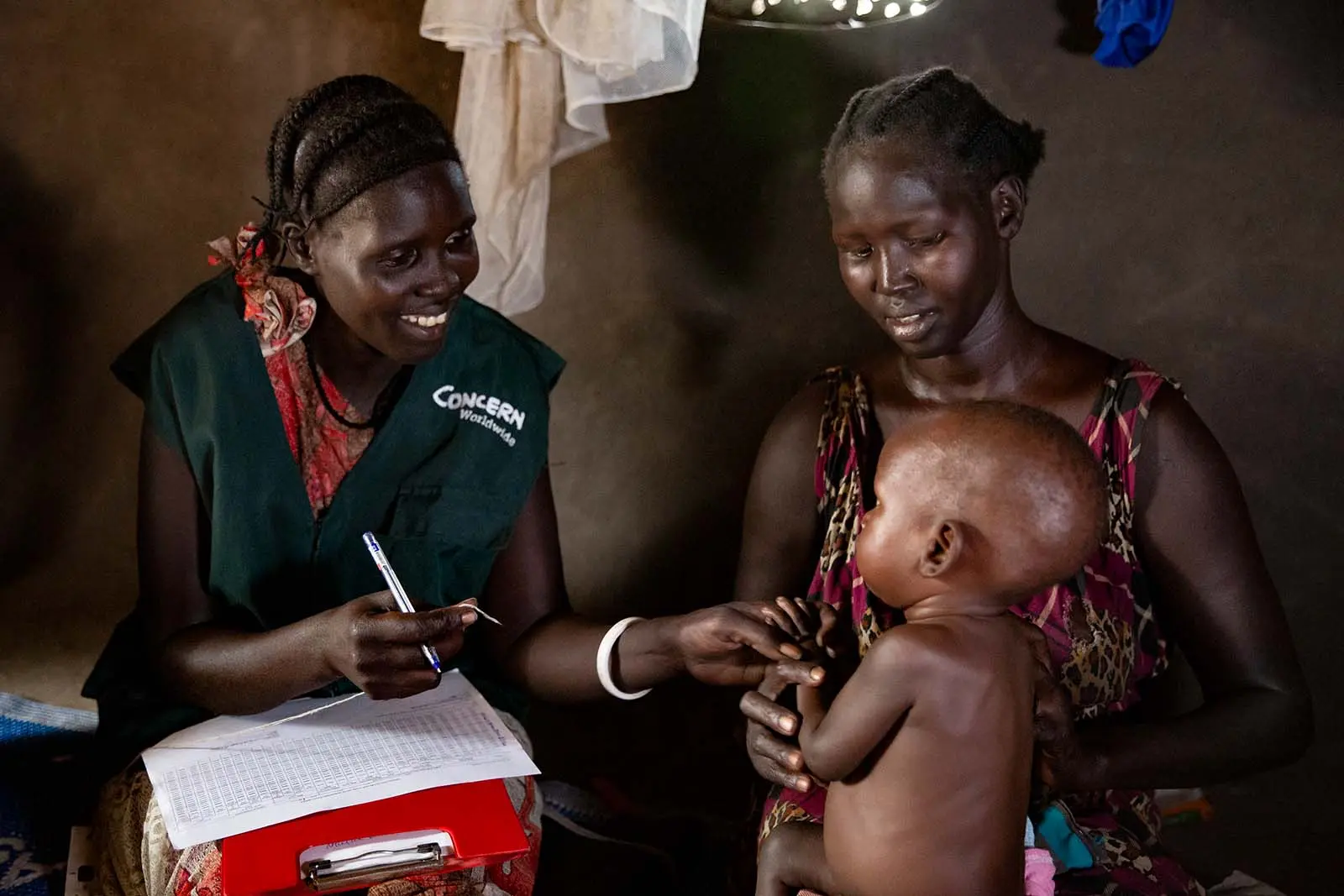
Initially called Community-Based Therapeutic Care (CTC), the program brings treatment into communities (rather than centralized care centers) in part via ready-to-use therapeutic food, often known as Plumpy’Nut.
In a famine, the standard goal at the time for child mortality rates is 10% and the norm is between 20-30%. In the villages using CTC, which is now known as Community Management of Acute Malnutrition (CMAM), during this pilot run, mortality rates are just 4.5%.
CMAM and Plumpy’Nut revolutionize healthcare around the world and become the standard treatment for malnutrition as set by the World Health Organization. CMAM is fully institutionalized within the Ethiopian Ministry of Health in 2010.
2002-03: Droughts on the rise
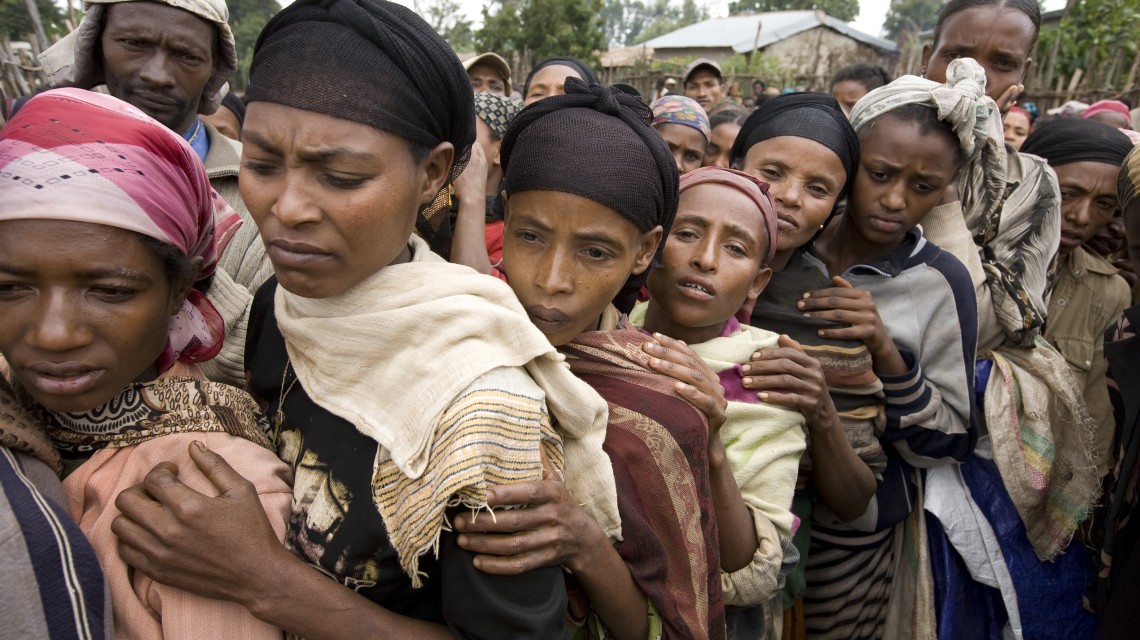
Just a few years after the 2000 famine, another drought hits Ethiopia — the sign of a worrisome trend. Concern continues to implement CMAM while also working with farmers in drought-stricken areas, distributing tons of food, seed, and tools that reach over 500,000 people.
The next major droughts will hit the country in 2006, 2008-09, 2010-11, and 2015-16 — a worrisome increase in both frequency and intensity. Despite the challenges each of these droughts pose, none of the food crises or famines brought on by these droughts match the devastation of 1984. Concern responds to each drought, reaching an average of half a million people each time.
2018: Peace with Eritrea
After more than two decades in office, Prime Minister Meles Zenawi dies in 2012; a time of increasing violence from non-state armed groups in the Horn of Africa.
Zenawi’s replacement, foreign minister Hailemariam Desalegn, is elected in 2013 and resigns five years later, amid growing civic unrest and rising political tensions. He is succeeded by Abiy Ahmed. Within a few months of Ahmed’s taking office, Ethiopia and Eritrea reach a peace agreement to their protracted war. That same year, Ethiopia’s Parliament elects Sahle-Work Zewde as president — the country’s first female leader since becoming a republic.
2020-24: Conflict, climate, and covid
In the midst of the challenges posed by the COVID-19 pandemic, ethnic conflict in Tigray breaks out in November 2020. While Concern is able to deliver some emergency food and non-food supplies in the interim, humanitarian aid is mostly blocked until a peace deal is signed in November 2022. An estimated 2.1 million people are displaced.
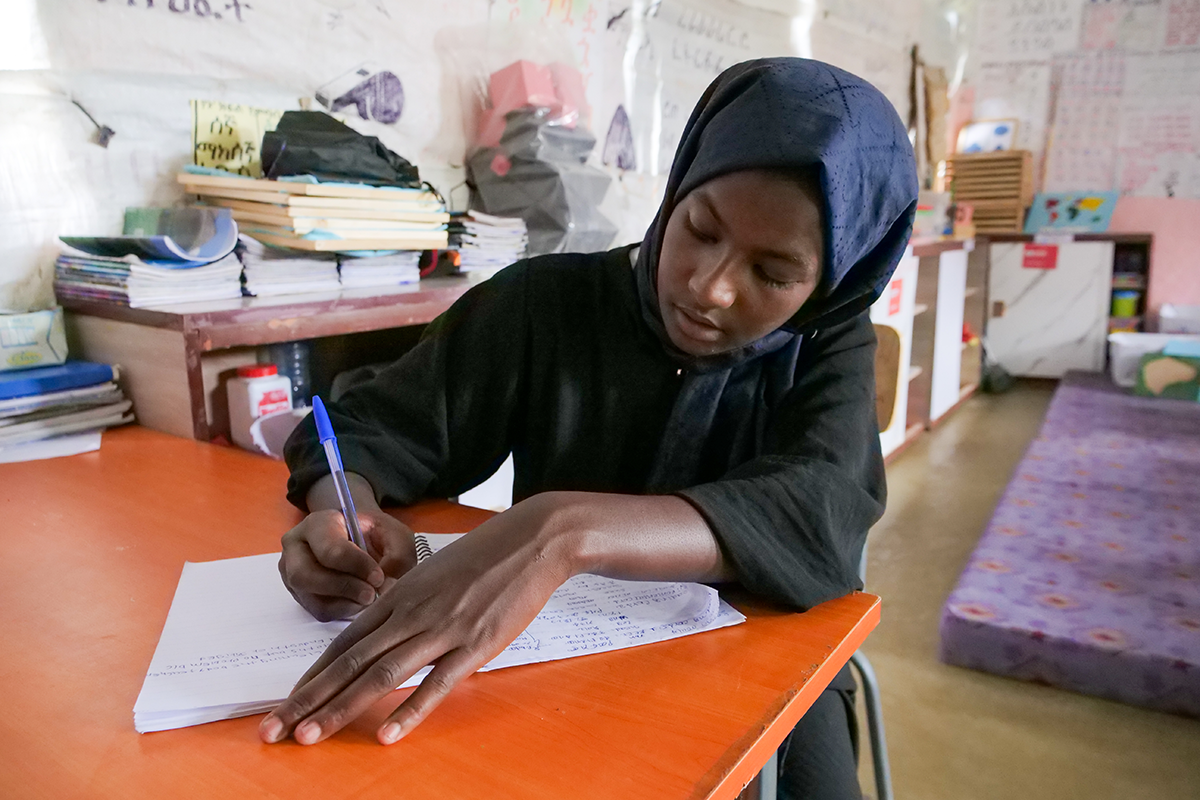
As Tigray begins to recover from two years of conflict, additional violence breaks out in the neighboring Amhara region in April 2023, escalating through 2024. Concern continues to work in the region despite challenges. Our Play Matters project ensures that nearly 17,000 children can stay in school in a safe environment, improving enrolment and retention rates by 10%.
In tandem with this, natural disasters remain a major concern for Ethiopians. Millions are affected by a devastating drought across the Horn of Africa. While rains finally reach the region in 2023, further El Niño-charged stress this year has led once again to failed rains and strained resources.
Concern in Ethiopia
Last year, Concern celebrated 50 years of work in Ethiopia, and what began as a response to the 1974 Wollo Famine has become a multifaceted program serving both immediate emergency needs and long-term projects designed to mitigate against future risks.
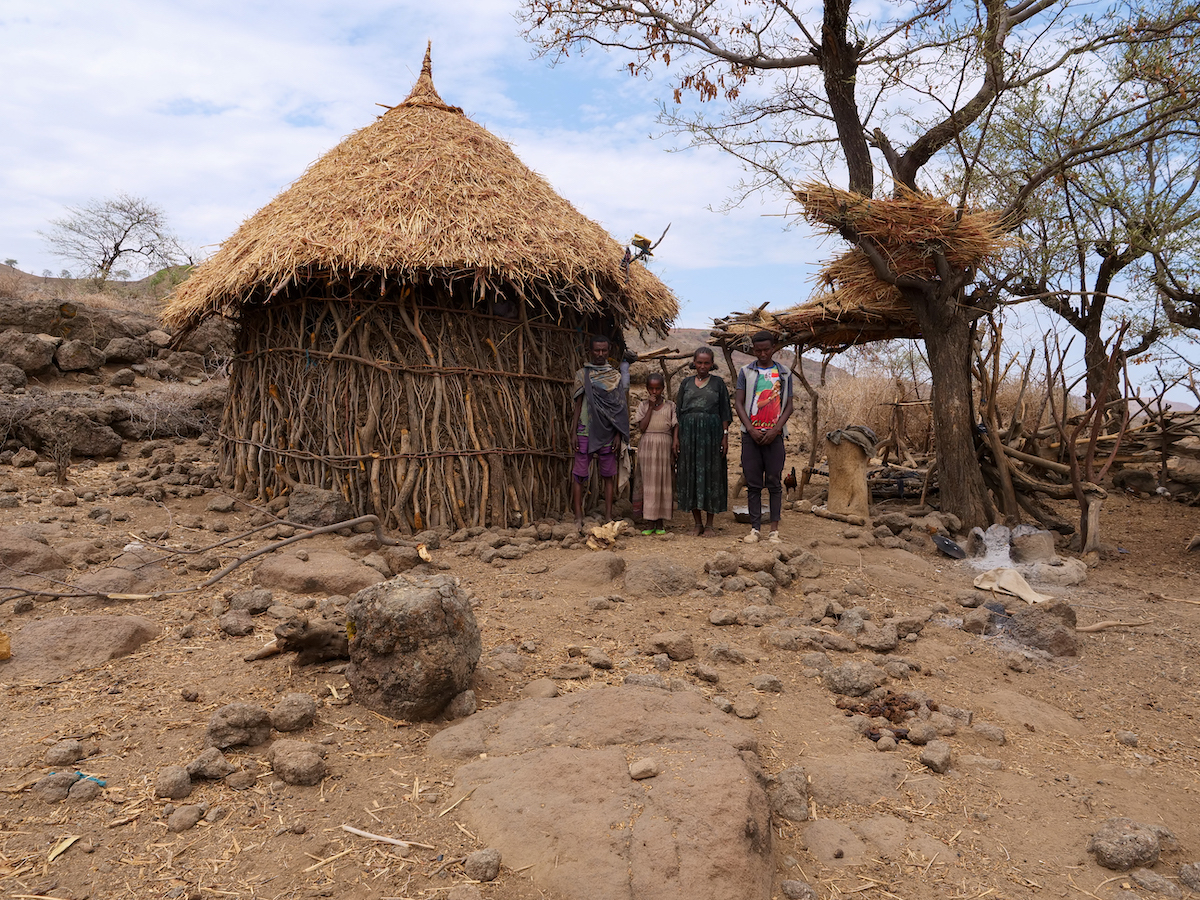
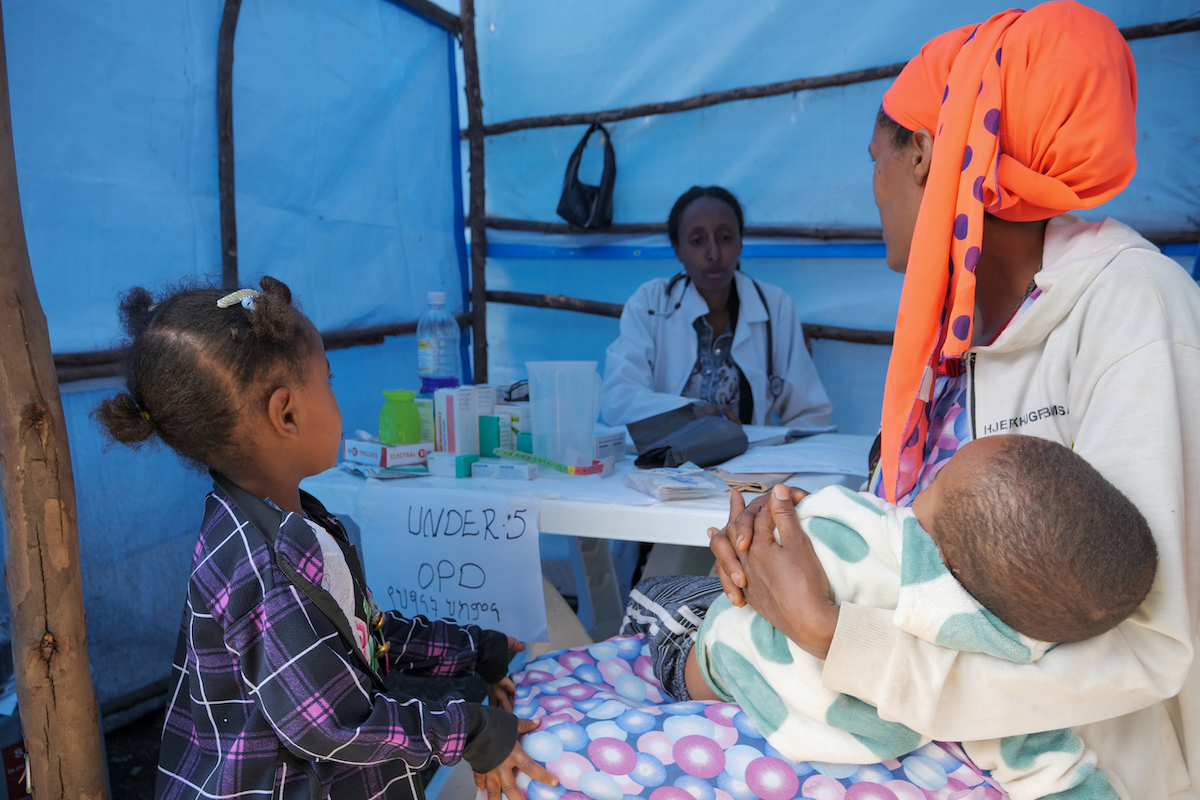
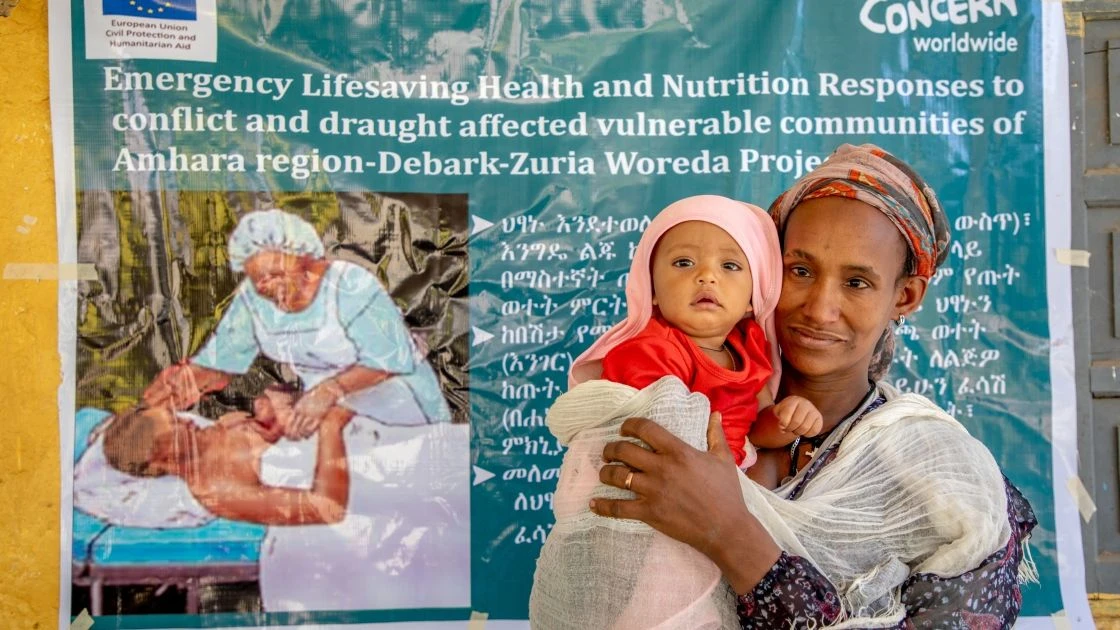
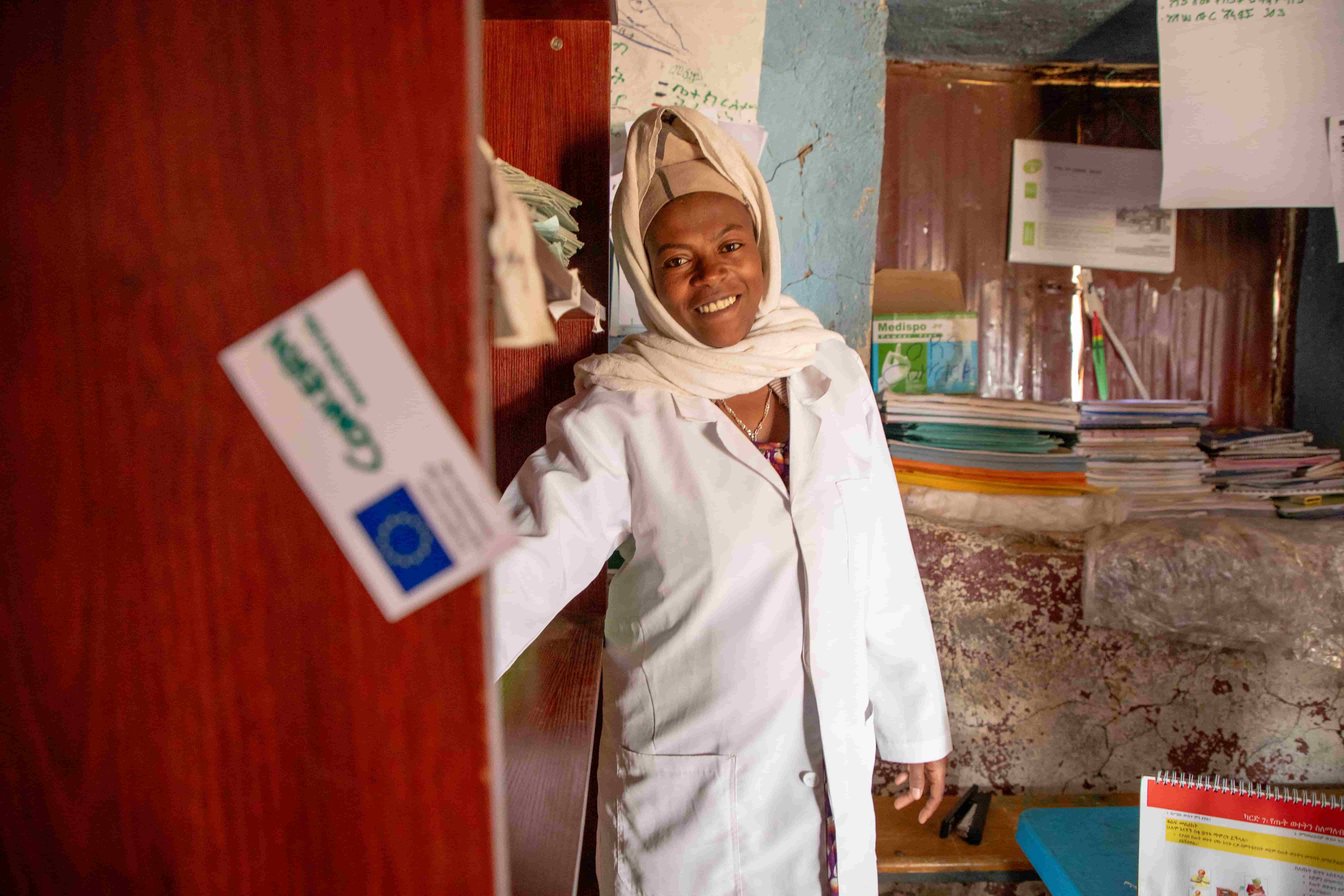
During the recent crisis in Tigray, we provided both static and mobile health and nutrition facilities. In the Amhara region, we are currently providing essential support, particularly to children under the age of five, adolescent girls, pregnant and lactating women, and people with disabilities. We also work to improve access to education with a sensitivity to crisis settings.
We have built on the success of the Graduation model in the country to create programs targeted to the unique circumstances of different communities and regions, including initiatives that integrate livelihoods and financial security with climate resilience. Additional projects, including our Green Graduation initiative, will reach an estimated 97,000 people.
Finally, our commitment to ending hunger in Ethiopia remains a cornerstone of our work in the country. In recent years, we’ve responded to both conflict-driven health challenges and drought-related spikes in hunger and malnutrition, including via an ongoing partnership with UNICEF.