Enabling Affected Communities to Survive and Thrive
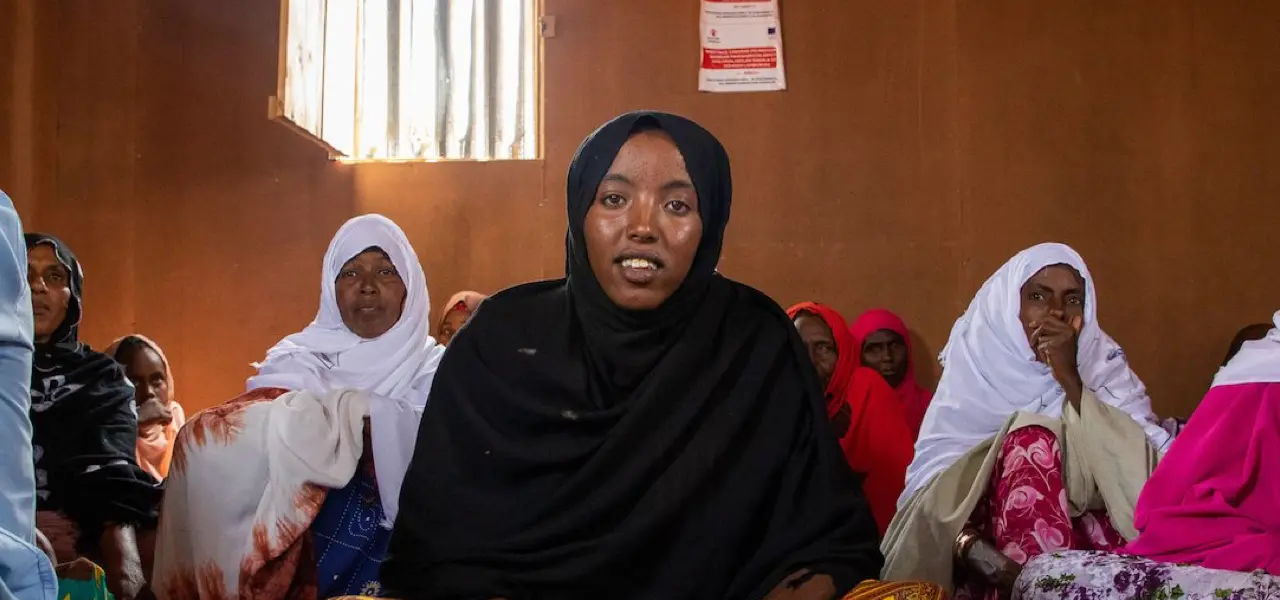
A consortium led by Concern, EAST helps vulnerable families in eastern DRC rebuild their lives through integrated livelihoods, nutrition, health, and protection support.
The challenge
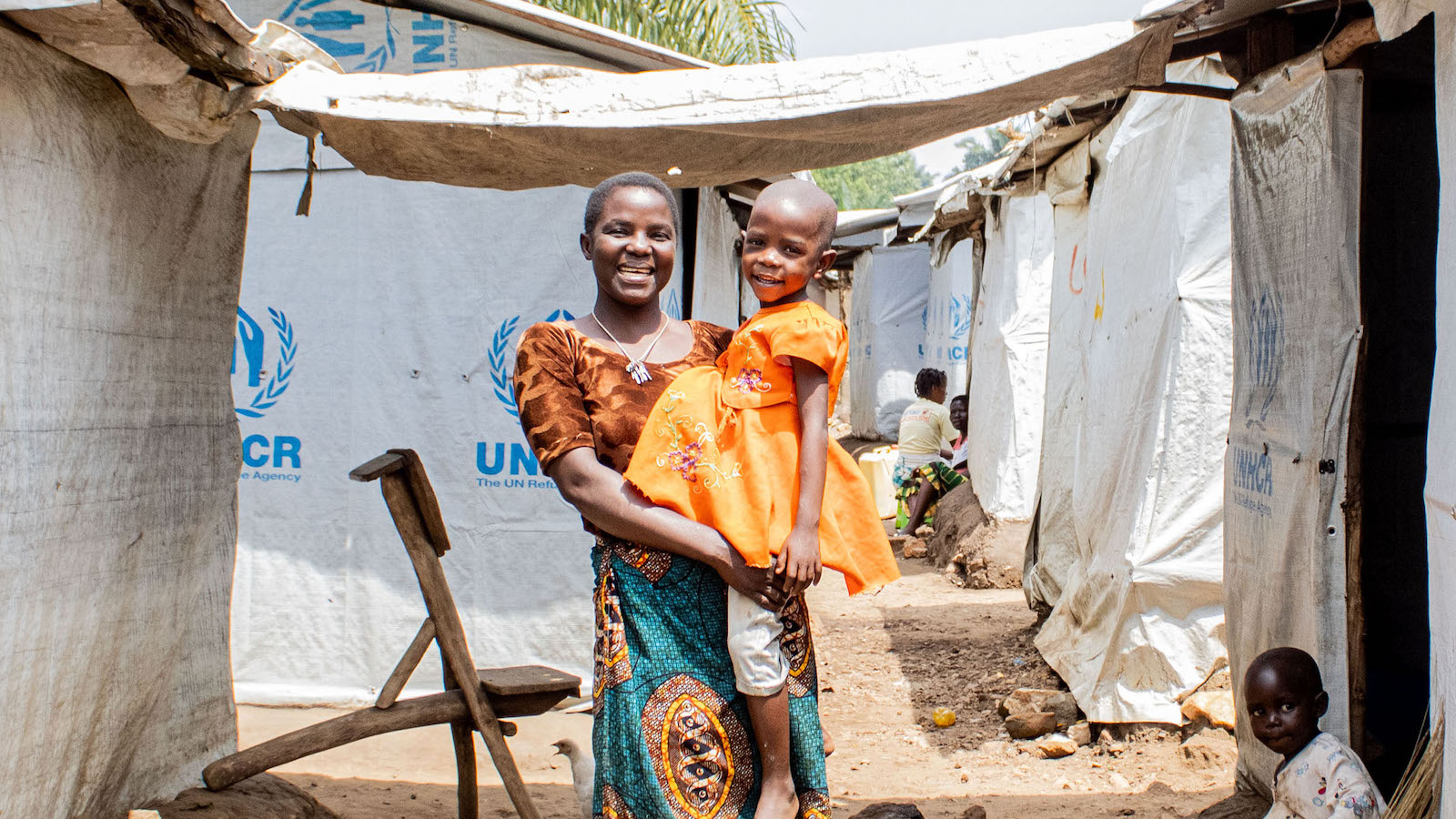
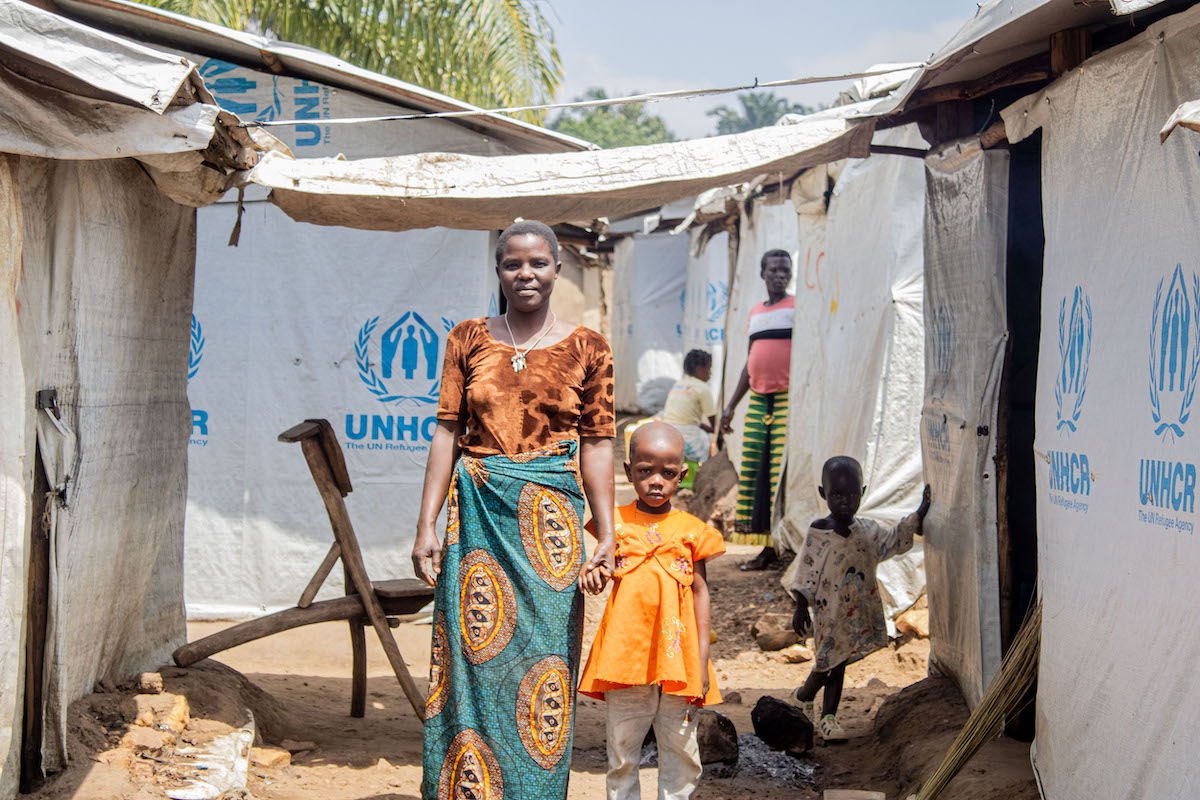
A decades-long crisis in the Democratic Republic of the Congo has left millions of people in need of humanitarian aid, particularly in the country’s eastern provinces, which have seen renewed violence in recent years. Fighting and instability have led to massive displacement in the provinces of North Kivu, South Kivu, Tanganyika, and Ituri, including the forced return of many internally-displaced Congolese after the dismantling of several displacement camps.
All of this has increased pressure on already-limited resources and infrastructure, as well as intercommunity tension. Across these four provinces, over 3.85 million people are displaced, and over 4 million have returned home (often to areas that remain unsafe). More than 60% of civilians in these areas live below the poverty line, despite a wealth of natural resources in the DRC. In conflict-affected communities, violence against women and girls is also a key risk.
These circumstances have also made the DRC the site of one of the world’s largest hunger crises: The Integrated Food Security Phase Classification estimates more than 26.5 million Congolese are facing emergency levels of food insecurity or higher.
No one solution
The Democratic Republic of the Congo represents what humanitarians would call a complex crisis, with overlapping factors contributing to a vicious cycle of poverty, conflict, and hunger amid a limited infrastructure and capacity to respond to increasing needs.
Humanitarian organizations can’t address these complex issues in isolation from one another. Our emergency responses are stronger when they address the integrated challenges that communities face. With funding shortfalls and multiple areas of focus, we’re also stronger when we work in partnership with other organizations, including international and national NGOs.
Going EAST
Enabling Affected Communities to Survive and Thrive, aka EAST, was established in December of 2023 as a response to the ongoing crisis in eastern DRC and the resulting humanitarian needs.
The program is managed by a consortium of five international and national humanitarian NGOs, led by Concern Worldwide. Our partners are Acted, Première Urgence Internationale (PUI), the Danish Refugee Council, and Congo Handicap. EAST brings together roughly $38 million (£28 million GBP) in funding from the UK Government to support two key objectives:
- To strengthen food security and nutrition by helping vulnerable communities access nutritious food, and build more sustainable agricultural methods and diverse sources of income.
- To protect vulnerable families and ensure access to humanitarian support, helping participants recover from the impacts of violence against women and girls.
Our approach
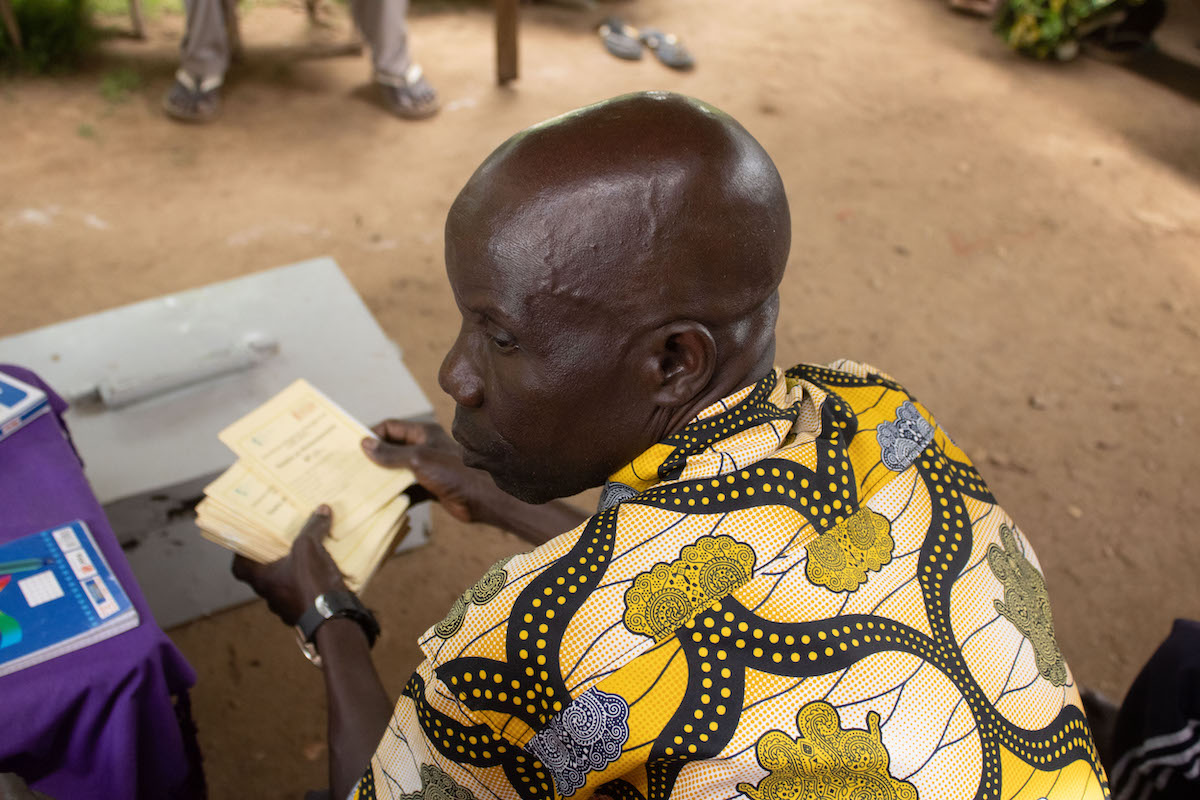
In total, EAST was designed to support more than 430,000 people, including 65,000 people with disabilities. To achieve these goals, the project focuses on three key areas of programming:
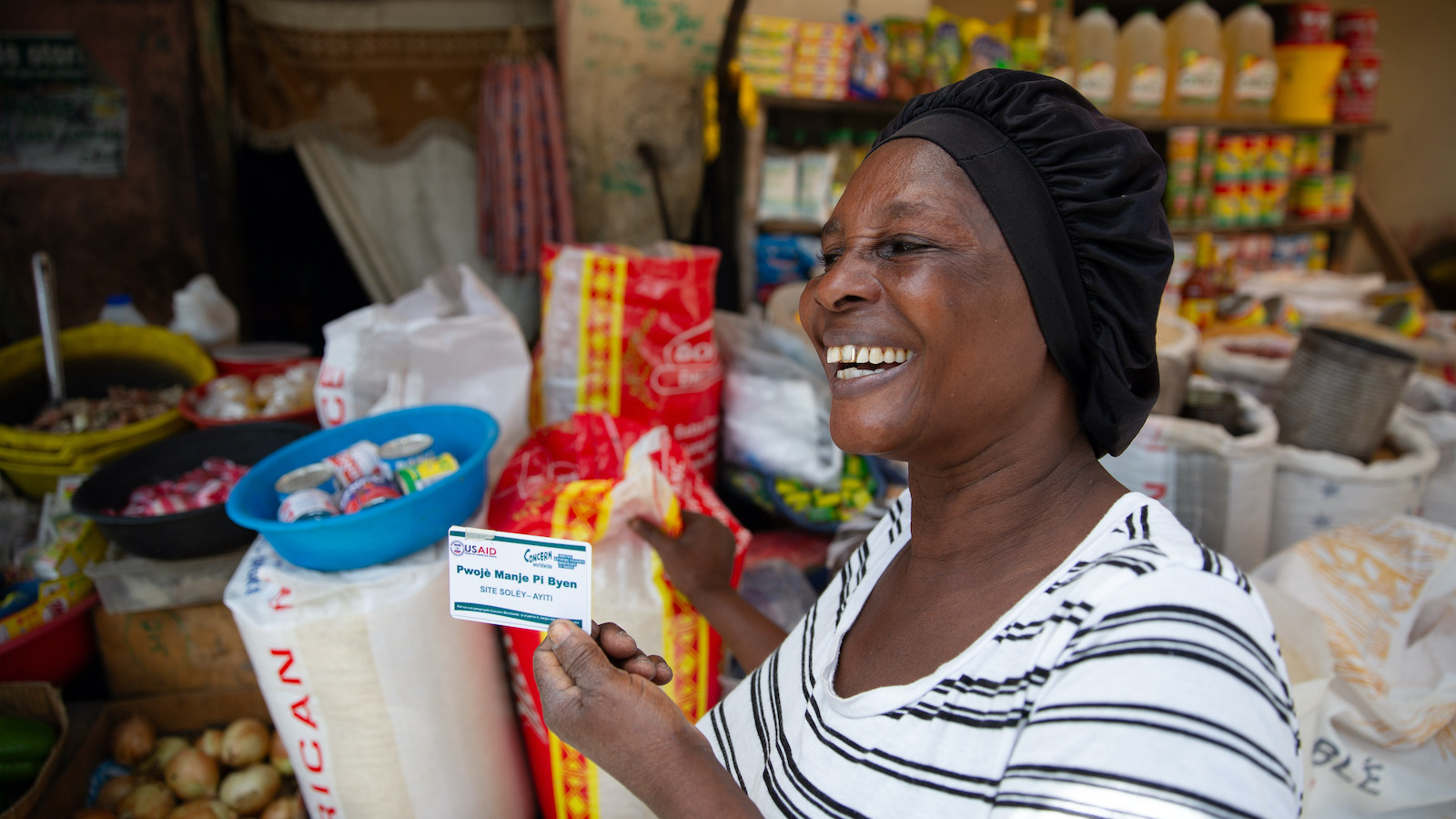
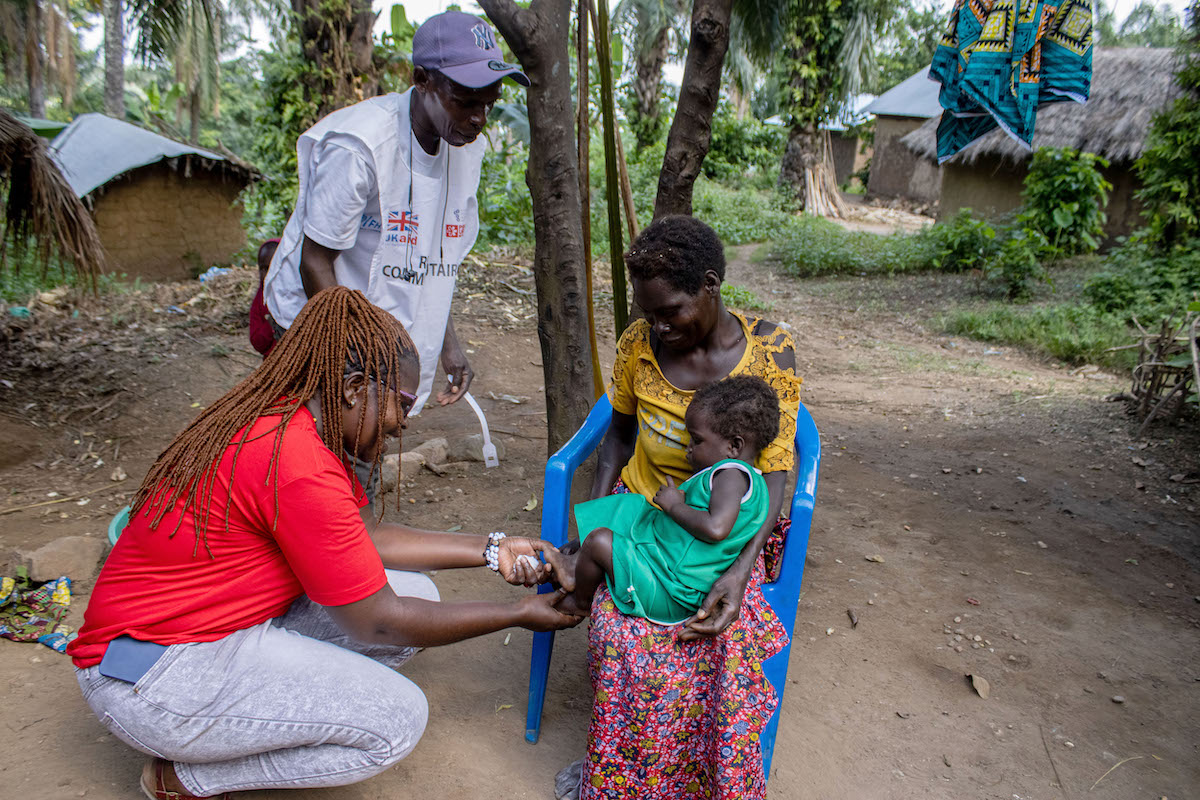
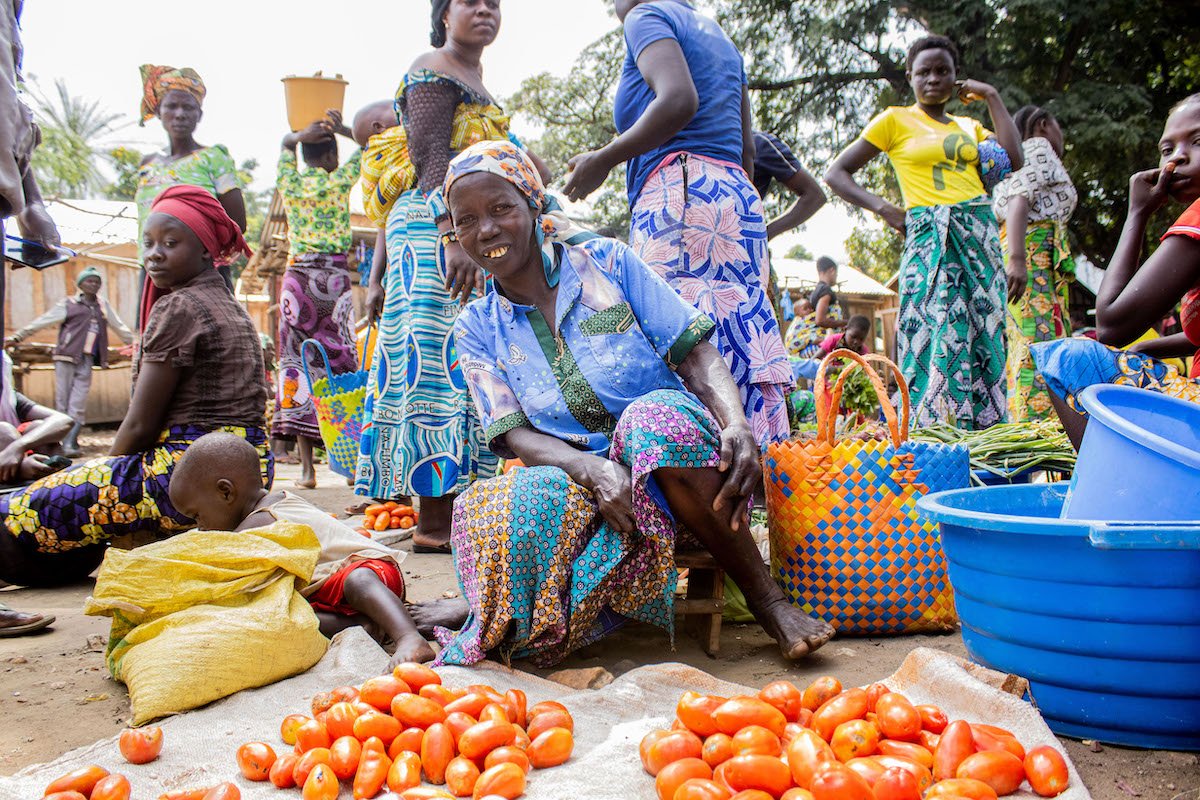
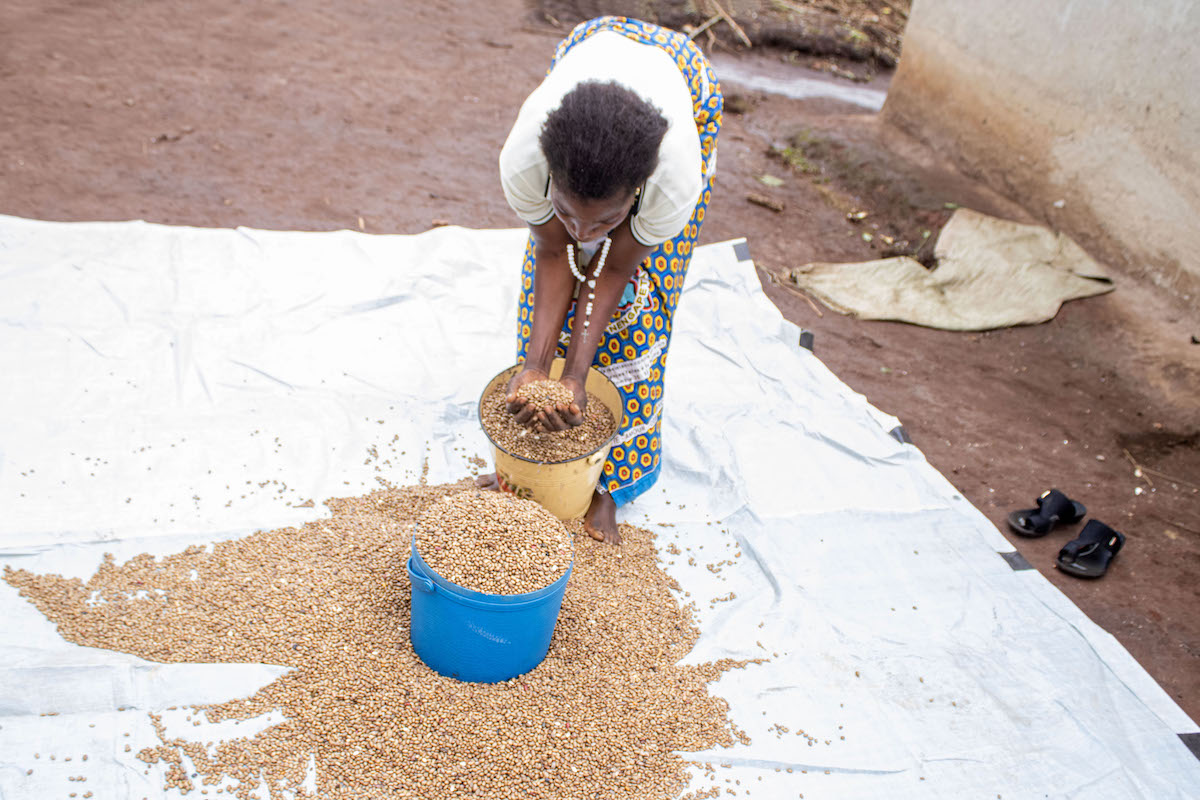
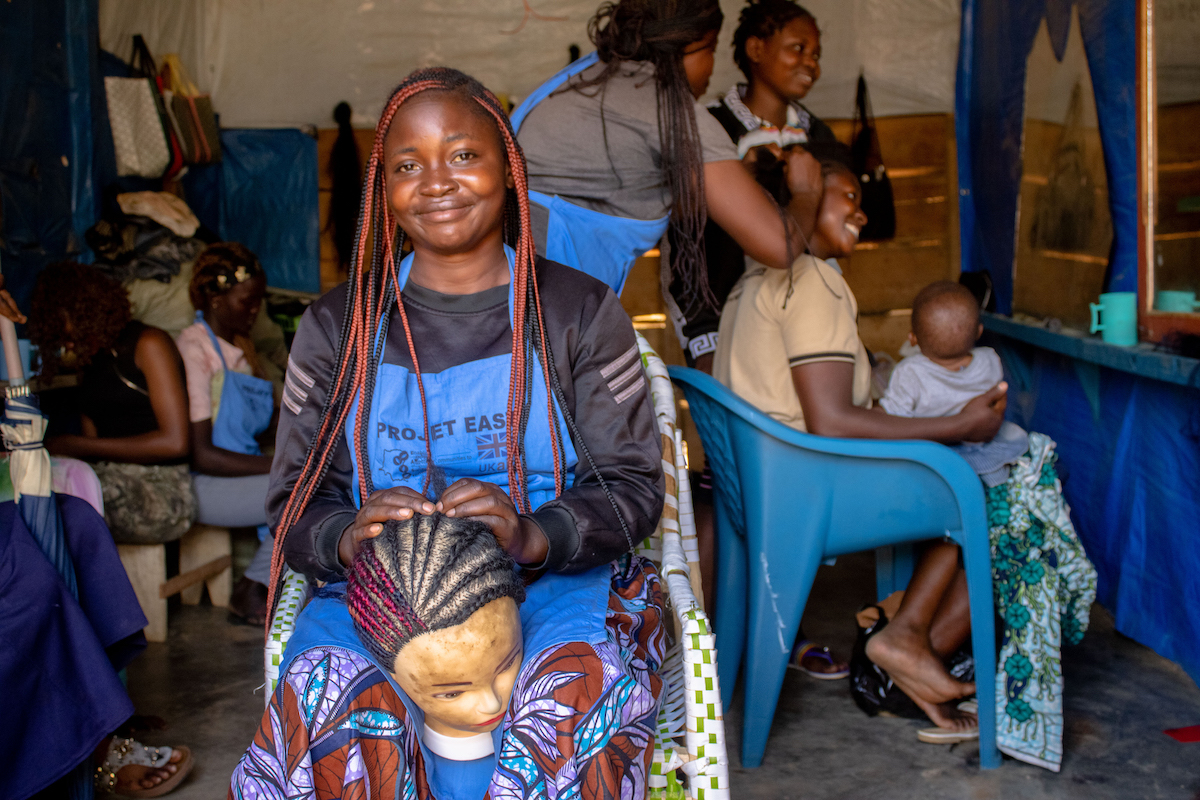
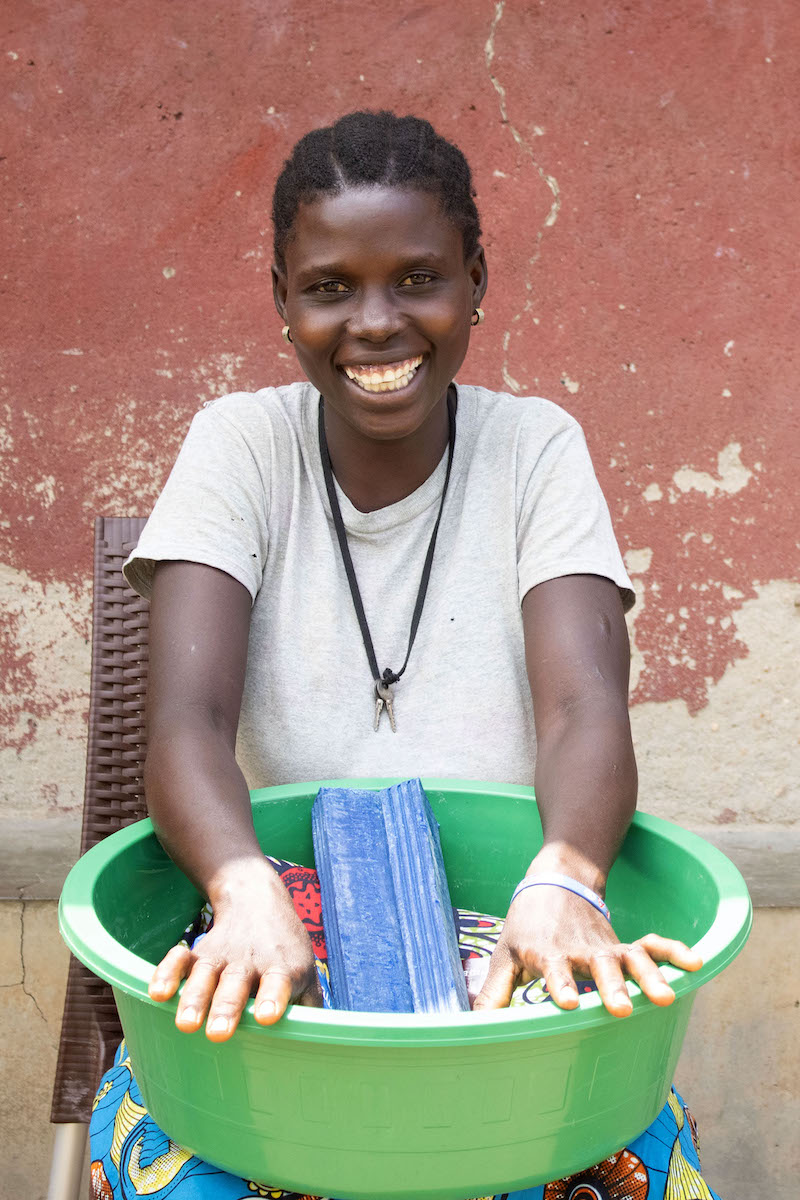
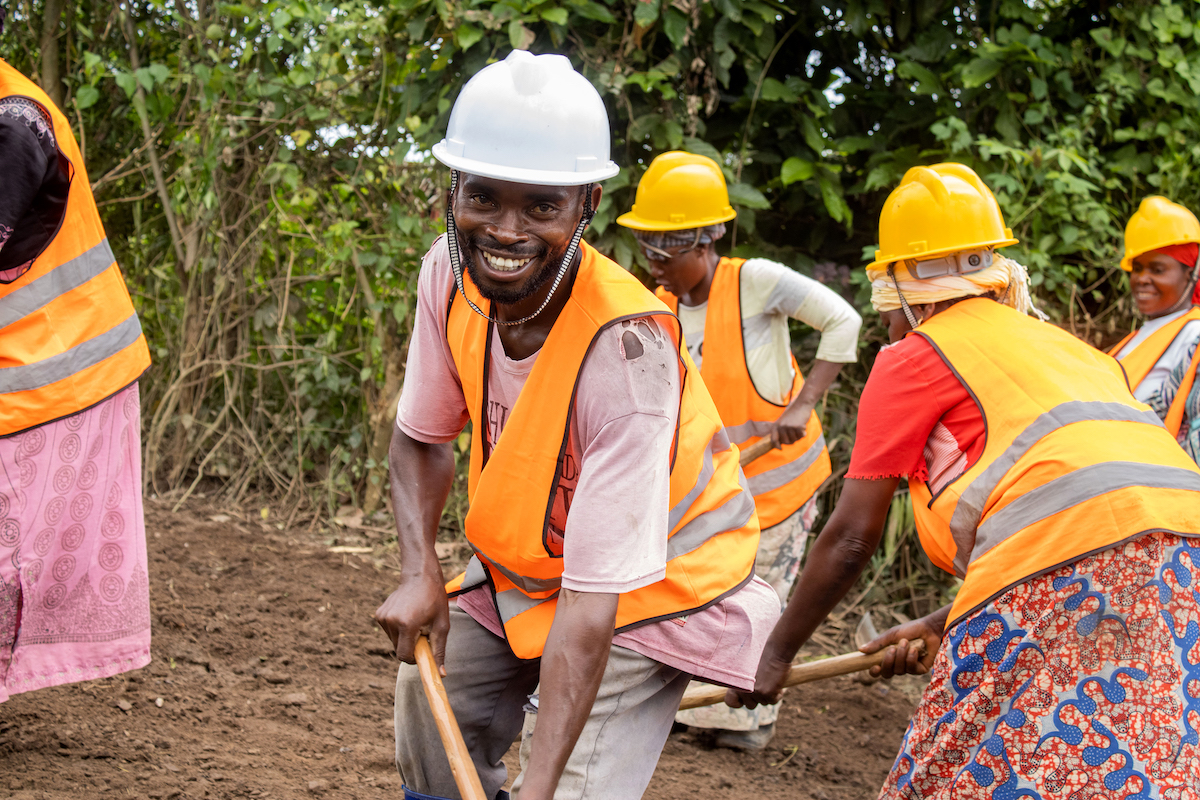
- Supporting families affected by shocks to rebuild and strengthen their livelihoods
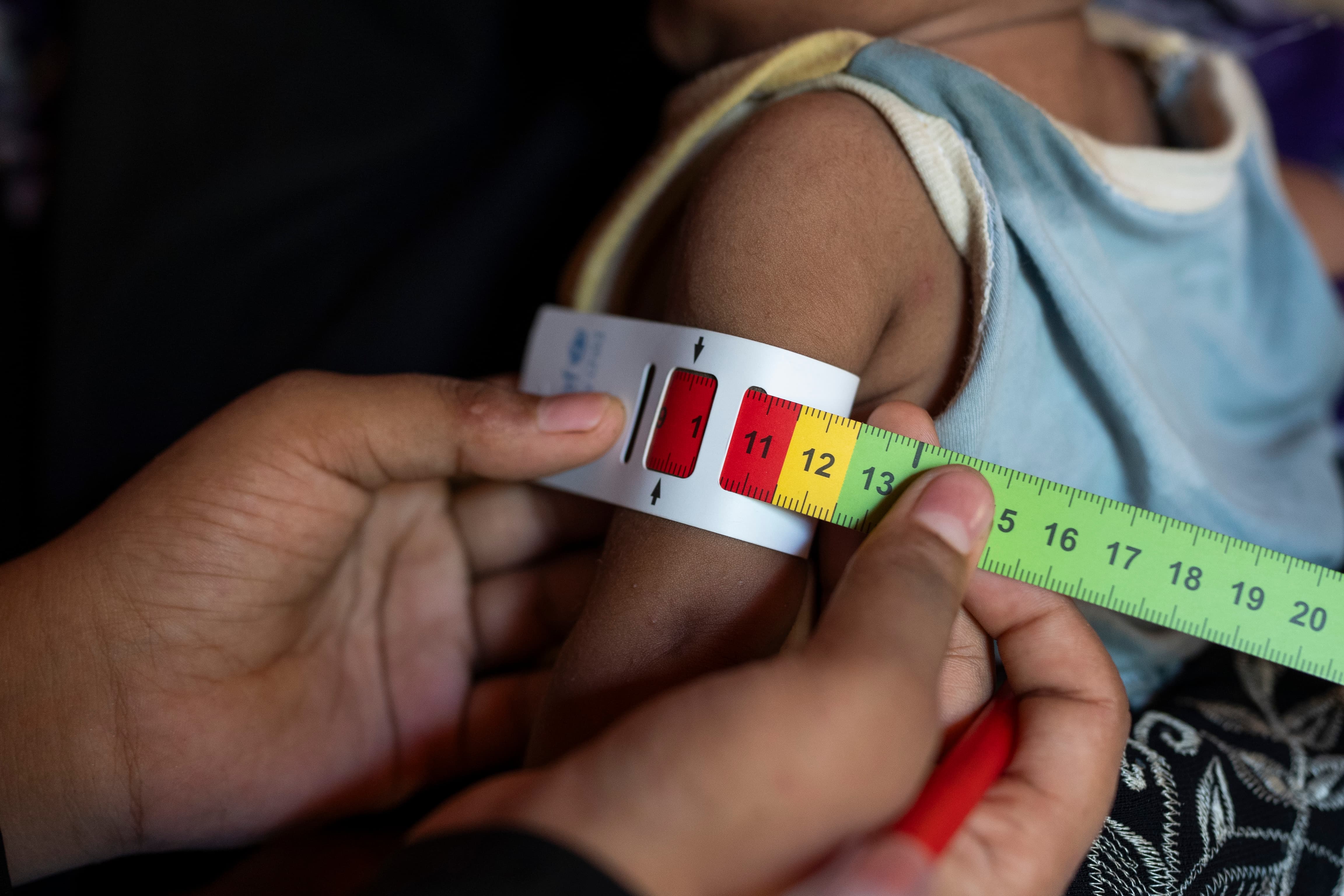
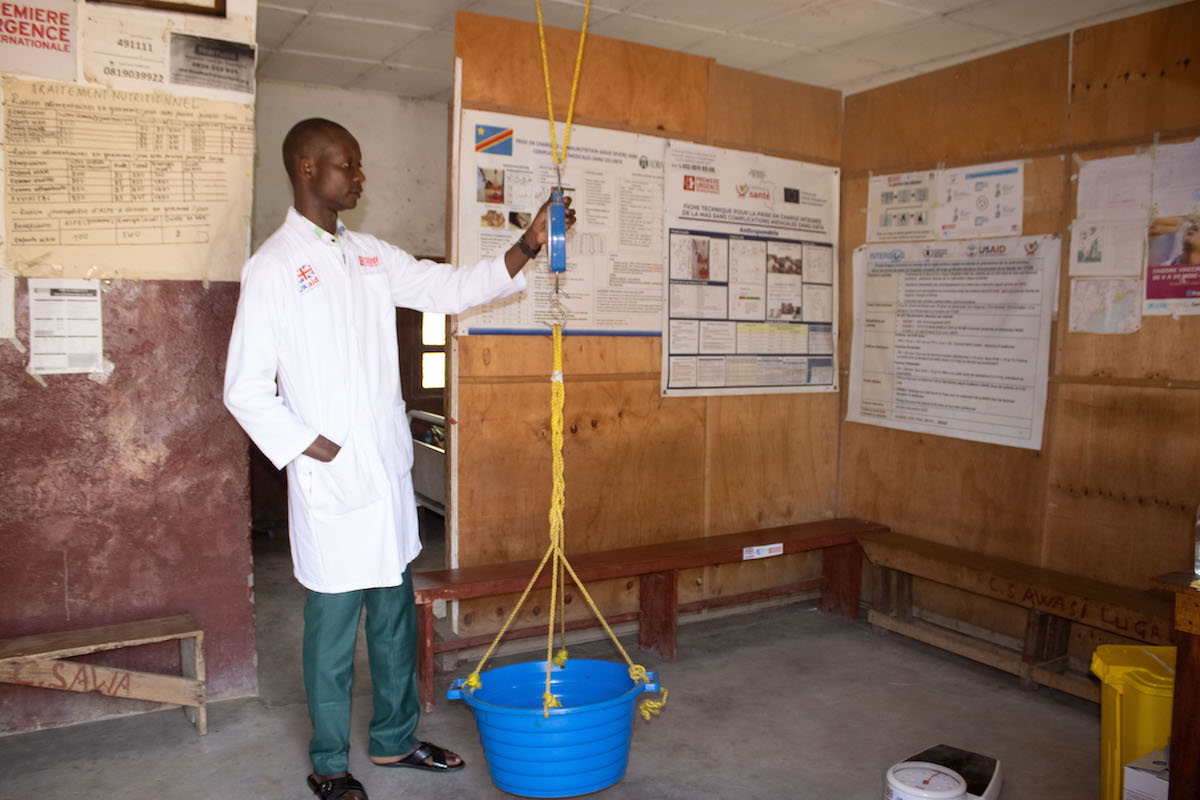
- Treating malnutrition while helping prevent new cases from emerging
- Responding to violence against women and girls while working to prevent future incidents
The results so far
Working across four sectors, EAST is helping to create a more sustainable and resilient environment where vulnerable households can recover and thrive. Last year alone, we saw the following successes:
Livelihoods
- Over 66,000 income-generating activities supported or launched
- Over 1,300 survivors of violence received social and economic support
- 153 new VSLAs established, all of them thriving
Health & nutrition
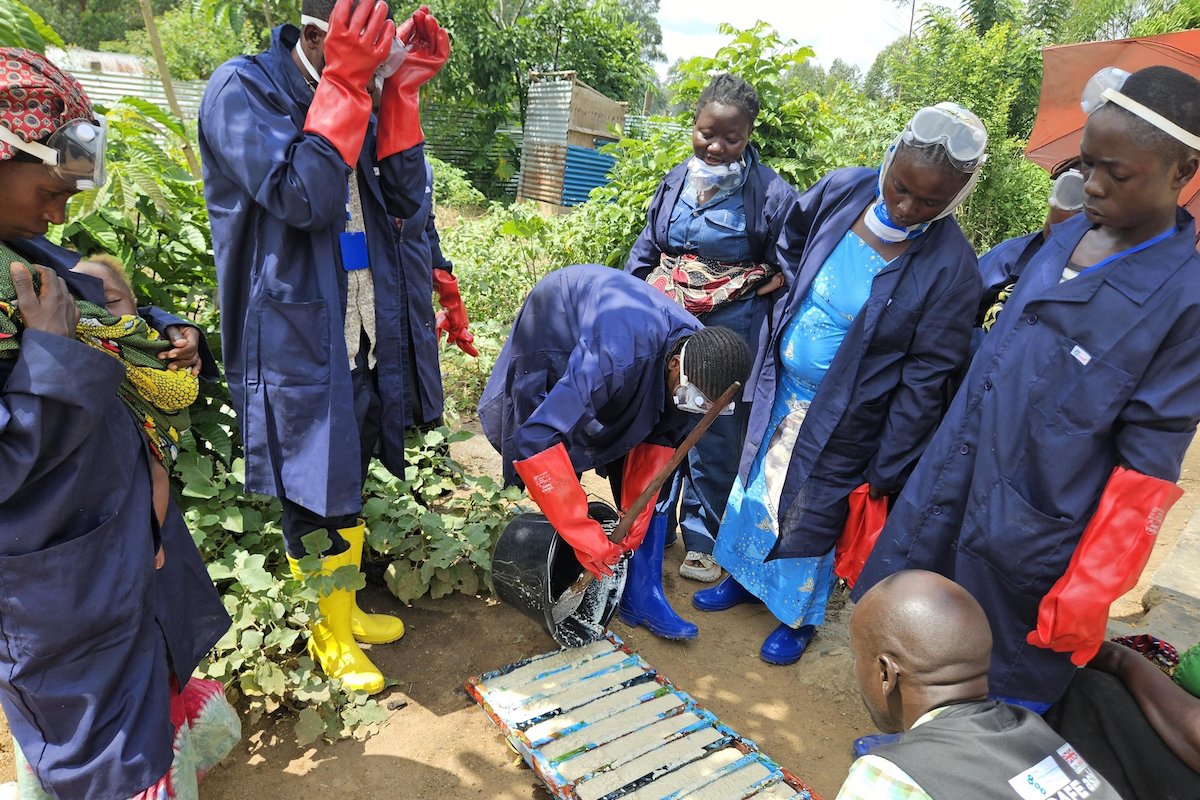
- Over 86,000 children under the age of 5 were treated for illness
- Over 125,000 teenagers and adults were likewise treated
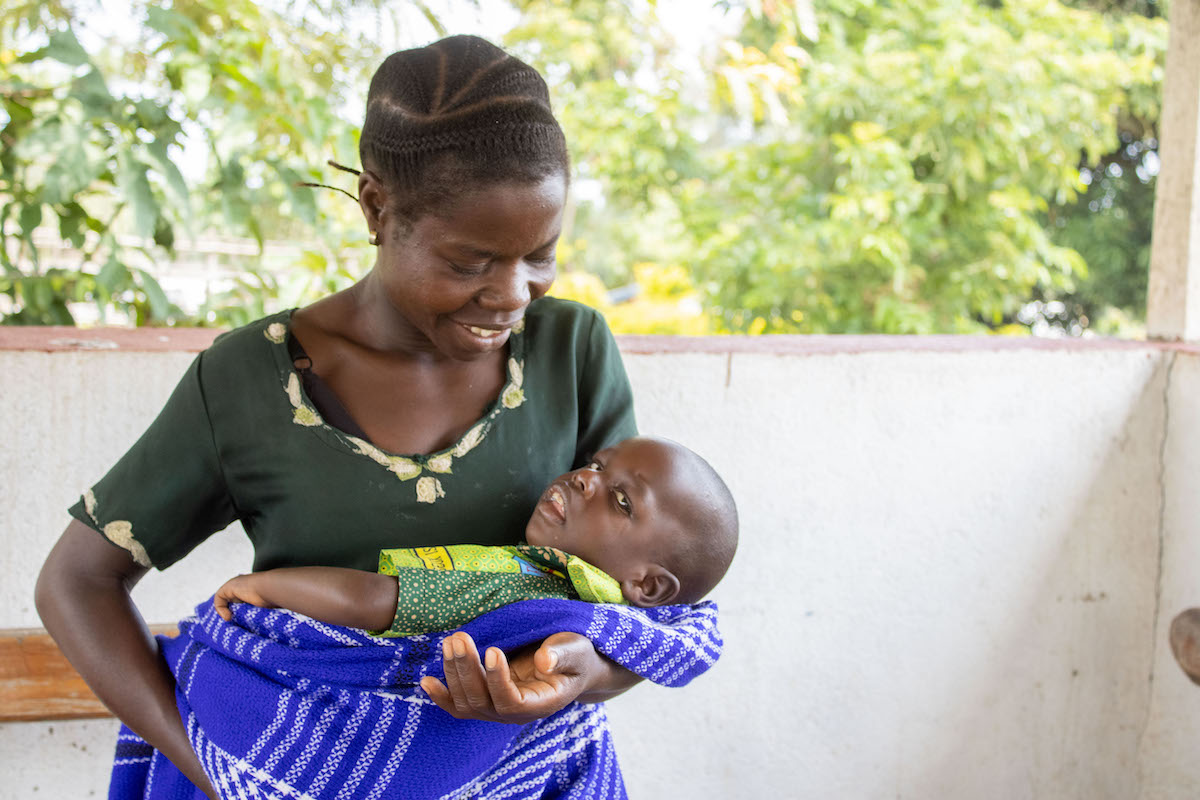
- Over 4,900 children were treated for severe acute malnutrition with a 98% cure rate
- Nearly 18,000 pregnant women received essential prenatal care
Protection
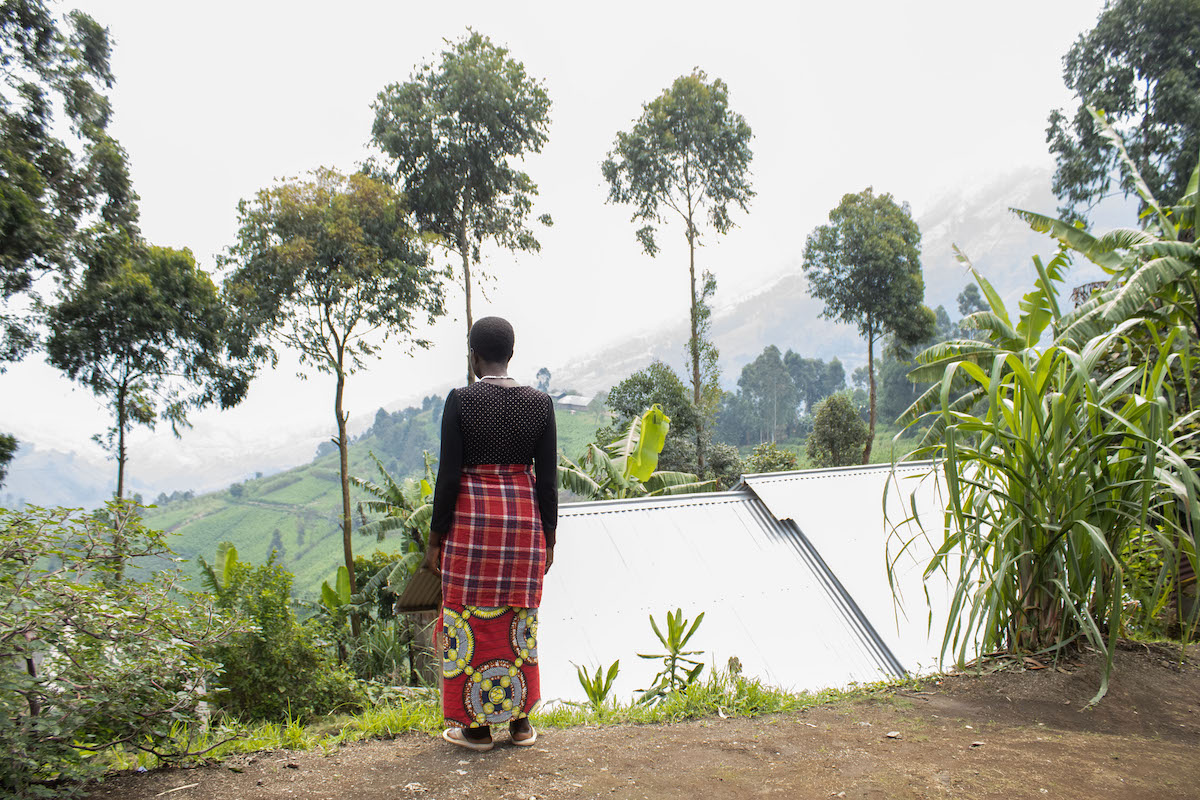
- Nearly 2,300 people received individual protection assistance
- 1,400 people received psychosocial support services
Even in some of the most challenging and unpredictable circumstances, EAST has shown that meaningful and lasting impact is possible when communities are placed at the center of response.
Working closely with local partners, adapting quickly and nimbly to changing conditions, and combining support across key sectors like livelihoods, health, nutrition, and protection, EAST has helped vulnerable families build essential resilience at a time when it’s needed most.
Funded by
Your support, their world
Programs like EAST are made possible by Concern’s partners as well as our community of changemakers whose tax-deductible gifts help us to reach over 27 million people each year with life-changing and lifesaving work.
We are also currently responding to the growing Ebola crisis in the DRC. To support our response with an individual gift, please use the button below.
To learn more about how your organization can get involved with Concern’s work to make a lasting impact, please contact Katie Waller, Director of Strategic Partnerships, at [email protected].