Ukraine

Country stats
- Capital: Kyiv
- Population: 34.2 million
- People requiring humanitarian aid: 10.8 million
Concern’s response
- Ukraine program launched: 2022
- Program areas: Emergency Response, Livelihoods, Integrated Programs
Why are we in Ukraine?
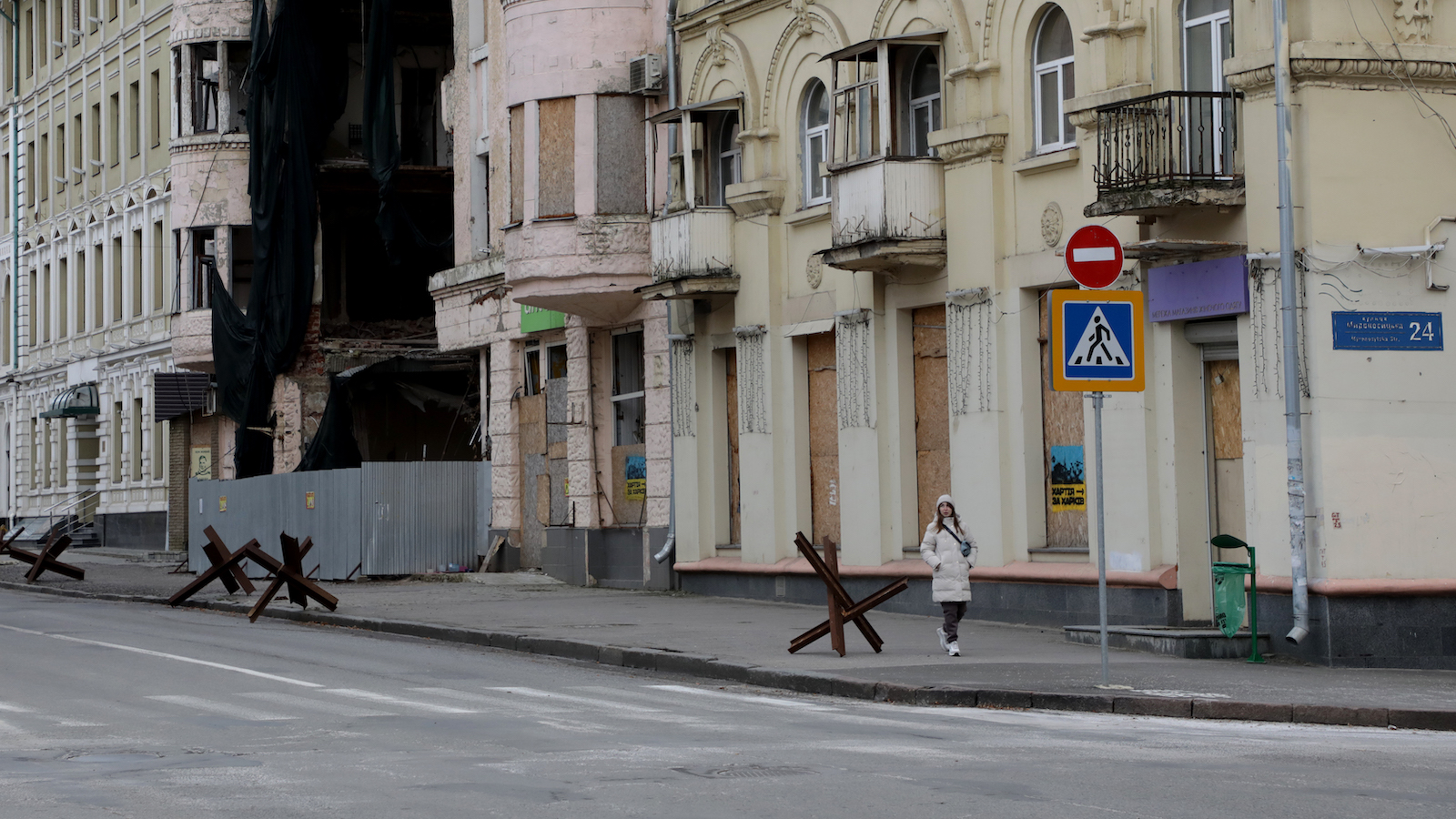
The humanitarian crisis in Ukraine deepened in 2025, leaving 10.8 million people (nearly one-third of the population) in need of assistance. Last year was the deadliest so far for civilians, who have also been forced to cope with attacks on critical infrastructure, deteriorating socio-economic conditions, and psychological distress.
10.8 million Ukrainians require humanitarian assistance in 2026
After four years of nationwide conflict, 2025 was the deadliest year for civilians in Ukraine with more than 2,500 casualties and over 12,000 injuries. Intensified attacks last year also led to new waves of damage and displacement, particularly in the eastern regions (oblasts) closest to the frontlines.
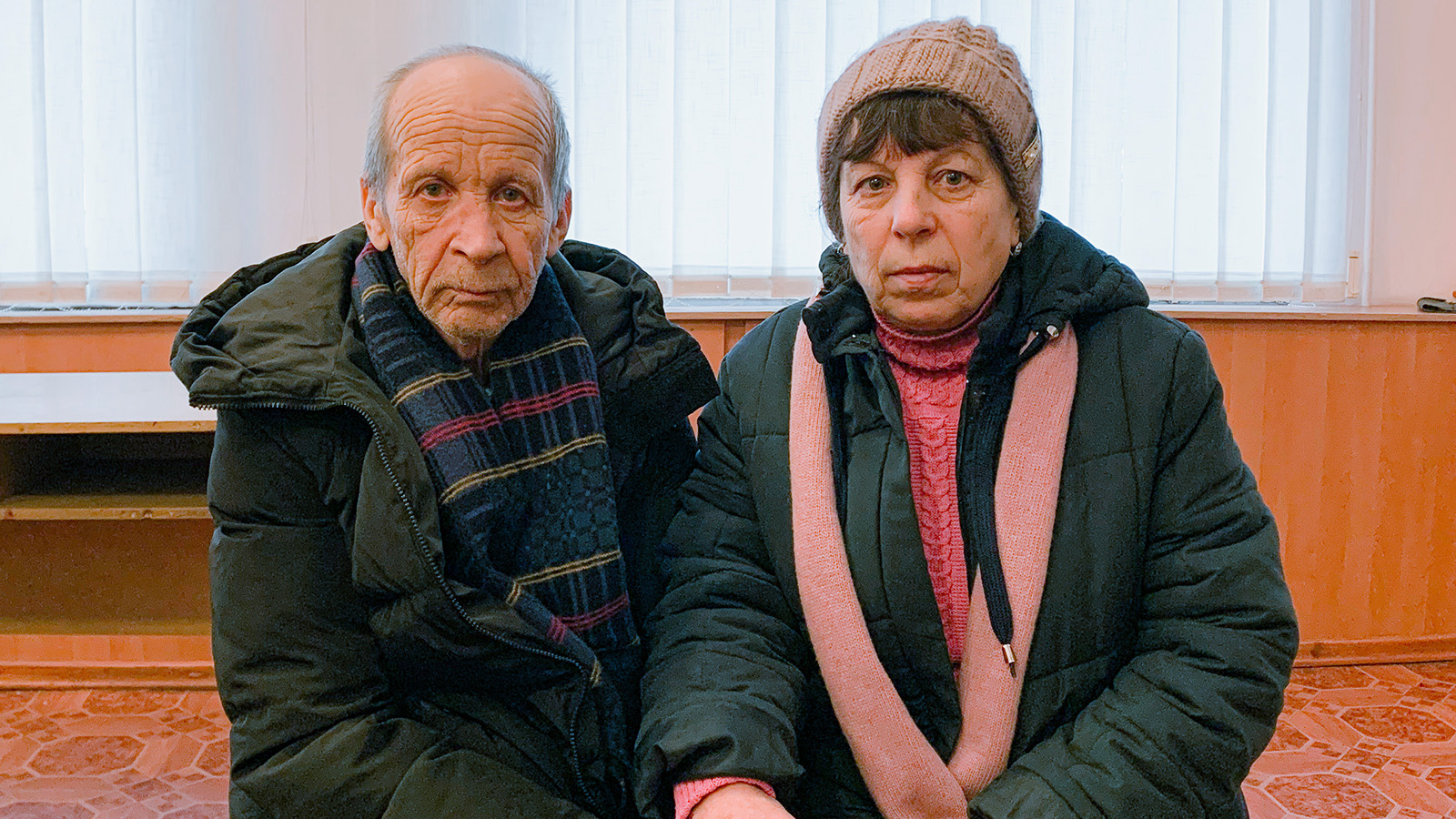
Moreover, Ukraine began 2026 with the coldest winter in more than a decade while suffering attacks to infrastructure that have left many communities without electricity or heat for weeks amid plummeting temperatures. Conflict-driven inflation has further eroded resources for many, with the International Organization for Migration reporting that the median household income in Ukraine is 29% lower per capita than it was at the beginning of 2022. At the same time, Ukrainians are seeing a cumulative inflation rate of nearly 38%, leaving many families to go into debt and forego basic necessities in order to make ends meet.
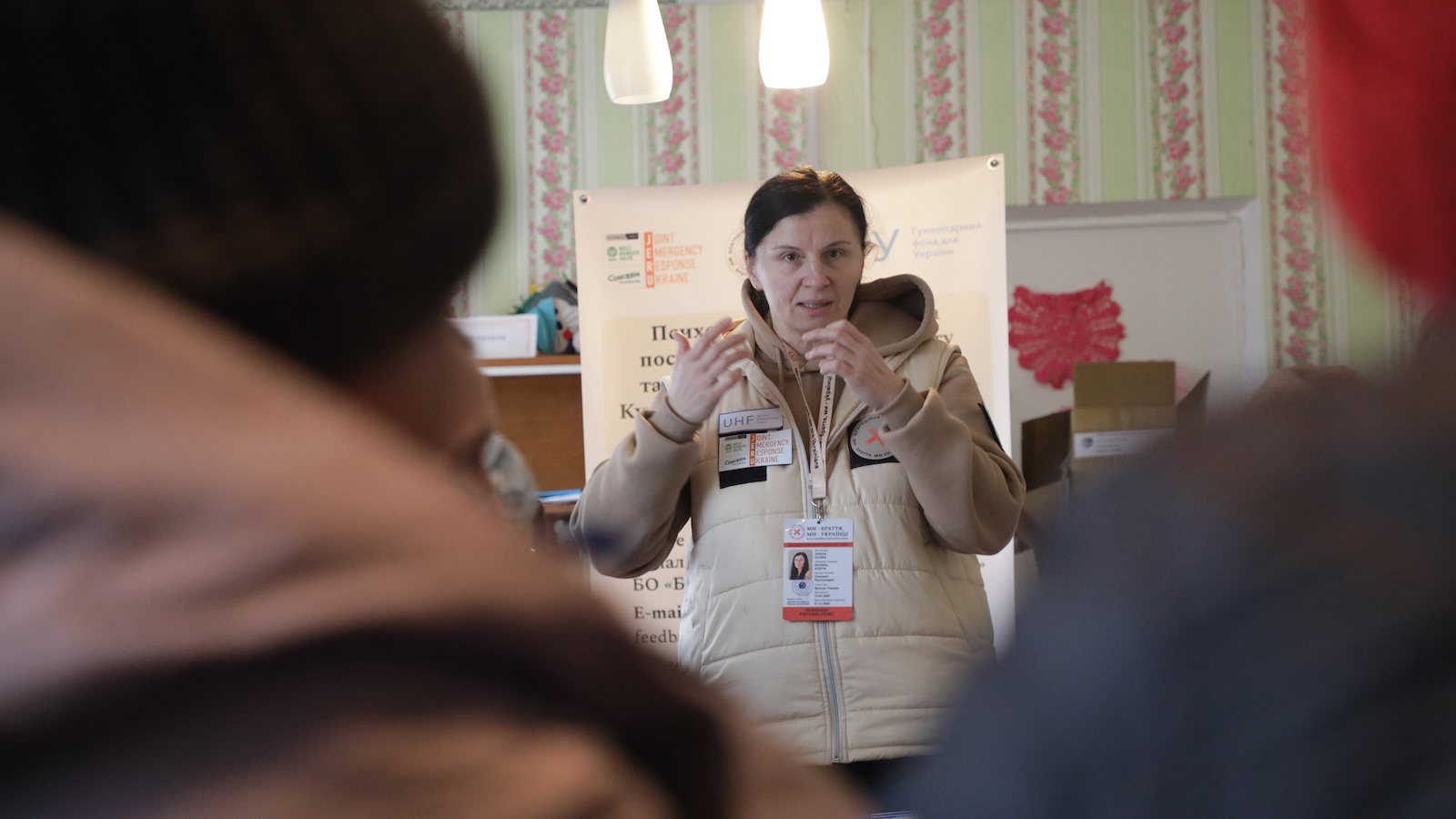
In addition to the physical needs, we are also witnessing a mental health crisis as the result of the conflict as Ukrainians enter their fifth year of living with the constant threats of attacks and forced evacuation, family separation as a result of displacement, conscription to the frontline, reduced social services, and cuts to humanitarian funding.
Latest achievements
Overall impact
Last year, Concern’s overall, multi-sector emergency response to the conflict in Ukraine reached over 114,000 people, primarily in frontline oblasts including Sumy, Kharkiv, Mykolaiv, Zaporizhzhia, Kherson, and Donetsk.
Livelihoods & emergency assistance
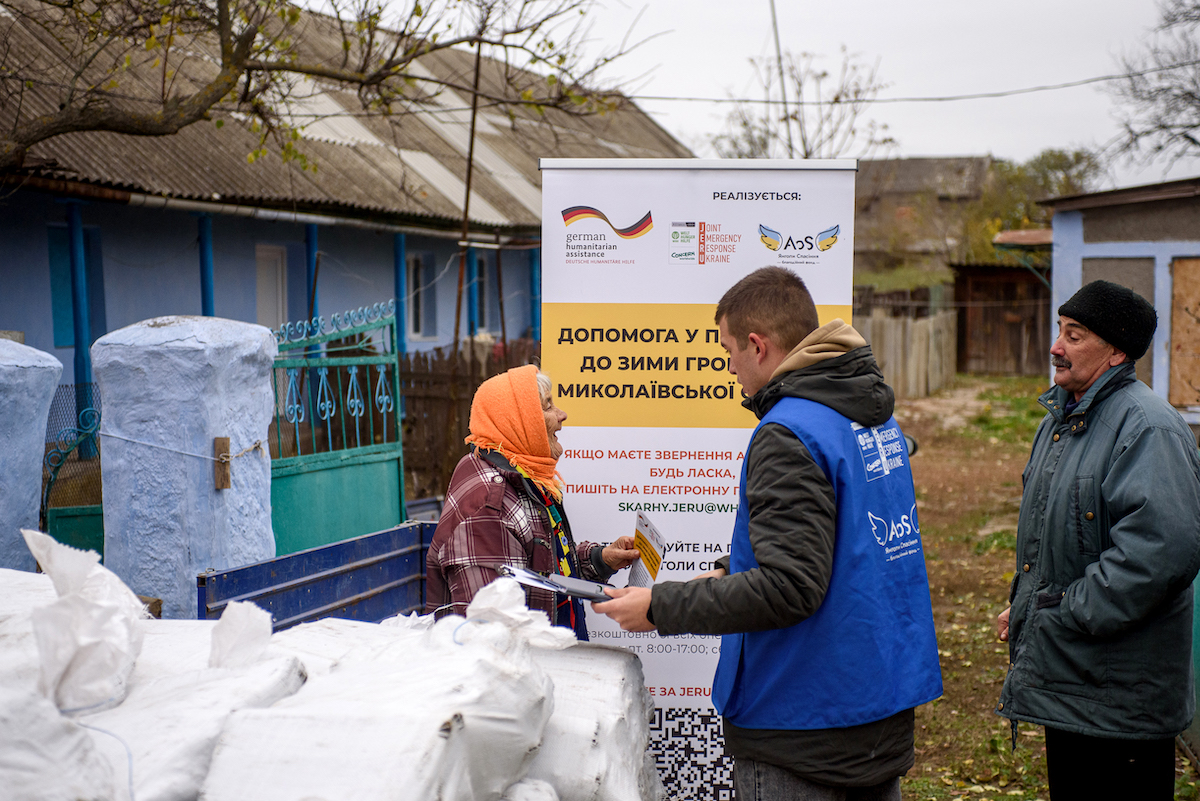
We worked with communities to support recovery through cash grants, reestablish economic resilience, and build productive livelihoods. Together, these initiatives reached over 80,000.
Protection & psychosocial support
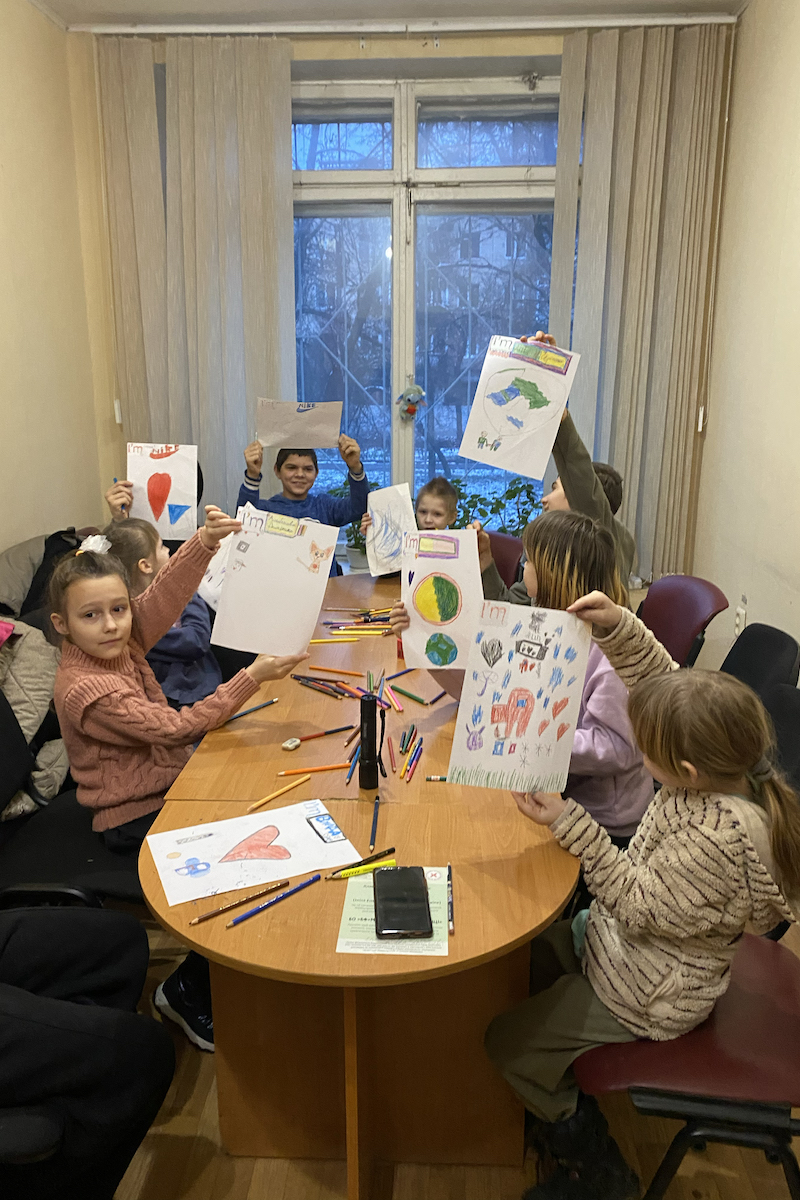
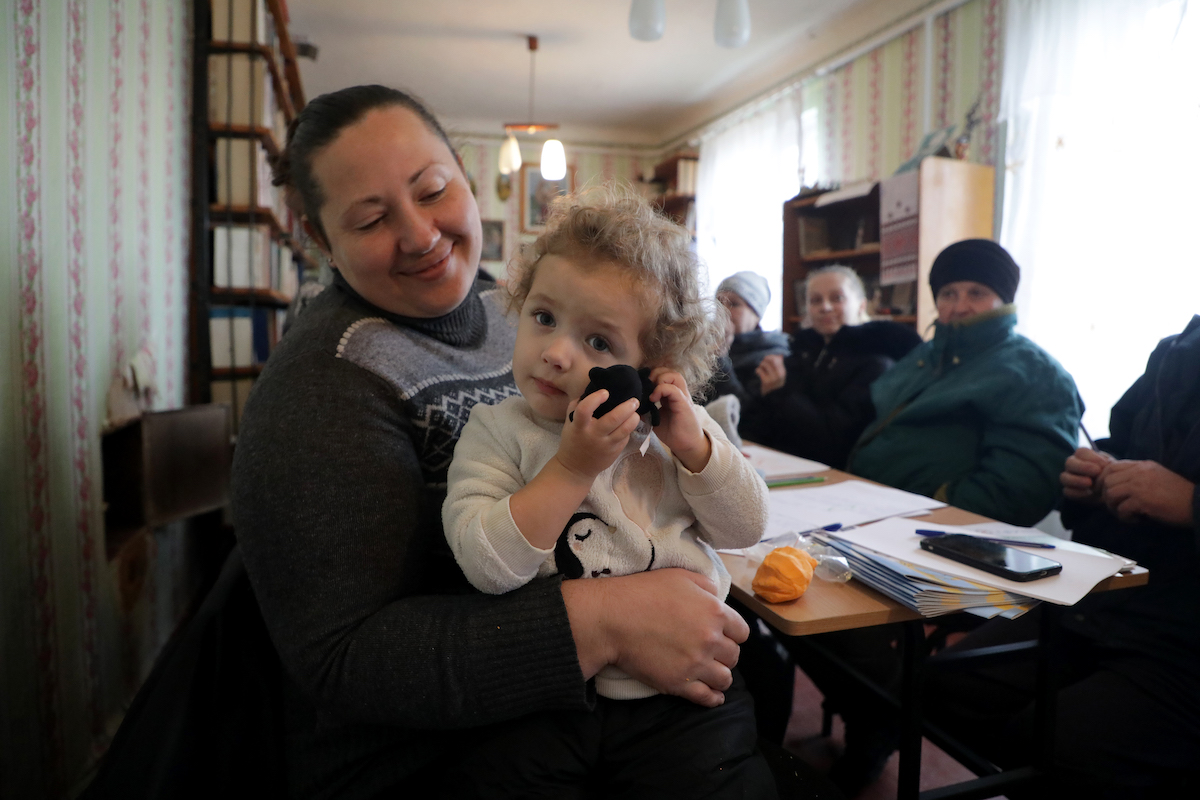
Concern is also supporting access to psychological support for both adults and children affected by the conflict. This includes community-based group sessions, one-to-one counseling, and referrals to more specialized care.
Our work in Ukraine
Concern is responding to the growing needs in Ukraine through emergency programming and early economic recovery.