Timeline: A history of Concern Worldwide
Jan 12, 2026
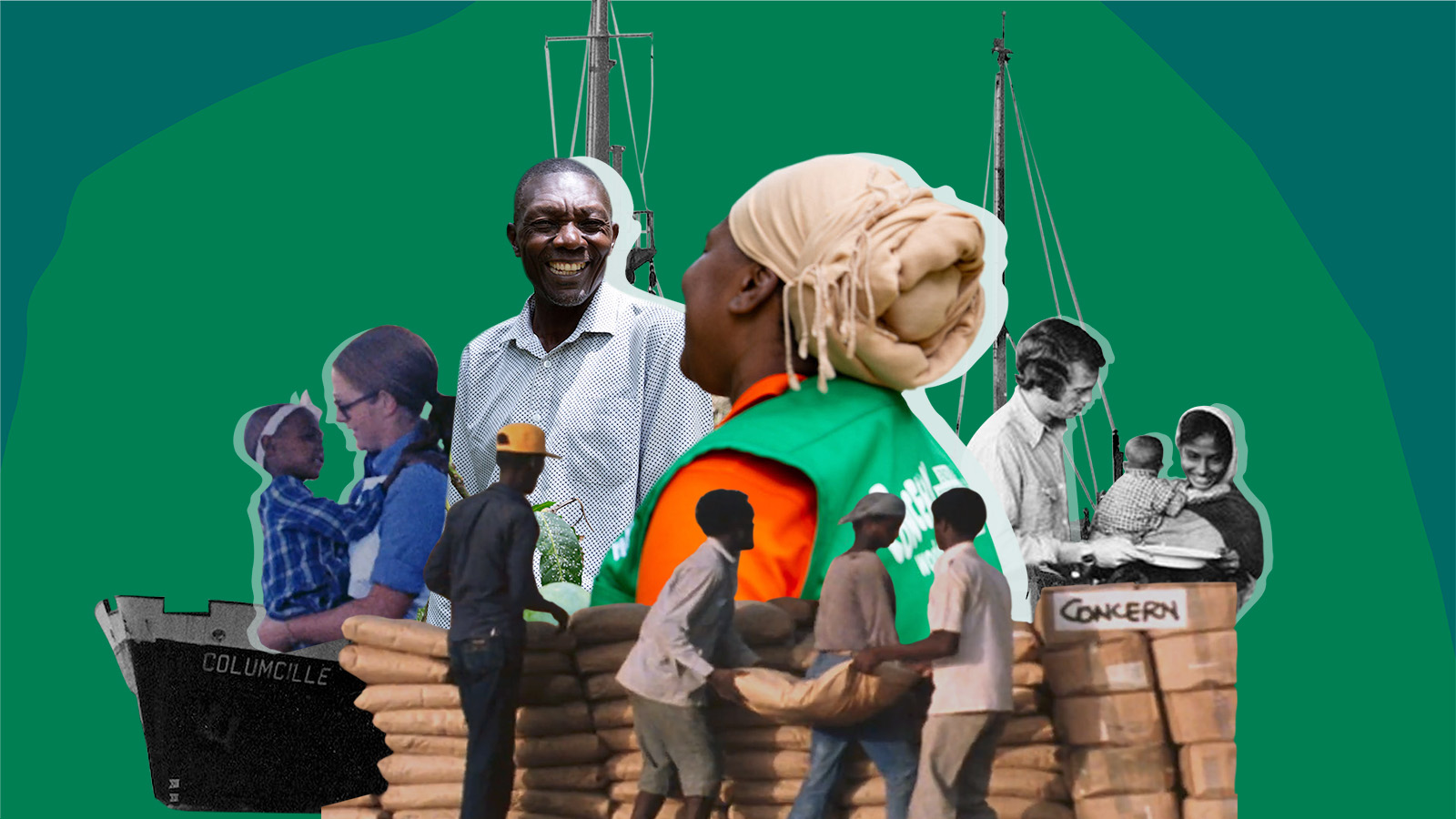
In 1968, a small group of people in Ireland launched a major aid operation in response to famine and conflict in Biafra, because they couldn’t continue to sit by and watch it play out.
More than half a century later, Concern still works under the same principle, doing whatever we can and whatever it takes to help millions of families break the cycle of poverty each year. Here’s a closer look at our last six decades of work.
1968: Beginnings in Biafra
“Concern is an organization born of famine, in response to famine.” — Fr. Aengus Finucane, early Concern volunteer and former CEO
Concern Worldwide begins as Africa Concern in the living room of John and Kay O’Loughlin-Kennedy, an ordinary couple who were watching the horrors of conflict play out in Nigeria’s breakaway province of Biafra on the evening news. John’s brother, Father Raymond Kennedy, had also been in Biafra and brought back news of a developing famine — a catastrophe still fresh in Irish historical memory.

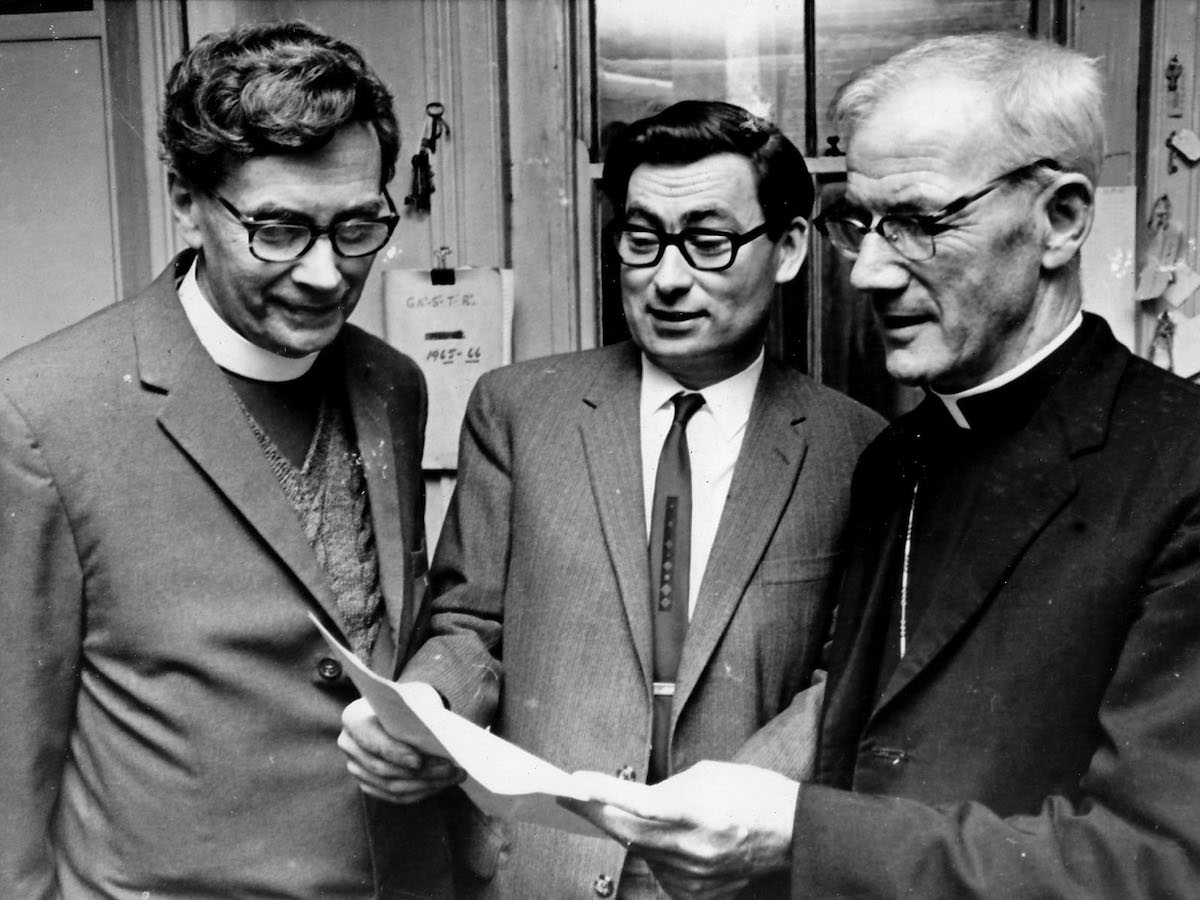
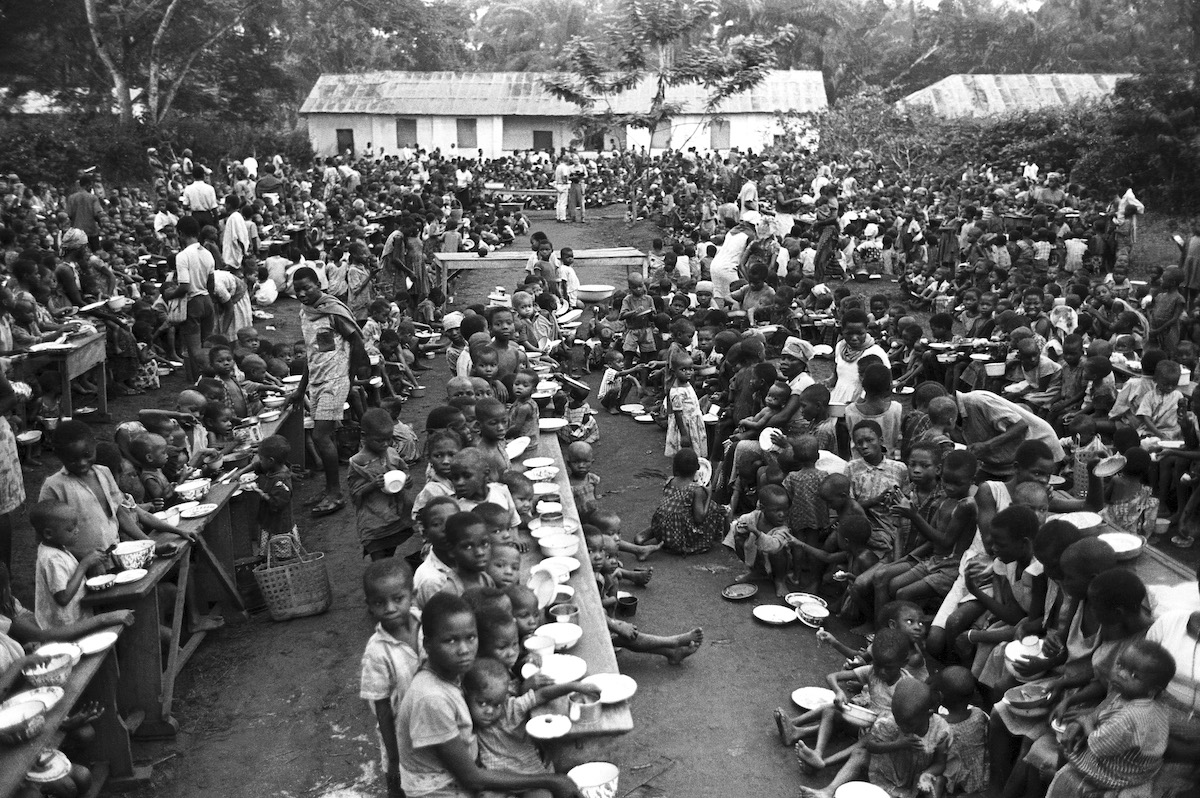
With no experience, John and Kay raise the equivalent of over $86 million in today’s dollars and purchase a ship, the Columcille, and sail to West Africa with supplies.
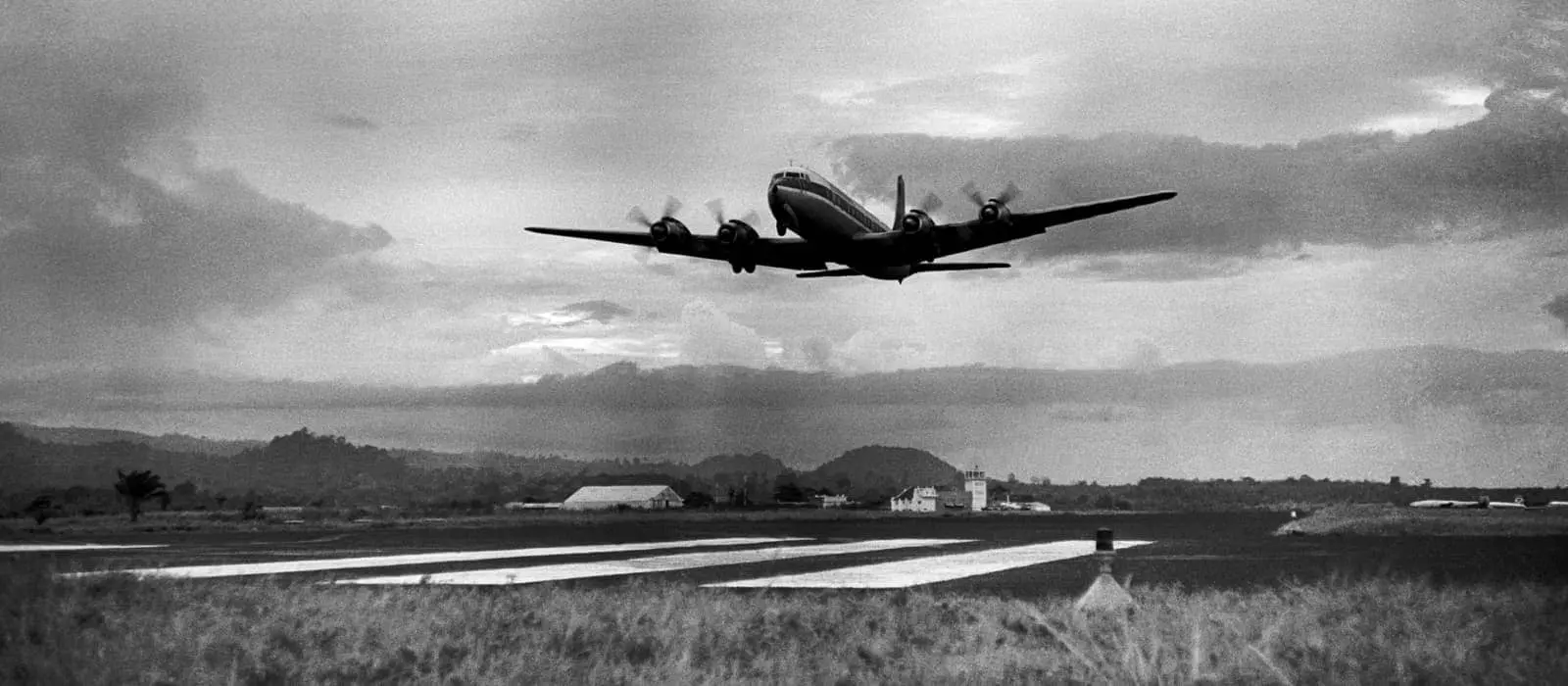
They soon begin sending daily humanitarian aid flights into Biafra over 11 months, working with a network of priests already in the area to distribute critical relief.
1970-72: New beginnings in Bangladesh
The deadliest tropical cyclone on record, Cyclone Bhola, makes landfall in East Pakistan on November 12, 1970, killing as many as 500,000 people and furthering a hunger crisis amid political instability.
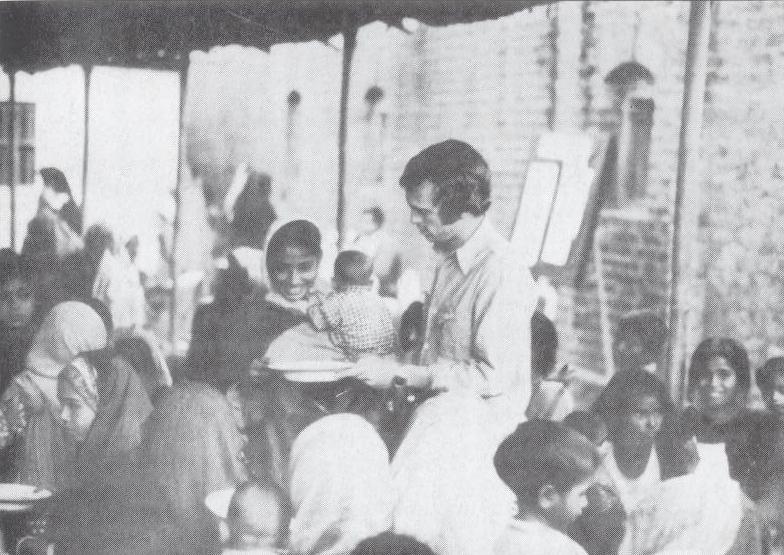
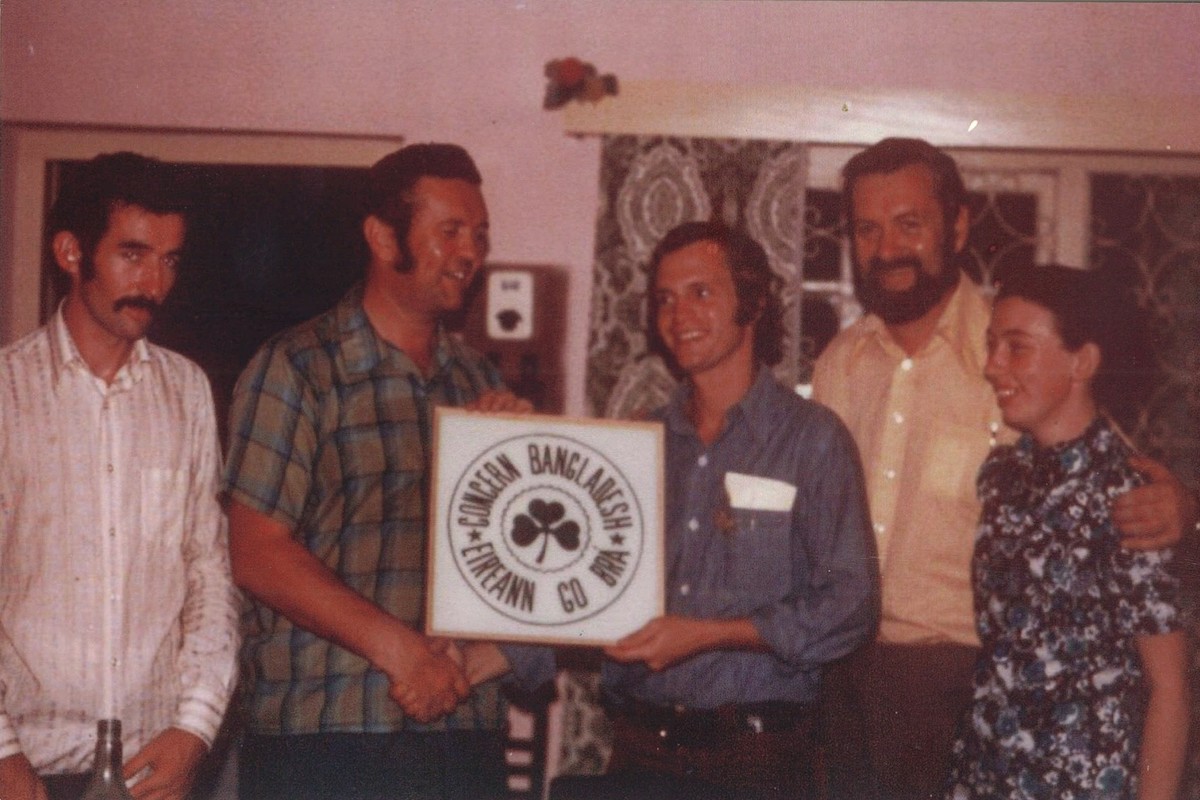
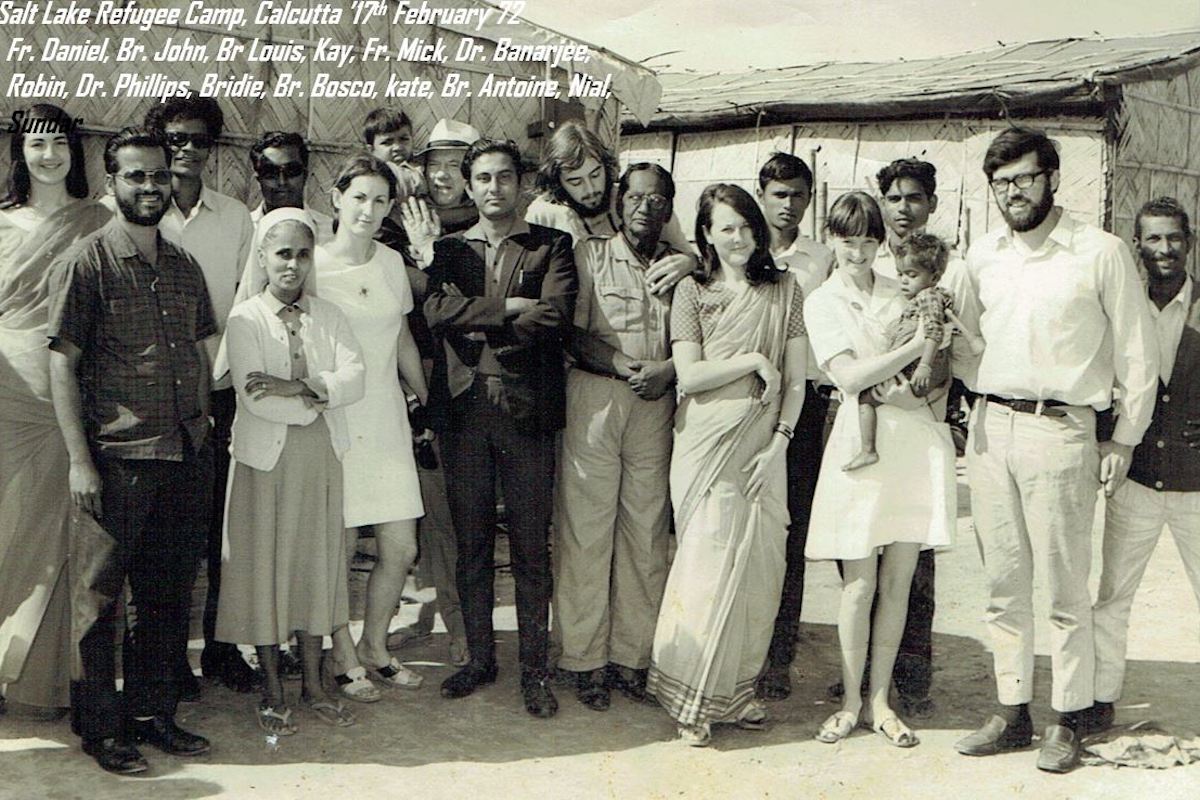
Africa Concern becomes Concern Worldwide with the launch of the Pakistani Famine Appeal. The first volunteers arrive in Calcutta in 1971 to support displaced Bangladeshis, shortly before the start of a war of independence that will continue for most of the year. After providing support for cyclone survivors, Concern establishes a full program in the newly-independent republic of Bangladesh in 1972. Fr. Aengus Finucane, one of the volunteer priests who worked with Concern to distribute aid in Biafra, becomes the country director.
Unlike Biafra, there is no pre-established network of volunteers in Bangladesh. Concern begins to recruit local volunteers from Ireland who build a variety of programs in the country, including education, hunger response, infrastructure support, and livelihoods training. This sets the organization apart from others at the time, which were focused on one or two areas of work at most. In Finucane’s words, Concern remained more flexible and nimble, “responding to the need as it was.”
1973: Entering Ethiopia
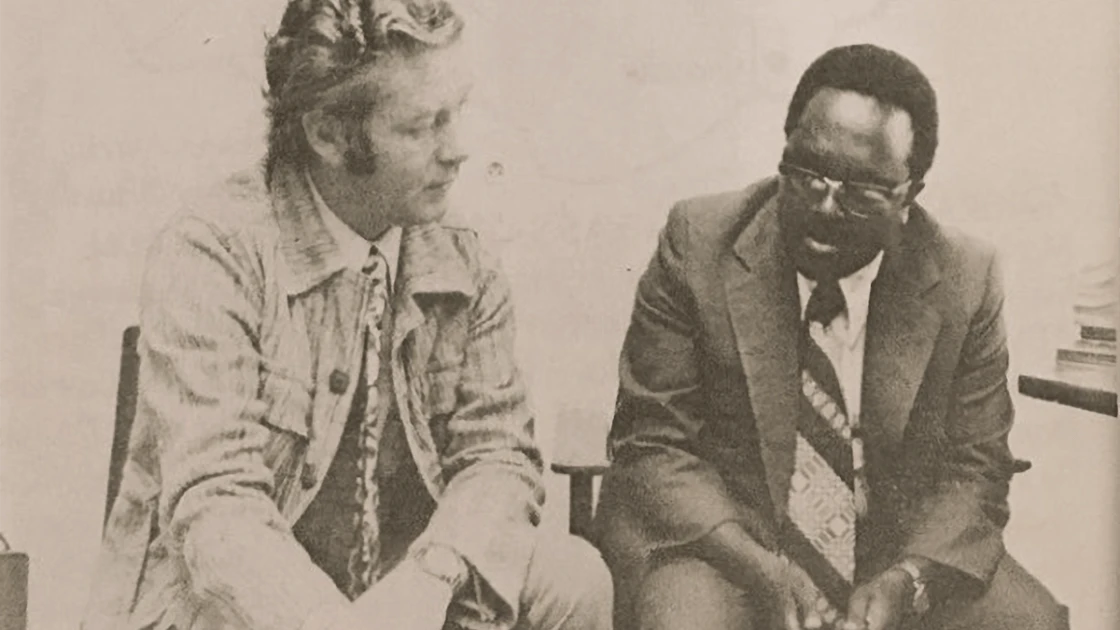
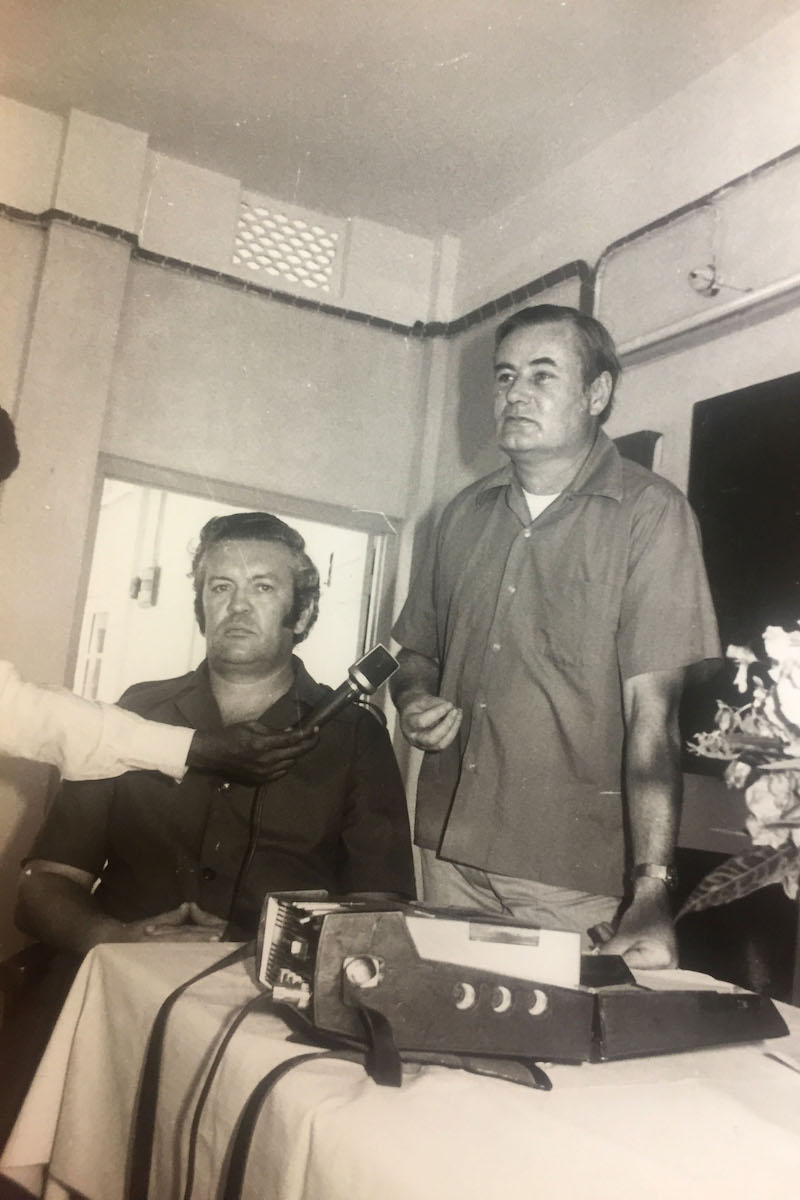
Concern arrives in Ethiopia in the autumn of 1973 as part of a massive mobilization to prevent famine in the northwestern province of Wollo. Unfortunately, the international warning system is too late to avert disaster. A team led by Fr. Jack Finucane (Aengus’s brother and a fellow volunteer from Biafra) help to triage a desperate situation that kills 200,000.
In the aftermath of the Wollo Famine, Ethiopia is plunged into political instability with the overthrow of Emperor Haile Selassie, the first of a series of coups that will complicate humanitarian response around Africa. Despite some interruptions to aid, Concern establishes a formal country program in Ethiopia in 1974, which continues to this day.
1978: Relief, recovery, and rebuilding in Cambodia
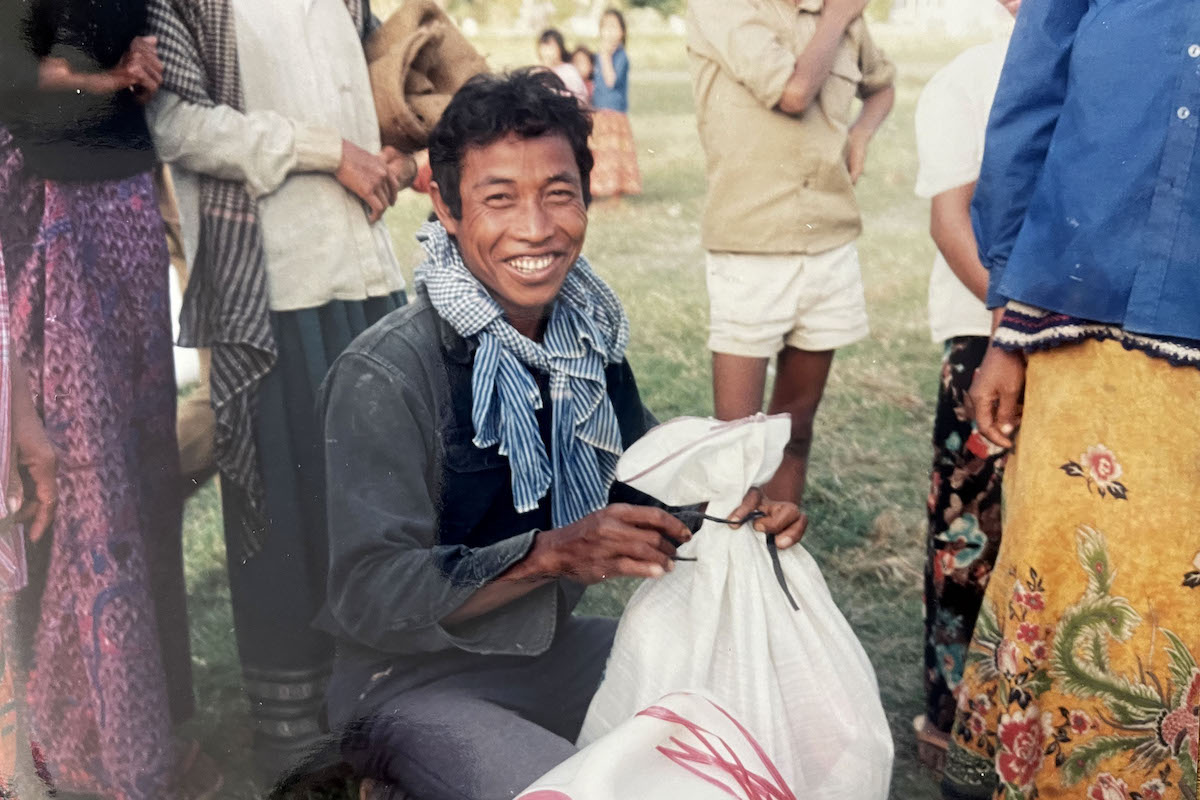
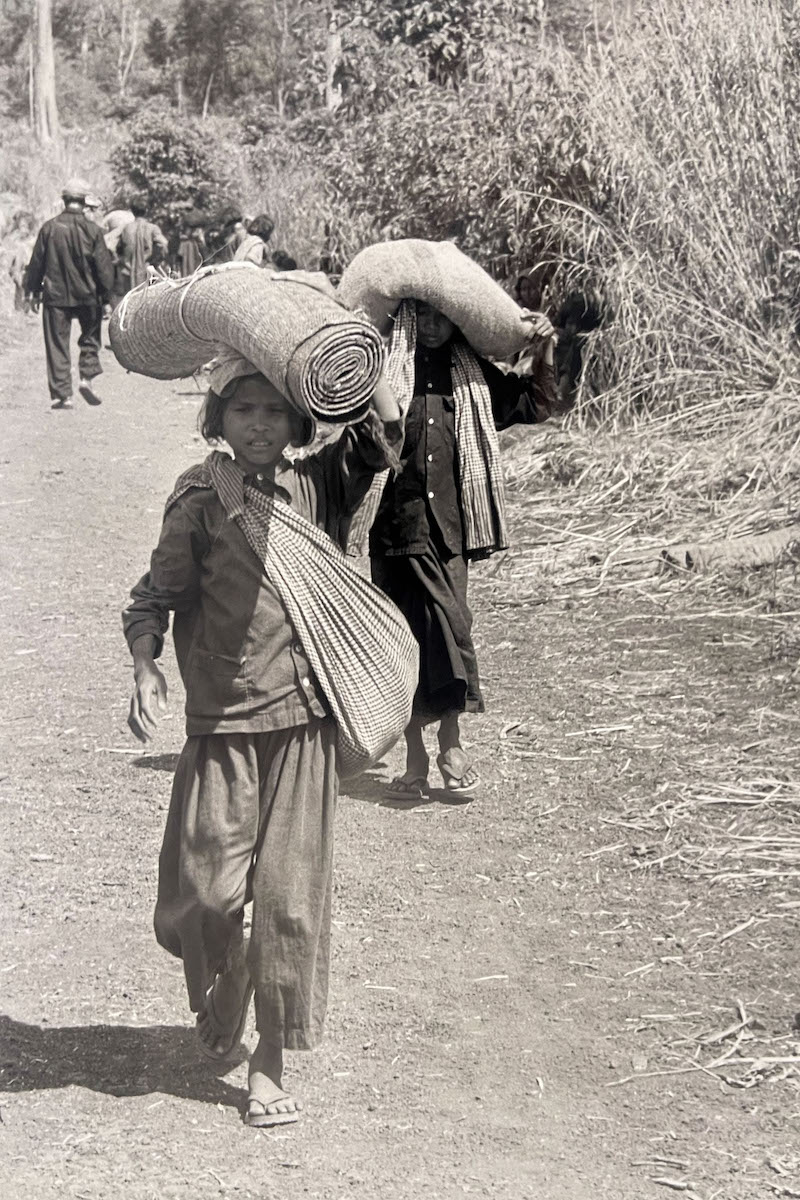
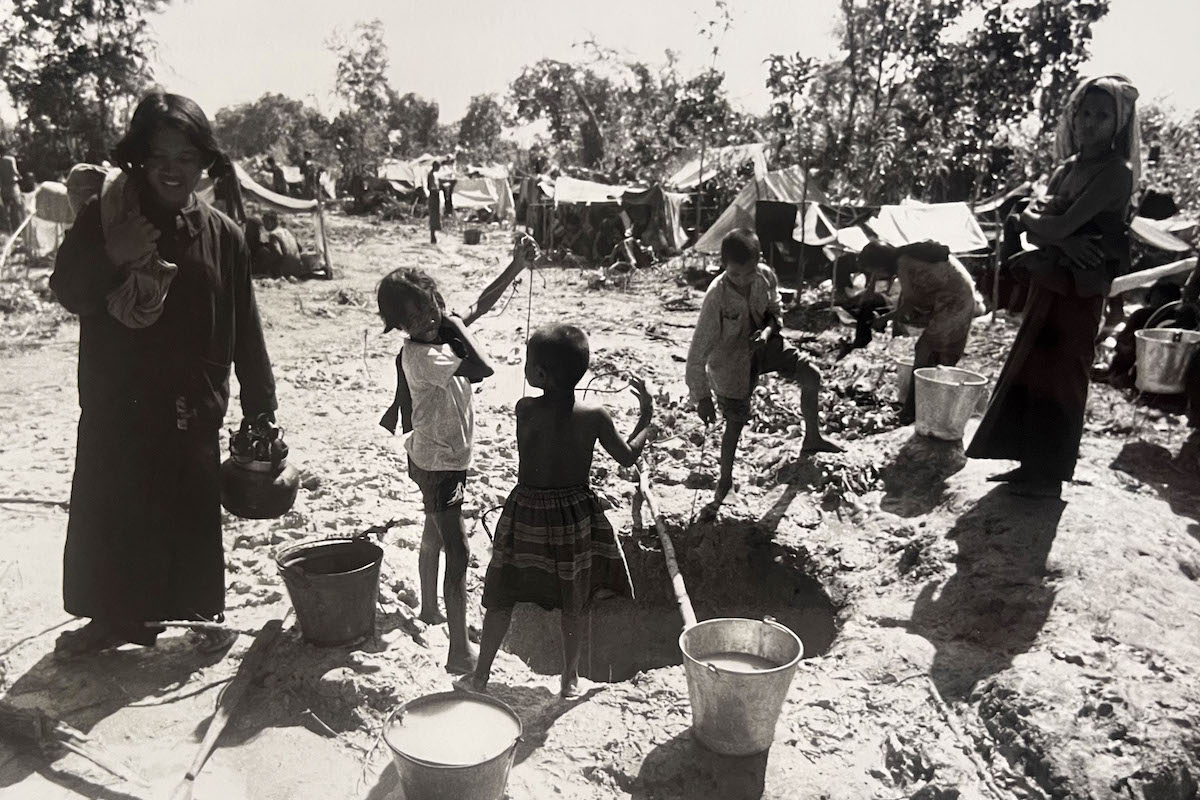
A four-year genocide in Cambodia under the Khmer Rouge and Pol Pot begins in 1975, killing between 1.5 and 3 million people over just four years. Millions more are displaced, crossing the border into Thailand. This creates the largest humanitarian crisis of its time and triggers a massive international humanitarian response.
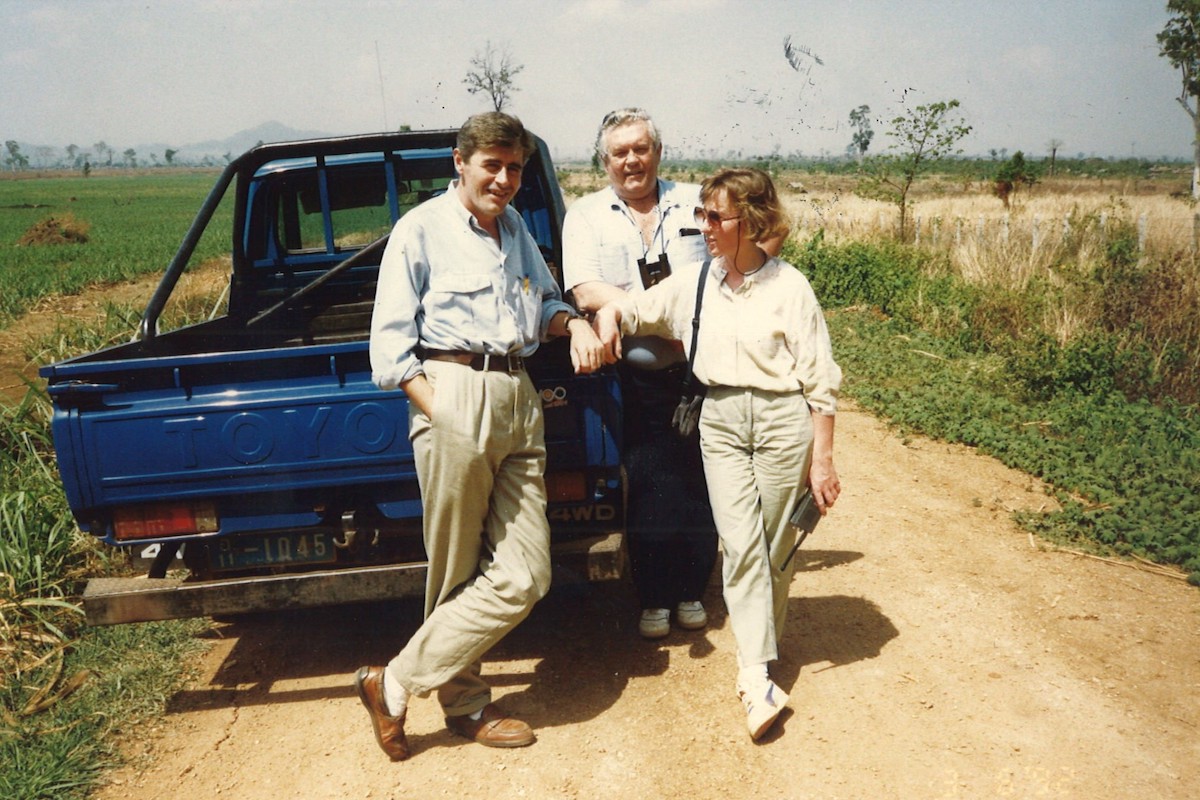
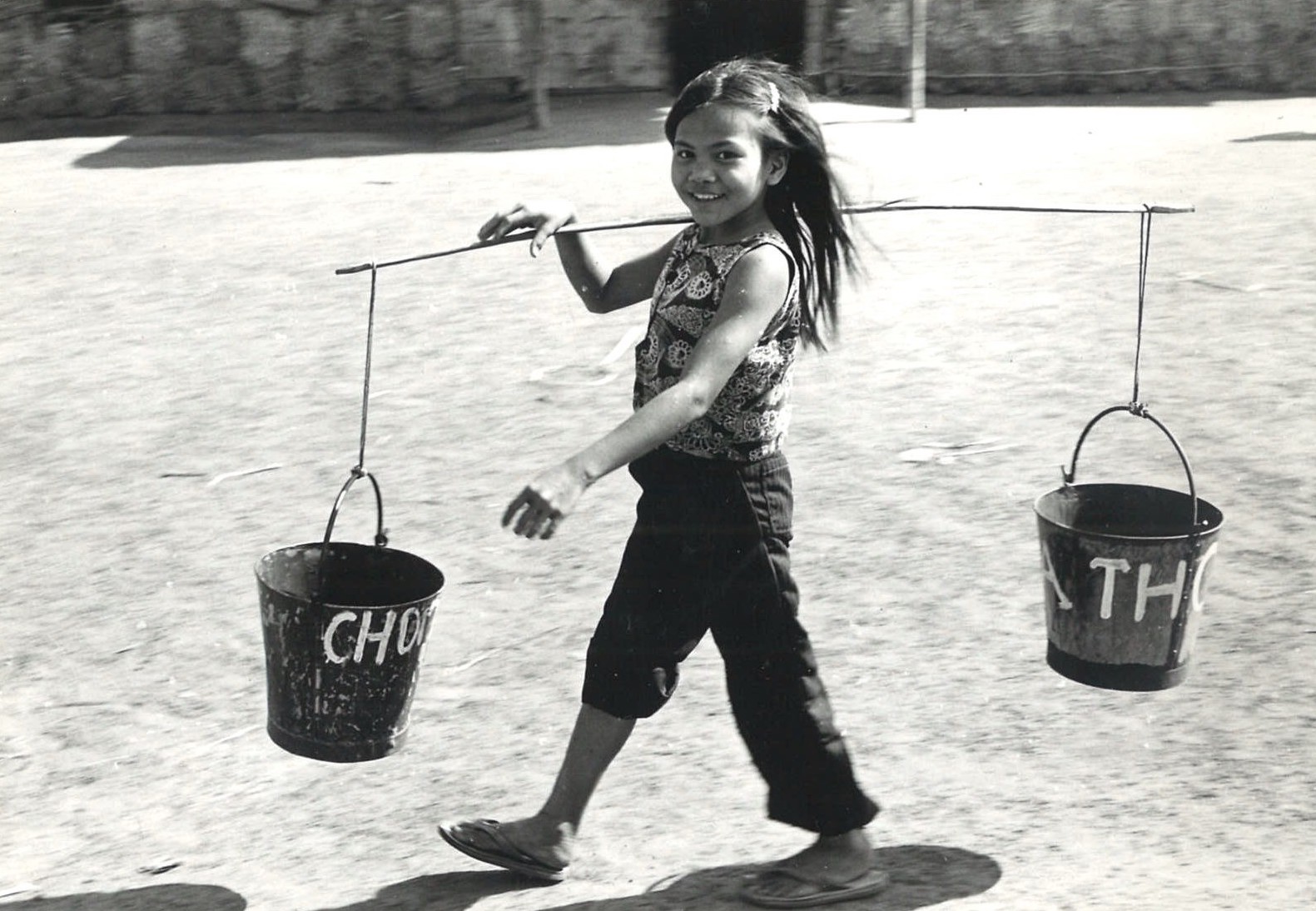
Concern begins working in both Thailand and Cambodia in 1978. One year later, Vietnam invades the country, bringing an end to the Khmer Rouge regime but creating more displacement and humanitarian need. Concern works in one of the biggest refugee camps in Thailand — as well as in smaller, unofficial camps with critical needs — to run maternal and child health clinics and deliver sanitation services. Ultimately, amid ongoing attacks, we consolidate 11 smaller sites into one large camp that Concern Humanitarian Ambassador Dominic MacSorley describes as “a massive, sprawling city of bamboo.”
Only in 1991 does a peaceful return home become possible for Cambodians. Concern works to support returnees as they rebuild their communities and lives, until 2013.
1983-85: Saving lives with Live Aid
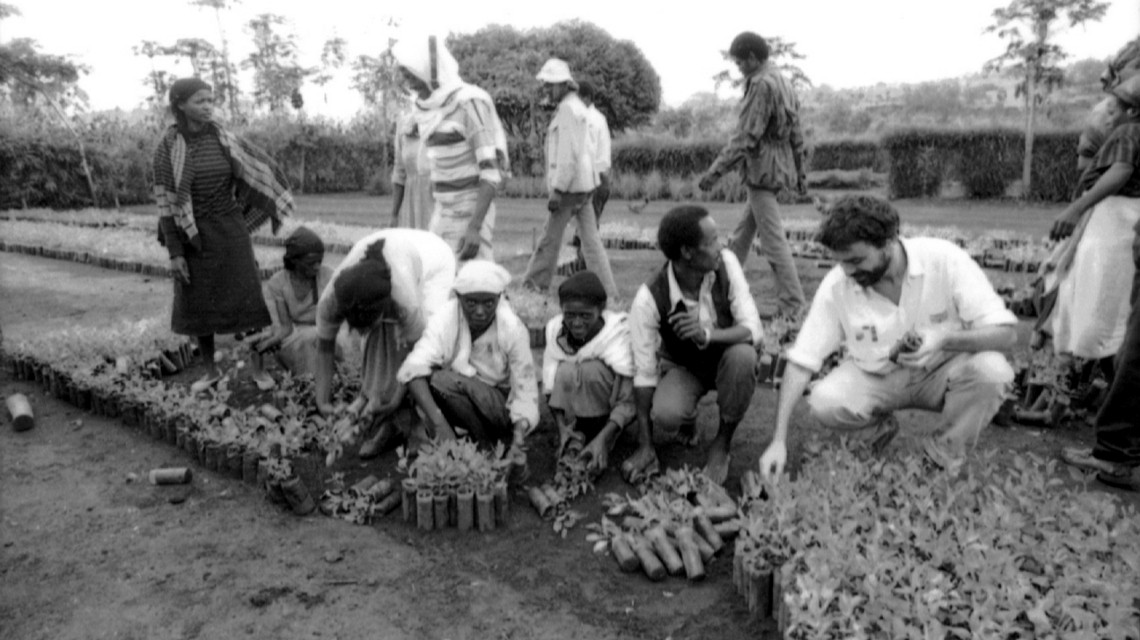
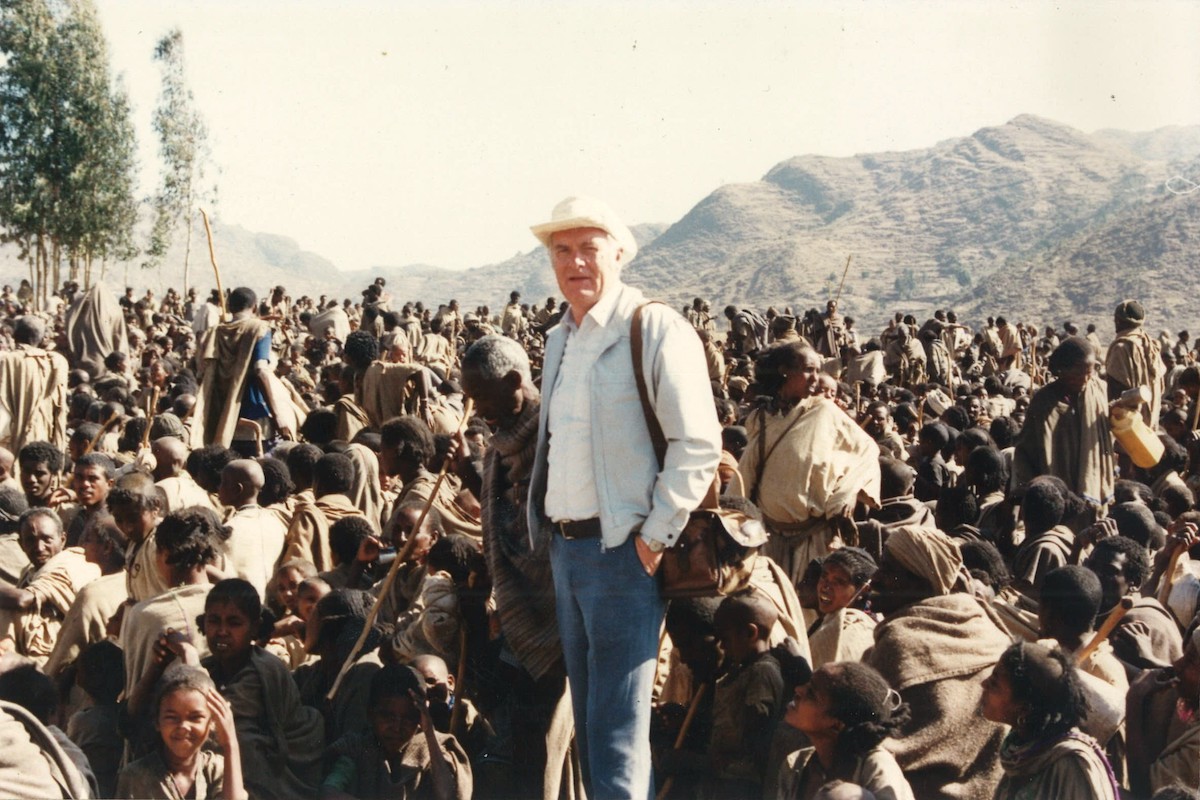
Another famine is confirmed in Ethiopia in 1983, this time affecting the provinces of Tigray and Wollo. It’s the worst in over a century; it’s also the first famine to be seen around the world via television broadcasts. Jack Finucane is a key figure in bringing media attention to those most affected by it, and Concern’s lifesaving response, all while managing a team of nearly 950 humanitarians (over 93% of whom are Ethiopian nationals).
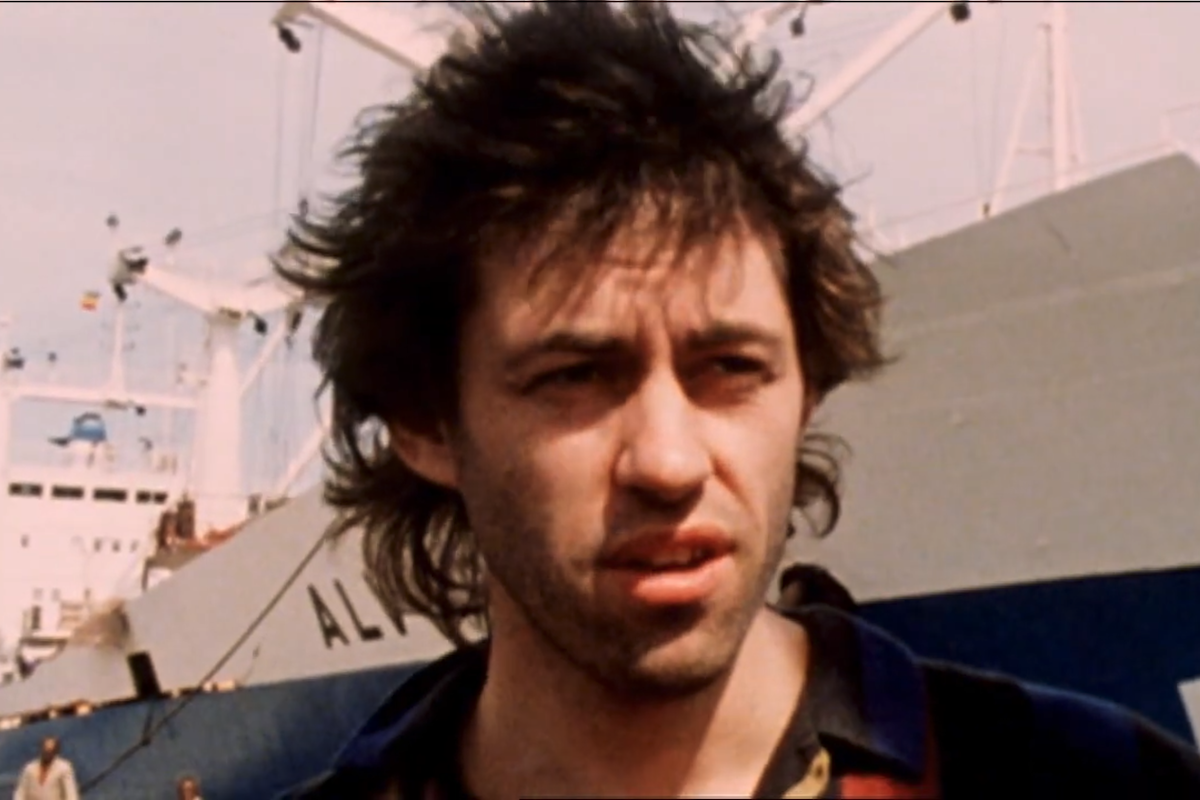
This coverage launches an unprecedented public response. The charity supergroup Band Aid forms in response to this with the charity single “Do They Know It’s Christmas?” released in 1984. Jack works with Band Aid founder Bob Geldof to spread awareness. Part of the $185 million raised by Live Aid, Geldof’s 1985 benefit concert held in London and Philadelphia, is donated to Concern. The funds support over 52,000 people across 26 resettlement sites in Korem, Ethiopia.
1984: A continent consumed by civil wars
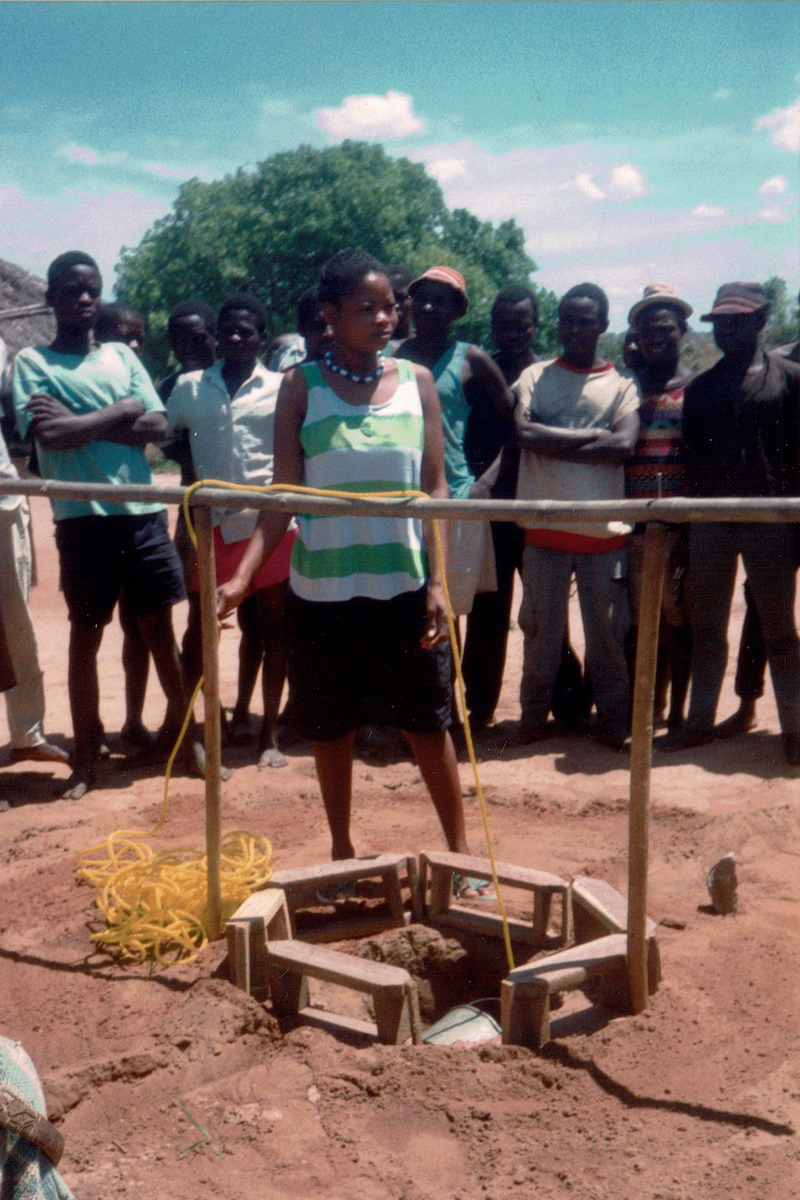
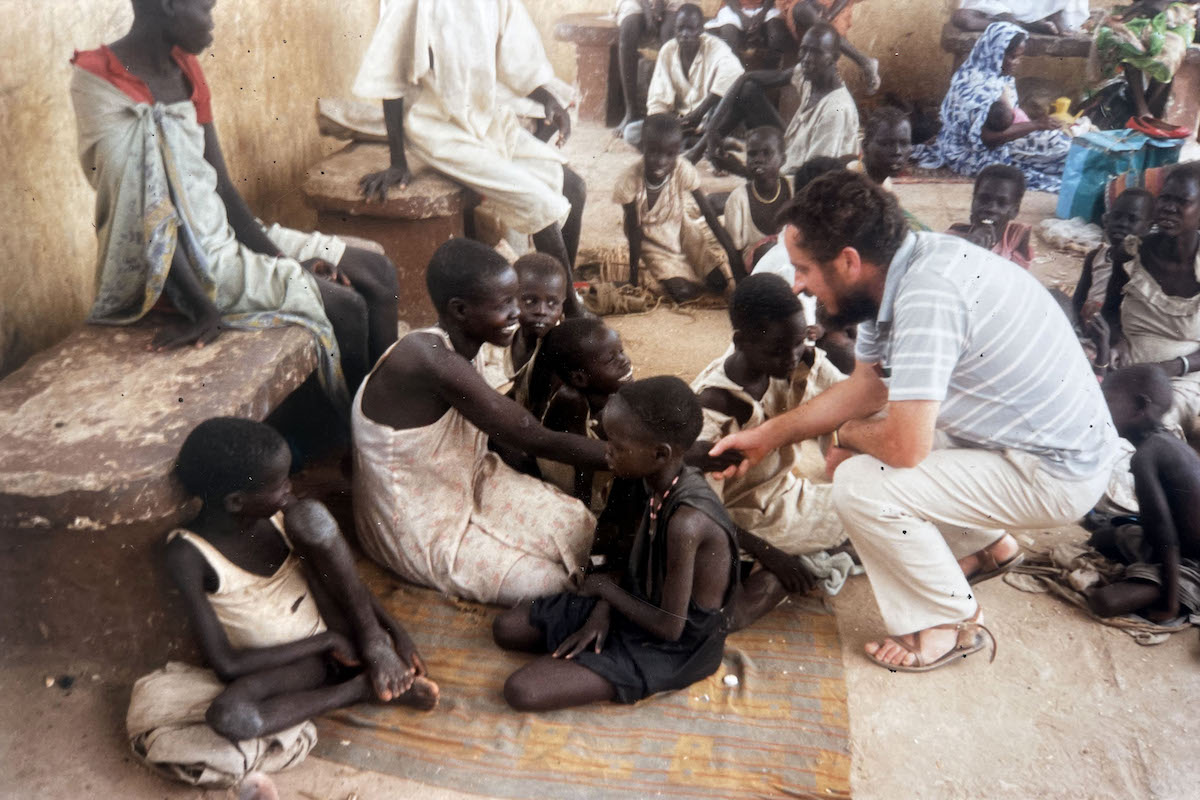
In the wake of the devastating famine in Ethiopia, Concern Mozambique opens at the height of one of the deadliest civil wars in Africa. Over 1 million people will die from either violence or famine over 15 years between 1977 and 1992. Mozambique is among the first responses Concern launches as more than a dozen countries across the continent fall into civil wars. Many of these conflicts continue for more than a decade.
Our responses come to include the Angolan Civil War (1975-2002), the Second Sudanese Civil War (1983-2005), the Ugandan Civil War (1986-94), the First and Second Liberian Civil wars (1989-96 and 1999-2003, respectively), the Sierra Leone Civil War (1991-2002), the Somali Civil War (1991-present), the Burundi Civil War (1993-2005), and the First and Second Congo Wars (1996-97 and 1998-2003, respectively).
With each response, Concern’s aim is to provide both immediate emergency relief with longer-term development initiatives that will help communities recover more effectively.
1989: Fear, stigma, and a new “killer disease”
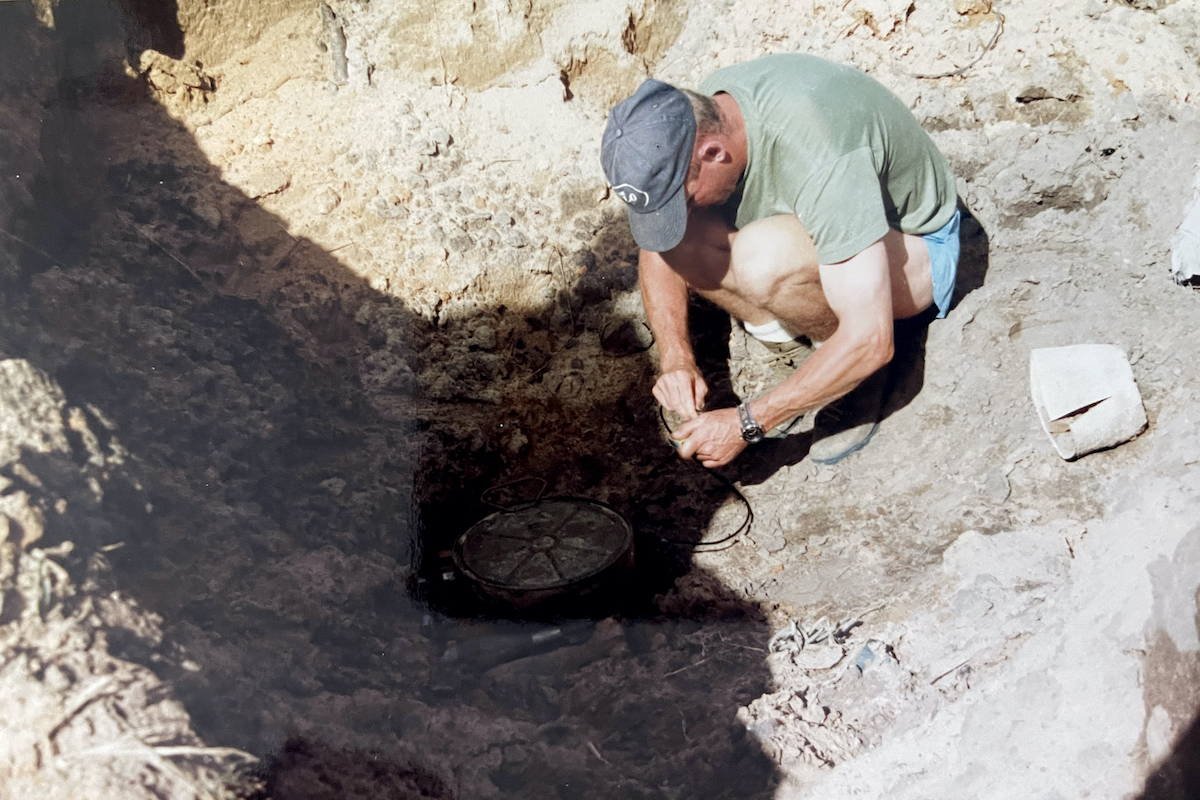
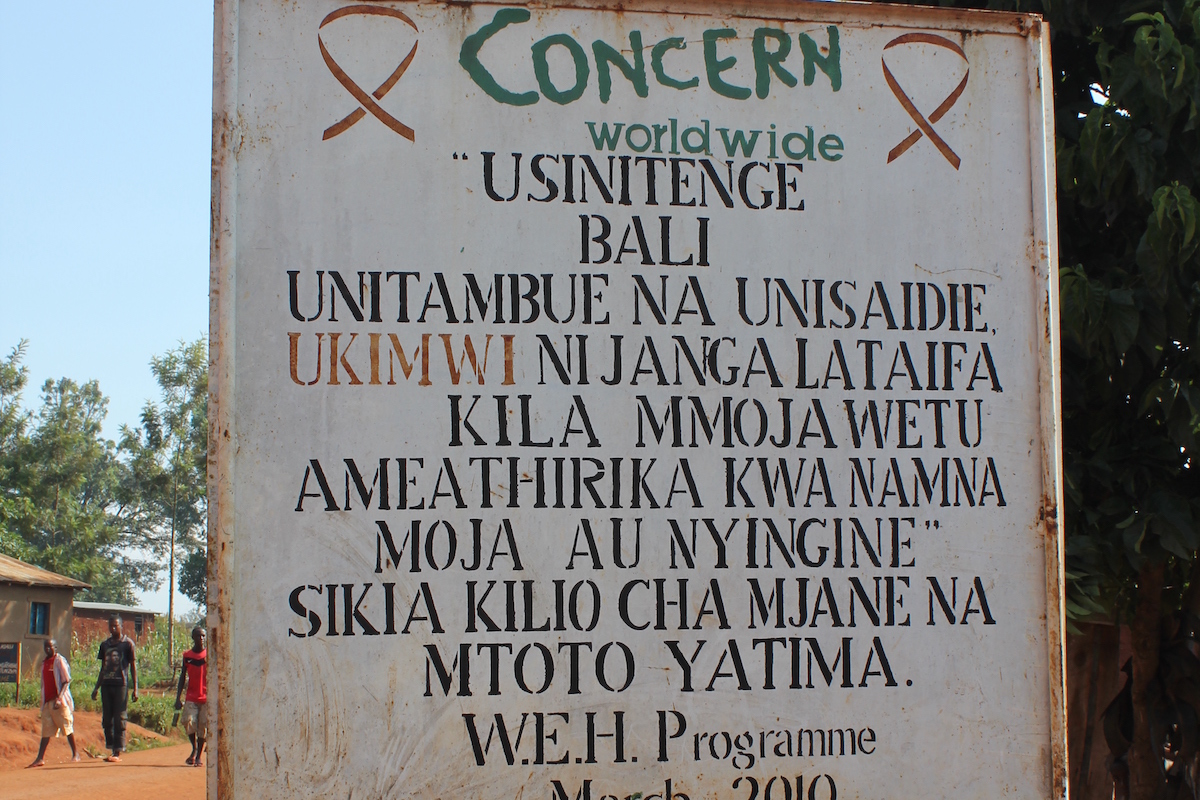
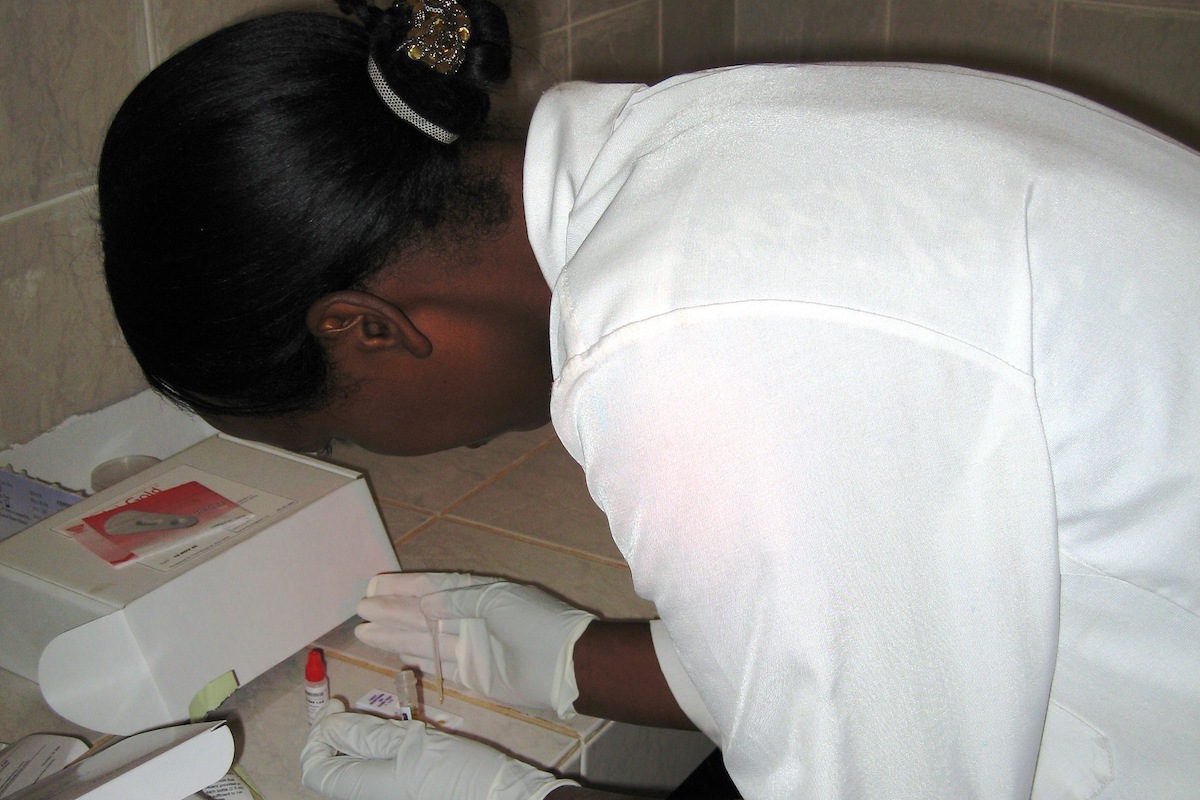
Most data suggest that the spread of HIV and AIDS began in sub-Saharan Africa in the late 1970s, with a rise in cases throughout the 1980s. The continent becomes the hardest-hit in a growing pandemic linked to fear and stigma around a new “killer disease.” One of Concern’s first major responses comes in 1989 when we return to Uganda to address a rise in cases through prevention campaigns and homecare support for those living with HIV and AIDS. Uganda brings down its estimated prevalence rate from a high of nearly 14% in the early 1990s to just 5% by 2001.
As the AIDS crisis peaks in Africa, Concern brings similar efforts to the Democratic Republic of the Congo, Ethiopia, Rwanda, Somalia, and Zambia — as well as Bangladesh and Pakistan. AIDS prevention and support continues to be centered in our work as we ensure that people living with HIV and AIDS receive the support they need during emergencies and the resources to succeed in their communities.
1991-94: A few more countries
Concern expands its fundraising offices beginning with one in Belfast in 1988. In 1991, Concern Worldwide UK opens in London, followed by Concern Worldwide US in New York in 1994. (Our Chicago office opens in 1999.)
1993: Tragedy in Somalia
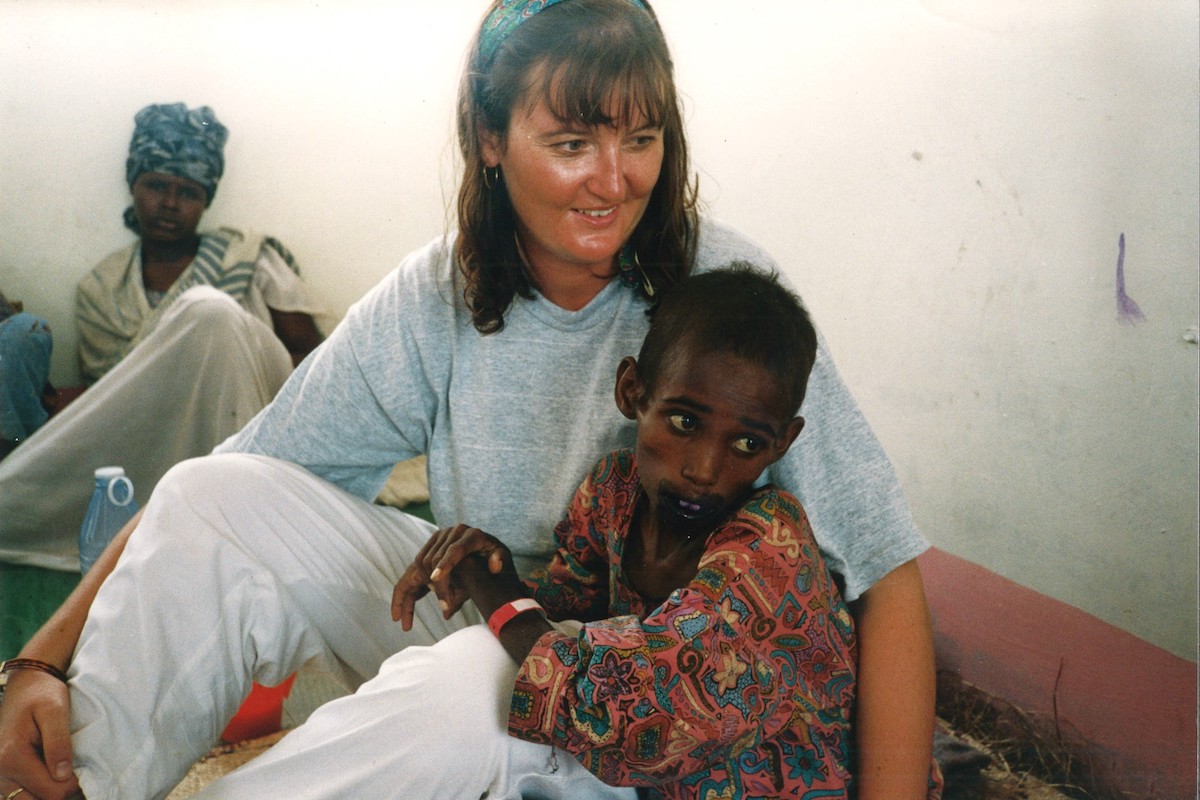
Concern launches a response in Somalia in 1992 after famine is confirmed amid drought and conflict. The response team includes 23-year-old Irish nurse Valerie Place, the youngest volunteer at the time and the manager of a therapeutic feeding center for young children. On February 22, 1993, Place is fatally shot when the humanitarian convoy she was traveling with is ambushed. Aengus Finucane, who is also traveling in the convoy, administers her last rites.
23 years later, Dr. Du’ale Mohammed Adam is also killed in Somalia during a 2016 explosion. At the time, Dr. Adam — a 33-year-old father of five — is working with Concern to address a growing drought in the country that had been threatening to create another famine.
1994: The Rwandan genocide
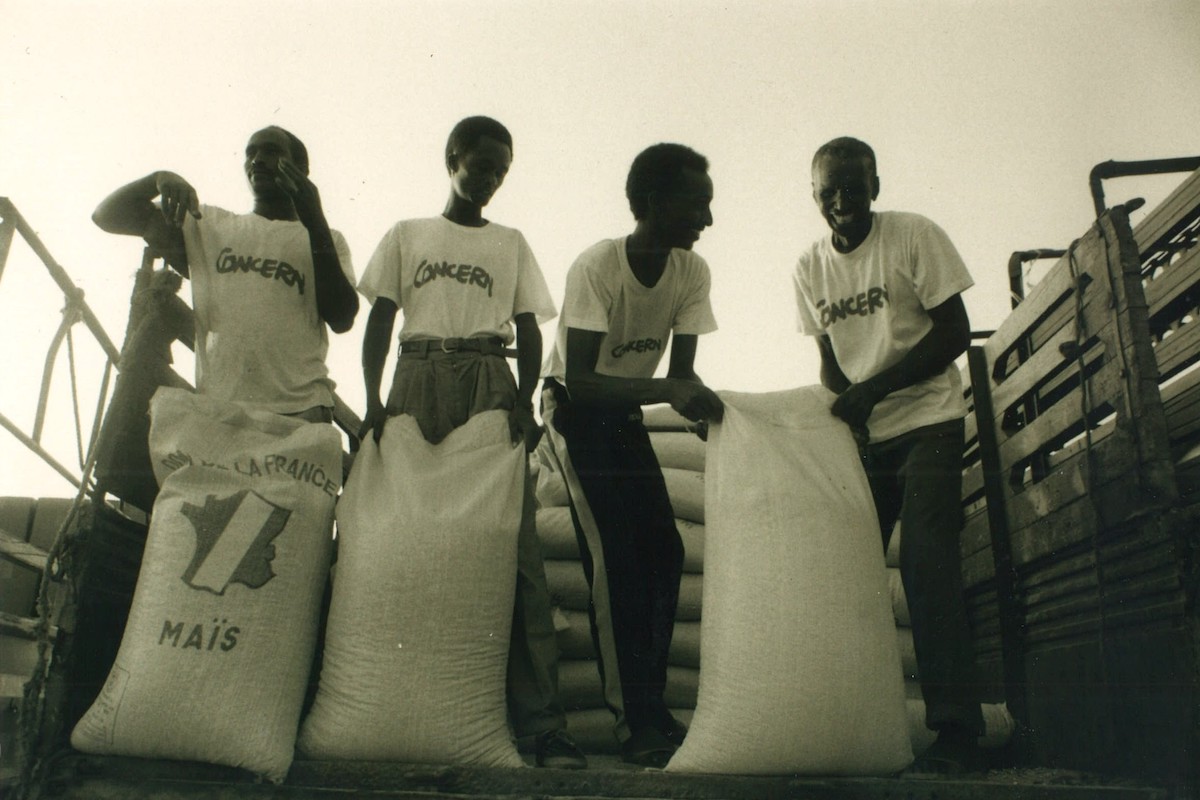
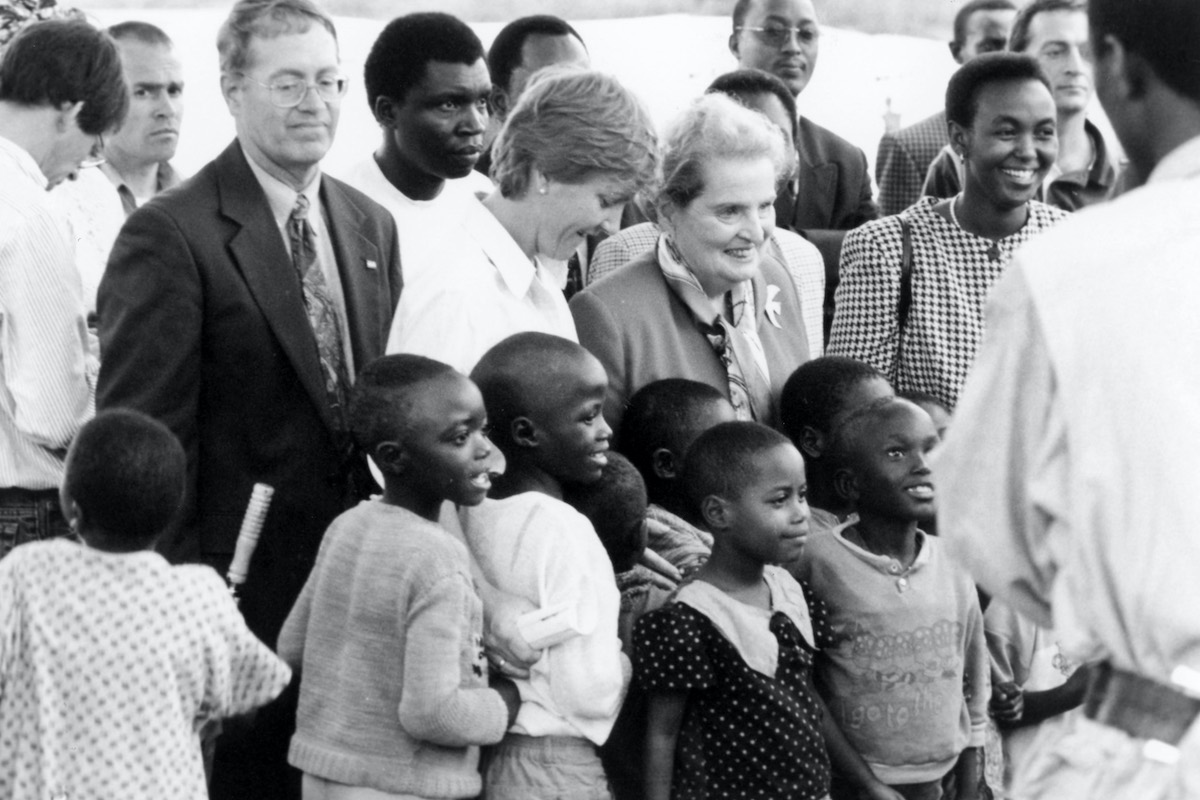
In less than 100 days, over 800,000 Tutsi and Hutu moderates are murdered, 1 million people are internally displaced, 2 million flee to other countries, and 95,000 children are orphaned. In the wake of the Rwandan Genocide, Concern launches its biggest emergency response to-date. This includes working over three years to reunite children with family members or foster parents. After the immediate needs are met, Concern remains in the country and works with families to build financial and food security through programs like Graduation.
1998-99: Closer to home in Kosovo
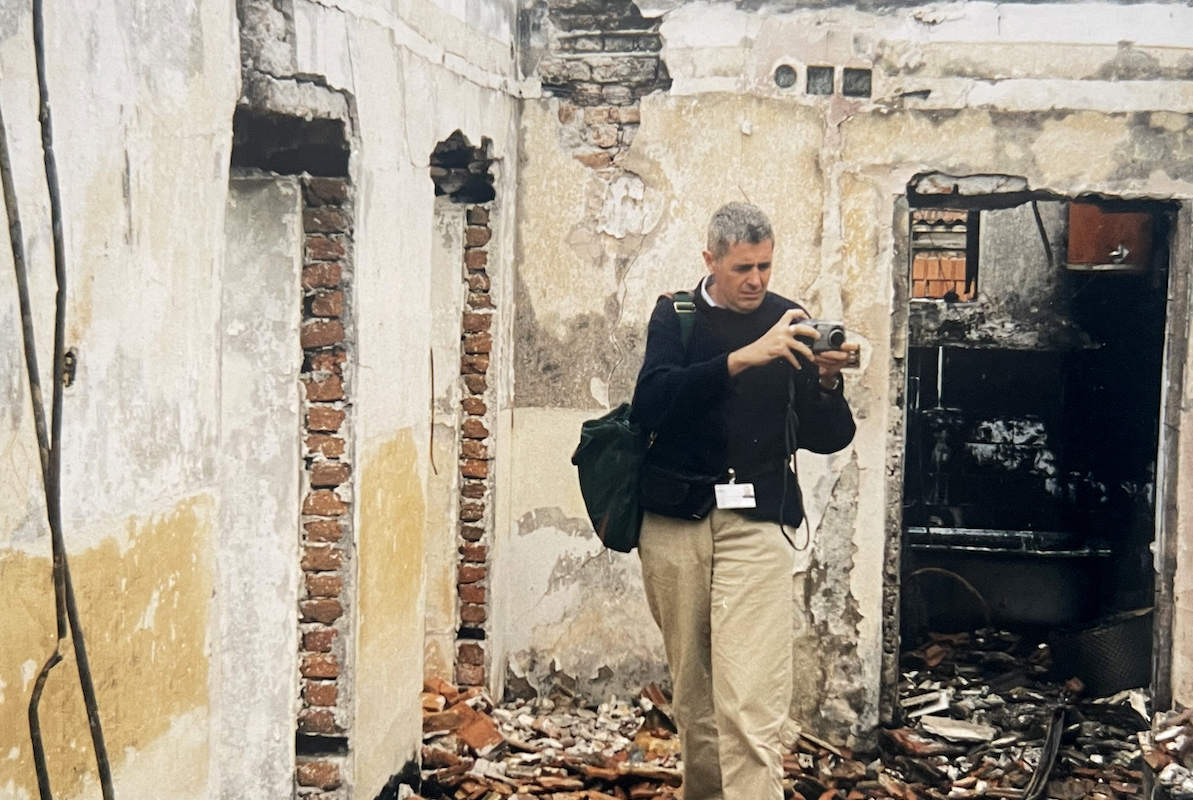
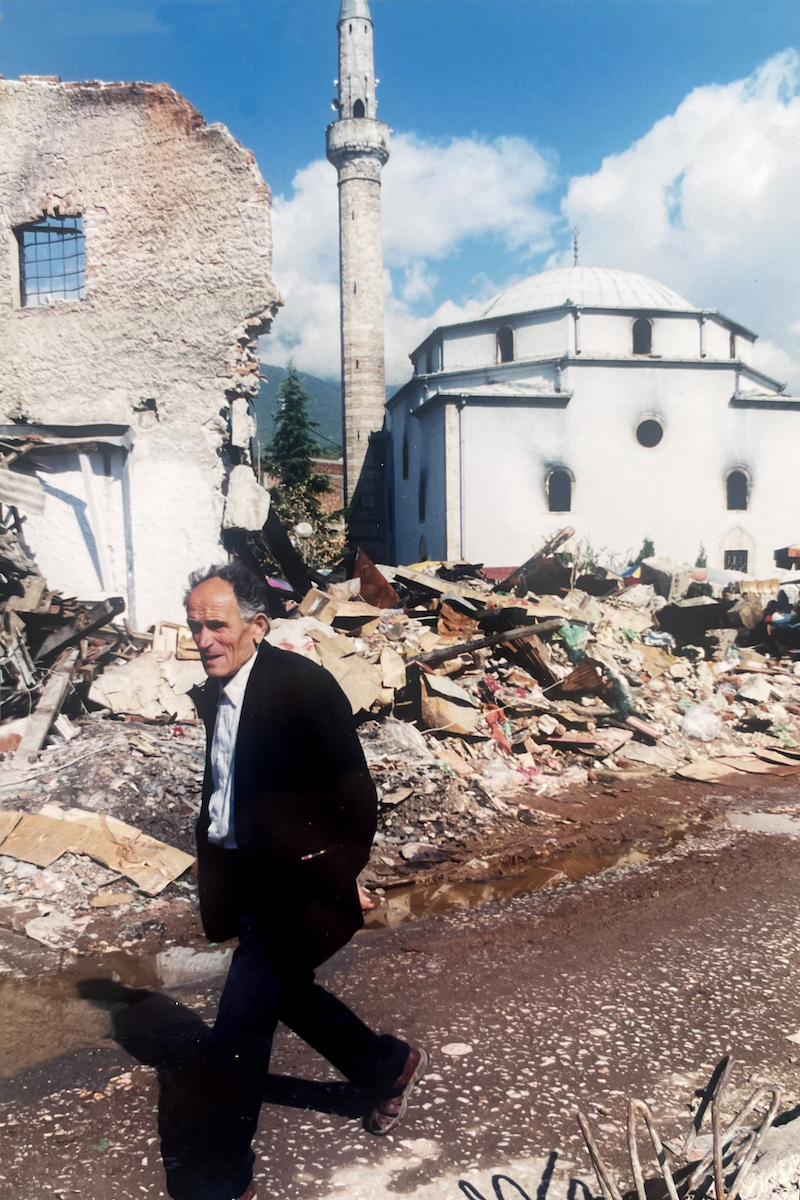
The breakup of Yugoslavia leads to a series of ethnic conflicts and wars of independence throughout the Balkans. Among them is a 15-month war in Kosovo that leads to nearly 90% of Kosovar Albanians being displaced, including nearly 1 million forced to neighboring Albania and Macedonia.
While our work normally falls in Asia and Africa, Concern sends an assessment team to Albania on April 4, 1999 and works with both Kosovar refugees and internally-displaced Albanians. We soon move from Albania into Kosovo, providing humanitarian support to communities that sustained some of the worst damage as nearly 1 million displaced Kosovars return home over the span of a month.
2000: Revolutionizing how we treat malnutrition
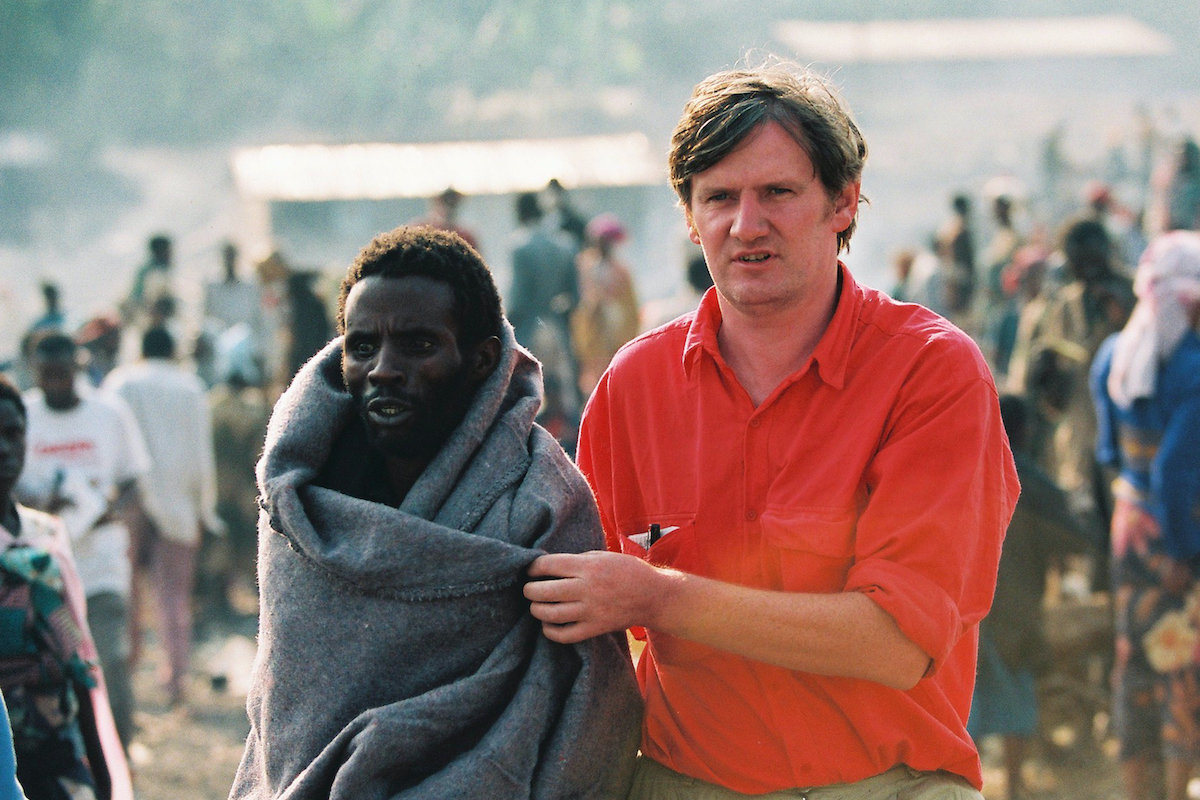
Concern and partner Valid International pilot a new model for addressing childhood malnutrition during a famine in Ethiopia’s Hadiya and Wolaita zones. Initially called Community-Based Therapeutic Care (CTC), the program brings treatment into communities rather than centralized care centers. Rather than feeding children with therapeutic milk at these centers, parents are able to get outpatient treatment through a ready-to-use therapeutic food often known as Plumpy’Nut.
In a famine, the standard goal at the time for child mortality rates is 10% and the norm is between 20-30%. In the villages using CTC — which is now known as Community Management of Acute Malnutrition — during this pilot run, mortality rates are just 4.5%. CMAM and Plumpy’Nut revolutionize healthcare around the world and become the standard treatment for malnutrition as set by the World Health Organization.
2004: The Indian Ocean earthquake and tsunami
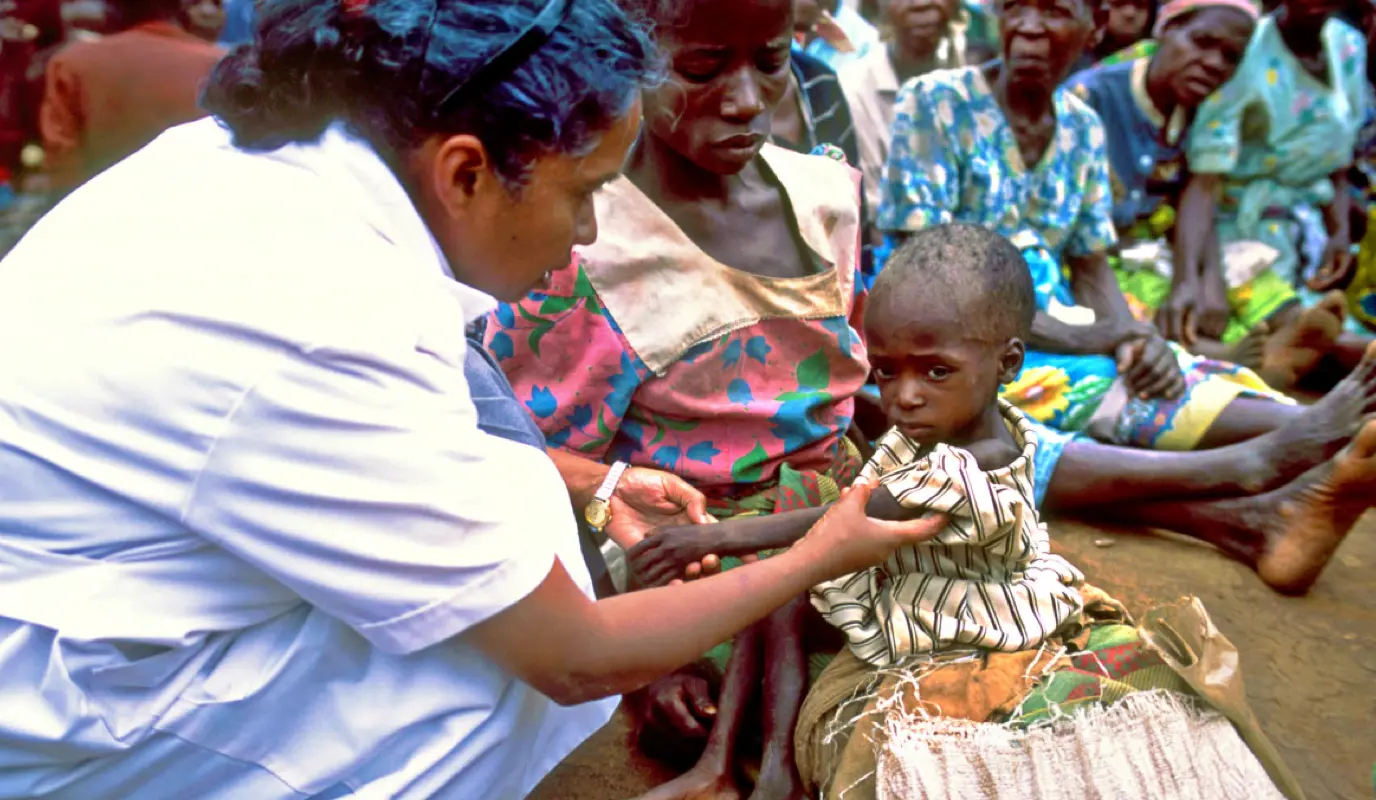
On December 26, 2004, a 9.2-magnitude earthquake strikes off the coast of the Indonesian island of Sumatra, creating a tsunami with waves as high as 100 feet. It remains the deadliest natural disaster of the 21st Century, killing nearly a quarter of a million people across 14 countries. Concern responds immediately in Indonesia and Sri Lanka, supporting 16,000 families hit hardest by the devastation.
2007: Graduating from extreme poverty
Originally developed in Bangladesh by the nonprofit BRAC in 2002, the Graduation Model proves to be a success for families sustainably beating poverty while starting their own businesses. It works across four pillars: social protection, livelihood development, financial inclusion, and social empowerment.
Concern first adopts this approach in Haiti in 2007, and it soon flourishes in many of the countries where we work. We are currently piloting Green Graduation, a version of Graduation tailored to people living on the frontlines of climate extremes and natural disasters.
2009-16: Innovations for mothers and children
In keeping with Concern’s methods of challenging tradition in order to find more effective ways of delivering aid and development support, Concern launches Innovations for Maternal, Newborn, & Child Health with funding from the Bill & Melinda Gates Foundation.
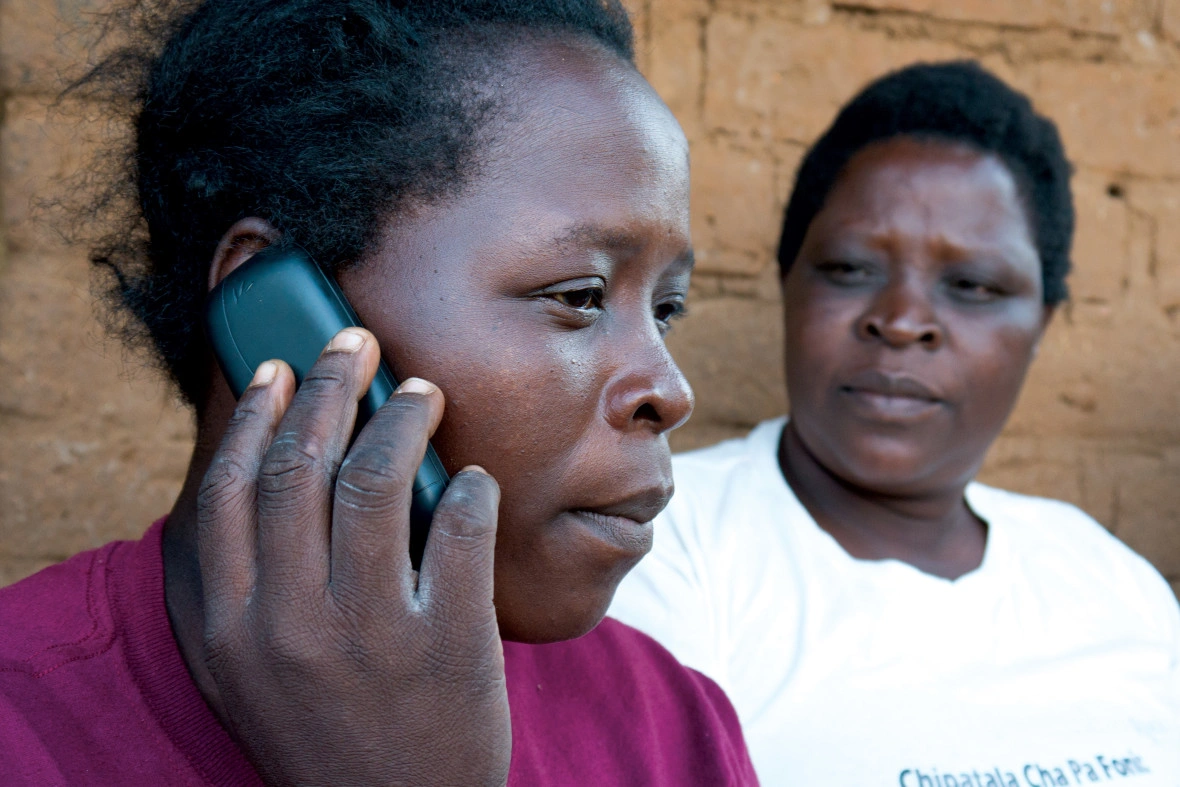
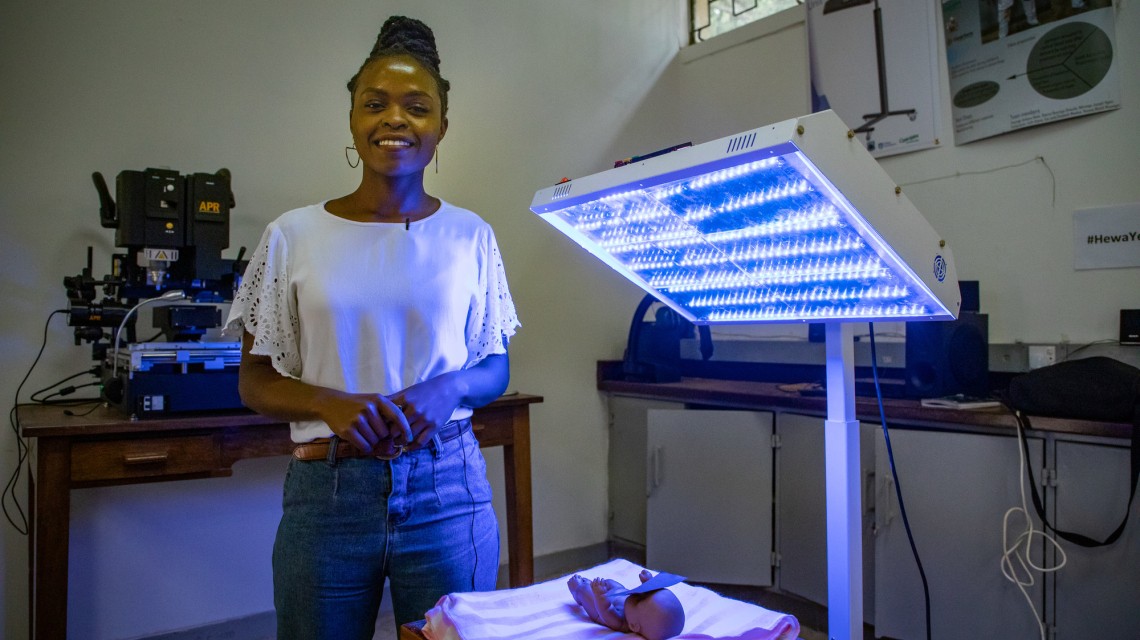
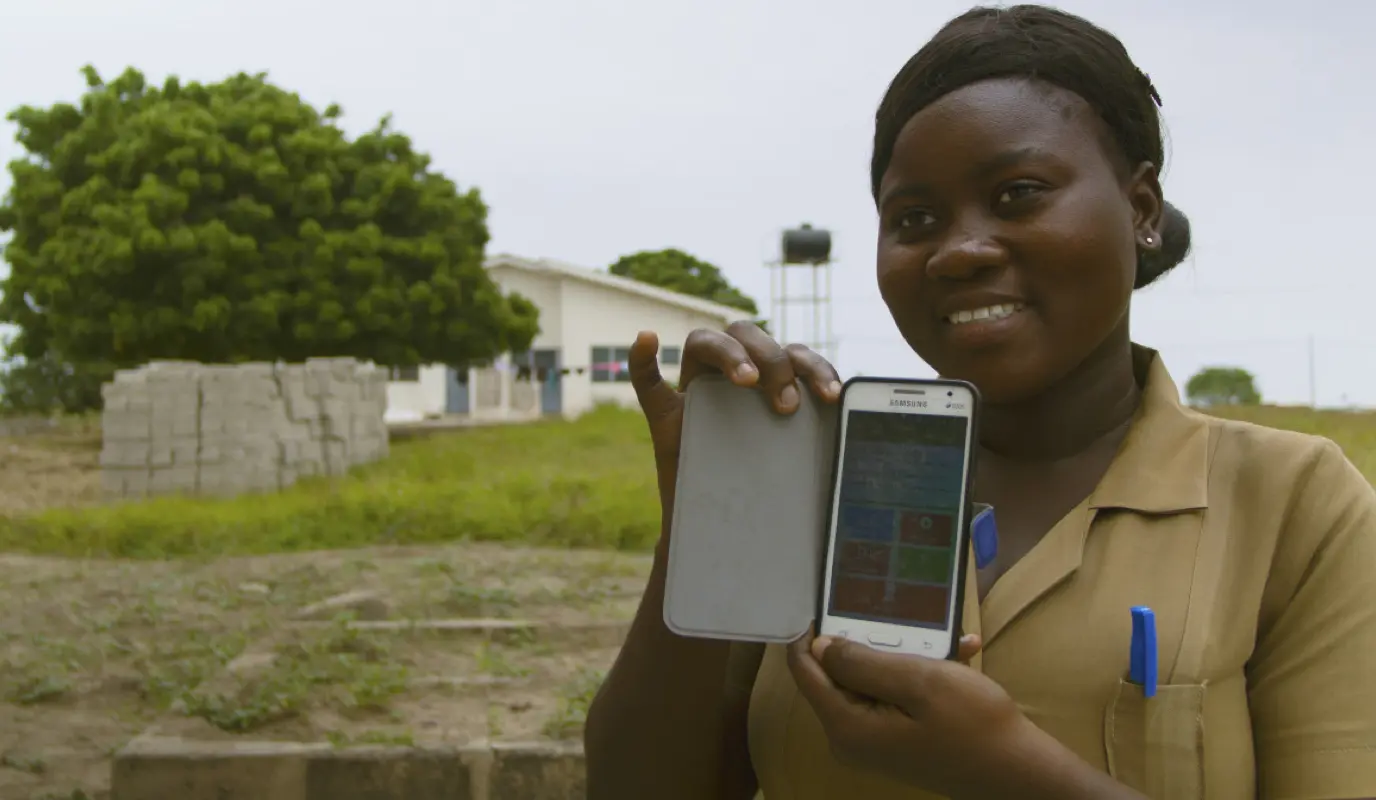
Over six years, we develop and test creative (and often simple) ideas for improving the survival rates of new mothers, infants, and young children, with many ideas coming from the communities we work with. Some of these solutions are picked up by governments and other organizations, like Chipatala Cha Pa Foni in Malawi, Community Health Nurses on the Go in Ghana, and both the Maker Movement and PlanWise in Kenya.
2010-15: Earthquakes in Haiti and Nepal
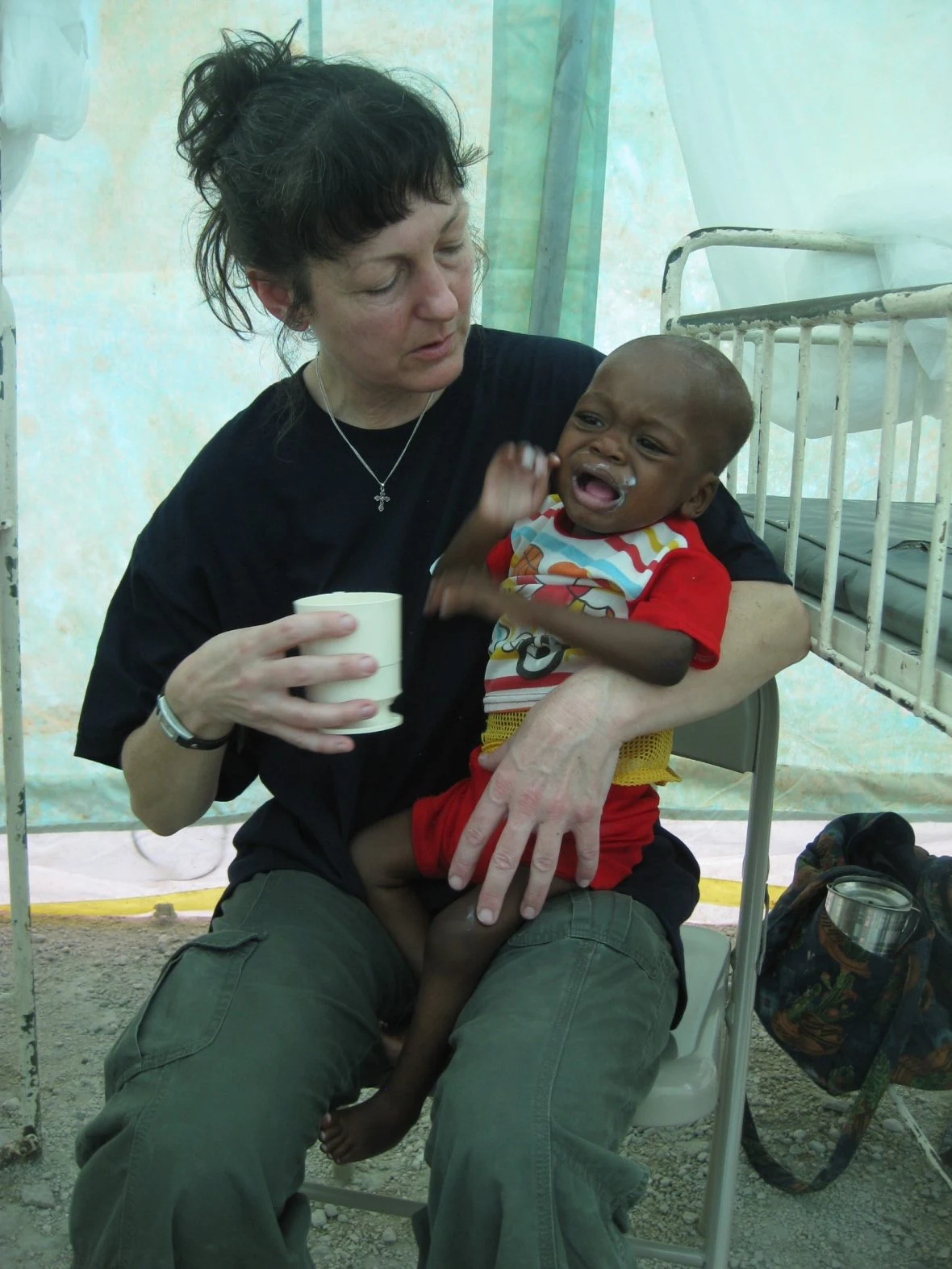
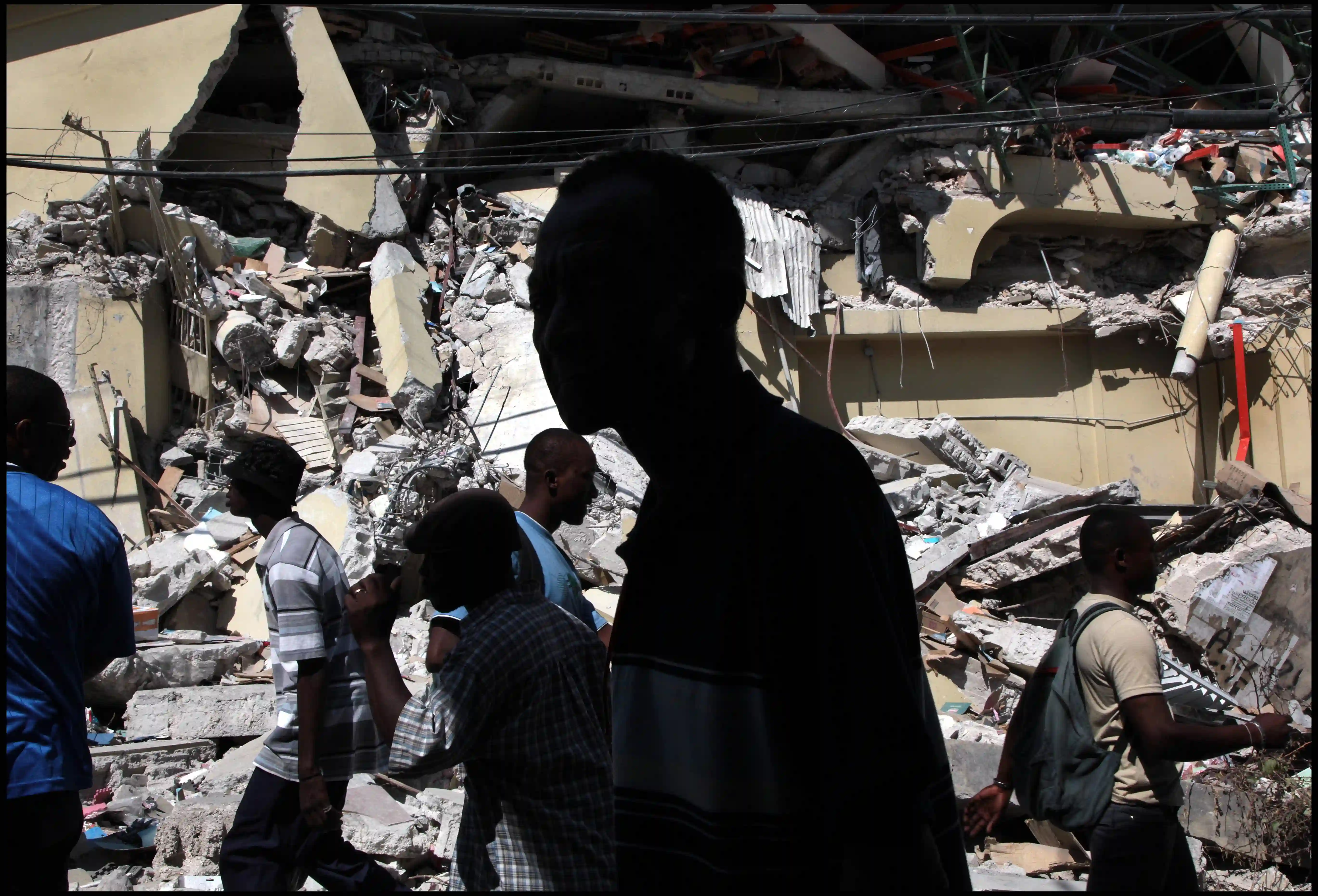
The last decade begins with a 7.0-magnitude earthquake that strikes Haiti on January 12, 2010. Having been in the country for nearly 15 years, Concern springs into action. We roll out one of the largest emergency responses in our history within 48 hours, one that continues through a major cholera outbreak and Hurricane Tomas in the same year, as well as Hurricane Matthew in 2016.
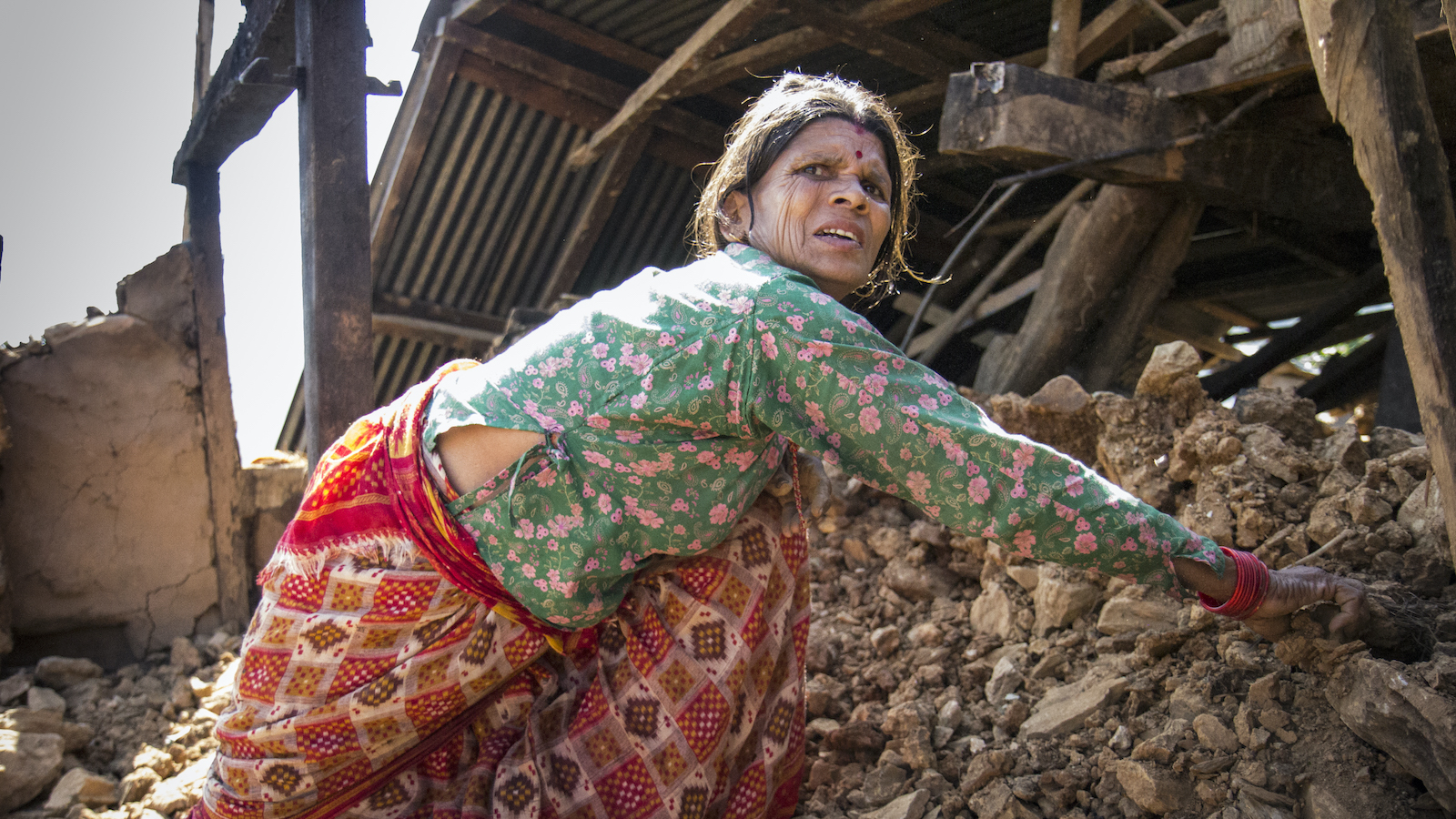
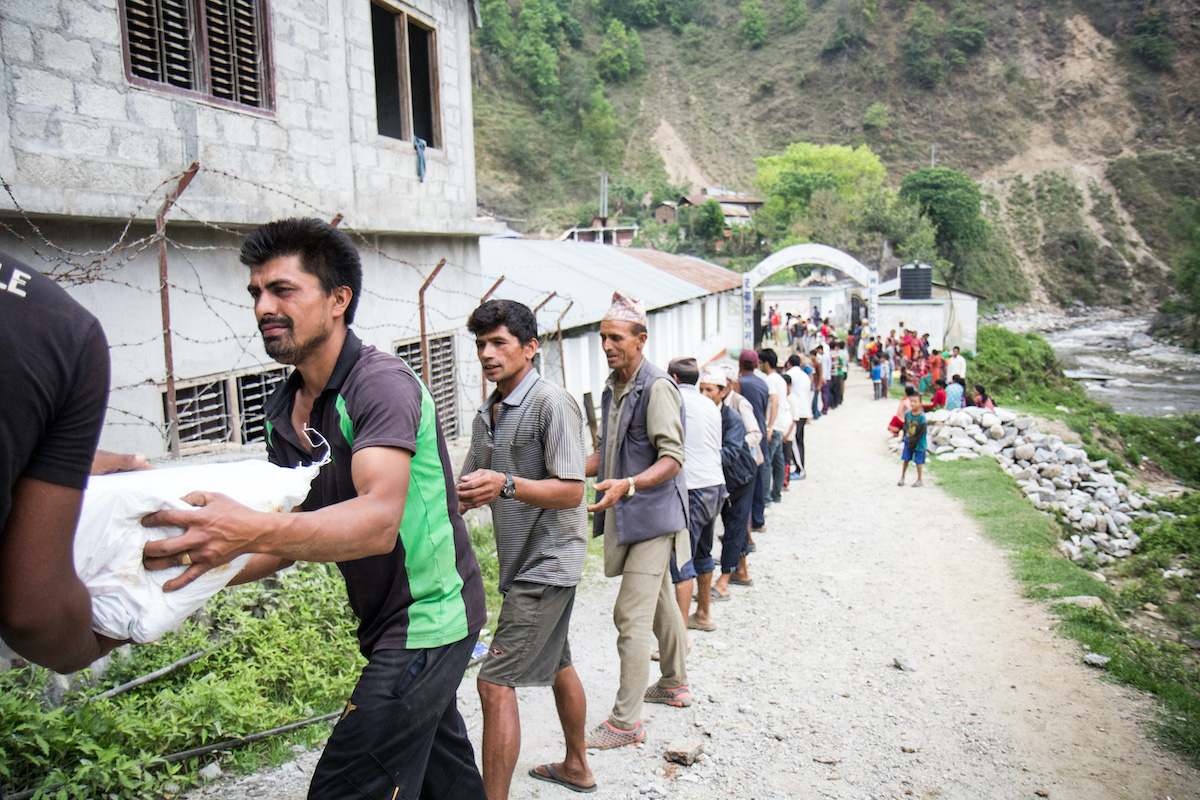
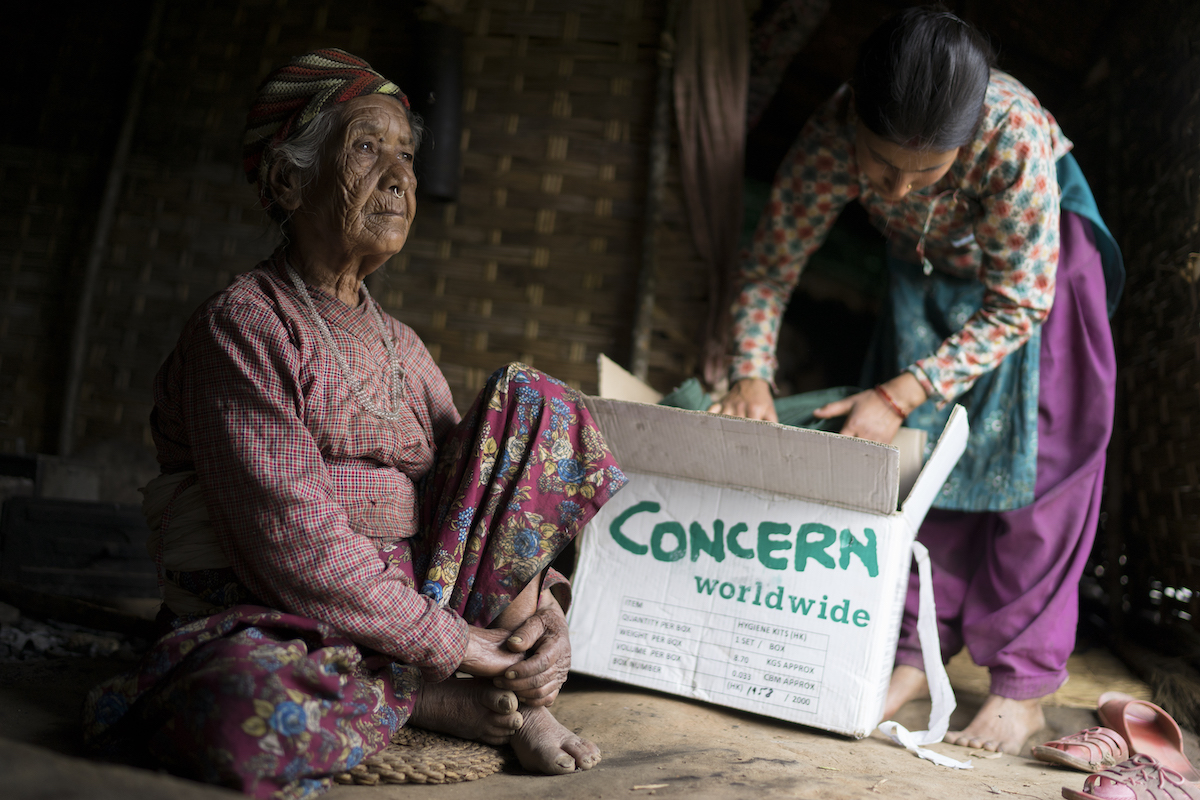
Likewise, on April 25, 2015, the first of two major earthquakes hits Nepal. At 7.8 on the Richter scale, it’s the largest the country has seen in decades, and is followed a few weeks later by a 7.3-magnitude aftershock near Mount Everest. Concern returns to Nepal and quickly reconnects with former colleagues to lead a multi-year response focused on immediate needs and long-term reconstruction.
2011: A new global refugee crisis
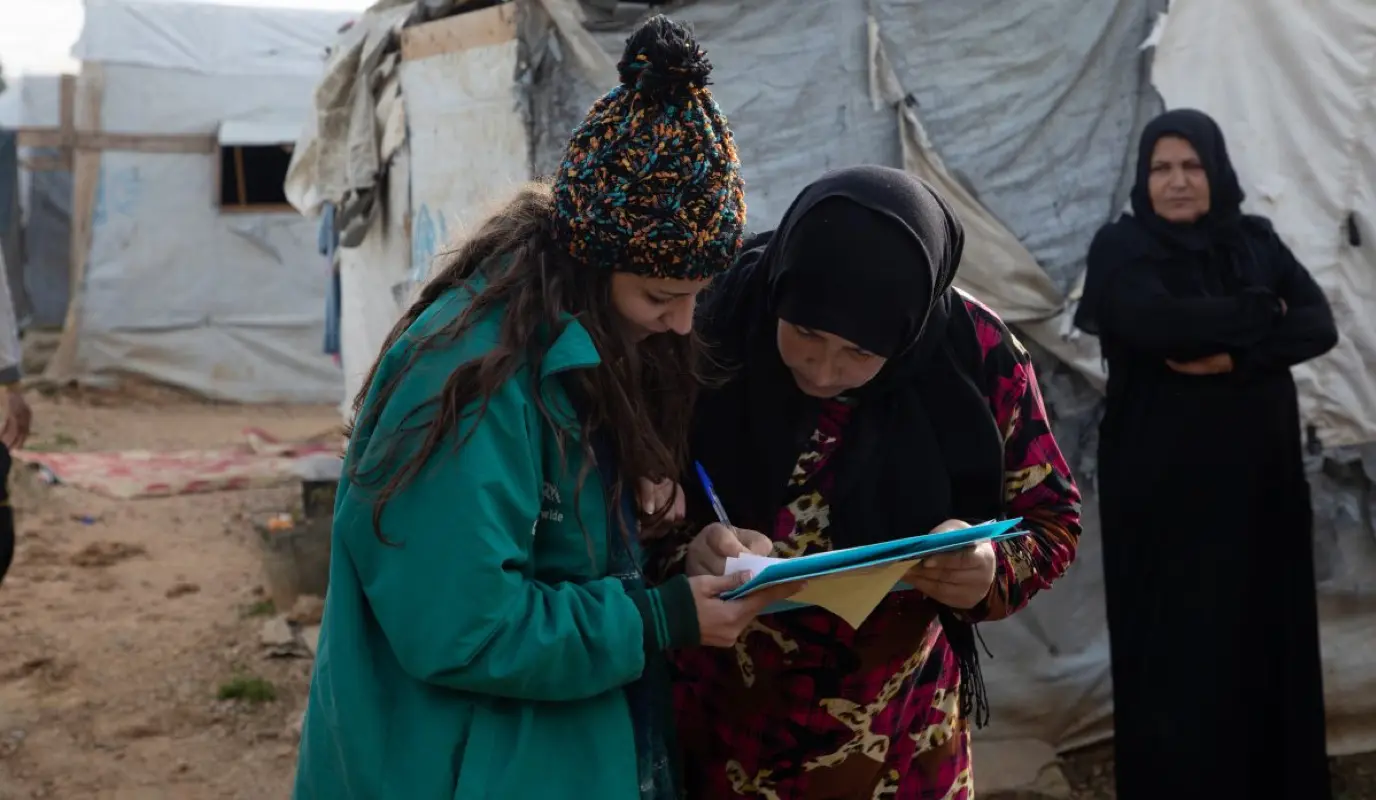
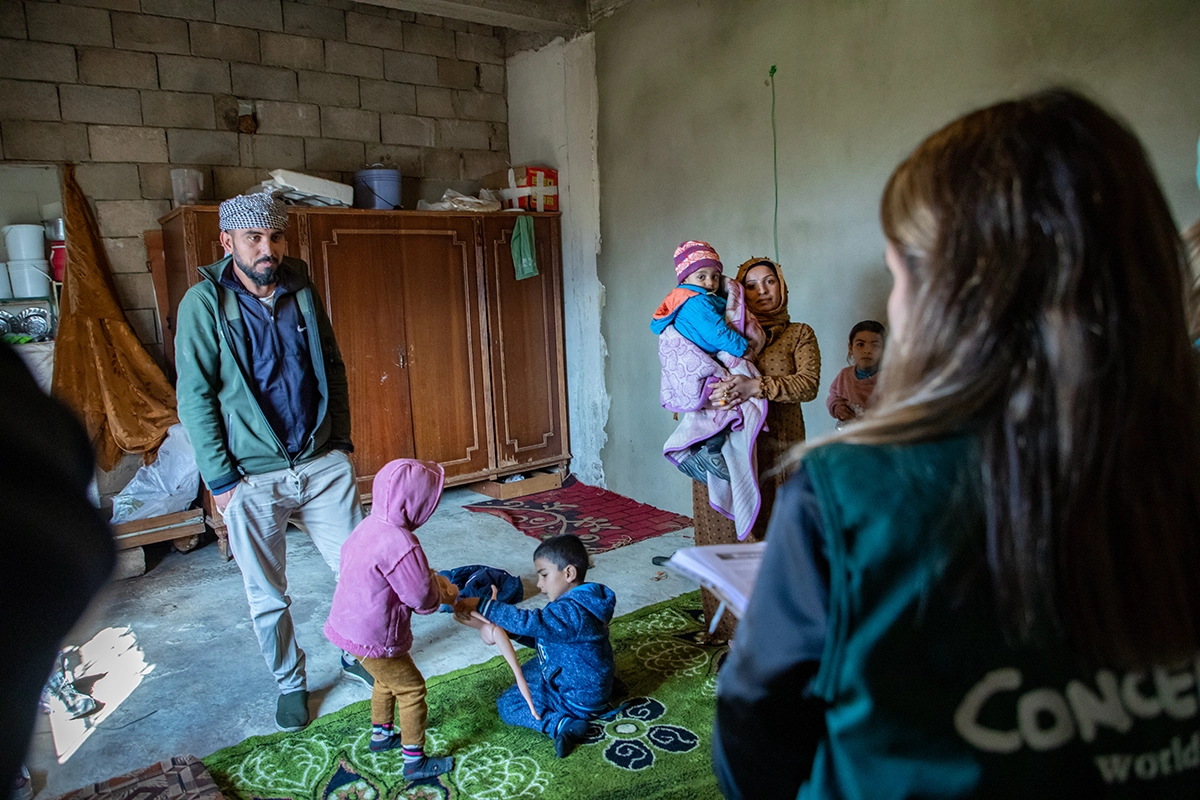
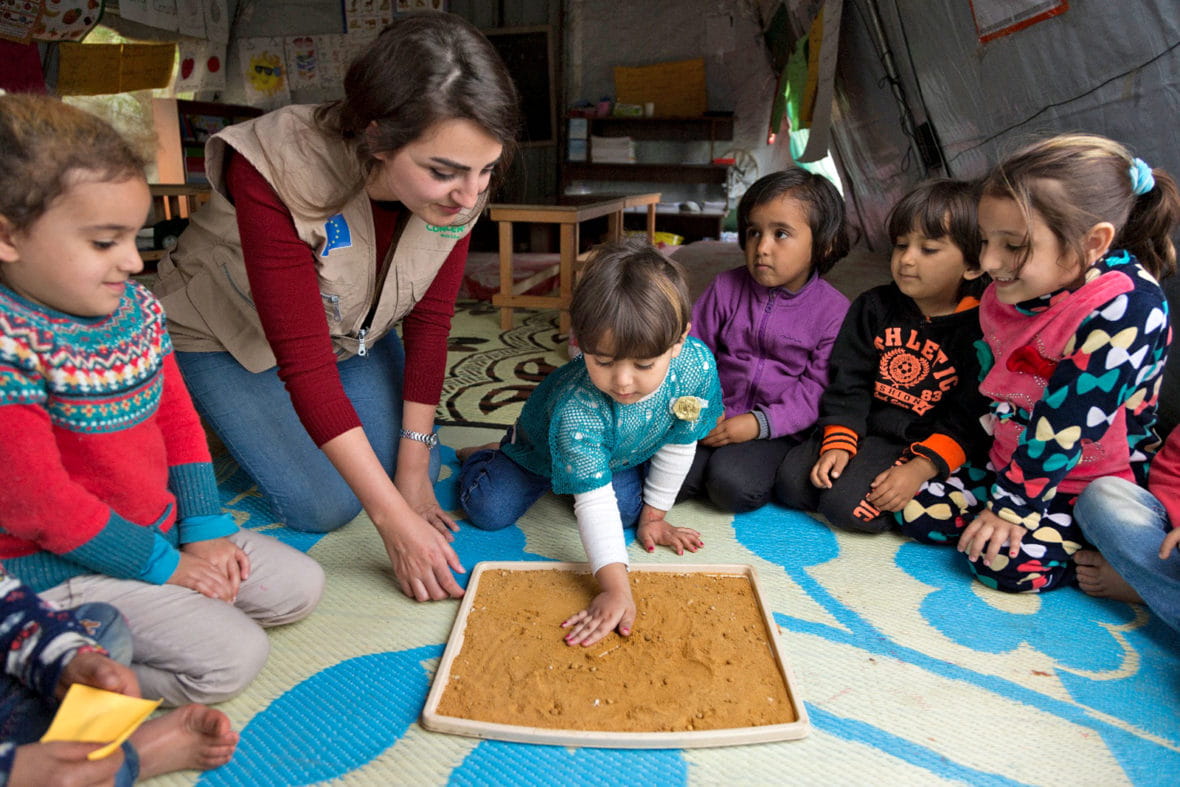
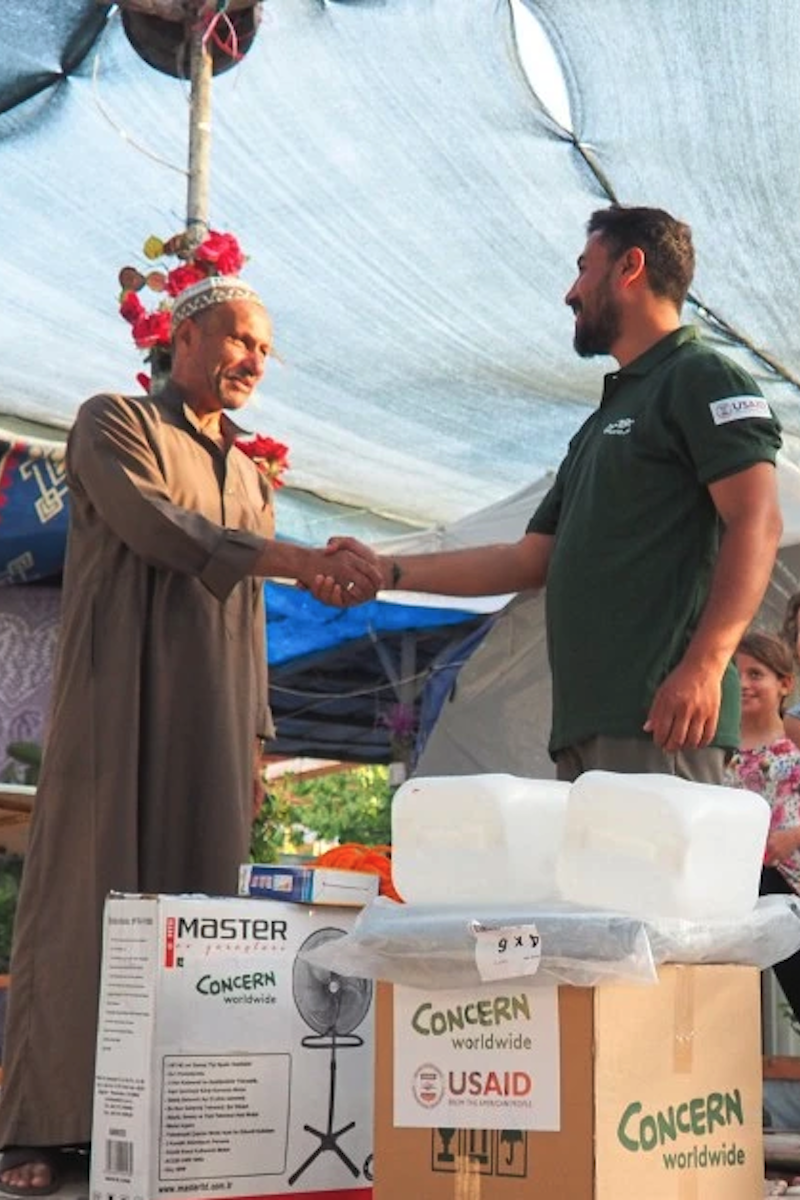
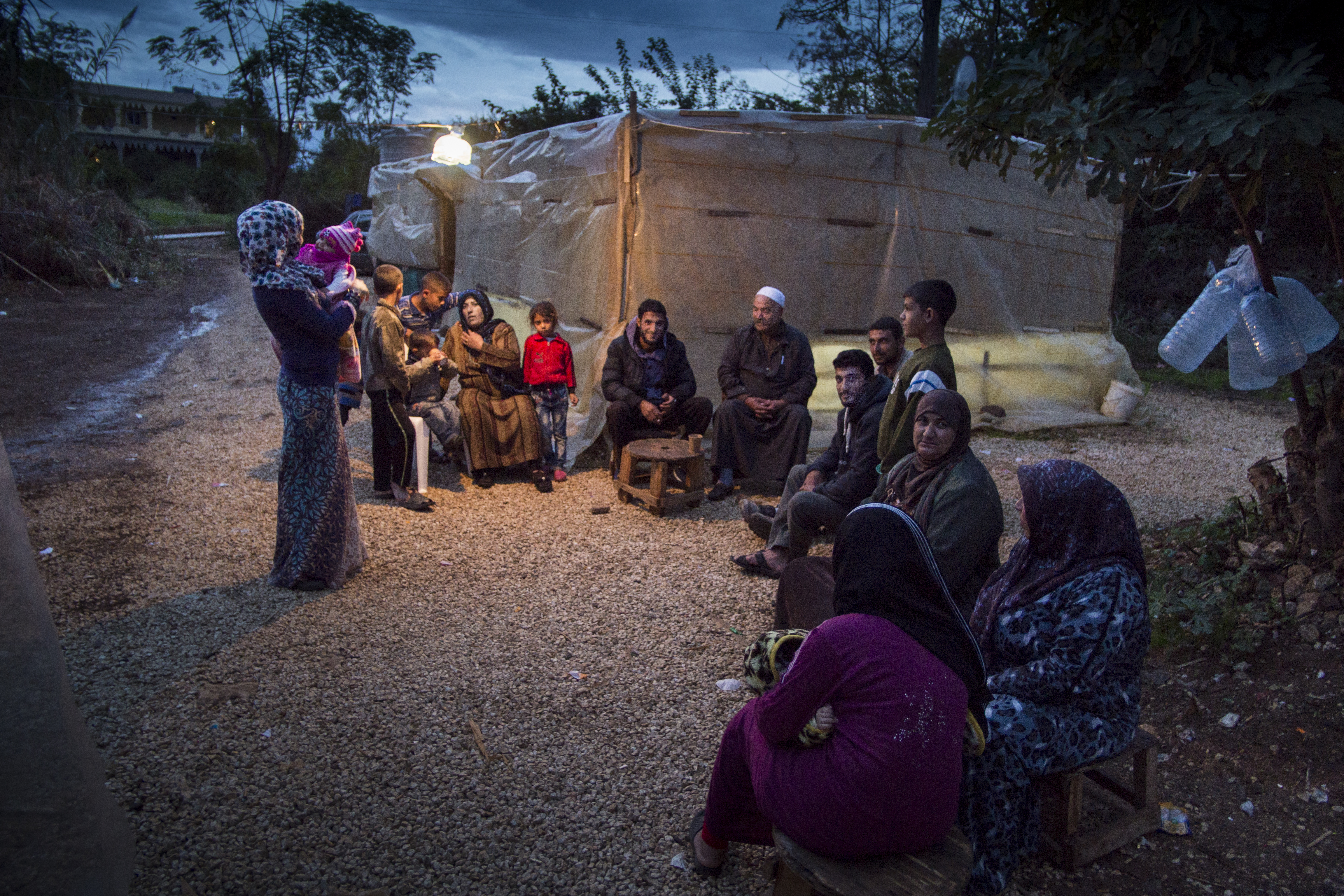
The aftermath of the Arab Spring protests in 2011 gives way to a conflict in Syria that leads to the largest refugee crisis in the world. Concern begins to respond in Syria — as well as with refugee communities in Iraq, Lebanon, and Türkiye — when displacement hits a peak in 2013.
It’s one of many crises as conflict and natural disasters drive further displacement, both international and internal: In 2015, the United Nations High Commissioner for Refugees records 16.1 million refugees around the world. That figure doubles in less than a decade. Concern is responding to nine of the ten largest refugee crises today.
2014-16: The West African Ebola epidemic
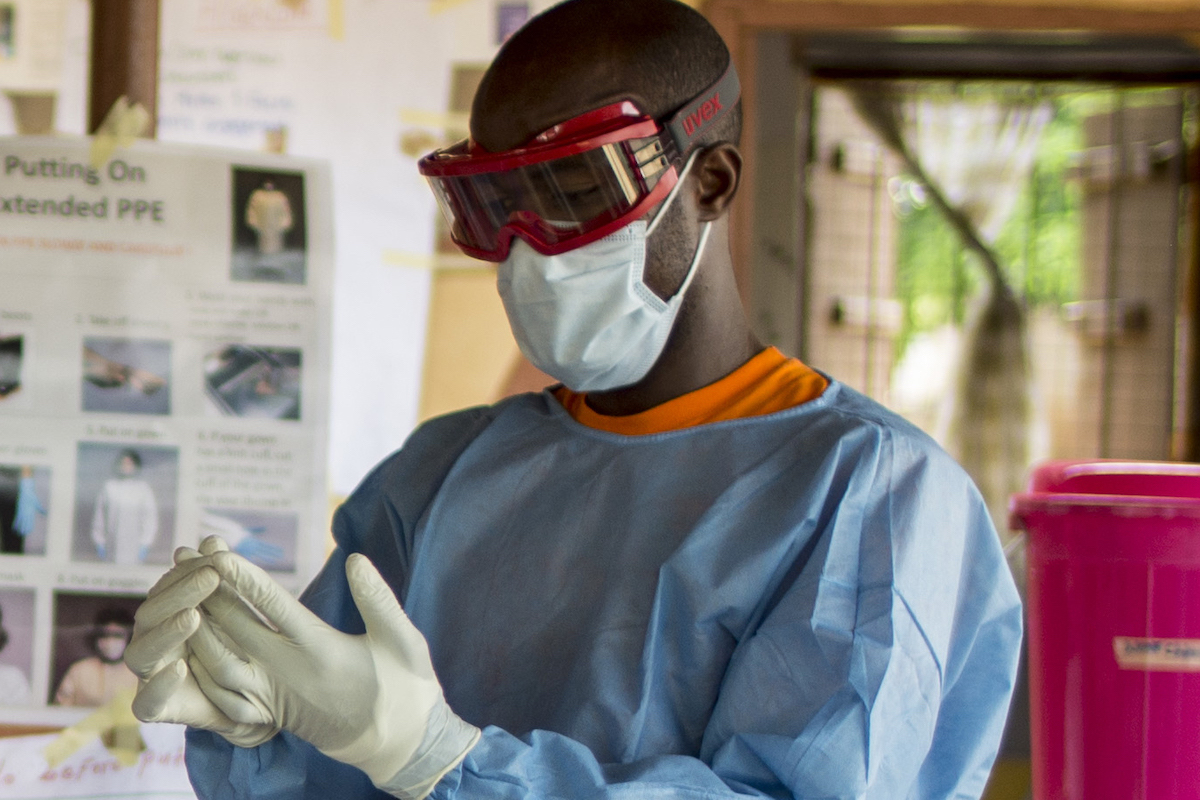
A single case confirmed in Guinea in March, 2014 sparks history’s largest Ebola epidemic, which courses through Liberia, Sierra Leone, Nigeria, and Senegal and kills over 11,000. Concern’s teams in Liberia and Sierra Leone are still working with communities to rebuild after recent civil wars, and are among the first to respond to the crisis. We curb the spread by developing a safe and dignified burial system and help to lay over 17,000 Sierra Leoneans to rest.
In 2019, our team in the Democratic Republic of the Congo put many of our learnings from the largest Ebola outbreak to use as they fight the second-largest outbreak.
2017: The Rohingya crisis
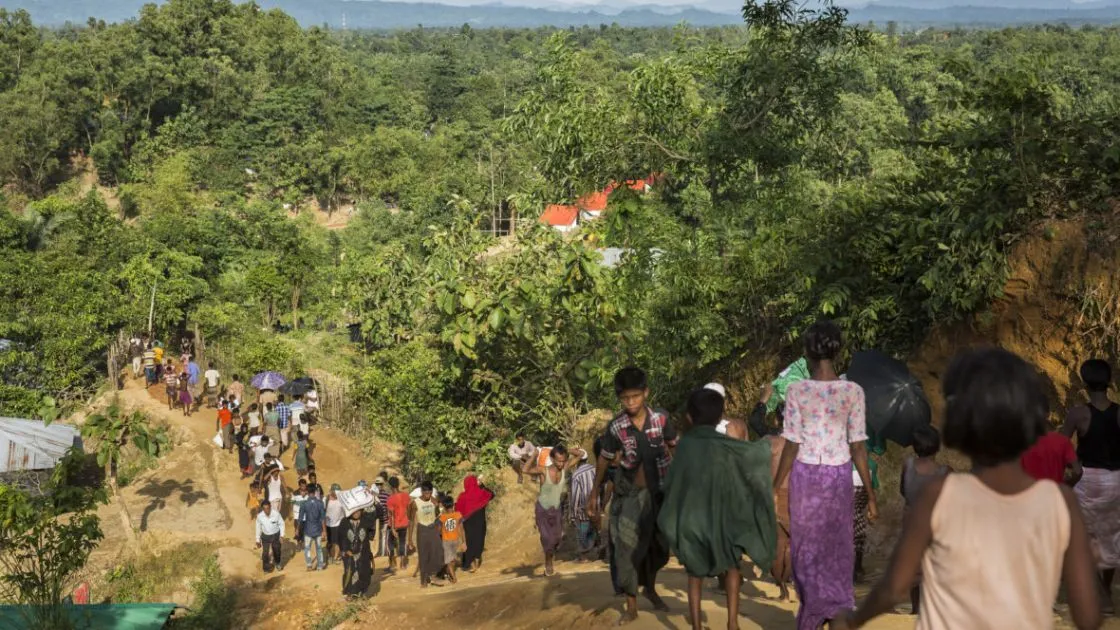
Renewed violence in Myanmar’s Rakhine State displaces more than 1 million stateless Rohingya, many of whom seek shelter in neighboring Bangladesh. They quickly form the largest refugee camp in the world near the city of Cox’s Bazar.
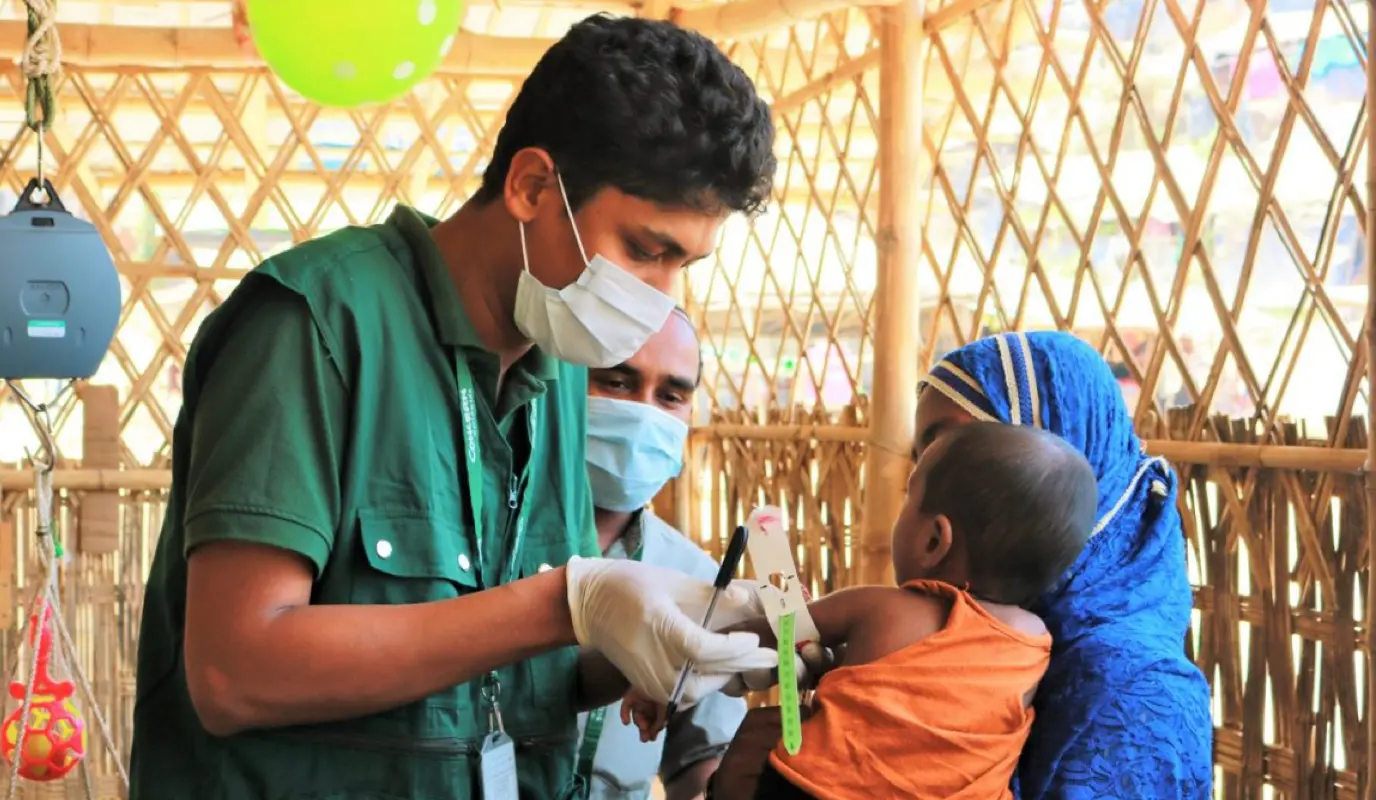
Concern’s team is once again one of the first on the ground, providing emergency supplies, nutrition support, healthcare services, protection, and livelihoods programs. We continue to run programs that respond to a range of issues affecting the overall health and nutrition of both extremely vulnerable refugees and members of the host community.
2020: A year like no other
Concern maintains its programs and scales up response in the first months of the COVID-19 pandemic, adapting in-person programs to social distancing and working with communities to spread awareness on prevention methods and symptoms. We also work to address the longer-term economic losses of the pandemic and coordinate vaccine roll-outs in countries where other epidemics are still a recent memory, including Liberia and Sierra Leone.
2022: Joint Emergency Response in Ukraine
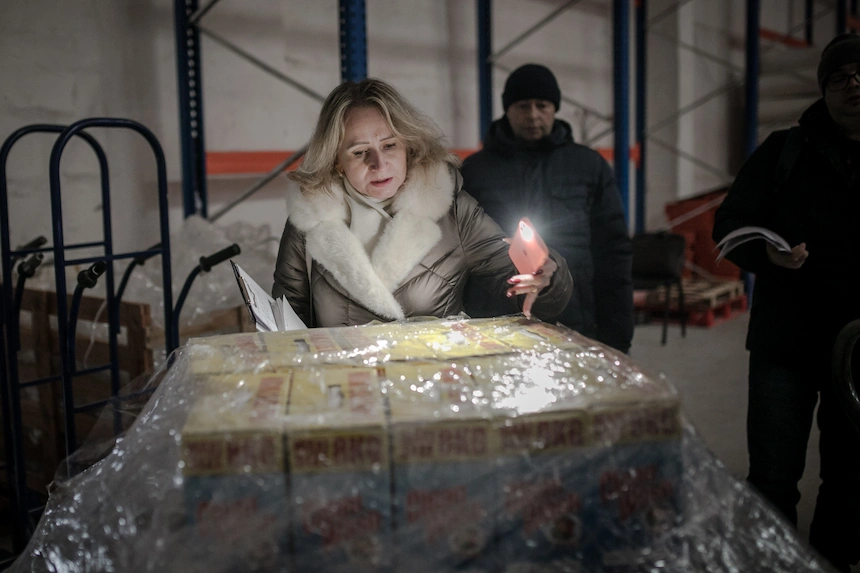
Nearly overnight, the full-scale escalation of conflict in Ukraine creates one of the largest refugee and displacement crises and exacerbates humanitarian crises around the world due to supply chains and underfunding. Concern joins Alliance2015 partners Welthungerhilfe and CESVI in responding, first to the needs if Ukrainians arriving in Moldova and Poland, and soon moving into the country itself. We continue to provide support to communities close to the frontlines, delivering our characteristic mix of emergency response and early development initiatives, as well as psychosocial support.
2023-25: New highs for humanitarian need
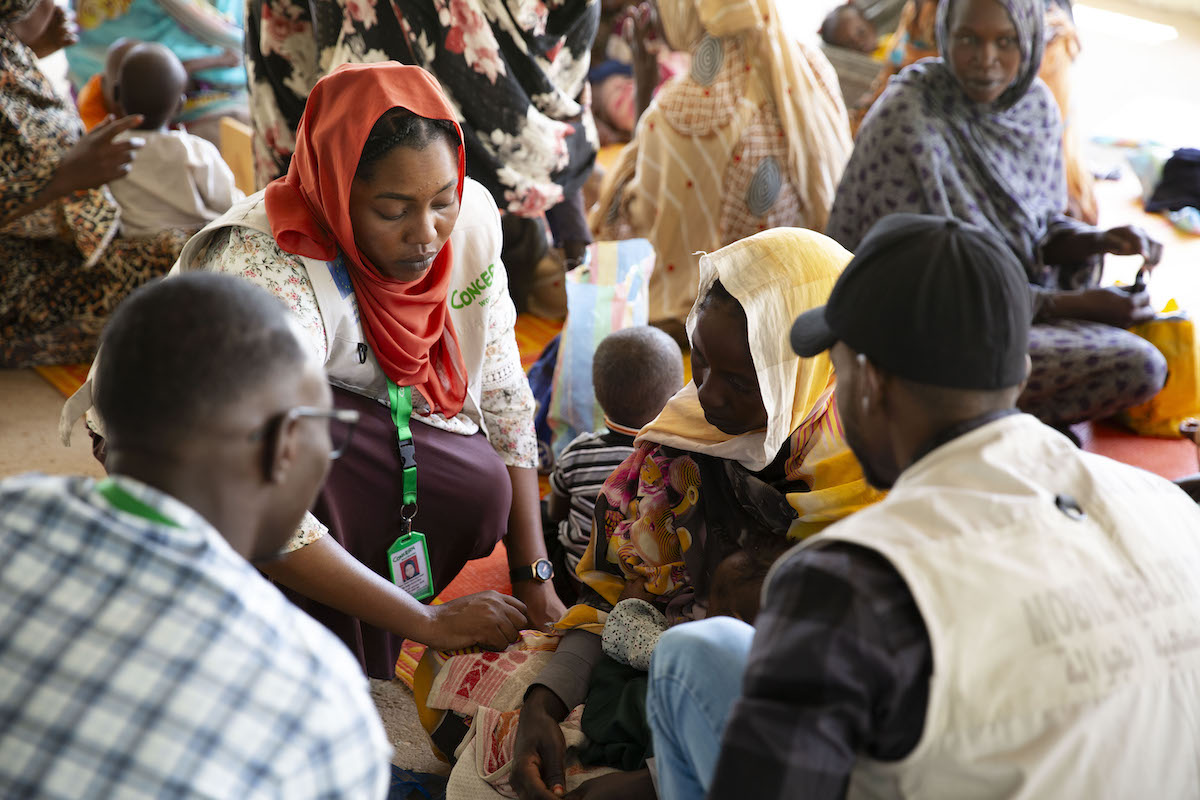
Concern teams in Sudan are among those affected by the outbreak of civil war on April 15, 2023, which quickly becomes the largest humanitarian crisis in modern history. We pivot our work in the country to respond to the massive displacement and need created by conflict, and also support refugees and host communities in neighboring Chad.
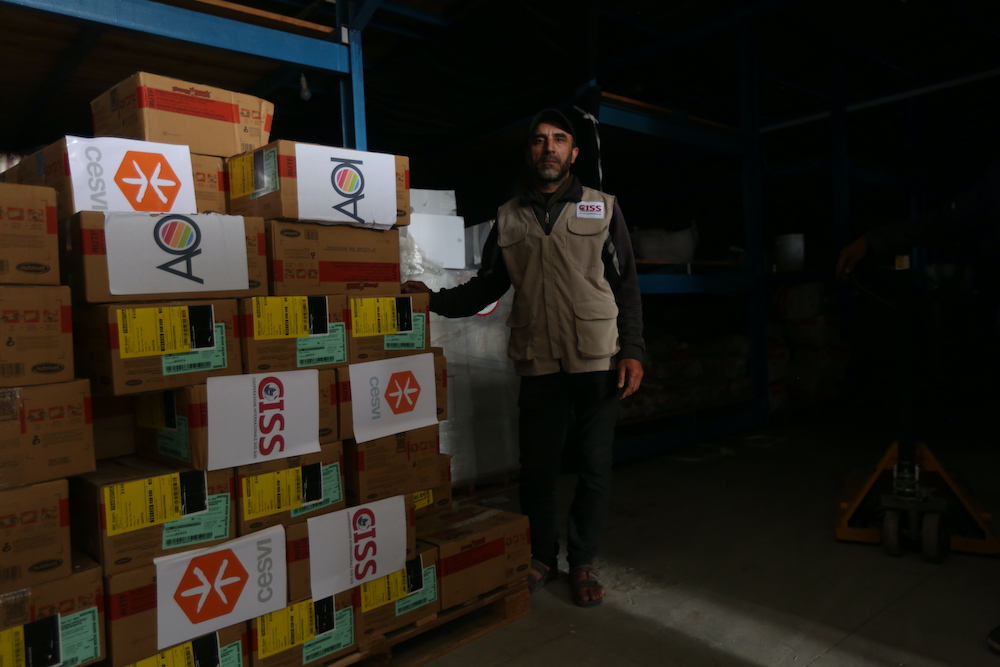
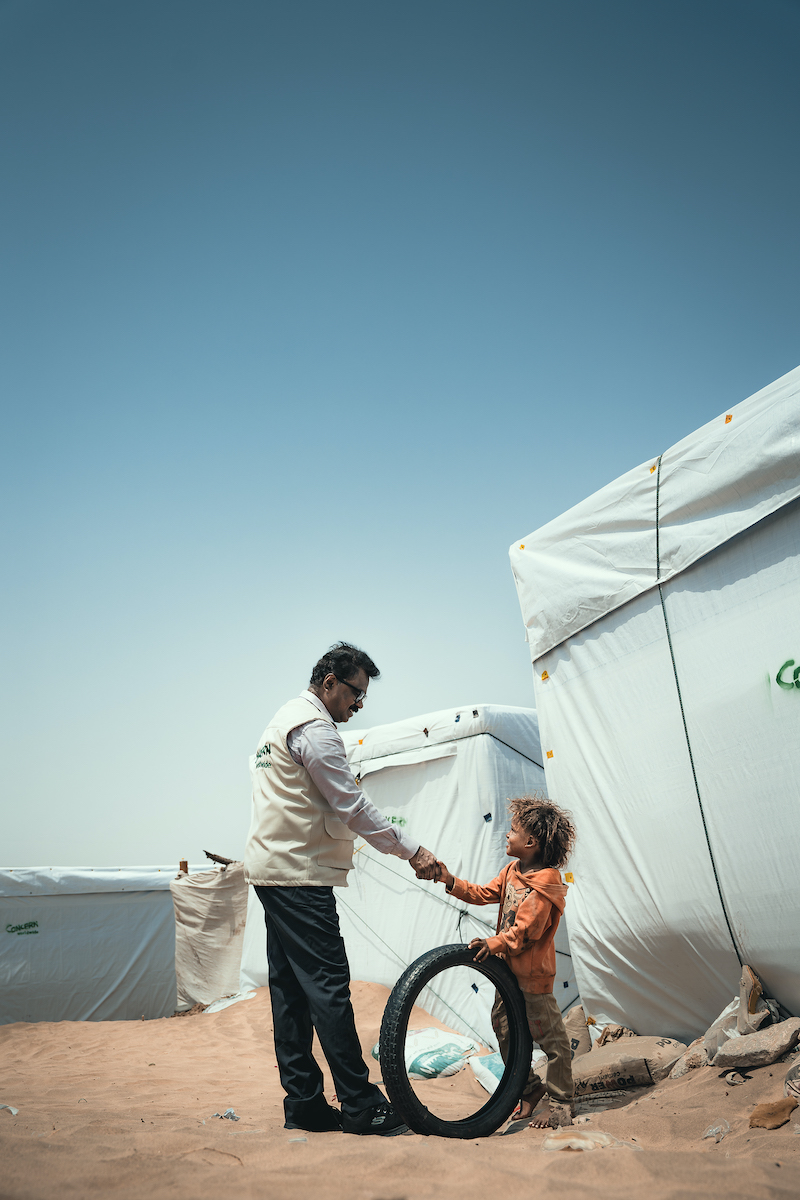
At the same time, we begin to establish a program in Yemen that officially launches in 2024, responding to another intense and protracted conflict and the humanitarian need left in its wake. We also begin supporting our Alliance2015 partner CESVI in its response in Gaza, focusing on health, water, sanitation, and hygiene services, and increase our response in eastern DRC amid a surge in violence.
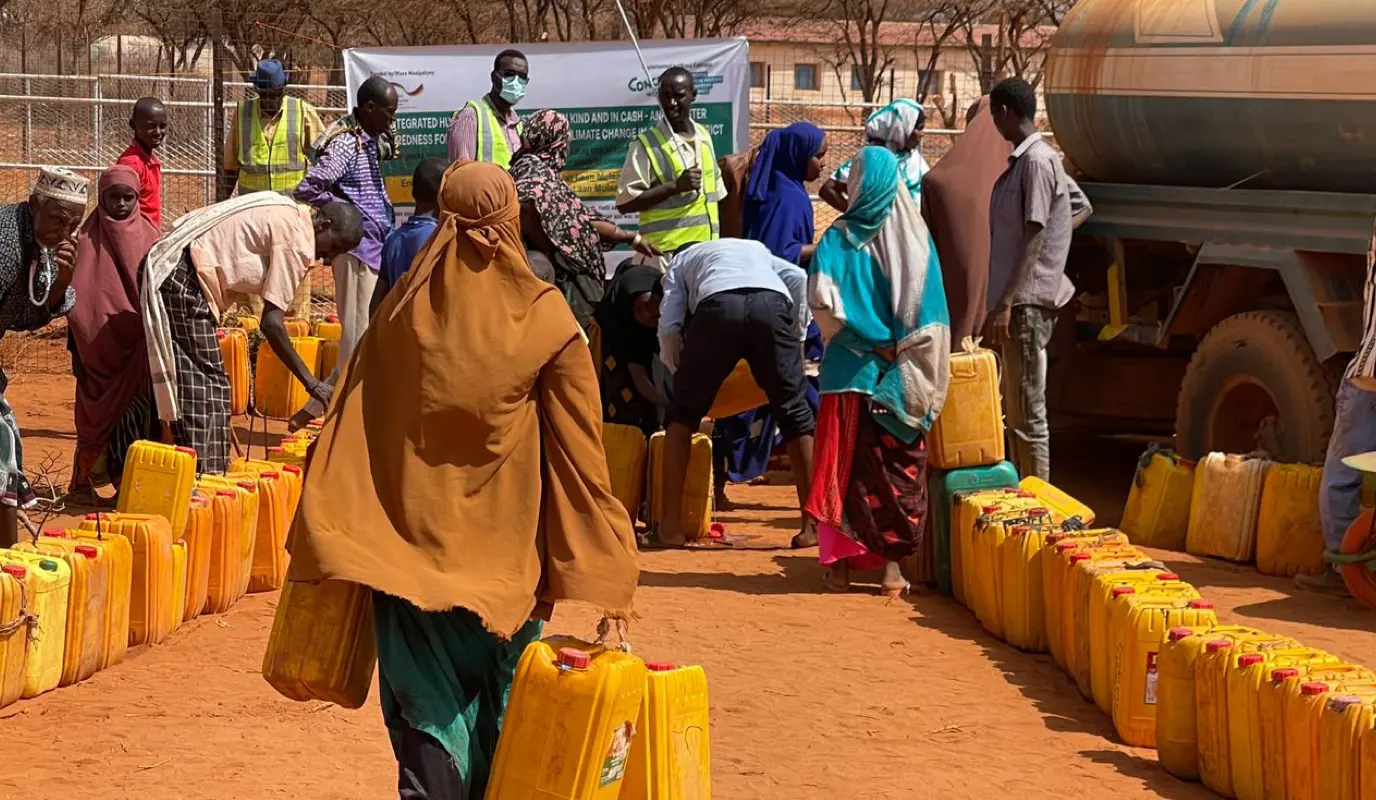
Through this, natural disasters also persist, and Concern responds to the 7.8-magnitude earthquake that hits Türkiye and Syria in February, 2023. We also reach hundreds of thousands of people across Ethiopia, Kenya, and Somalia affected by the protracted Horn of Africa drought.
Today: As much as we can for as many as we can
Despite ongoing challenges and record-breaking crises, Concern remains guided by the simple yet powerful mandate from Fr. Aengus Finucane: “Do as much as you can, as well as you can, for as many as you can.”
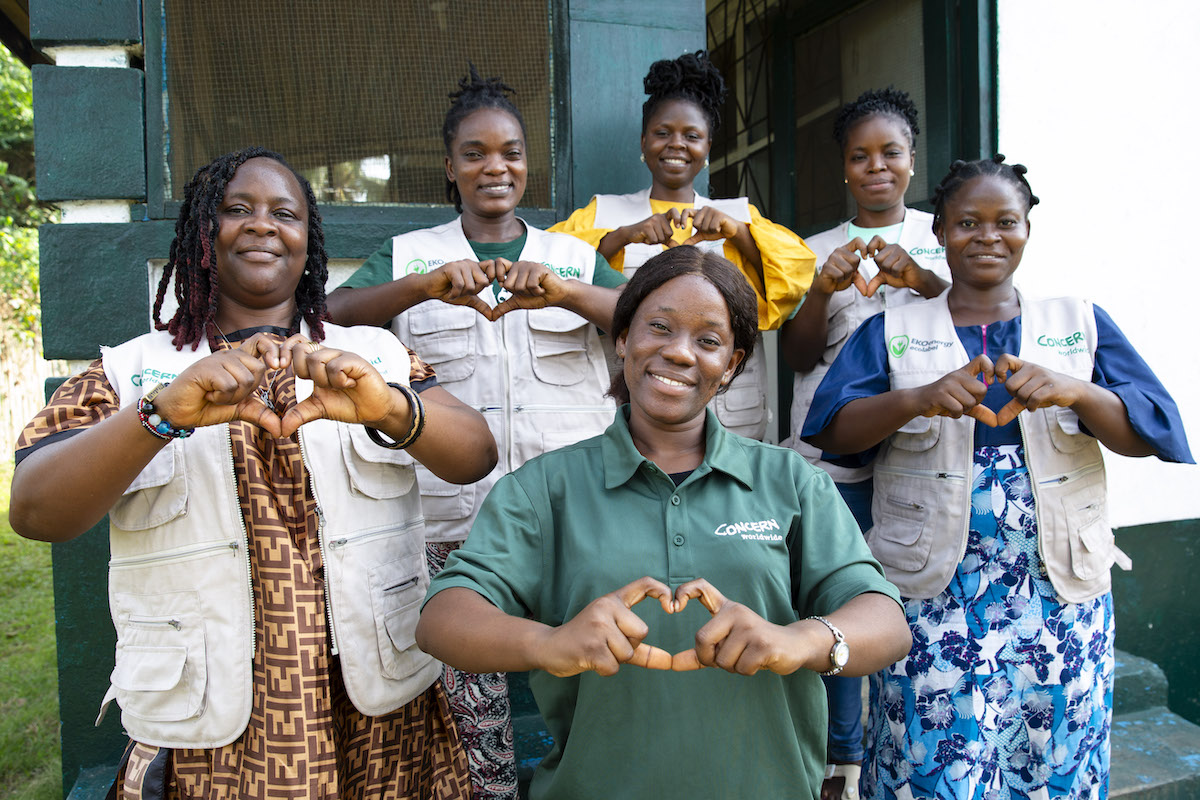
With a global team of 4,700 humanitarians, we reach 27.3 million people in 27 countries and territories last year alone, and continue to look for ways to do more, for more people, at even higher levels of quality, care, and success.
Concern’s work to end poverty
Ending poverty is the core mission of Concern. All of our programs and approaches are designed to further progress towards this goal by addressing some of the root causes of poverty.
Our approaches to this are rooted in an understanding that poverty is a cycle: Those with the fewest resources and methods to handle risks (such as natural disasters or conflict) stand to lose the most, and have even fewer resources when the next emergency hits. These pockets of poverty become the hardest to eliminate. We work to address both these inequalities and risks, enabling communities — especially those furthest behind — to build both a safety net for immediate shocks and livelihoods to support themselves and their families in the longer term.
This approach allowed us to reach 27.3 million people across 27 countries and territories last year, with programs focused on emergency response, livelihoods, health and nutrition, and education.