What it takes to reach Afghan women and children with lifesaving care
Jun 3, 2026
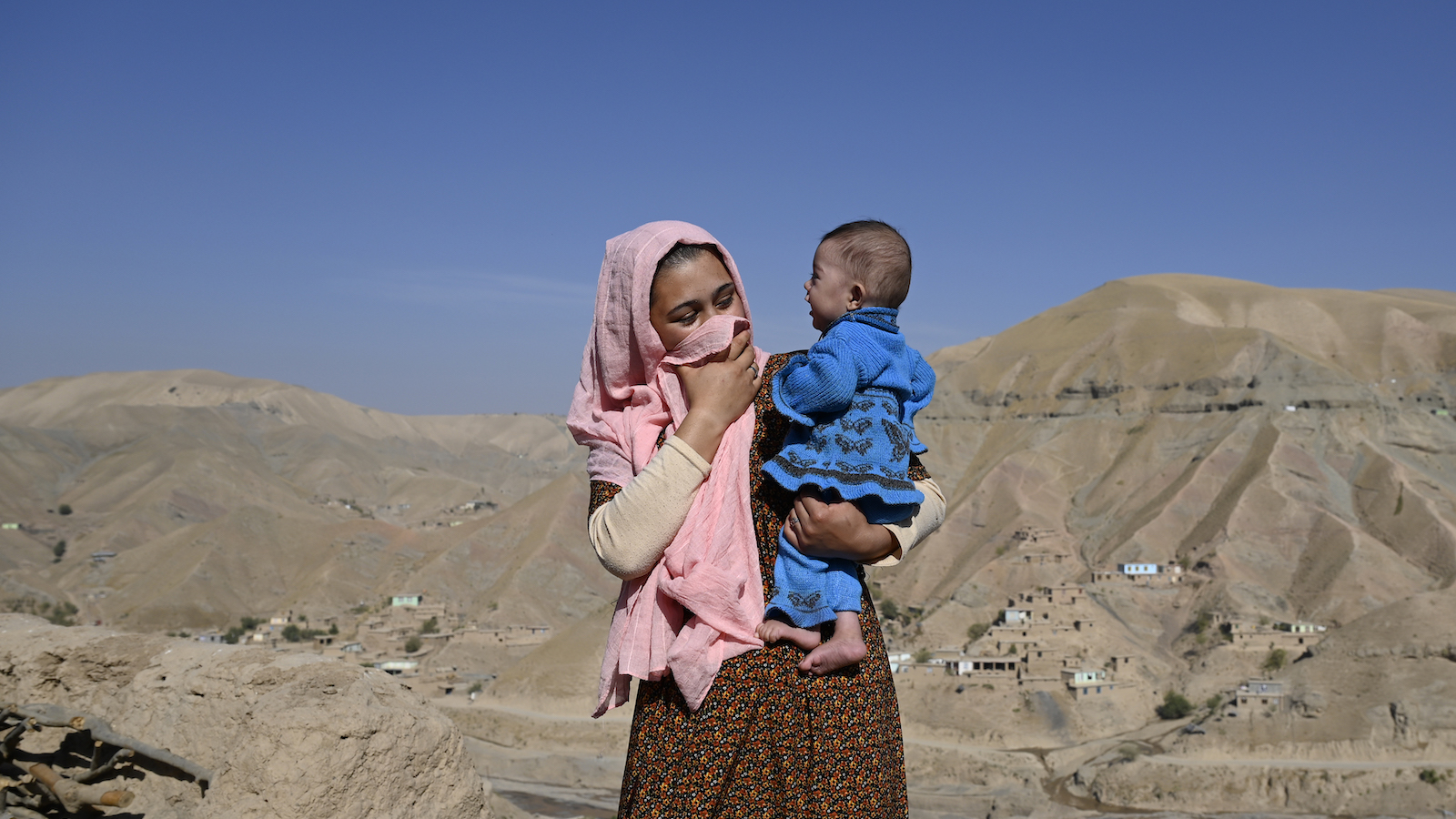
Afghanistan’s mountainous northeastern villages are among the most remote, which can make childbirth a fatal prospect. Eight new clinics are working to change that.
Malalai* knew something was wrong when, after several days of unbearable pain, she had yet to give birth. She was 29, and had already had six children and knew what to expect. It wasn’t this.
Eventually, she went to a district hospital where they tried, unsuccessfully, to induce labor. Then they did an ultrasound.
“When the doctors found out my baby was dead, they didn’t operate,” she recalls. A nurse delivered the stillborn. Heartbroken, Malalai and her husband sat with their seventh child, whom they named Hafez*. She still sounds amazed when she recalls what happened next: “Two hours later, Hafez started breathing, and we realized—thank God—he was alive.”
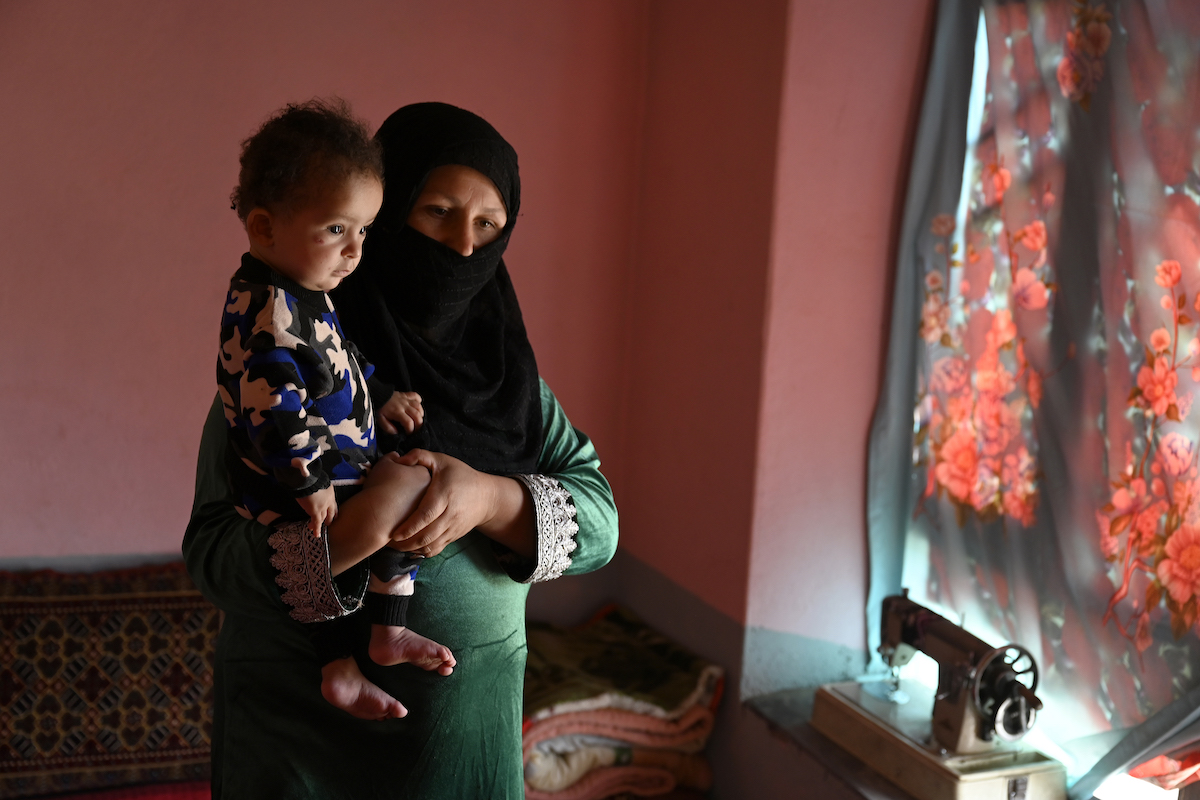
Hafez was kept inside an incubator for three days before the family was sent home. Yet he remained weak, drifting in and out of consciousness, and refused to breastfeed or drink formula. Malalai and her husband brought Hafez to the provincial center of Takhar, where they live in northeastern Afghanistan, and even traveled to other provinces in hopes of a second opinion, but nothing worked.
Each visit cost around 20,000 Afghanis (about $320) or more. Takhar province is known for its mineral deposits and Malalai’s husband is a gold miner (the main source of income for men in the area). They sold what little they had and borrowed money from friends and neighbors. They spent nearly 200,000 Afghanis, but Hafez showed no improvement.
Rough terrain
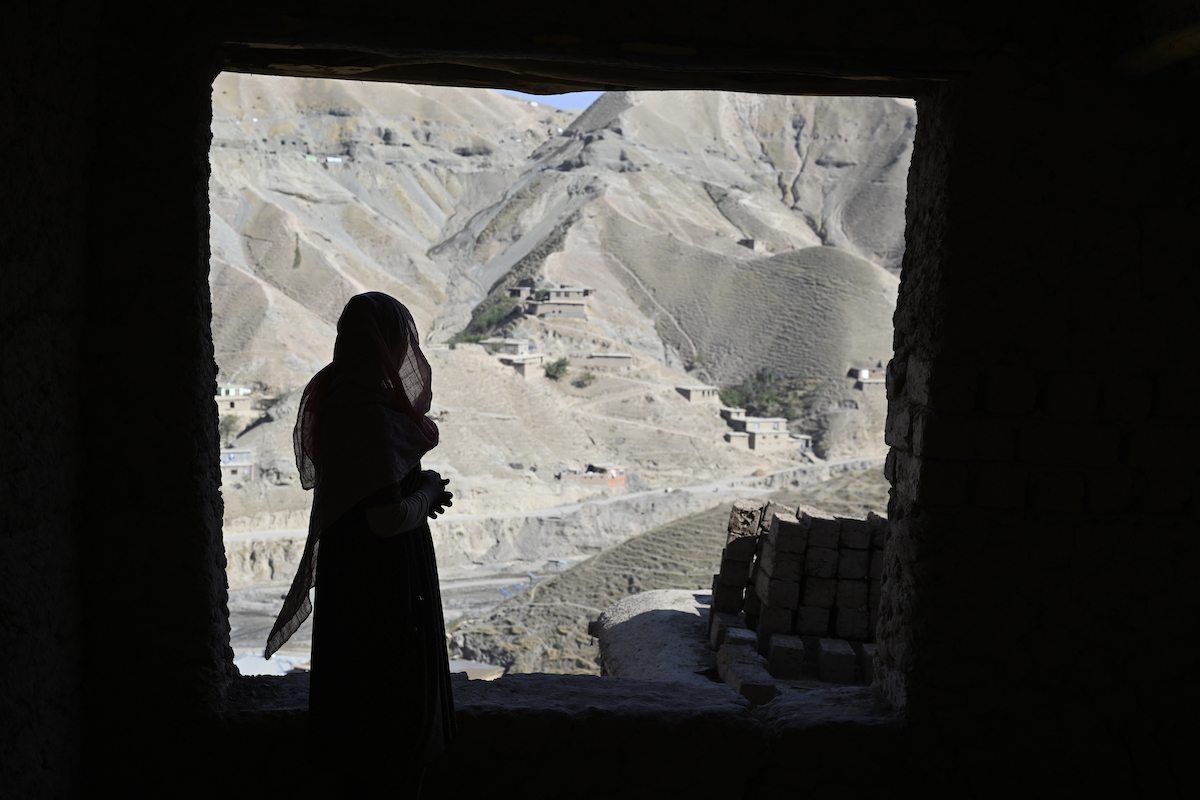
Life in the remote northeastern mountain provinces of Afghanistan, including Takhar and Badakhshan, is notoriously harsh. Women like Malalai are 30, but look older—a combination of the mountain weather, multiple pregnancies, and endless physical work.
Takhar and Badakhshan sit at the intersections of several high mountain ranges, including the Hindu Kush, Karakoram, and Pamir ranges. Villages are built like steps, where the yard of one house is the roof of another. In some cases, getting to even the closest clinic can take an entire day by foot. For many families, making the trip is an impossibility.
“If we left at dawn,” says Fatima*, a mother in a village close to Malalai’s in Takhar Province, “we would arrive by noon, walking seven or eight hours.” She and her family rarely went. As a result, she notes sadly, only six of her 12 children are alive.
Where bringing a new life into the world can be fatal
These numbers are also, sadly, not out of the ordinary. Afghanistan is one of the most challenging countries to become a mother. Per the latest data, it has the seventh-highest maternal mortality rate in the world, and the highest outside of Africa.
The United Nations Population Fund estimates that fewer than 60% of births in Afghanistan are overseen by skilled healthcare professionals. Every two hours, an Afghan woman dies from pregnancy-related complications.
Poverty, movement restrictions for women, and a shortage of female health workers all mean the difference between life and death, especially in rural areas. Of Afghanistan’s 34 provinces, Takhar and Badakhshan have some of the highest maternal mortality rates in the country.
Newborns are also at especially high risk. For Fatima, all of her children who died were born prematurely at seven or eight months. Each only lived for a few hours.
Reducing maternal and infant mortalities by increasing access
In 2024, Concern launched a new initiative to respond to the challenges faced by thousands of Afghan women and children in these remote provinces. Funded by Irish Aid, Empowering Communities for a Stronger Tomorrow is designed to reduce maternal and child mortality rates in Takhar and Badakhshan provinces.
The idea is simple: Reduce these mortality rates by increasing access to quality healthcare services, including prenatal and postnatal care, safe deliveries, and treatment of common infant and childhood illnesses.
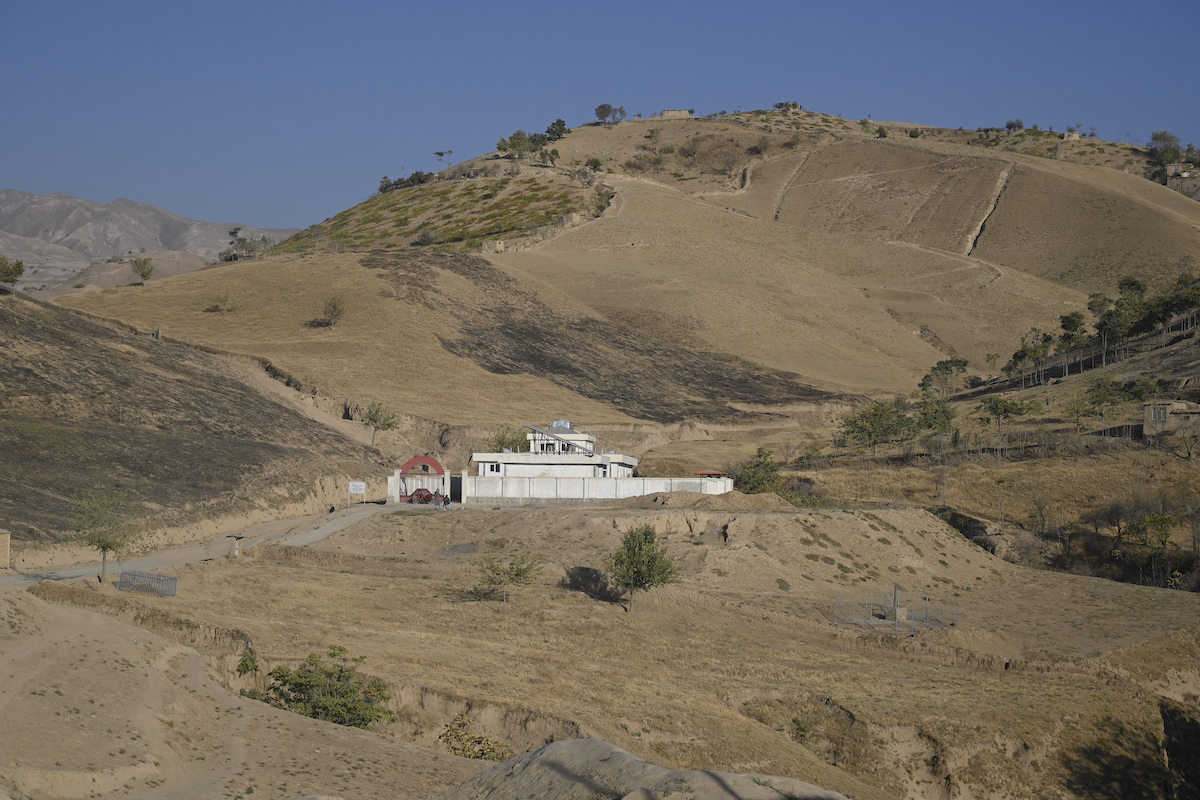
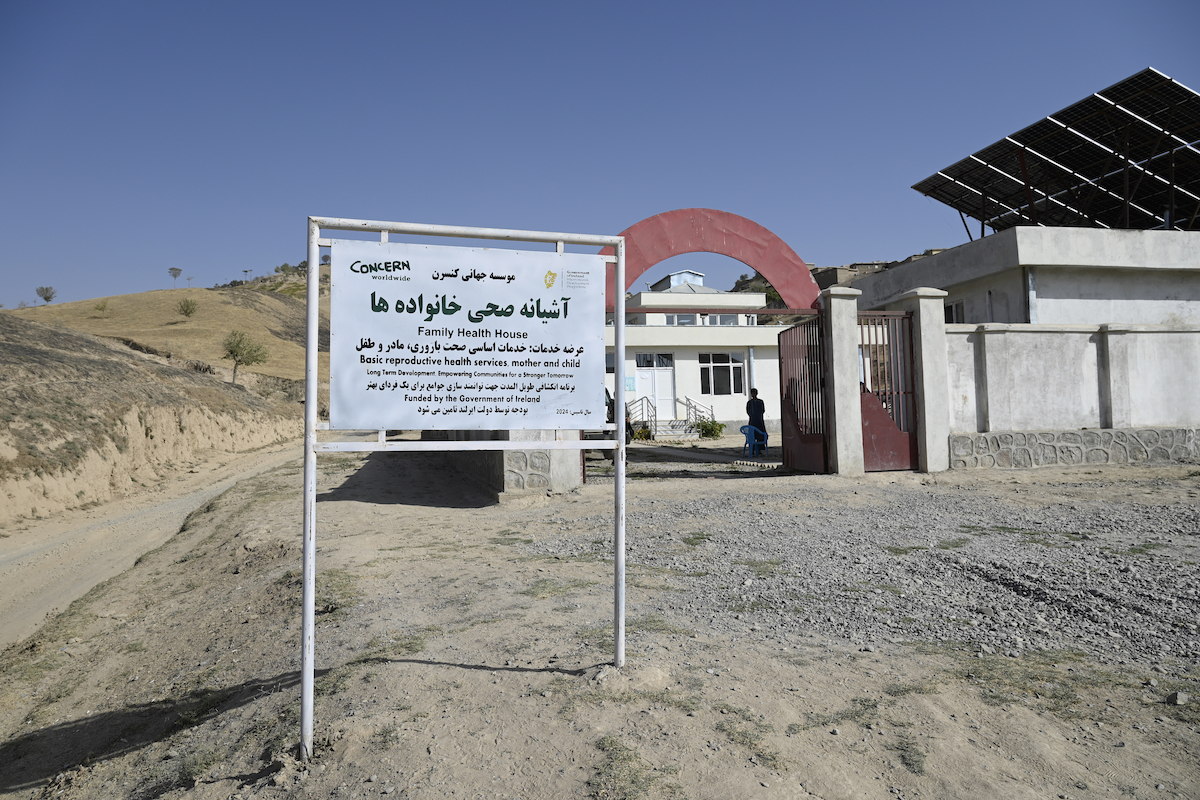
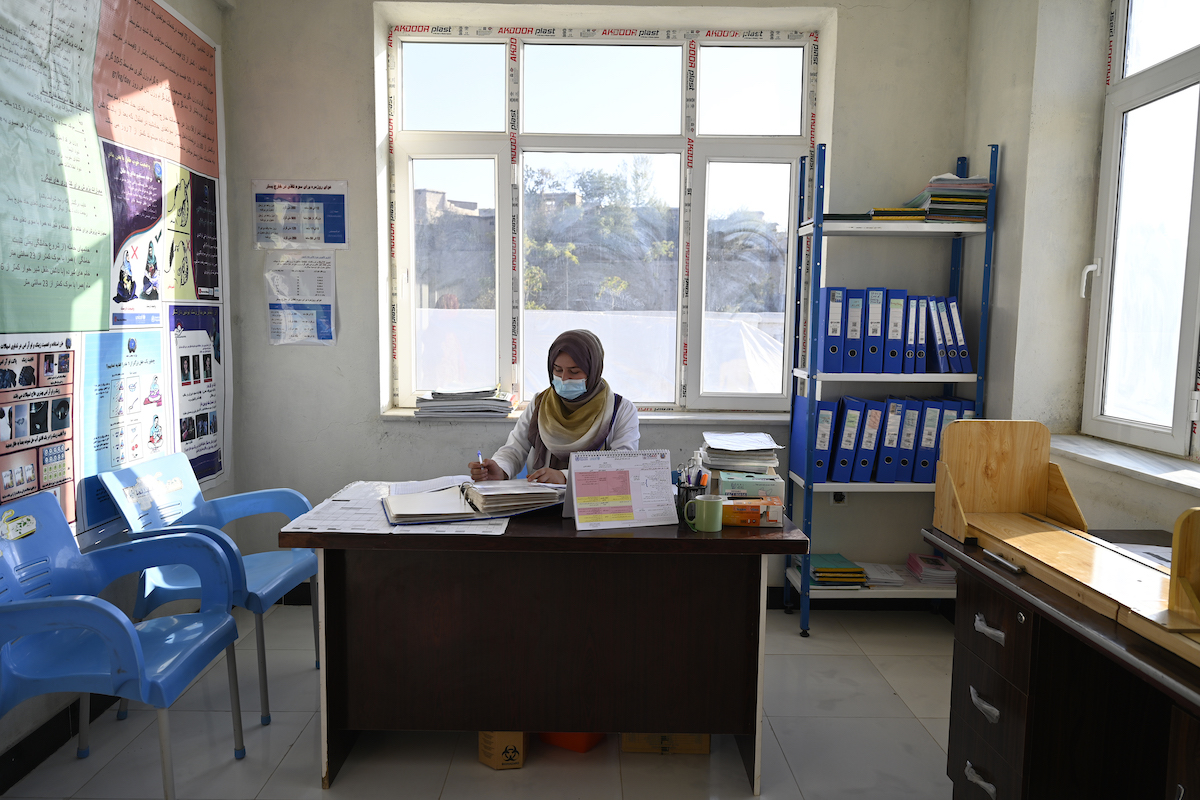
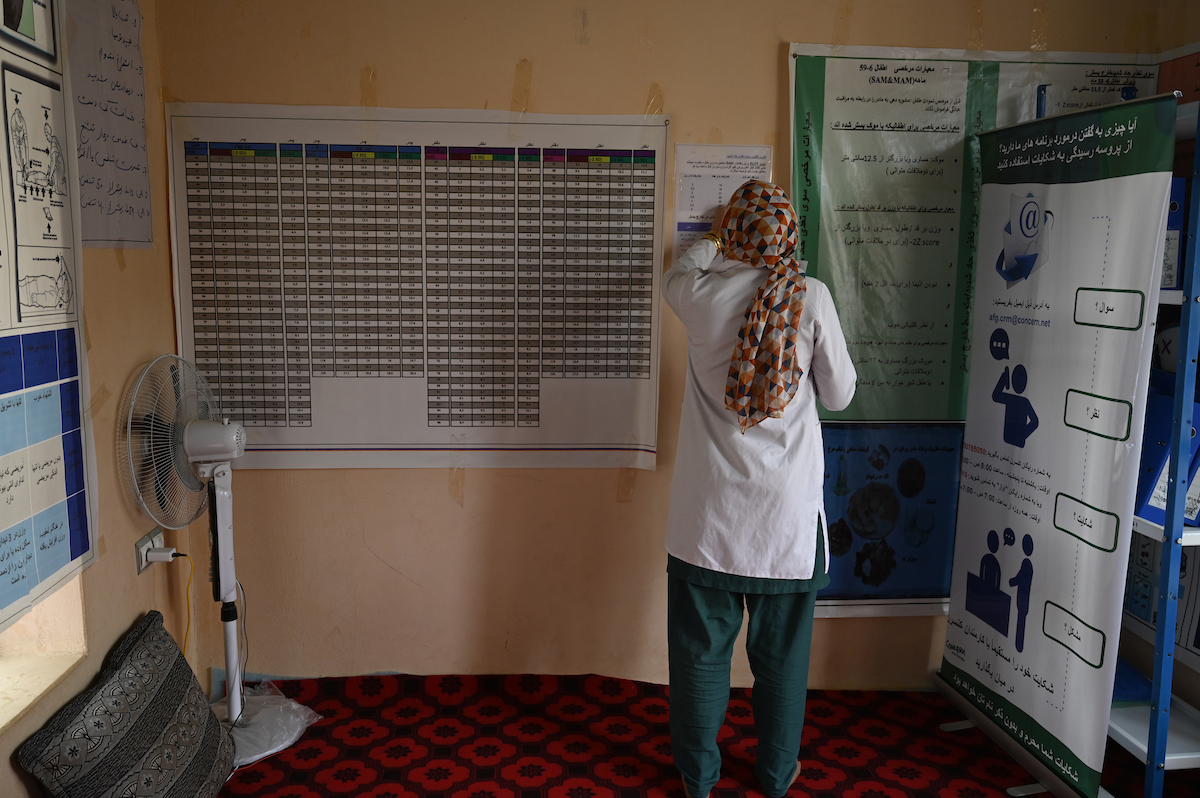
To get there, we built eight clinics that we’ve called Family Health Houses, two each in Rustaq, Chahab, Yawan, and Raghistan districts. Participating communities contributed the land to the project. Five buildings were built from scratch; three others are operating out of rental spaces while we complete construction on permanent structures. These clinics include separate delivery and consultation rooms, water supply networks, sanitation and waste management structures, and solar power—all ensuring safe, 24/7 operation.
We also trained staff on reproductive, maternal, newborn, and child healthcare. These sessions combined classroom learning with practical experience in leading health facilities across Kabul, Takhar, and Balkh provinces. Staff received essential supplies including medications, diagnostic tools, and midwife kits. A well-managed supply chain has ensured that restocking doesn’t disrupt services.
It takes a village
Our Family Health Houses opened at the end of 2024. However, change takes time and we needed to ensure that these clinics would be used to their full extent and earn the trust of the communities they served.
We worked with province-level Departments of Public Health and local leaders to select and train 16 Community Health Workers, one male and one female for each clinic. These CHWs are trusted members of their communities and have helped to proactively build awareness in the areas where the new clinics had opened. We also helped to establish eight Family Health Action Groups and 16 Community Health Shuras, all supporting awareness, change, and accountability.
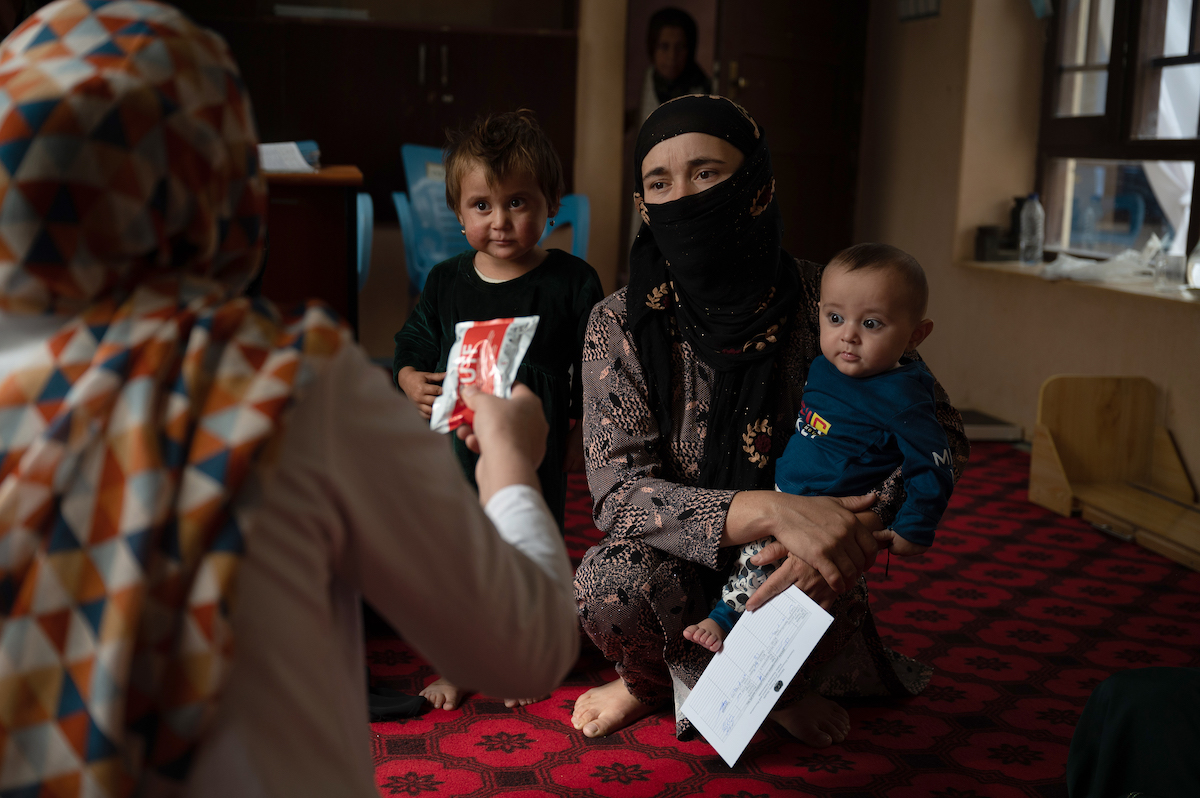
As a result, in 2025 (their first full year of operation) these eight Family Health Houses managed over 60,000 cases. More than 20,000 women received outpatient consultations, including nearly 4,900 prenatal and 1,700 postnatal care appointments. Over 17,000 children under the age of 5 received essential checkups to monitor growth, screen for nutrition, and treat or prevent other common childhood illnesses.
We also provided community nutrition screenings for more than 11,000 children and pregnant or breastfeeding women—of these screenings, over 4,200 cases of moderate and severe acute malnutrition were diagnosed and treated. And exactly 528 skilled deliveries were performed.
A breakthrough
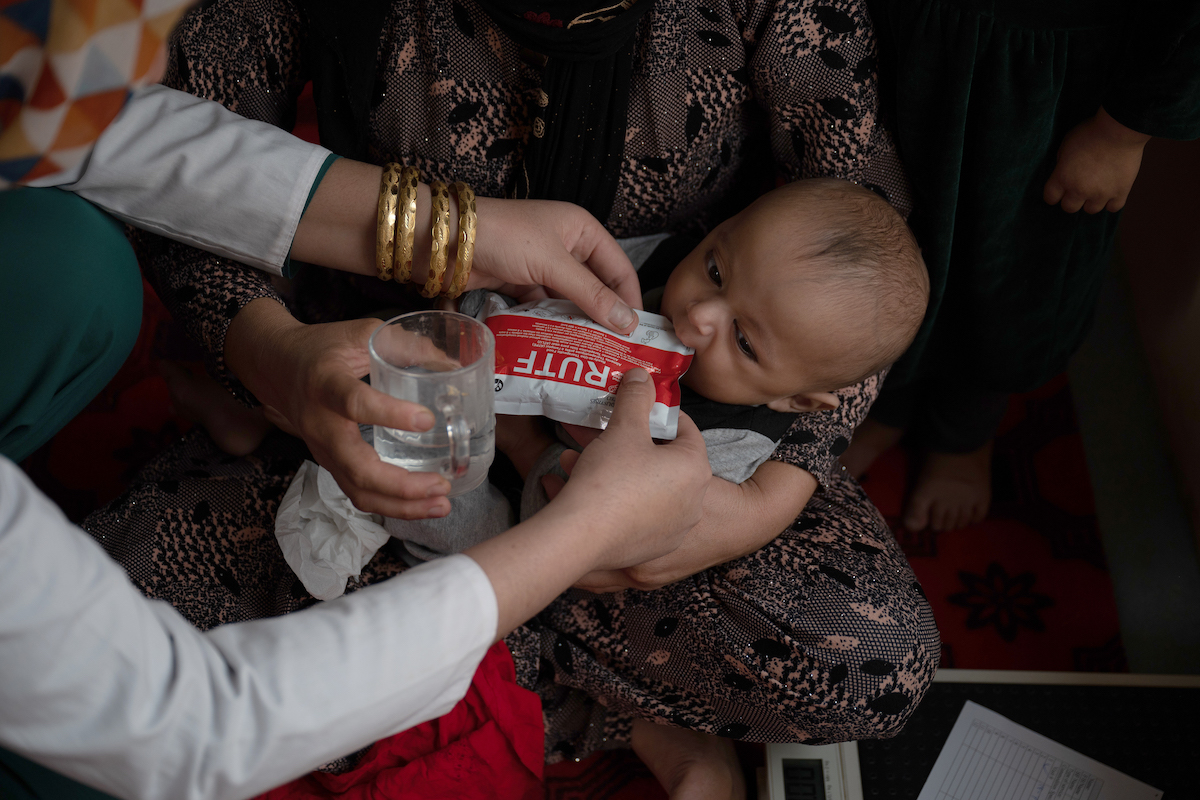
It was in one of the Family Health Houses that Malalai and her husband finally saw a breakthrough in Hafez’s case. He was diagnosed with severe acute malnutrition, and the clinic doctors immediately began treatment with therapeutic food (also known as RUTF).
Hafez has gained some weight and color, and while he has more progress to make, his doctors are optimistic. “We can’t afford to go to the city anymore, so I’m very happy that I can at least come to the Concern clinic for free and get the medicine he needs,” says Malalai. The money she and her husband have saved on the medical expenses also means that three of their older children can go to school.
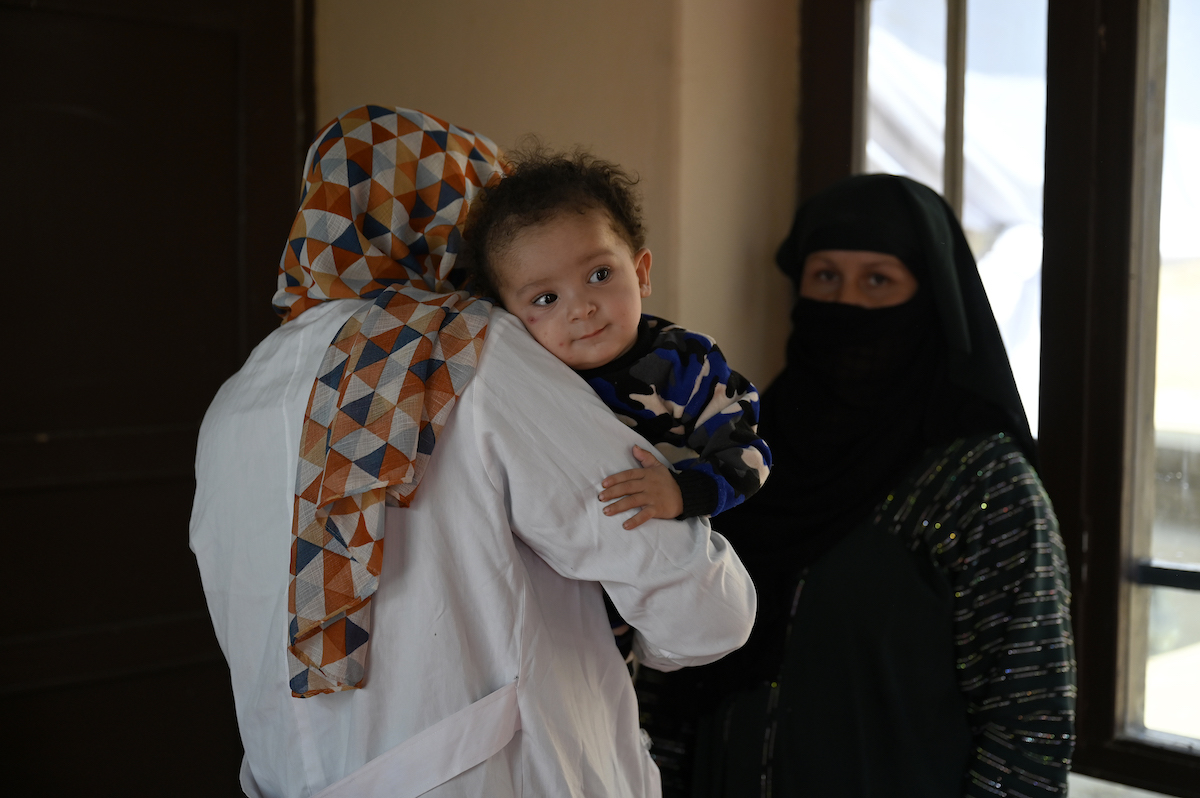
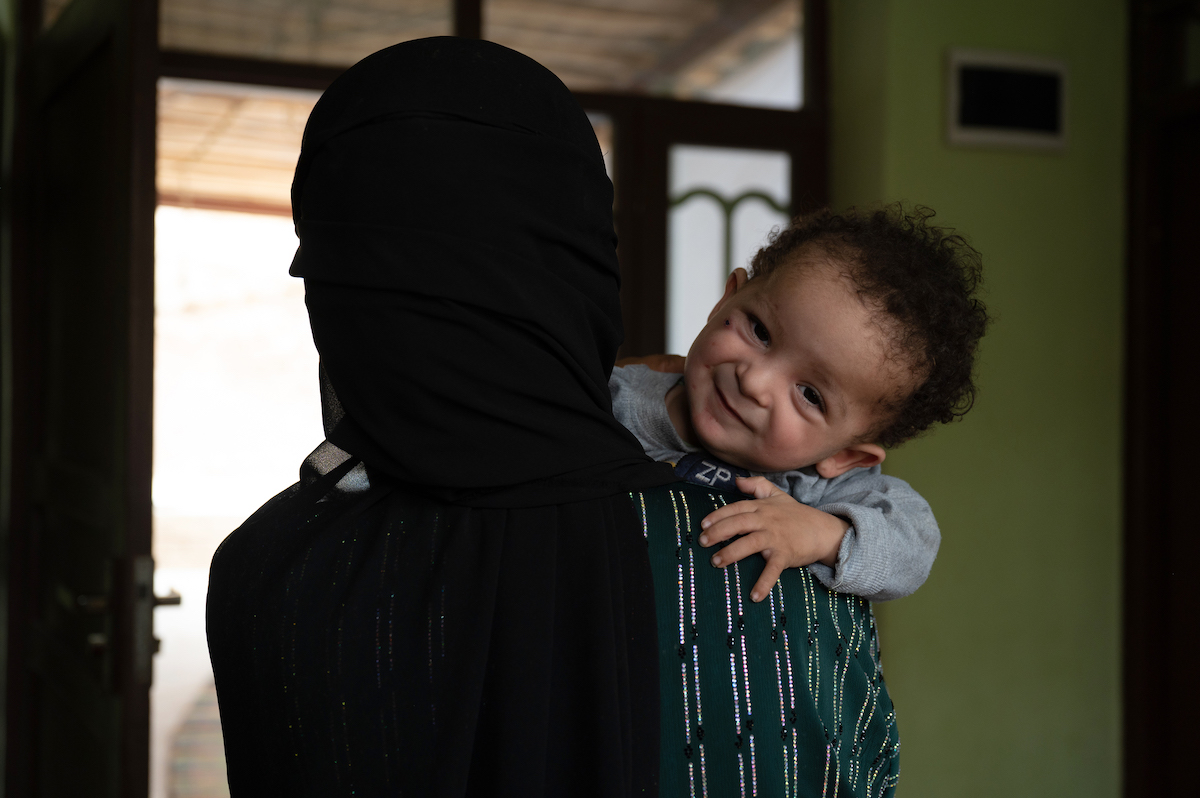
She tells us this in the yard of the Family Health House near her home, which is full with mothers and children waiting to be seen. Hafez sits on his mother’s knees and looks around, smiling at every person he sees; a typical, happy baby.
“It’s a blessing for us”
Today marks Fatima’s second visit to the new Family Health House closest to her home—a two-hour trip that she says is easy to make when she needs it, and one that’s worth it for the quality of care she receives from the clinic’s staff. Her eight-year-old son, Mahdi*, joins her this time.
“This boy of mine ploughs people’s land in the summer,” she says proudly. “Today, he came to help me at the clinic.”
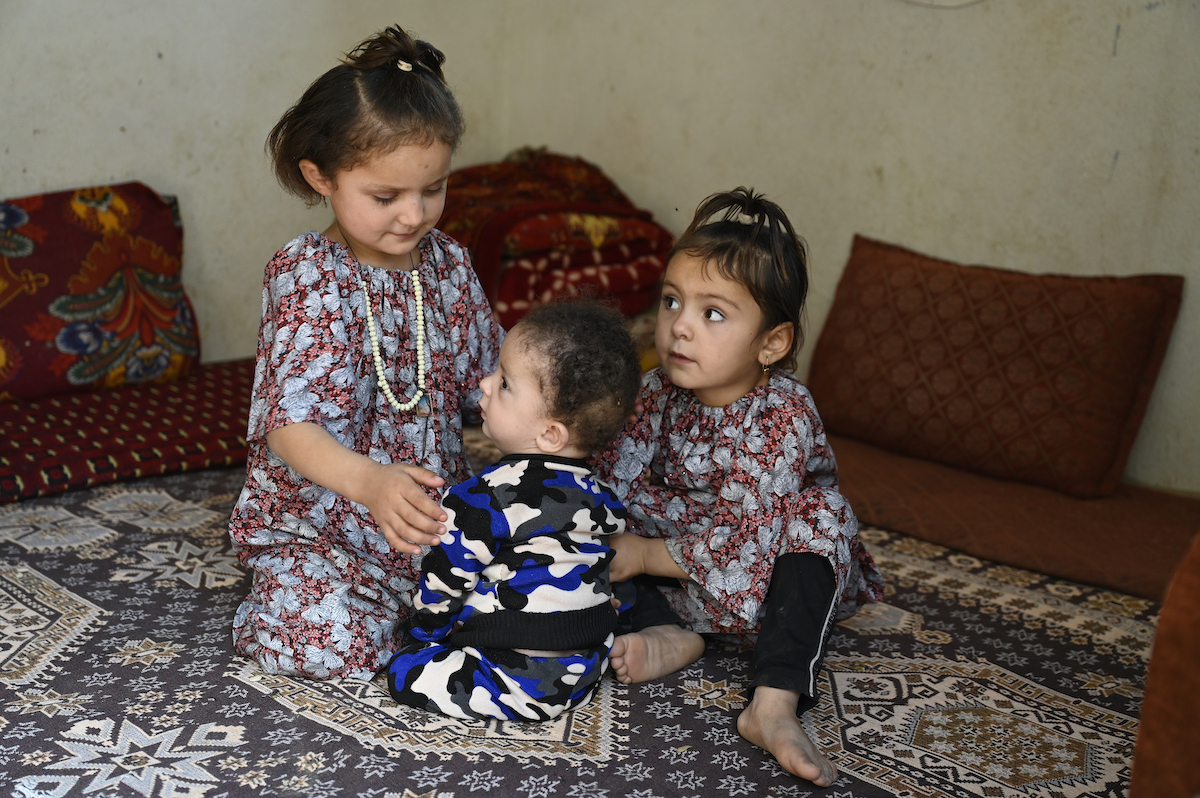
Seven months pregnant, Fatima began having issues with her youngest daughter, Noor*. Her new pregnancy meant that her breast milk lost some of its strength and quantity, and Noor became malnourished as a result. A community screening diagnosed her and she received a round of RUTF.
“She’s slowly getting better. It’s a blessing for us,” Fatima says.
The doctors are also pleased with Noor’s progress. When she first went to the clinic, she couldn’t walk at all, but after two rounds of treatment, she can now hold onto the wall and walk with support. In one week, she gained a little over a pound.
Mahdi spreads his mother’s scarf on the ground, and the doctors place his sister’s next round of therapeutic food into it. He ties the four corners together into a bundle, slings it over his shoulder, and prepares to take it home.
Concern’s work with maternal and child health
From womb to world, the first 1,000 days of a child’s life are a critical window, and one that begins with their mothers. Concern’s work in maternal and child health includes a focus on ensuring that expectant mothers get the nutrients and care they need during pregnancy, leading to a healthy birth and the support their babies need through to their second birthday (and beyond).
Many factors play a role in this, including nutrition, hygiene, sanitation, access to healthcare, and shared knowledge within a community. We work within communities and individual families to ensure that they have the tools to navigate the challenges of pregnancy, childbirth, and postnatal care in countries where health systems are overwhelmed or not accessible. We work with community health volunteers and mobile clinics to make care accessible even in remote areas. We support new mothers and their babies with our standard-setting program, Community Management of Acute Malnutrition (CMAM).
We also look for ways to incorporate maternal and child health goals into larger programs and for innovative solutions to unique challenges. One of our past projects, Innovations for Maternal and Child Health, saw several community-designed initiatives incorporated into larger national systems, where they continue to save lives to this day.