Nourishing the future: How community-based nutrition care is saving lives in Cox’s Bazar
Aug 27, 2026
As the Rohingya crisis enters its tenth year, community volunteers are working with Concern to fight severe child malnutrition in Cox’s Bazar.
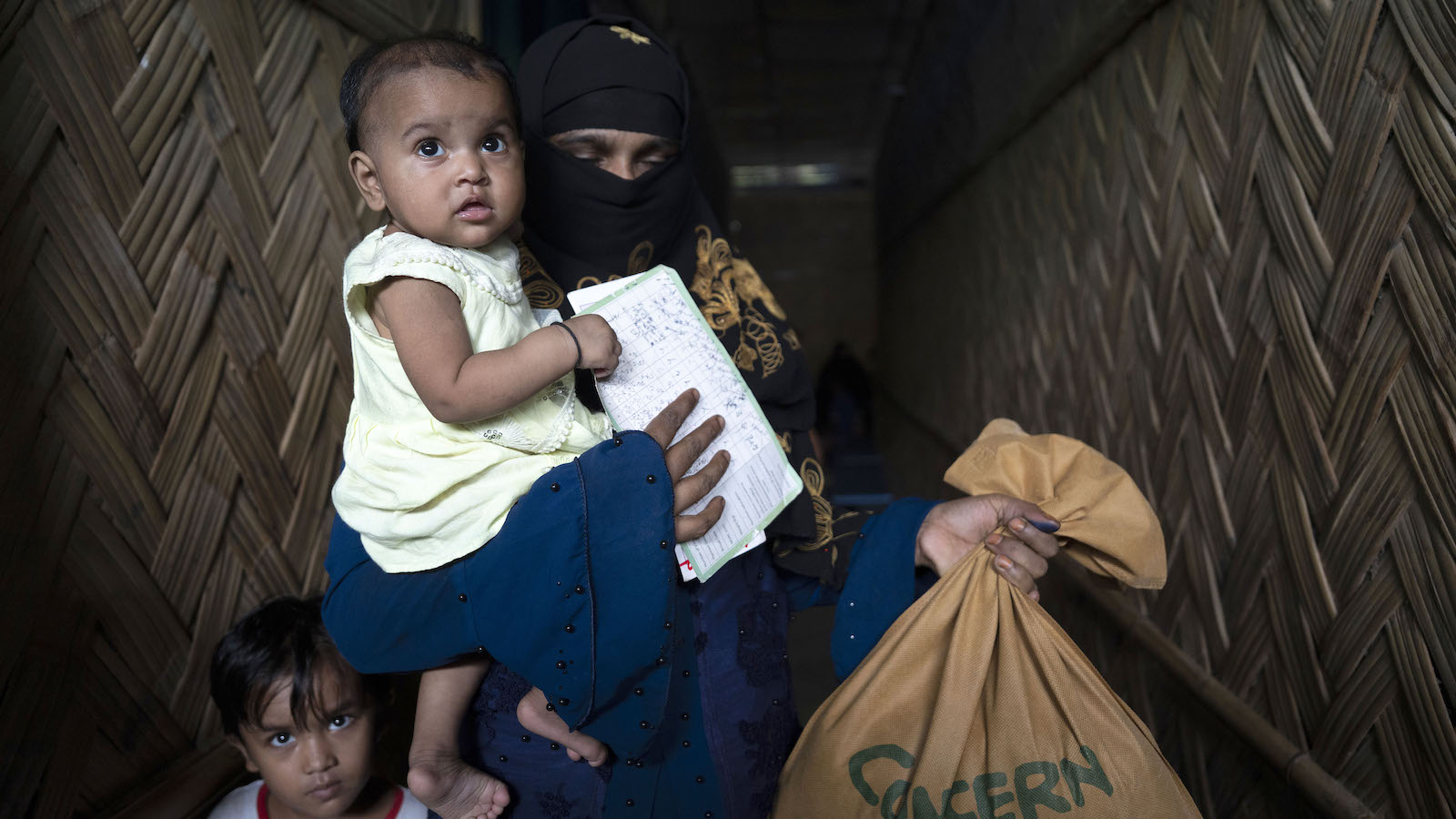
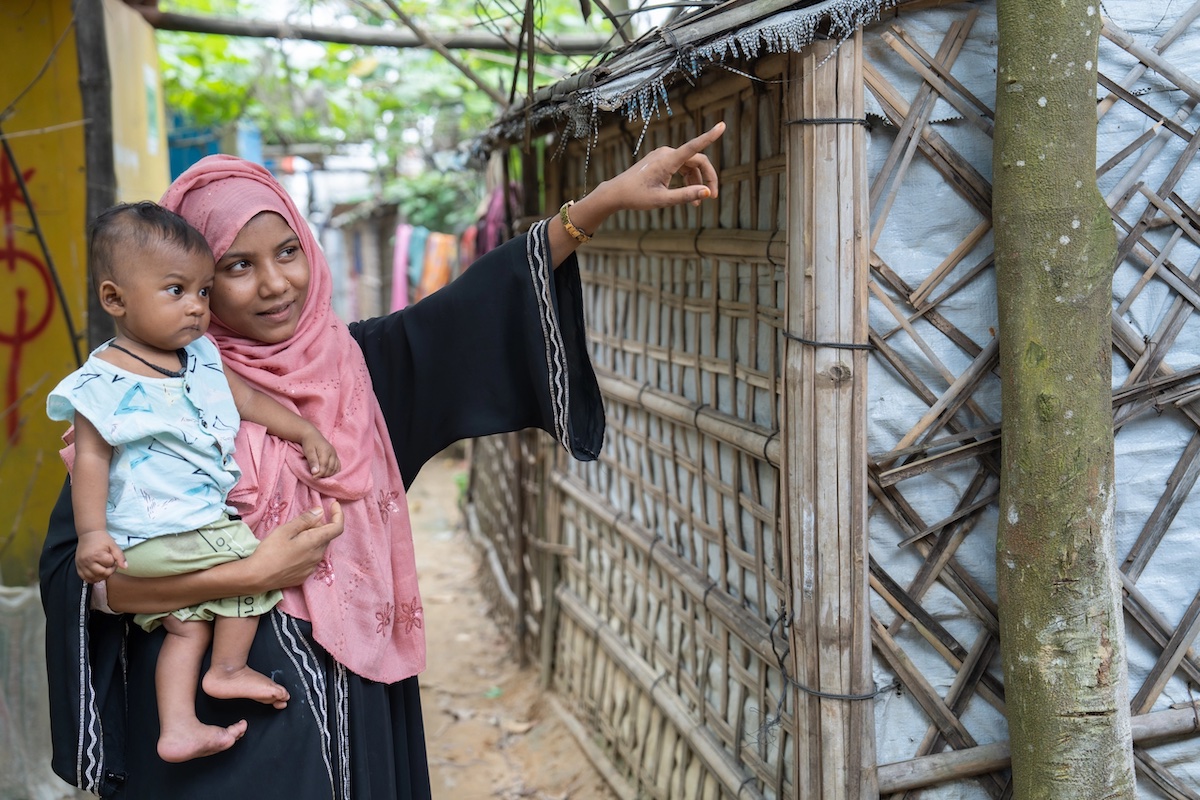
In the narrow, crowded pathways of the Rohingya Camp 4 Extension, 16-year-old Halima* was navigating something equally complex: motherhood.
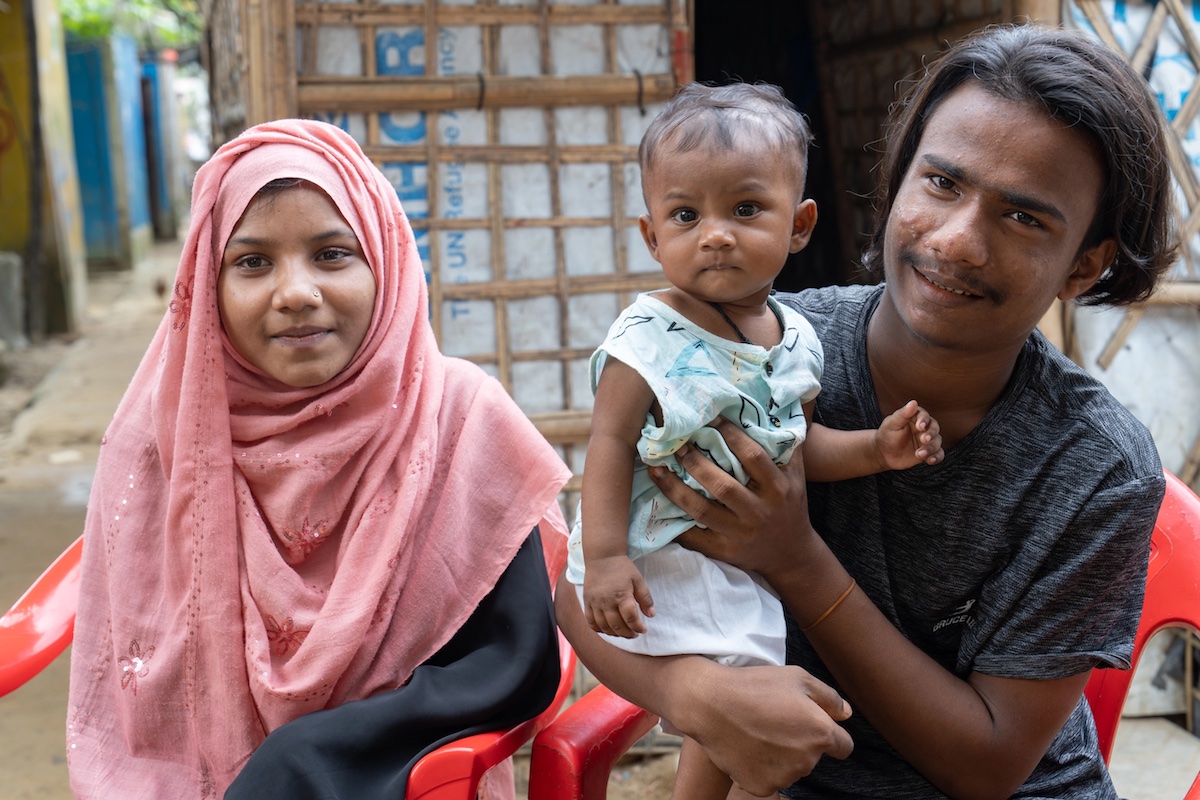
Halima and her husband, 18-year-old Anwar*, welcomed their son Yasin* with the wellspring of love that flows in new parents. However, Yasin was also born in the world’s largest refugee camp, one where all the love in the world is overshadowed by the uncertainties of displacement.
Away from home, and still young herself, Halima wasn’t sure what to do. “I did not know what food I needed during pregnancy, or how important nutrition was for my baby,” she tells us. Every new challenge Asma faced brought uncertainty about how to keep her child healthy and well-nourished.
The first two years of a child’s life are critical for their health and development, and Yasin wasn’t growing as expected. His weight and height were both below the standard, and after the first few months Halima noticed that he had become less active than before.
A door-to-door lifeline
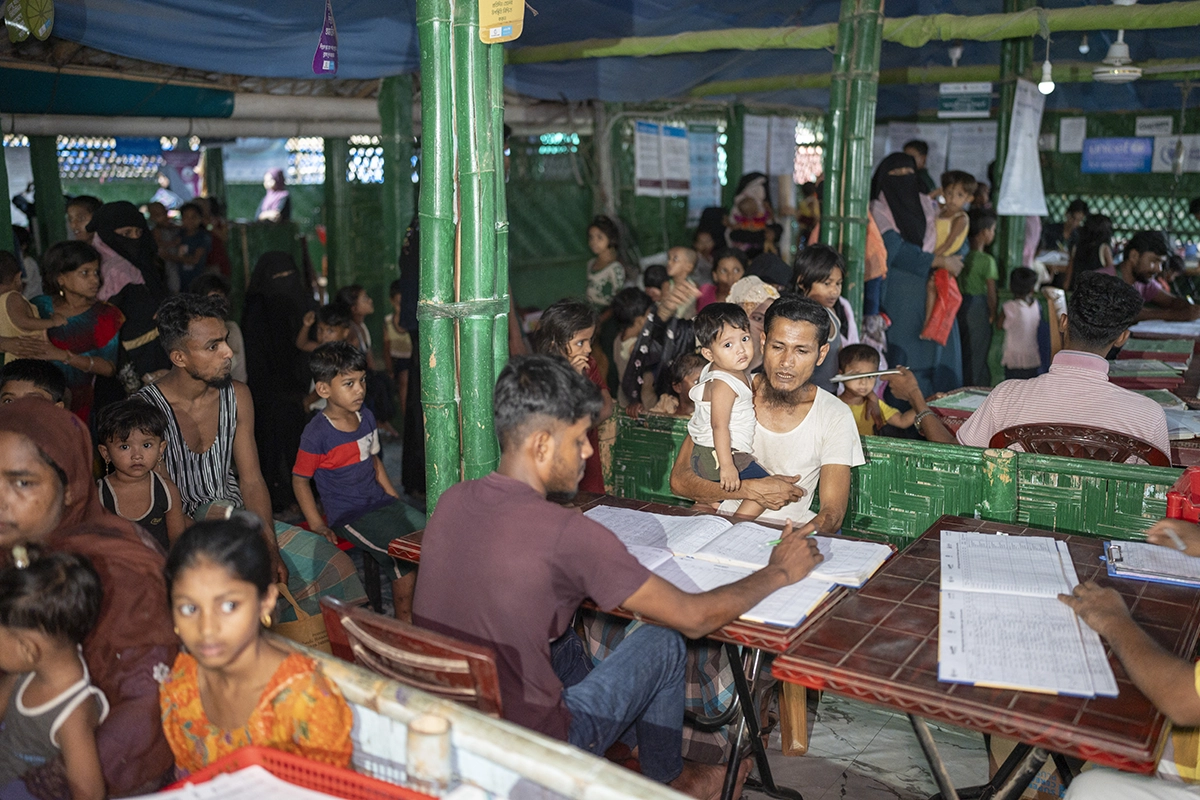
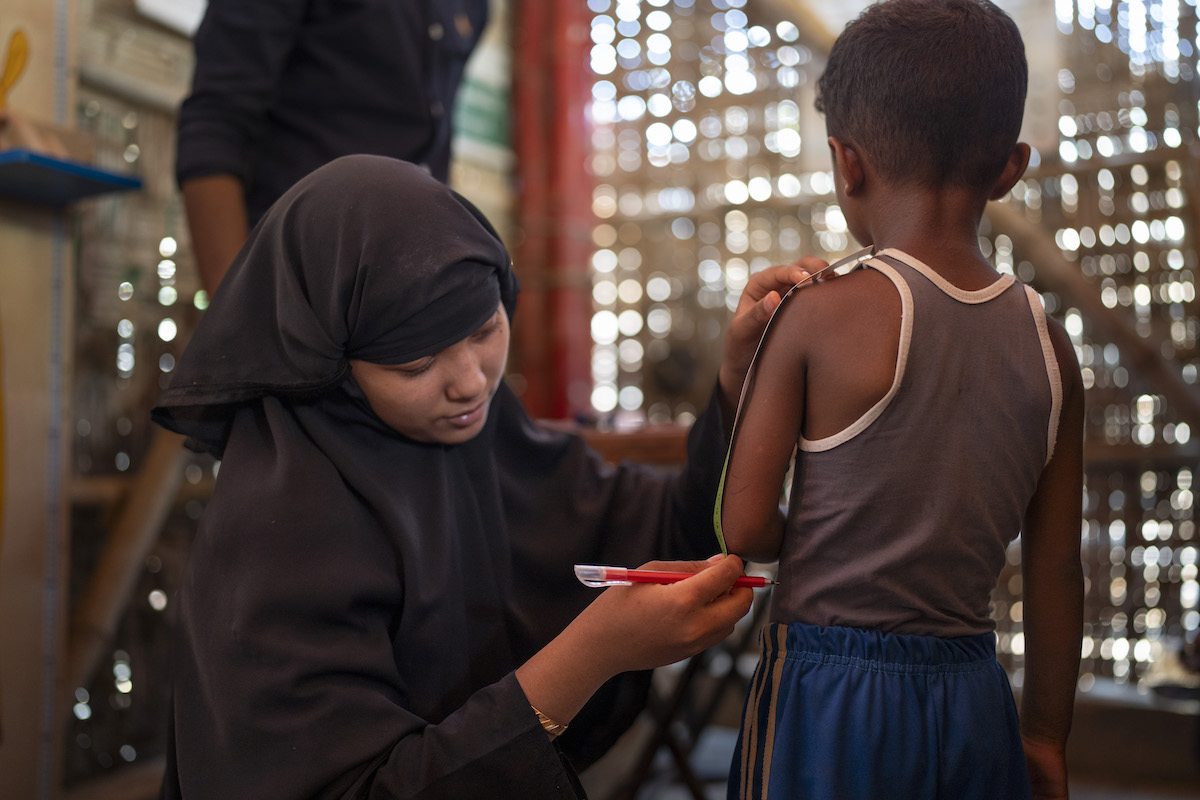
After receiving a visit from a community nutrition volunteer, Halima and Anwar brought their son to one of the camp’s Integrated Nutrition Facilities, run by Concern Worldwide, where clinic staff diagnosed Yasin with moderate acute malnutrition.
Yasin was enrolled in a targeted supplementary feeding program and received a course of therapeutic food for at-home treatment. His parents also received guidance on maternal nutrition, breastfeeding, hygiene, and best practices for feeding infants and young children.
Over the next 77 days, Yasin began to recover. He gradually regained his strength and his appetite. He became more active. His weight and height steadily increased, finally reaching a benchmark that was healthy for his age.
When we caught up with the family, he was 10 months old and thriving. He’s now enrolled in a blanket supplementary feeding program, which provides ongoing preventative nutrition support to groups of people (like children under the age of 5 or pregnant women) in areas at high risk for nutritional crises
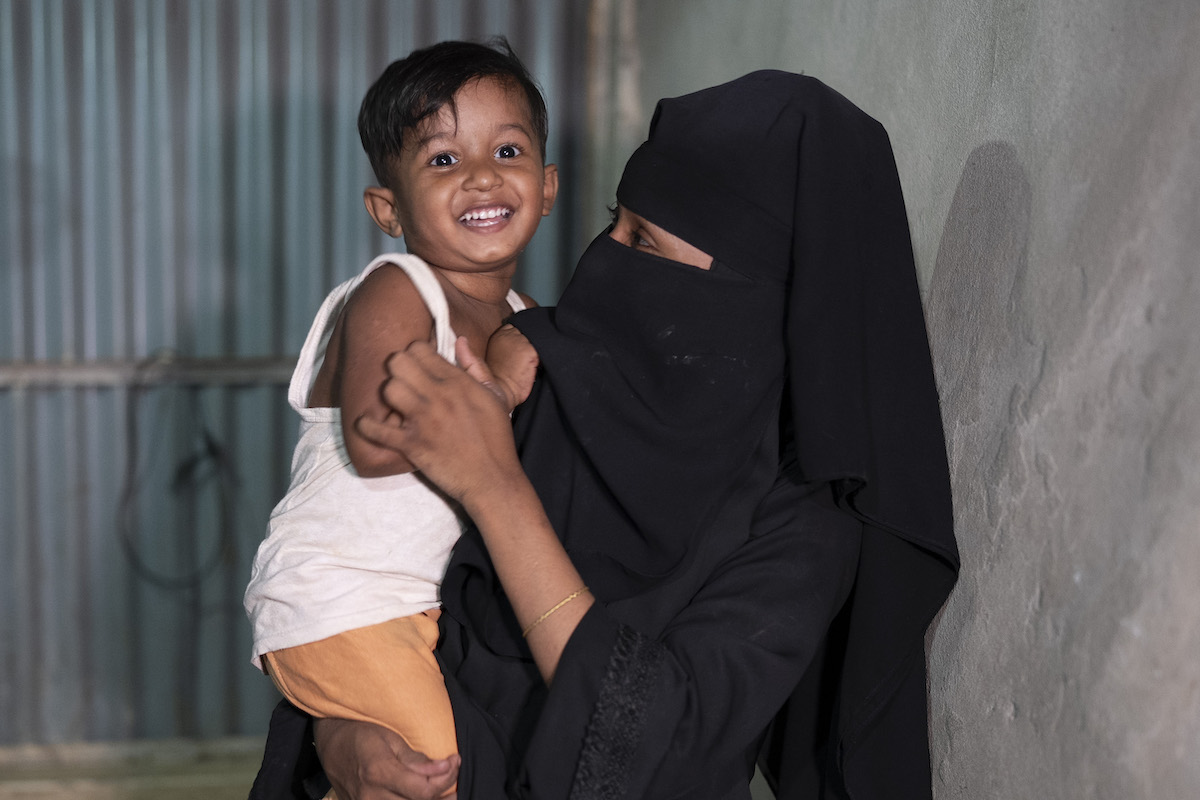
For Halima, the transformation goes beyond growth charts and benchmarks. She sees the success of Yasin’s treatment in his energy, his playfulness, and his curiosity. Waiting outside a nutrition center in the Camp 4 Extension, he greets every new arrival with bright eyes and a cheerful smile. Halima also feels the transformation in her own right, with the confidence she’s gained as a mother through the counseling she and Anwar received.
The deepening hunger crisis in Cox’s Bazar
Since the Rohingya crisis began in 2017, a secondary emergency has quietly compounded in Bangladesh. In just the first few weeks, over 750,000 refugees arrived in Cox’s Bazar to escape persecution in Myanmar’s Rakhine State. In a matter of months, this sudden, forced displacement increased the area’s population by nearly 50%, leaving local authorities and aid organizations racing to keep up with the overwhelming need for food, shelter, and other basic needs.
But what began as an immediate emergency nutrition response has since hardened into a chronic hunger crisis, one that’s taking an especially heavy toll on children. New research published in BMJ Global Health recorded a peak child malnutrition rate of 38.4% — more than double the WHO’s emergency threshold of 15%.
In 2021, the malnutrition rate for Rohingya children living in displacement in Bangladesh was 38.4% — the threshold for a nutrition emergency is 15%.
In the last two years, the situation has not improved. In early 2025, UNICEF reported a 27% increase in cases of severe acute malnutrition compared to the same period in 2024, driven by a long monsoon season, repeated food ration cuts that led to poorer diets, economic inflation, and a new surge of displacement between 2024 and 2025.
The global decline in humanitarian funding and food assistance added more pressure: In 2025, 90% of children under the age of 5 (and pregnant and lactating women) were at risk for malnutrition.
In 2025, 90% of Rohingya children and pregnant/lactating women were at risk for malnutrition.
Despite 95% of Rohingya in Bangladesh depending fully on humanitarian aid, the budget for this year’s humanitarian response plan was cut by 26% in light of persistent shortfalls, while primary healthcare and emergency food assistance remain under threat.
As a result, food insecurity and malnutrition continue to surge across the 33 camps in Cox’s Bazar. In 2025, Concern saw a 14% increase in cases of severe and moderate acute malnutrition. In 2026, the IPC estimates that 35% of Rohingya are currently experiencing crisis levels of hunger (IPC Phase 3) or higher — up from 30% at the same time last year.
The urgent need for community-based care
Behind Yasin’s recovery is more than an emergency nutrition response. Early outreach, timely screening, regular follow-ups, and additional counseling ensured that he received the right medical attention before his condition became worse.
Yasin’s diagnosis, treatment, and ongoing care are a case for the effectiveness of community-based nutrition support at a time where the need for that support has never been more urgent. Nearly 16% of Rohingya living in the camps around Cox’s Bazar are children under the age of 5 — a total of more than 190,000 as of last month. Over 27,000 were born in the last year.
In these critical first few years of life, malnutrition can come with a lifetime of ramifications if not treated in a timely manner. Most critically, children who are malnourished can face a risk of mortality 11 times greater than those who aren’t. Even those who survive can face ongoing immune deficiencies and developmental impairments.
Nearly 16% of Rohingya in Bangladesh are children under the age of 5. More than 27,000 were born in the last year.
The science behind malnutrition is clear, and the solutions are proven. Concern was even one of the organizations to initially develop and pilot what is now regarded as the gold standard for treatment, Community Management of Acute Malnutrition. Treatment using CMAM has a high cure rate at a low cost: A full course of ready-to-use therapeutic food is roughly $55.
But a $55 cure only works if it reaches a child in time. In the sprawling environment of the camps in Cox’s Bazar, bridging the gap between a life-saving treatment and the families who need it most requires a chain of care — and the funding to maintain it. Since 2017, Concern Bangladesh has built a comprehensive health and nutrition network to help ensure the chain goes unbroken.
Bringing lifesaving nutrition closer to every family
Co-funded by UNICEF, the World Food Program, and the UN High Commissioner for Refugees, Concern’s Integrated Nutrition Program in Cox’s Bazar supported more than 442,000 people in 2025. It runs through 17 Integrated Nutrition Facilities (INFs) in the subdistricts of Ukhiya and Teknaf. But treatment begins long before families reach one of these clinics.
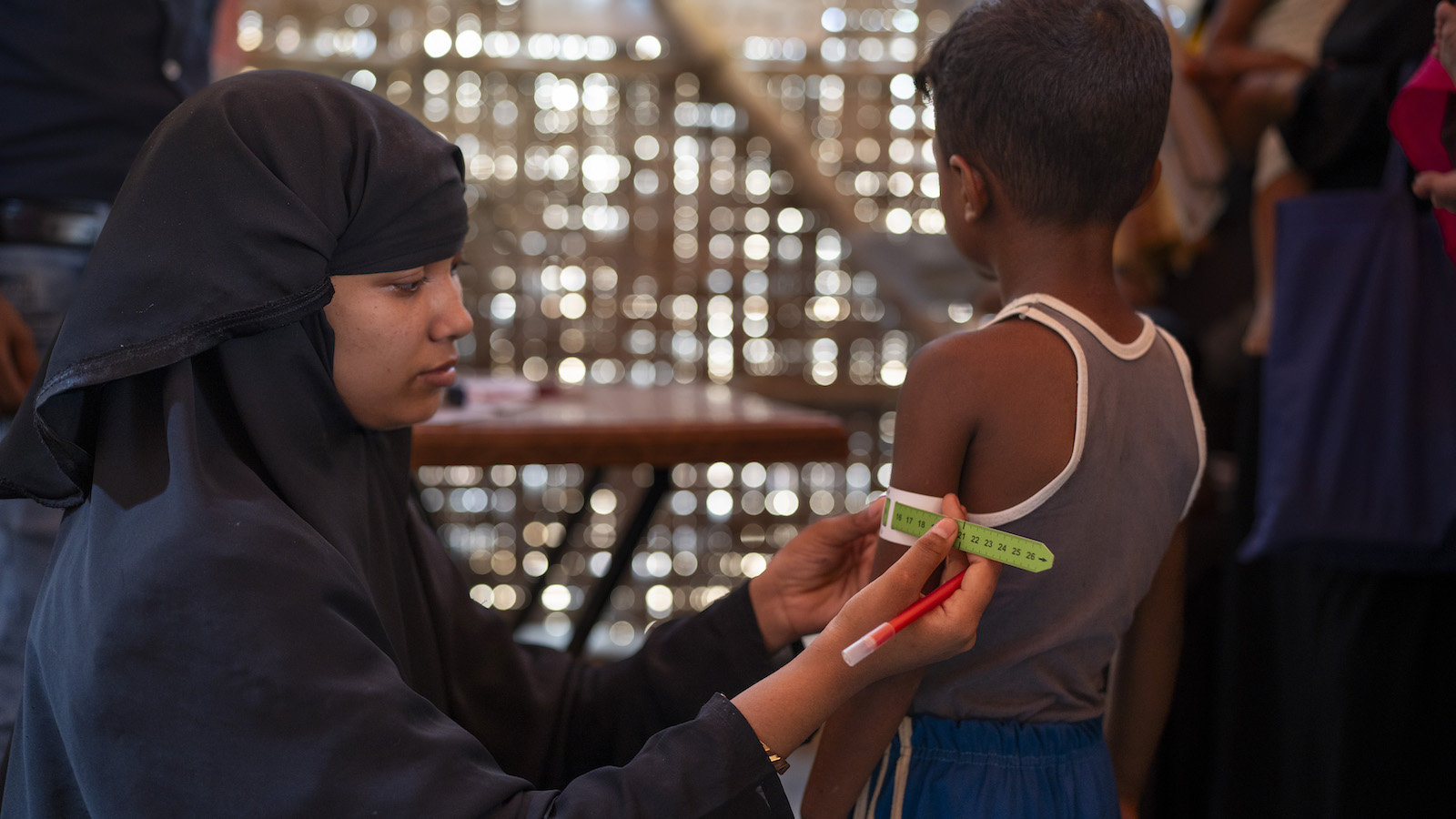
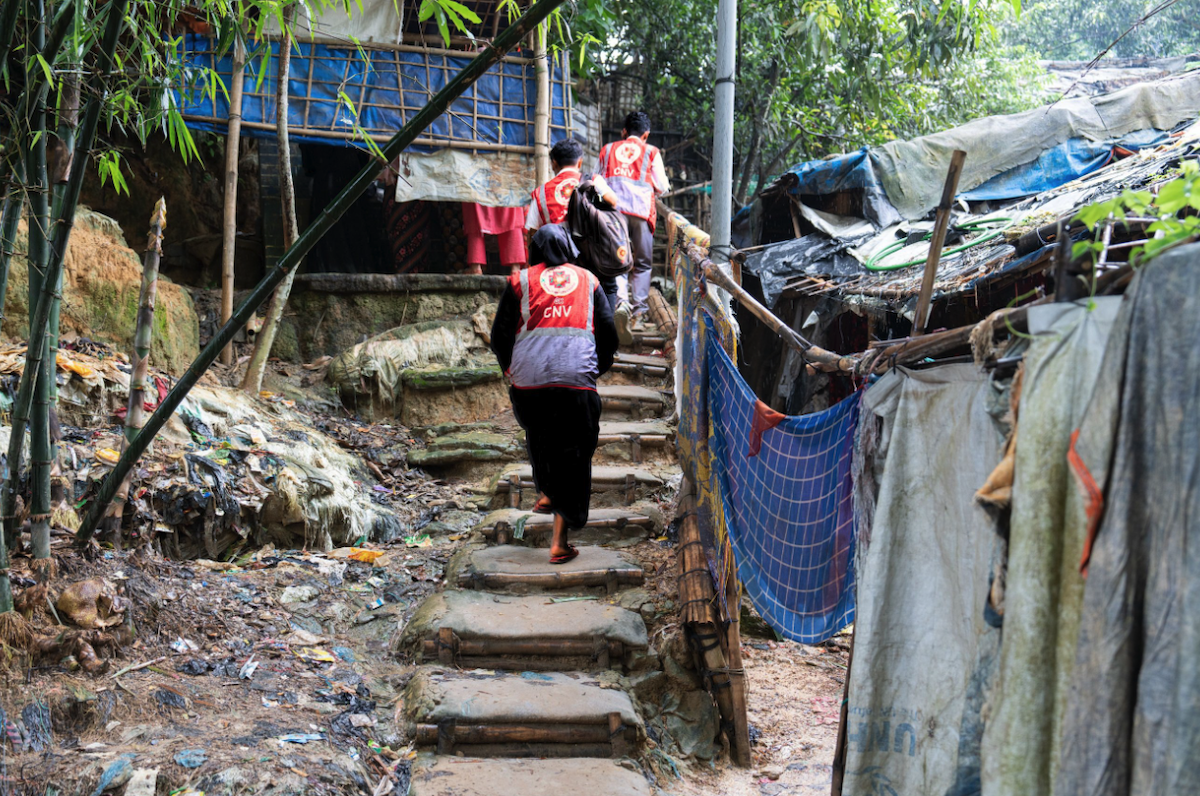
Community Nutrition Volunteers, like those who recommended the INF to Halima and Anwar, are often the first line of connection between families and lifesaving care. On door-to-door house calls, they connect with parents and caregivers and raise awareness about the free healthcare services available to them. Through these regular home visits, they also screen children for early signs of malnutrition, connect them with the specific services they need, and continue to check in on their progress.
Last year, Concern‘s Integrated Nutrition Program reached more than 442,000 people in Cox‘s Bazar.
Their work goes beyond detection: Through regular follow-ups and continued care, our Community Nutrition Volunteers help ensure that children don’t slip through the cracks, and that malnutrition is addressed before it becomes severe.
“When we go to the nutrition center, we receive all kinds of support,” says 21-year-old Melina*. “They provide everything to meet our nutritional needs.”
Cultivating resilience beyond the clinic
Melina was among the 30,000 Rohingya living in Cox’s Bazar before 2017, and was born in the Nayapara Registered Camp (where she still lives). It was in Nayapara that she gave birth to her first child, Nur*, four years ago.
The pregnancy was a difficult one, and Melina struggled with various illnesses and malnutrition. It got to the point where she couldn’t even eat rice without feeling sick.
Community health volunteers took notice and referred her to a clinic for supplemental food that met her nutritional needs as an expecting mom. But alongside the immediate support, Melina received something just as helpful for the long term: vegetable seeds.
While emergency food assistance saves lives, it’s not designed to foster long-term self reliance. Refugees in Cox’s Bazar face additional challenges as they can’t easily work outside the camps. Home gardening with quick-cycle, nutrient-dense crops on small plots of land offers a dual lifeline: a sustainable supply of fresh produce, and a way to generate an income.
Proof in the planting
Concern is scaling this agricultural approach with local partner SHED (Society for Health Extension and Development) through the IRC-led, U.S. Government-funded ShuBash consortium.
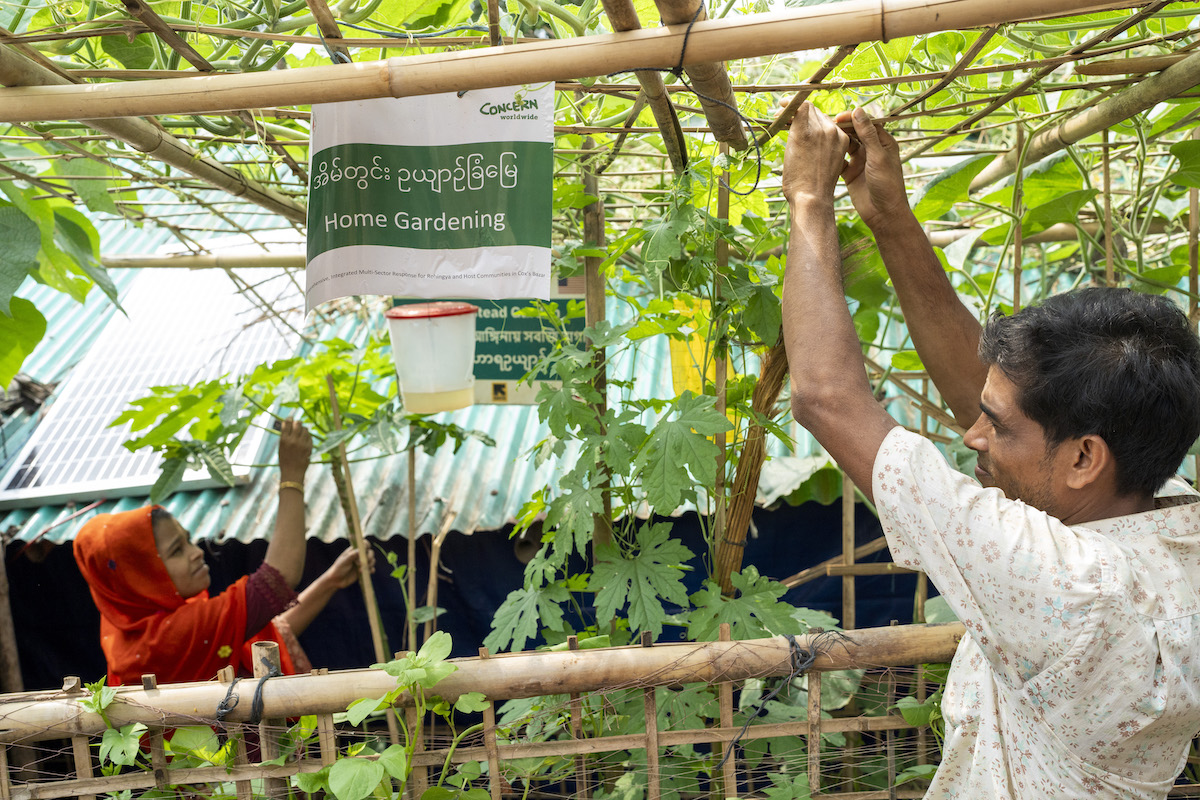
Our work with ShuBash uses an integrated approach that we’ve been adapting for several countries and contexts in recent years: Linking clinical nutrition care to long-term livelihoods and food security. Participants receive seeds, gardening tools, and agricultural training.
Because space in the camps is limited, families learn to cultivate crops in creative ways, like planting in sacks or creating rooftop gardens. They also attend cooking demonstrations to learn how to make child-friendly recipes with their new harvests and standard food rations.
Rohingya families participating in Concern’s home gardening program saw a 66% improvement in their overall food security.
The proof of this approach is in the numbers: A 2026 study for Food Policy evaluated Concern’s home-gardening work in Bangladesh: Participating families saw a 66% improvement in overall food security, and participating camps saw a 57-percentage point rise in families growing their own produce.
The study showed benefits beyond the quantifiable: For women like Melina, these small patches of green provide a rare sense of agency, personal joy, and a touch of beauty to their homes in a setting where so much remains outside of their control.
The Rohingya Crisis: Concern’s response
Concern was one of the first organizations to respond to the mass displacement in Bangladesh. Over the last nine years, we have worked with hundreds of thousands of Rohingya refugees, providing nutrition support, healthcare services, child protection, and livelihoods programming. At the same time, we have worked with the host community in Cox’s Bazar to maintain their own food, nutrition, and financial security.
Last year, we continued to focus on improving health and nutrition outcomes within the camps. Across 17 nutrition centers, we supported 317,000 Rohingya by managing cases of acute malnutrition, providing psychosocial support, and helping families to set up their own home gardens (thereby improving daily food security).
More broadly, through both our Integrated Nutrition Support program and our work with the ShuBash consortium (partnering with fellow NGOs including the IRC and Bangladesh’s Society for Health Extension and Development), we reached a total of 442,000 Rohingya and host community members. These initiatives delivered life-saving emergency relief while also supporting long-term resilience, allowing families to both meet their immediate needs and build for a better future.