A safer start in South Sudan
Jun 29, 2026
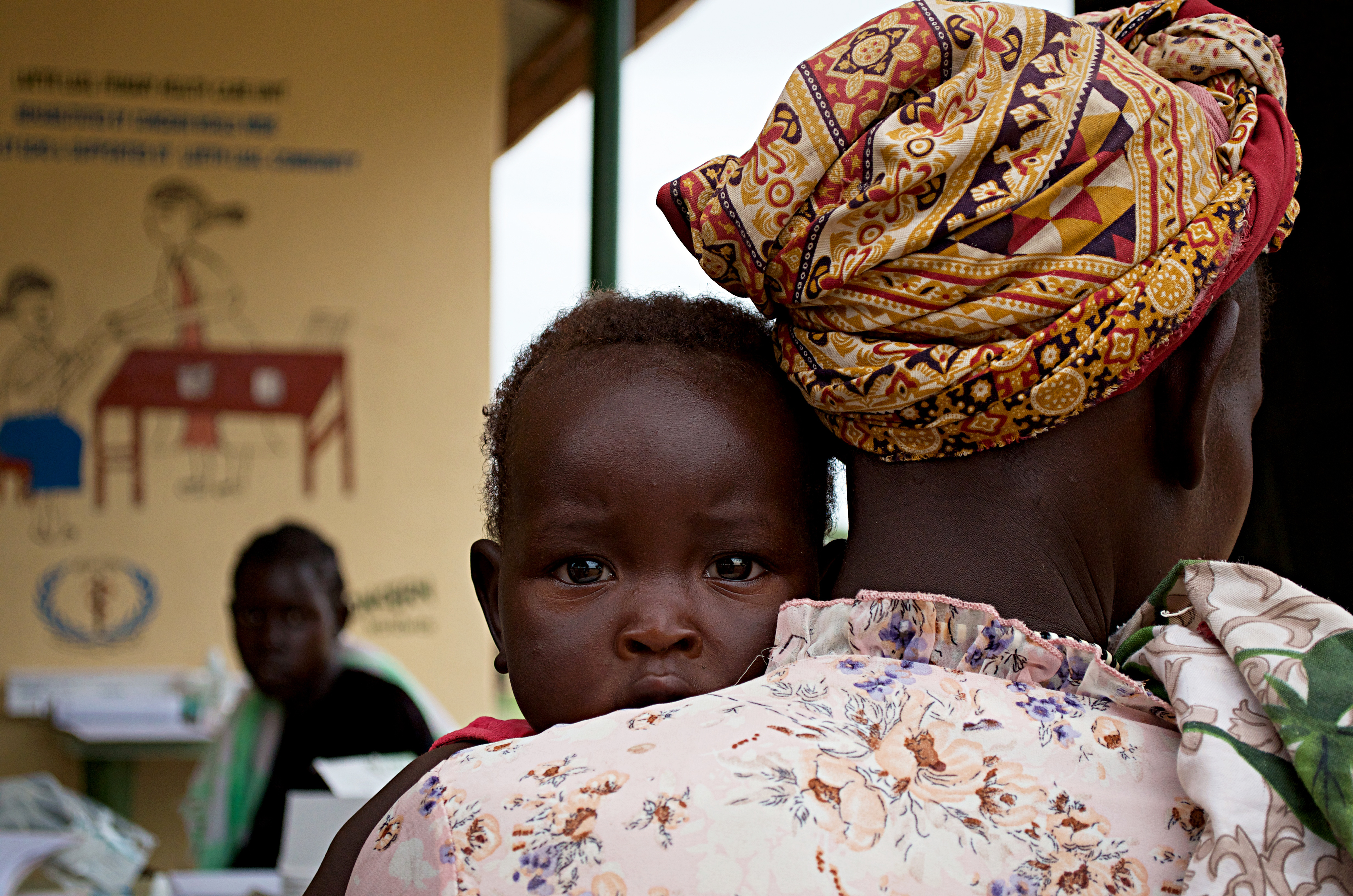
For many women in South Sudan, childbirth has long come with impossible choices. Here's why mothers in Panyijiar County no longer have to face childbirth alone.
For many women in Panyijiar County, childbirth has long come with impossible choices.
When labor began, expectant mothers often delivered at home with the help of family members or traditional birth attendants. If complications arose, the nearest health facility could be several hours away — reachable only by canoe or on foot across flood-affected terrain. For many families, the journey was too dangerous, too expensive, or simply impossible.
Today, that is beginning to change.
With support from the South Sudan Humanitarian Fund, Concern Worldwide is providing primary healthcare services through facilities in Yup and Kaidak, bringing skilled maternal healthcare closer to communities that have historically had little or no access.
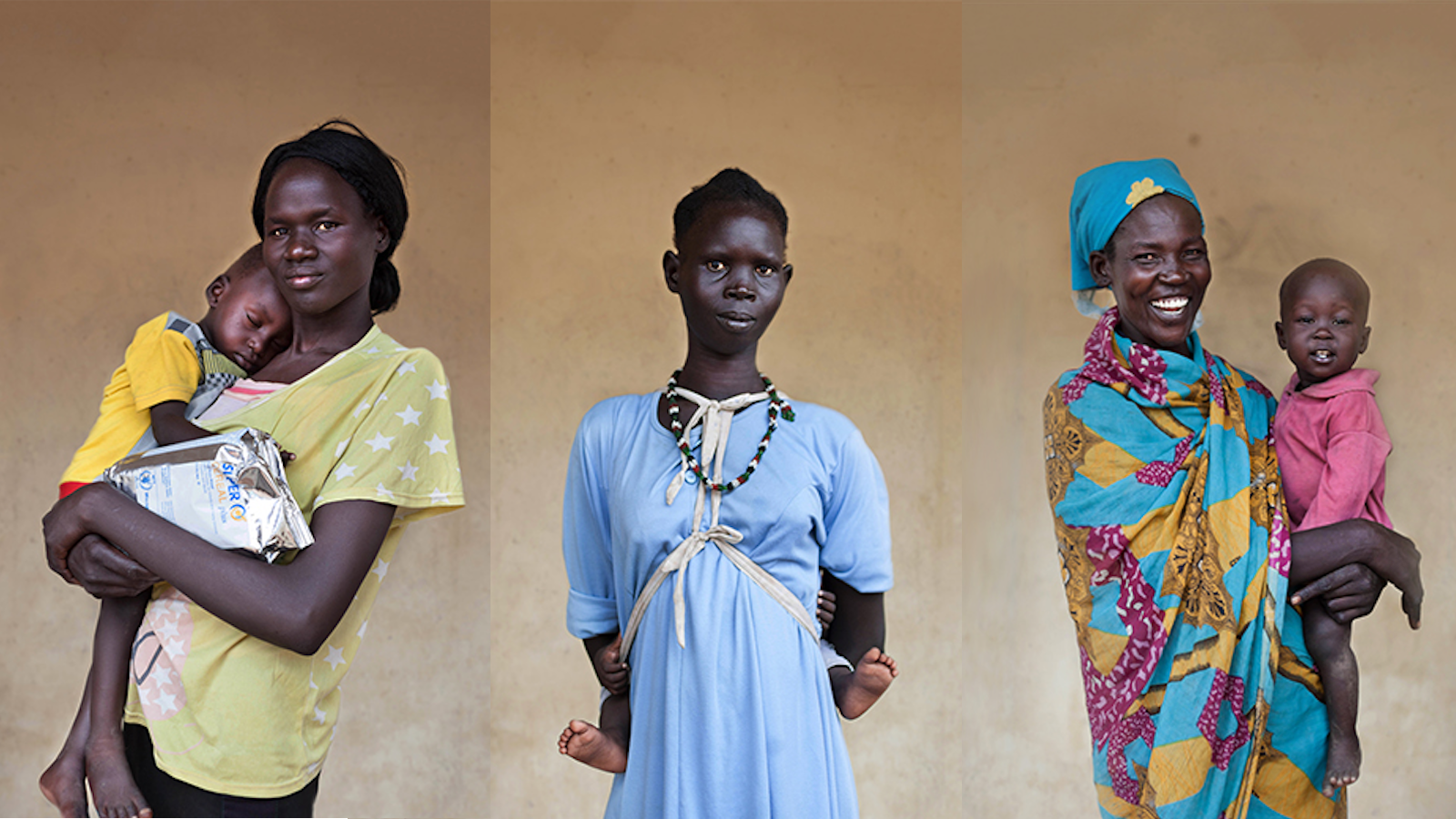
For 24-year-old Nyanyula*, the difference was life-changing.
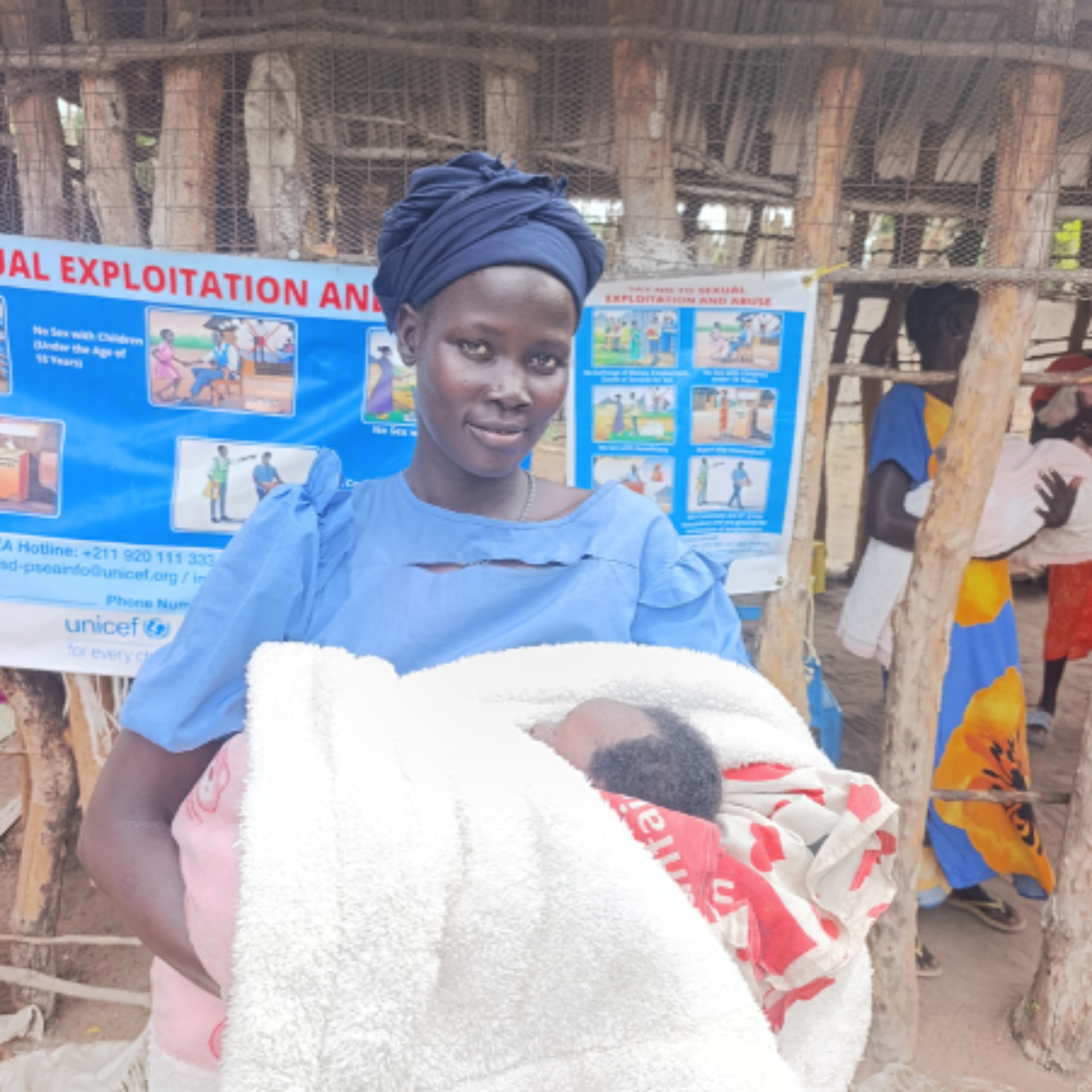
During her pregnancy, she attended prenatal care appointments at the nearby health facility, where health workers explained the importance of delivering with skilled birth attendants. When labor began, her family walked with her to the facility.
"I experienced severe pain and became worried about my baby," she recalls. "The midwife welcomed me, assessed my condition, and reassured me that I was in safe hands."
Throughout labor, the midwife monitored both mother and baby, providing medication, encouragement, and continuous care. After a safe delivery, Nyanyula and her newborn remained under observation before returning home the following day. Her baby received essential newborn care, including vaccinations, eye treatment, and support to begin breastfeeding immediately after birth.
"I felt safe, respected, and well cared for throughout the process," she says.
Just a few miles away in Kaidak, 21-year-old Nyabora* experienced something similar.
Like many first-time mothers in her community, she once expected to give birth at home because skilled delivery services simply did not exist nearby. Instead, after attending prenatal appointments, she was encouraged to deliver at the local health facility when labor began.
"Our experience was very positive," she says. "Although labor was painful and frightening, the midwives continuously reassured and supported us. They monitored our condition, provided medication, and ensured our babies were delivered safely."
For both women, giving birth safely close to home represented something their communities had not previously experienced.
Before these facilities were established, mothers often relied on traditional birth attendants or attempted long journeys to distant health centers, travelling for hours by canoe or on foot while in labor. Michael Majay Maker, Clinical Officer in Charge at Yup PHCU Plus, has seen firsthand what access to local healthcare means for families.
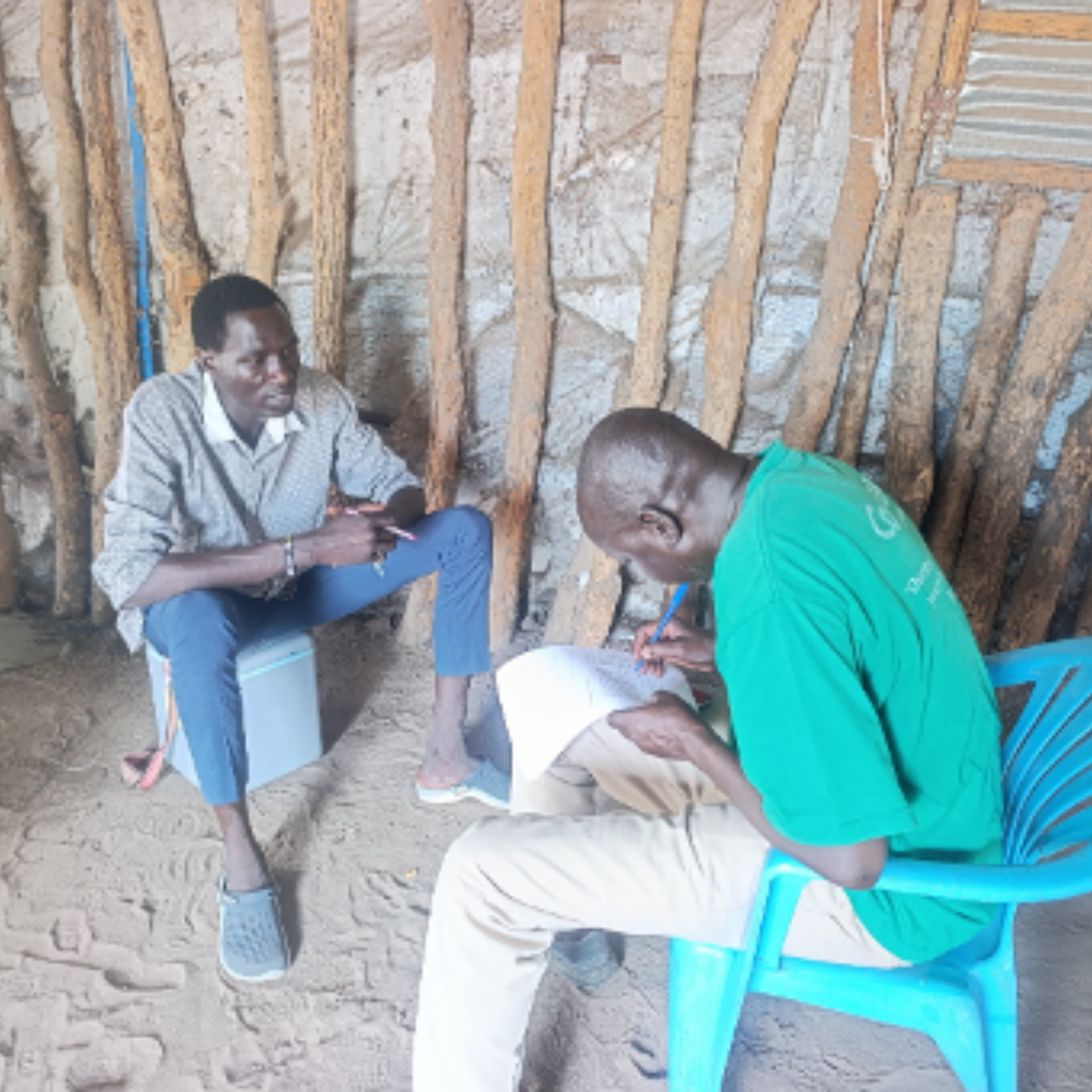
"The establishment of a health facility in Yup has greatly improved access to healthcare," he explains. "Previously, community members had to travel long distances by canoe to reach medical care. Having a health facility within the community has reduced delays in seeking care and improved access to lifesaving services."
The impact extends beyond safe deliveries.
The facilities provide prenatal and postnatal care, childhood immunizations, nutrition screening and treatment, outpatient consultations, health education, and referral services for patients requiring higher levels of care. When emergencies occur, Concern coordinates transportation by canoe so patients can safely reach referral hospitals.
Challenges remain. Flooding continues to isolate communities, while families still face shortages of food, clean water, medicines, and livelihood opportunities. Yet mothers like Nyanyula remain hopeful.
"I hope more mothers can safely deliver with skilled health workers," she says. "I hope our children can have a healthier future."
Every safe delivery represents more than the birth of a healthy baby.
It represents a mother who no longer has to choose between giving birth at home without skilled care or risking a dangerous journey in search of help. It represents a community where lifesaving healthcare is becoming part of everyday life rather than a distant possibility.
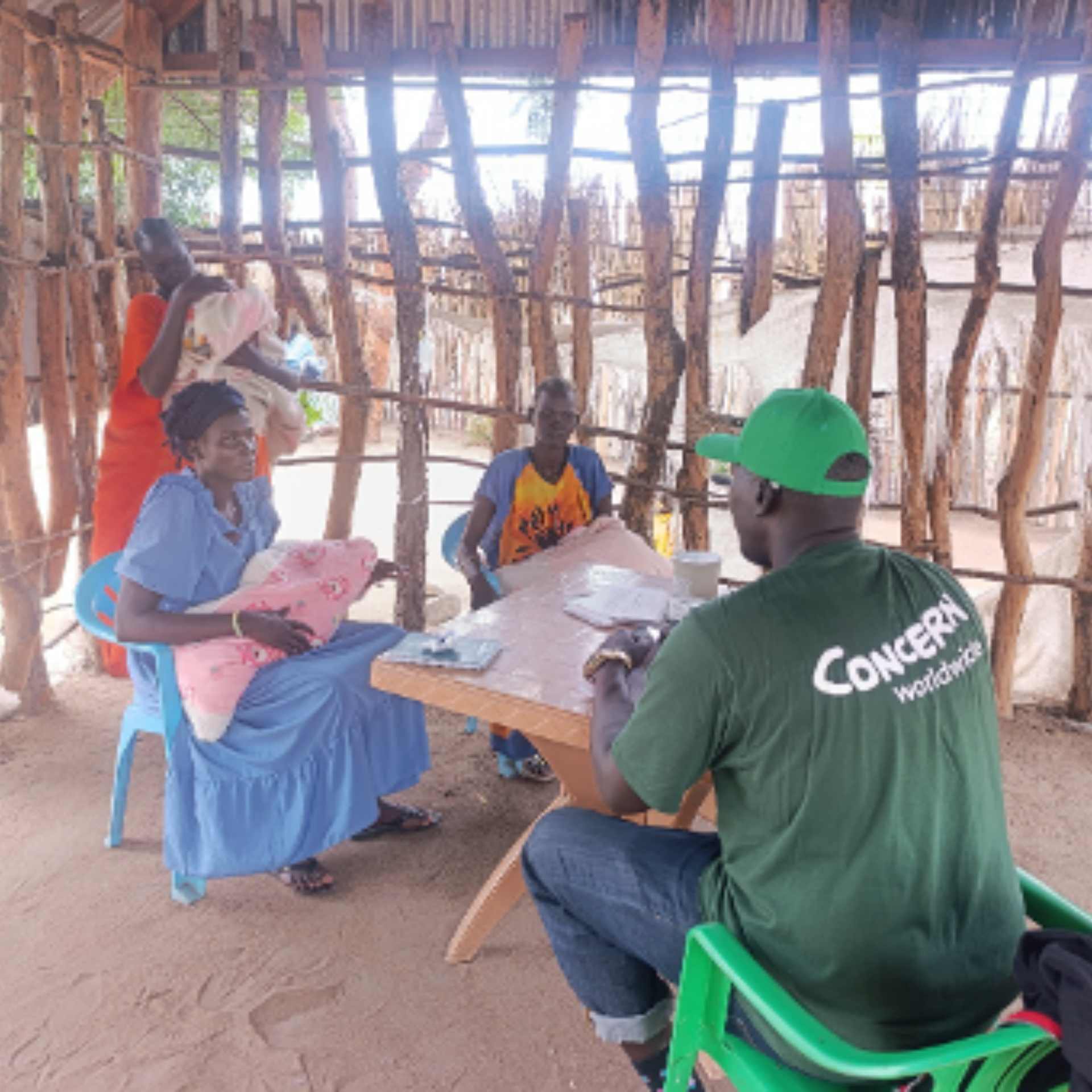
Supported by the South Sudan Humanitarian Fund, Concern Worldwide continues to work alongside communities in Panyijiar County to ensure more mothers and children have access to the care they need — close to home, when it matters most.
*Names have been changed to protect the identities of participants.
Concern’s work with maternal and child health
From womb to world, the first 1,000 days of a child’s life are a critical window, and one that begins with their mothers. Concern’s work in maternal and child health includes a focus on ensuring that expectant mothers get the nutrients and care they need during pregnancy, leading to a healthy birth and the support their babies need through to their second birthday (and beyond).
Many factors play a role in this, including nutrition, hygiene, sanitation, access to healthcare, and shared knowledge within a community. We work within communities and individual families to ensure that they have the tools to navigate the challenges of pregnancy, childbirth, and postnatal care in countries where health systems are overwhelmed or not accessible. We work with community health volunteers and mobile clinics to make care accessible even in remote areas. We support new mothers and their babies with our standard-setting program, Community Management of Acute Malnutrition (CMAM).
We also look for ways to incorporate maternal and child health goals into larger programs and for innovative solutions to unique challenges. One of our past projects, Innovations for Maternal and Child Health, saw several community-designed initiatives incorporated into larger national systems, where they continue to save lives to this day.