The world’s 10 poorest countries in 2026, in context
Jun 4, 2026

At Concern, we go where we are needed most in our fight against extreme poverty. But where is that, exactly? And what’s causing high levels of poverty in those countries?
Ranking the poorest countries in the world isn’t as simple as total wealth, gross national income, or gross domestic product. However, Concern and many fellow NGOs and organizations can agree that there are some countries that face the greatest challenges to ending poverty. These include the ten listed below, from Yemen to Niger to South Sudan, as based on the UN’s 2025 Human Development Index (HDI).
What all of these countries have in common is what we call multidimensional poverty, meaning that people face multiple and intersecting crises like climate disasters, active conflict, and a lack of infrastructure. Taken together, these circumstances create a cycle of poverty that’s hard to break. Read on to learn more.
10. Yemen: The impact of more than a decade of conflict
At a glance: More than a decade of conflict has led to 83% of Yemen’s population living below the poverty line, making it the poorest country in the Middle East.
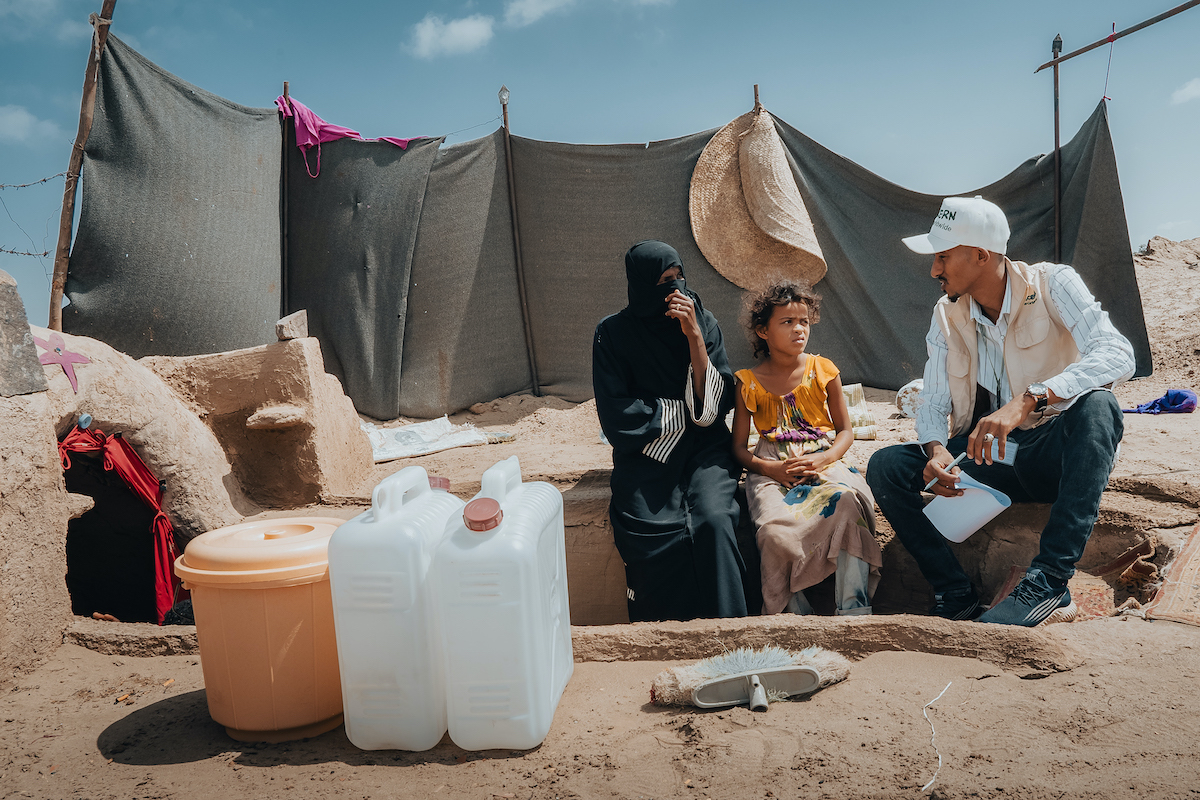
Conflict invariably leads to severe economic contractions. In tandem with inflation, many civilians in Yemen are left without steady work, salaries, and social safety nets. A UN-brokered truce in 2022 led to some improvements in the economy, however a blockade on oil exports in 2023 undid that work. Addressing the historical economic inequalities within this country will be one key to creating lasting peace.
» Learn more about the crisis in Yemen
» Learn how you can help Yemen
9. Sierra Leone: Long-term recovery and recent setbacks
At a glance: Sierra Leone is still feeling the effects of several crises over the last 20 years, with 26% of the country living in poverty.
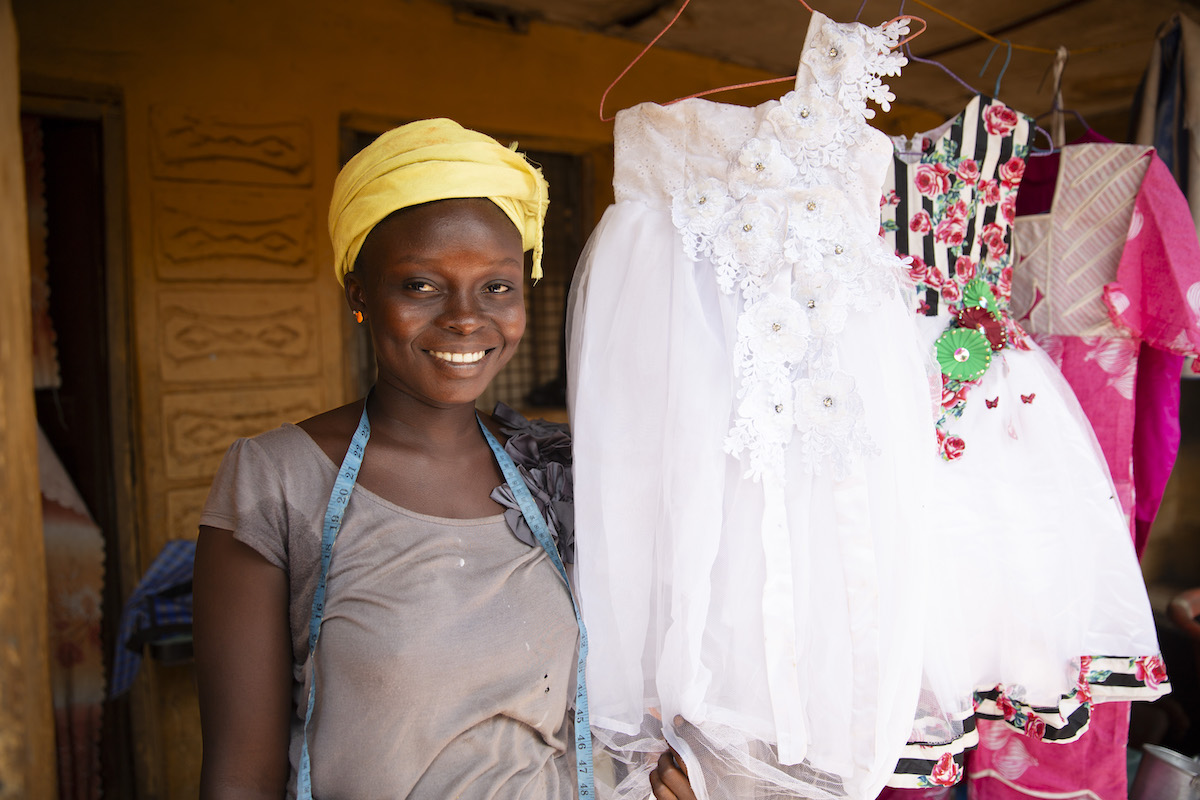
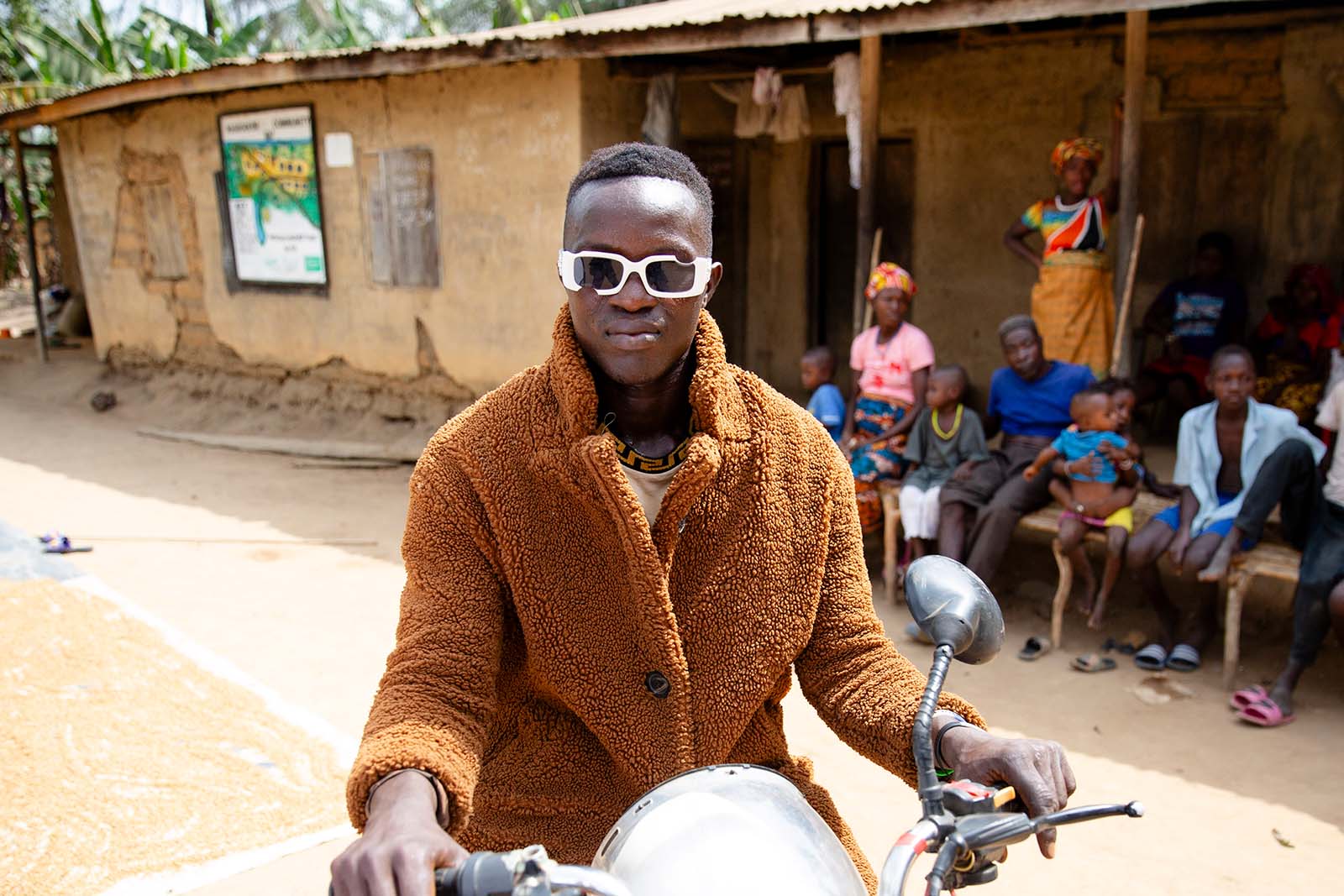
Sierra Leone’s decade-long civil war ended in 2002. Nearly 25 years later, however, the effects of that conflict are still being felt when it comes to poverty and development. The country has also faced further crises including the world’s largest Ebola epidemic from 2014 to 2016 and the knock-on effects of COVID-19 lockdowns. The World Bank recorded a dramatic increase in inflation rates between 2021 (11.9%) and 2022 (27.2%). An estimated 26% of Sierra Leoneans live below the international poverty line across the country, and that figure jumps to 60% in rural areas.
» Learn more about Concern’s 30 years of work in Sierra Leone
8. Burkina Faso: Limited natural resources and ongoing instability
At a glance: A humanitarian crisis in Burkina Faso has gone largely ignored by the international media but has forced 43% of the country into poverty.
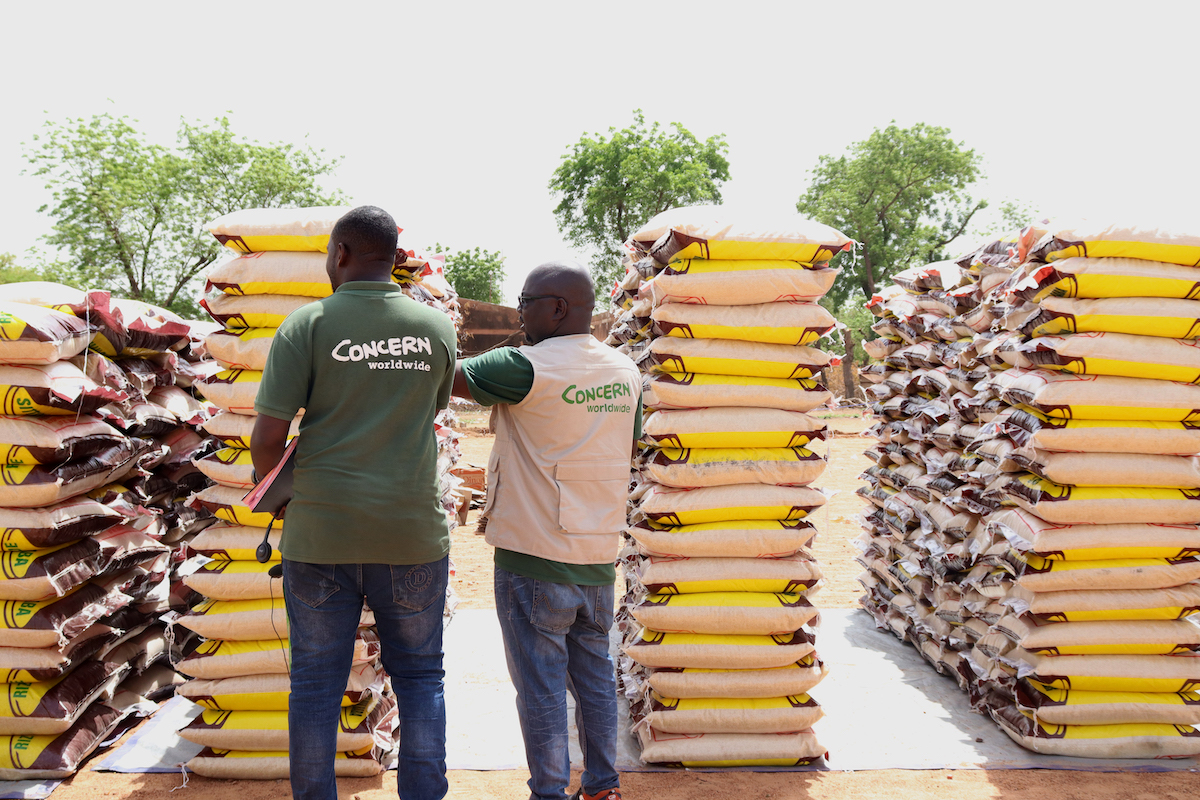
Burkina Faso is an example of what happens when humanitarian crises become “forgotten” (that is: overlooked and underfunded). Political unrest, conflict, and climate crises have left the country facing its worst humanitarian crisis in history. Last year’s humanitarian response plan, however, was less than 35% funded. With limited natural resources and ongoing regional instability, more than 43% of Burkinabè are living below the poverty line, and humanitarian aid can only go so far. Lasting improvement in poverty rates hinges on how well the security situation holds.
» Learn more about the crisis in Burkina Faso
Stand with Concern in the fight against poverty
7. Burundi: In the shadow of conflict and climate
At a glance: Burundi is still recovering from a 12-year civil war while also dealing with new crises that have left 63% of its population below the poverty line.
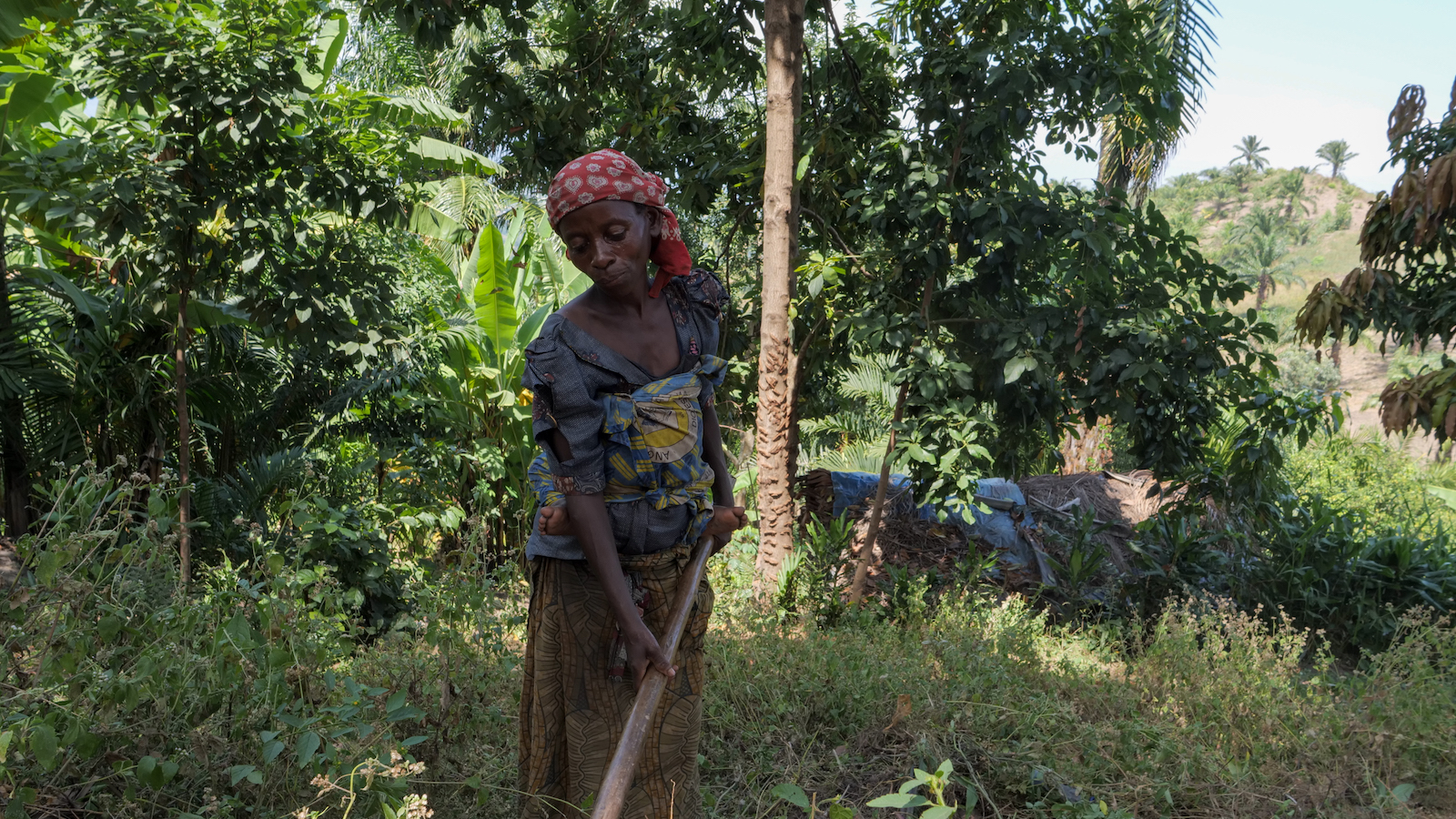
A landlocked country in east Africa bordering Rwanda, the Democratic Republic of the Congo, and Tanzania, Burundi is one of the most densely-populated countries in the world. Roughly 63% of that population lives below the poverty line, and many are still recovering from a bloody civil war that ended in 2005. In that time, Burundians have also faced multiple natural disasters and climate extremes that have carried an outsized impact for a country that is 80% agrarian.
Burundi has seen some sustained economic growth in recent years, and estimates indicate that the country will be classified as “developed” by 2060. However, as the World Bank notes, reaching this milestone will require continuing structural and financial reforms.
» Learn about Concern’s work in Burundi
6. Mali: Caught between national and regional conflict
At a glance: More than a decade of conflict at both the regional and national level has pushed 20% of Malians below the poverty line.
The fourth-largest country in Africa, Mali’s capital of Timbuktu once flourished as a global trading post. Today, however, the country faces similar challenges as neighboring Burkina Faso and Niger amid a security crisis in the Sahel. The last 13 years of conflict in both the country and the wider region has led to rapid increases in poverty levels. Mali is also extremely vulnerable to environmental challenges, and still recovering from many of the impacts of the 2020 pandemic. Taken together, these factors have led to 20% of the country living below the poverty line.
5. Niger: Progress struggling to outpace challenges
At a glance: Niger has made tremendous progress towards reducing poverty levels, but 45% of its population is still caught in the cycle of poverty amid multiple challenges.
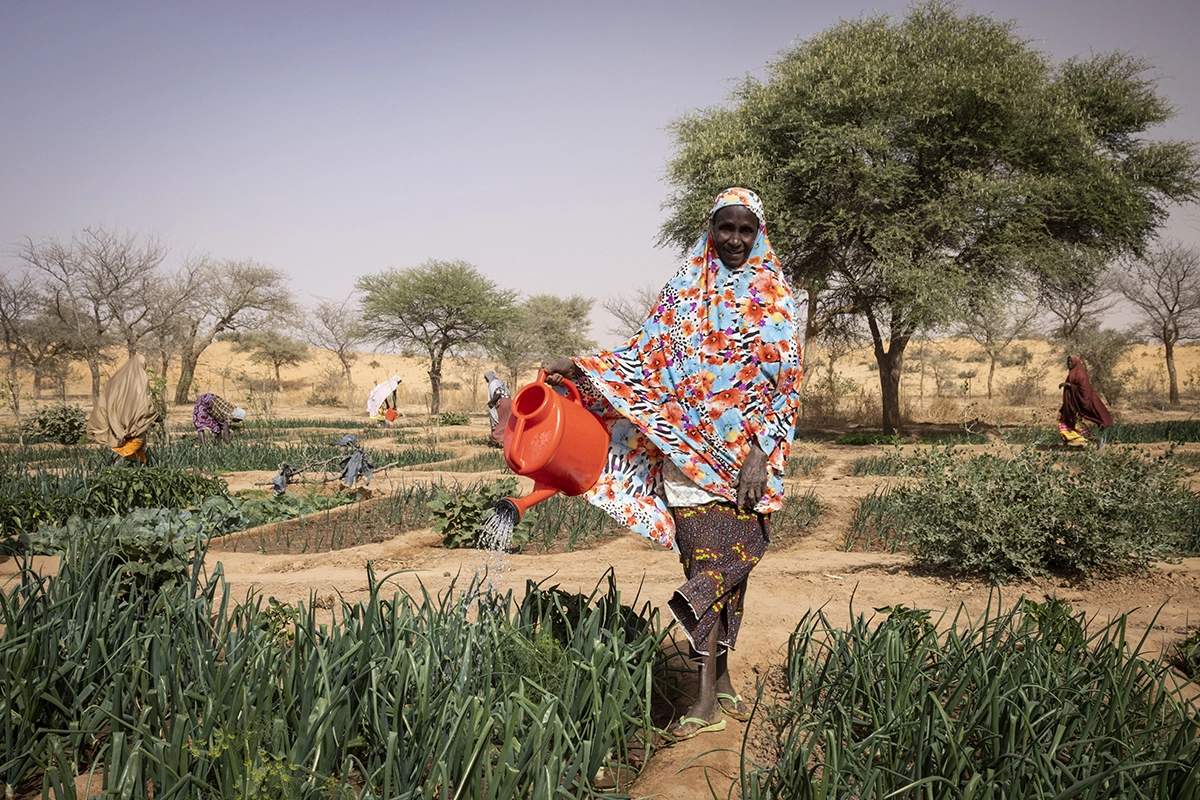
According to the World Bank, the percentage of Nigeriens living in poverty in 2025 sat at just over 45%. Experts estimate that the poverty rate will drop to just under 36% by 2027, thanks to progress in the agricultural and oil industries (the poverty rate was more than 52% in 2023). However, Niger is also facing ongoing security, funding, and climate challenges—all of which place the greatest stress on the most vulnerable people via inflation and a rising cost of living.
» Learn more about Concern’s work in Niger
4. Chad: A lack of infrastructure amid a rise in regional instability
At a glance: Local and regional conflict, combined with a lack of infrastructure, have left 45% of Chad facing poverty.
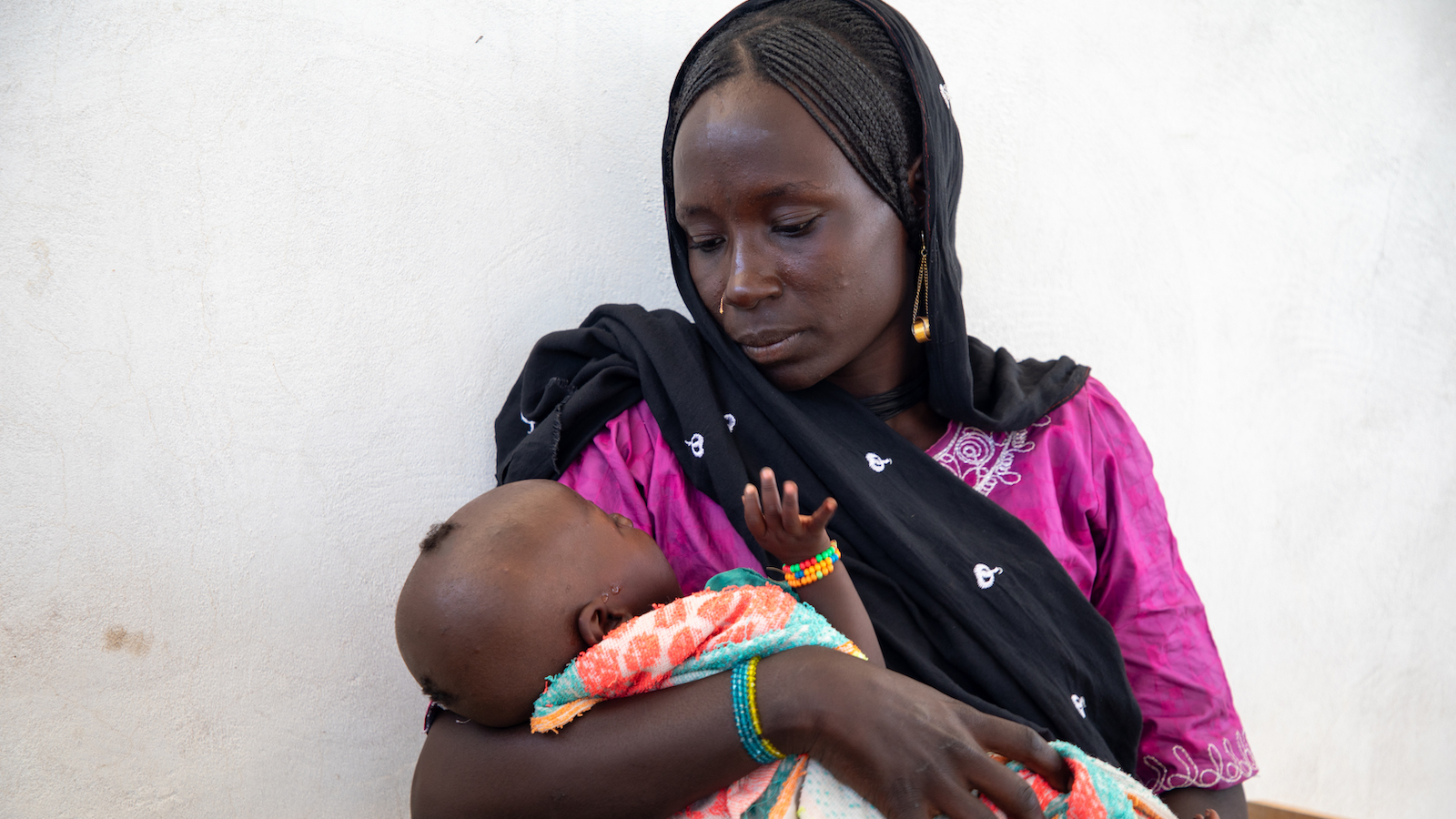
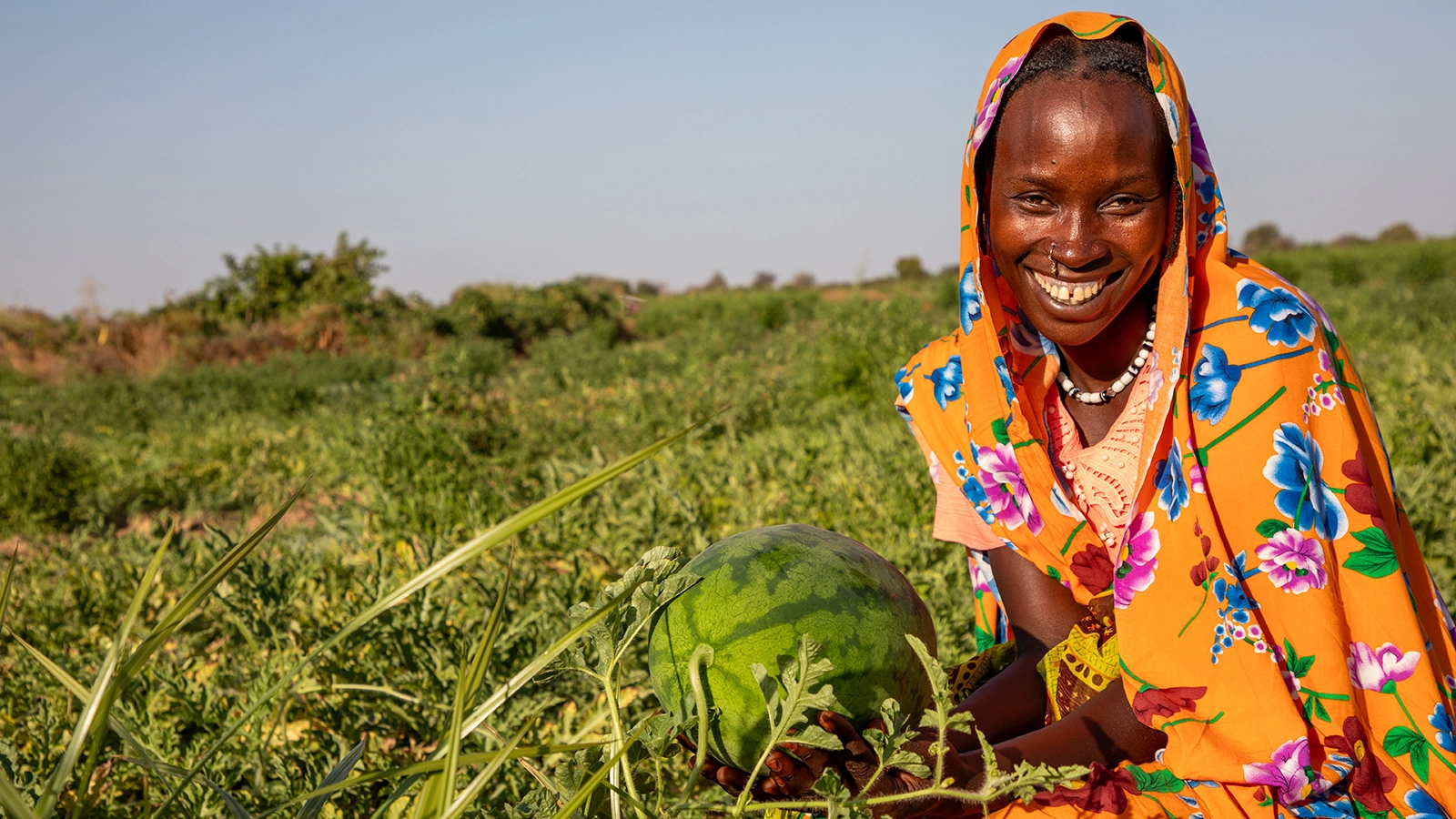
Despite a $4 billion pipeline that links the country’s oil fields to coastline terminals, Chad is one of the world’s poorest countries. Much of this comes down to a lack of infrastructure and the effects of both local and regional conflict, which leave nearly 45% of Chadians living below the national poverty line.
The neighboring crisis in Sudan has complicated matters. Chad has become a major host community for refugees and returnees fleeing conflict and living in cramped displacement camps and communities without access to essentials like water and healthcare. This is one of several barriers the country faces to ending poverty, including internal and regional insecurity and various climate shocks.
» Learn more about Concern’s work in Chad
3. Central African Republic: A fragile peace amid flooding and fuel shortages
At a glance: More than a decade of conflict in the Central African Republic may have passed, but 70% of the country is still living below the poverty line.
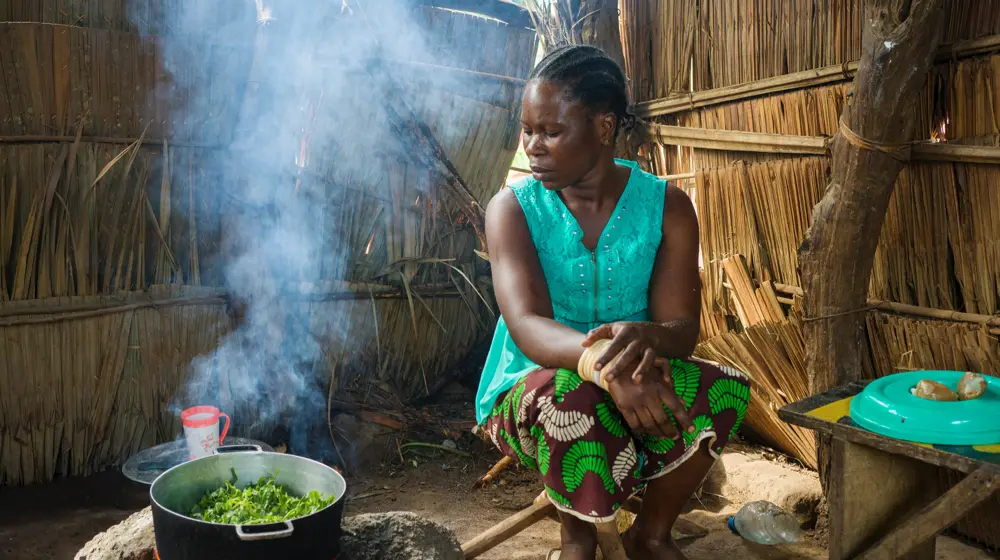
Over a decade of violence in the Central African Republic may have passed, but the country has not yet been able to enjoy the full dividends of peace. Sporadic violence in certain areas, combined with climate and economic issues, continues to hinder reconstruction and development. In 2022, the World Bank reported that economic activity had “ground to a complete halt” following major flooding and fuel shortages. Most recent reports estimate that 70% of the country is still living in poverty.
» Learn about Concern’s work in the Central African Republic
2. Somalia: A decades-long cycle of interdependent crises
At a glance: Roughly 60% of Somalia lives below the poverty line due to decades of conflict, drought, and displacement.
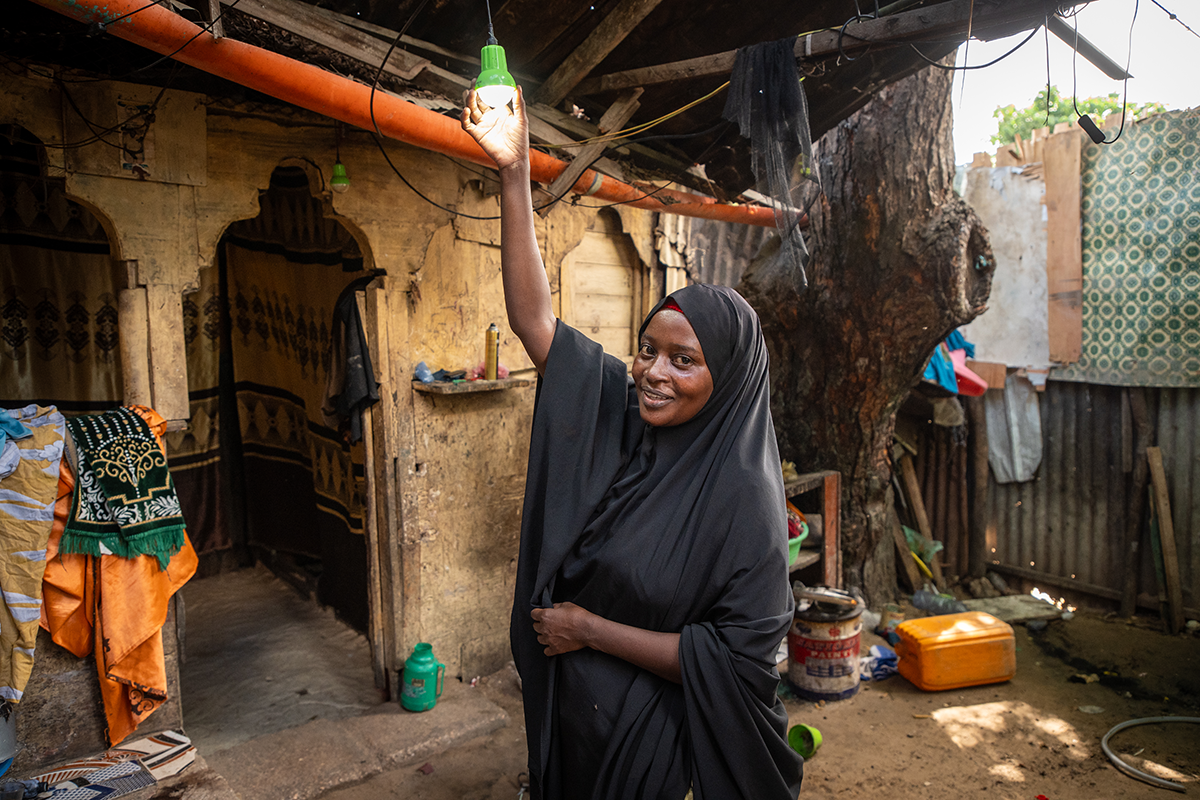
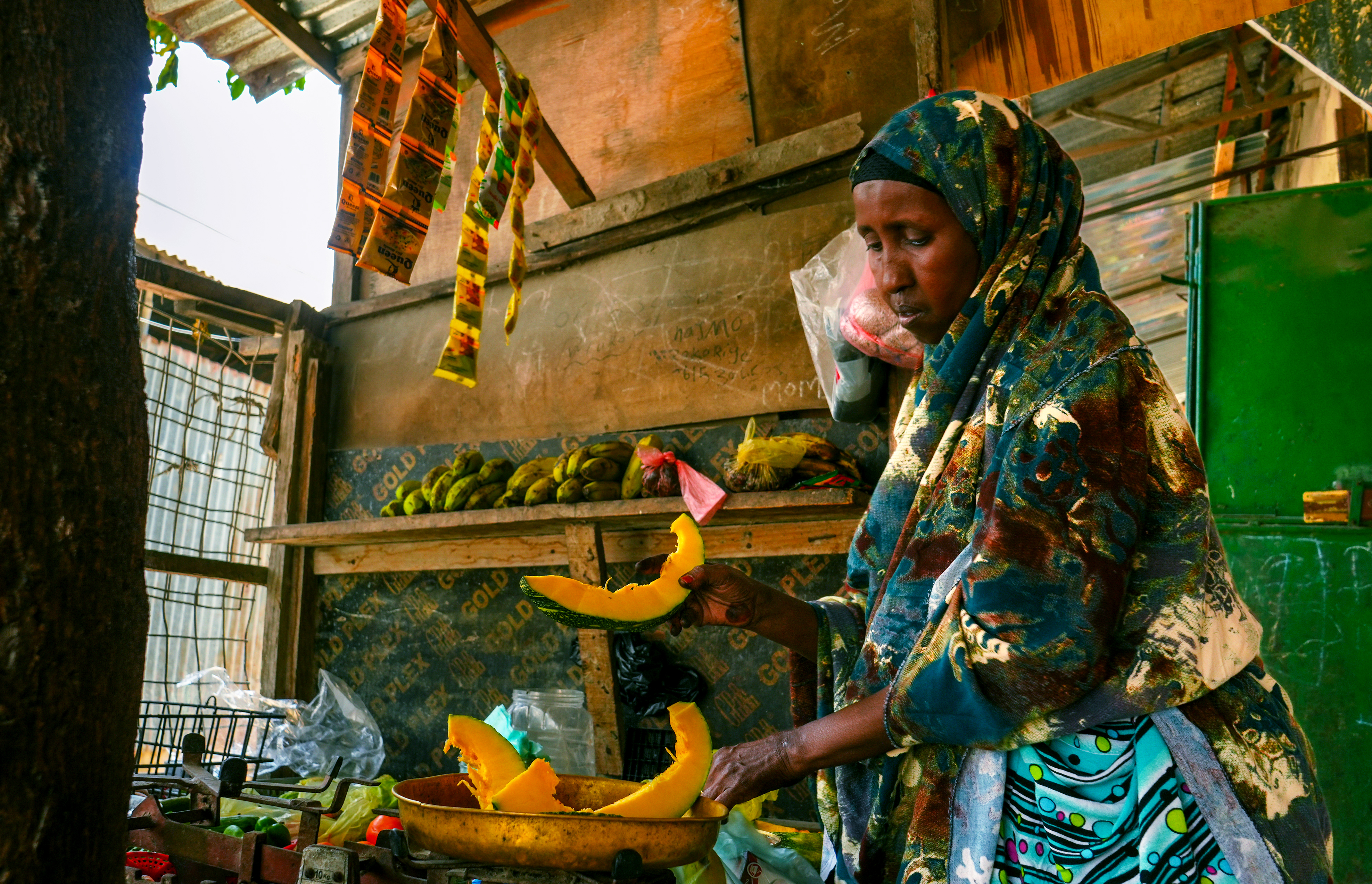
Somalia has faced a decades-long cycle of interlocking crises, including severe droughts, conflict, hunger, and a lack of infrastructure. The situation worsened in 2025, amid deteriorating security, environmental, and funding conditions pushing more people into poverty amid escalating food prices, drought, and inflation. This left roughly 60% of Somalis below the poverty line last year.
» Learn more about the crisis in Somalia
1. South Sudan: Universal poverty in the world’s youngest country
At a glance: Conflict, inflation, and natural disasters have made poverty virtually universal in South Sudan.
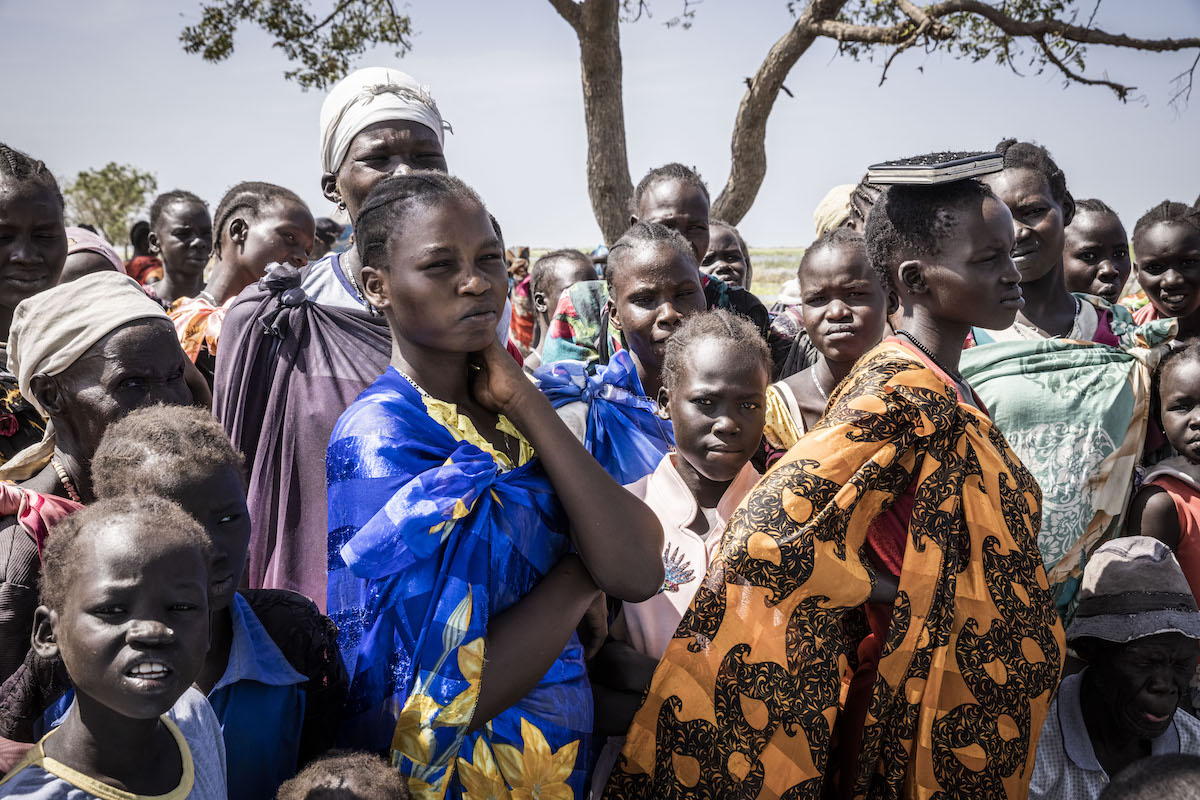
The youngest country in Africa is also the poorest: Since gaining independence in 2011, South Sudan has faced two periods of civil war, with a current (and fragile) peace deal in place. The country is also susceptible to droughts and floods, further setting back progress.
In 2024, the World Bank estimated that poverty would become universal in the country, with an estimated 99.7% of families at risk of remaining or falling into poverty in 2025. A report published by the African Development Bank in the summer of 2025 revealed that 92% of South Sudan’s population were living in extreme poverty — 12 percentage points higher than what was recorded at the end of 2024.
» Learn more about the crisis in South Sudan
Concern’s work to end poverty
Ending poverty is the core mission of Concern. All of our programs and approaches are designed to further progress towards this goal by addressing some of the root causes of poverty.
Our approaches to this are rooted in an understanding that poverty is a cycle: Those with the fewest resources and methods to handle risks (such as natural disasters or conflict) stand to lose the most, and have even fewer resources when the next emergency hits. These pockets of poverty become the hardest to eliminate. We work to address both these inequalities and risks, enabling communities — especially those furthest behind — to build both a safety net for immediate shocks and livelihoods to support themselves and their families in the longer term.
This approach allowed us to reach 27.3 million people across 27 countries and territories last year, with programs focused on emergency response, livelihoods, health and nutrition, and education.