Hanaano
This community-driven, cross-border initiative is fighting child hunger and malnutrition in the Mandera Triangle — a region where Ethiopia, Kenya, and Somalia meet.
The challenge
The Mandera Triangle is a region in the Horn of Africa where Ethiopia, Kenya, and Somalia meet. It’s one of the areas hit hardest by recurring drought, conflict, food insecurity, low economic growth, poor access to healthcare, and limited water, sanitation, and hygiene (WASH) infrastructure.
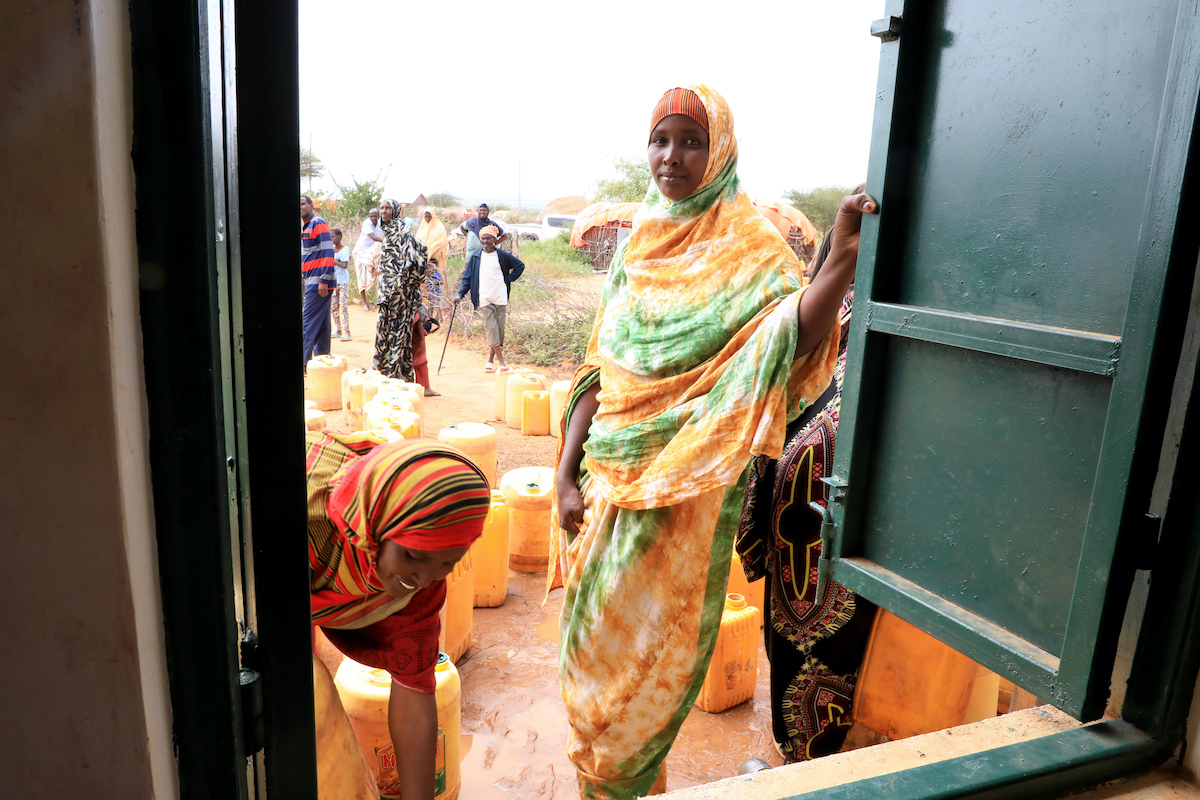
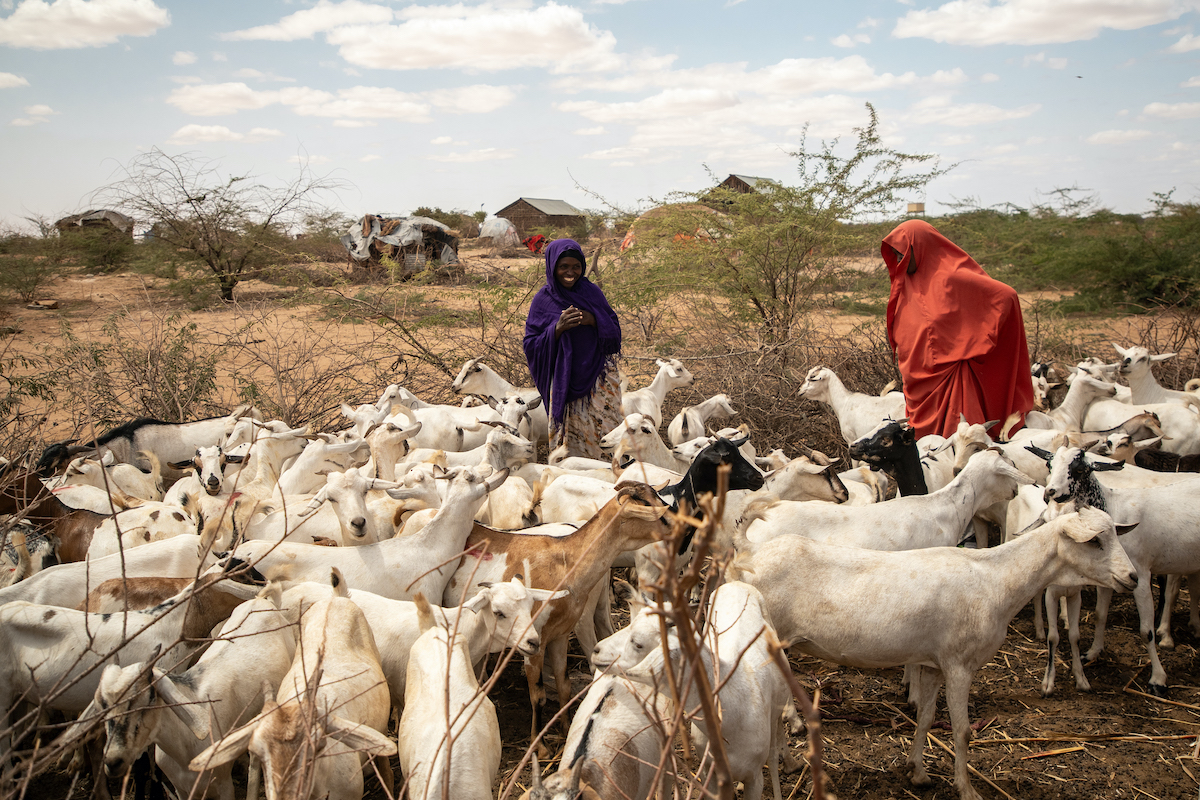
Most families in this region rely on livestock and agriculture to make a living, and finding land for grazing and farming has become increasingly difficult. Communities, especially those that host internally-displaced people and refugees, are also struggling with limited access to safe drinking water.
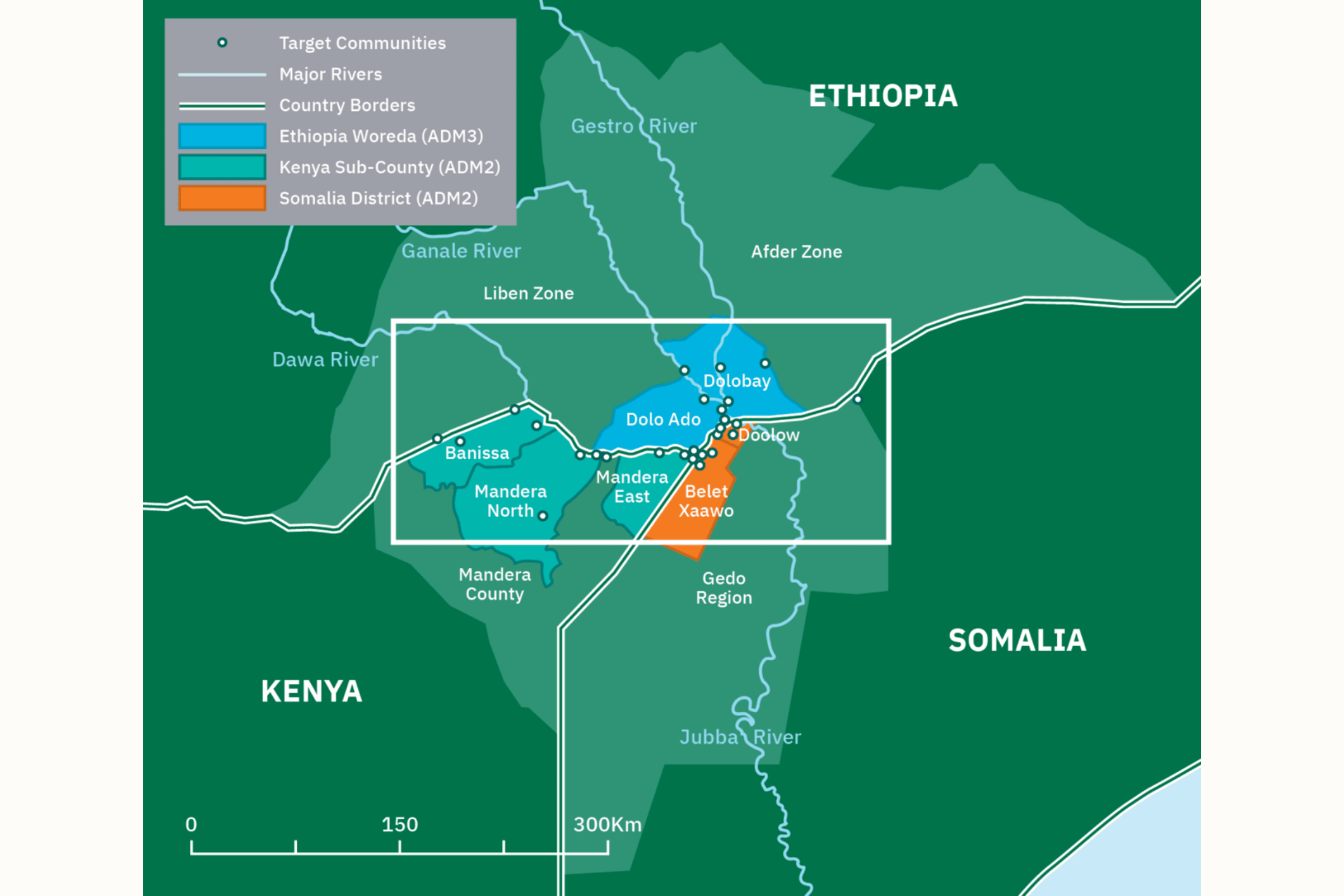
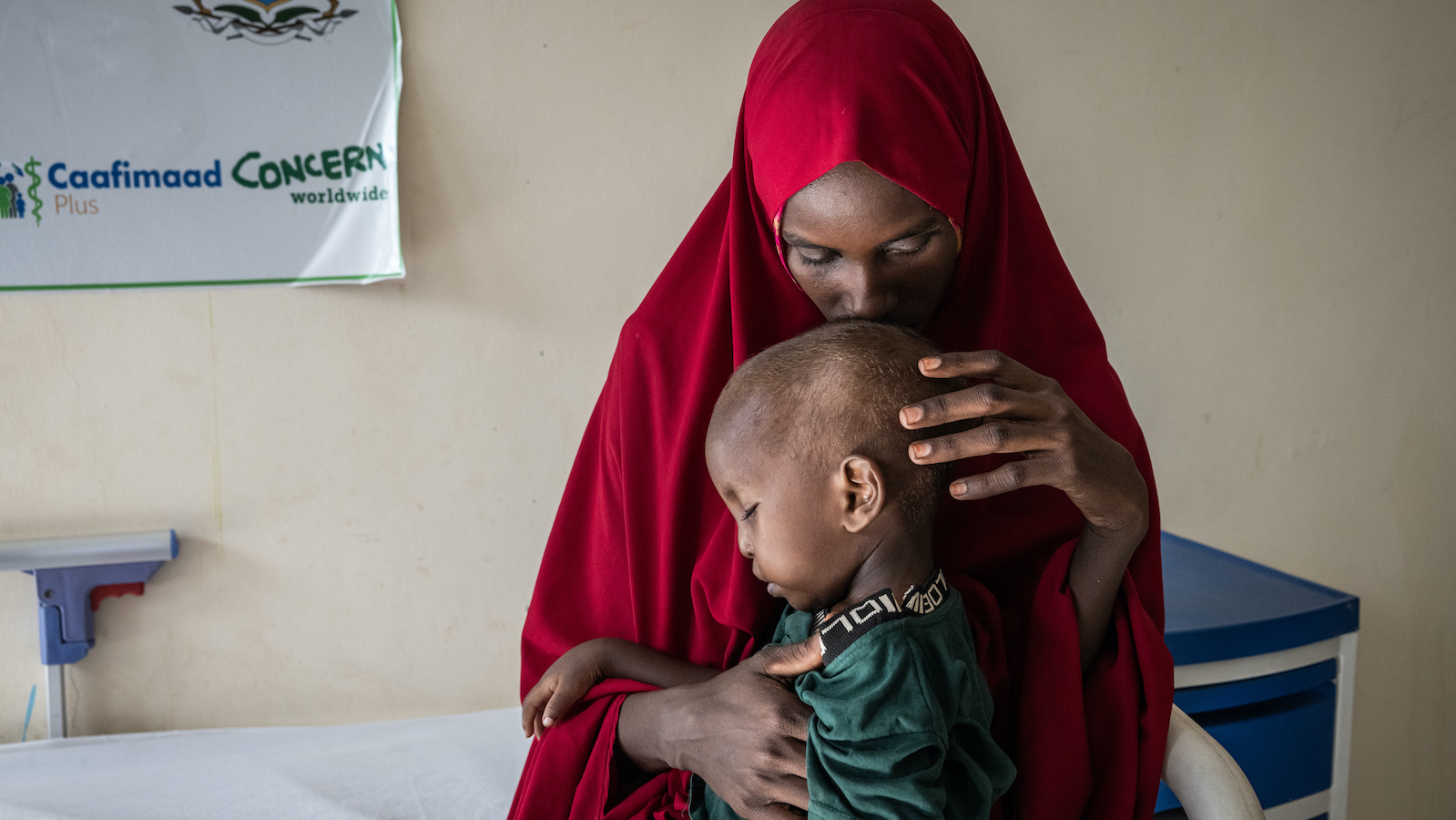
As a result, hunger and malnutrition are chronic challenges: At the height of the 2020-2023 drought in the Horn of Africa, global acute malnutrition rates surpassed 35%, more than double the World Health Organization’s emergency threshold of 15%. In 2023, wasting (the most life-threatening form of malnutrition) affected over 1.63 million children in Ethiopia, 945,000 in Kenya, and 500,000 in Somalia.
Treating the causes as well as the symptoms
In 2000, Concern co-developed the program that would eventually become known as Community Management of Acute Malnutrition (CMAM). The approach revolutionized the treatment of child malnutrition, and has since been recognized by the World Health Organization as the gold standard for treatment. Since then, CMAM has become essential to many of our emergency responses and integrated programs.
However, treatment is only one piece of the puzzle. Too often, children who recover from malnutrition relapse if the conditions that made them sick in the first place haven’t changed. Fully ending hunger and acute malnutrition means investing in solutions that systematically tackle the root causes.
The Mandera Triangle is an example of how tangled those root causes can become. The combination of conflict, displacement, and drought place a premium on resources, including access to food and drinking water. The rural area means that quality healthcare is also harder to access, and limited sanitation and hygiene services. This also leaves children vulnerable to diseases that can compound the effects of malnutrition, including diarrhea and cholera.
Nurturing a better model
Translated as “to nurture” in the Somali language spoken throughout the Triangle and launched in 2023 with funding from Irish Aid, Hanaano began as a three-year initiative designed to reduce and prevent child wasting by addressing its root causes across seven districts in the Triangle.
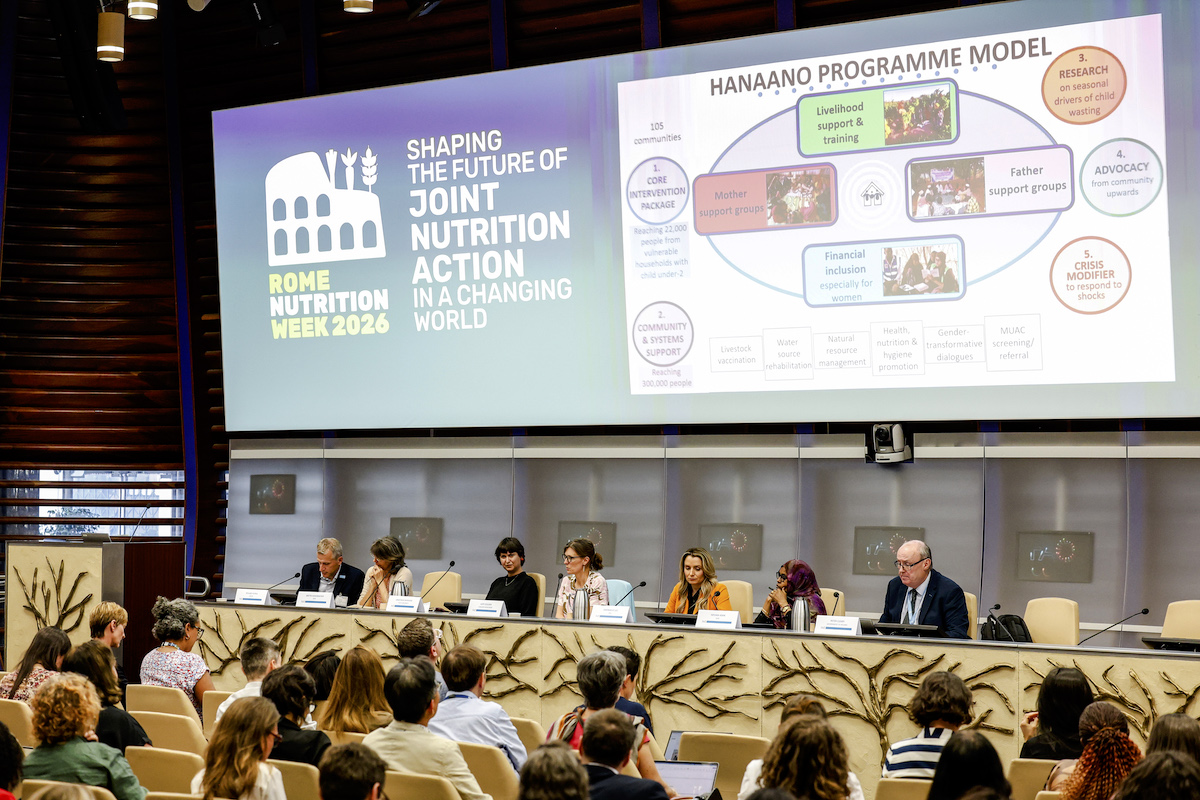
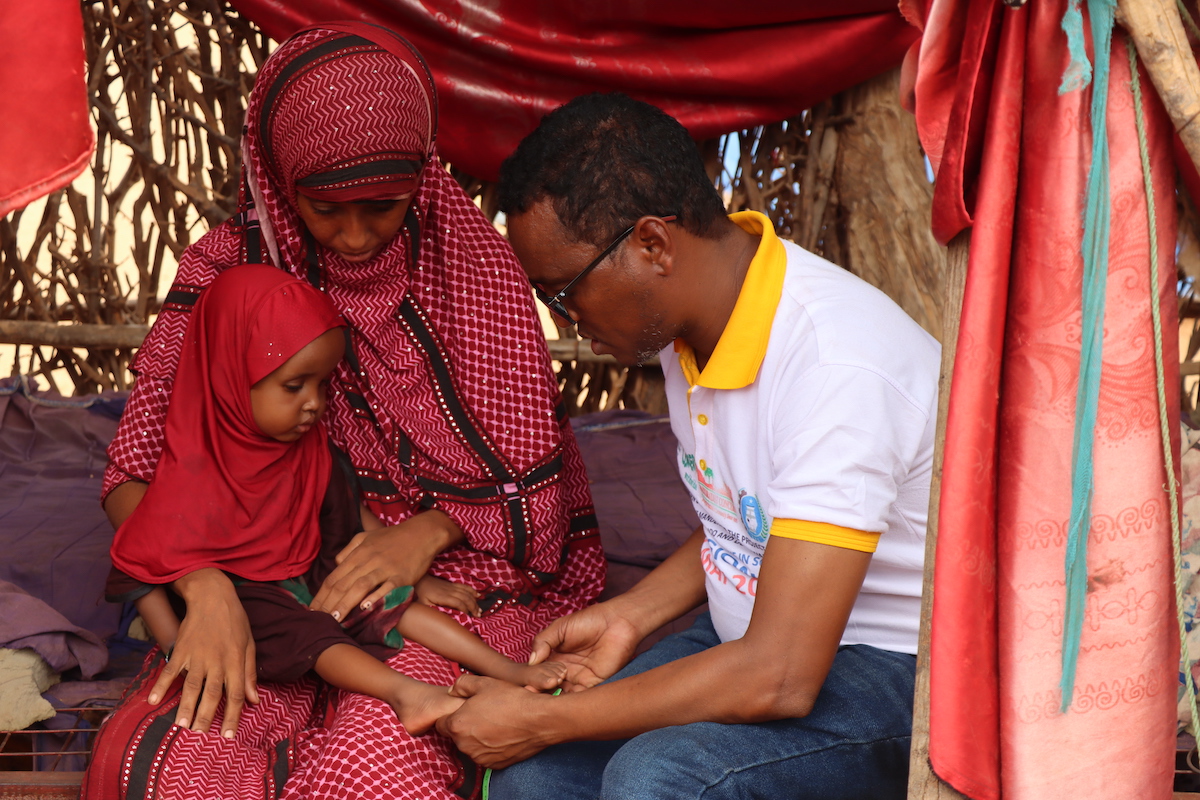
Integrated programs have been a major focus of Concern’s work, effectively since the beginning, and Hanaano exemplifies how bringing together several areas of humanitarian response and long-term development can have an impact greater than the sum of their parts. The program combines nutrition, livelihoods, WASH, natural resource management, social and behavioral change, and supporting women and girls, delivered through conflict-sensitive approaches that work with the realities of the region.
It’s a long list of activities but they all work together to support three key outcomes:
- Better nutrition at home: Improving feeding and caring practices for infants, young children, adolescents, and women of reproductive age. (Nutrition, WASH, and support for women and girls)
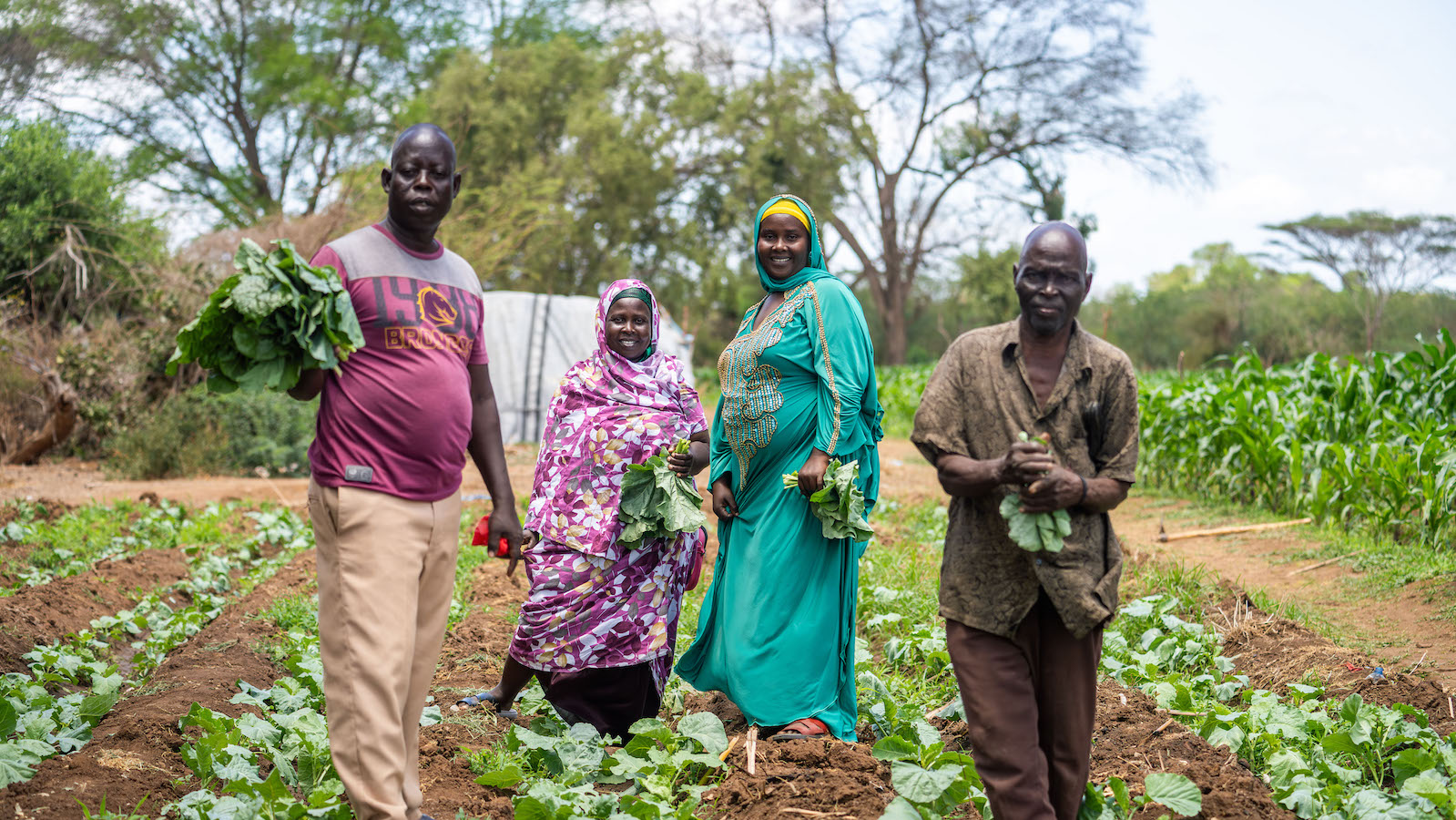
- Stronger livelihoods: Improving food security and supporting profitable and climate-resilient work. (Natural resource management, economic activities, food production, and crisis modifiers to account for emergencies)
- Evidence that drives change: Gathering data and evidence of what works to help inform national and regional strategies to prevent child wasting. (Community-level learning)
Together, these three outcomes help ensure that families are able to eat enough nutritious food while lowering the risk of preventable disease outbreaks. When those two factors are accounted for, malnutrition and wasting levels go down, creating lasting change.
Locally-led and community-centered
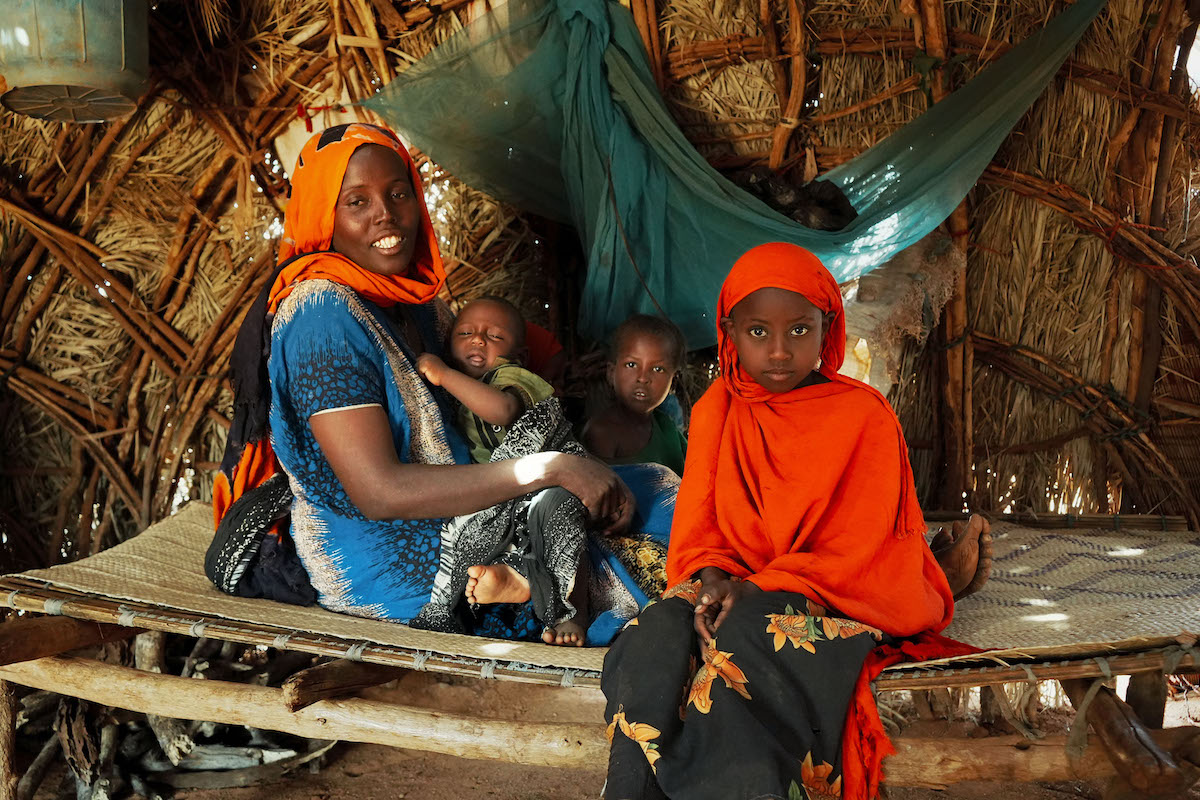
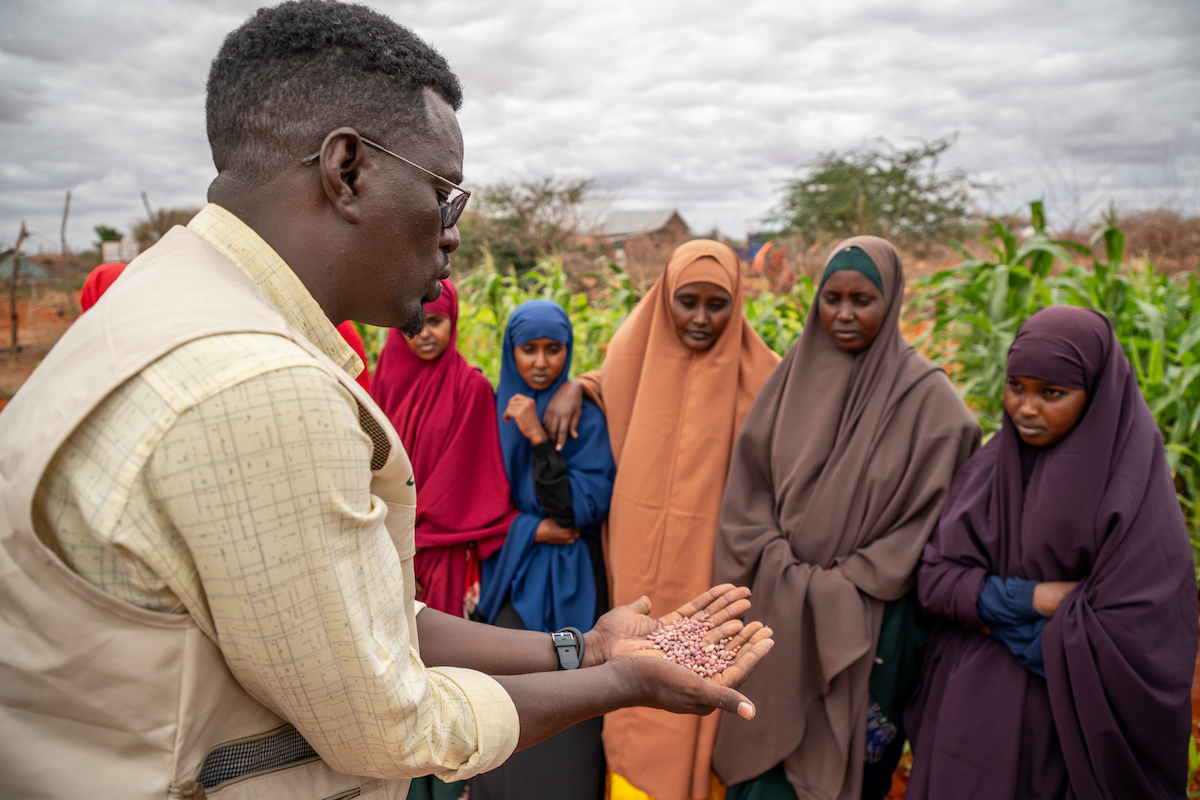
In addition to being an integrated program, Hanaano is also an example of locally-led solutions — another core element of Concern’s work from our early days. Rather than going in with a set list of activities, we know that communities are often best suited to identify the challenges they face and the solutions that will be most sustainable for them. We then work with them to co-design and successfully run those programs.
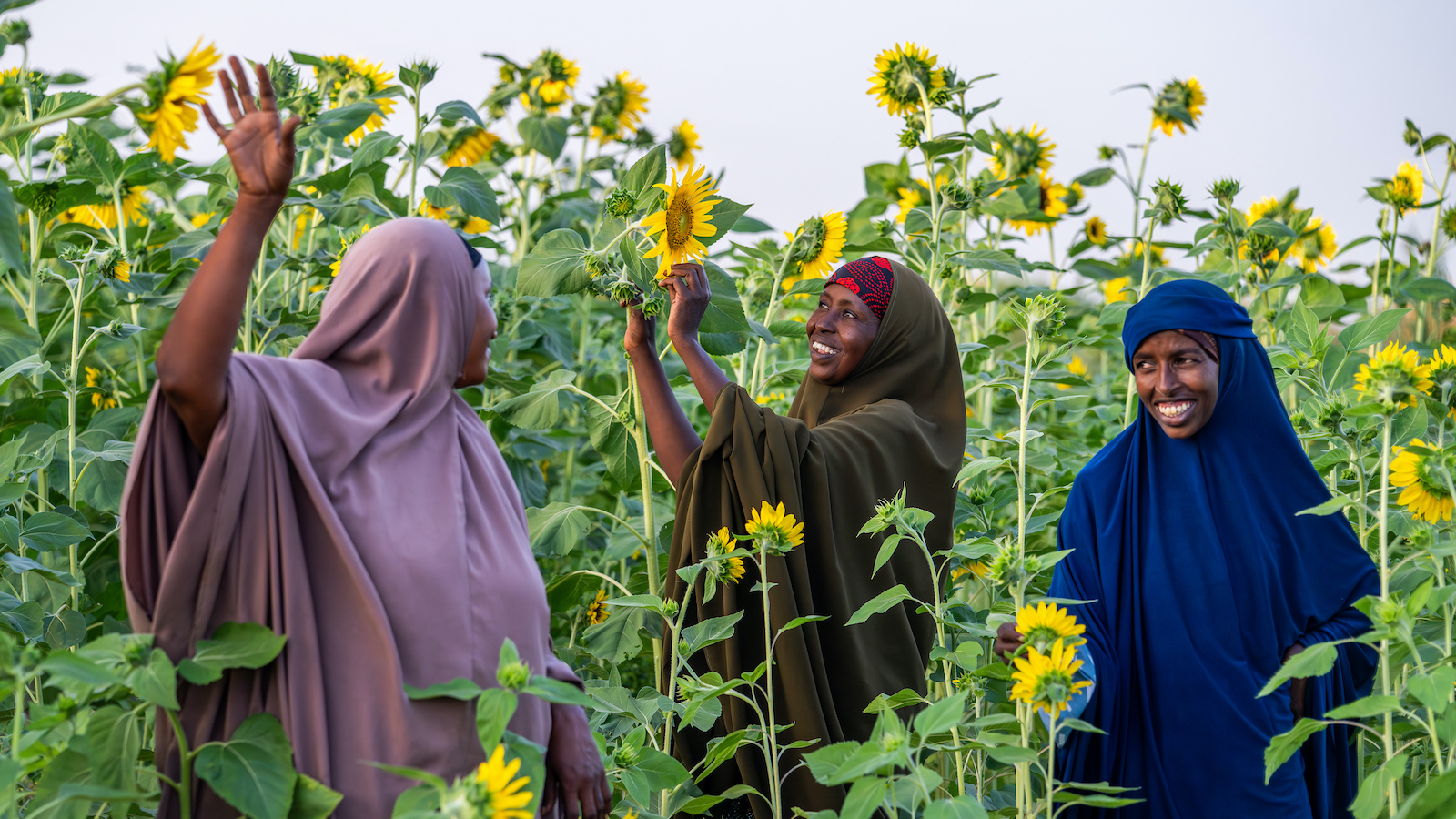
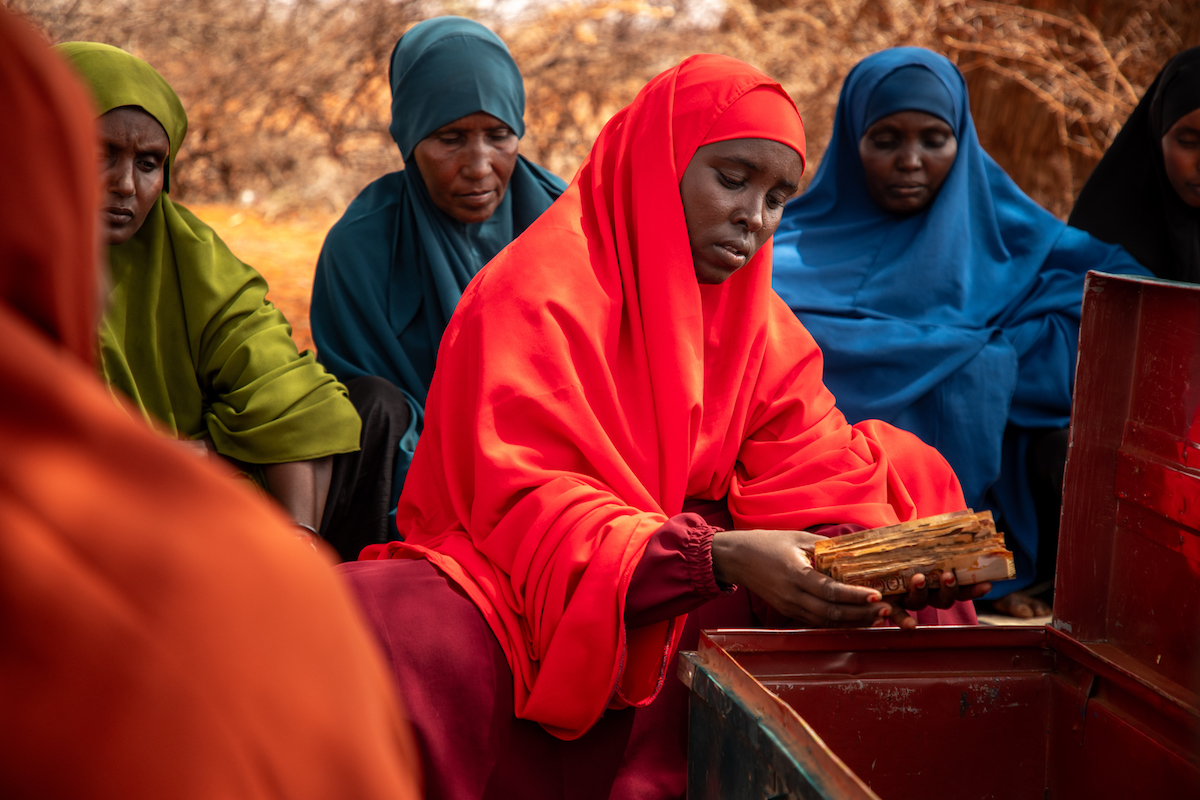
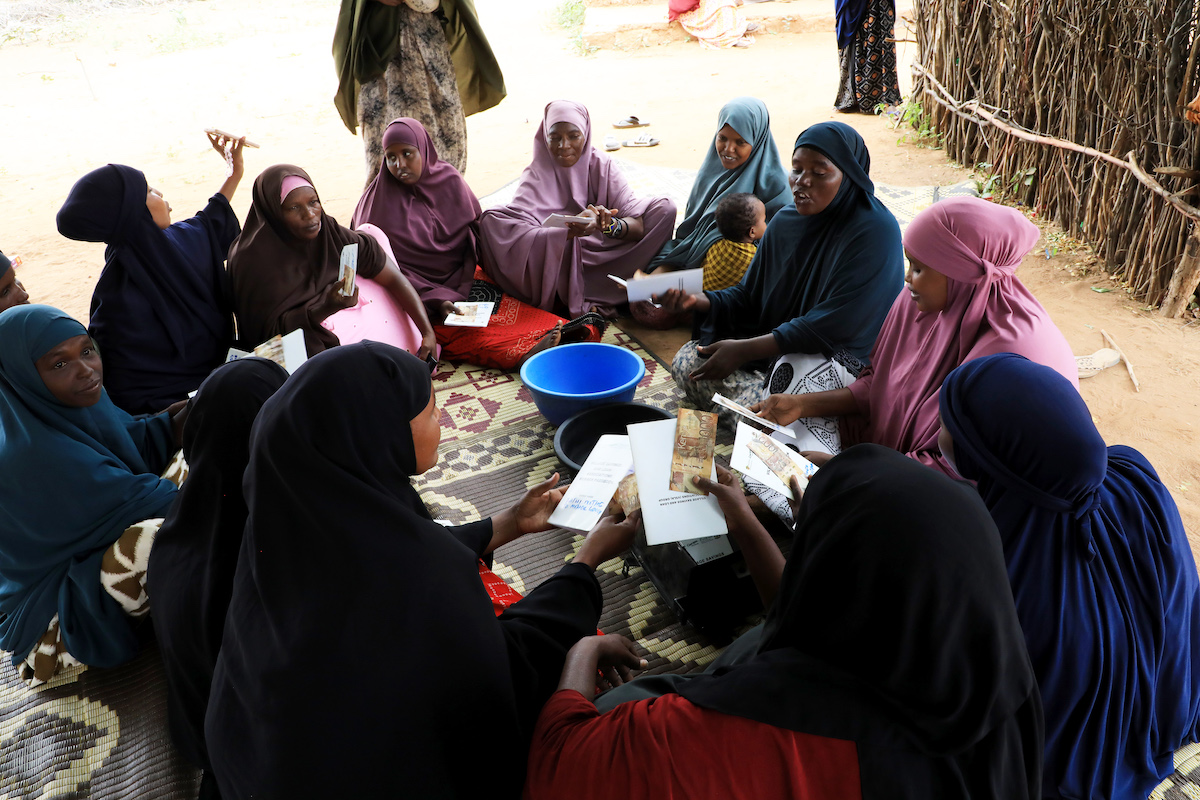
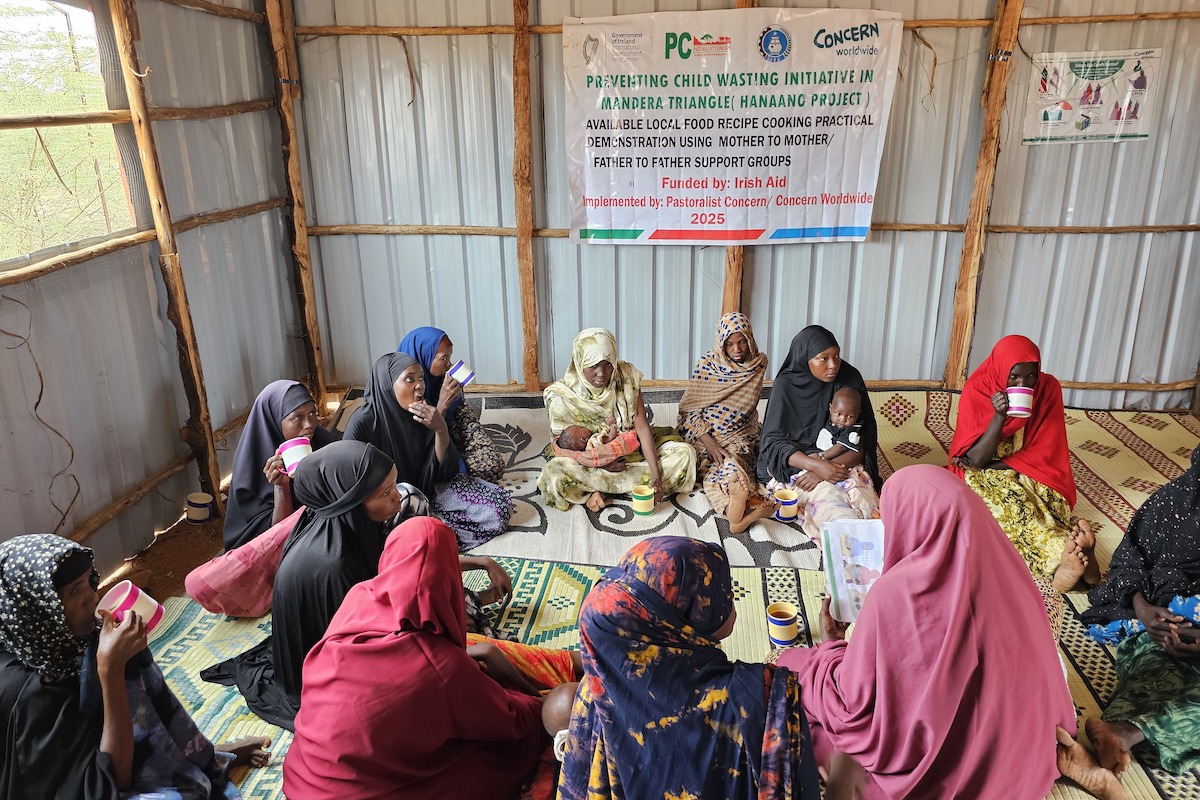
Hanaano’s 300,000 participants (spread across 105 remote communities) are active agents in changing their lives. They receive the training and resources they need to become leaders in groups like Village Savings and Loans Associations (VSLAs), Mother-to-Mother and Father-to-Father Support Groups, women-led farmer groups, and natural resource management committees.
Each community also develops its own nutrition action plan, setting priorities like clean water access, home garden cultivation, and market access. They then elect community representatives who bring those plans directly to local government bodies to foster local support.
Contingency plans for when a crisis hits
While building long-term systems to support nutrition, agriculture, and governance, Hanaano is also designed to deliver immediate assistance in an area where conflict, natural disasters, and other emergencies can lead to acute need. Pre-arranged contingency funds called Crisis Modifiers allow Hanaano teams and communities to respond quickly.
When cuts to humanitarian aid in 2025 led to significant disruptions in services across the Triangle, Hanaano’s Crisis Modifier allowed communities to allocate funding to address obstacles as they emerged.
In Ethiopia, this meant financing and coordinating last-mile transport of ready-to-use therapeutic food, restoring treatment for malnutrition that had been interrupted due to the abrupt budget cuts. In Kenya, Hanaano supported the emergency redistribution of 300 cartons of therapeutic food following stock shortages.
The results so far
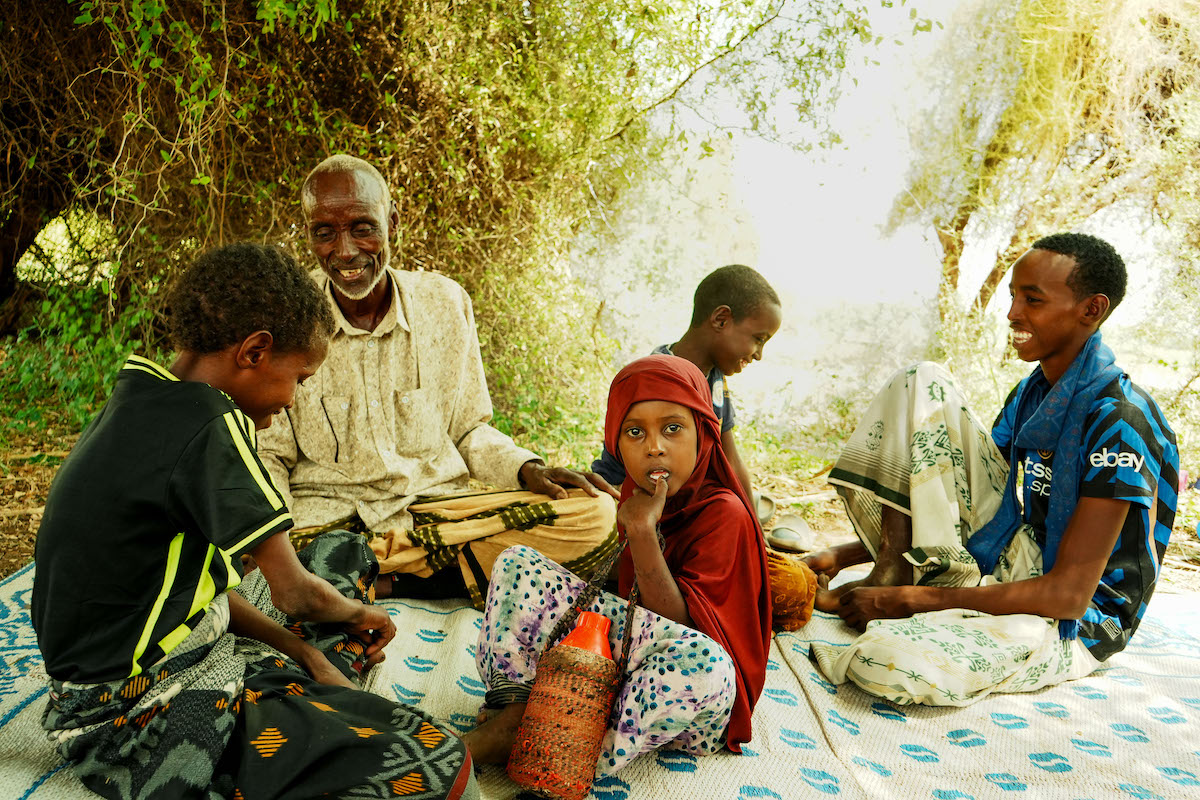
In three years, Hanaano has reached 300,000 people across 105 communities in three countries. The program’s impact can be seen in everything from more reliable food production and stronger responses to drought, to improved health and nutrition for families. Here are some of the highlights from each country.
Strengthening systems for long-term resilience
The successes behind Hanaano stem from a dual approach between long-term development and emergency preparedness, ensuring the gains families make are able to last even in the most fragile conditions.
Our model is designed to strengthen local systems rather than bypassing them. We share our resources, knowledge, and tools with local institutions, specialists, and markets in the region. Like the rest of Concern’s work, Hanaano is designed with self-reliance in mind, so that services can continue running without requiring ongoing support.
Hanaano is also built to ensure that the successes in the Mandera Triangle can shape decisions throughout the region. Community action plans have already influenced local budgets, and community-level learning has generated evidence for advocacy and collaboration, including through the Intergovernmental Authority on Development (IGAD).
The power of partnerships
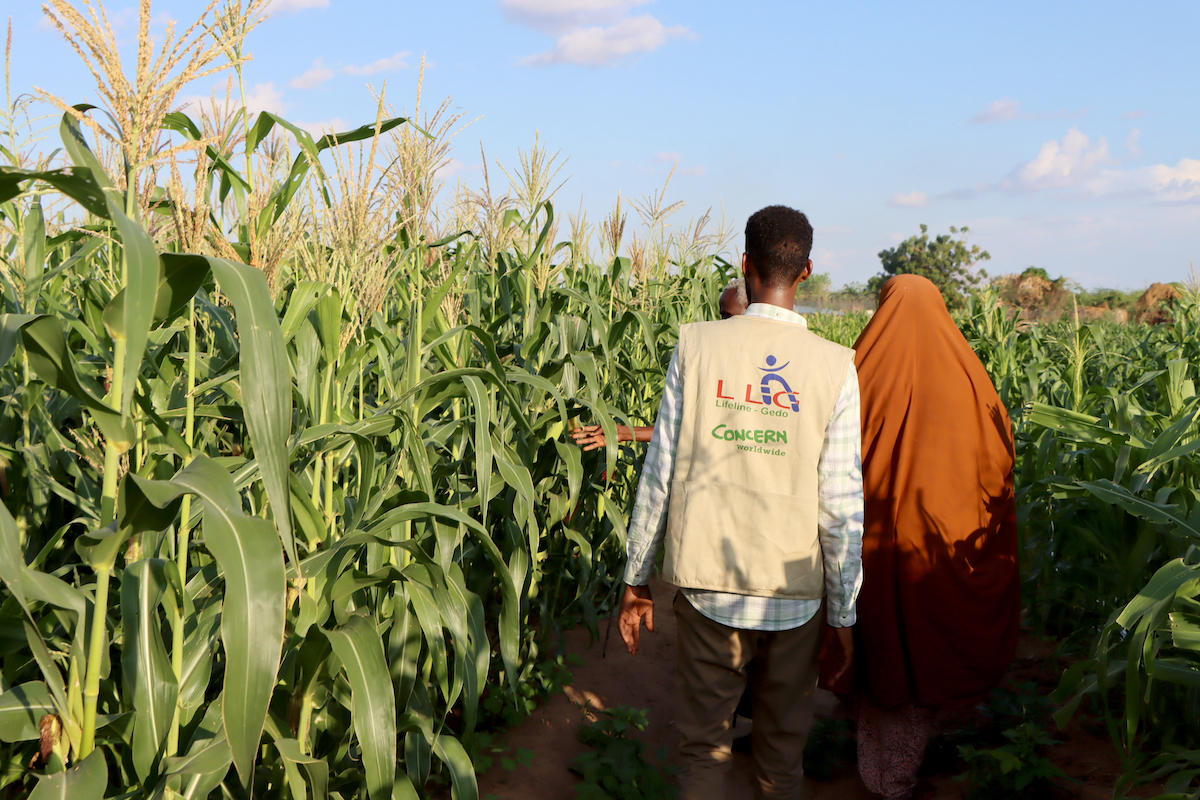
Concern works in partnership to lead Hanaano with three national partners — Kenya’s Rural Agency for Community Development and Assistance, Somalia’s Lifeline Gedo, and Ethiopia’s Pastoralist Concern. We also work with IGAD, a key regional partner advancing cross-border initiatives and policies.
We’re also partnered with Tufts University and Kenyatta University, whose research guides our evidence-based programming and contributes to broader nutrition policy dialogue and global learning across both humanitarian and development sectors.
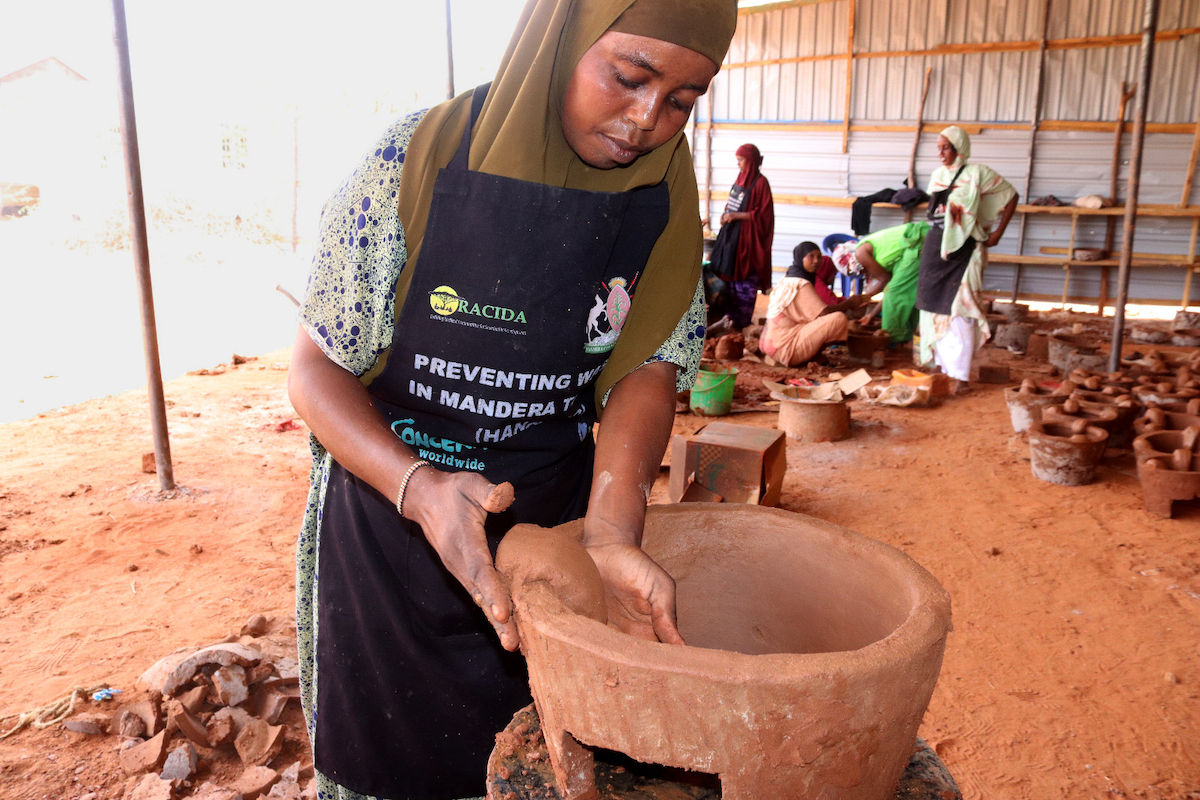
Hanaano supported a longitudinal study of the immediate, underlying, and structural causes of malnutrition in Kenya’s Daua River Basin and across the Mandera Triangle. Preliminary findings from the first round of data collection found a global acute malnutrition rate of 18%, highlighting the scale and urgency of the nutrition challenge.
Our evidence has been presented at both the regional and global stage. At the second Africa Climate Summit in Ethiopia, Hanaano and IGAD co-hosted a session on climate change and child wasting. At COP30 in Brazil, we co-organized an official UN side event showcasing Somalia’s community-driven approach to food systems and preventing malnutrition.
Funded by
Your support, their world
Programs like Hanaano are made possible by Concern’s partners as well as our community of changemakers whose tax-deductible gifts help us to reach over 23 million people each year with life-changing and lifesaving work.
To support our work with an individual gift, please use the button below.
To learn more about how your organization can get involved in Concern’s work to make a lasting impact, please contact Katie Waller, Director of Strategic Partnerships, at [email protected].