The largest refugee crises in 2026, in context
Jun 19, 2026
We entered 2026 with 41.6 million refugees around the world. Here’s where many are coming from, and how you can help.
In 2016, the United Nations High Commissioner for Refugees (UNHCR) recorded 25.3 million refugees and asylum-seekers around the world. In the last ten years, that population has nearly doubled, with 41.6 million refugees recorded in the organization’s latest report.
That figure includes refugees under UNHCR’s mandate, Palestinian refugees under UNRWA’s mandate, asylum-seekers with pending applications, and an increasing number of other people in need of international protection. In 2025 alone, 5.4 million people were forced to flee their homes and seek safety in other countries.
Of the 35.6 million refugees under UNHCR’s mandate, nearly two-thirds come from these ten countries. Here’s what you need to know.
10. Eritrea: Decades of displacement
- At a glance: Political instability has driven a decades-long displacement crisis in the small nation in the Horn of Africa
- Total refugees in 2026: 554,891
Ongoing violence and political instability in Eritrea have made it a growing displacement crisis over the years. In the last decade, the global population of Eritrean refugees has more than doubled, with nearly 555,000 people currently displaced. This represents about 16% of the country’s population.
9. Central African Republic: Moving towards peace
- At a glance: The Central African Republic has moved towards peace in the last five years, but more than half a million people aren’t ready to return home.
- Total refugees in 2026: 674,222
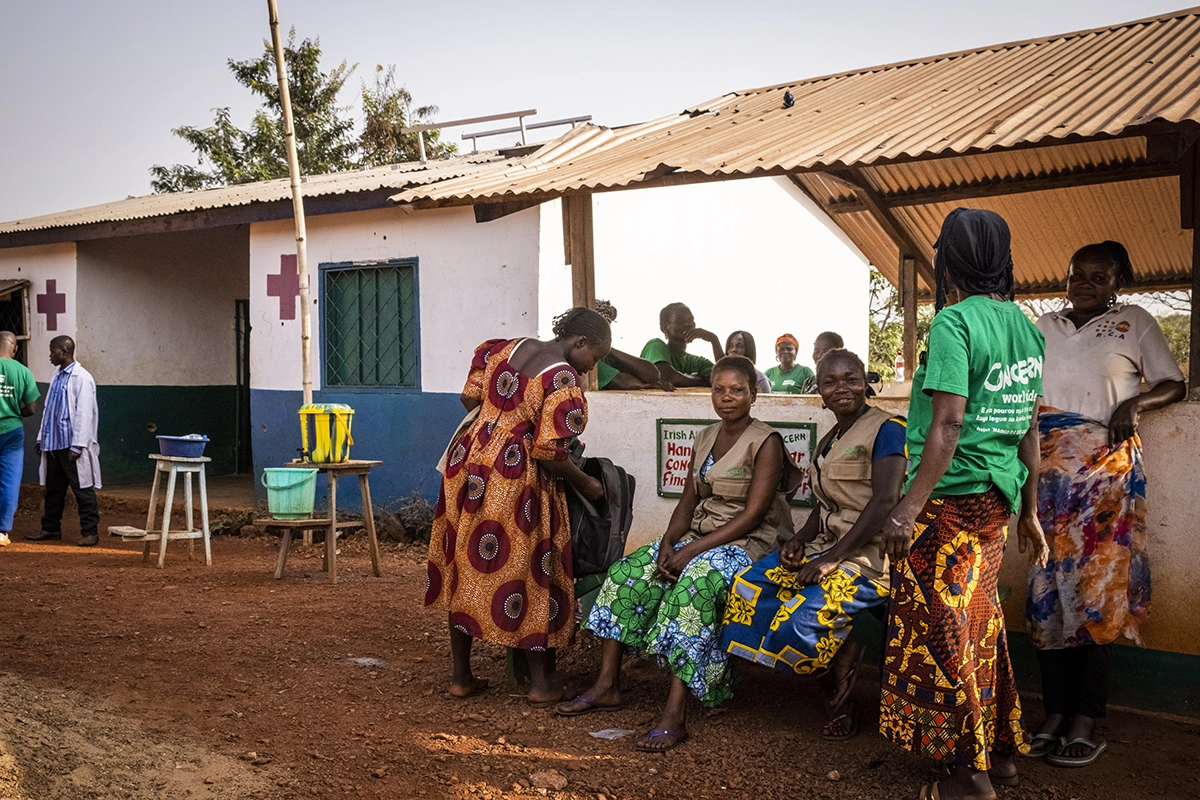
For more than a decade, a humanitarian crisis in the Central African Republic has gone largely unnoticed in global media. Conflict broke out in 2012 and eventually led to a nearly 360% increase in Central African refugees.
Despite violence decreasing significantly in 2021 and several thousand Central Africans returning home in the last few years, there are still over 674,000 civilians registered as refugees as progress is made towards a sustainable peace.
8. Somalia: Part of a larger displacement crisis
- At a glance: Somalia has faced decades of conflict and drought, with a worsening situation in 2025, with refugees forming a small part of the country’s displacement crisis.
- Total refugees in 2026: 892,037
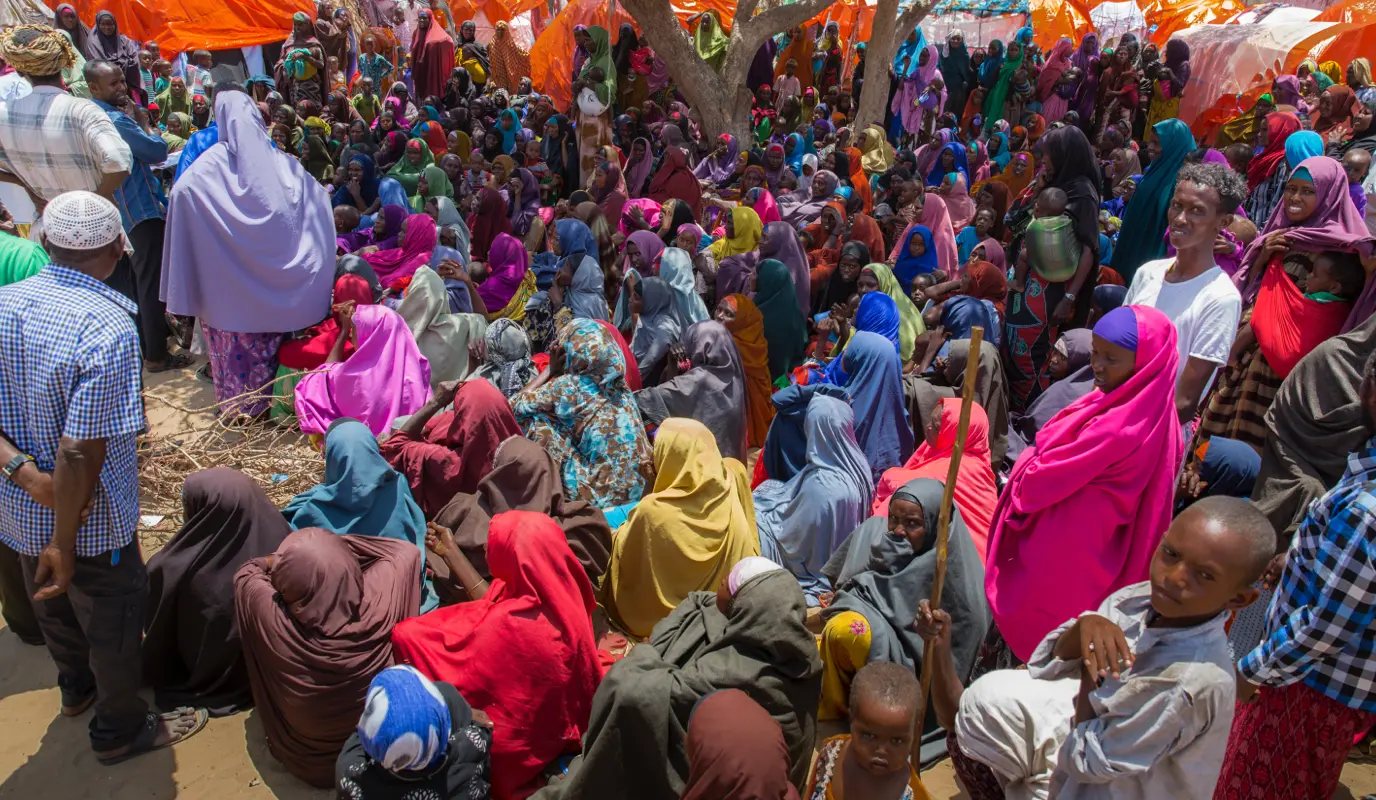
Decades of crisis in Somalia have led to ongoing displacement for hundreds of thousands of civilians. Last year, over 892,000 refugees were registered around the world — an increase of over 30,000 people compared to 2025.
However, this represents only a small fraction of Somalia’s displacement crisis. An additional 236,000 Somalis are waiting to receive asylum status, and over 3.47 million are internally displaced within the country.
» Learn how you can help Somalia
7. Democratic Republic of the Congo: Escalating violence amid protracted crisis
- At a glance: Escalating violence in the Democratic Republic of the Congo’s eastern provinces has helped to double the country’s refugees over the last decade.
- Total refugees in 2026: 1,176,489
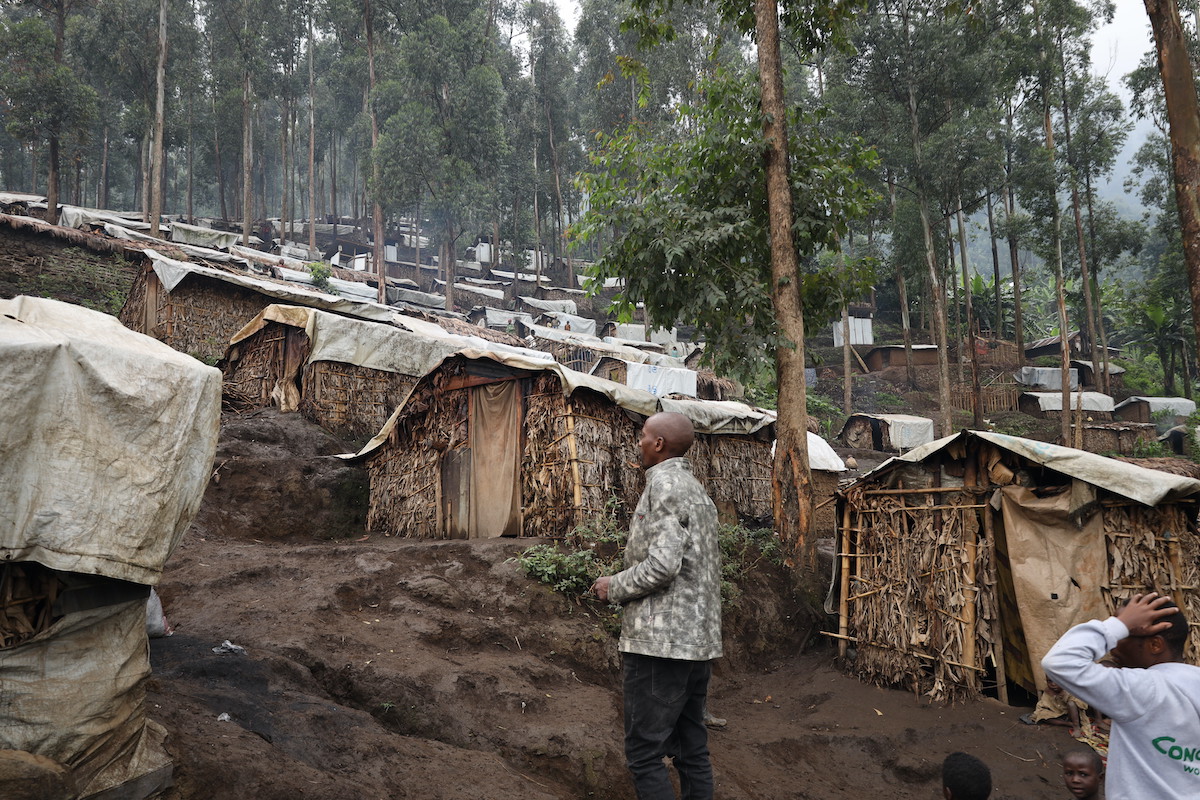
In 2024, the UNHCR saw a historic first with the crisis in the Democratic Republic of the Congo: Over 1 million refugees had fled home to find safety, mainly in neighboring countries. In 2026, that number has continued to rise, exceeding 1.17 million.
This represents a doubling of refugees from the DRC in the last ten years amid a protracted crisis. In 2022, the situation grew more tense with violence escalating in the eastern provinces of North and South Kivu, Ituri, and Tanganyika.
» Learn how you can help the Democratic Republic of the Congo
6. Myanmar & the Rohingya crisis: A decade of instability and violence
- At a glance: The Rohingya crisis is now part of a wider crisis in Myanmar that has spread since 2017.
- Total refugees in 2026: 1,524,378
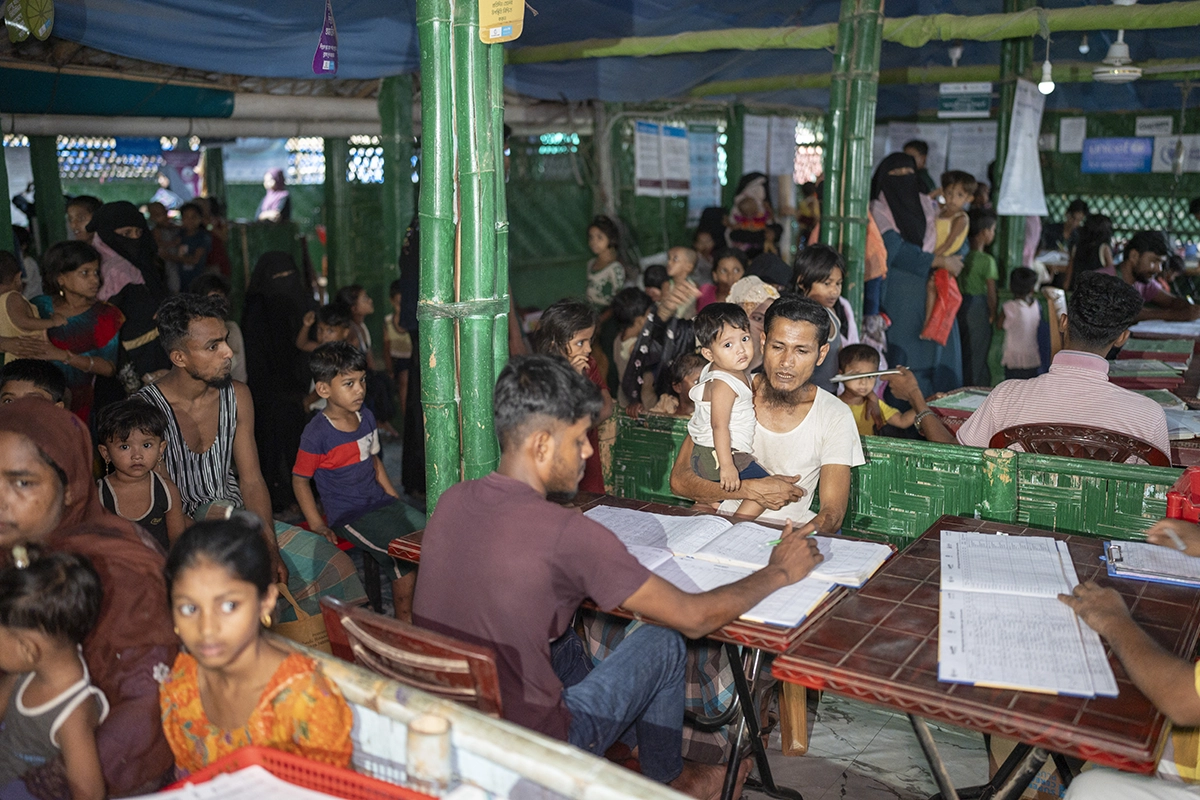
In 2017, an outbreak of violence in Myanmar’s Rakhine State displaced nearly 750,000 stateless Rohingya in just a few weeks, many seeking asylum in the nearby Bangladeshi city of Cox’s Bazar where they continue to live in the world’s largest refugee camp.
In recent years, however, ongoing instability in the country has led to many Burmese fleeing as well, bringing the total of refugees from the country past 1.5 million in 2026.
5. South Sudan: A displacement crisis amid a larger humanitarian emergency
- At a glance: Over 2.38 million people from South Sudan remain refugees in a regional crisis, while at home one-third of the country requires humanitarian support.
- Total refugees in 2026: 2,386,499
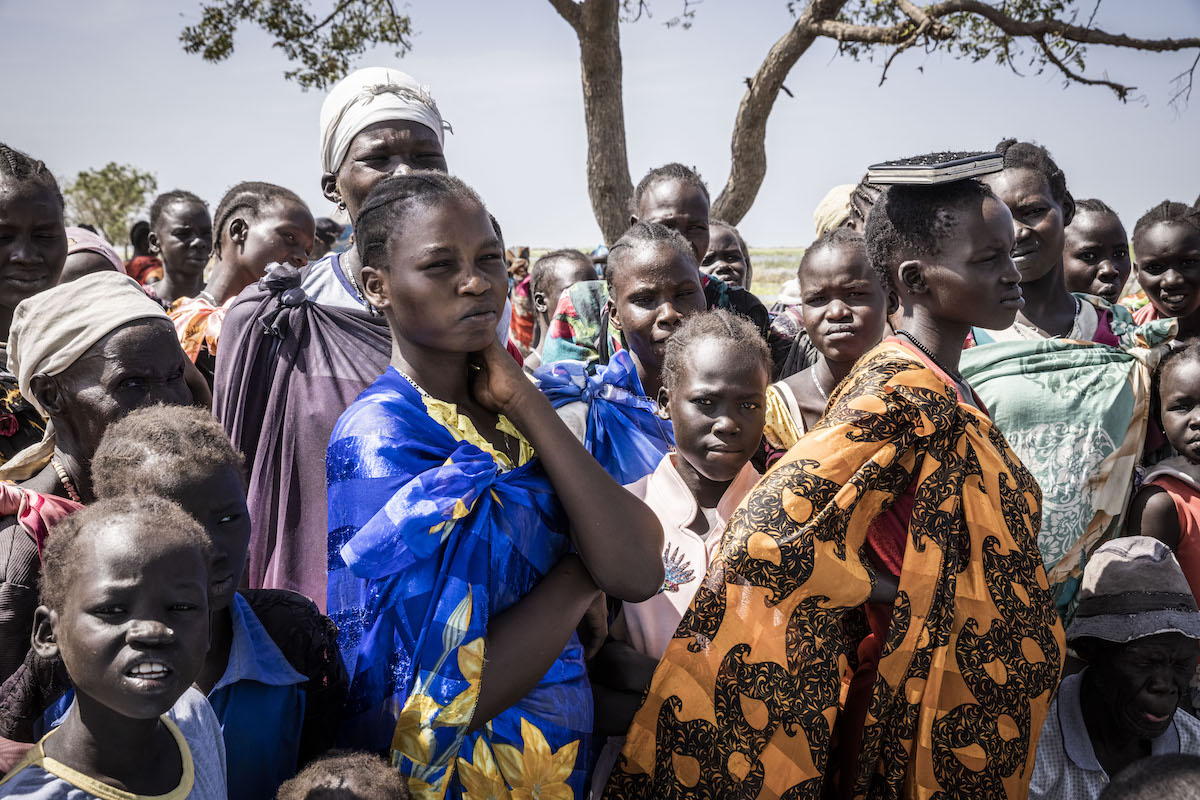
South Sudan’s refugee population has dropped a bit in the last year, from 2.98 million at the beginning of 2025 to 2.38 million reported at the beginning of 2026. However, part of this is due to the conflict in neighboring Sudan, which drove many South Sudanese refugees back home to a country that continues to see violence despite a peace deal in place.
South Sudan is also one of the world’s largest internal displacement crises, with over 1.2 million people living in what’s known locally as protection of civilian (or POC) sites. The crisis in South Sudan has left one-third of the country in need of humanitarian support and near-universal poverty.
» Learn more about Concern’s work in South Sudan
4. Afghanistan: Millions have returned, but still need support
- At a glance: At one point, one out of every five refugees around the world was from Afghanistan. That’s changed in recent years, but it’s not the whole story.
- Total refugees in 2026: 2,671,560
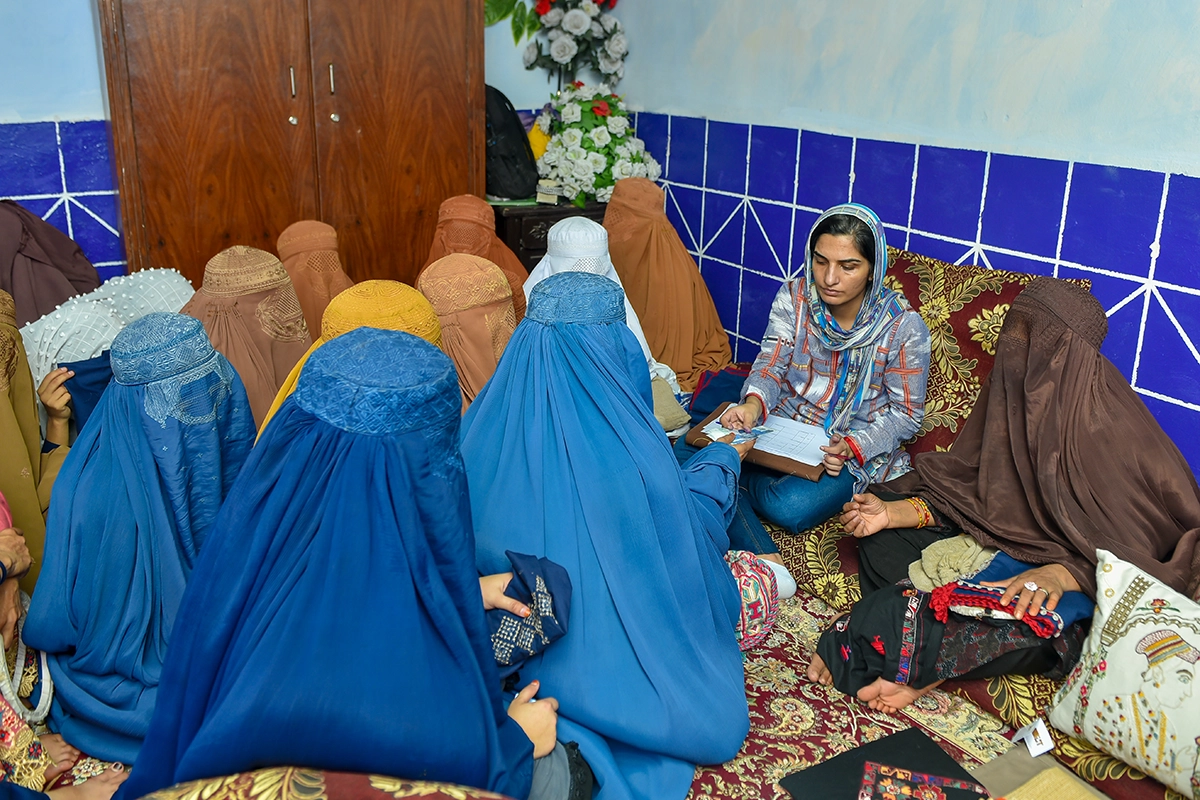
Decades of crisis in Afghanistan have made it one of the top countries of origin for refugees — including many who have been born in displacement and never set foot in their ancestral home. Following a policy change in Pakistan that went into effect in late 2023, millions of Afghans have returned, bringing the total number of refugees down to just under 2.68 million.
However that’s not the entire story, and millions of Afghans still require humanitarian support. The UNHCR records an additional 1 million Afghans under their “others of concern” category, reflecting this tenuous return process.
» Learn more about Concern’s work in Afghanistan
3. Sudan: A crisis at the breaking point
- At a glance: Since 2023, the conflict in Sudan has quickly created one of the world’s largest refugee crises, and one that continues to grow.
- Total refugees in 2026: 2,820,737
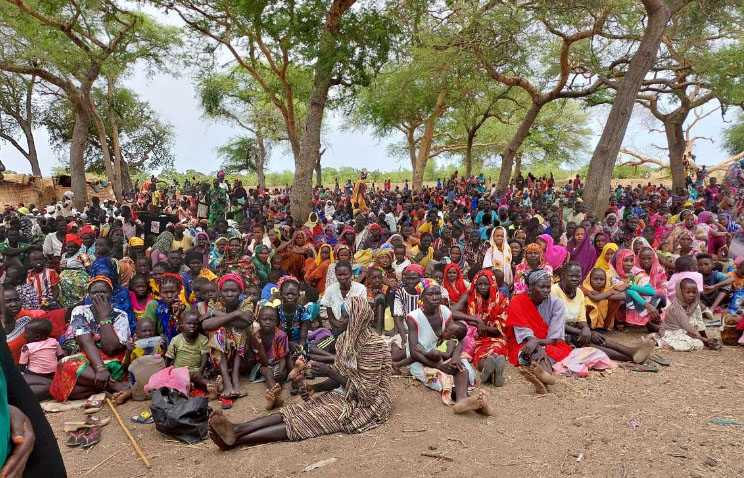
Following the outbreak of conflict in April 2023, the crisis in Sudan has continued to worsen year over year. Over 2.8 million Sudanese refugees were recorded at the beginning of 2026, nearly double the displacement figures at the start of the crisis and triple the pre-war figures.
Even more Sudanese are displaced within the country, with the UNHCR recording some 9.1 million IDPs at the start of 2026, many living in informal camps that are also at risk for violence and other protection issues.
» Learn how you can help Sudan
2. Syria: Over 1 million returned home, but the crisis is far from over
- At a glance: Significant political shifts in Syria at the end of 2024 have enabled over 1 million people to return home, but many are now living on top of rubble, while ongoing violence is causing new displacement.
- Total refugees in 2026: 4,865,764
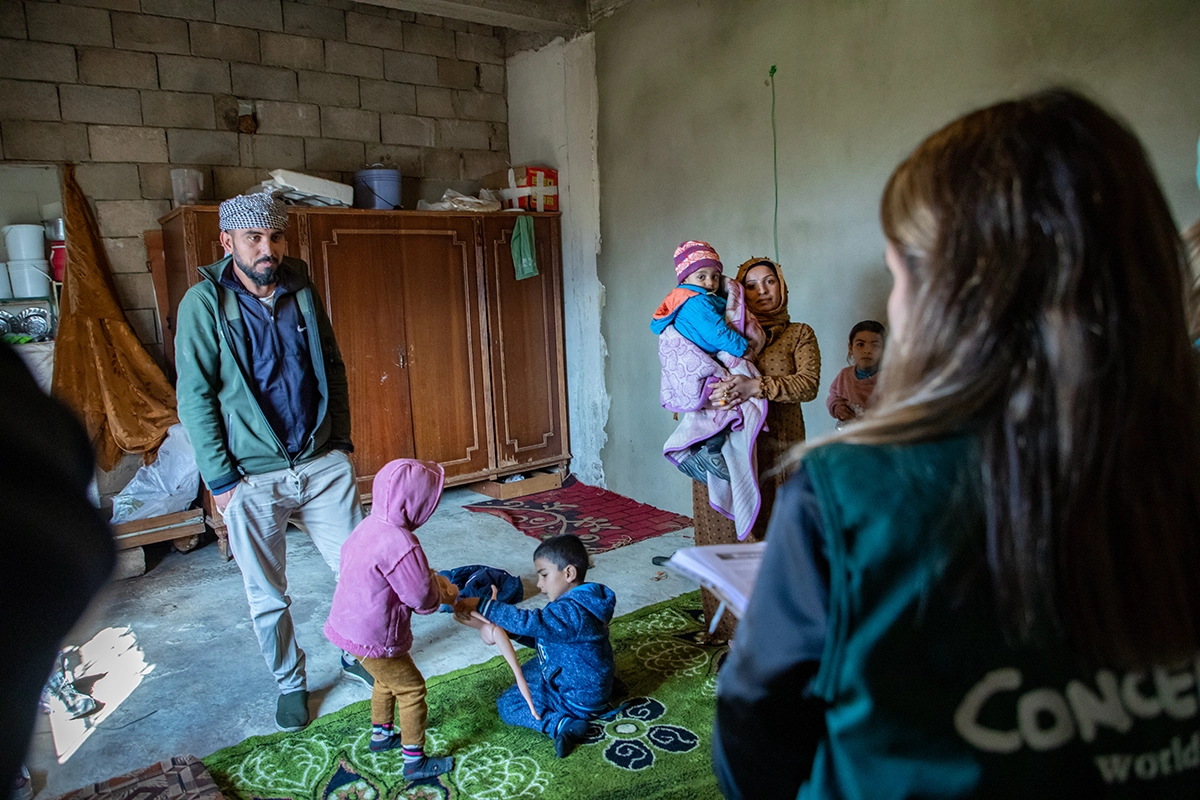
Syria saw tremendous political and social change at the end of 2024. This has led to significant changes in the country’s protracted crisis, with over 1 million refugees returning home over the last 18 months.
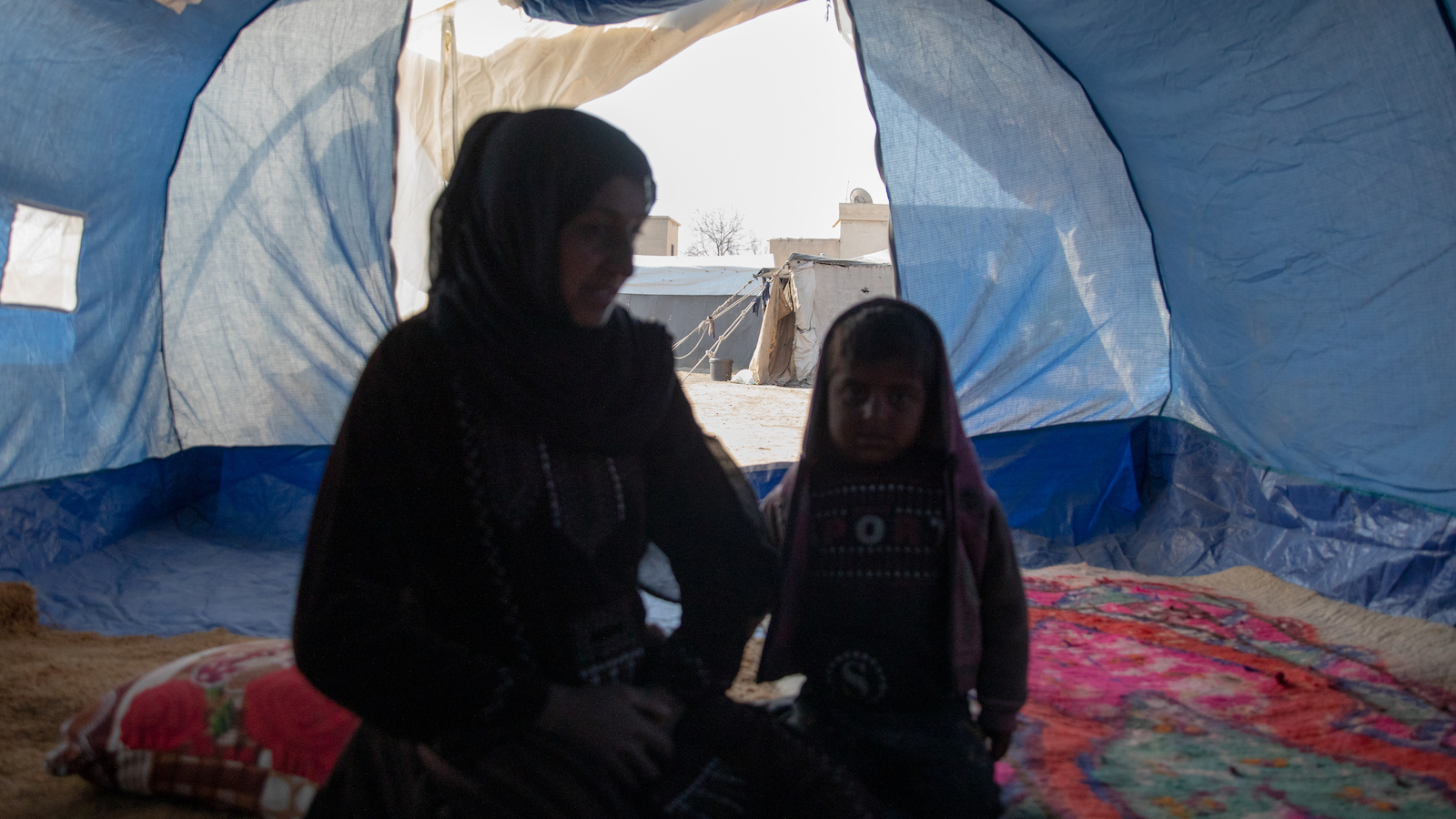
However, violence continues to persist in some regions, creating new displacement and leaving over 4.8 million refugees cautious to return home. What’s more, many who have returned have found their towns reduced to rubble — and living in tents on top of the wreckage that was once their homes.
» Learn more about Concern’s work in Syria
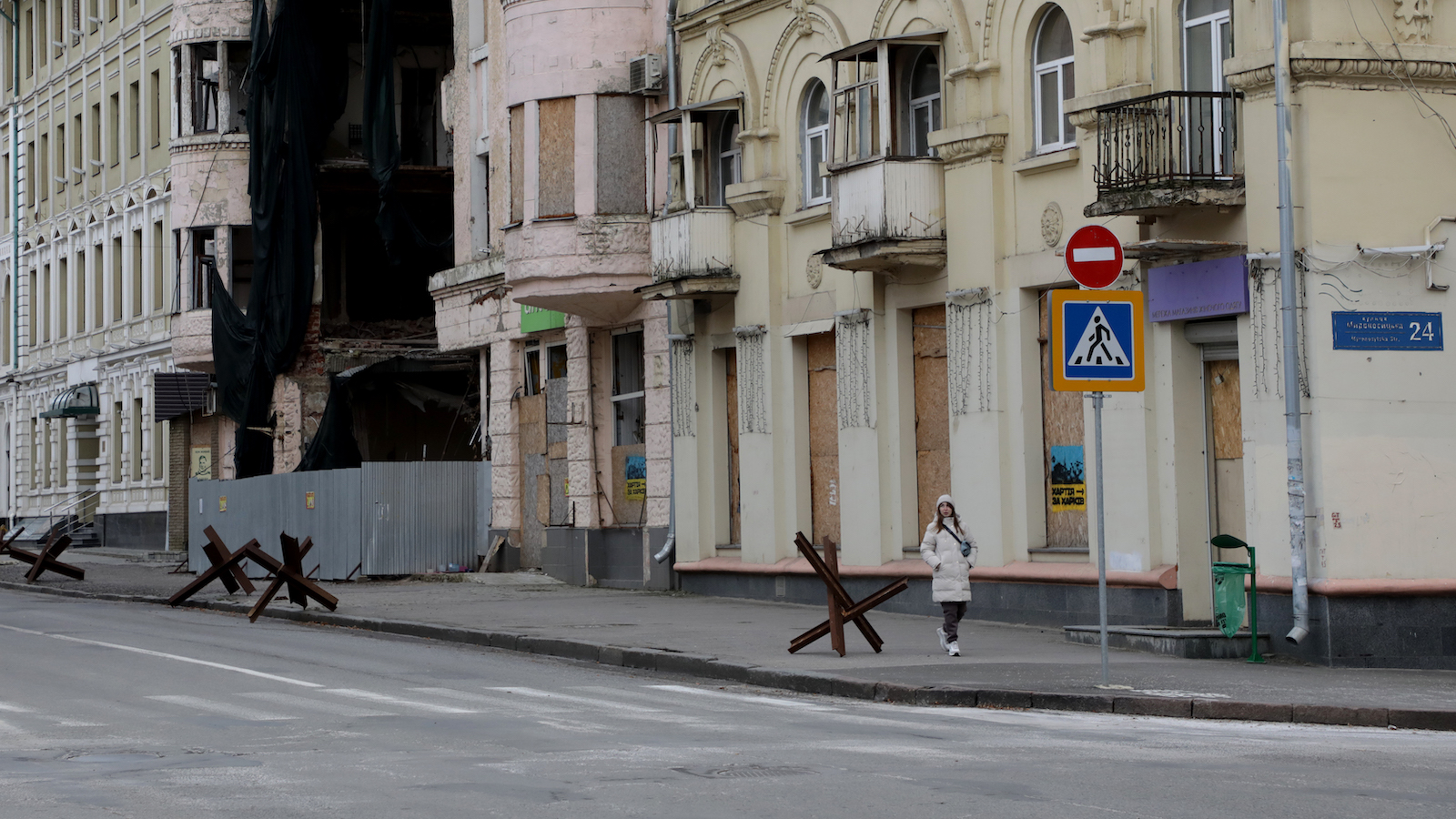
1. Ukraine: The world’s largest refugee crisis in 2026
- At a glance: Ukraine is now the world’s largest refugee crisis in 2026, with nearly over 5.2 million people displaced amid active conflict and uncertain futures.
- Total refugees in 2026: 5,224,131
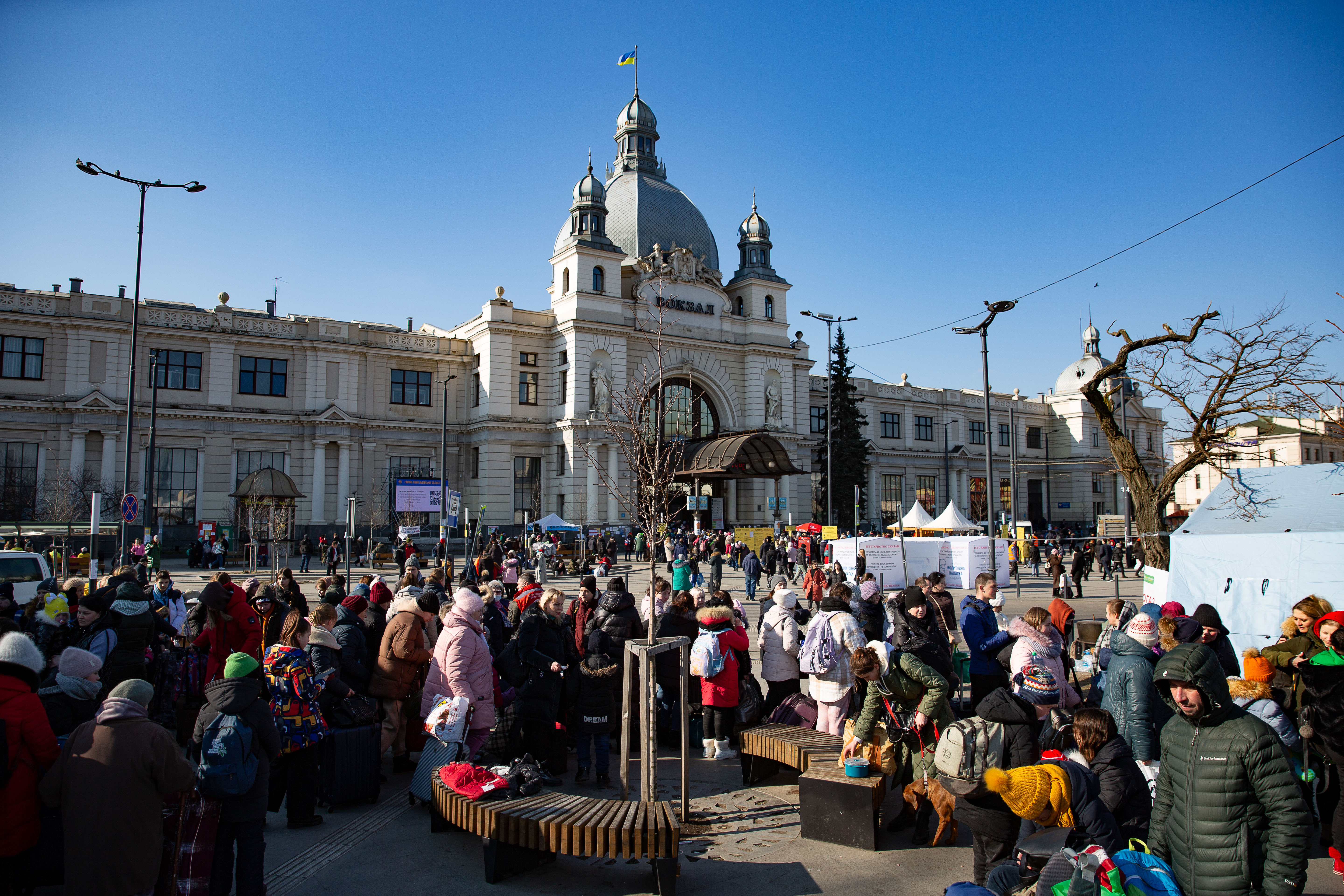
In February 2022, ongoing conflict in eastern Ukraine led to a full-blown humanitarian crisis and rapid displacement. At the beginning of 2026, over 5.2 million Ukrainians were living as refugees, many in neighboring countries.
Within Ukraine, an additional 3.7 million people are internally displaced, a number that shifts even more throughout the year among frontline communities in the country’s eastern regions.
Concern’s work with refugees
Concern’s response to the global displacement crisis is in keeping with UN frameworks. We focus on working with host communities to ease pressure on resources, while also working with refugees to build their own self-reliance and resilience even in difficult circumstances.
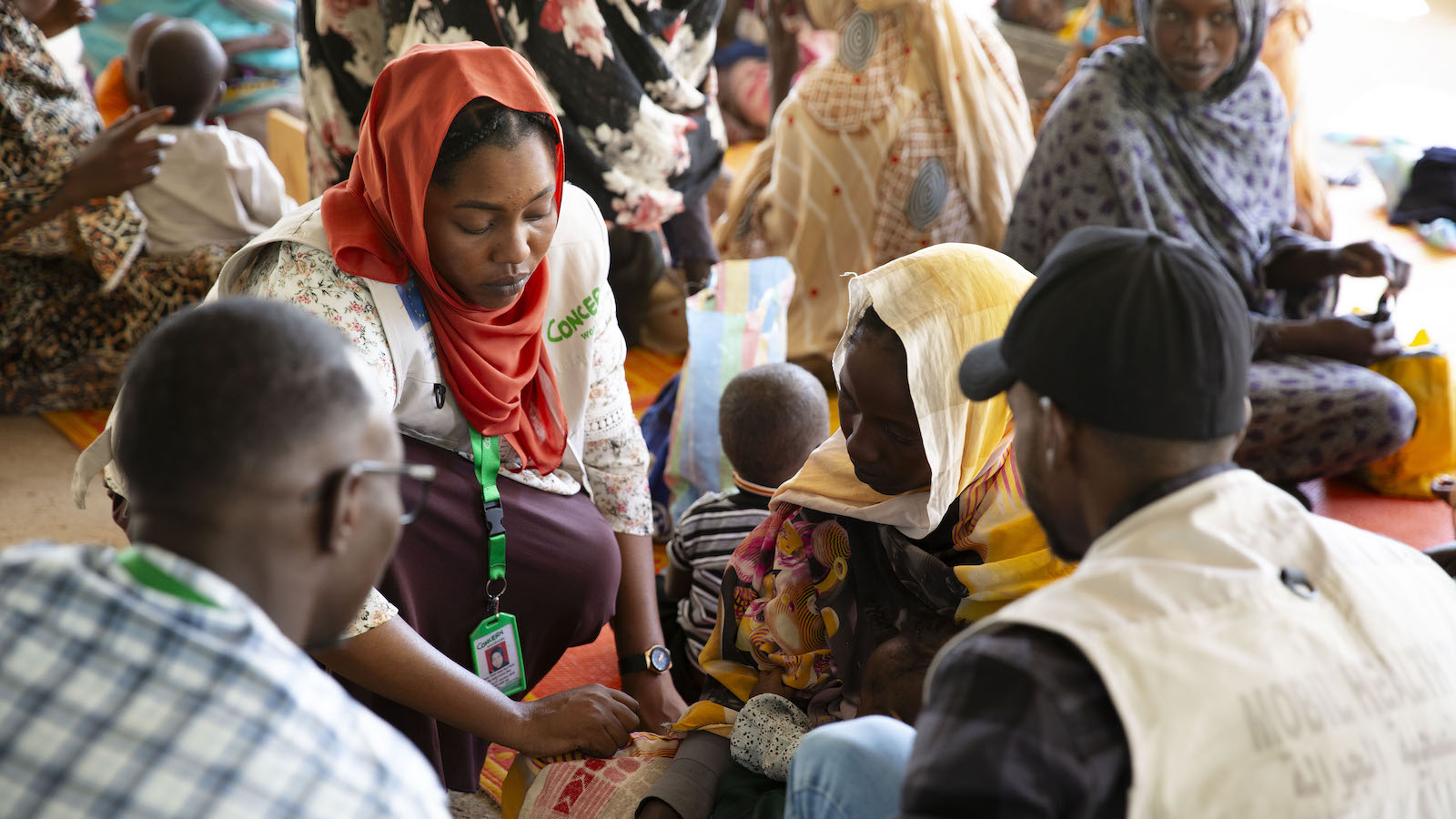
Last year alone, Concern responded to 45 emergencies in 22 countries, reaching 15.6 million people with urgent necessities such as shelter, psychosocial support, healthcare, and food as well as longer-term livelihoods trainings that benefit both displaced and host communities.
*All numbers are via the UNHCR’s Refugee Statistics Portal and refer to refugees under UNHCR mandate. For the purposes of this article and to keep data consistent, we do not include Venezuelans displaced abroad or Palestinians under UNRWA mandate, which are classified differently. Unfortunately, no one data set is going to give us the complete picture of our current global displacement crisis.